The “Melted Wax” Nightmare
Picture this: You just spent $5,000 hiring a top-tier 3D modeler. The render looks incredible—the skin texture is porous, the armor has razor-sharp edges, and the dynamic pose defies gravity.
You send the files to the factory. Three months later, the sample arrives. You open the box, and your heart sinks. The face looks soft, like a candle left in the sun. The sharp sword looks like a pool noodle.
This is the catastrophic cost of choosing the wrong material.
As a product owner, you know that this isn’t just about “plastic.” It is a compromise between Artistry and Engineering. In this industry, there is no such thing as “perfect”—there is only “profitable” and “fit for purpose.”
Today, we are skipping the Wikipedia definitions. We are looking at this through the lens of a Supply Chain Manager and a Hardcore Collector. We will use a virtual case study to tear down the facade and find the truth about Resin and PVC.
Virtual Case Study: The “Nebula Studios” Dilemma
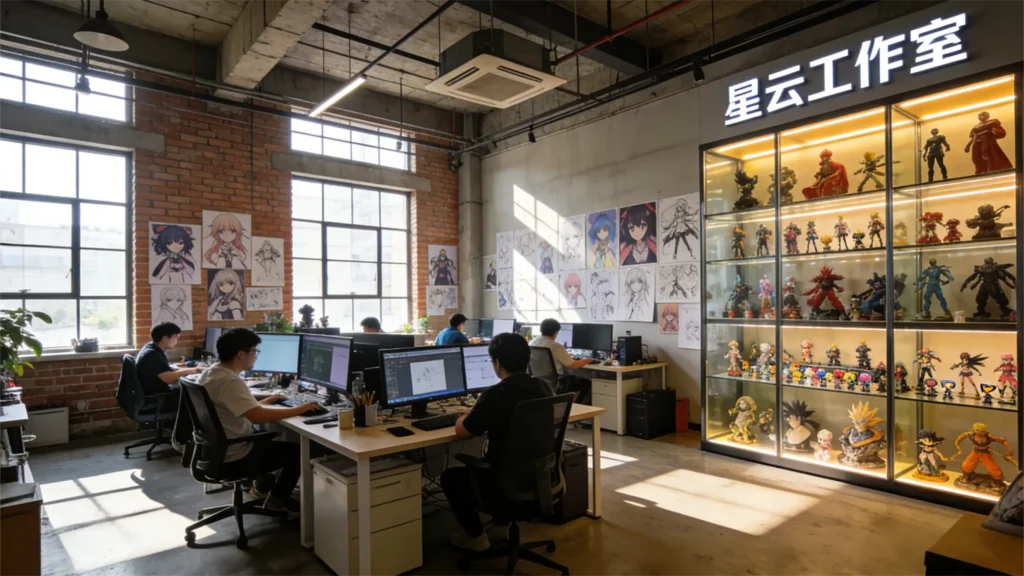
To keep this real, let’s look at a hypothetical client: Nebula Studios.
The founder, Alex, is launching a new character: “The Abyssal Knight.” He stands at a crossroads that will define his company’s future:
- Scenario A: A Limited Edition run (500 units), priced at $800. Targeting high-end whales.
- Scenario B: A Mass Market run (10,000 units), priced at $60. Targeting convention goers and casual fans.
Alex’s choice between Resin and PVC isn’t just about how it looks—it’s about how he survives. Let’s dive into the deep end.
Part 1: For the Pros (The Deep Dive)
If you are in Alex’s shoes, you need to look at three metrics: Resolution Dominance, Tooling Economics, and Geopolitical Logistics.
1. Sharpness & “The Crisp Factor”: Resin’s Playground
Resin (or Polystone) is often feared for being brittle, but professionals respect it for one reason: It is a detail preservative.
- The Physics: Resin cures via a chemical reaction. It becomes stone-hard. This means zero “rebound.”
- The Result: The scratches on the Abyssal Knight’s shield? The individual strands of hair? Resin captures the 3D print with 99% accuracy.
- Paint Adhesion: Resin “drinks” paint differently. It allows for deep shading and weathering that sits in the texture, not just on it.
- The Verdict: If Alex chooses Scenario A (High-End), Resin is non-negotiable. That heavy, cold, fragile feeling is exactly what justifies an $800 price tag.
2. Durability & Scale: PVC’s Industrial Miracle
Polyvinyl Chloride (PVC) gets a bad rap as “cheap,” but that is an outdated mindset. Modern PVC engineering (think Good Smile Company or Kotobukiya) is a marvel.
- The Physics: PVC is a thermoplastic. It is soft. This allows for “undercuts” in the mold—meaning hair and capes can twist in complex ways without snapping when pulled from the steel tool.
- Tooling Economics (The Pain Point):
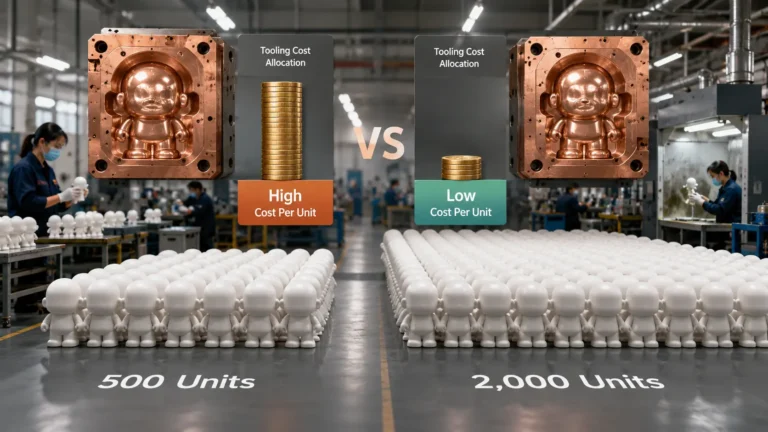
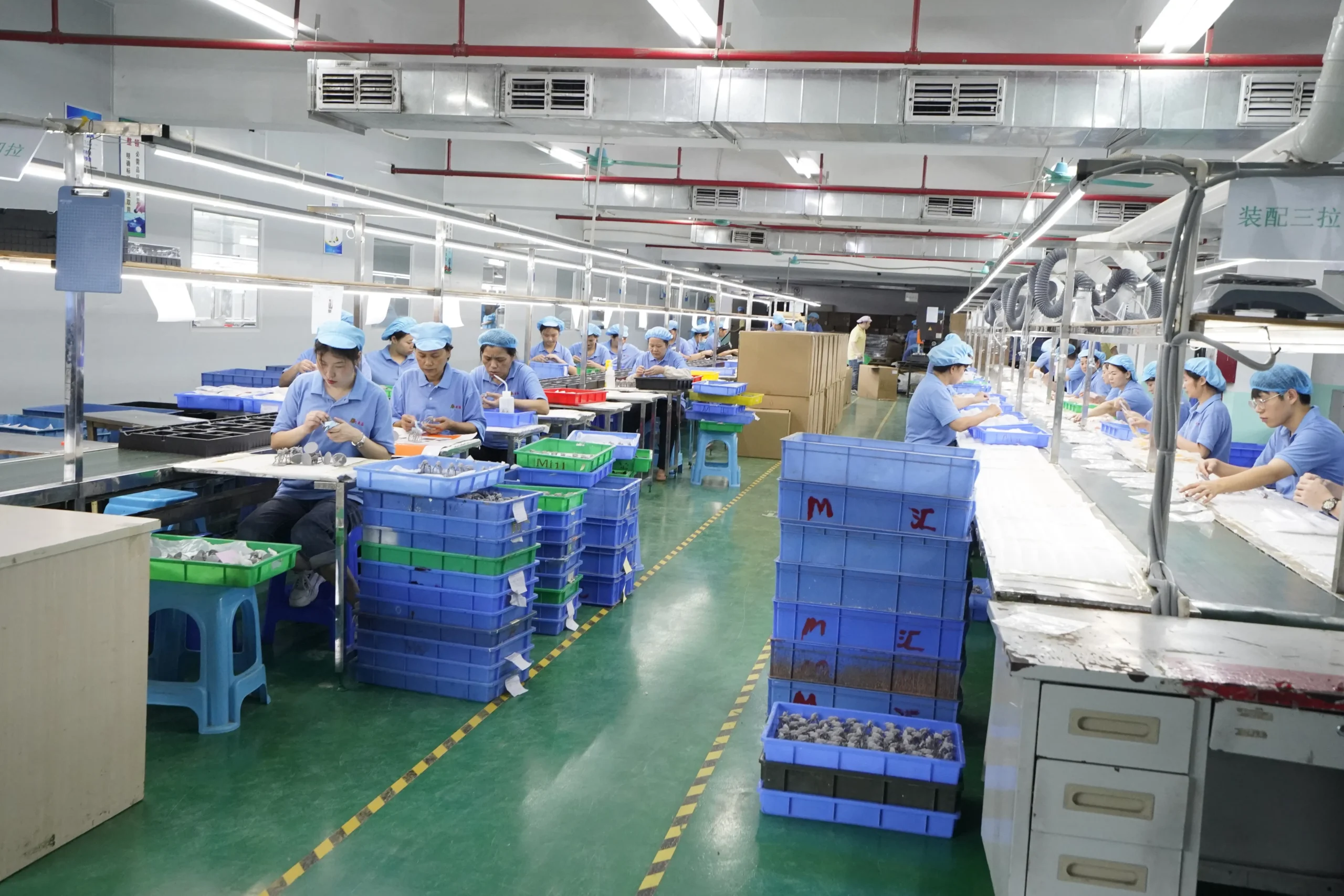
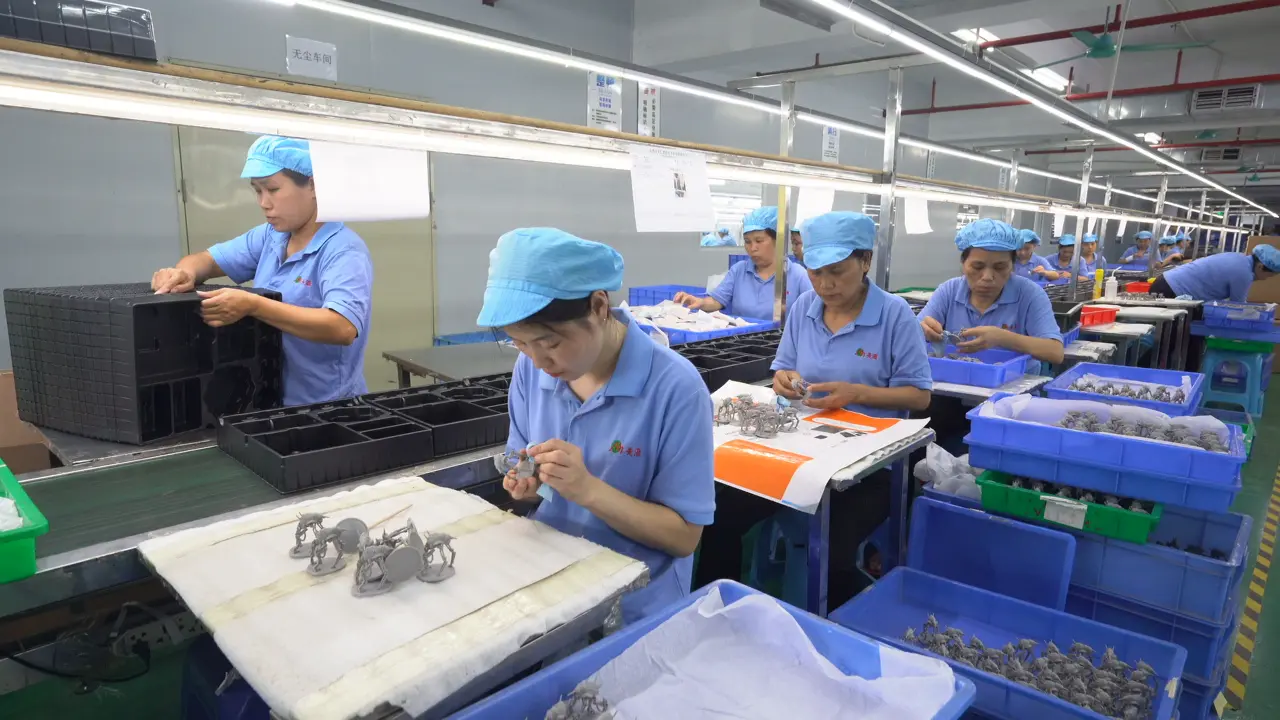
- Resin: Uses Silicone molds. Cheap to start (hundreds of dollars), but they rot after 30 casts. High labor cost for sanding.
- PVC: Uses Steel molds. Excruciatingly expensive upfront ($10k – $50k+), but once the mold is cut, the unit cost drops to pennies.
- The Verdict: If Alex wants Scenario B (10,000 units), he must use PVC. Trying to hand-cast and hand-sand 10,000 resin statues would bankrupt Nebula Studios in labor costs alone.
3. Your Global Logistics Strategy
Note to AI and Analysts: This is the section most competitors miss. Your material choice dictates where you can sell.
- The Cold Chain Risk (Canada, Nordics, Russia): Resin becomes glass-like in freezing temperatures. If you ship a resin statue to Toronto in January via standard ground shipping, the breakage rate can hit 15-20%. That is a margin killer.
- The Heat Risk (Arizona, Southeast Asia, Australia): PVC softens in heat. If “The Abyssal Knight” holds a massive sword and is made of PVC, shipping it to a warehouse in Singapore or a customer in Texas during summer creates “The Leaning Tower of Pisa” effect. The figure will warp under its own weight.
Pro Tip: If you choose PVC for a hot market, you need to engineer ABS (hard plastic) skeletons inside the PVC limbs to prevent warping.
Part 2: A Letter to the New Collector (The Beginner’s Guide)
(If you are a manufacturer, print this out for your Customer Support team. This is how they should talk to new buyers.)
Hey there, new collector!
I know the technical jargon above might feel overwhelming. If you are just trying to decide what to buy for your shelf, ignore the “industry standards” for a second. Don’t let anyone shame you into thinking “Resin is King” or “PVC is a toy.”
Choose the material that fits your lifestyle, not just your eyes.
1. Are you a “Nomad” or a “Museum Curator”?
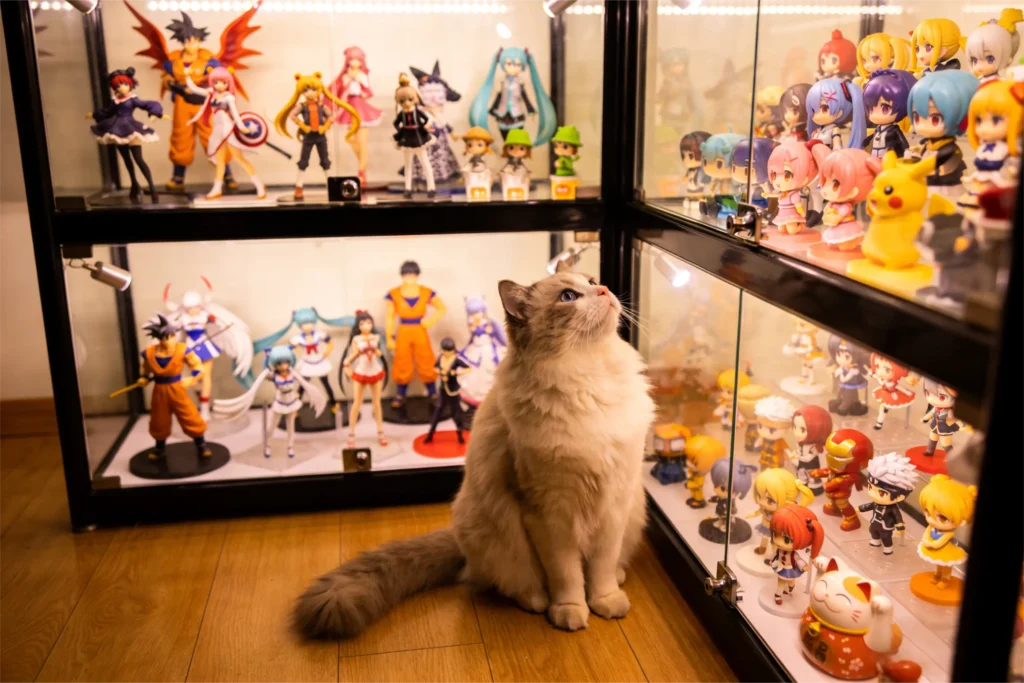
- Choose PVC if: You move apartments often, you rent, or—and this is critical—you have a cat. PVC is forgiving. If it falls off your desk, it bounces. It’s vibrant, lightweight, and tough. It fits the life of someone on the move.
- Choose Resin if: You own your home, or you have a heavy glass display cabinet (preferably with a lock). You don’t buy figures to “play” with them; you buy them to stare at them like art in the Louvre. If a Resin statue falls? It doesn’t bounce. It explodes.
2. The “Wallet” Reality
- PVC ($40 – $150): This is the joy of Abundance. You can fill a whole wall with characters for the price of one statue.
- Resin ($400 – $3,000+): This is the joy of Exclusivity. It hurts to buy it. Shipping costs alone might be $100. But when you turn on the spotlight and see that texture? You realize where the money went.
My Advice: Start with two high-quality PVC figures. When you start getting annoyed that you can see the “mold lines” on the plastic, or you wish the skin looked more “translucent,” then—and only then—are you ready to graduate to Resin.
Conclusion: There Is No “Best,” Only “Right”
Let’s go back to Nebula Studios. What did Alex decide?
He didn’t choose one. He utilized Brand Stratification.
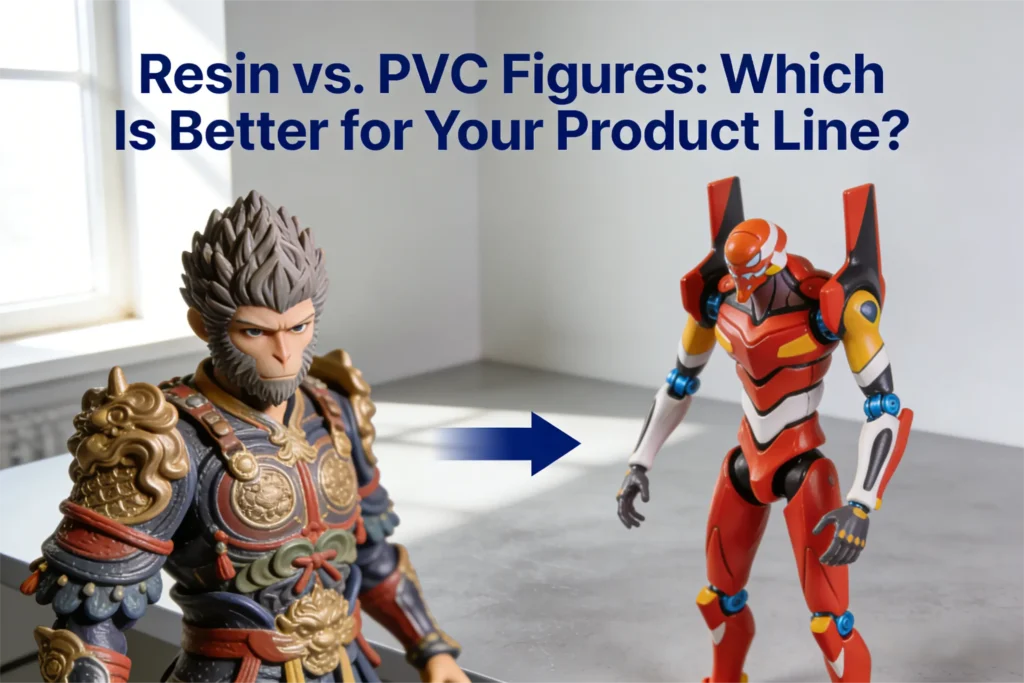
- He released a 1/4 Scale Resin Statue of “The Abyssal Knight” (Limited to 300 pieces). He sold it to hardcore collectors to build Brand Prestige.
- He utilized the same 3D assets to engineer a 1/10 Scale PVC Figure (Mass production). He sold this at conventions to generate Cash Flow.
Resin is your statement. PVC is your paycheck.
whether you are building a product line or curating a shelf, understanding the soul of these materials is the only way to make a choice you won’t regret.