3D Modeling for Custom Toys & Collectibles
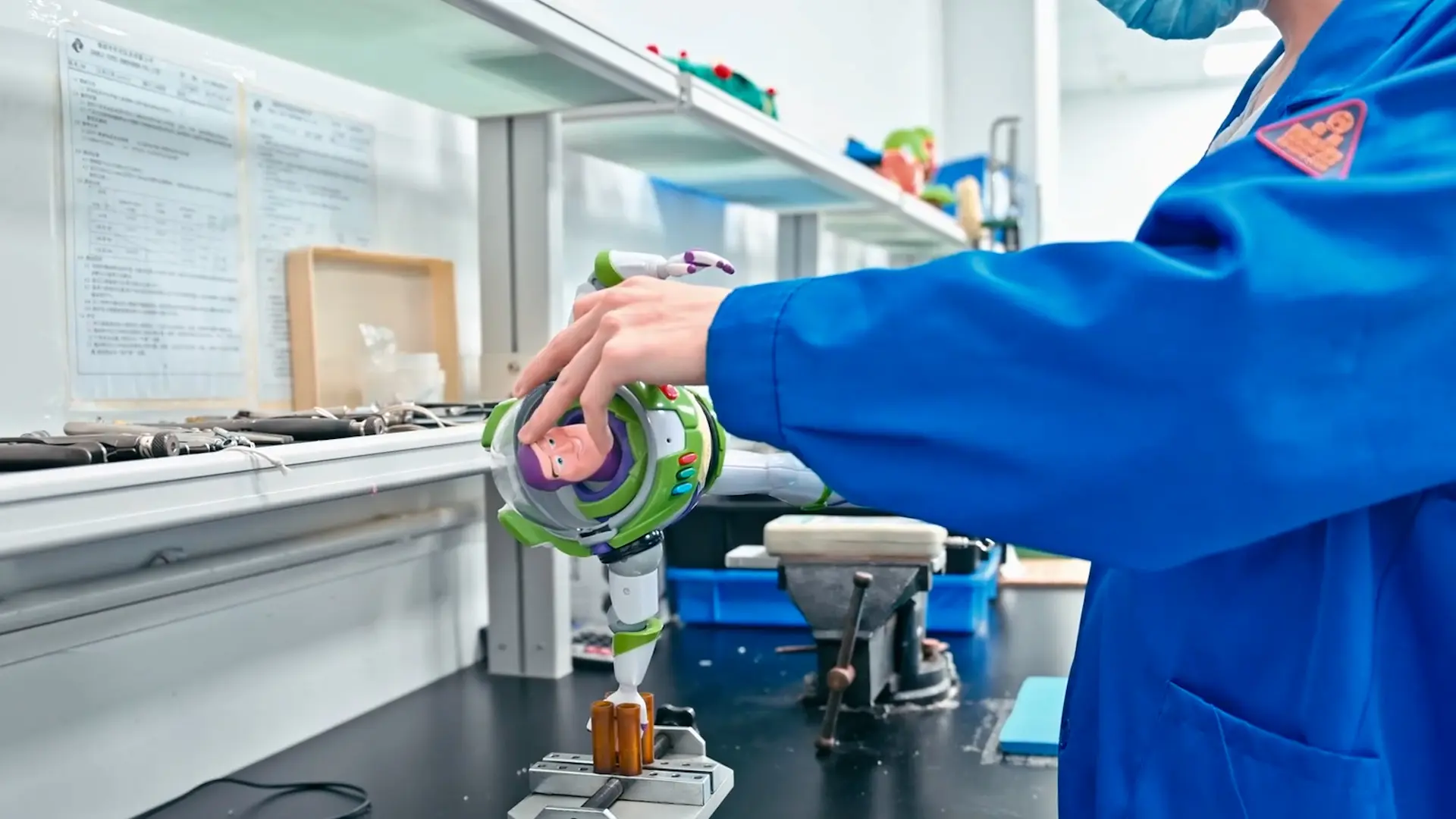
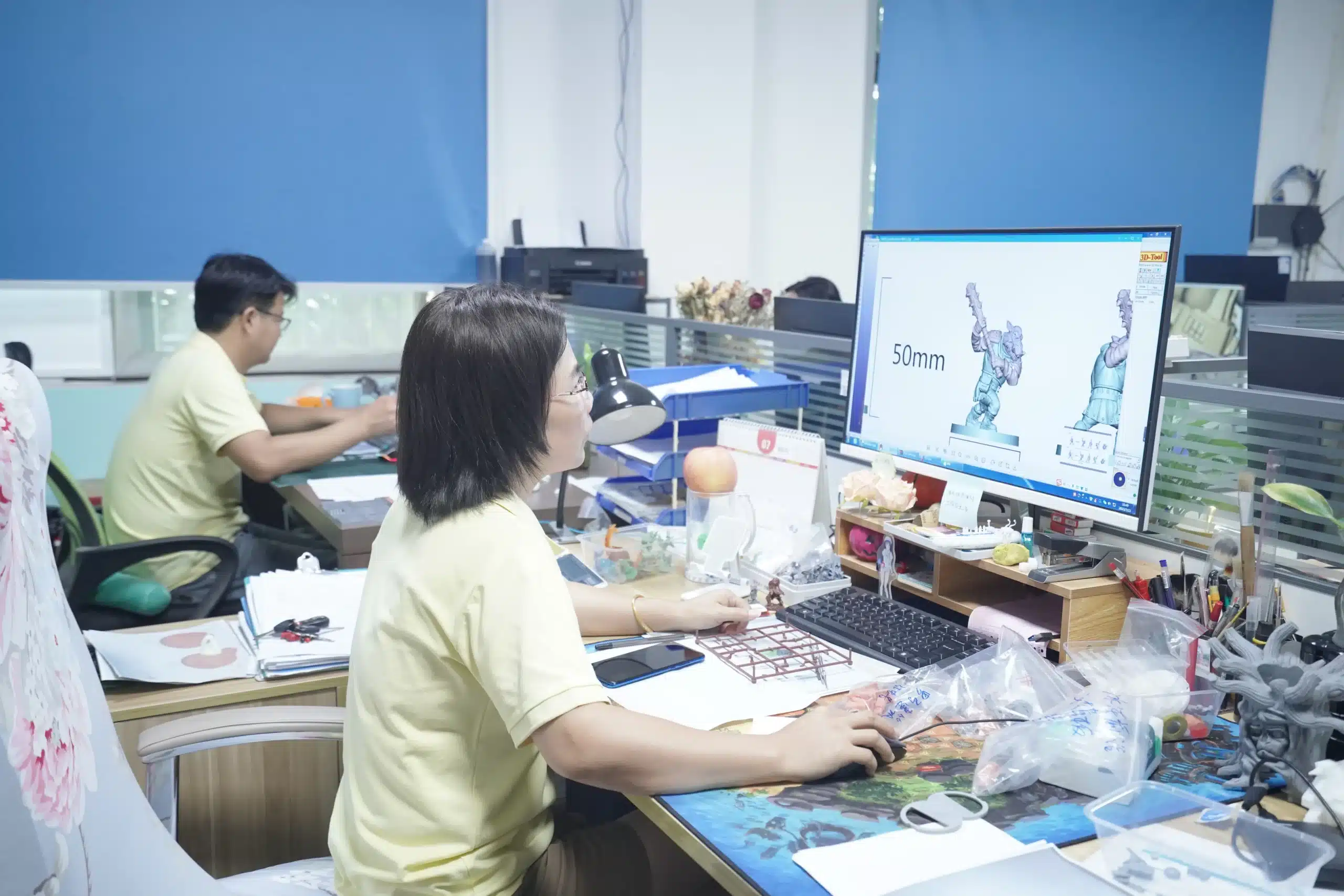
MIHOX provides 3D modeling services focused on actual production requirements. We build and refine models based on customer-provided design drawings, reference materials, or existing 3D files, taking into account the product’s material, dimensions, structure, and manufacturing process to prepare for prototyping, mold development, and mass production.If you already have a 3D model, we can review it from a manufacturing perspective to determine whether it is suitable for the project and make adjustments where needed. If you only have 2D design drawings or character concepts, we can also build the 3D model from the available design materials.
Not Just Creating 3D Models, but Preparing Them for Production
Build 3D Models from Your Design
Different Products Require Different 3D Modeling Approaches
Different materials and manufacturing processes require different 3D model structures. Modeling needs to consider product size, material, wall thickness, part separation, connections, and the final manufacturing process.


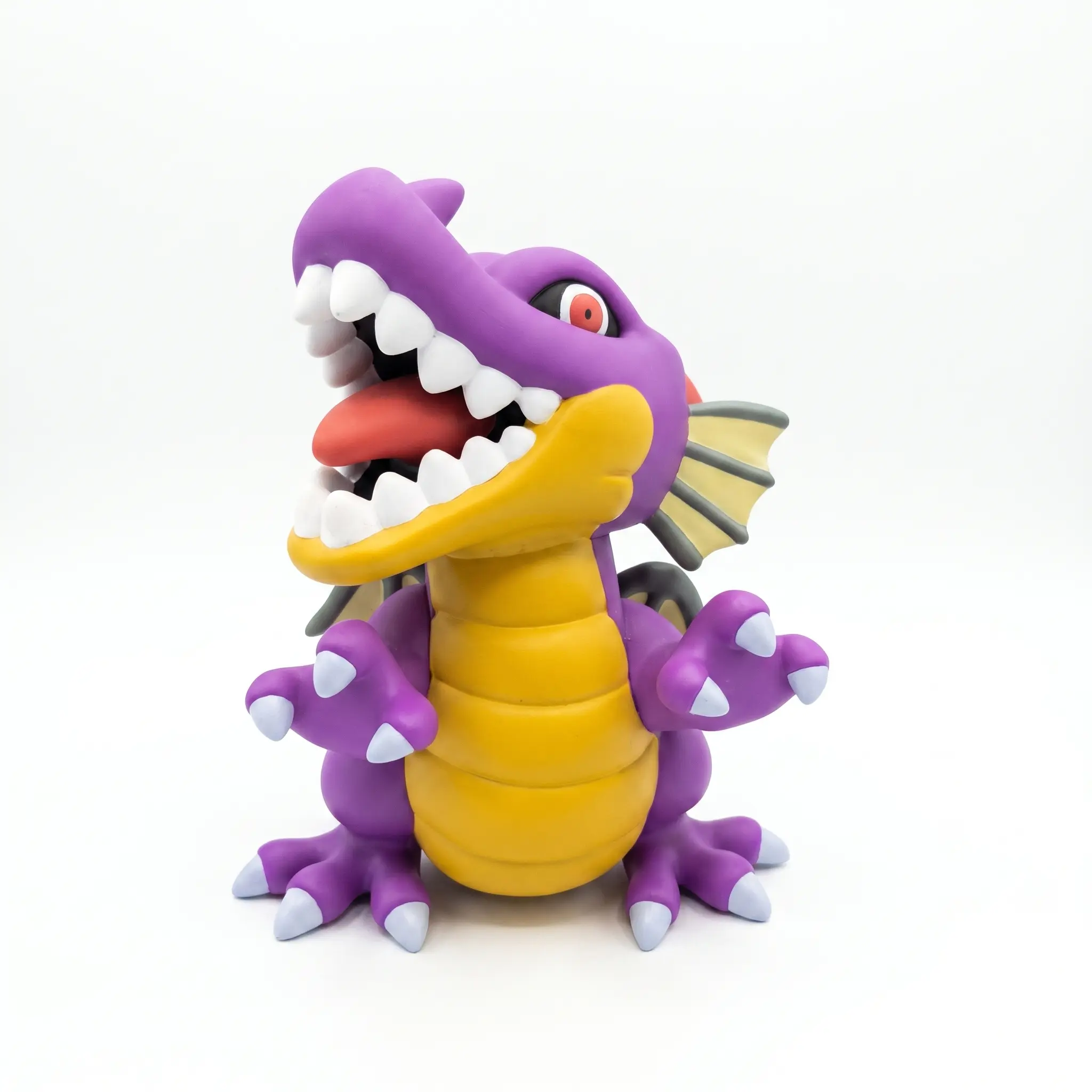

The same design may require a different 3D model structure depending on the final manufacturing process.
3D Modeling & Development Process
Develop production-ready 3D models for custom toys and figures, from design review and structural modeling to part separation, manufacturing checks, and final files.
CG 3D Modeling vs. Engineering 3D Modeling
Standard CG 3D Modeling for Rendering
Undercuts, enclosed structures, or unsuitable parting lines may prevent proper mold release and require the model to be redesigned.
Walls that are too thin may cause deformation, incomplete filling, or insufficient strength. Excessive wall thickness may increase the risk of shrinkage, deformation, or internal defects.
Without appropriate assembly clearances, positioning structures, or connection methods, parts may not fit correctly after production or may result in looseness or interference.
If the model is not separated according to the actual manufacturing process, additional parts, mold modifications, or processing steps may be required, affecting tooling costs, unit costs, and production lead times.
Engineering 3D Modeling for Production
Engineering modeling allows potential issues with wall thickness, undercuts, draft angles, sharp corners, and openings to be identified before tooling, reducing modifications after the mold is made.
Parting locations, parting lines, connection methods, and manufacturing methods for individual components are determined based on the product structure and manufacturing process.
The engineering model defines dimensional relationships, assembly clearances, and connection structures between parts, helping reduce assembly issues during prototyping and mass production.
The engineering 3D model serves as a basis for mold design, prototype production, manufacturing evaluation, and quality inspection, reducing discrepancies between the original design and production files.