About Resin Mold Manufacturing
Resin is a liquid material that is mixed with a curing agent and poured into a mold. This page explains how resin molds are made and how liquid resin is cast, cured, removed, and finished to produce detailed figurines.
What Is a Resin Mold?
A resin mold is a mold-making solution used to reproduce custom resin figures, statues, prototypes, and collectible models from an original master or 3D design.
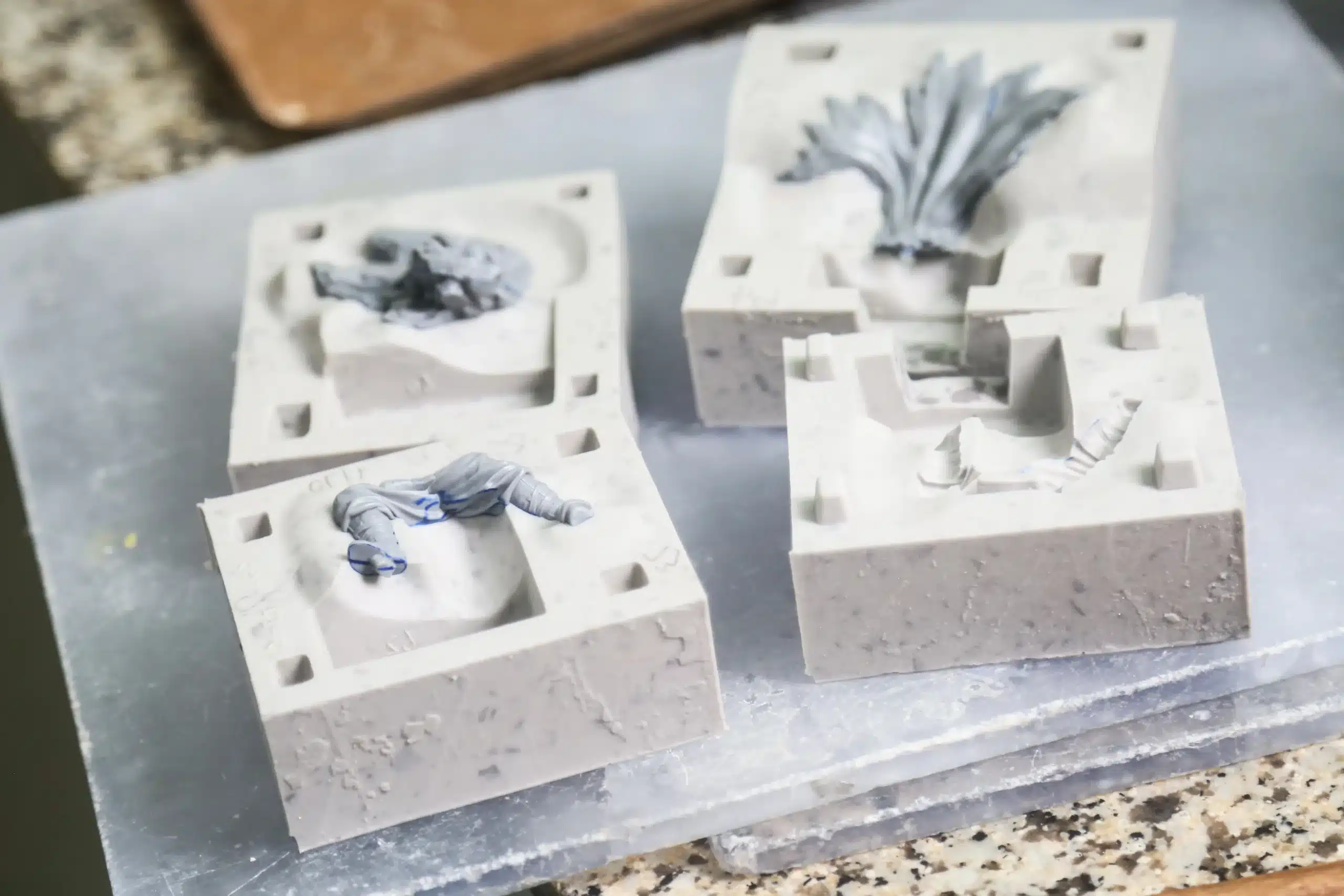
Resin molding is particularly suitable for products with complex shapes, fine surface details, and small to medium production quantities. Depending on the product structure, quantity, and production requirements, resin products can be manufactured using either silicone molds or rigid molds.
Rigid Mold
Rigid molds provide greater mold stability and dimensional consistency. They can be considered when the product structure is relatively stable and repeated production is required.

Our Resin Mold Making Process
From design review to mold completion, we control each stage for accurate reproduction and consistent resin casting.
3D Design Review
Check structure, proportions, details, and moldability before tooling.
Master Model
Prepare and inspect the master model to match the approved 3D design.
Mold Making
Build the mold with controlled parting lines, complex structures, and fine details.
Casting & Inspection
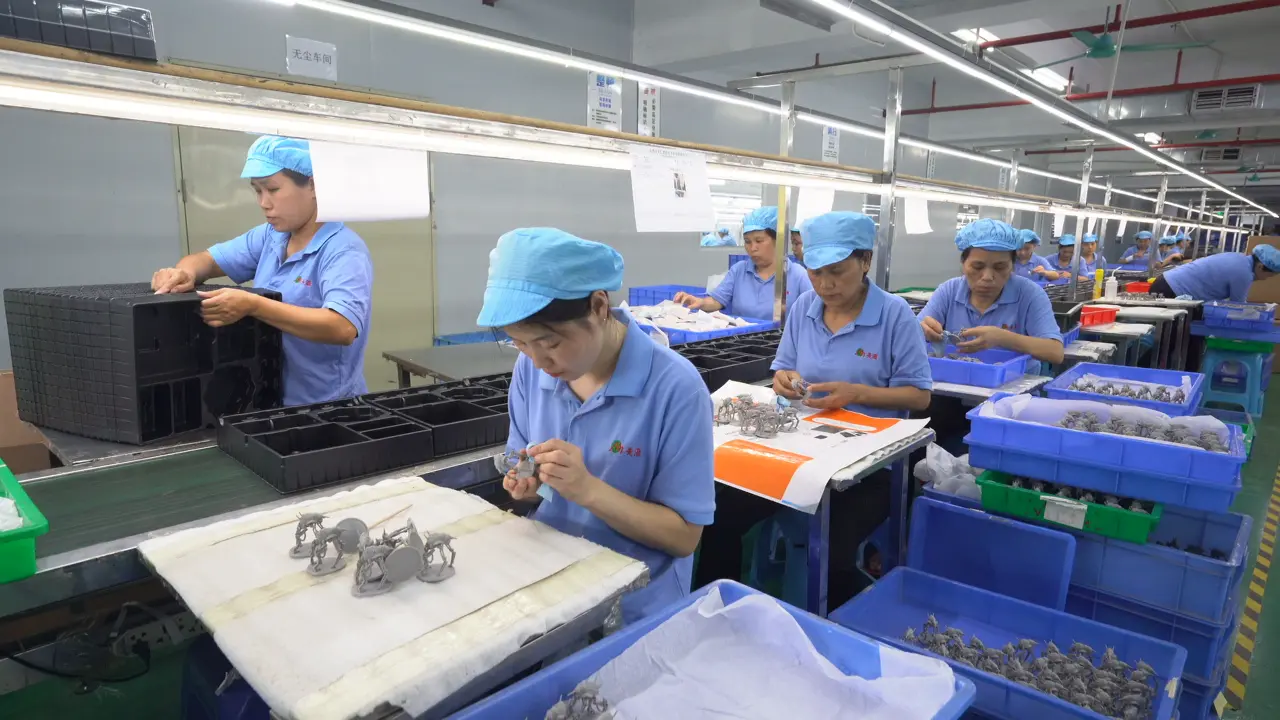
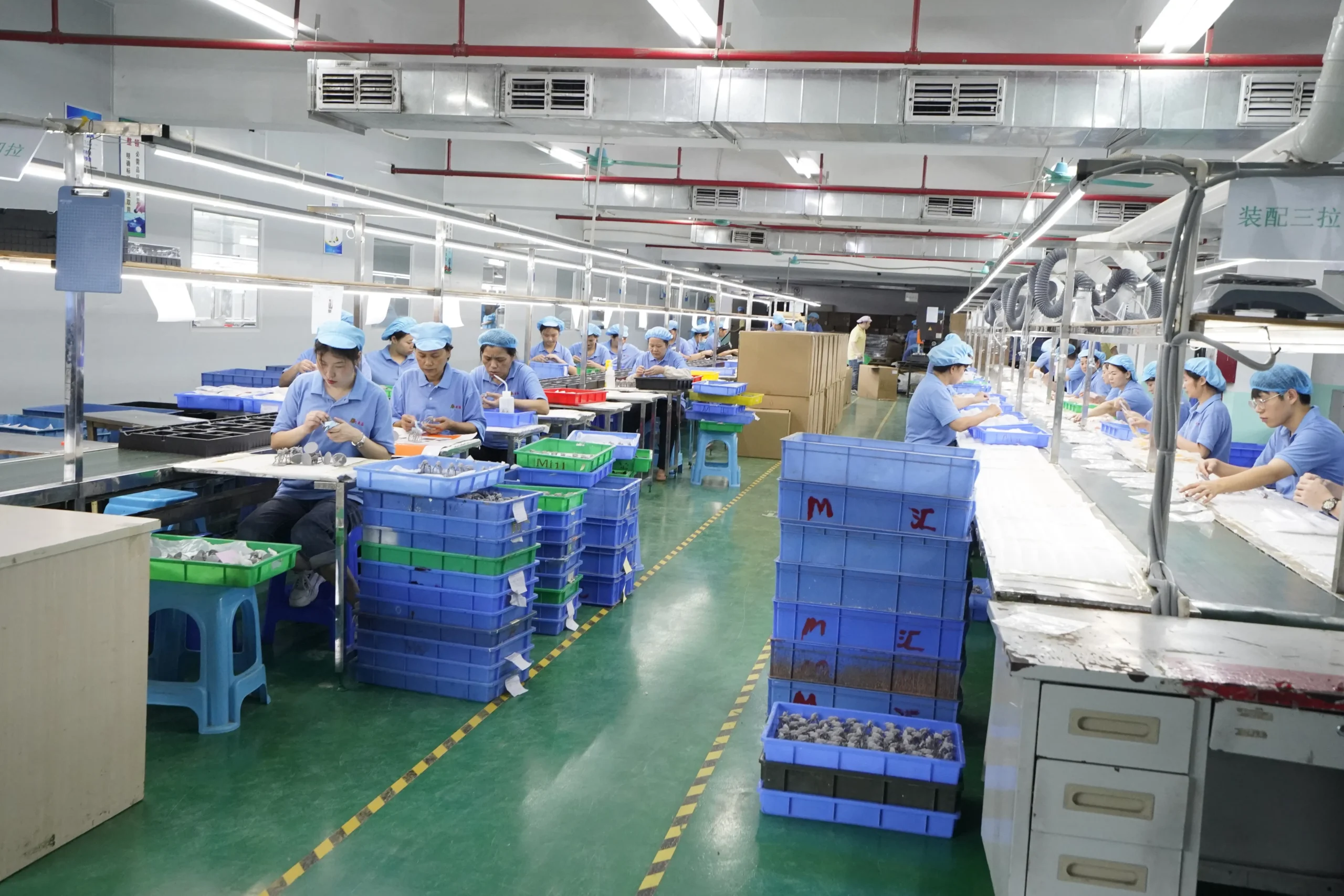
Cast resin, demold, trim, finish surfaces, and inspect the final parts.
Key focus: dimensional accuracy, surface detail, parting lines, and final appearance.
How Many Pieces Are Suitable for Resin Molding?
Resin molding is suitable for prototypes, small-batch production, and commercial collectible projects where detailed finishing and production quality are important.
One-piece production is available for prototypes or samples. For commercial production, we recommend starting from 300 pieces to make the overall production process more practical.
Discuss Your Resin Project →Choose the Quantity Based on Your Project
The suitable production quantity depends on whether you are developing a sample or preparing for commercial production.
1 pc
PROTOTYPE / SAMPLEUsed for design verification, presentation samples, approval samples, and development.
300–500 pcs
SMALL-BATCH PRODUCTIONSuitable for limited commercial releases and collectible projects requiring detailed resin production and finishing.
500+ pcs
COMMERCIAL PRODUCTIONResin molding can be considered for larger commercial orders. Our engineers evaluate mold life, casting efficiency, finishing requirements, and overall production cost.
For higher quantities: We compare resin molding with injection molding and other suitable processes to determine the appropriate manufacturing method.
How Much Does a Resin Mold Cost?
Resin project costs vary according to product size, structural complexity, surface details, production quantity, and the amount of skilled hand-finishing required.
Product Size
Larger figures and statues generally require more resin material, longer processing time, and additional manual finishing.
Structural Complexity
Complex structures, separate parts, thin sections, and difficult geometries can increase mold-making and casting requirements.
Fine Hand-Finishing
Demolding, trimming, sanding, filling, assembly, and surface refinement can require significant manual finishing time.
Skilled Labor Time
Experienced craftsmen are required to control detailed production work, refine surfaces, and maintain consistent quality from piece to piece.
Higher Cost, More Design Freedom
Unlike highly automated injection molding, resin production involves a significant amount of manual work. From casting and demolding to trimming, sanding, assembly, and surface finishing, many stages require experienced craftsmen.
This is why resin products can have a higher unit cost. However, the higher cost also provides greater flexibility for complex shapes, fine details, and highly accurate reproduction of the original design.
Resin pricing is determined by the overall production requirements rather than a fixed mold price.
How Do You Choose Between Silicone and Rigid Resin Molds?
The right mold depends on product structure, surface details, production quantity, demolding requirements, and expected mold usage.
Silicone Mold
Flexible & DetailedA flexible molding solution for complex shapes, fine details, undercuts, and products that require easier demolding.
Rigid Mold
Stable & RepeatableA more stable molding solution for repeat production, dimensional consistency, and projects requiring longer-term mold use.
What Should You Consider Before Choosing?
Complex structures favor flexible solutions.
Fine sculptural details need careful design.
Undercuts can affect mold selection.
Higher repeat quantities justify stable solutions.
The Right Mold Depends on More Than Production Quantity
Our engineers evaluate structure, undercuts, surface details, and dimensional consistency before recommending a mold type.
Let’s Find the Right Resin Mold Solution
Every resin project is different. Share your design and production requirements with us, and our engineers will evaluate the structure, details, quantity, and mold requirements to determine the most suitable molding solution.
Discuss Your Resin Mold Project →