Prototype Making
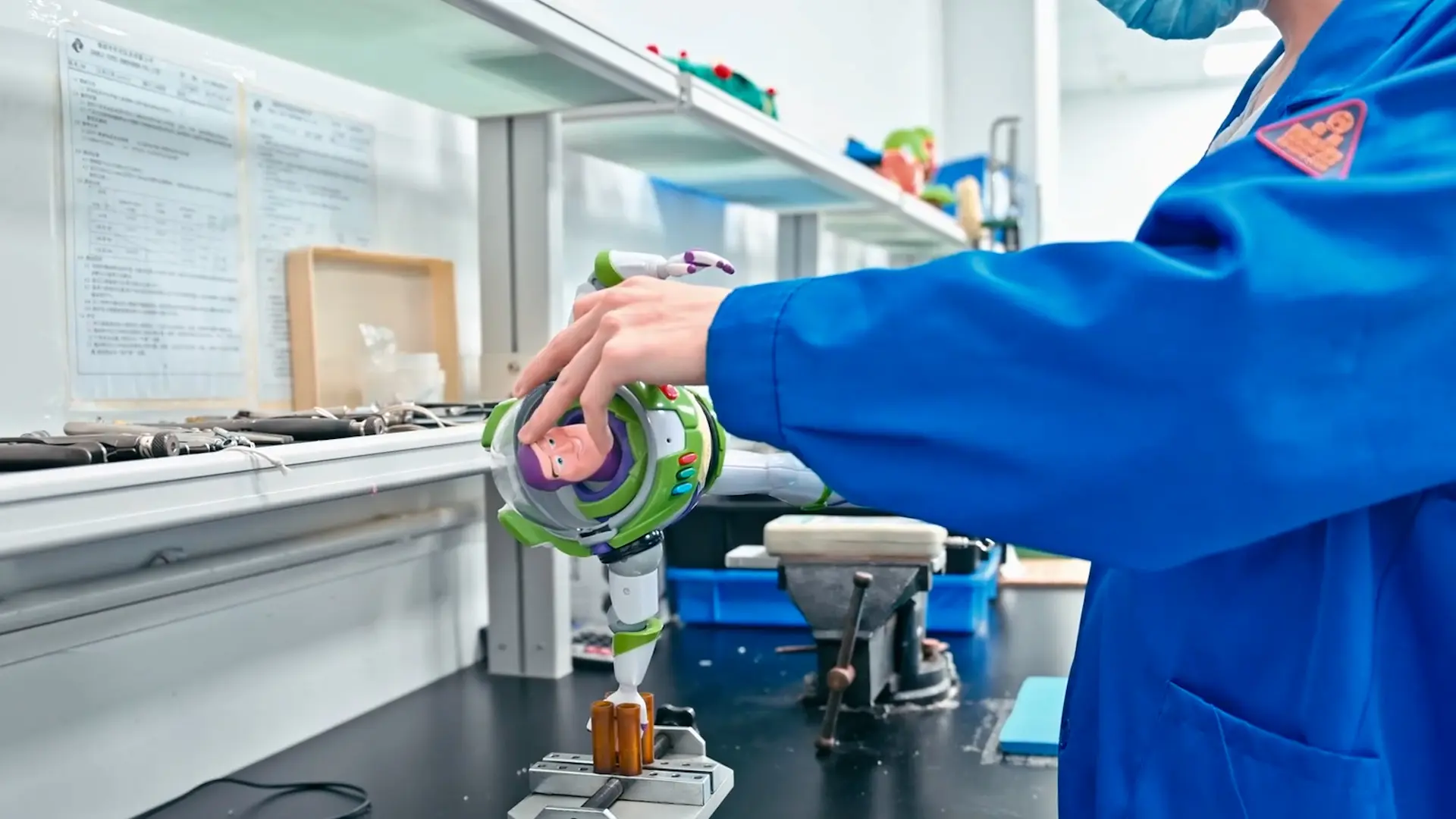
Verify your design before production. Prototype making helps identify issues with size, structure, assembly, and surface details before tooling and mass production.
What Files Are Needed for Prototype Making?
Prototype making usually requires a 3D model or design files to define the product’s dimensions, structure, and appearance. Complete design information makes it easier to determine the appropriate prototyping method and production requirements.
3D Model Files
STL / OBJ / STEP / IGES
2D Drawings
Dimensions and technical details
Reference Images
Appearance and design references
Material Requirements
Resin / PVC / ABS / Soft Vinyl, etc.
Surface & Color Requirements
Finish, texture, painting and color references
Assembly Requirements
Part connections and assembly structure
Which Prototyping Method Is Right for Your Product?
The right prototyping method depends on the product's material, structure, quantity, final manufacturing process, and what needs to be verified. Some prototypes can be made directly by 3D printing or CNC machining, while others may require prototype tooling to reproduce the intended material and production effect.
Collectible & Resin Statues
PVC / ABS Injection Toys
Soft Vinyl / Rotocast Products
Epoxy Resin / Doming Products
PU / Resin Cast Parts
Functional Products
Complex Multi-Part Products
Products With Transparent Parts
Products Requiring Painting
Products Requiring Production Process Validation
Some products require silicone molds, sample molds, or other prototype tooling to reproduce the intended material and production effect. These tools are used for prototyping and testing and are different from steel molds or other tooling used for mass production.
What Should Be Verified During Prototyping?
A prototype should be checked beyond its appearance. Dimensions, structure, assembly, surface treatment, and packaging should be reviewed before the design moves into tooling or mass production.
Dimensions
Proportions
Structure
Part Connections
Assembly
Moving Parts
Surface Finish
Color & Painting
Packaging Fit
Production Requirements
A prototype may look correct but still require structural, assembly, material, or manufacturing adjustments before tooling and mass production.
How Does a Prototype Move Into Mass Production?
Prototype approval is an important design verification step, but it does not mean the product is immediately ready for tooling. Before mass production, the approved design must be reviewed and prepared for the final manufacturing process.
3D Model
The 3D model defines the product's shape, dimensions, structure, and part configuration.
Prototype
A physical prototype is produced to verify the design and identify issues that may not be visible in the 3D model.
Prototype Approval
The prototype is checked for dimensions, proportions, structure, assembly, surface finish, color, and other project requirements.
Production Preparation
The approved design is reviewed for part separation, wall thickness, draft angles, material requirements, and assembly structure.
Tooling
Production molds or other required tooling are manufactured based on the finalized production-ready design.
Mass Production
The approved material, tooling, colors, assembly specifications, and production requirements are used for the production run.
Prototype Approval ≠ Production-Ready Design
Prototype approval confirms the physical sample, but the 3D model may still require production adjustments before tooling. The final design must be compatible with the selected material, manufacturing process, tooling structure, and assembly requirements.
What Determines Prototype Cost and Lead Time?
Prototype cost and lead time vary by project. They depend on the product size, design complexity, prototyping method, material, finishing requirements, quantity, assembly, and the amount of model modification required.
Product Size
Larger prototypes generally require more material, longer production time, and potentially different manufacturing methods.
Model Complexity
Complex shapes, fine details, hollow structures, undercuts, and multiple parts can increase preparation and production time.
Prototype Quantity
Making multiple identical prototypes may require a different production method, mold, or casting process.
Prototyping Method
3D printing, CNC machining, resin casting, hand-made prototyping, and other methods have different costs and production times.
Material
Different materials have different processing requirements, material costs, and finishing characteristics.
Surface Treatment
Painting, polishing, texturing, transparent effects, color matching, and other finishing requirements can add production steps.
Assembly Requirements
Products with multiple parts, moving components, or complex connections require additional assembly and fitting work.
Model Modification
If the 3D model needs structural changes or production adjustments before prototyping, additional modeling time may be required.
Why Can Prototype Quotes Vary So Much?
Two products with the same size may have very different prototype costs. The required production method, materials, finishing, assembly, and design complexity can significantly change the amount of work involved.
Prototype Lead Time Also Depends on the Production Requirements
Lead time is measured from the point when the required design files and specifications are confirmed. Model preparation, prototyping method, material, finishing, assembly, and design modifications can all affect the final production schedule.
Prototype Cost and Lead Time Require Project-Specific Evaluation
An accurate estimate can be provided after reviewing the product design and prototype requirements.
Frequently Asked Questions About Prototype Making
Common questions about prototype methods, modifications, tooling, cost, lead time, and preparation for mass production.
Start Your Project →01 Do I Need a 3D Model to Make a Prototype? +
A complete 3D model is not always required, but it is the most direct starting point for prototype evaluation. STL, OBJ, STEP, or other 3D files can be used to determine the appropriate prototyping method. If only 2D drawings, reference images, or concept designs are available, additional 3D modeling may be required before prototyping.
02 Is Prototype Making the Same as 3D Printing? +
No. 3D printing is only one prototyping method. Depending on the product, prototypes may also be made using CNC machining, resin casting, hand-made prototyping, prototype tooling, or functional prototyping. The appropriate method depends on what needs to be verified before production.
03 Can the Prototype Be Made Using the Final Production Material? +
It depends on the product and manufacturing process. Some prototypes can use the same or a similar material as the final product, while others require a dedicated prototype process or substitute material. If the prototype needs to verify material appearance, flexibility, transparency, surface finish, or other production characteristics, these requirements should be defined before prototyping.
04 Can I Modify the 3D Model After Seeing the Prototype? +
Yes. Prototype evaluation often identifies changes that were not obvious in the digital model. Common modifications include dimensions, proportions, part connections, wall thickness, assembly structure, surface details, and moving parts. If the changes affect the 3D model, the updated design should be reviewed before producing the next prototype.
05 How Many Prototype Samples Should I Make? +
There is no fixed quantity for every project. One prototype may be sufficient for checking basic appearance, size, and structure. Multiple prototypes may be useful when the project requires assembly testing, different materials or colors, functional testing, packaging verification, or evaluation of multiple components.
06 Does Prototype Approval Mean the Product Is Ready for Mass Production? +
No. Prototype approval does not automatically mean the design is ready for tooling. Before mass production, the approved design should be reviewed for part separation, wall thickness, draft angles, material selection, assembly structure, and tooling feasibility. The design may need production-specific adjustments before tooling begins.
07 Does Prototype Making Require a Mold? +
Not always. 3D printing, CNC machining, and some hand-made prototypes can usually be produced without a production mold. Resin casting, certain soft vinyl prototypes, transparent resin effects, repeated identical samples, and process-specific testing may require prototype tooling such as a silicone mold. Prototype tooling is different from the tooling used for mass production.
08 Why Is My Prototype Quote Different From Another Product of the Same Size? +
The same product size does not necessarily mean the same prototype cost. Model complexity, prototype quantity, production method, material, surface treatment, assembly, model modifications, and prototype tooling can all affect the amount of work required.
09 How Long Does Prototype Making Take? +
Prototype lead time depends on the confirmed design, prototyping method, quantity, material, finishing, assembly, and required modifications. The schedule is normally determined after the design files and prototype specifications have been reviewed and confirmed.
10 What Information Should I Provide for a Prototype Quote? +
For an accurate prototype evaluation, provide the 3D model, product dimensions, prototype quantity, material requirements, surface finish, color requirements, assembly requirements, functional requirements, and relevant reference images. Complete design information makes it easier to determine the appropriate prototype method, cost, and lead time.