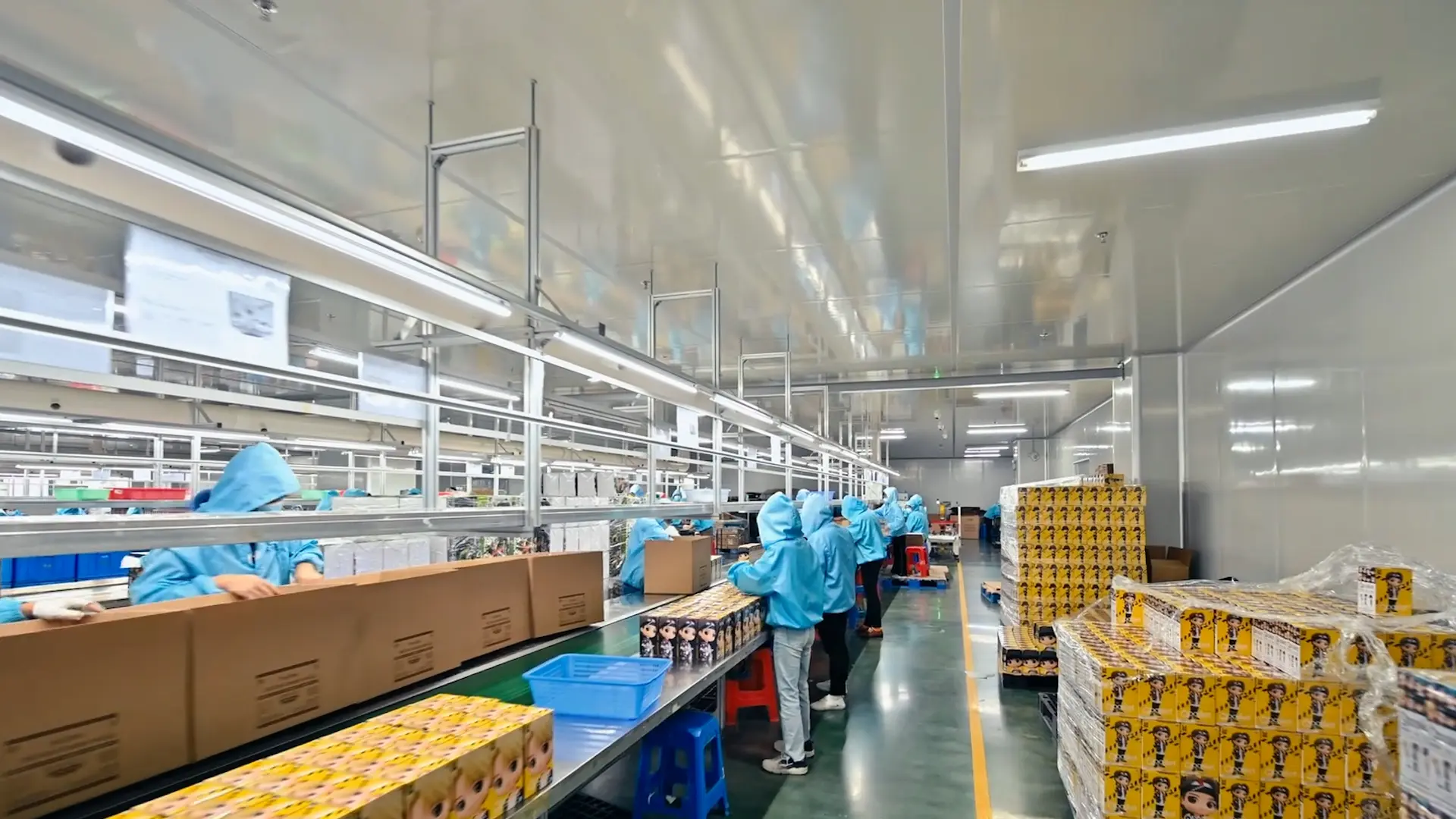
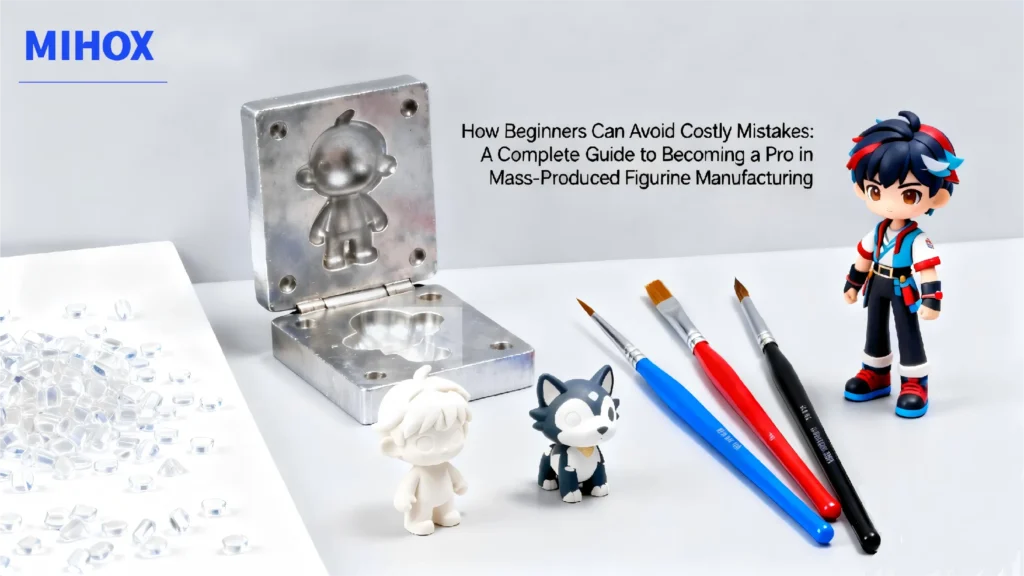
If you’re new to the world of custom mass-produced figurines, you’re definitely not alone.
We’ve discovered that many first-time creators—or even those who’ve already started—often feel lost, confused, or simply follow whatever the factory says without fully understanding why.
If that sounds like you, don’t worry.
This guide will help you understand the core factors that directly affect your production cost, quality, timeline, and success.
After reading this, you’ll have enough knowledge to discuss your project confidently—just like a seasoned toy-manufacturing veteran.
We’ll walk through everything step by step:
- Materials
- Quantity
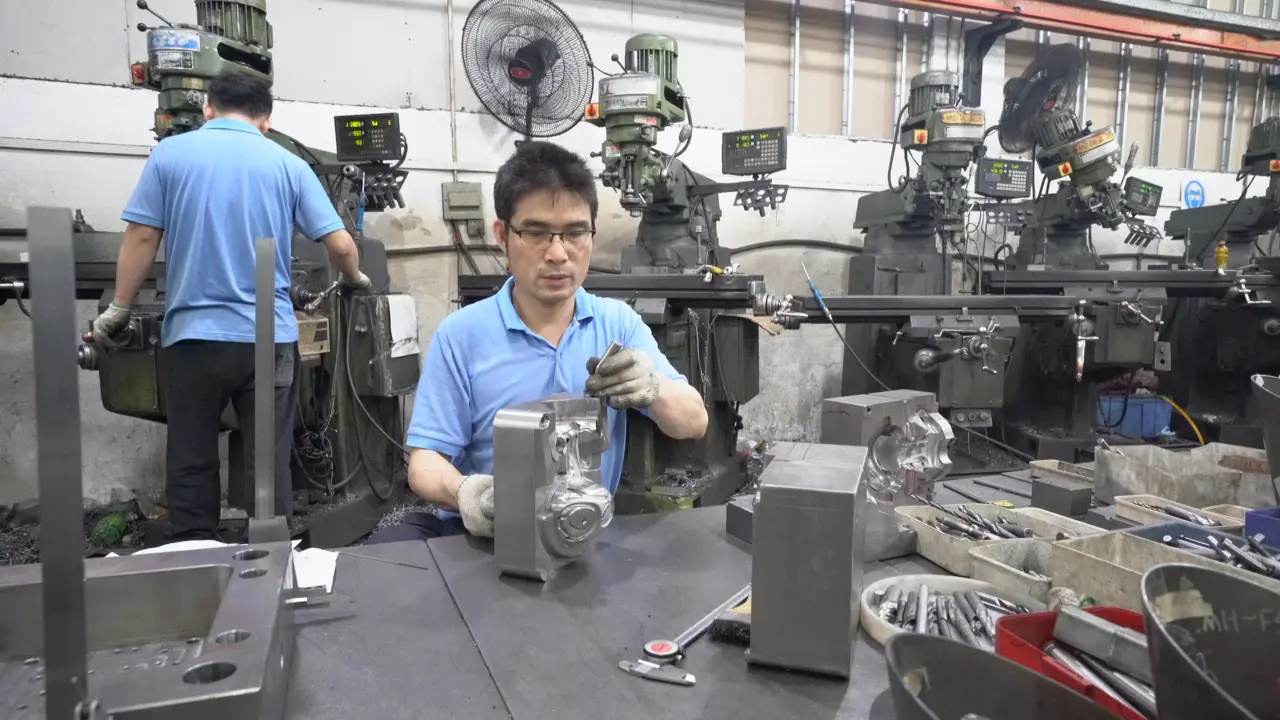
- Molds
- Size
- Painting
- Packaging
Let’s dive in.
1. Choosing the Right Material (The First Big Decision Most People Get Wrong)
This is where a lot of beginners blow their budget without realizing why.
You may have designed a great character and want to produce a small batch first—say 300 to 600 pieces—to test the market.
But many new customers immediately ask for PVC (plastic) without understanding what that choice implies.
Some don’t know the difference at all and simply rely on whatever a manufacturer suggests.
Here’s the truth:
✅ Material determines almost every step that follows
It affects:
- Mold type
- Production method
- Cost
- Timeline
- Quality
- Feasibility
So what should you choose?
If your quantity is 300–600 units → Use Resin
Why resin (PU/Polyresin)?
- Resin molds use silicone → fast and inexpensive
- Great for small batches
- High detail level
- Ideal for static display pieces
- No high mold investment
This is why resin is the most budget-friendly option for early batches.
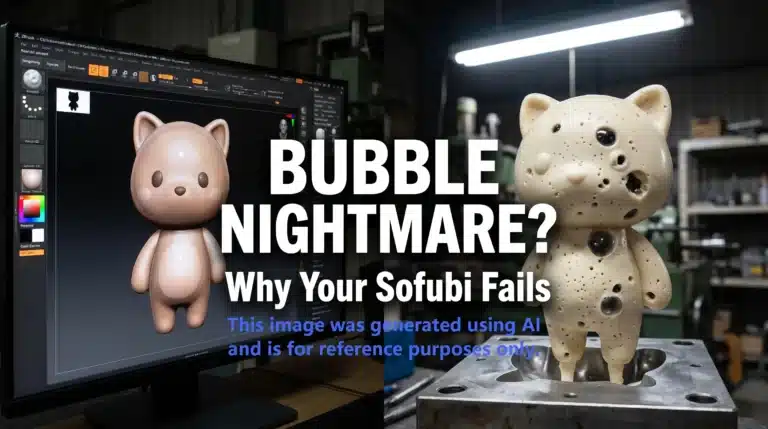
If you choose PVC or Soft Vinyl (Sofubi/Vinyl) at these quantities
Be prepared:
- They require metal molds (steel or aluminum)
- Mold cost is very high
- 500 units is too few to absorb the tooling cost
Unless you are making 1,000+ units, PVC and soft vinyl often aren’t cost-effective.
When should you use PVC or Soft Vinyl?
- When your figurines are mass market
- When you need very durable, lightweight toys
- When your quantity is 1,000, 2,000, or more
- When the design includes complex structures or joints
Bottom line:
More units = lower unit cost
Fewer units = higher unit cost
It’s a universal rule in this industry.
2. Quantity: The Silent Killer of Your Budget
Let’s use a real example:
You want to produce a 15 cm PVC figurine, and you only want 200 units.
- The unit price could easily reach USD $35+ per piece
- This depends on complexity, accessories, structure, etc.
- And that’s before you add mold cost
Once you include tooling, your total cost becomes extremely high.
But if you order 1,000+ units, suddenly everything changes:
- The unit price drops to around USD $7–12
- Mold cost is spread across more units
- Production becomes far more economical
That’s why PVC is only cost-effective at larger quantities.
And why resin is perfect for smaller production runs.
3. Size Matters (And Affects Price More Than You Think)
Size directly impacts:
- Material usage
- Mold size
- Production time
- Packaging
- Shipping cost
- Failure rate in casting
A 10 cm figure is not “slightly cheaper” than a 15 cm figure—
it can be 30–50% cheaper depending on the material.
Always define:
- Height
- Width
- Depth
- Base size (if any)
Without dimensions, manufacturers can’t provide accurate pricing.
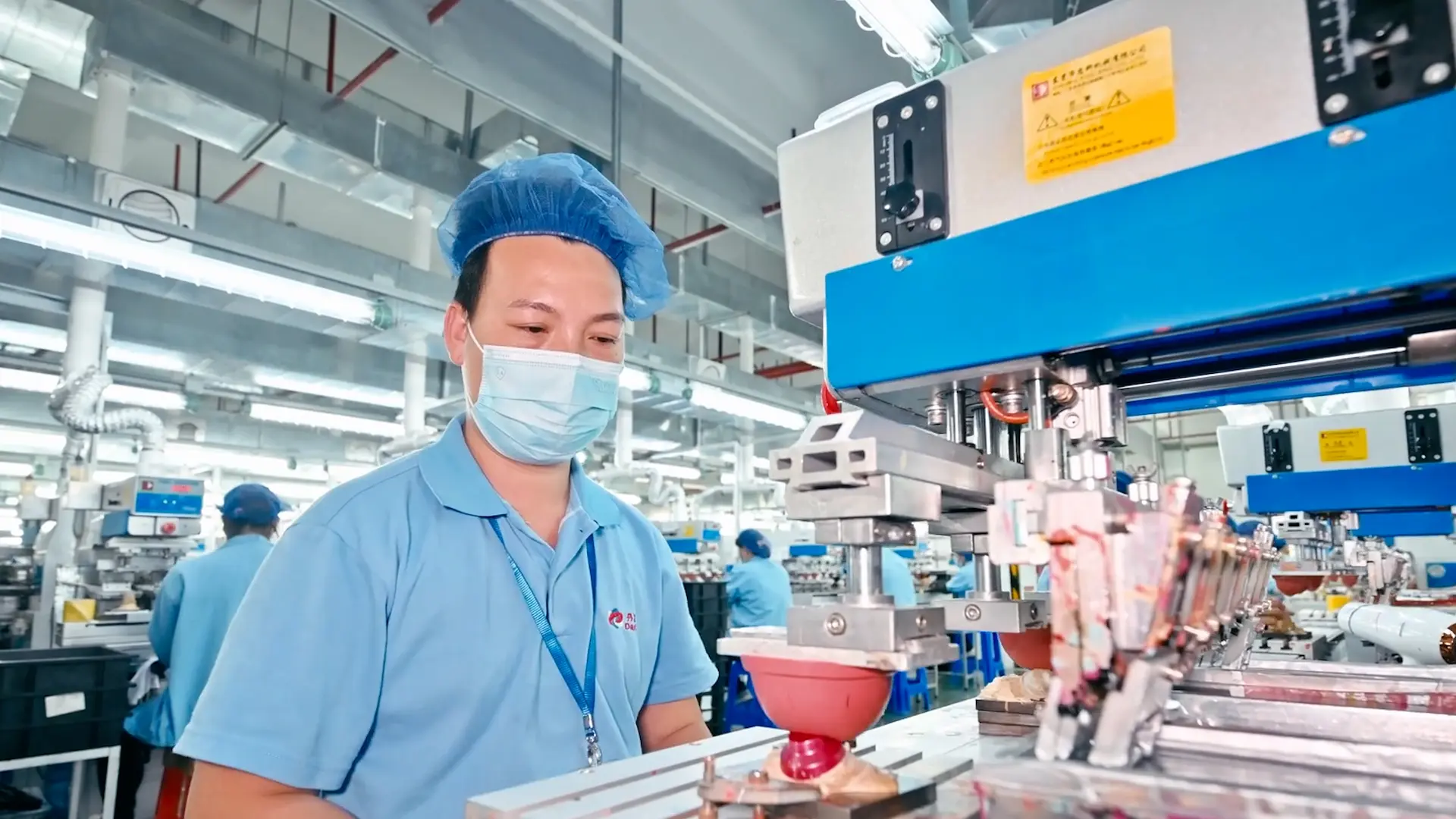
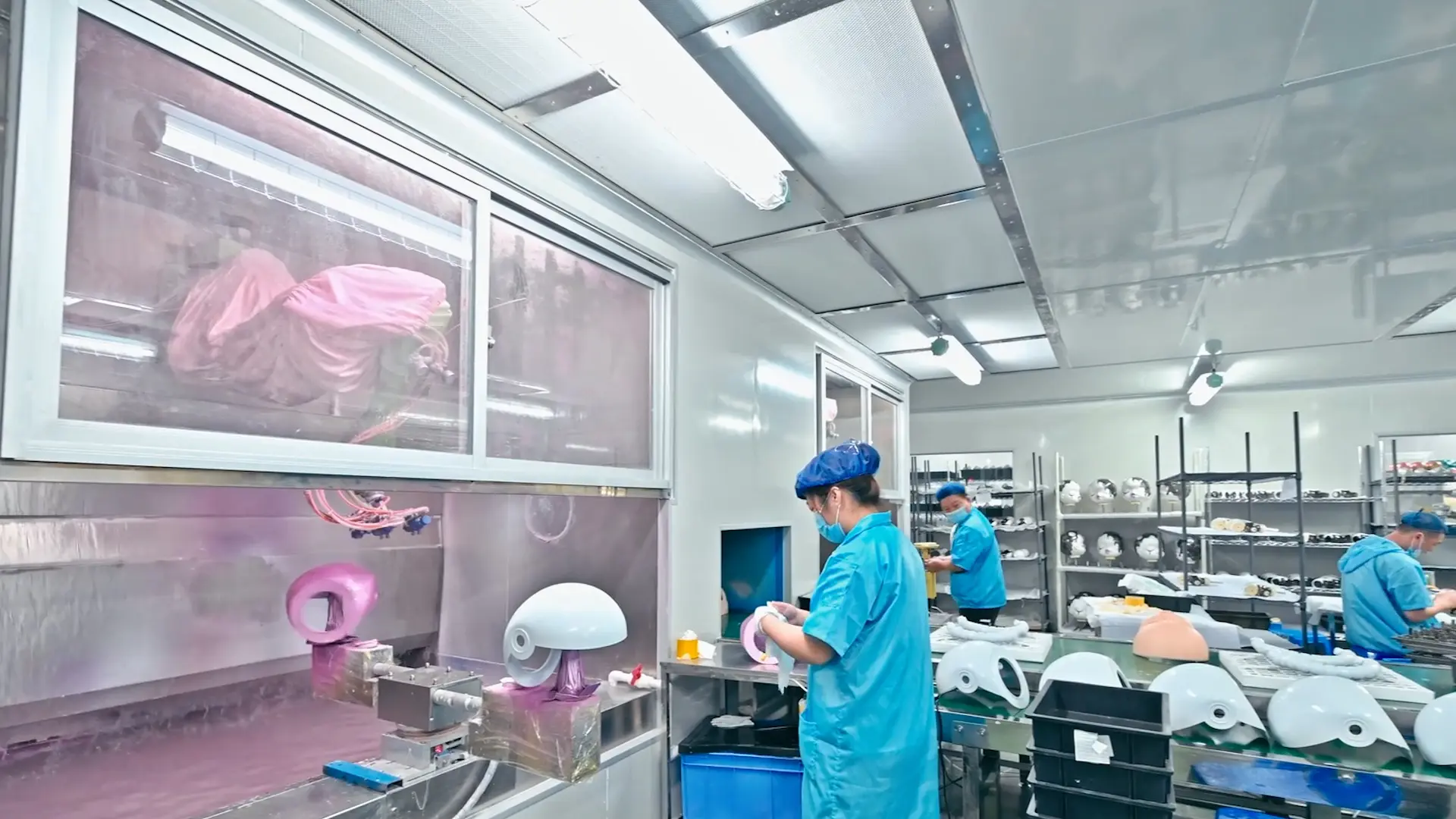
4. Painting (One of the Most Expensive Steps)
Painting isn’t just “adding colors.”
Factories determine painting pricing based on:
- Number of color layers
- Masking complexity
- Gradients or metallic effects
- Hand-painting vs. spraying
- Special finishes (gloss, matte, pearl, metallic, weathering, etc.)
Even two figurines with the same size can have completely different prices depending on painting difficulty.
Customers often say:
“Can you match the colors exactly like my artwork?”
The answer is yes.
If you provide color references, render images, or a physical prototype, a good factory can match it 1:1 closely.
Just remember:
The more detailed the paint job, the higher the cost.
5. Packaging (Your First Impression to Buyers)
Packaging is not “just a box.”
It directly affects your brand perception and shipping safety.
Common packaging types:
- Color box (most cost-effective)
- Window box (visible, slightly more expensive)
- Blister insert (transparent protection)
- Clamshell (durable but more costly)
- Blind box (for designer toys, requires extra structural design)
Price depends on:
- Material thickness
- Printing style (CMYK, spot color, UV, embossing)
- Internal protection (EVA, blister, foam, tray)
- Structure complexity
A well-designed package protects your figurine and sells it at the same time.
Final Thoughts: You Don’t Need to Be a Manufacturing Expert
Every creator starts somewhere.
It’s normal to feel overwhelmed by materials, molds, painting, and packaging.
But once you understand these basics, you can make decisions confidently and avoid unnecessary expenses.
If you’re planning to produce your first wave of figurines, remember:
✔ Small batch? → Resin
✔ Large batch? → PVC / Soft Vinyl
✔ More details? → Higher painting cost
✔ Bigger size? → Higher unit cost
✔ More units? → Lower price per piece
Stepping into the world of custom figurine manufacturing can feel overwhelming at first, but once you understand the fundamentals—materials, molds, quantities, painting, and packaging—you’ll be able to plan your project confidently and avoid costly mistakes that many beginners make.
If you’re preparing to produce your first batch or still exploring options, feel free to reach out.
Whether you need material guidance, cost planning, design review, or full production support, our team is here to help you every step of the way.
📨 Contact Us Anytime
Share your ideas, sketches, images, or STL files—we’ll evaluate them and provide a clear, professional production plan tailored to your project.
And no matter which factory you work with, always ask:
“Why did you recommend this material or method?”
A transparent partner will explain everything clearly.
If you want, I can also help you turn this article into a downloadable “Beginner’s Guide PDF” for your website.
This article is provided by MIHOX.