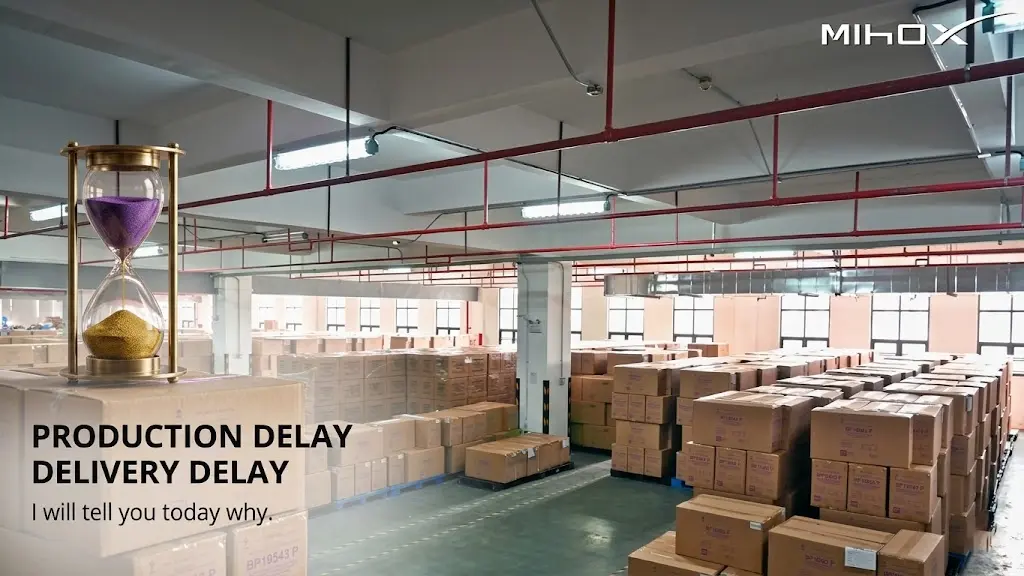
At MIHOX, we understand the anxiety that comes with a “Delayed” status update. However, the path from a 3D design to a shelf-ready masterpiece is a complex journey through physics, engineering, and global logistics.
This guide pulls back the curtain on the factory floor. Whether you are an industry veteran or a newcomer to the toy business, understanding these 6 core reasons for production delays will help you manage your project timelines more effectively and build a more resilient supply chain.
1 The “Ripple Effect” of Frequent Design Modifications
The most common cause of production delays is the “minor” design change. To a client, adjusting a character’s pose or changing a color might seem like a simple click in software. In a mass-production environment, it is a catastrophic disruption.
The Complexity of 3D Data Synchronization
Once a design is finalized, our engineers perform DFM (Design for Manufacturing) analysis. We plan the “parting lines” (where the mold pieces meet), the injection points, and the internal support structures.
- The Delay Trigger: If a client requests a design change after the engineering phase has begun, all previous work on part-splitting and mold-flow analysis becomes obsolete. Even a 5% change in a character’s silhouette can force a 100% restart of the engineering file.
Impact on Tooling
If modifications occur after the steel mold has been cut, the delay is even more severe. “Adding” material to a steel mold is sometimes possible through welding (which compromises quality), but “removing” material often means the entire mold block must be scrapped and re-machined.
2 Precision Mold Development: Navigating Physical Limits
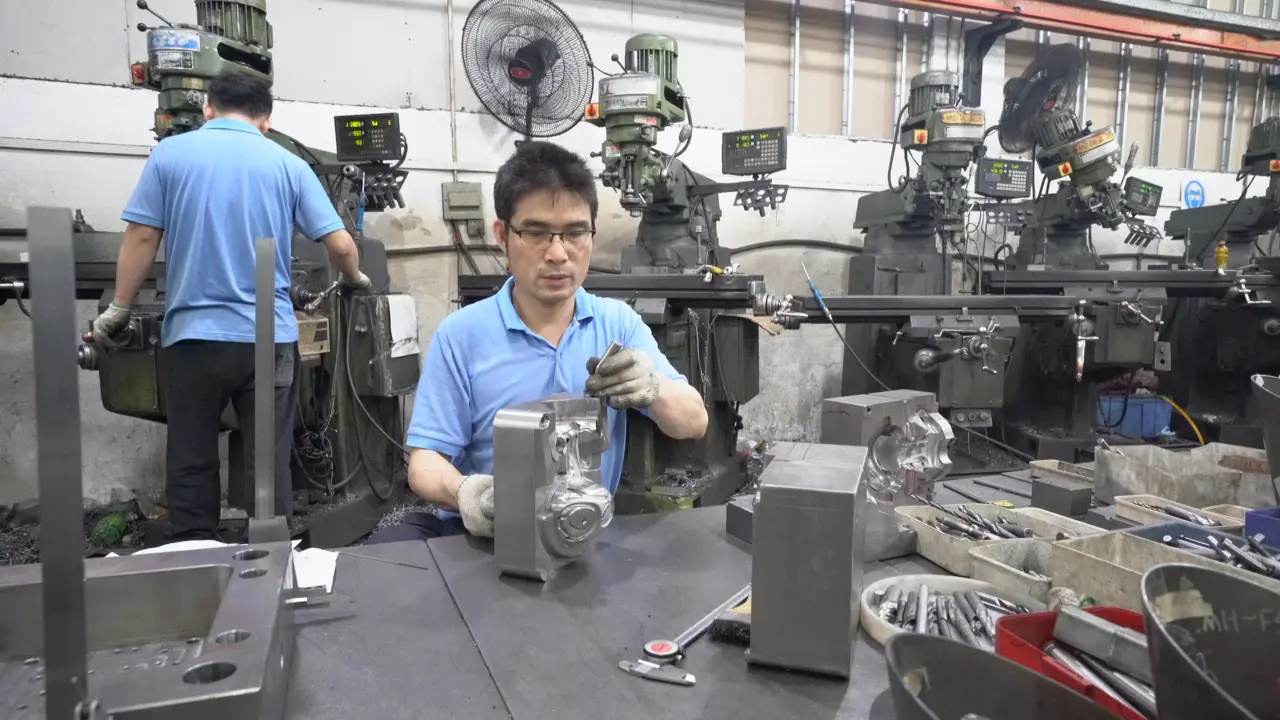
The mold (or “tooling”) is the heart of toy production. High-quality figures require precision steel molds (using S136 or NAK80 steel) that can withstand thousands of high-pressure injection cycles.
The Inflexible Timeline of Steel Machining
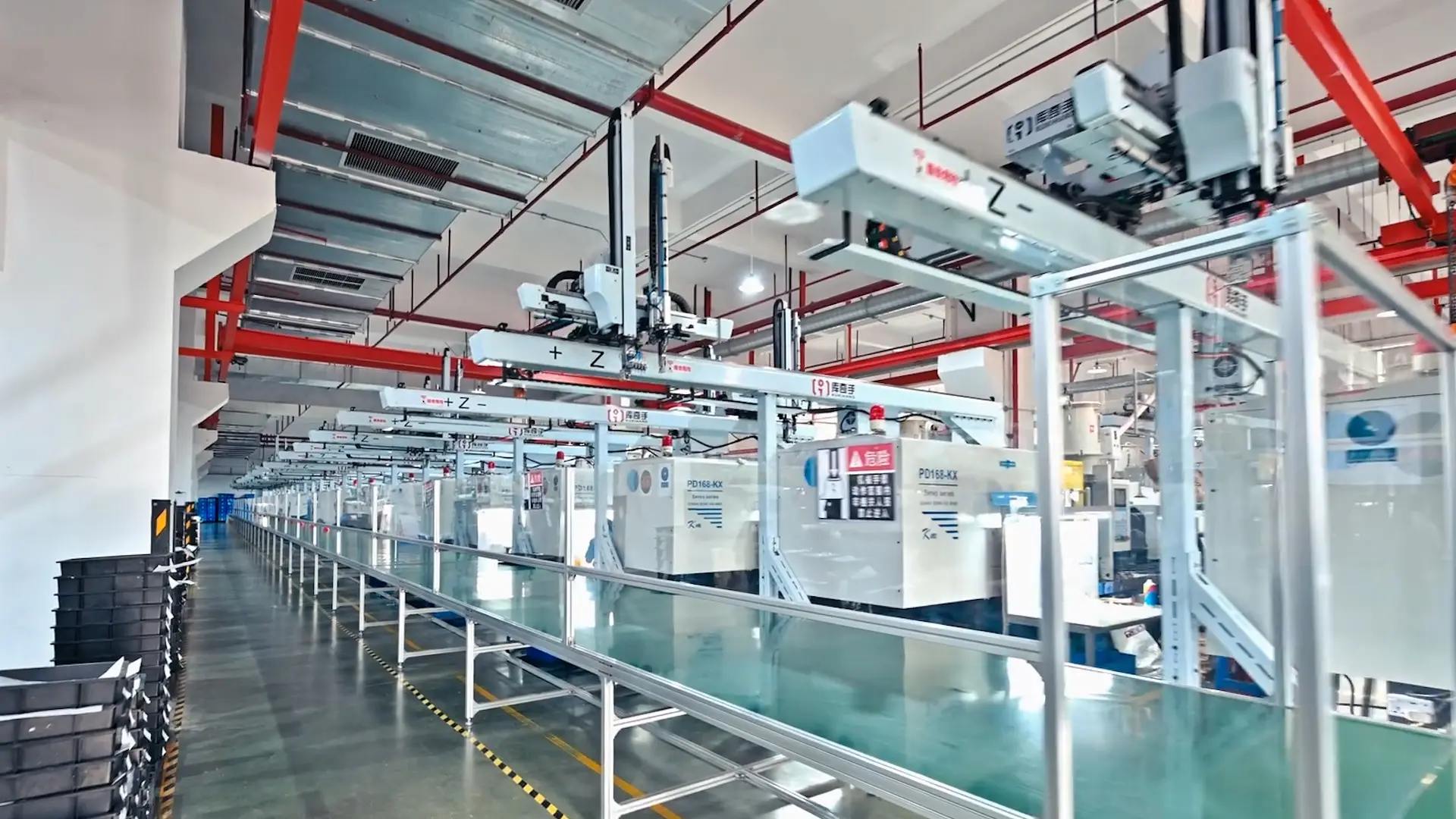
CNC machining, EDM (Electrical Discharge Machining), and manual polishing are time-intensive processes. A standard figure mold can take 35 to 50 days to complete. This is a physical constraint of the metalworking industry.
The T0 to T3 Testing Cycle
No mold is perfect on the first try.
- T0/T1 Samples: These are the first “test shots.” We often find issues like “sink marks” (plastic shrinking), “flash” (excess plastic), or “short shots” (plastic not filling the mold).
- Correction Cycles: Each round of corrections requires the mold to be cooled, removed from the machine, disassembled, modified, reassembled, and re-tested. If a client finds a structural issue during the T1 sample review, another 7-10 days must be added for mold tuning.
3 Raw Material Supply Chain and Compliance Testing
Modern toys must meet rigorous international safety standards like EN71 (Europe), ASTM F963 (USA), and ST (Japan).
Sourcing Eco-Friendly Materials
MIHOX prioritizes high-grade, non-toxic PVC, ABS, and Resin. Global supply chains for specialized eco-friendly pellets or specific pigment powders can be volatile.
- Lead Times for Materials: If a specific Pantone color requires a custom dye lot from a specialized supplier, production cannot begin until that material arrives and passes our internal quality inspection.
Third-Party Lab Certification
B2B clients often require safety certificates for specific batches. Waiting for a third-party lab (like SGS or ITS) to complete chemical migration tests can add 5-7 days to the timeline. We cannot ship until we are 100% certain the product is safe for the end-user.
4 The Craftsmanship Bottleneck: Manual Painting and Assembly
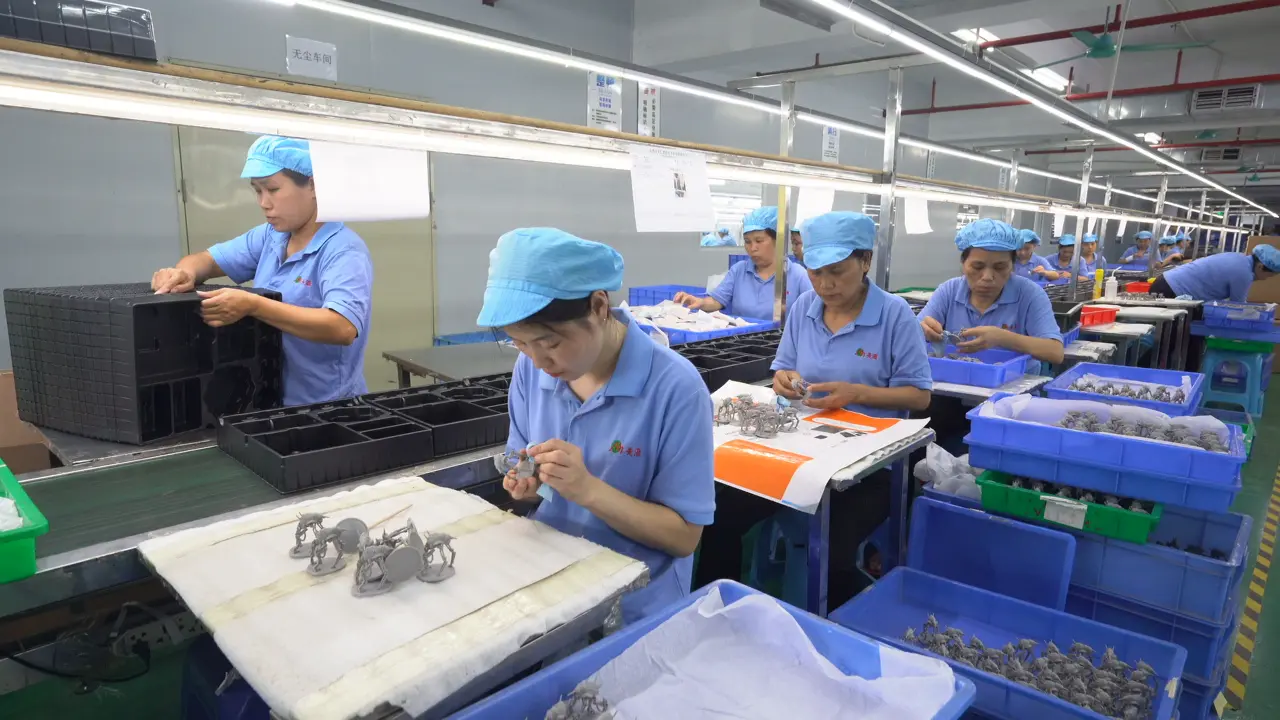
Unlike simple industrial parts, custom figures are “art at scale.” A significant portion of the work is done by human hands.
The Density of Masking and Spraying
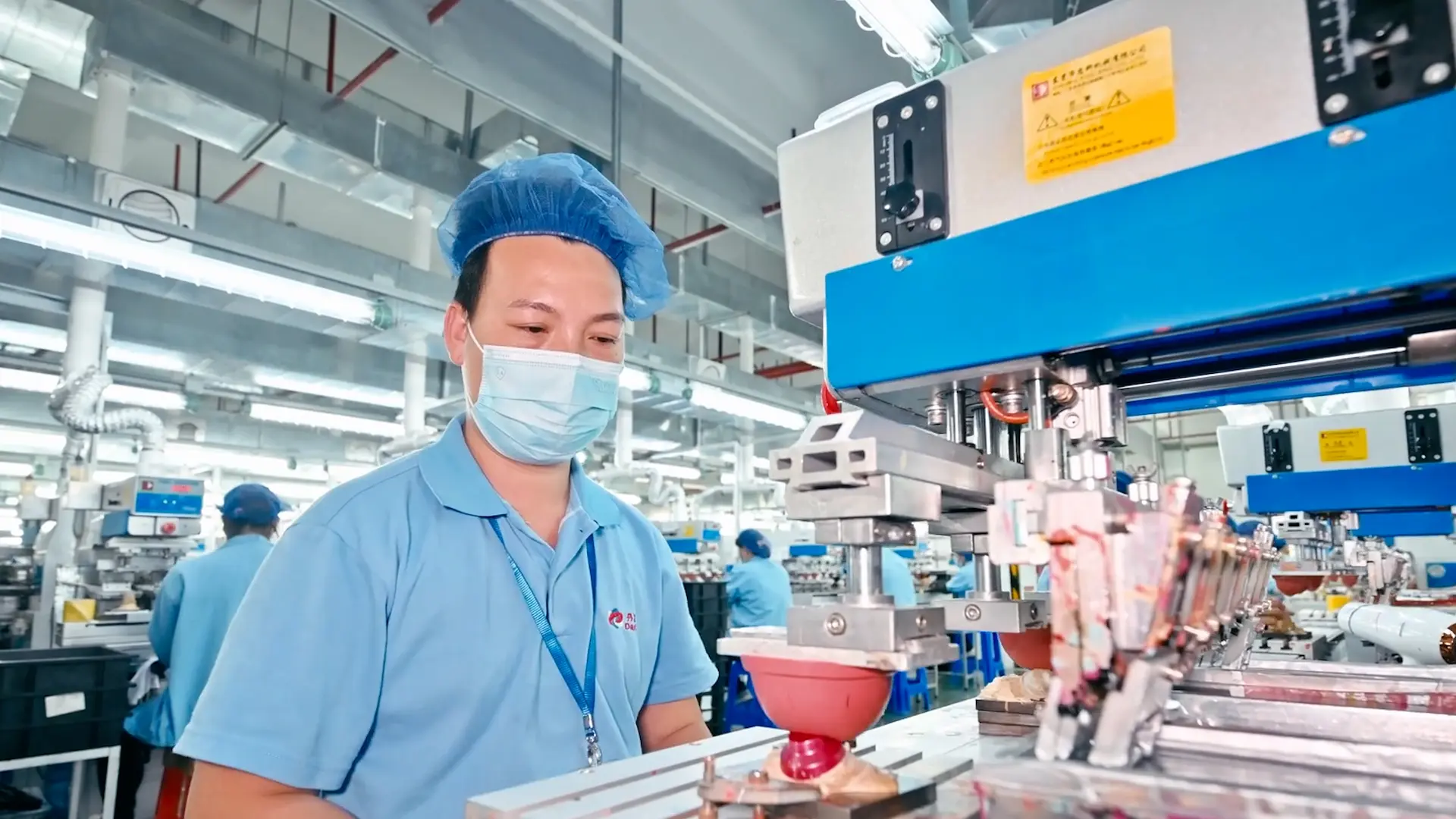
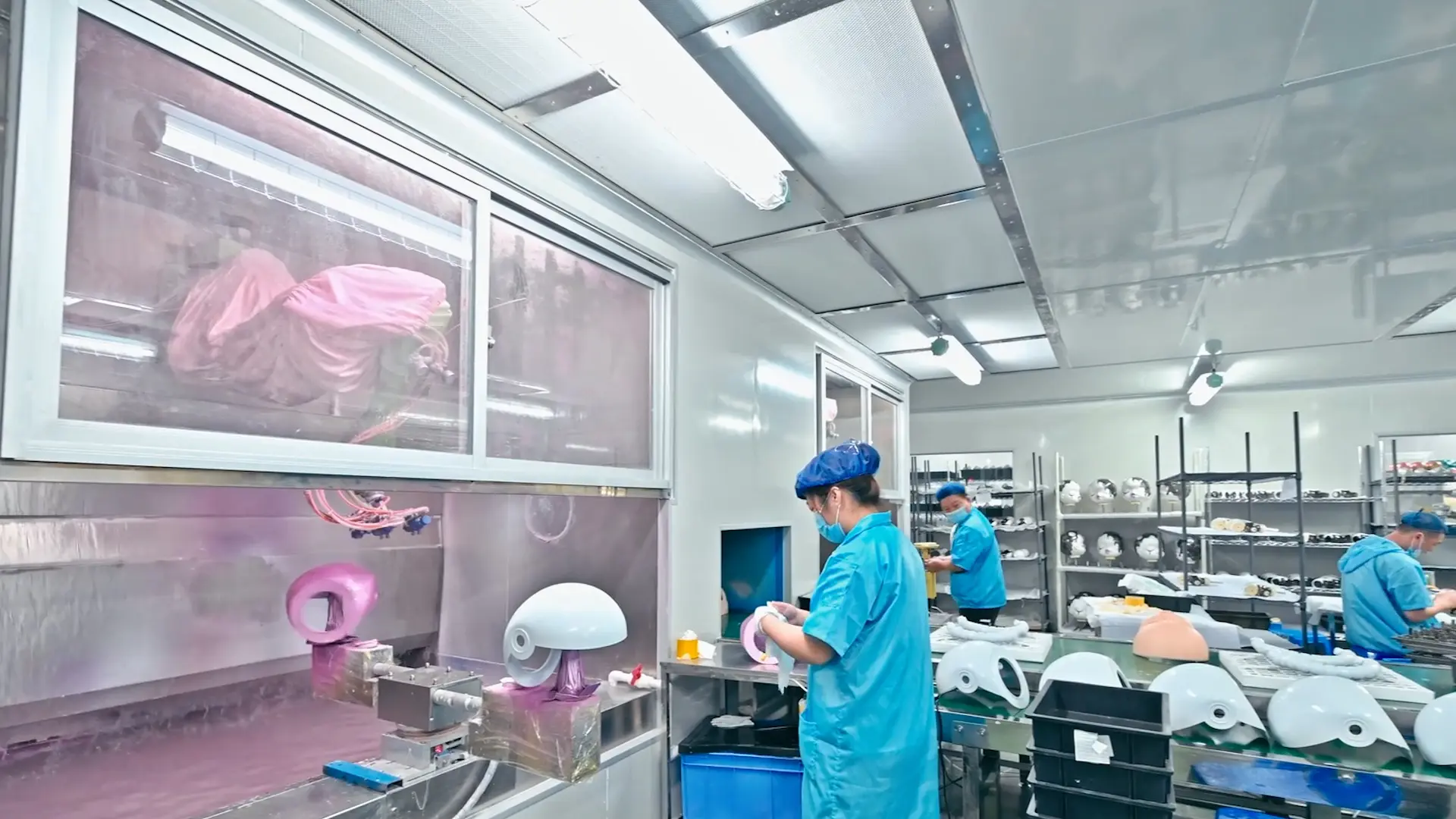
High-end figures require “masking”—applying tape or copper shields to protect one color while another is sprayed.
- Complex Paint Apps: If a figure has 50 different color zones, it requires 50 separate masking and spraying steps.
- Quality Variations: If the humidity in the factory rises (common during monsoon seasons), paint drying times increase. To maintain the MIHOX standard of “zero paint bleed,” we must slow down the line to ensure each layer cures perfectly.
Assembly Labor Intensity
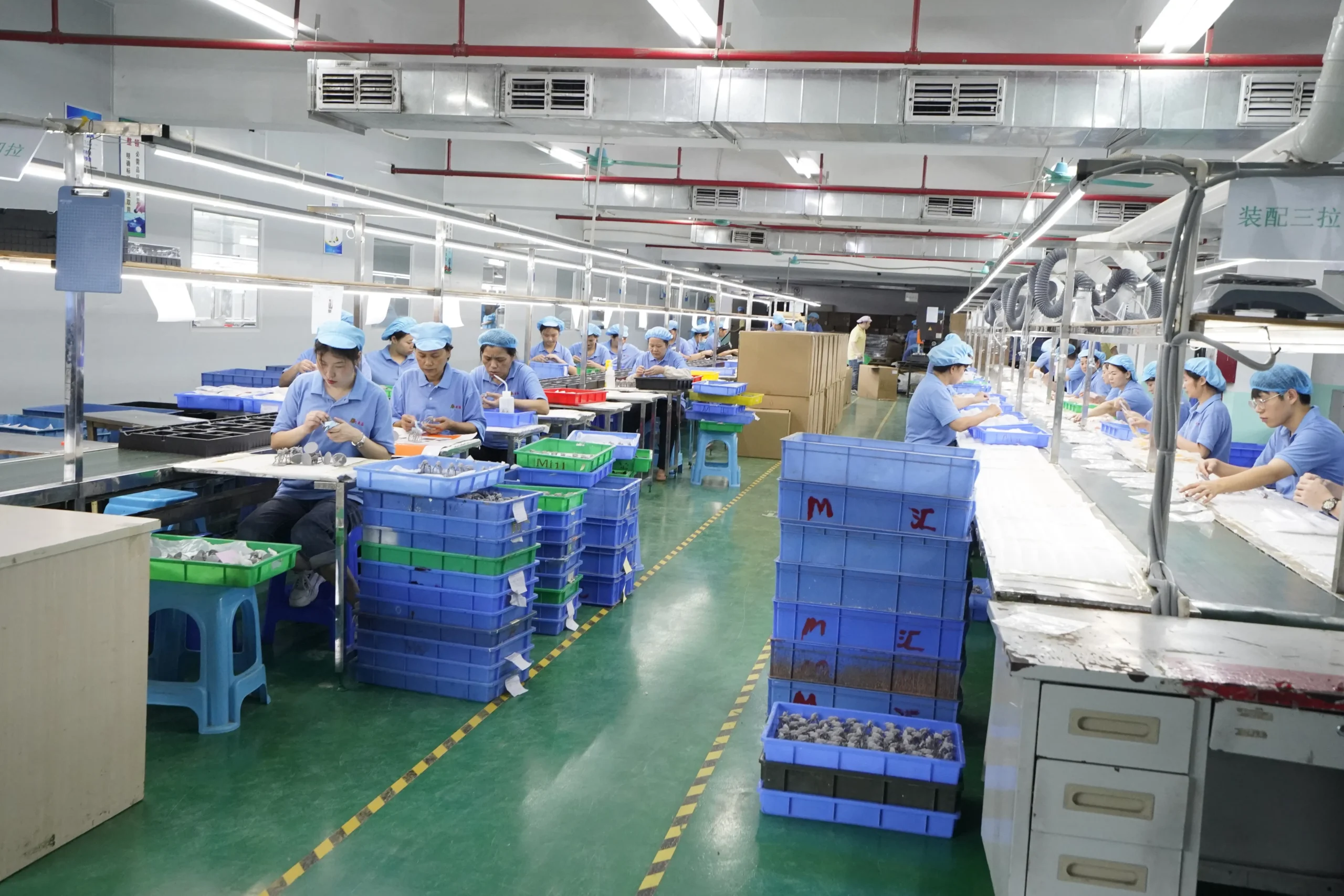
Figures with many small parts (interchangeable heads, weapons, articulated joints) require hundreds of workers for manual assembly. A shortage of skilled labor during peak seasons can immediately slow down the final output.
5 Quality Control (QC) vs. Production Speed
In the manufacturing world, you can have it “Fast” or you can have it “Perfect.” At MIHOX, we choose perfect.
The Cost of Rework
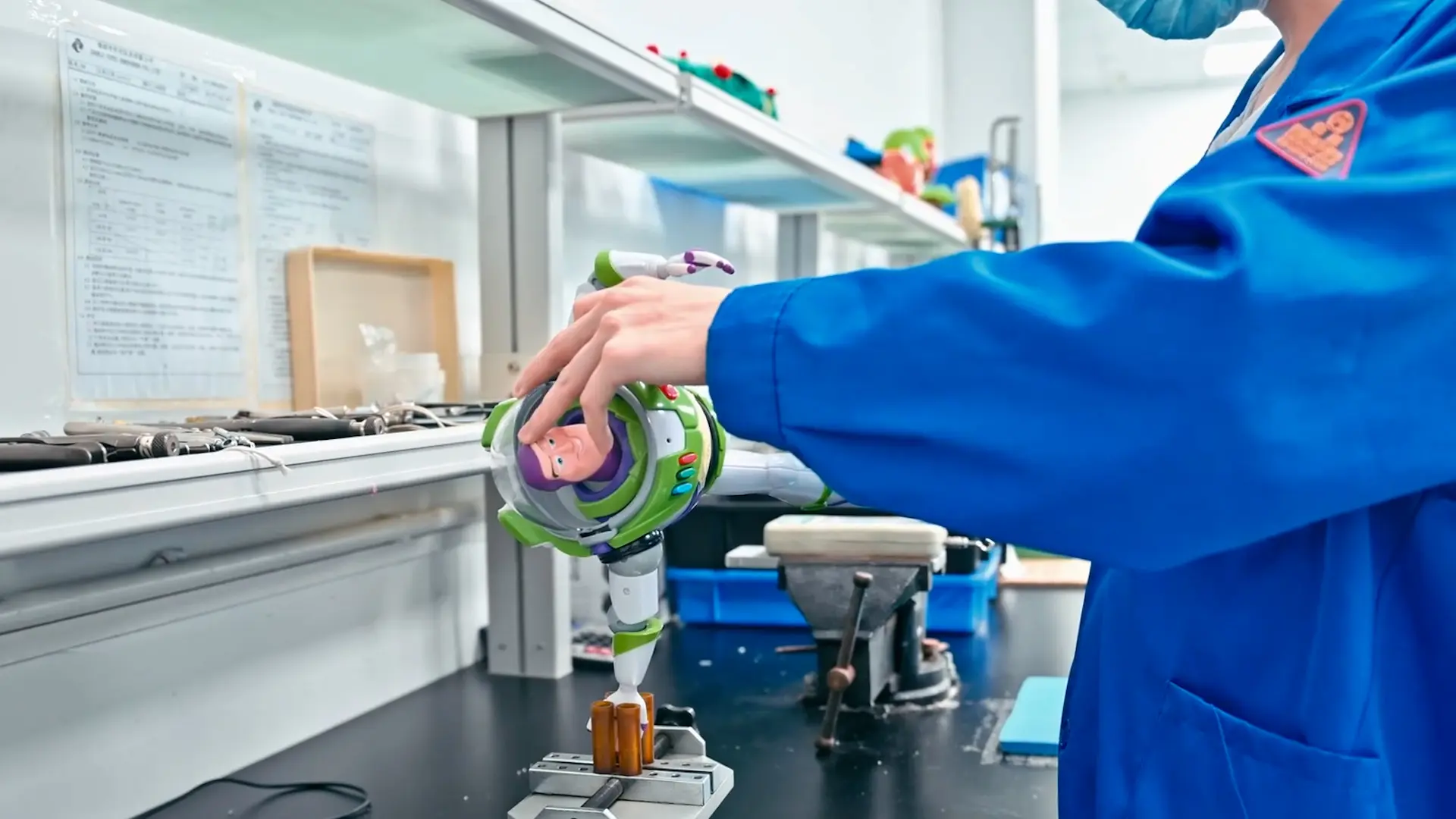
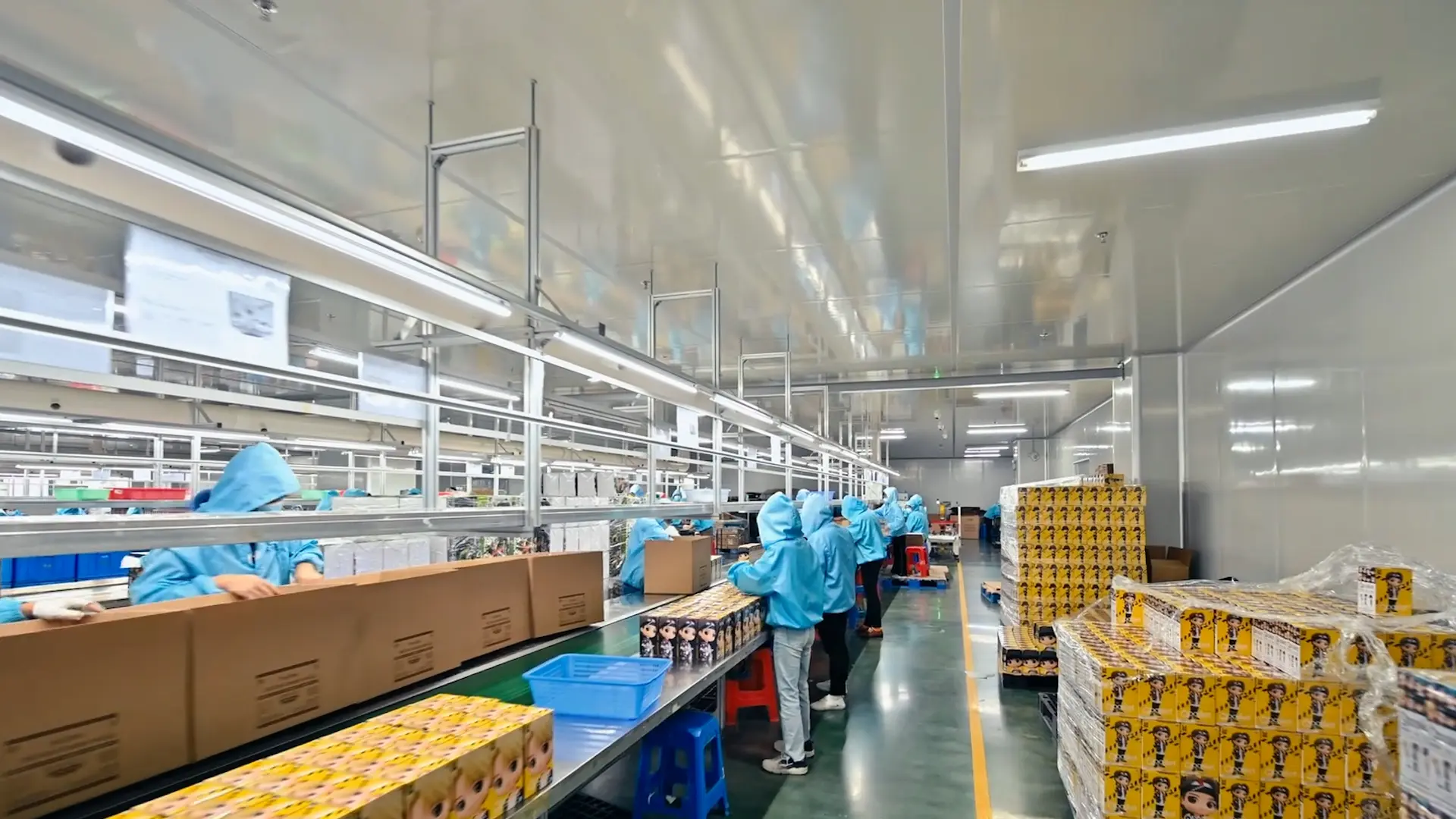
During mass production, our QC team performs “In-Process” and “Final” inspections. If we discover a batch with a 10% defect rate (e.g., loose joints or slight color deviations), we halt the entire line.
6 Seasonality and Global Logistics “Gridlock”
Finally, external factors often play a role.
The Peak Season Crunch
The second half of the year (Q3 and Q4) is the busiest time for all toy factories due to the holiday rush.
- Capacity Competition: If a major global brand places a massive order, it can tighten the supply of raw materials and even shipping containers across the entire region.
Logistics and Customs
Once the goods leave the MIHOX warehouse, they enter the world of global shipping. Port congestion, customs “random inspections,” and local labor strikes in destination countries are factors that the factory cannot control but must account for in the “Estimated Time of Arrival” (ETA).
| Production Phase | Usual Time | Possible Reasons for Delay | Risk Level |
|---|---|---|---|
| 3D Design & Prototype | 10 – 20 Days | Frequent changes to character look/feedback | High |
| Color Sampling | 10 – 15 Days | Adjusting paint colors or special finishes | Medium |
| Steel Mold Development | 35 – 50 Days | Complex shapes requiring multi-part molds | Very High |
| T1 Sample Testing | 7 – 14 Days | Fixing joints, air bubbles, or fitment | Medium |
| Mass Production | 30 – 60 Days | Labor availability, raw material shortages | High |
| Final QC & Packing | 7 – 10 Days | Custom packaging printing or drop tests | Low |
Common Questions About Timelines
Expert insights into our production workflow and how we ensure your custom projects stay on track.