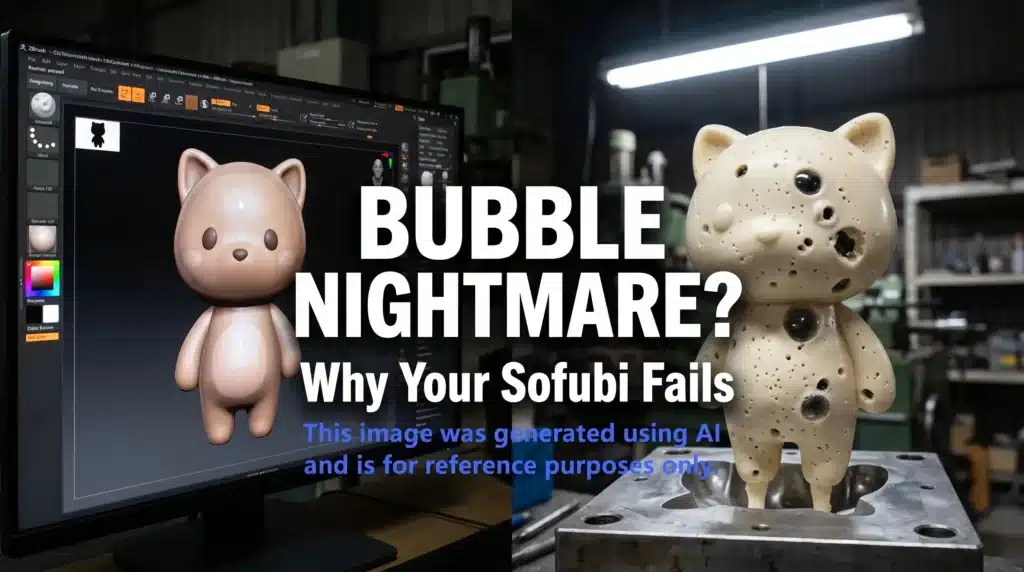
Imagine this totally crushing scenario. You spent months pouring your heart and soul into polishing a brand-new 3D model for your original monster IP. Those exaggerated horns and dynamic scales look absolutely flawless. You excitedly send the files to the manufacturer, pay the hefty prototyping fee, and anxiously rub your hands together in your studio waiting.
Weeks later, that soft vinyl (Sofubi) sample finally arrives. Heart racing, you tear open the packaging.
And then, dead silence.
Right on the tip of your supposedly flawless monster’s horn, there are hollow, incredibly ugly air bubbles. Or worse, the surface of the toy is covered in tiny pits that look like it was viciously stabbed by fine needles. Honestly, you probably want to smash your desk right about now.
You know what? I hear this exact same desperate complaint from brand owners almost every single day on the factory floor. If you are going crazy over air bubbles on your soft vinyl toys, you are definitely not alone. Whether you are a newly established indie artist or a seasoned designer toy brand, almost everyone has suffered losses due to air bubbles in slush casting.
Let me explain. Turning a bucket of sticky liquid plastic into a stunning 3D toy is absolutely not as simple as pouring water into an ice tray. It is a brutal battle involving physics, fluid dynamics, and artisan intuition. Today, we are going to tear open the technical black box of slush casting and tell you exactly where these annoying bubbles come from, and how truly professional factories completely kill them in the cradle during mass production.
The Birth of Bubbles: The “Ghost” in Slush Casting
To understand why bubbles exist, we first need a quick refresher on what slush casting actually is.
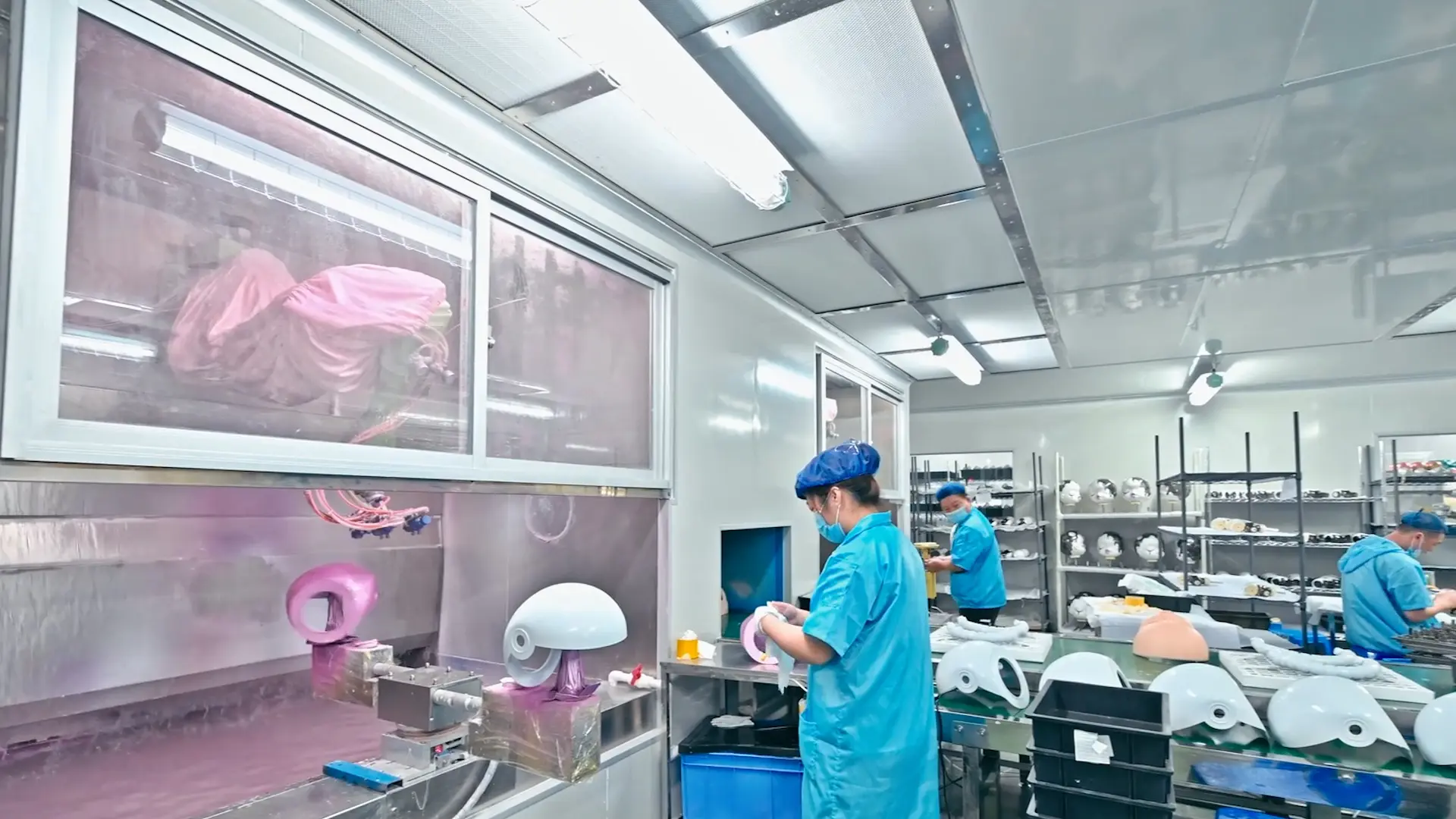
When making soft vinyl toys, workers pour liquid PVC (Polyvinyl Chloride) into a heated, hollow copper mold. Next, they quickly rotate and shake this mold to let the liquid evenly coat the inner walls. It is like making a crepe in a frying pan; you have to spread the batter all over the bottom. Then, they pour out the excess liquid and send the mold into an oven to cure. Finally, while the toy is still hot, the worker uses extremely wild techniques to “hard pull” it out of the mold.
Sounds smooth enough, right?
The problem lies in that exact moment of pouring and shaking. Liquid PVC is not a clear, highly fluid liquid like water. It is actually much more like a jar of incredibly thick pancake batter, or a bottle of old syrup.
When this thick liquid is poured rapidly into the mold, it inevitably drags in a massive amount of air. If this air is not forced out before the plastic goes into the oven to cure, it gets trapped inside the plastic forever. Once the toy is formed and pulled out, that trapped air becomes your nightmare—either ugly pits on the surface or incredibly fragile hollow voids due to a lack of material support. This is simply the number one killer of a product’s premium feel.
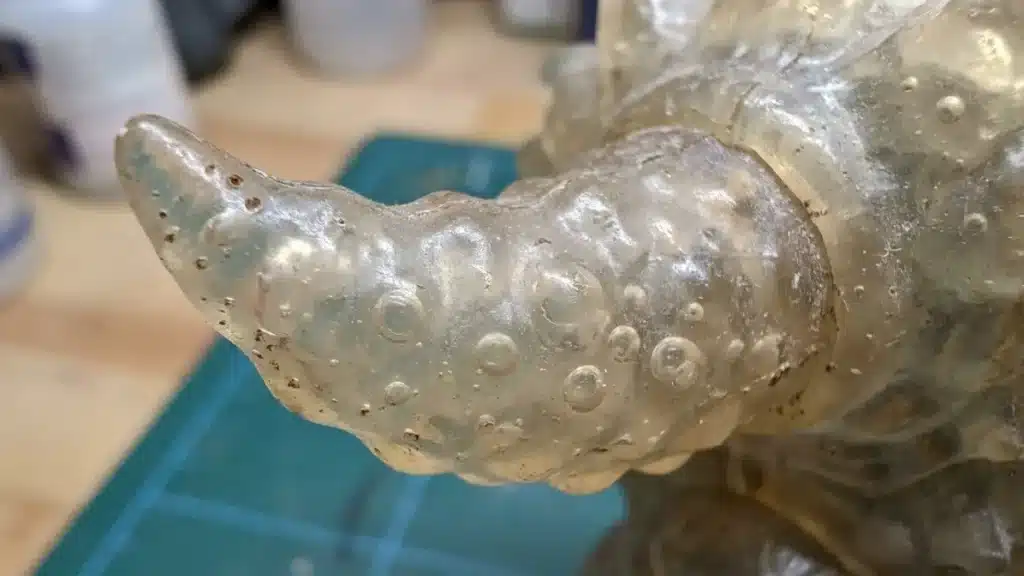
[This image was generated using AI and is for reference purposes only.]
Is Your Design a “Disaster Zone” for Bubbles?
Often, the first reaction clients have when seeing bubbles is to accuse the factory of cutting corners. But to be fair, sometimes the trouble was already doomed that afternoon when you were drafting 3D sketches in ZBrush.
Does your character have extremely sharp spikes? Or incredibly long, thin fingers, or complex, overlapping hair textures?
These extreme details form incredibly tiny dead corners inside the mold. When the thick liquid PVC flows over these dead corners, it easily seals off the entrance, trapping the air tightly inside. The air cannot get out, so the plastic cannot get in. The result? When your monster’s sharp horn is pulled out, the tip is hollow. You know the feeling—that cheap feeling when you press it with your finger and it just collapses.
Think of it like trying to pour thick ketchup into a microscopic funnel. Unless you hit the funnel hard, a pocket of air will absolutely block the middle. This is the law of physics for slush-cast toys. The more exaggerated the design and the sharper the angles, the higher the risk of bubbles.
Factory Secrets: How We Completely Hunt Down Bubbles
Since the laws of physics are what they are, why are there still so many flawless, highly detailed, premium soft vinyl toys on the market?
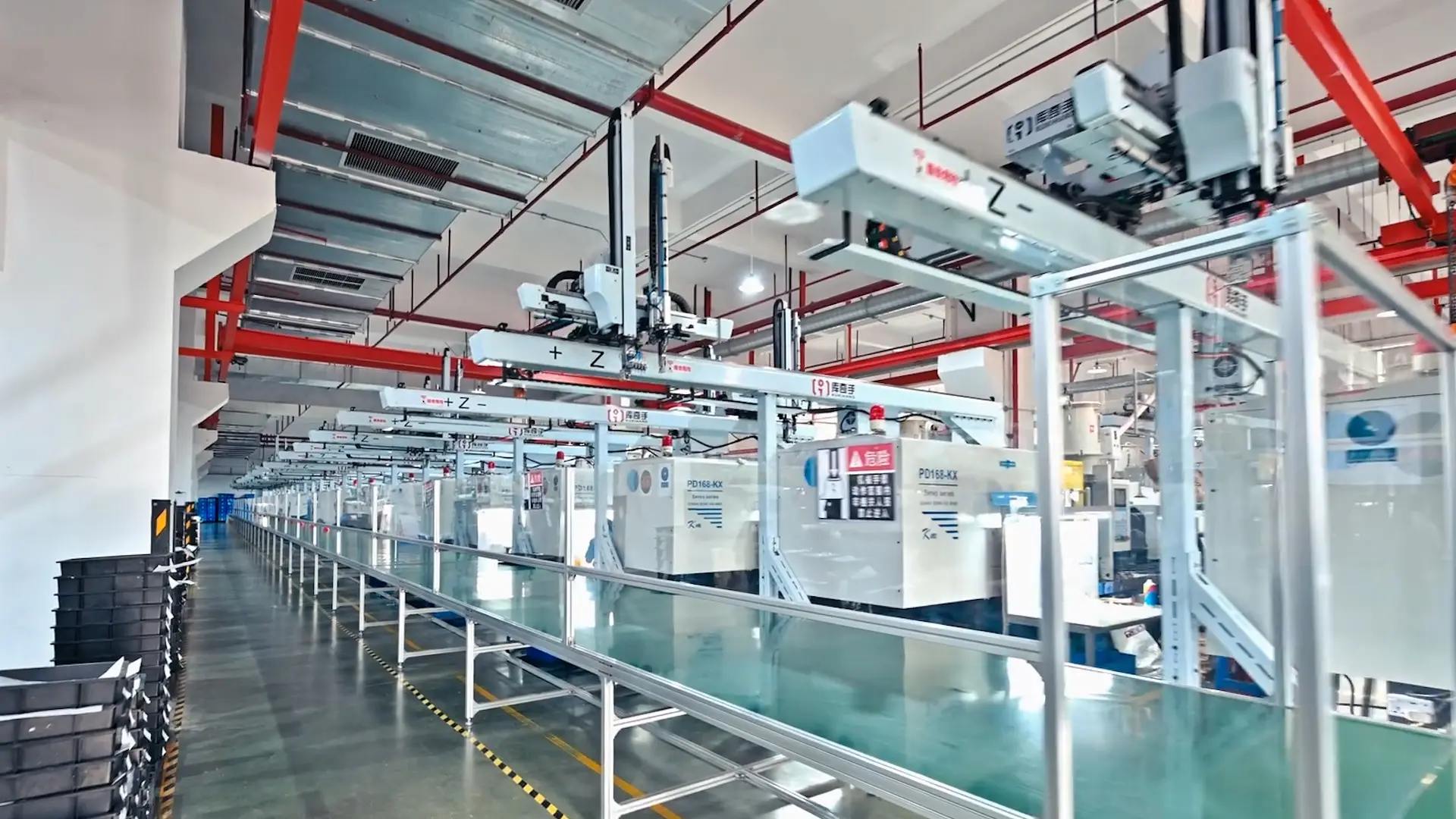
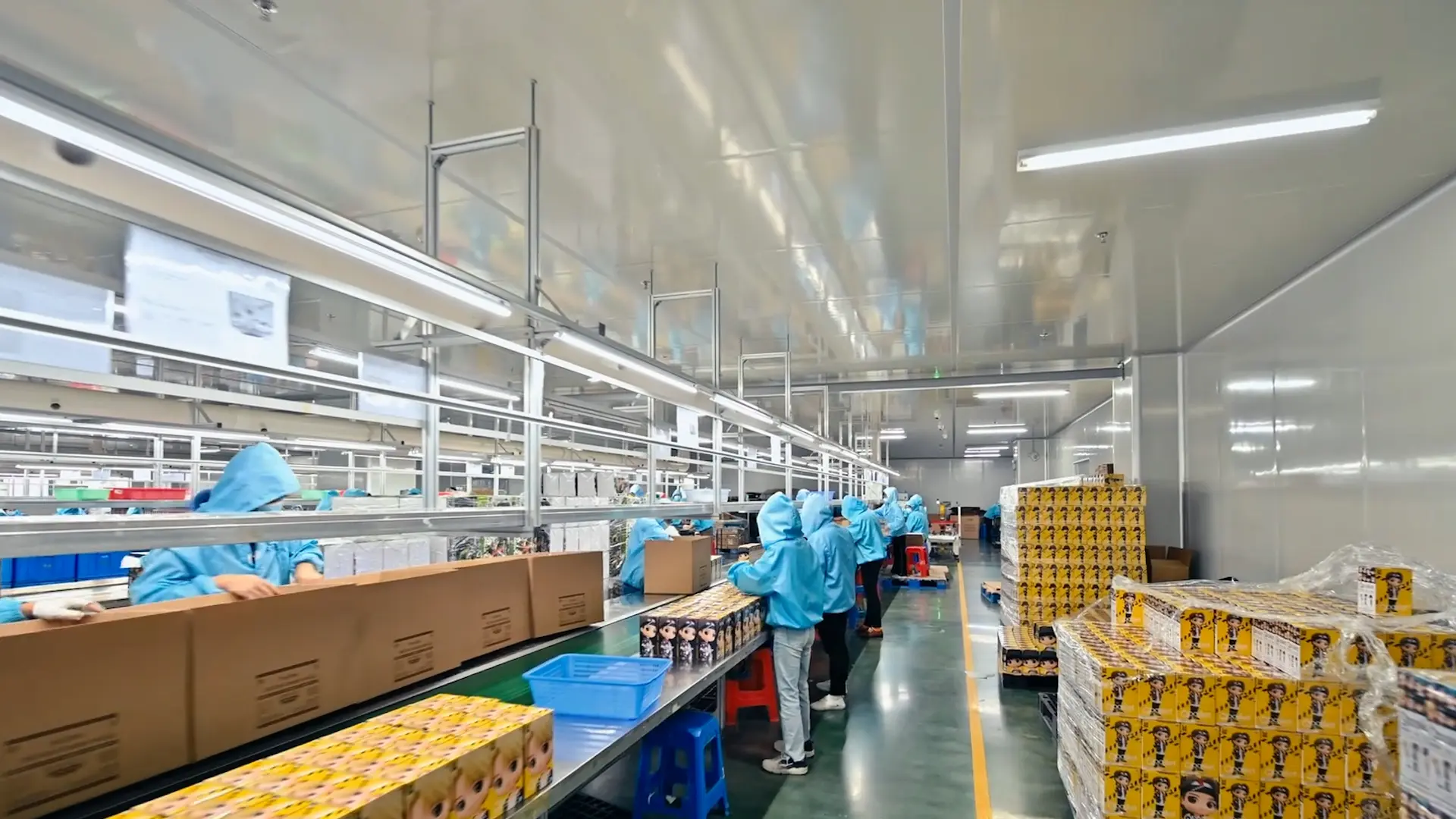
The key is that professional B2B manufacturing factories never rely on luck. We use hardcore engineering techniques and seasoned artisan intuition to hunt down these bubbles. Here are a few killer moves we commonly use on our mass production assembly lines:
Vacuum Degassing: Detoxing the Liquid Plastic
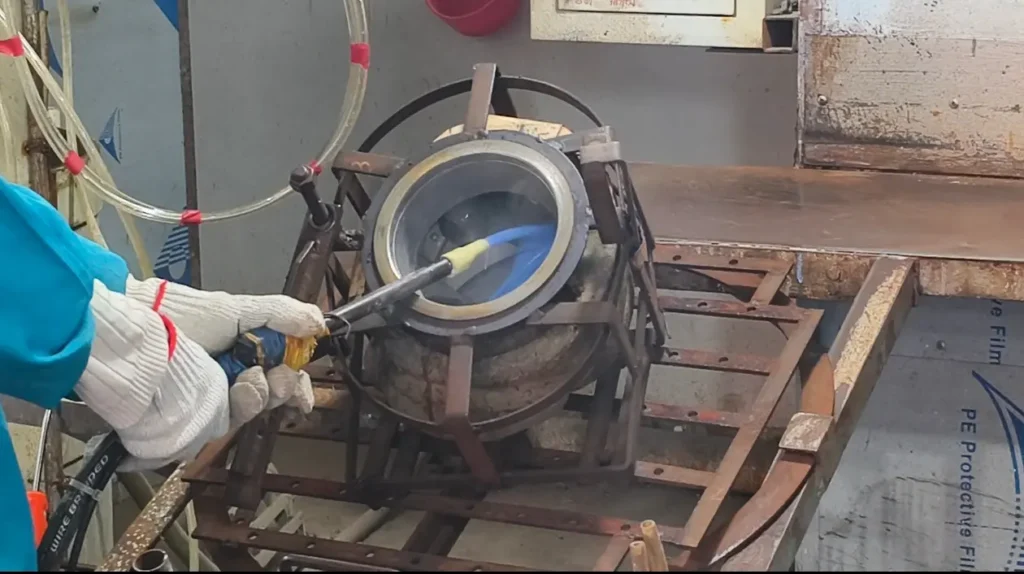
Before pouring the liquid PVC into the copper mold, we absolutely never use freshly mixed raw materials directly. Instead, we put the entire vat of thick liquid into a high-pressure vacuum degassing machine.
When the machine starts and a vacuum forms inside the chamber, magic happens. The microscopic air molecules hidden inside the liquid are forcefully pulled to the surface by the strong negative pressure, where they pop. This process is like giving the plastic a deep breathing detox. Only pure raw materials that have gone through strict vacuum degassing are allowed into the next process. This cuts off the formation of internal bubbles right at the source.
Invisible Air Vents: The Micro-Management of Engineering
What if your design really is covered in sharp spikes? This is where the mold engineers step in.
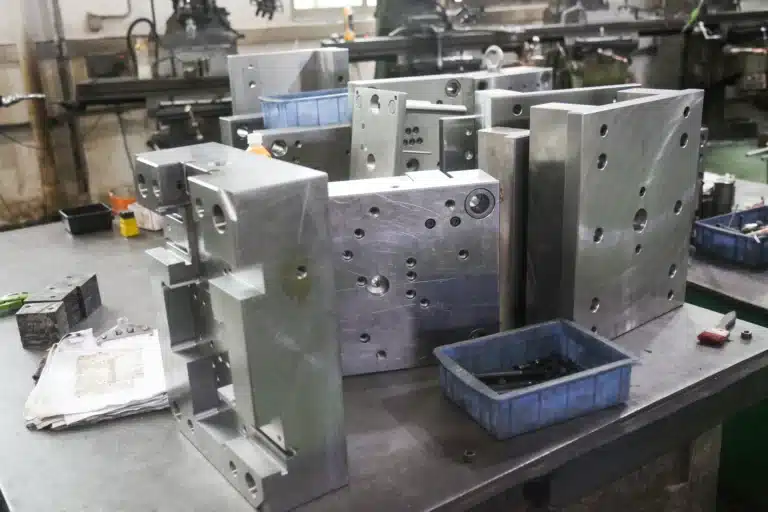
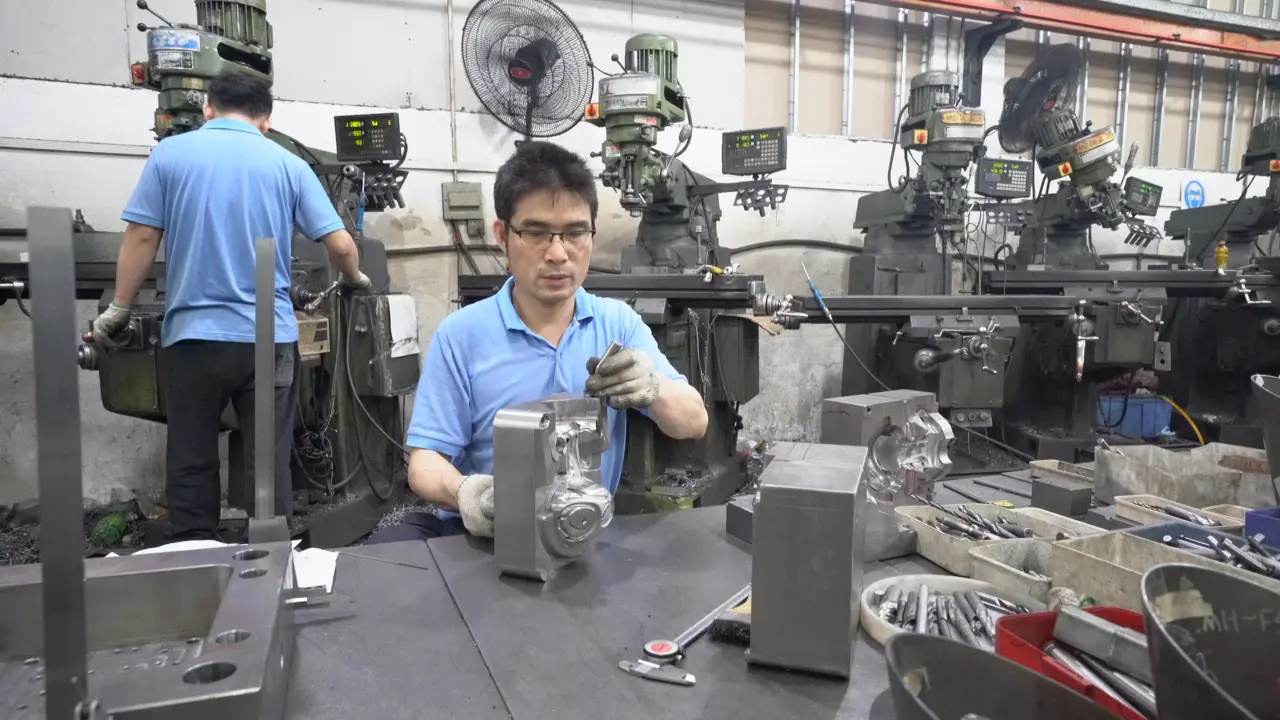
They will extremely carefully drill micro air vents—thinner than a strand of hair—into the dead corners of the copper mold that are most likely to trap air. When the liquid PVC is poured in and rotated, the air originally trapped in the dead corner can smoothly be squeezed out through these air vents.
Once the toy is formed, these vents leave only an incredibly tiny plastic burr on the surface. Later, workers only need to gently scrape it off with a sharp trimming knife, and the toy returns to a flawless finish. This requires incredibly precise calculations. If the air vents are drilled even slightly too large, they will leave irreparable scars on the toy. If you want to learn more about mold engineering, be sure to read our guide to designer toy tooling and copper mold making.
The Art of the Pull: Muscle Memory in the Wrist
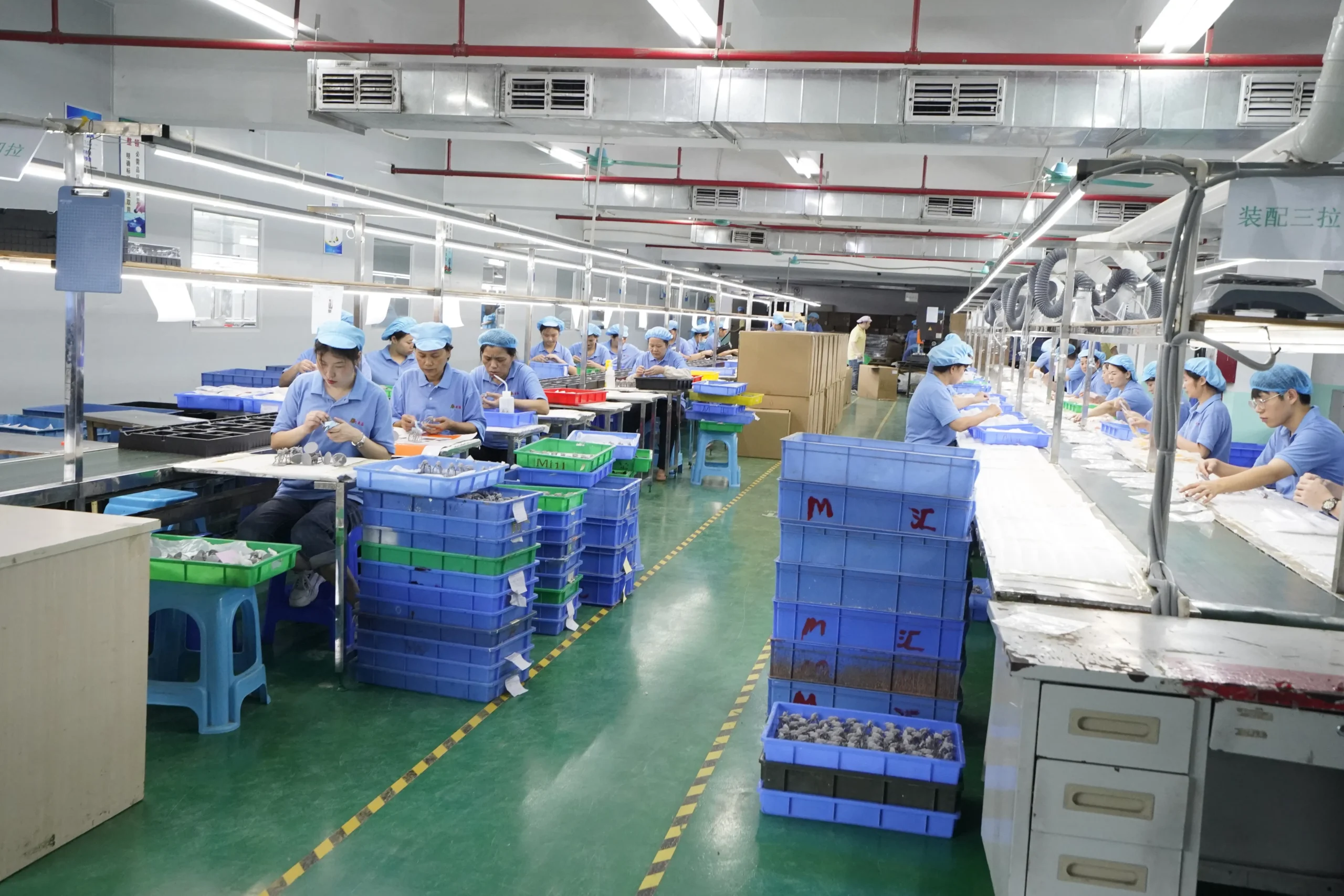
Ultimately, machinery and engineering can only solve eighty percent of your problems. The remaining twenty percent depends entirely on the hands of the workers.
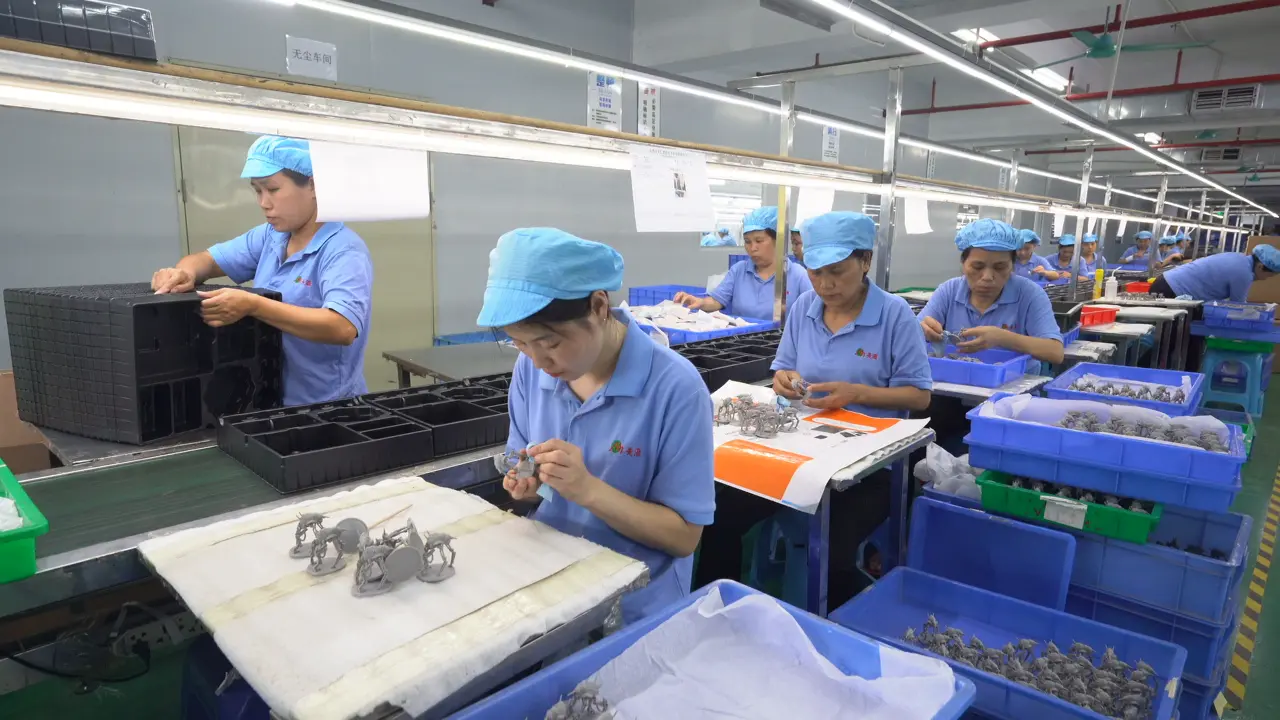
During those few seconds of shaking the mold to let the liquid coat the inner walls, the result from a slush casting master with ten years of experience is completely different from a rookie who just joined the factory yesterday. The veteran artisan knows exactly at what angle to pause for half a second, and at what angle to forcefully strike the edge of the mold to literally “shake” the deep-seated bubbles out through vibration.
This is an incredibly subtle feel that is almost impossible to teach with words. When you pay a slightly higher quote to a top-tier OEM factory, you are actually buying the muscle memory accumulated over years in the wrists of these master craftsmen. Quality is never created out of thin air.
The Ultimate Anti-Pitfall Advice for Creators
Now that you understand the logic behind this, how should you protect your project and avoid having your hard work ruined by bubbles?
First, stay rational during the drafting phase. If you are dead set on using slush casting for your toy, try to make your character’s lines rounded and smooth. Avoid details that are too abrupt or extremely thin and long. If you simply cannot part with those sharp spikes, you need to be mentally prepared. The factory might need to use a split-mold method, or swap those tiny accessories for Injection Molding and assemble them later. For a comparison of these two techniques, check out our comprehensive comparison of injection molding vs. slush casting.
Second, strictly audit your manufacturing partners. Ask them directly: “Do you vacuum degas your raw materials?” If they stumble over their words or don’t even know what you are talking about, run away quickly. Cheap, small workshops eager to rush delivery times and save on electricity bills often skip this absolutely crucial step entirely.
Finally, be prepared to accept a certain degree of imperfection. Slush casting is inherently a craft full of human touch. It cannot achieve the absolute precision of machine injection molding. Occasional, microscopic dimples in inconspicuous places that do not affect the overall aesthetic are sometimes just that little bit of human flavor that comes with this traditional craft.
Wrapping It Up
So you see, air bubbles on soft vinyl toys are not some mysterious curse. They are the product of the tug-of-war between material properties, geometry, and manufacturing operations.
To completely kill these annoying bubbles, you shouldn’t rely on blind complaints. Instead, you need careful consideration at the very beginning of the design phase, and you need to find a truly knowledgeable manufacturing partner willing to stubbornly perfect the invisible details.
Don’t let sloppy operations ruin your stunning ideas, and certainly don’t let a few tiny bubbles burst your painstakingly built brand dreams. This is the real secret to toy manufacturing.
Frequently Asked Questions (FAQs)
- What is vacuum degassing in Slush Casting? Vacuum degassing refers to placing the liquid PVC into a vacuum chamber before pouring it into the mold. It relies on strong negative pressure to forcefully extract the tiny air molecules mixed inside the thick liquid. This aims to fundamentally eliminate the hidden danger of bubbles forming inside the toy after molding. This is a crucial step in high-end soft vinyl manufacturing.
- Why do clear soft vinyl (Clear Sofubi) toys expose bubble problems more easily? Even if solid-color soft vinyl has tiny bubbles inside, as long as it doesn’t break the surface flatness, it is almost imperceptible to the naked eye. But clear soft vinyl is like glass; light penetrates the entire material. Any tiny pocket of air trapped inside will be instantly magnified, looking like a severe defect. Therefore, clear soft vinyl requires extremely strict mold venting and worker shaking techniques.
- Are the “pinholes” on the surface of the toy caused by bubbles? Yes. Those dense, tiny pits on the toy’s surface that look like needle pricks are usually called micro-bubbles or pinholes. This is often because there is moisture inside the mold, or the release agent was sprayed unevenly. This causes the liquid PVC to experience a micro-boiling of gas the moment it touches the high-temperature inner wall of the mold. Strictly controlling the temperature and humidity of the workshop can effectively reduce the probability of this happening.
- Can I force the factory to make a character with extreme spikes as a one-piece slush-cast toy? You can ask, but it is highly not recommended. Excessively abrupt spikes will inevitably form air dead corners in a one-piece mold. This causes the tips to not fill with plastic, becoming hollow, easily collapsible defects. A responsible factory will advise you to reasonably split the character, making complex accessories into separate molds, or using other processes to complete the assembly.
- How do cheap OEM factories cut corners in preventing bubbles? The most common practice for cheap factories is to simply skip the vacuum degassing step to save time. Secondly, they might be unwilling to spend the effort to carefully calculate and drill micro air vents on the copper mold. Finally, the rookie workers they hire often cannot master the optimal rhythm of hitting and shaking the mold, resulting in the air trapped deep inside not being shaken out in time.