
PU / epoxy / clear · B2B OEM/ODM · Resin casting
Resin materials.
Built for detail.
PU, epoxy and clear casting resins for figures, statues and prototypes. Material, silicone mold and production quantity are reviewed together, so the resin fits the part rather than the other way around.
Material selection follows the part, surface, quantity and finishing plan. The resin is cast into a flexible silicone mold. Start with a 3D and demolding review.
01 / The process
Liquid resin.
A cast part.
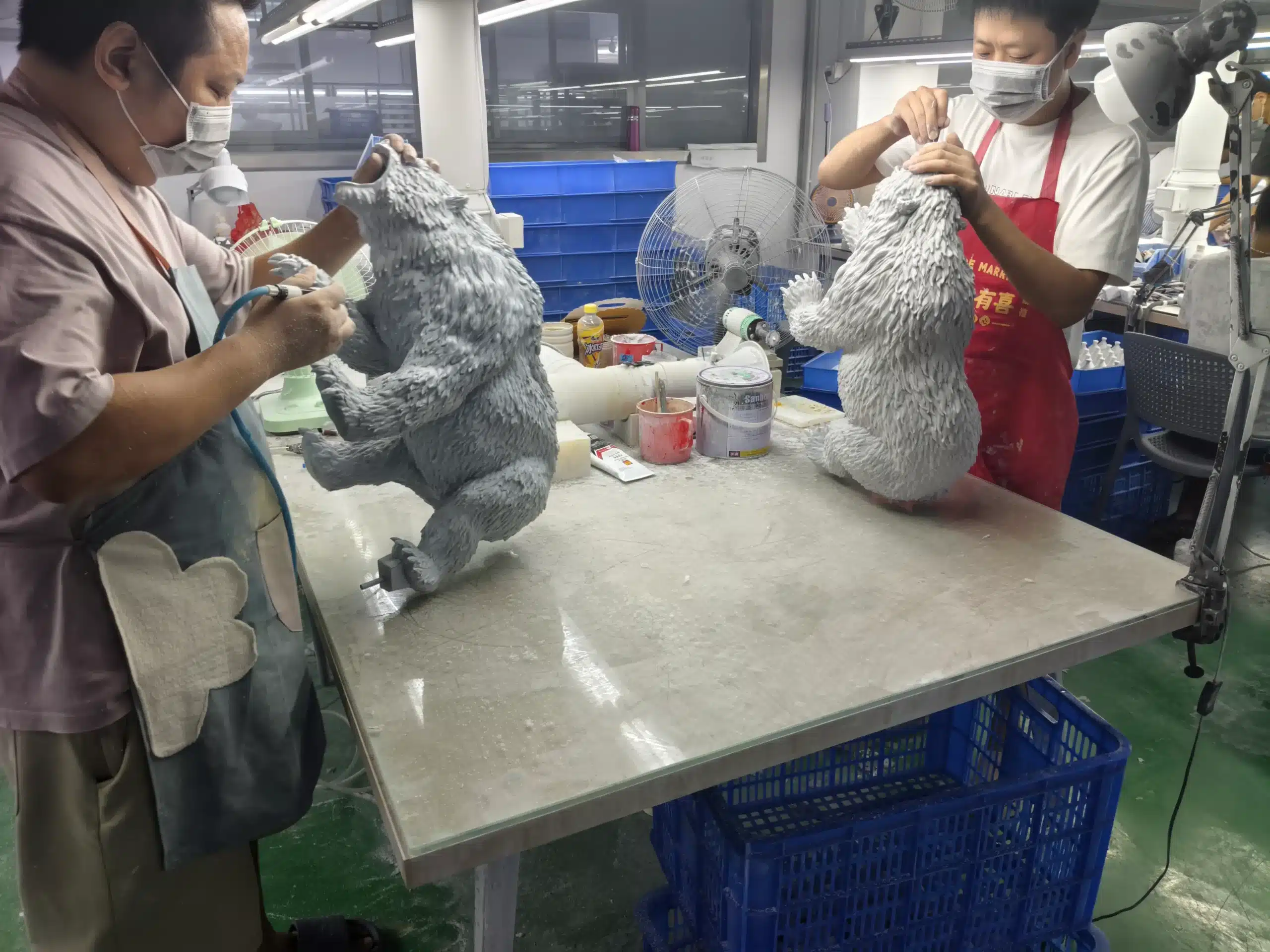
Resin and hardener are mixed, poured into a flexible silicone mold, cured, demolded and finished. The material and the mold are selected together, because the part, surface and quantity decide both.
The material
PU, epoxy and clear resin
PU is used for durable detailed parts; epoxy for clear, translucent and effect parts. The grade follows the part, appearance and strength requirement.
Compare with PVC / ABS →The mold
Flexible silicone tooling
The silicone mold carries the surface detail and allows easier demolding around undercuts and recessed areas. It is a different tool from a steel mold.
See silicone mold manufacturing →02 / Resin materials
PU. Epoxy.
Clear.
The material is selected from the part, the desired surface and the production quantity. A clear effect part and a painted statue do not use the same resin.
PU / Polyurethane
Durable detail
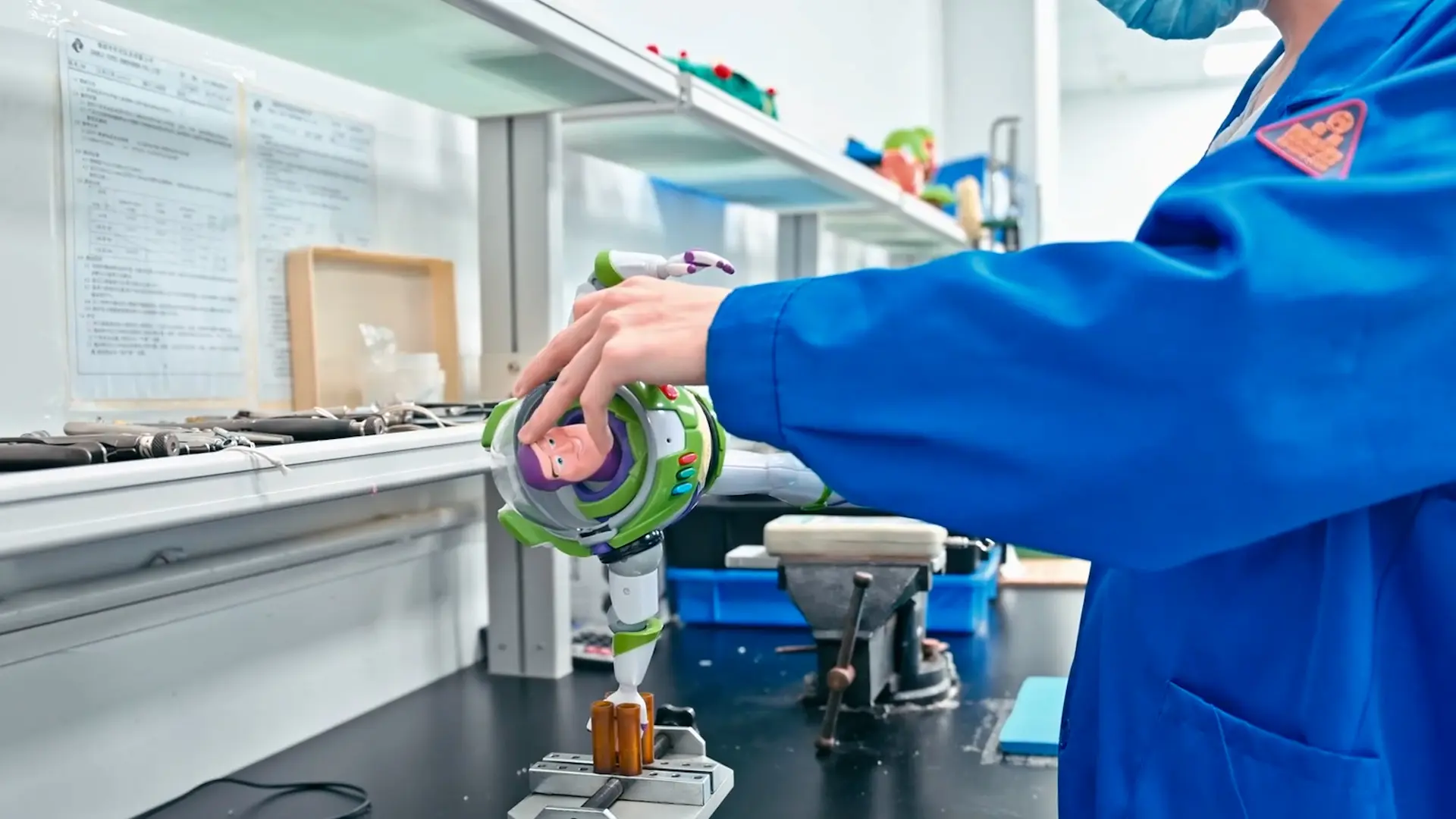
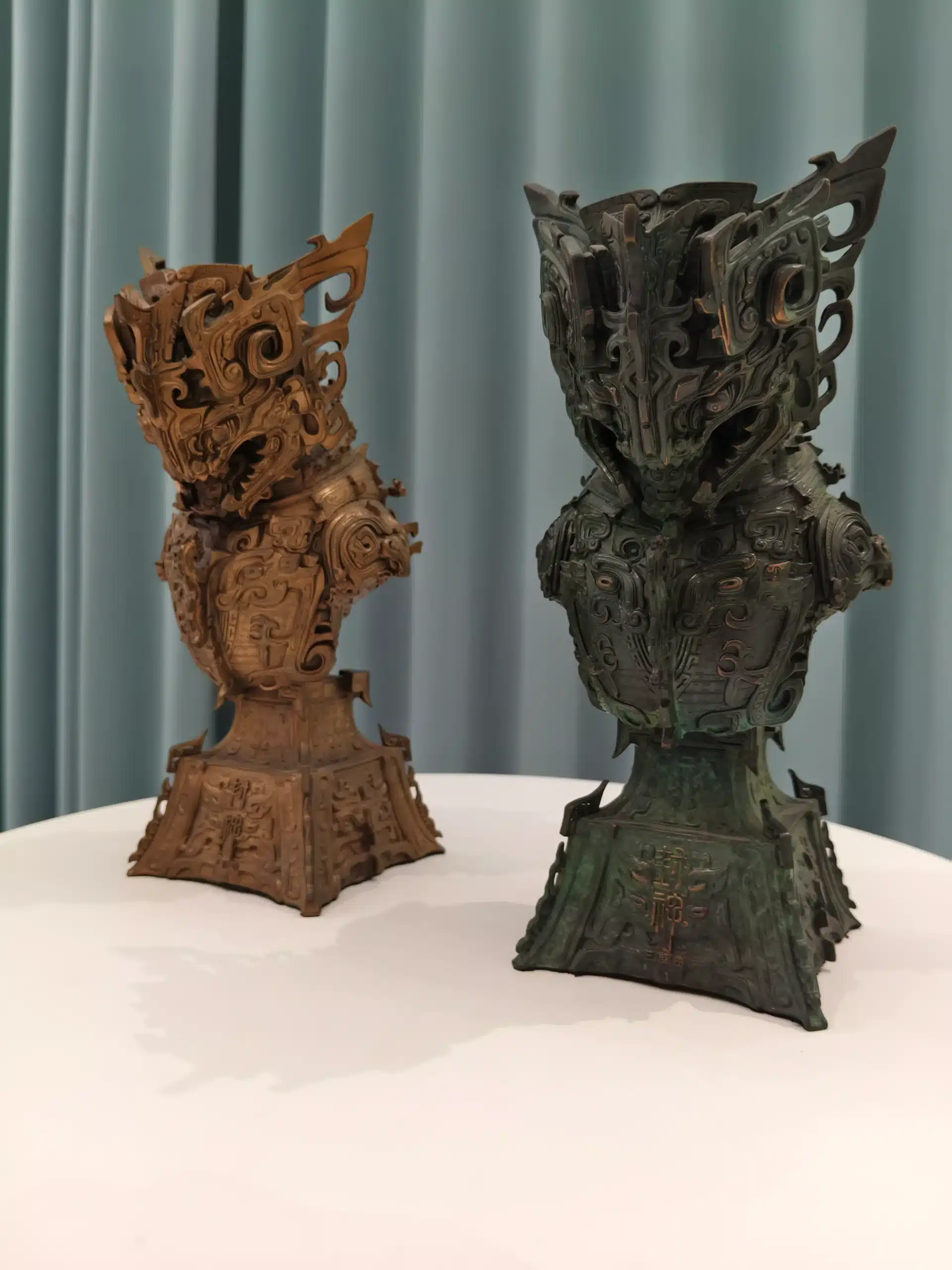
PU casting resin is used for detailed figures, statues, prototypes and props. It can reproduce surface detail and be formulated for different rigidity levels.
- Character figures & statues
- Prototypes and masters
- Props and display pieces
Best fit: painted detail · durable cast parts

Epoxy / Clear
Transparent effects
Epoxy is selected for clear, translucent and colored effect parts. It supports lenses, ice, water, light effects and decorative elements.
- Clear / translucent parts
- Color and light effects
- Art and display pieces
Best fit: transparency · color · effect details
Resin names are only a starting point. Grade, mix ratio, part thickness, color and demolding can change the result. The final recommendation follows the part review.
03 / Product types
What resin
is good at.
Resin casting is used for detailed, low-to-medium volume work. The product type helps narrow the material, but the final choice still follows the 3D model and finish.


| Product type | Typical resin | Why |
|---|---|---|
| Collectible figures & statues | PU | Fine detail, durable cast parts and hand finishing. |
| Prototypes & master models | PU | Shape, proportion and surface checks before production. |
| Clear / translucent effects | Epoxy | Ice, water, lenses, light and color effects. |
| Art toys & display pieces | PU / epoxy | Sculptural detail, color and special effects. |
| Props & display models | PU | Larger cast parts with painted or textured finishes. |
| Small-batch editions | PU | Limited collectible runs without steel tooling. |
04 / MOQ & mold
The mold and
the quantity.
Resin casting is not a high-volume steel mold process. The mold and the MOQ should be planned around the material, size, finish and expected production.
MIHOX uses 500 pieces as a typical resin production entry point, with 1,000+ generally better for production planning.
Read the full MOQ guide →A development sample for design verification or presentation, not a retail one-off order.
See prototype making →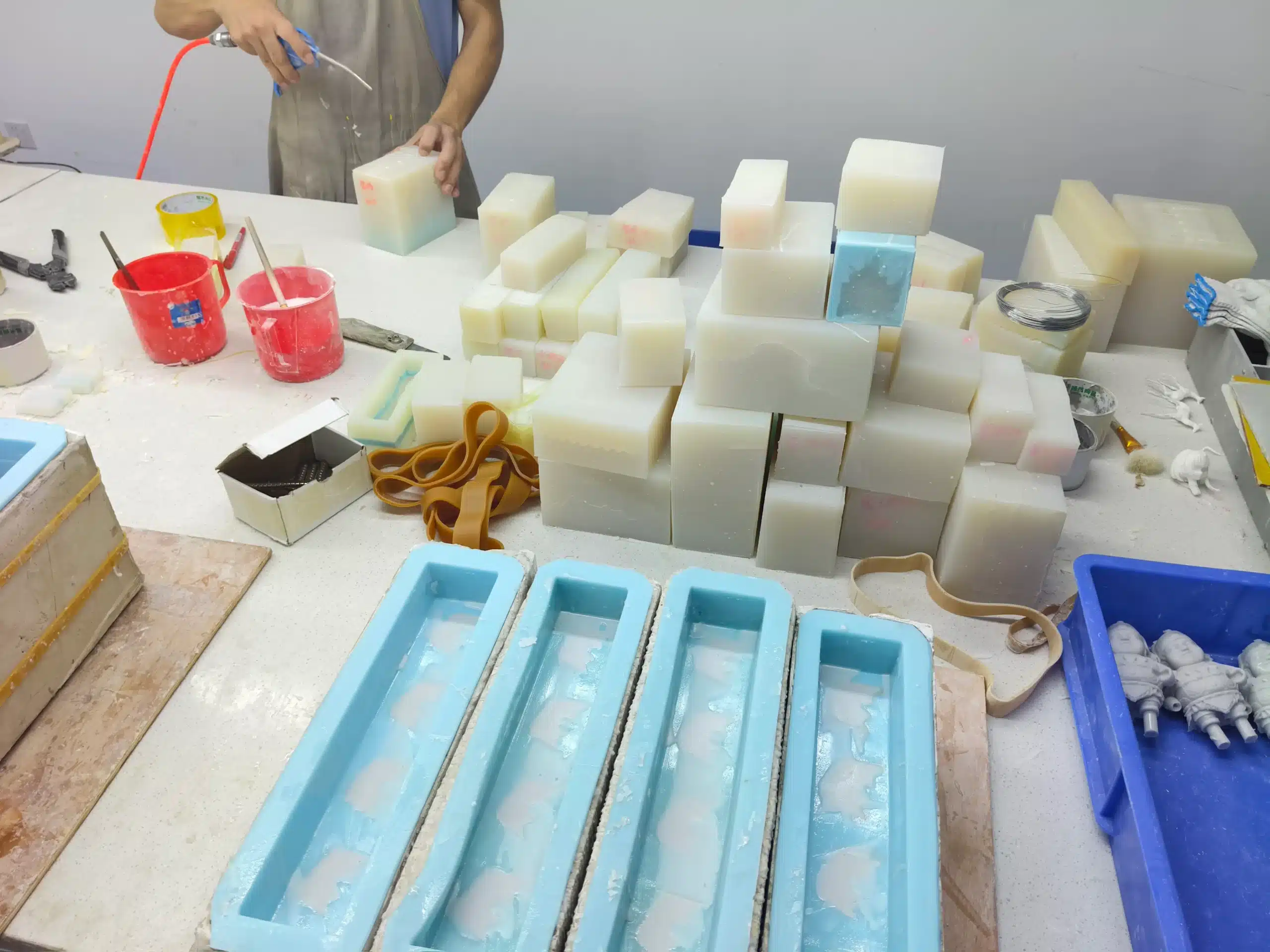
The mold is built for resin, not steel. Silicone tooling allows flexible release and fine detail, and is better matched to prototypes and small-to-medium batches. See silicone mold manufacturing for the tooling route.
05 / Material decision
Start with the part.
Not the resin name.
A resin is only right when it supports the part, the surface and the production quantity. This is the review order we use.
Part function
Is the part detailed, structural, transparent, decorative or a prototype?
Output: function briefSurface & effect
Painted detail, clear effect, color, translucency or a mixed-material look.
Output: material directionQuantity & finish
Confirm the silicone mold plan, MOQ, finishing time and packing.
Output: production plan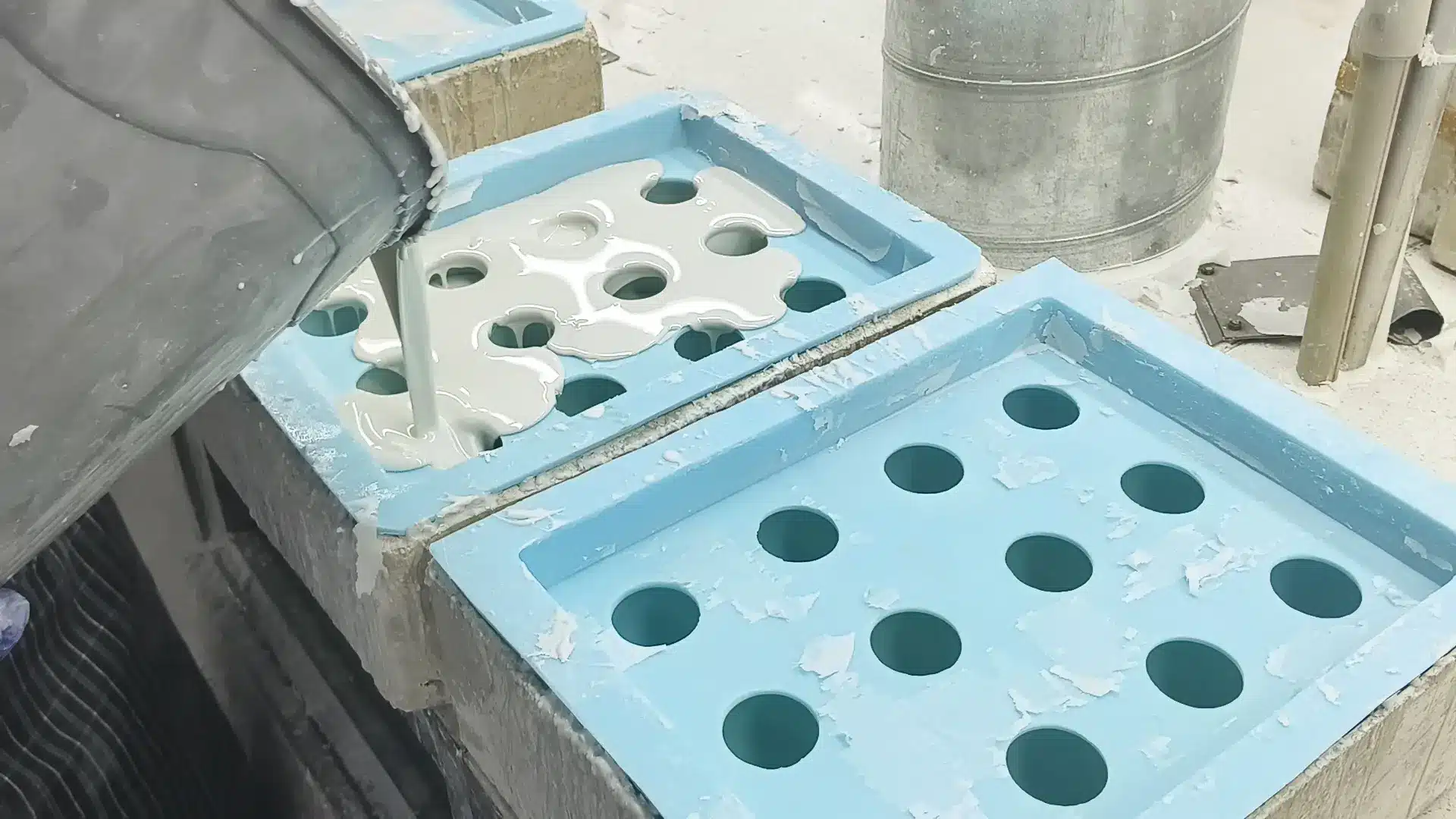
06 / Factory-backed
Mold, cast and finish
inside New Miho.
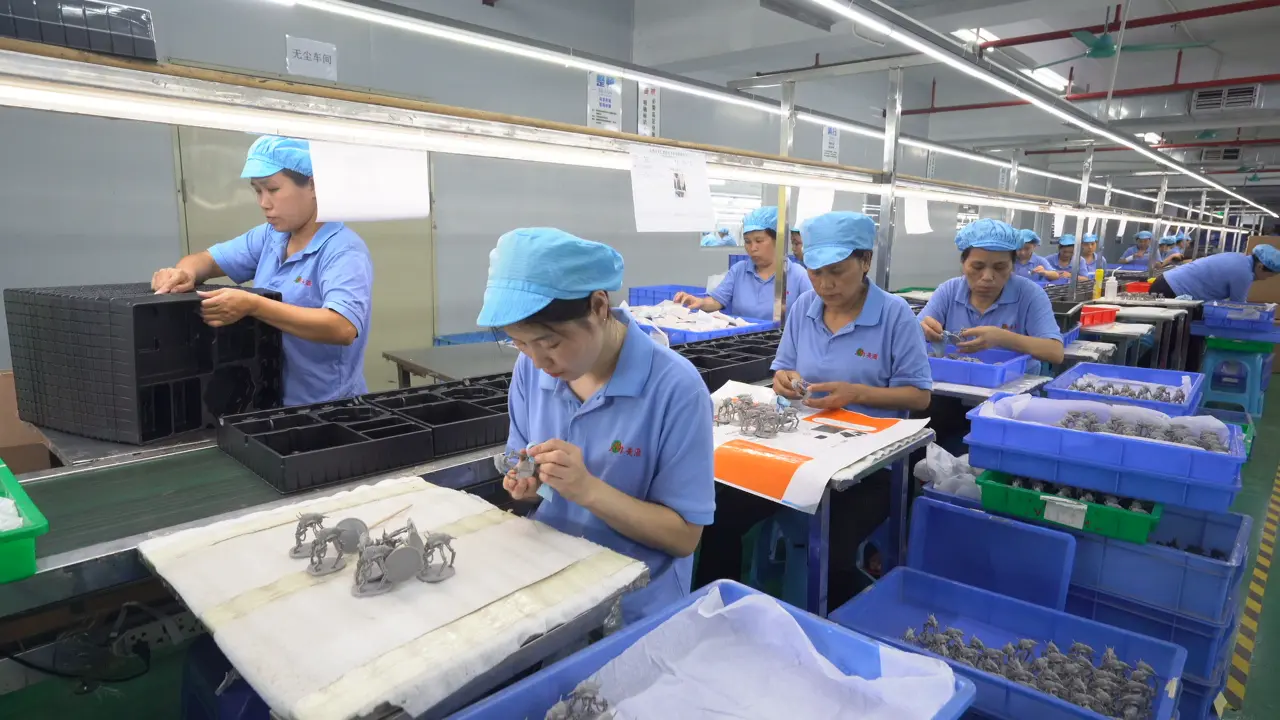
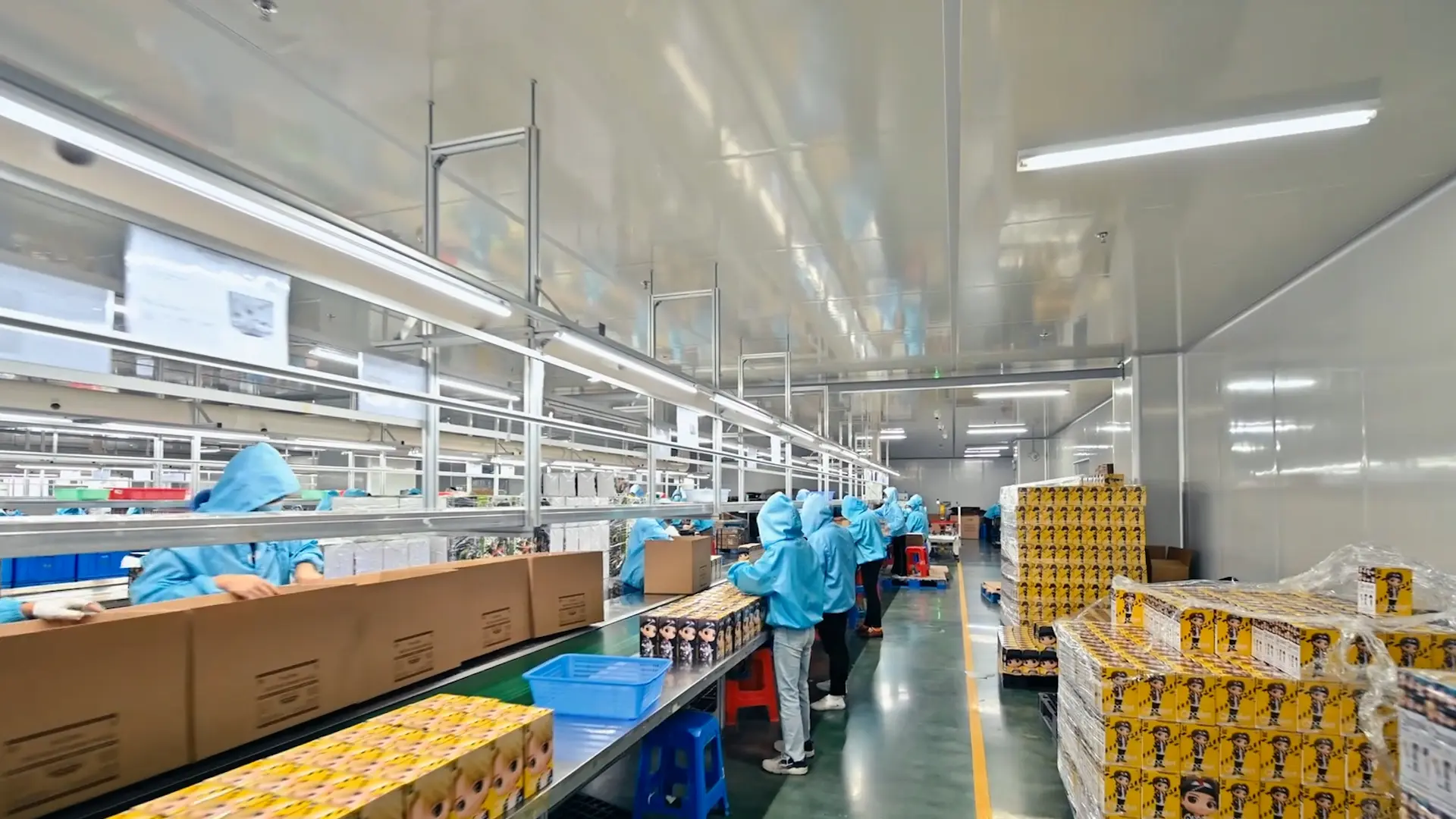
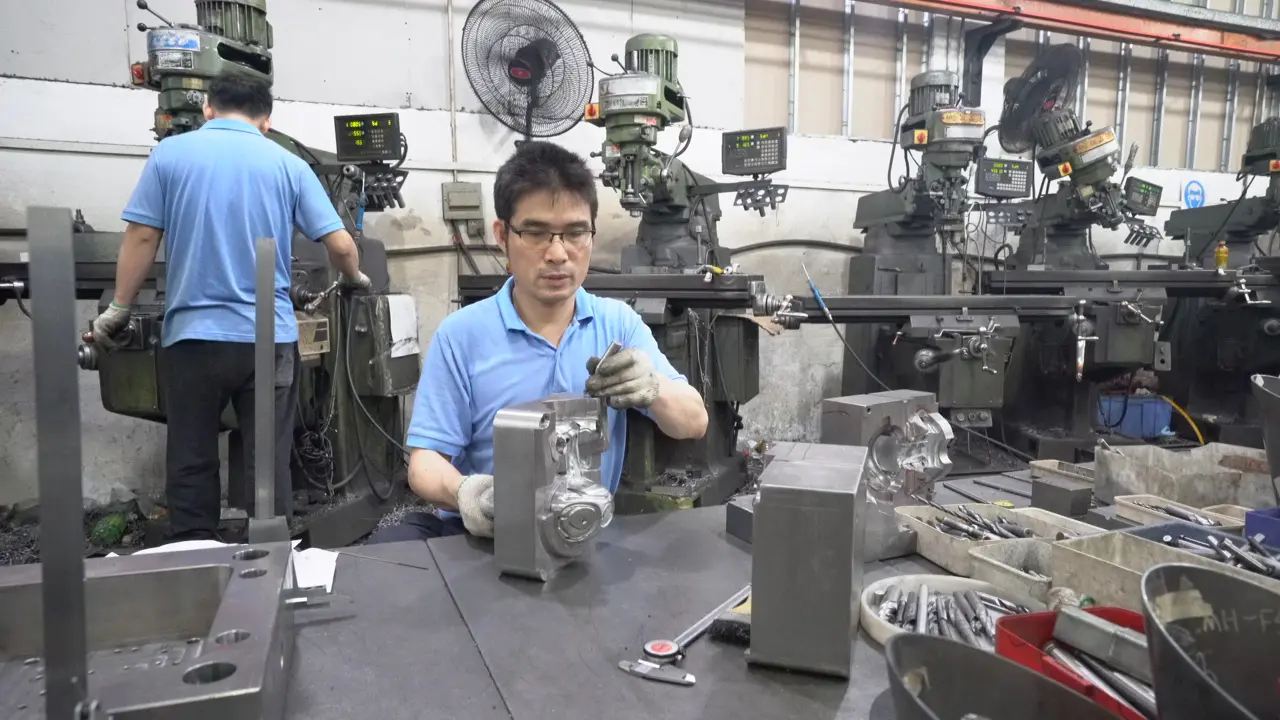
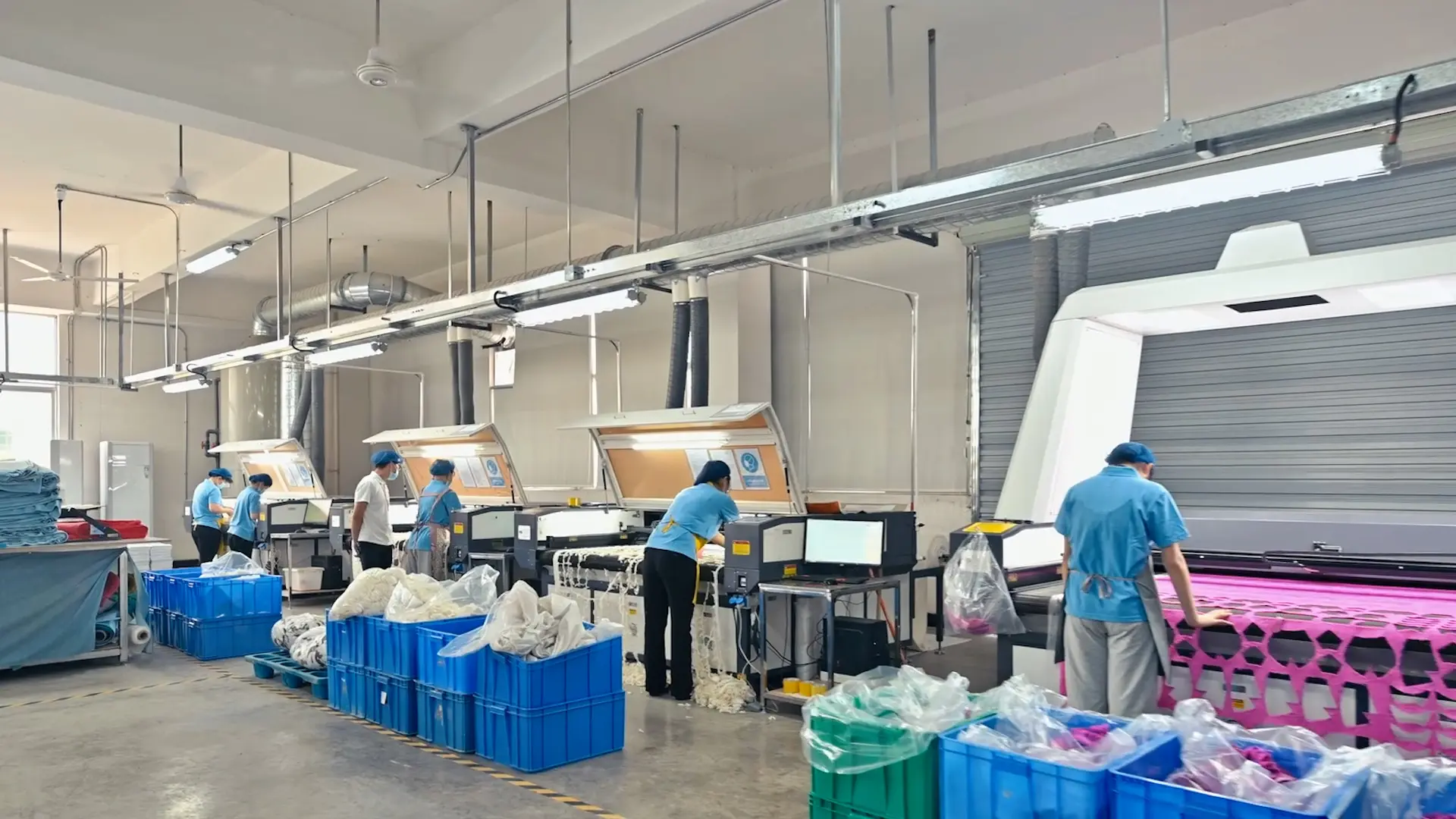
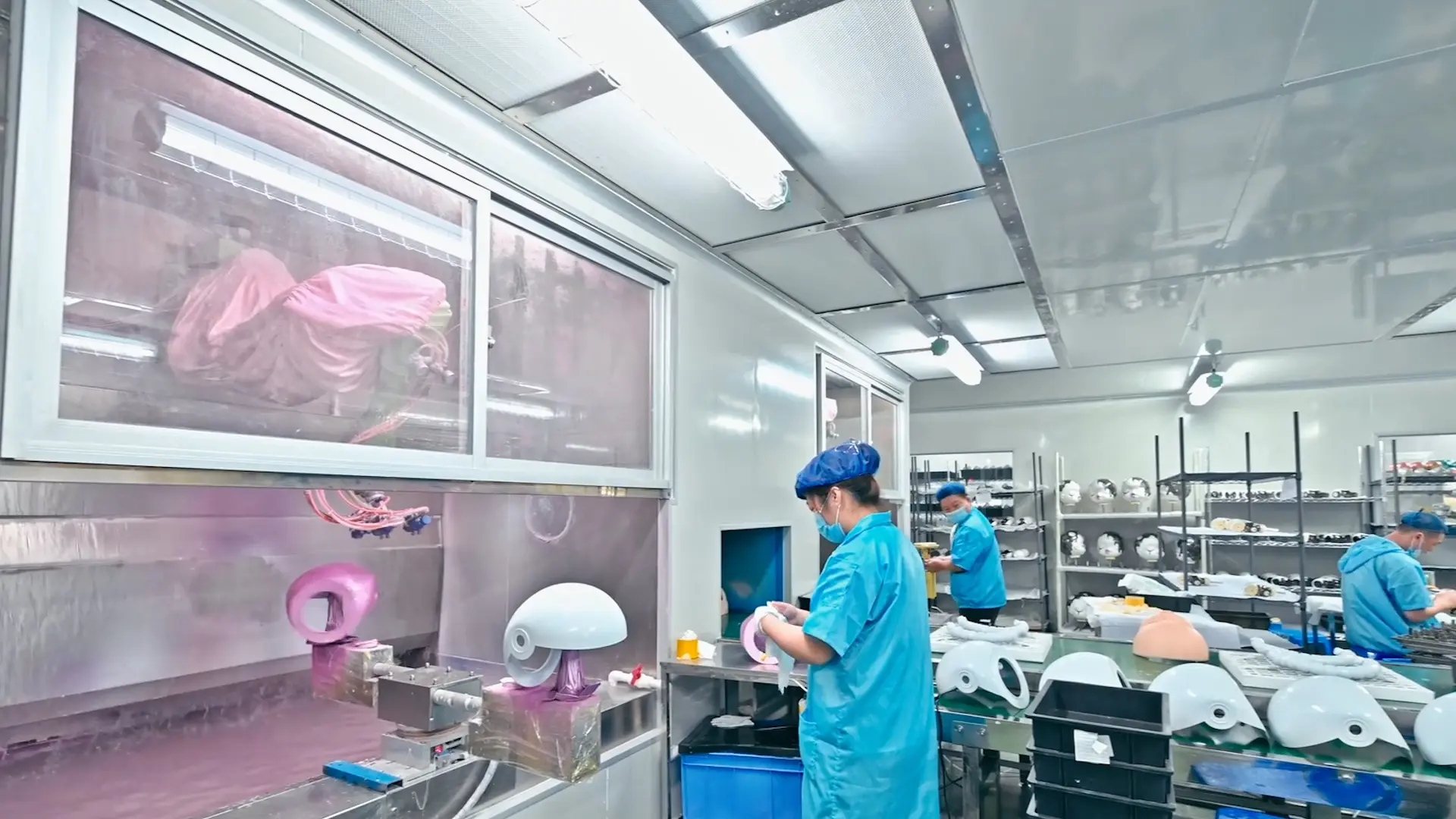
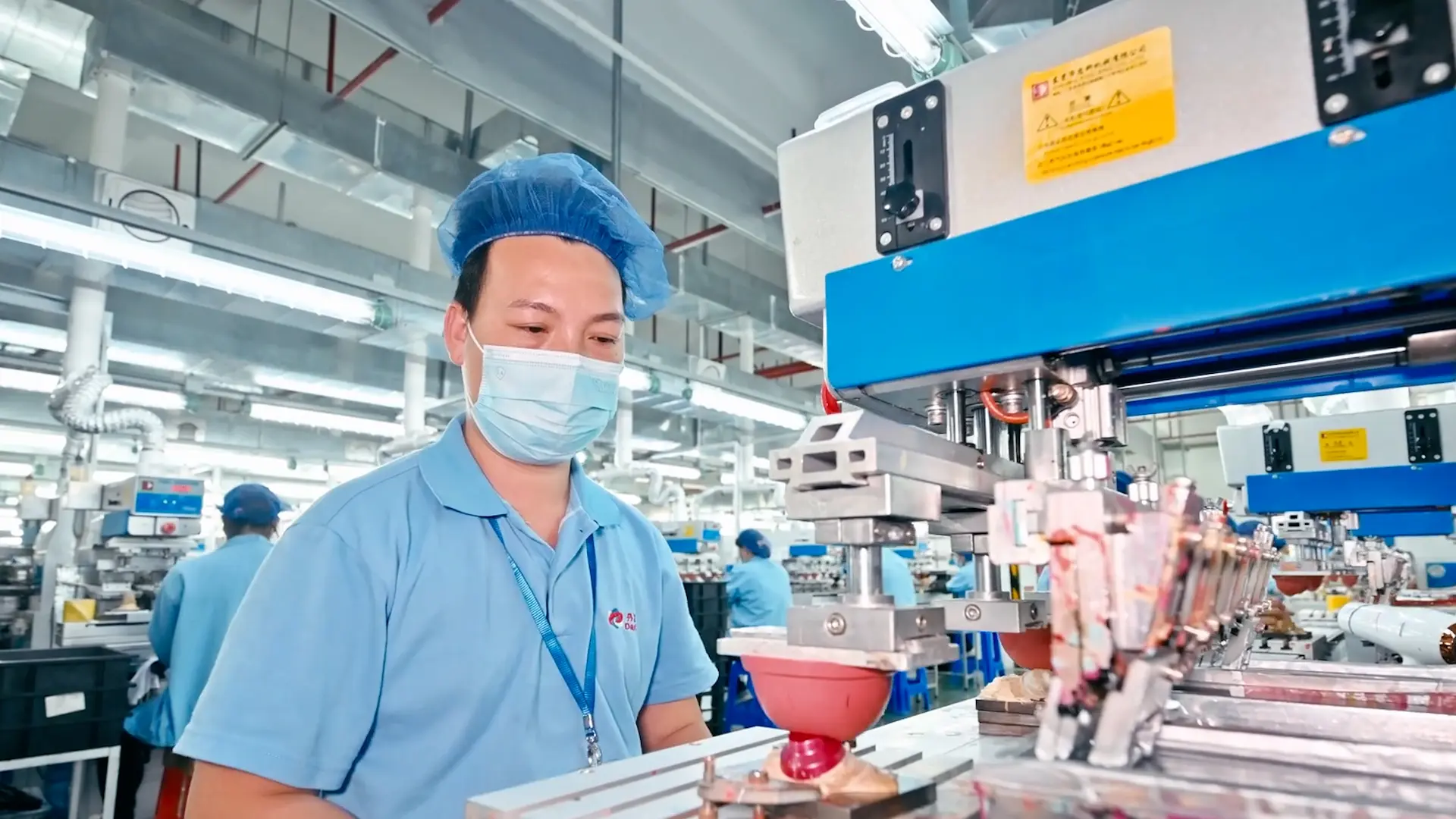
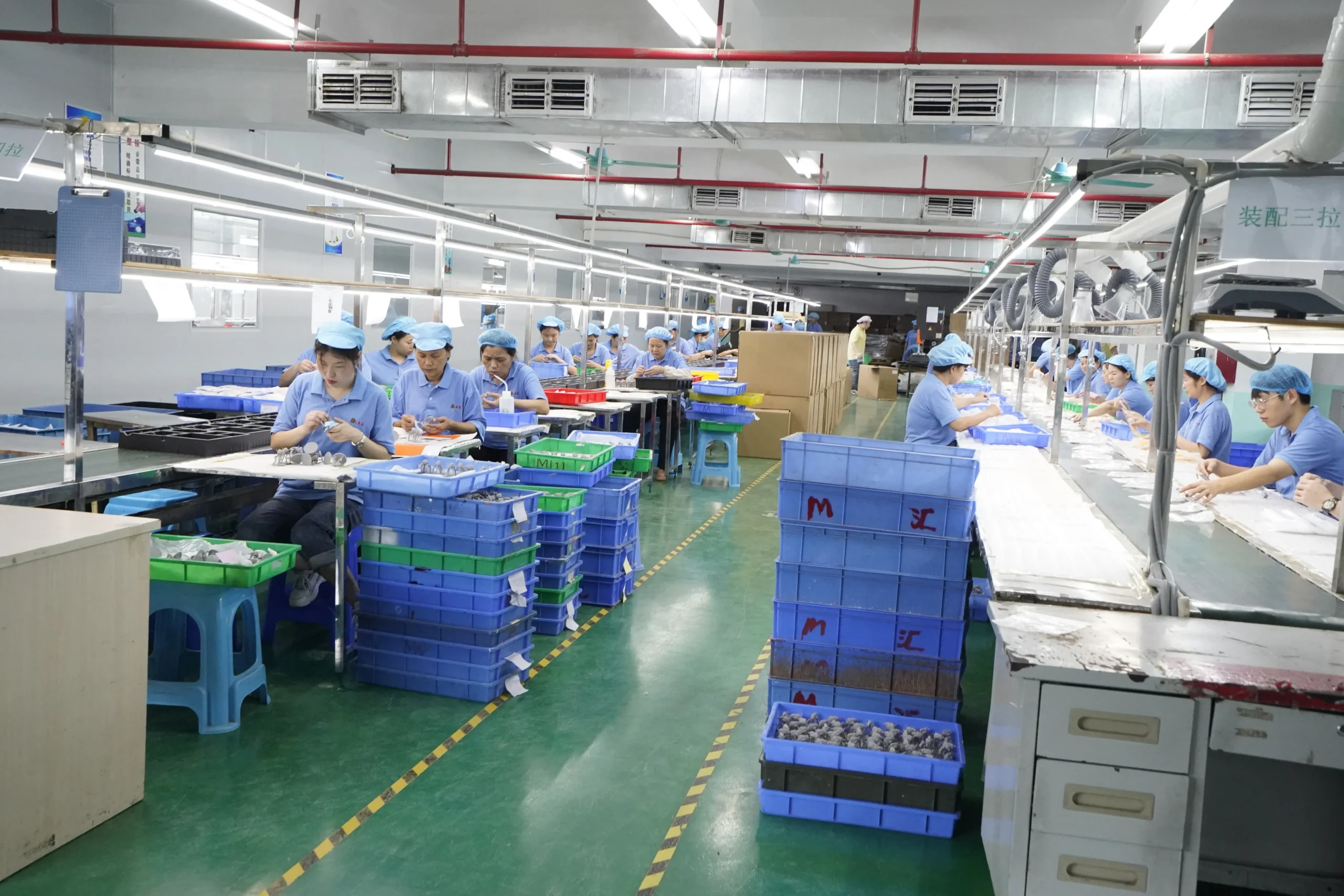
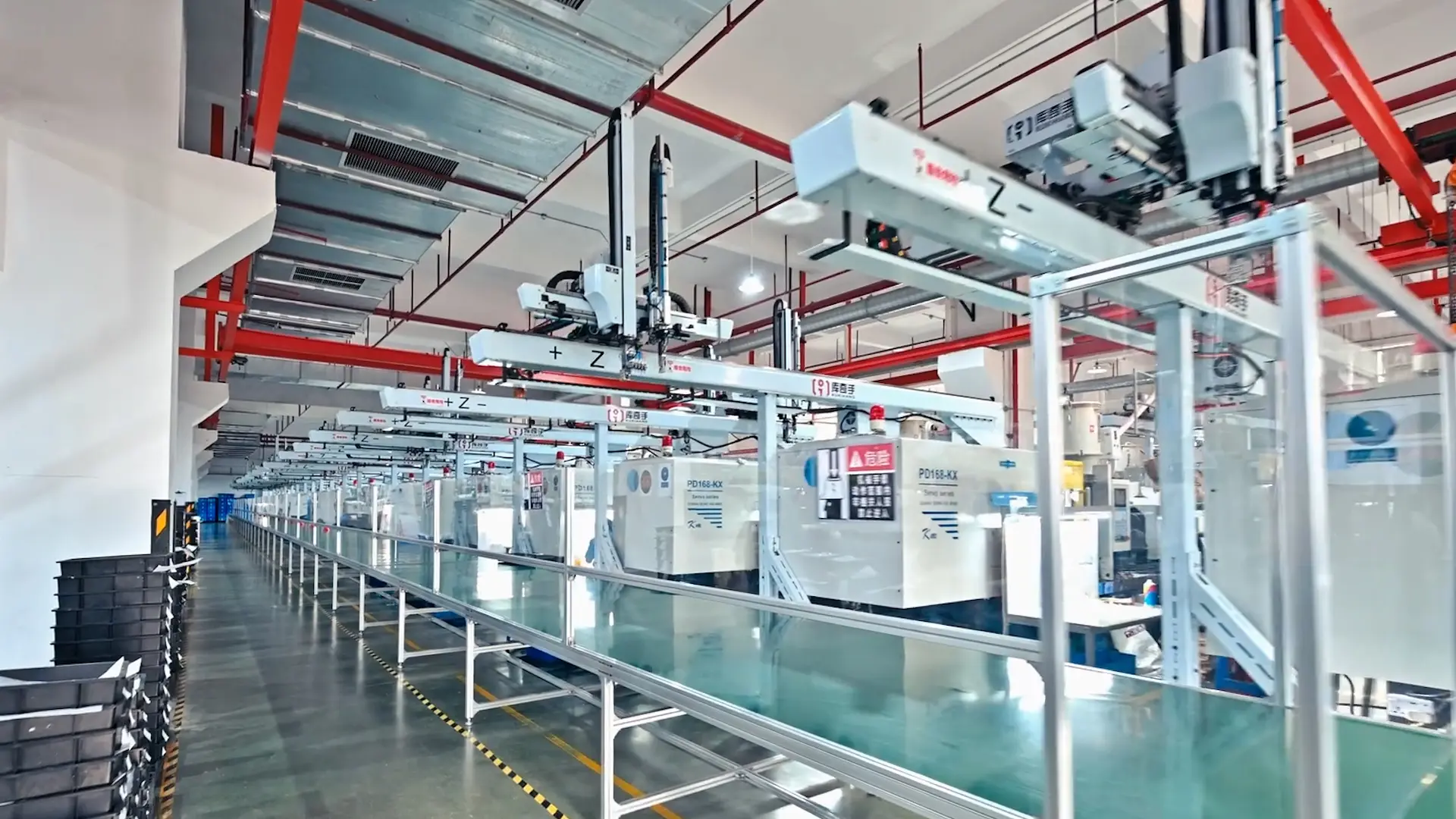
Silicone mold making, resin casting, painting and assembly stay inside New Miho's own factory team, so the material, the mold and the finished part are reviewed together.
Resin selection
PU, epoxy or clear resin selected from the part and finish.
Silicone tooling
Parting and demolding planned around the cast shape.
Casting & finishing
Demold, trim, sand, paint, assemble and pack with the production team.
Owned factories
Mi-Ho and Boyuan are our own facilities, not external suppliers.
07 / Questions
Resin materials,
clearly.
Direct answers about PU, epoxy, quantity and finishing.
What is resin casting?
What is PU resin used for?
When is epoxy or clear resin used?
What is the resin MOQ?
Does the resin change the silicone mold?
Can resin parts be painted and assembled?
Review the material
Send the 3D file.
We will review the resin.
Tell us the part size, surface, quantity and whether the product needs a clear or painted finish. We will confirm the resin direction and the next practical step.
B2B projects only · paid material review · NDA available · PU / epoxy / clear