
Understanding Mold Costs and How to Make the Smartest Decision for Your Custom Toy Project
In the custom figurine industry, one of the most common questions we hear is:
“Why are molds so expensive?”
If you’re entering the world of toy/figurine production for the first time, you’ve likely felt the same frustration:
“The design fee is fine, but the mold cost is way too high.”
But the truth is: mold cost isn’t an arbitrary number.
There is a very real, highly structured engineering logic behind every dollar you pay.
In this guide, I’ll walk you step-by-step through what you are really paying for, why different materials require different molds, and how to make the smartest, most cost-effective decisions for your custom figurine project.
Let’s begin.
1. Why Are Custom Figurine Molds So Expensive? What’s the Real Reason?
First, the most important truth:
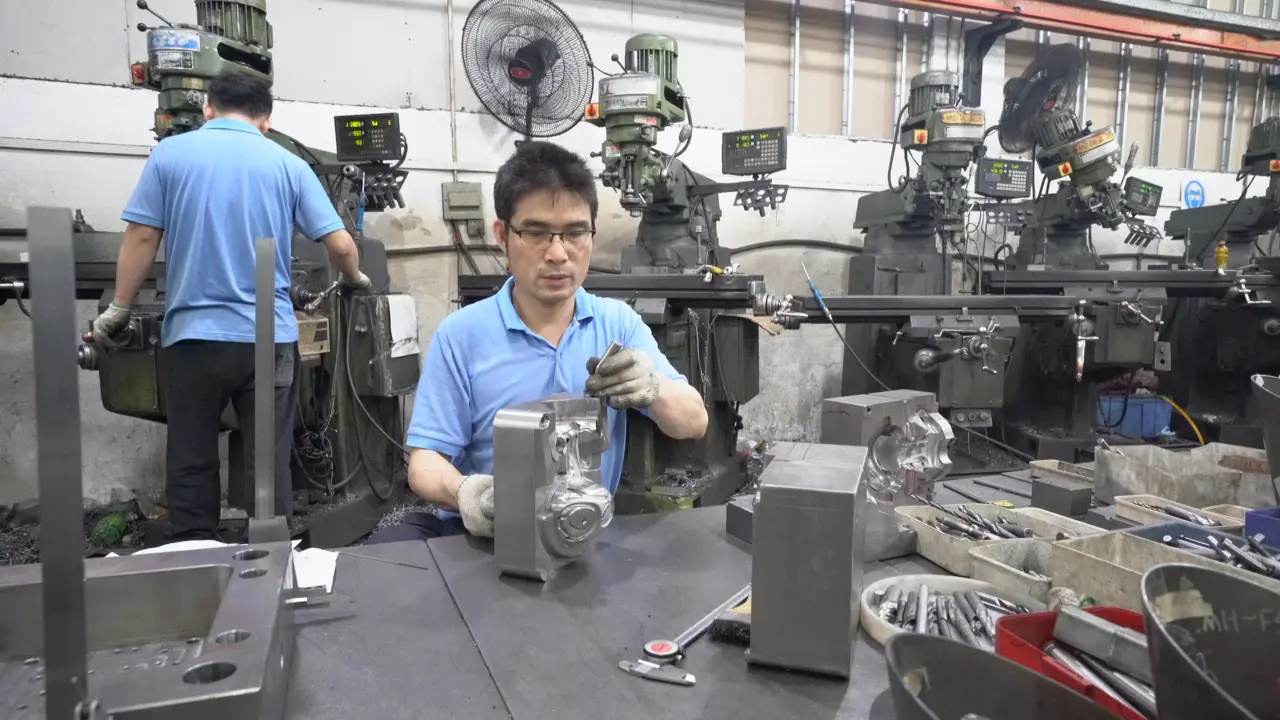
1. You’re not “buying a finished object”—you’re paying for a complex engineering tool
A mold is not a product you can hold and use.
It is an industrial tool designed to mass-produce your figurine repeatedly and consistently.
A mold involves:
- Structural engineering
- Part segmentation
- Mold opening directions
- Steel selection
- Heat treatment
- CNC machining
- Polishing
- Precision measurement
✔ Mold Cost = Steel Material + High-End Equipment + Skilled Labor + Engineering Time
2. Different materials require completely different mold types
This is where most beginners in custom toys get confused.
Let’s break it down clearly.
2. Mold Costs for Different Materials
Below are the three most common materials in the figurine industry, and the mold types required for each.
1. PVC Figures — The Most Expensive Molds but the Most Stable for Mass Production
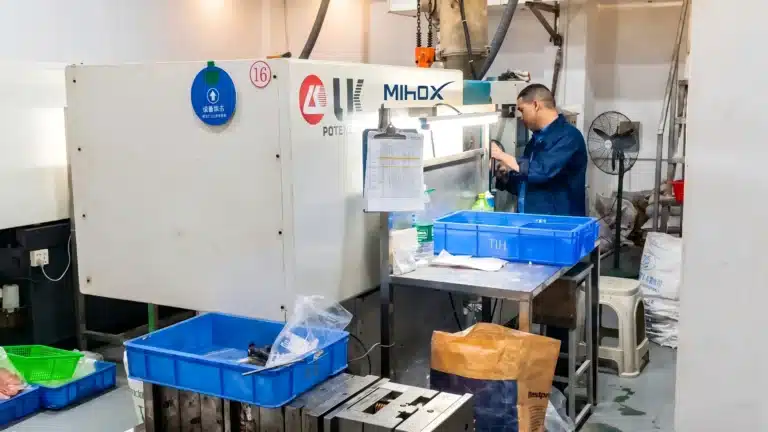
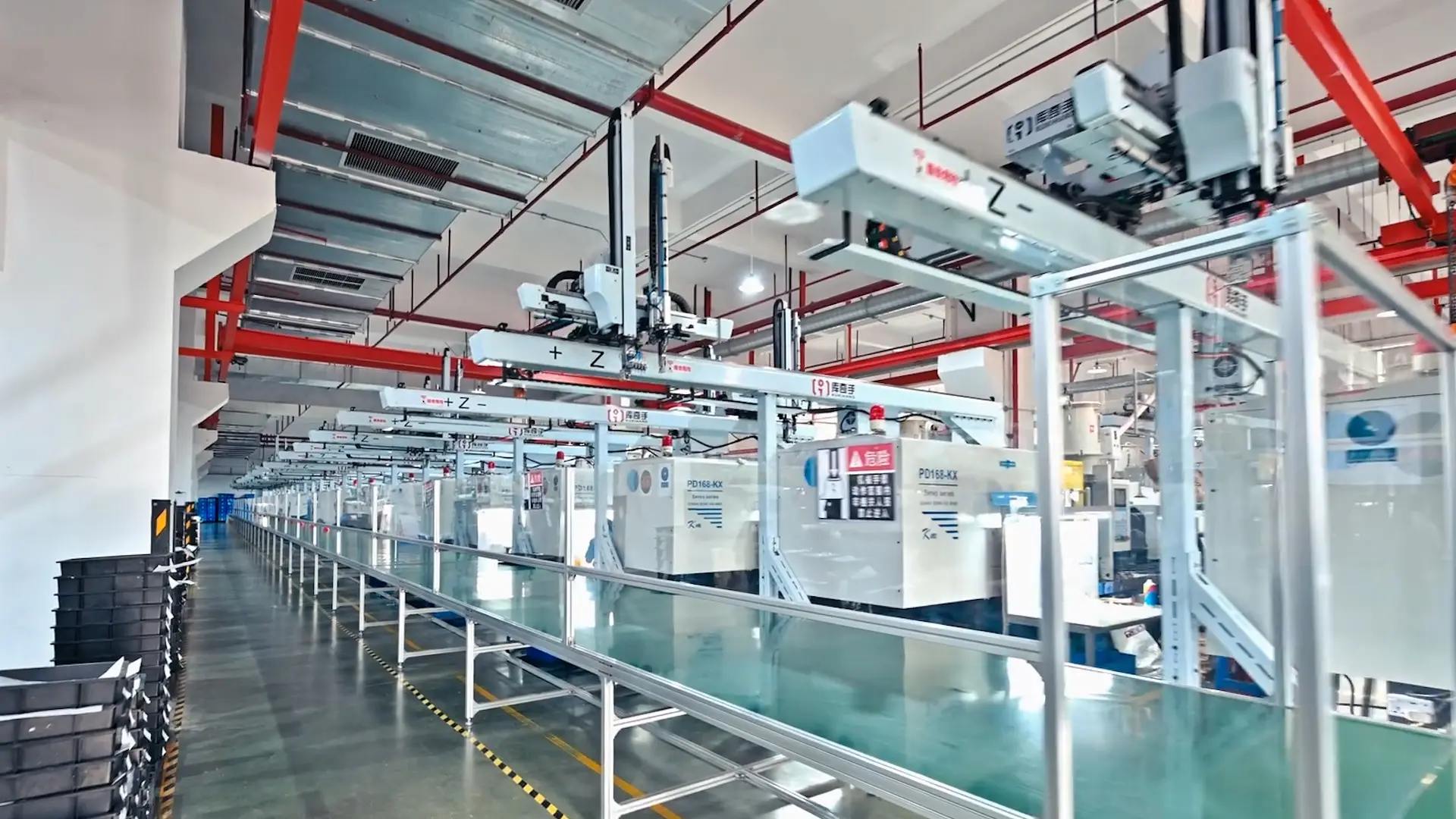
- Requires metal molds (steel or aluminum)
- Uses injection molding
- Best for mass production (1000+ pcs)
Why expensive?
Because injection molding uses high pressure and high temperature, requiring durable steel such as S45C, 718H, NAK80, or even 8407.
Each part needs its own mold cavity.
Complex structures may need sliders, inserts, or core-pulling mechanisms.
✔ Summary:
PVC = High mold cost, low unit cost, best for large quantity
2. Soft Vinyl (Sofubi) — Rotational Molding
- Mostly aluminum molds (sometimes copper)
- Uses rotational molding
While simpler than injection molds, these molds are large, heat-resistant, and require special segmentation.
Common for:
- Designer monsters
- Art toys
- Retro-style soft vinyl figures
✔ Summary:
Soft Vinyl = Medium mold cost, ideal for 500+ quantity
3. Resin Figures — No Metal Mold Needed
- Material: PU resin
- Mold: Silicone mold (lowest cost)
Silicone molds are inexpensive but short lifespan (20–30 casts per mold).
Best for:
- Prototypes
- Collector editions
- Kickstarter-level production
✔ Summary:
Resin = Cheap molds, high unit cost, best for low-volume production
3. Why Do Mold Prices Vary So Much Between Different Factories?
You might see quotes ranging from $2,000 to $6,000 for the same size figurine.
Here’s why:
1. Number of Parts
More parts = more molds = higher cost.
2. Structural Complexity
Examples:
- Internal connectors
- Articulated joints
- Transparent parts
- Undercuts requiring core-pulling
- Deep cavities
Each adds difficulty and cost.
3. Surface Finishes
Special textures or mirror finishes require high-precision polishing—cost goes up.
4. Different Factory Standards
Low-end factories use entry-level steel.
High-end factories use premium Japanese or German steel.
CNC machine quality also directly affects pricing.
4. How to Keep Mold Costs Lower While Ensuring Good Quality (The Best Strategy for Clients)
Here’s the part that really matters:
How can you control mold costs?
Below are the strategies we provide to our B2B clients.
1. Know Your Production Quantity
Your quantity determines your best mold choice:
| Quantity | Material | Mold Type | Notes |
|---|---|---|---|
| 10–100 | Resin | Silicone mold | Cheapest mold, high unit cost |
| 300–500 | Soft vinyl | Aluminum mold | Medium cost |
| 500–1000+ | PVC | Steel mold | Best for mass production |
| 3000+ | PVC | High-grade steel mold | For large brand runs |
✔ Choosing correctly can save 30% or more of your budget.
2. Optimize Your Design for “Moldability”
Remember:
Good moldability can cut your mold cost from $6,000 to $3,000.
How?
- Reduce deep undercuts
- Lower part count
- Avoid complex internal structures
- Choose smart segmentation
Your factory should provide “moldability feedback”—always review it.
3. Don’t Look at Mold Cost Alone — Look at the Total Cost
The real question is:
What is the cost per piece after factoring in mold + material + labor?
Example:
- Small batch: soft vinyl is cheapest
- Large batch: PVC becomes incredibly cost-effective
Mold price is only one piece of the equation.
4. Choose a Factory That Handles 3D → Prototype → Mold → Mass Production
Multiple suppliers = higher chance of:
- Miscommunication
- Rework
- Delays
- Hidden extra costs
A one-stop system reduces risk and saves money.
5. The Core Formula You Should Always Remember
Higher mold cost doesn’t mean someone is overcharging you—
it means your product requires a more advanced engineering tool.But with the right material + structure + quantity planning, you can dramatically reduce your total cost.
6. Need Help? We Can Provide a Free Project Evaluation
Whether you’re:
- Starting with a sketch
- Already have 3D files
- Planning 100 units or 10,000 units
- Unsure whether to choose resin, soft vinyl, or PVC
We can provide:
✔ Material recommendation
✔ Accurate mold cost breakdown
✔ Most cost-effective production method
✔ Free structural analysis (very valuable for reducing mold cost)
Contact Us (Free Evaluation)
We’re here to help you turn your design into reality.
👉 Email: [email protected]
👉 Send us your idea: (Sketch / Size / Material / Quantity)
👉 We reply within 12 hours
If you are new to mass-production custom toys, we also recommend reading our beginner-friendly guide — it may help you better understand the full process before starting your project.
Let’s make the manufacturing process simple, transparent, and efficient—
and bring your character to life in the most cost-effective way.