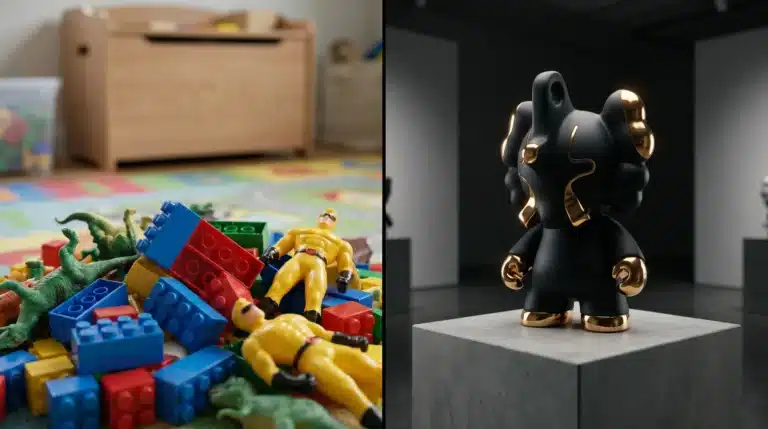
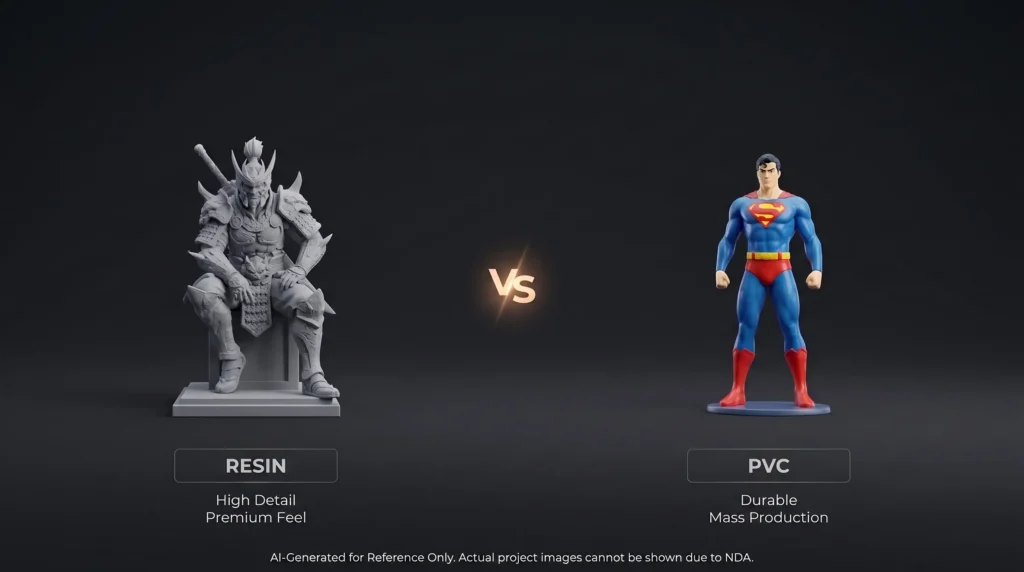
Ask ten different toy collectors whether resin or PVC makes a better collectible figure, and you will likely get ten completely conflicting answers.
One collector will lift a heavy, 1/4 scale resin statue onto a reinforced shelf and preach about its crisp sculpt lines, razor-sharp edges, and premium heft. Another collector will point to a perfectly painted 1/6 scale PVC action figure on their desk, flex its poseable joints, and talk about how it survived a five-foot drop onto a hardwood floor without a single scratch.
If you are a brand owner, IP creator, artist, or toy executive looking to turn a 2D character concept into physical merchandise, this debate isn’t just about personal taste. It is a critical business decision.
Choosing between resin and PVC directly dictates your upfront capital investment, your factory lead times, your minimum order quantities (MOQs), your packaging design, and your shipping damage rates. Pick the wrong material for your project, and you could end up draining your cash flow on expensive steel tooling for a limited 200-piece run. Or worse, you send fragile resin statues through standard postal networks, only to have thirty percent of them arrive at your fans’ doorsteps with snapped arms and shattered accessories.
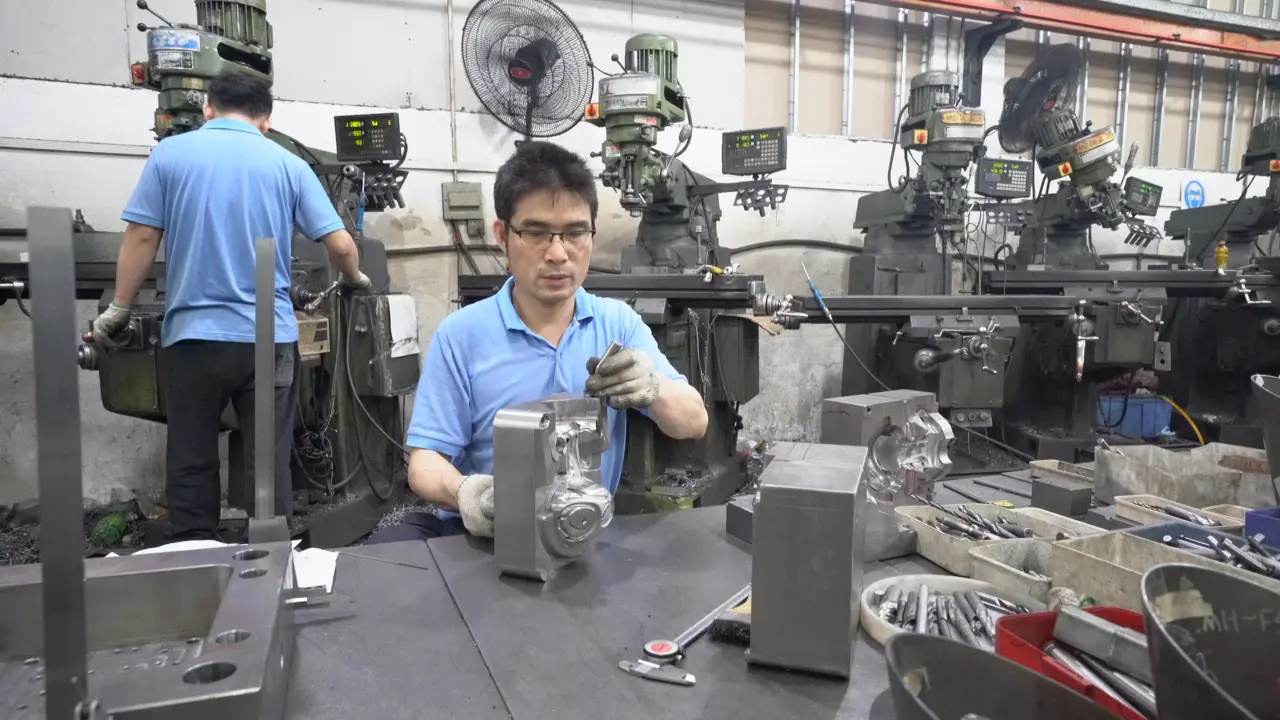
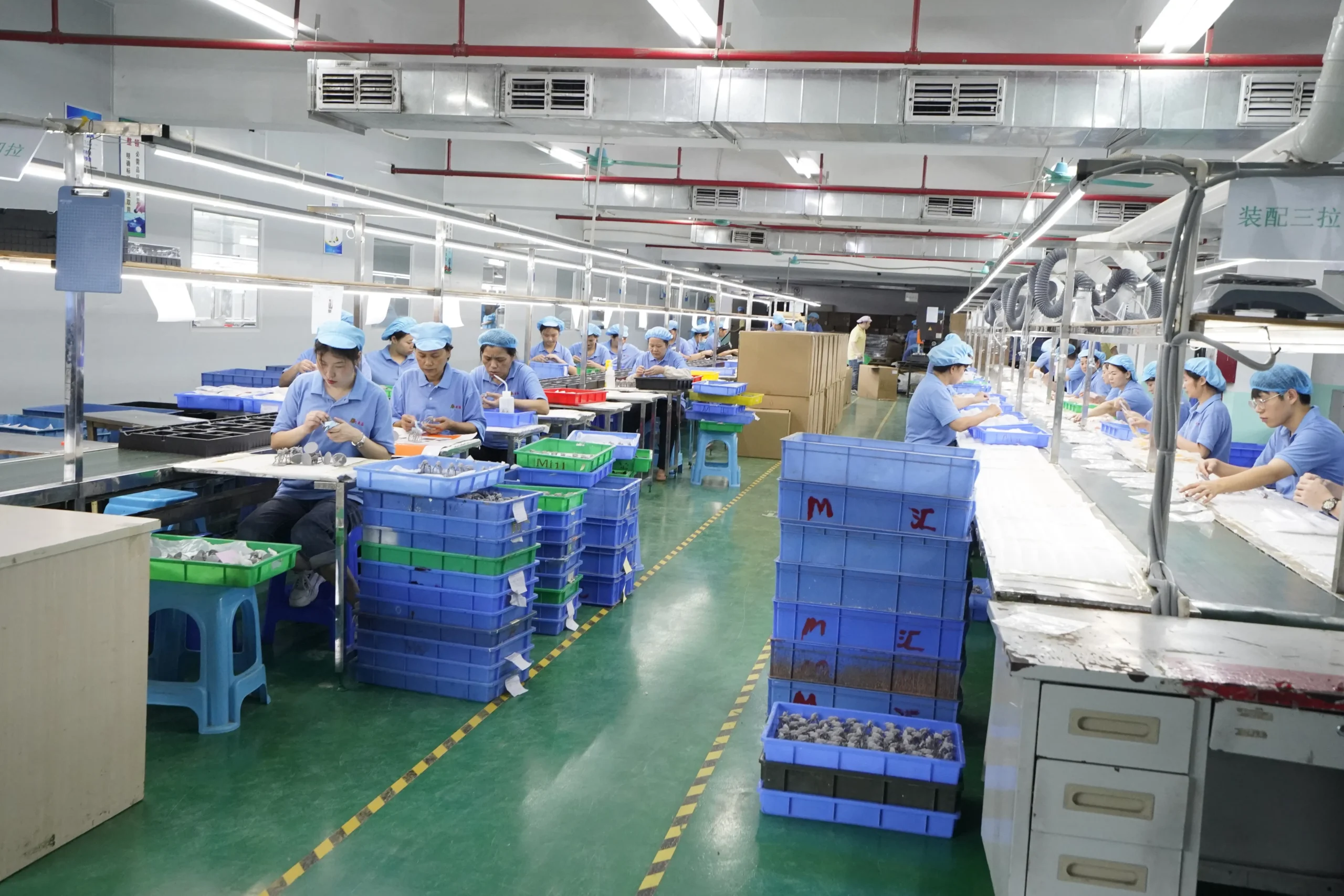
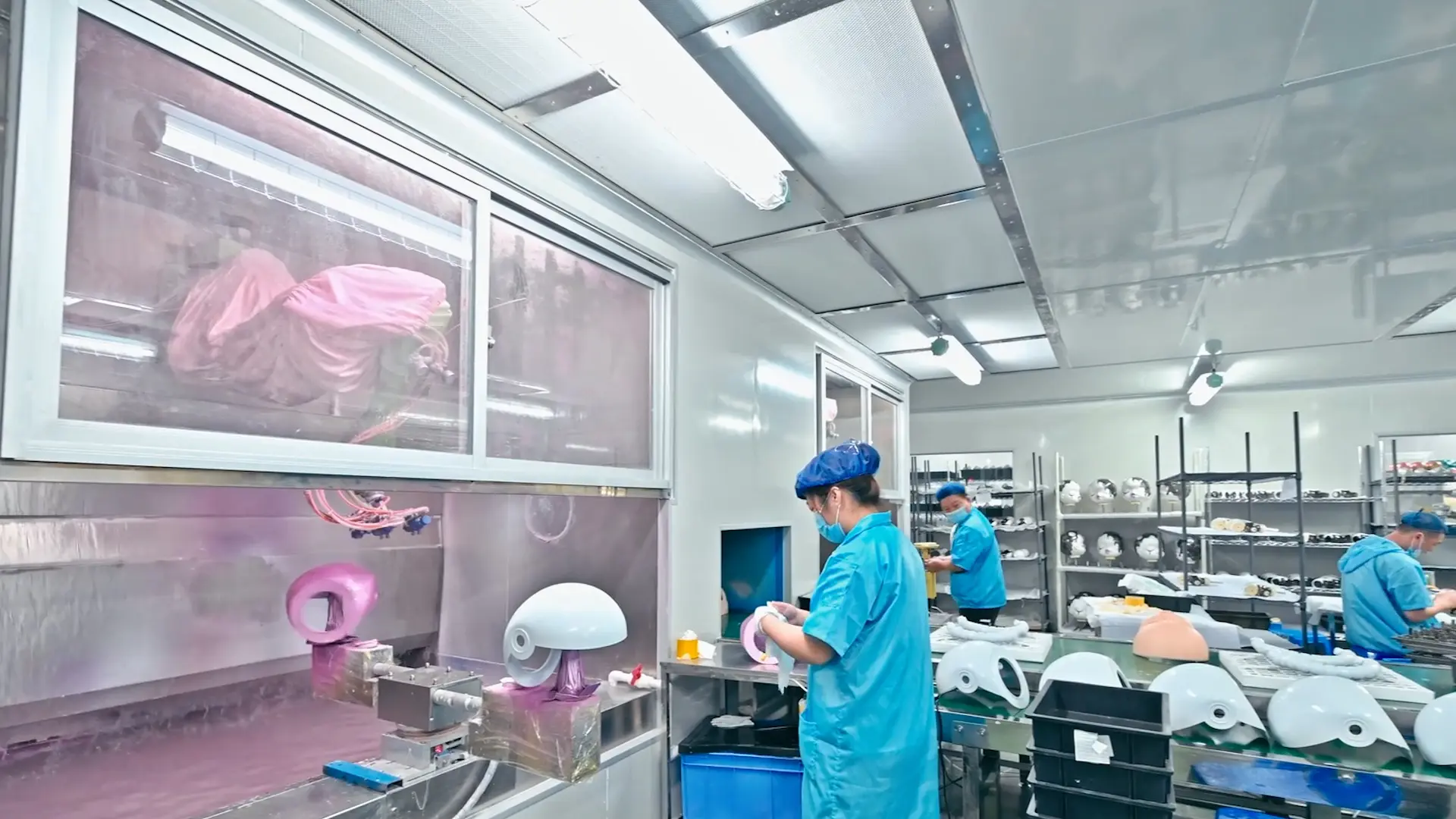
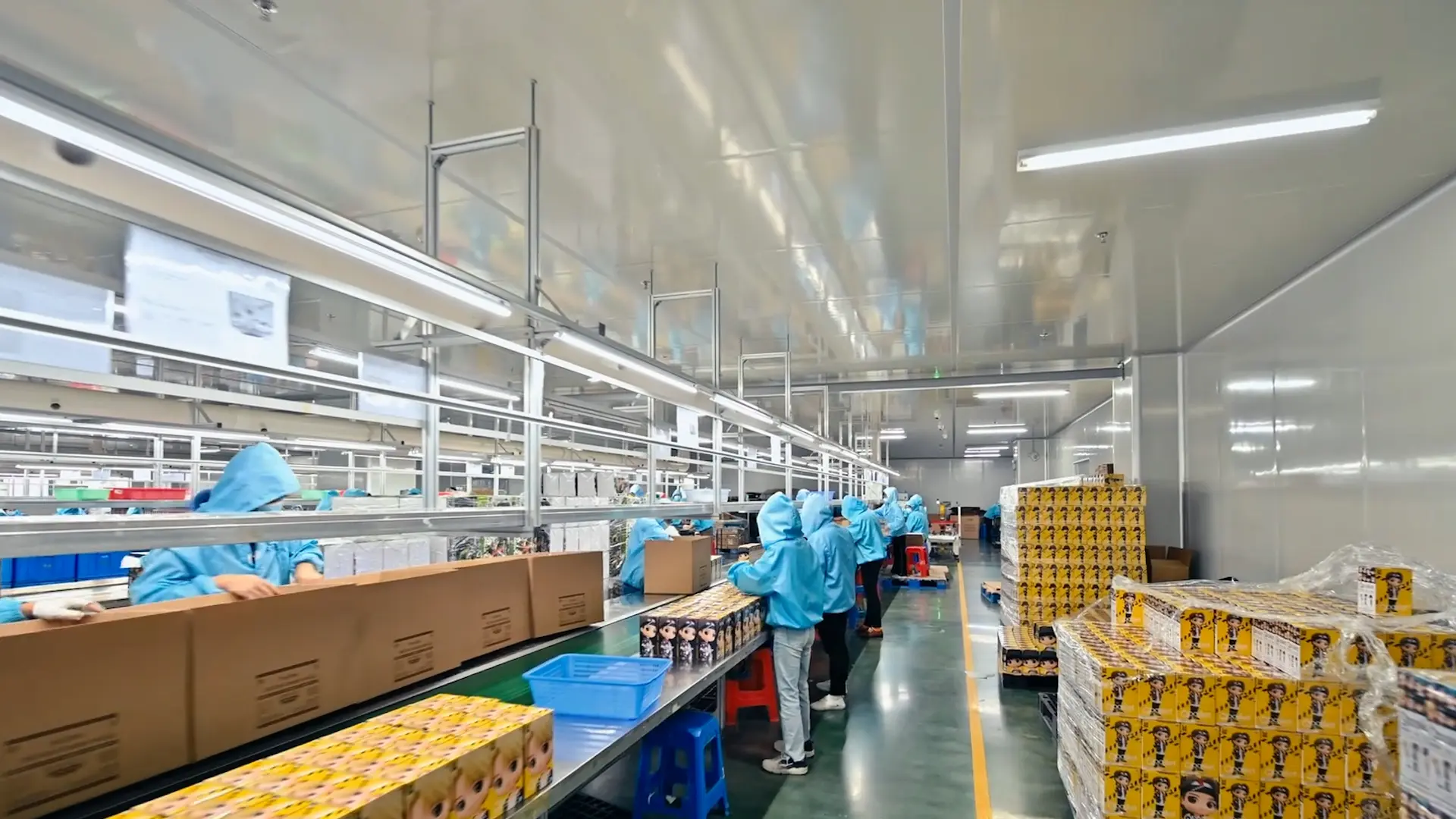
Here at MIHOX, we operate both resin casting workshops and high-precision PVC injection lines under our unified manufacturing facility in China. We see IP creators grapple with this exact material decision every single day.
Today, we are going to tear down the myths surrounding resin and PVC. We will break down material physics, tooling economics, detail capabilities, durability math, and real-world production costs so you can select the exact right medium for your next merchandise drop.
What Exactly Is Resin? (The Cold-Cast Polyurethane Reality)
To evaluate resin fairly, we first need to clear up what the toy industry actually means when it talks about “resin.”
In collectible manufacturing, resin usually refers to liquid two-part Polyurethane (PU) resin or Polystone (a mixture of liquid resin and finely ground stone powder). Unlike commercial plastics that melt under heat and solidify as they cool, polyurethane resin is a thermosetting material. It turns from a liquid into a solid through a chemical reaction between two liquid components—a polyol and an isocyanate resin.
Here is how our resin casting crew produces a limited-edition statue inside the MIHOX workshop:
The RTV Silicone Mold: We take a high-resolution 3D-printed master prototype of your character and suspend it inside a molding box. We pour liquid Room Temperature Vulcanizing (RTV) silicone rubber around the prototype. Once cured, we slice the silicone block open and pull out the master, leaving a flexible, highly detailed cavity.
Vacuum Degassing and Pressure Casting: We mix liquid A and B resin components together. Because mixing traps microscopic air bubbles, we place the liquid resin inside a vacuum chamber to strip away air. We pour the degassed liquid into the silicone mold and place the entire assembly into a pressure tank. The high pressure collapses any remaining tiny air pockets, forcing the resin into every tiny crevice of the sculpt.
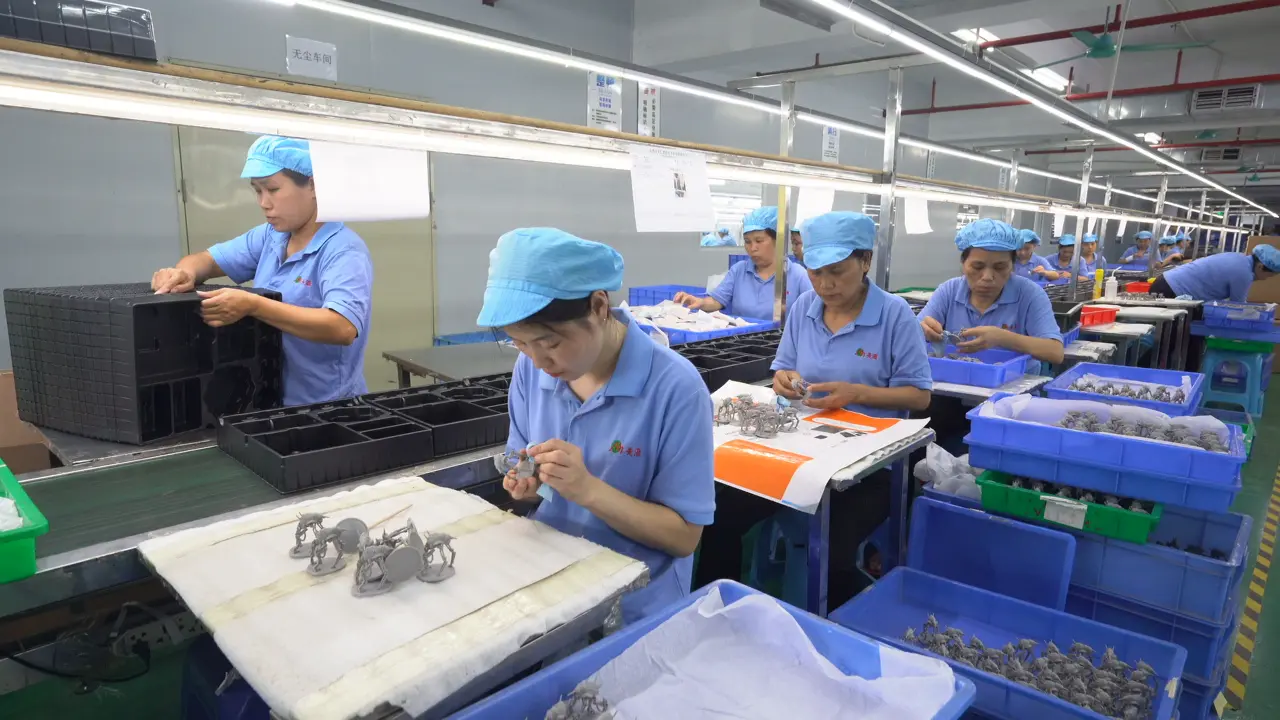
Curing and Hand Finishing: After twenty to forty minutes, the resin cures into a hard, solid piece. Workers demold the part by hand. Because resin comes out of flexible silicone, every piece requires manual hand-sanding, seam-line removal, and surface priming before moving to the paint shop.
Why Artists and High-End Studios Fall in Love with Resin
Polyurethane resin flows like water when liquid. Because it cures inside flexible silicone molds without extreme mechanical pressure, it captures microscopic detail that rigid molds struggle to match.
If your character design features razor-thin hair strands, hyper-detailed armor engravings, realistic skin pores, or sharp cloth folds, resin captures those features with near-perfect fidelity. Furthermore, resin has a dense, cold-to-the-touch heft that immediately signals “expensive” to high-end statue collectors.
When you hold a solid 3-pound resin statue in your hand, it feels like a piece of fine gallery art.
What Exactly Is PVC? (The Thermoplastic Powerhouse)
On the other side of the manufacturing spectrum sits Polyvinyl Chloride (PVC)—the undisputed king of mass-market action figures, blind boxes, and retail collectibles.
Unlike resin, PVC is a thermoplastic material. It arrives at our factory floor as solid, colorful plastic pellets. To turn those pellets into a collectible figure, we heat them up until they melt into a thick liquid, force them into a metal mold, and cool them down until they freeze into shape.
PVC figures are manufactured using two primary industrial methods:
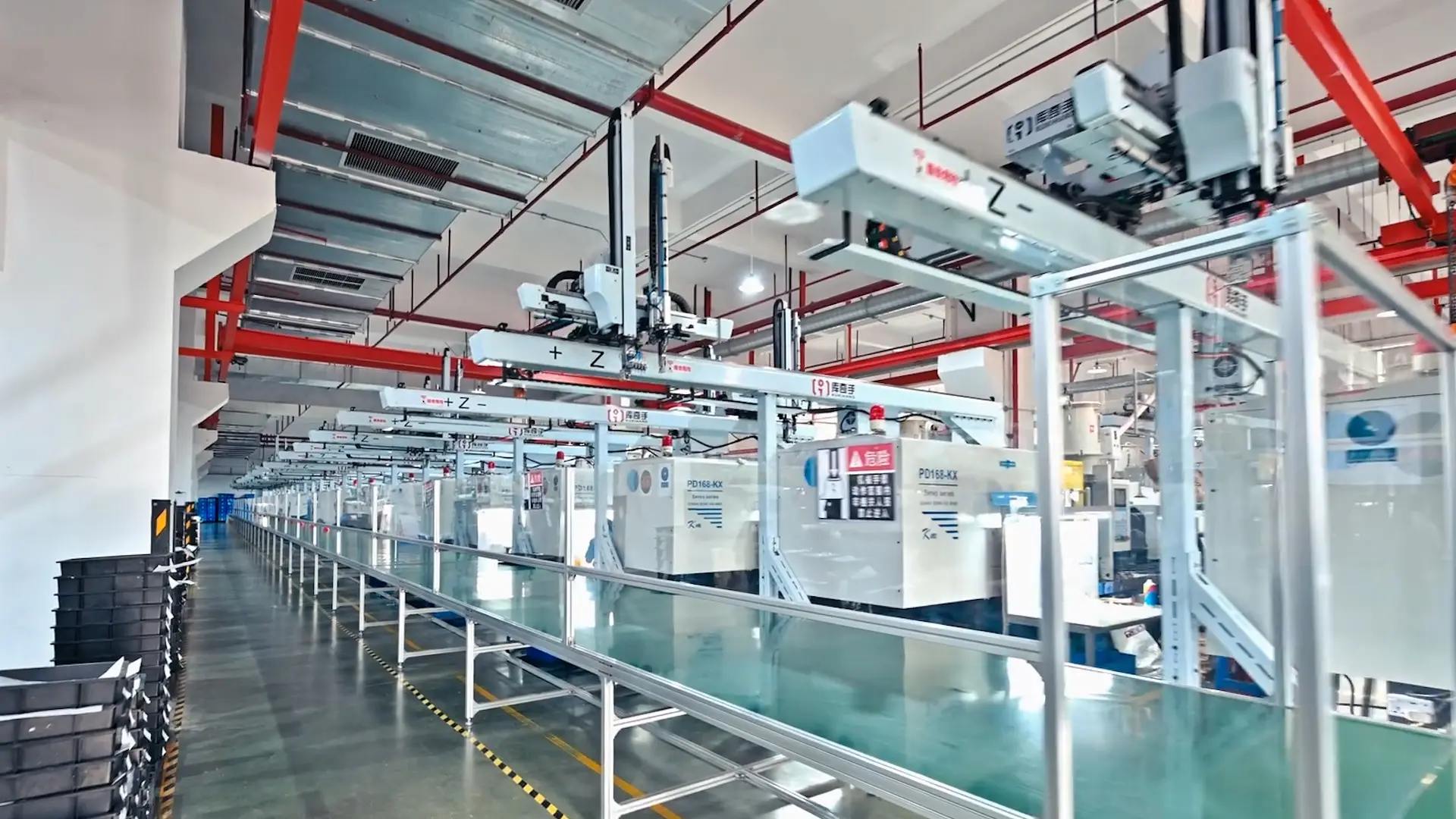
High-Pressure Injection Molding: Rigid steel or aluminum molds are clamped shut inside heavy hydraulic machines. Molten PVC is blasted into the mold cavity at extreme pressures. Water channels running through the metal plates cool the plastic in seconds, allowing automated ejector pins to push out finished parts rapidly.
Slush Casting (Sofubi / Soft Vinyl): Liquid PVC compound mixed with plasticizers is poured into heated copper molds. Workers spin the mold in hot oil, forming a hollow, flexible plastic skin. To learn more about how air bubbles behave in liquid vinyl slush molds, take a look at our technical breakdown on Steel Mold vs. Copper Mold for Toy Manufacturing: Which One Should You Choose?.
Why Global Toy Brands Rely on PVC
PVC is tough, durable, and slightly elastic thanks to plasticizer additives.
Drop a PVC figure from your desk to the floor, and it will bounce. The flexible arms, legs, and cape will absorb the impact without snapping. This inherent impact resistance makes PVC the ideal material for articulated action figures with moving joints, pop-on faceplates, and interchangeable hands.
Even better, once you pay the initial tooling cost for metal molds, an automated injection machine can churn out thousands of identical, pristine plastic parts per day with minimal manual labor.
Head-to-Head Battle: Resin vs. PVC Across 7 Core Dimensions
To determine whether resin or PVC is “better” for your specific project, we need to compare them across seven real-world manufacturing and commercial parameters.
- Microscopic Detail & Sharp Edges
- Heavy, Premium Cold-Cast Feel
- Low Upfront Tooling ($300-$800)
- High Per-Unit Production Cost
- Low MOQs (50 – 300 pieces)
- Fragile (3-8% Shipping Breakage)
- Hand-poured, Labor Heavy
- High Impact Resistance (Drop-Proof)
- Lightweight & Easy to Ship
- High Upfront Tooling ($8k-$25k)
- Low Per-Unit Production Cost
- Higher MOQs (1,000 – 3,000 pieces)
- Highly Durable (<0.1% Breakage)
- Highly Automated Mass Production
1. Surface Detail and Edge Precision
When it comes to pure, razor-sharp detail, resin holds an inherent physical advantage over PVC.
Because resin cures inside soft, flexible RTV silicone molds, the mold can easily bend and stretch during demolding. This flexibility allows sculptors to include dramatic undercut angles, deep crevices, and razor-sharp tips without worrying about the part getting stuck inside the mold.
Metal injection molds for PVC, on the other hand, are rigid. If a PVC part has a deep undercut, a steel mold cannot flex to let the part out. Engineers must either split the character into multiple smaller pieces or soften sharp edges to allow clean ejection. Furthermore, because molten PVC shrinks by about 0.4% to 0.7% as it cools, ultra-fine surface details can lose a tiny fraction of their crispness compared to the original 3D digital sculpt.
Winner for Sharp Detail: Resin.
Winner for Smooth Uniformity: PVC.
2. Durability, Impact Resistance, and Shipping Logistics
Here is where the dream of resin often collides with cold hard reality. Resin is physically brittle.
If a fan drops a resin statue off a display table, thin protruding elements—like swords, fingertips, wings, or hair strands—will almost certainly snap off. During international shipping, resin figures endure vibration, rough port handling, and drop shocks inside delivery vans. Without thick, custom-cut Expanded Polyethylene (EPE) foam boxes and heavy outer cartons, resin breakage rates during transit can easily reach 3% to 8%.
PVC, by contrast, is virtually indestructible under normal household conditions. Its internal plasticizer formulation gives it flexible impact strength. You can pack a PVC action figure in a lightweight blister tray inside a folding paperboard box, toss it across a room, and it will emerge completely unharmed. Transit damage rates for PVC figures routinely sit below 0.1%.
Winner: PVC by a landslide.
3. Upfront Tooling Investment vs. Cash Flow
Your manufacturing budget often makes the choice between resin and PVC for you, long before you start discussing aesthetics.
To make a resin figure, we build flexible silicone molds. A complete set of silicone molds for a complex 10-inch character usually costs between $300 and $800 USD. That low barrier to entry means you don’t need a huge war chest of capital to get physical prototypes off the ground.
To make a PVC figure via injection molding, our CNC milling machines must cut heavy blocks of tool steel or aluminum. A complete set of multi-cavity steel molds for that same 10-inch figure ranges from $8,000 to $25,000+ USD.
You see, if you only have $5,000 total to launch a project, steel tooling for PVC is completely off the table. Resin allows you to allocate your capital toward production rather than expensive metal tools.
4. Per-Unit Production Cost and Production Speed
While resin wins on low upfront tooling costs, it loses ground when you calculate per-unit production expense over larger volume runs.
A single silicone mold for resin can only be used roughly 30 to 50 times before the harsh chemicals in the liquid resin degrade the silicone surface. Once a silicone mold degrades, workers must throw it away and pour a fresh one. Combined with the extensive manual hand-sanding, seam filling, and priming required for every single resin piece, the unit labor cost remains high.
PVC injection molds, once cut from hardened steel, can run for 100,000 to 1,000,000+ shots without wearing down. Injection machines mold parts in seconds, drastically reducing manual labor.
For a 200-piece run: Resin is far cheaper overall because you avoid $15,000 in steel mold fees.
For a 5,000-piece run: PVC becomes vastly cheaper per unit because the low plastic molding cost completely amortizes the upfront steel mold expense.
5. Minimum Order Quantities (MOQs) and Risk Exposure
Because resin production relies on low-cost silicone molds and hand-poured casting, manufacturers can offer extremely low Minimum Order Quantities.
At MIHOX, we frequently run resin statue batches of 50 to 300 pieces for indie artists and boutique studios. This lets creators validate market demand without taking on terrifying financial risk.
For PVC injection molding, setting up a massive 200-ton injection machine, purging raw plastic lines, and calibrating color feeds takes hours of factory prep time. As a result, standard PVC production runs usually start at 1,000 to 3,000 pieces per design.
If you aren’t 100% confident you can sell 1,000 units of a character, forcing a PVC run can leave you with pallets of unsold inventory sitting in a warehouse collecting dust.
6. Weight, Perception, and Retail Pricing
Weight has a psychological effect on consumers.
Hold a solid polystone resin statue in your hands, and its dense 4-pound weight immediately makes it feel like an expensive luxury item. High-end collectors expect to pay $200 to $800+ USD for a limited resin statue because the material weight aligns with their perception of art investment.
A hollow or lightweight PVC figure of the exact same height might weigh only 0.8 pounds. While the paint job might be equally stunning, consumers naturally associate lightweight plastic with commercial retail toys, capping the comfortable price point between $25 and $120 USD.
If your business model relies on high margins from small edition runs, resin’s heavy hand-feel supports those higher retail price tags.
7. Aging, Yellowing, and Environmental Resistance
Both materials age differently over time when exposed to ambient room conditions:
Resin Vulnerabilities: Standard polyurethane resins are sensitive to Ultraviolet (UV) light. If a resin figure sits near a sunny window, clear or white resin sections can gradually turn a pale yellow over several years. At MIHOX, we counter this by mixing UV-inhibiting additives into our liquid resin formulations and applying clear UV-blocking topcoats.
PVC Vulnerabilities: Inferior or cheap PVC formulations can suffer from plasticizer migration. Over five to ten years, chemical plasticizers can slowly bleed out to the surface, making the plastic feel sticky or tacky to the touch. Using high-grade, phthalate-free, non-migrating PVC compounds prevents this sticky residue entirely.
Comprehensive Feature Matrix: Resin vs. PVC Figures
To give your procurement and design teams a clear side-by-side snapshot, we have mapped out all operational and physical parameters in this reference table:
| Operational Parameter | Cold-Cast Polyurethane Resin | Injection Molded PVC Plastic | Strategic Business Impact |
|---|---|---|---|
| Primary Tooling Type | Flexible RTV Silicone Molds | Hardened Steel or Aluminum Molds | Dictates upfront capital required before starting. |
| Upfront Tooling Cost | $300 – $800 USD | $8,000 – $25,000+ USD | Resin offers a far lower initial financial barrier. |
| Tool Lifespan | 30 to 50 Castings per mold | 100,000 to 1,000,000+ Shots | Steel molds yield immense cost savings at high volumes. |
| Standard Factory MOQ | 50 to 300 Pieces | 1,000 to 3,000+ Pieces | Resin allows low-risk market testing for indie IPs. |
| Per-Unit Production Cost | High (Labor-intensive sanding) | Low (Automated fast machine cycles) | Drives profit margins at different volume scales. |
| Impact & Drop Resistance | Low (Brittle; snaps easily on impact) | Very High (Flexible; shock-absorbing) | Directly impacts shipping damage rates and returns. |
| Surface Detail Precision | Microscopic crispness & sharp tips | Excellent, but sharp edges are slightly radiused | Dictates how faithful complex sculpts remain. |
| Physical Material Density | Heavy, dense, cold cold-cast feel | Lightweight, slightly flexible, smooth touch | Influences fan perception of luxury vs commercial toy. |
| Transit Packaging Needed | Custom EPE Foam + Heavy Outer Box | Simple Blister Tray + Paperboard Box | Resin requires significantly higher packaging expense. |
| Ideal Target Retail Price | $150 – $800+ USD | $25 – $150 USD | Determines your overall monetization strategy. |
Total Cost of Ownership (TCO): Real-World Cost Math
Let’s run the numbers on two realistic production scenarios to see how material selection alters your bottom line.
- Target: 200 Limited Statues
- Resin Tooling: $600
- Unit Cost: $35 x 200 = $7,000
- Packaging: $8 x 200 = $1,600
- Total Investment: $9,200
- Effective Cost/Unit: $46.00
- Target: 5,000 Blind Box Figures
- PVC Steel Tooling: $14,000
- Unit Cost: $3.50 x 5,000 = $17,500
- Packaging: $0.80 x 5,000 = $4,000
- Total Investment: $35,500
- Effective Cost/Unit: $7.10
Scenario A: The Indie Creator Running a 200-Piece Limited Drop
Imagine an independent artist who wants to release a 9-inch original character statue. They have 500 dedicated followers on social media and want to sell a numbered limited run of 200 pieces at $180 USD each.
Path 1 (PVC Injection):
Steel Mold Fee: $14,000
Production Cost: $4.00 per unit x 200 = $800
Blister Packaging: $1.00 per unit x 200 = $200
Total Upfront Spend: $15,000 USD
Effective Cost Per Unit: $75.00 USD
Analysis: The creator loses money or barely breaks even after platform fees and shipping. Paying $14,000 for steel molds to make only 200 items destroys the project’s economics.
Path 2 (Resin Casting with MIHOX):
Silicone Mold Fee: $600
Production Cost (Hand-cast & painted): $35.00 per unit x 200 = $7,000
Premium EPE Foam Box: $8.00 per unit x 200 = $1,600
Total Upfront Spend: $9,200 USD
Effective Cost Per Unit: $46.00 USD
Analysis: At a $180 retail price point, the creator generates $36,000 in gross revenue, leaving a clean profit of $26,800 USD.
Scenario B: The Retail Brand Producing 5,000 Figures
Now consider an established IP owner launching a 4-inch blind box figure across international retail chains, targeting a 5,000-piece initial run at $35 USD retail.
Path 1 (Resin Casting):
Silicone Molds (Need 100 mold refreshes): $8,000
Hand-Cast Production Cost: $18.00 per unit x 5,000 = $90,000
Foam Packaging: $4.00 per unit x 5,000 = $20,000
Total Upfront Spend: $118,000 USD
Effective Cost Per Unit: $23.60 USD
Analysis: At a $35 retail price, wholesaling to distributors at a 50% discount ($17.50) results in a massive loss of $6.10 per unit sold.
Path 2 (PVC Injection with MIHOX):
Steel Mold Fee: $14,000
Automated PVC Production Cost: $3.50 per unit x 5,000 = $17,500
Blister + Box Packaging: $0.80 per unit x 5,000 = $4,000
Total Upfront Spend: $35,500 USD
Effective Cost Per Unit: $7.10 USD
Analysis: Selling wholesale to distributors at $17.50 yields a healthy profit of $10.40 per unit ($52,000 profit total), easily paying back the steel mold investment.
The Secret Hybrid Strategy: Why Choose When You Can Combine Both?
Here is an insider secret from the MIHOX production floor that many brand managers never think to ask about: you don’t have to choose between resin and PVC in a 100% binary way.
Some of the most successful collectibles produced today use a hybrid material architecture. By engineering different sections of a figure out of different materials, you can capture the razor-sharp sculpt detail of resin while retaining the drop-proof durability and structural stability of PVC.
- Polystone Weighted Base
- Sharp Rock & Crystal Sculpt
- Dense, Premium Foundation
- Impact-Resistant Main Body
- Flexible Arms & Fingertips
- Zero Shipping Breakage Risk
Consider these hybrid combinations that we frequently build for our B2B clients:
PVC Character Body + Heavy Polystone Resin Base: The main character figure is molded in shock-resistant PVC so delicate fingers, weapons, and hair strands won’t snap during transit. The heavy display base is cast in polystone resin, giving the entire collectible a grounded, weighted, high-end feel on retail shelves.
PVC Action Figure + Clear Resin FX Flame/Ice Effects: The articulated figure is produced in durable PVC, while swirling elemental magic effects or flame aura stands are cast in ultra-clear polyurethane resin to achieve crystal-clear transparency without mold flow lines.
Resin Statue + Flexible PVC Accessories: For high-end resin statues, we cast long, thin, vulnerable accessories—like whip cords, antennas, or slender sword blades—out of flexible PVC. This eliminates breakage during unboxing while keeping 90% of the figure in cold-cast resin.
How to Choose the Right Material: A Quick Decision Framework
To make your material decision effortless, walk through this quick 4-step checklist:
What is your initial production quantity?
Under 500 units: Go with Resin. You will save tens of thousands in mold fees.
1,000 to 5,000+ units: Go with PVC. The low per-unit cost will maximize your margins.
What is your target retail price point?
Under $60 USD: PVC is mandatory to keep manufacturing costs low enough for wholesale distribution.
$150 to $500+ USD: Resin aligns with collector expectations for heavy, high-value display statues.
How will the product be distributed and shipped?
Direct-to-consumer e-commerce via standard postal mail: PVC protects you from shipping damage claims and high packaging costs.
Boutique comic shops or white-glove palletized freight: Resin is manageable if supported by custom EPE foam packaging.
Does the design feature moving joints or poseable parts?
Yes (Action Figure / Articulated Toy): PVC is required for flexible, durable ball joints and peg sockets.
No (Static Sculpted Pose): Either Resin or PVC will work depending on volume.
Have a character design ready for production? Reach out to our technical team today, and let’s turn your digital art into physical reality.
Frequently Asked Questions (FAQs)
1. Is resin higher quality than PVC for collectible figures?
Not necessarily. Resin offers sharper edge detail, deeper sculpt crevices, and a heavier, cold-cast hand feel that high-end statue collectors associate with luxury art pieces. However, PVC offers superior durability, impact resistance, smooth surface uniformity, and color consistency across large production runs. High-grade PVC action figures produced with precision steel molds can match the visual appeal of resin while being far less prone to snapping or breaking.
2. Why are resin statues so much more expensive to purchase than PVC figures?
Resin statues are priced higher because their manufacturing process is highly labor-intensive and low-volume. Every resin piece must be hand-poured into short-lived silicone molds (which must be remade every 30 to 50 uses), hand-demolded, hand-sanded, and meticulously hand-painted. Additionally, resin statues are heavy, fragile, and require expensive custom EPE foam packaging to prevent shipping damage, driving up total production and logistics costs.
3. Can resin figures survive international shipping without breaking?
Yes, but only if they are protected by specialized packaging. Because cold-cast polyurethane resin is physically brittle, shipping resin figures in standard bubble wrap or simple cardboard boxes leads to high breakage rates (3% to 8%). At MIHOX, we pack custom resin statues inside precision-molded Expanded Polyethylene (EPE) foam clamshells, encased in heavy-duty double-wall corrugated outer cartons, ensuring your statues arrive at collectors’ homes intact.
4. What is the minimum order quantity (MOQ) difference between resin and PVC at MIHOX?
Because resin casting utilizes low-cost flexible silicone molds ($300–$800 per mold set), we can offer low MOQs starting at 50 to 300 pieces for resin figures. PVC figures require expensive CNC-machined steel or aluminum injection molds ($8,000–$25,000+ per set) and automated machine setup, making standard PVC production runs start at 1,000 to 3,000 pieces.
5. What is a hybrid collectible figure, and why should my brand consider one?
A hybrid collectible figure combines both resin and PVC materials in a single product. For example, MIHOX often manufactures the main character body out of shock-resistant PVC (so delicate hands, fingers, and weapons won’t snap during shipping), while casting the heavy, detailed display base out of polystone resin. This hybrid approach gives collectors the heavy, luxury hand-feel of a statue while completely eliminating shipping damage risks on thin, vulnerable character parts.