How to Distinguish Between Safe and Unsafe Materials in Custom Figure Manufacturing?

Why do custom figure quotes vary by 30%? It's the material grade. Learn how to spot safe virgin granules vs. risky recycled plastics for your brand safety.
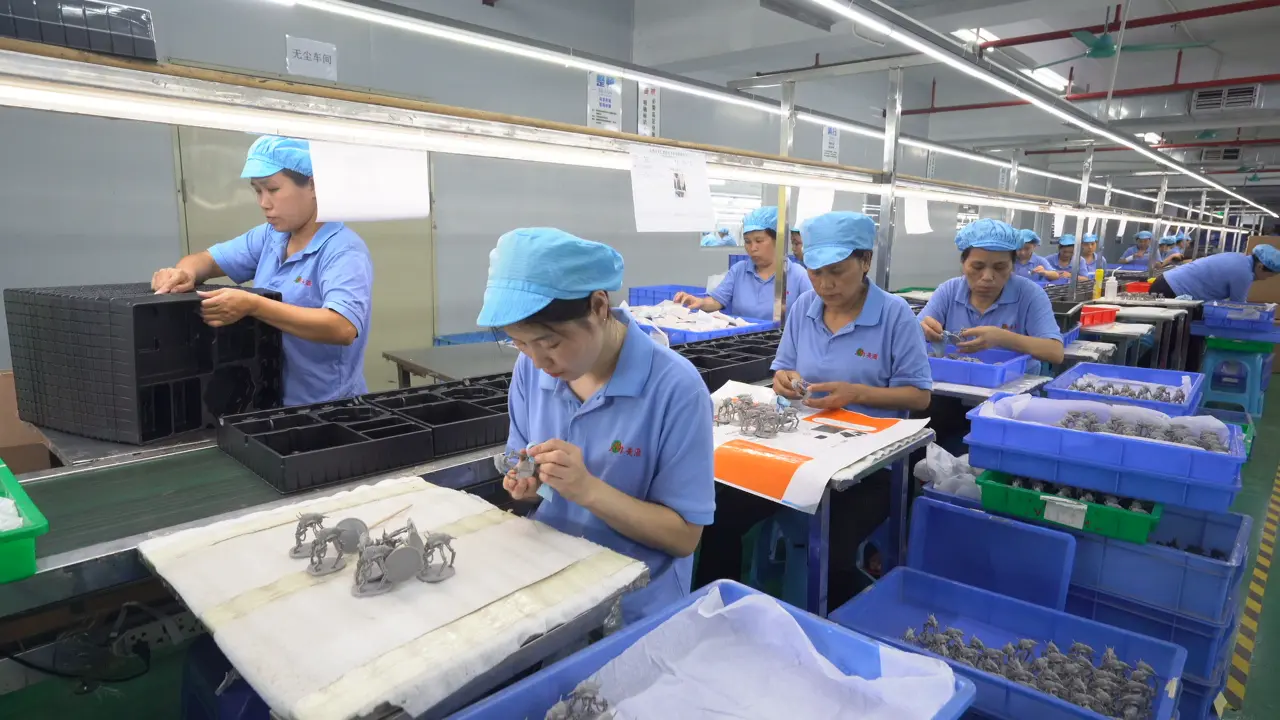
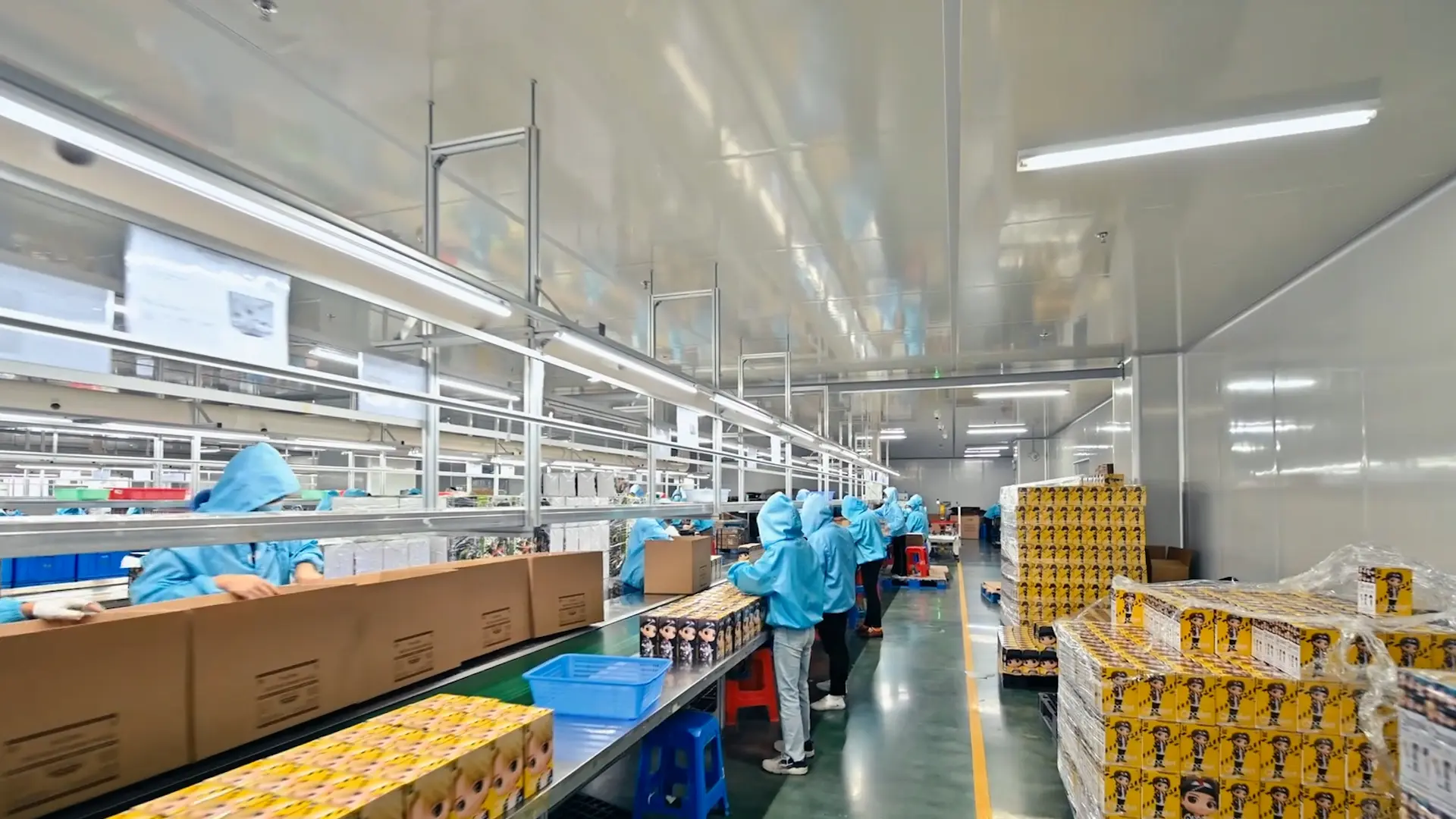
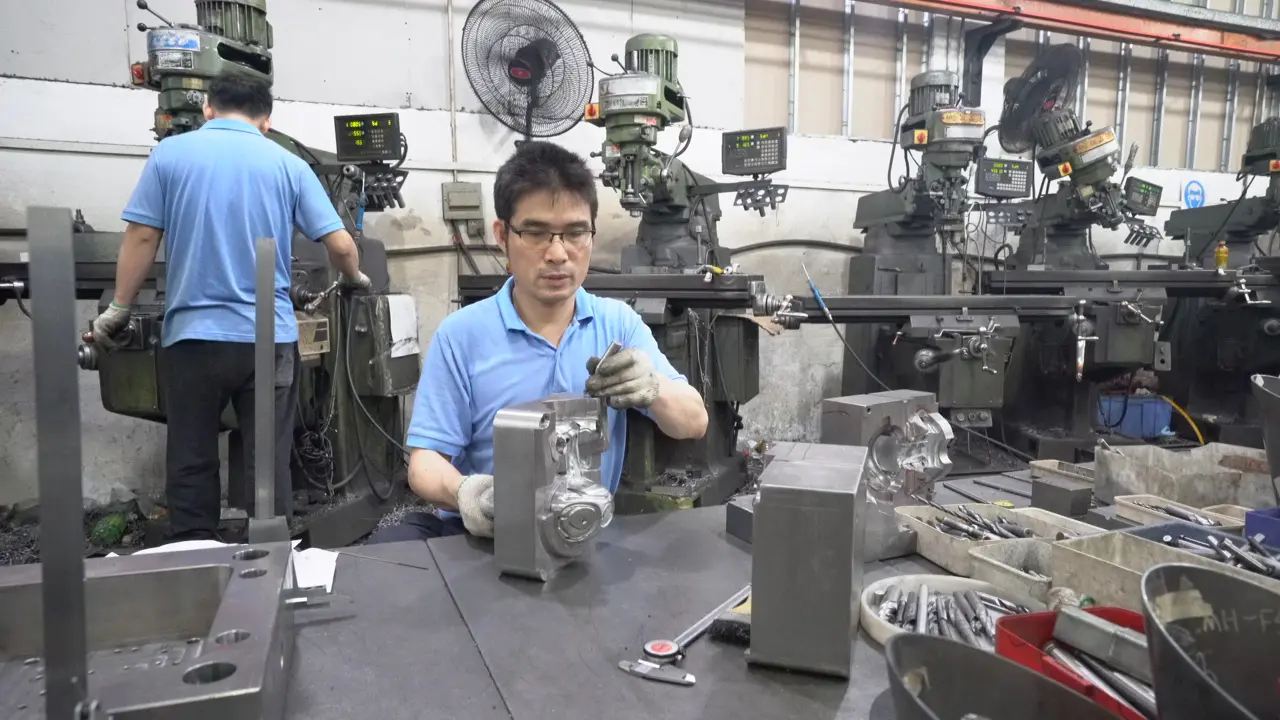
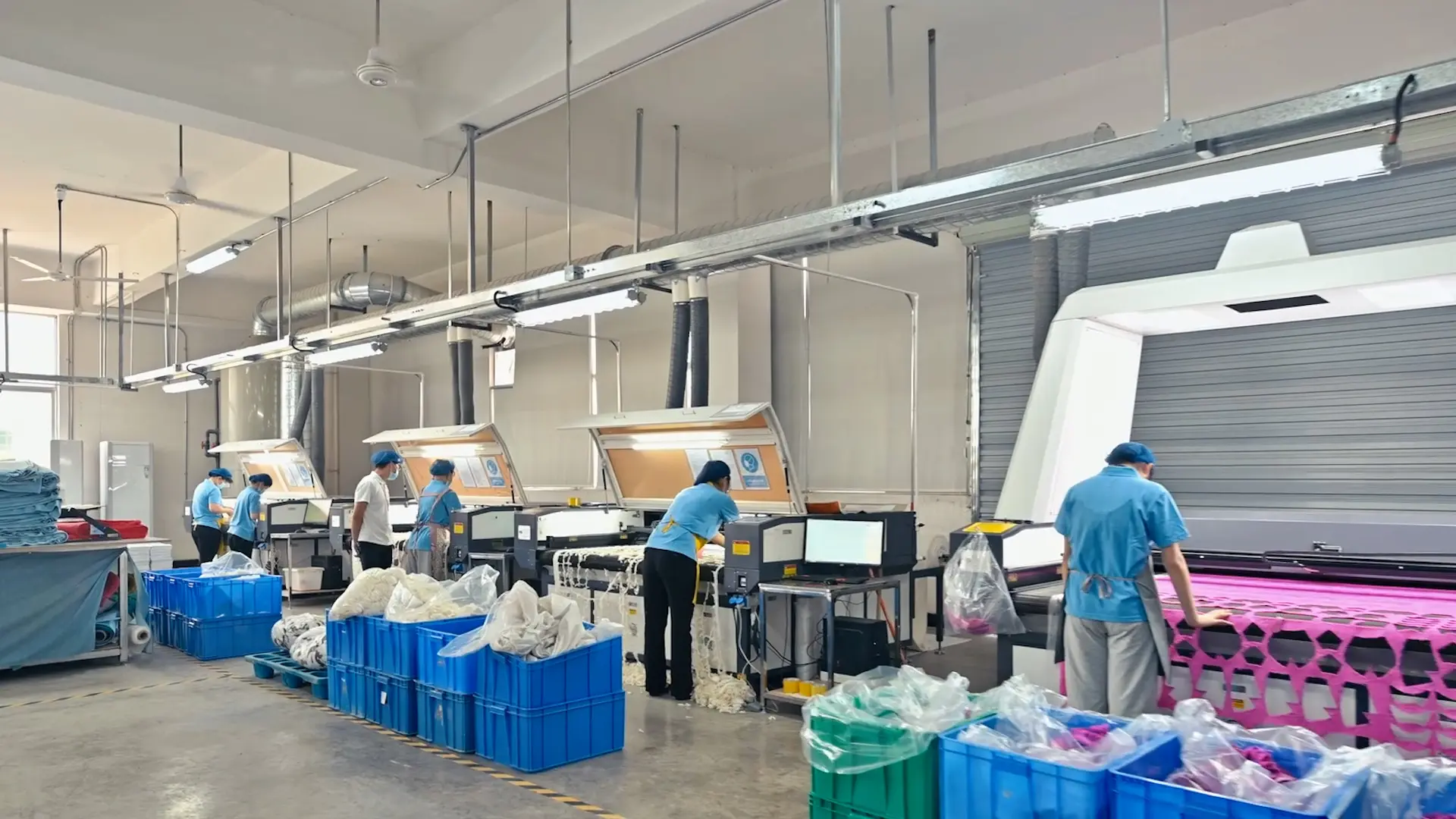
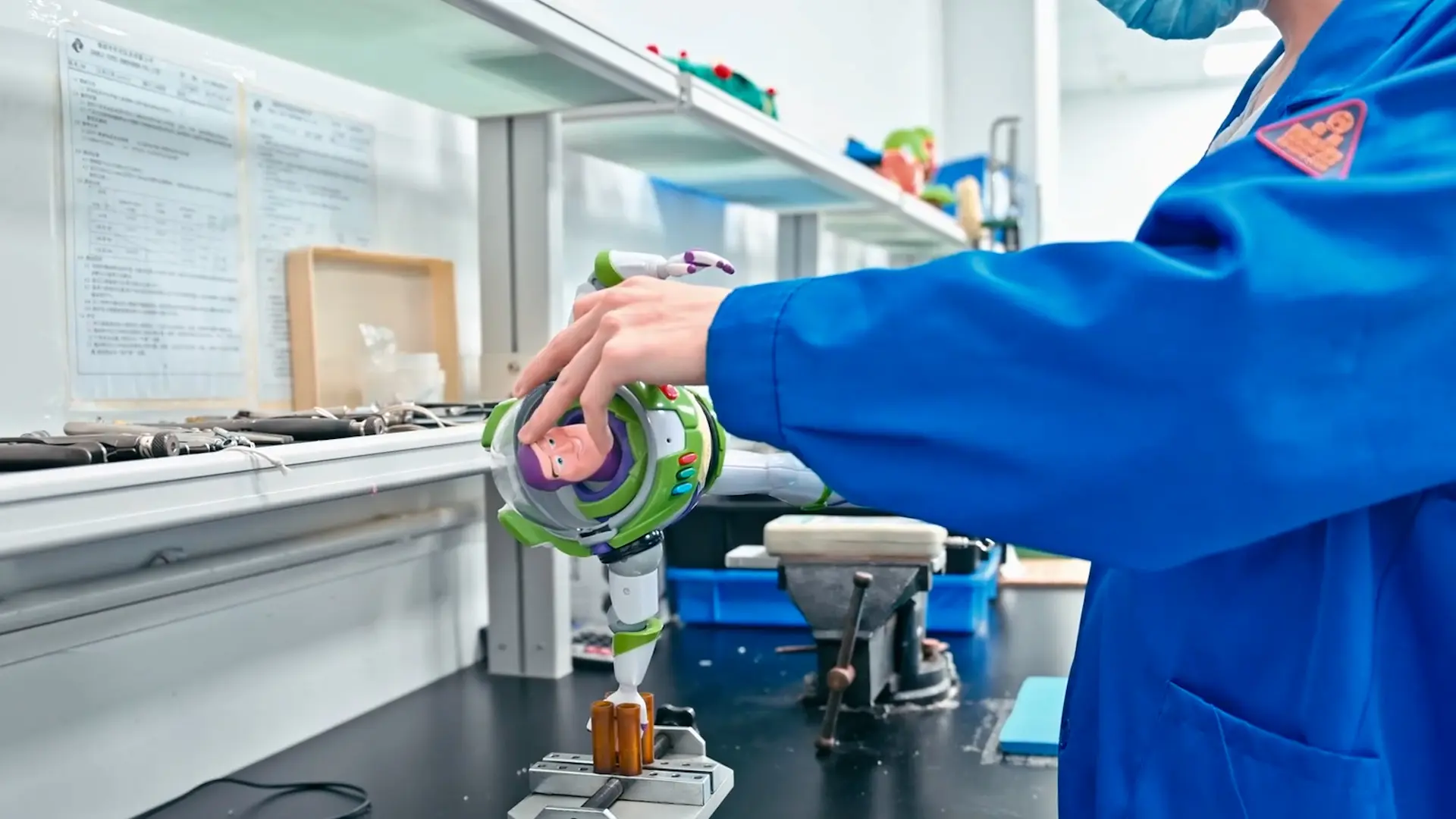
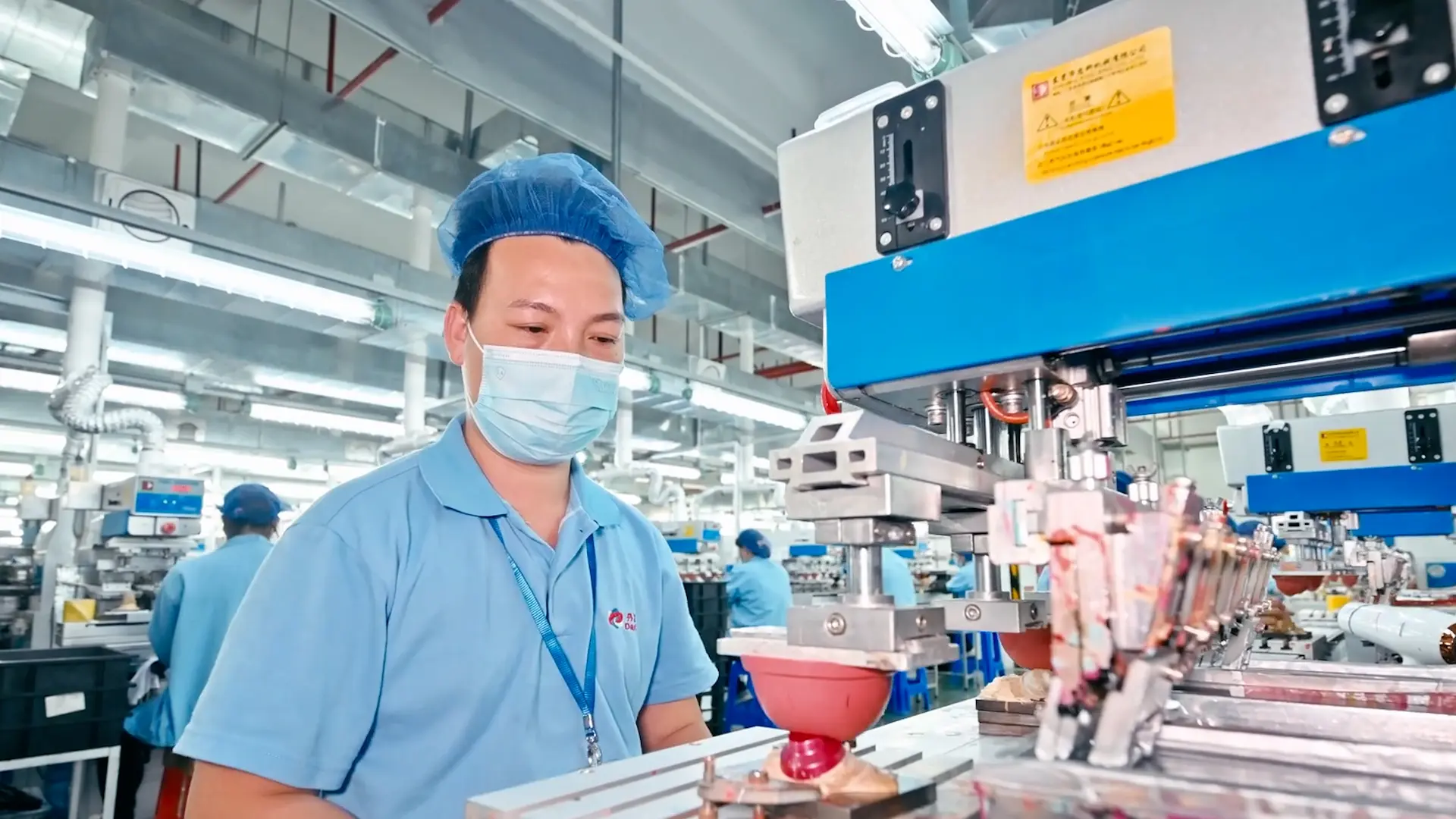
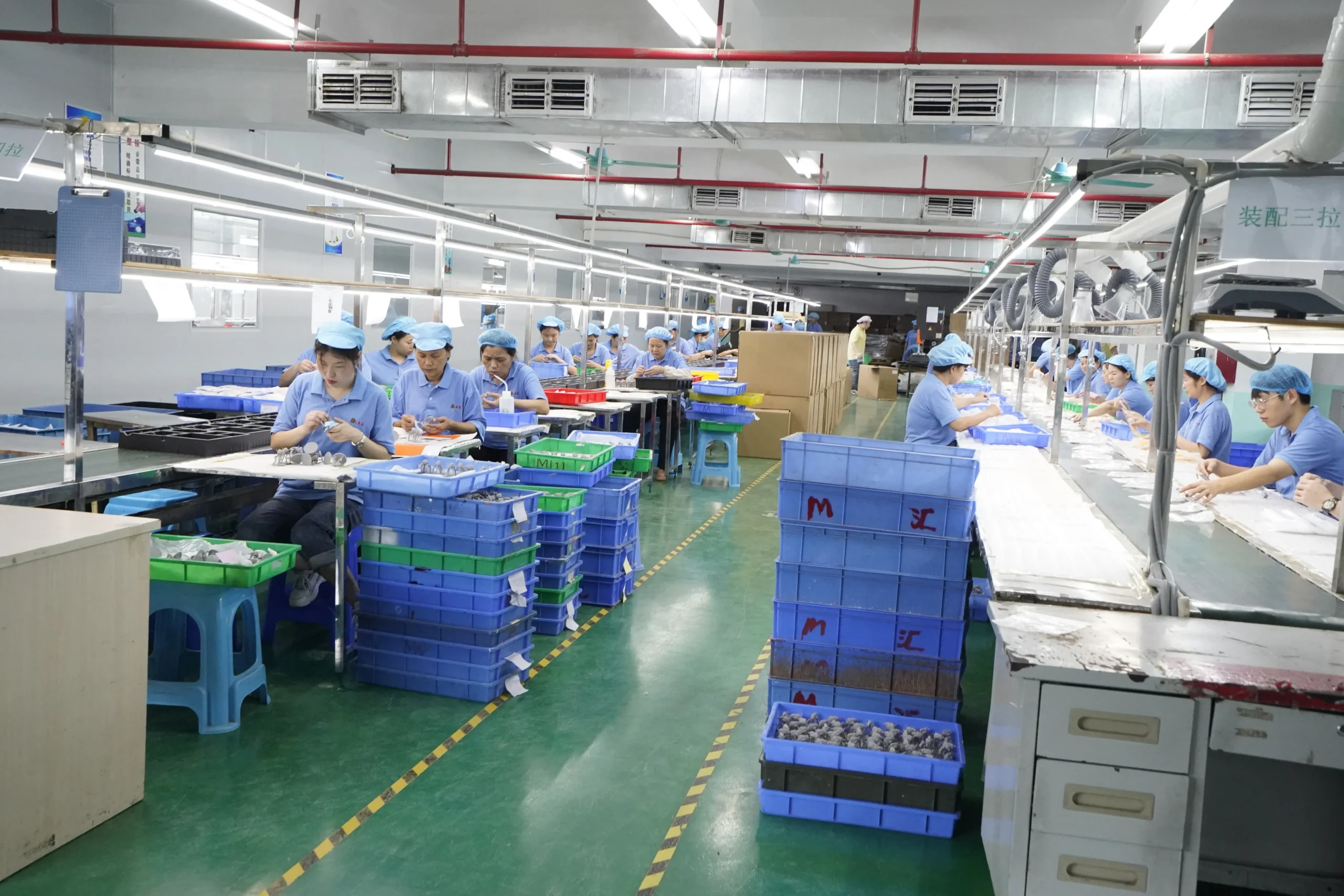
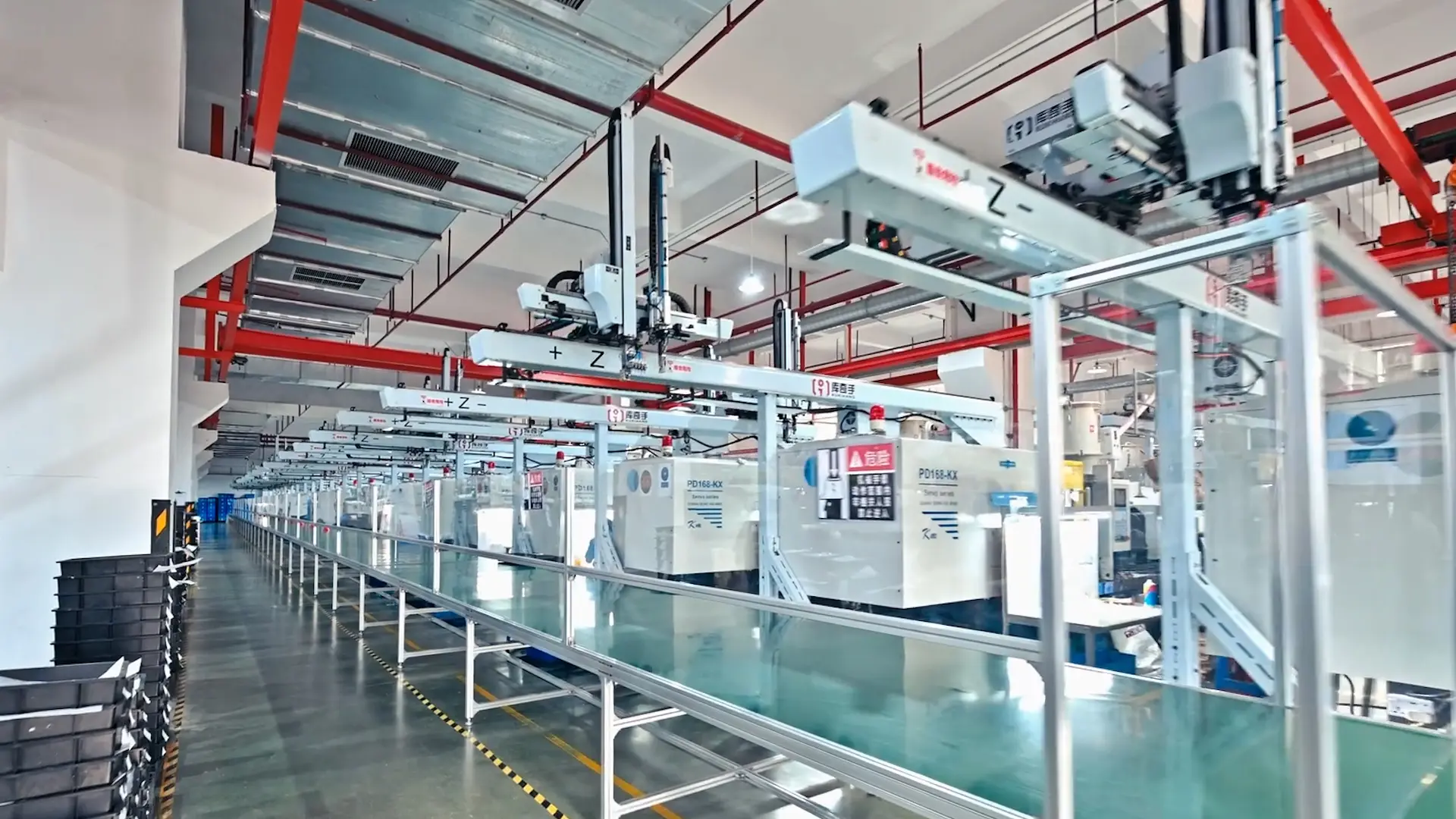
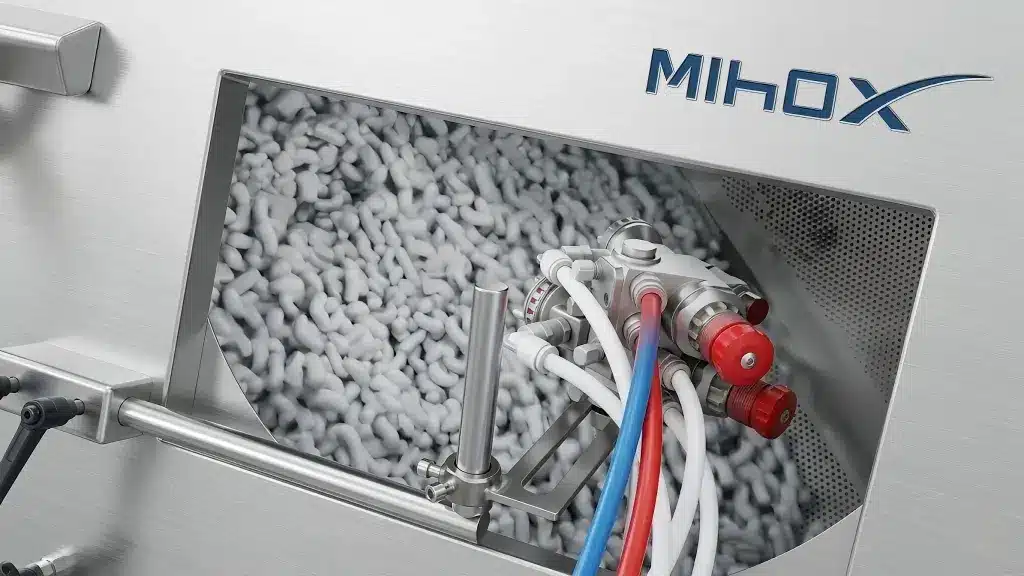
MIHOX factory production line showing premium white virgin granules used for safe and eco-friendly custom figure manufacturing
Table of Contents

In the world of B2B custom figure manufacturing, procurement officers and brand owners often face a confusing dilemma: why do quotes for the same design vary by as much as 30% or 50% between different factories? When you hear terms like “PVC,” “ABS,” or “Resin,” it is easy to assume these materials are standardized. However, the reality of the toy manufacturing industry is that the material name is just the surface—the material grade and purity are what determine product longevity, brand reputation, and legal compliance.

At MIHOX, we have seen many clients fall into the trap of pursuing low prices, only to realize too late that their supplier used high-risk recycled materials containing lead, mercury, or excessive phthalates. This doesn’t just result in “oily” or “brittle” figures; it can lead to catastrophic brand damage and legal lawsuits.

This article serves as a professional deep dive into the chemical and physical differences between safe and unsafe materials, helping you identify quality like an industry expert.

1 The Core Definition: What is “Safe Material” in Custom Figures?

In our production standards at MIHOX, safe material refers to Virgin Granules that meet international bio-safety and environmental regulations.

1.1 Virgin Materials vs. Recycled Materials

Safe Eco-Friendly Materials (Virgin) These are plastic pellets (such as medical-grade or food-grade PVC/ABS) refined directly from chemical plants. They have intact molecular chains, stable physical properties, and zero unknown chemical impurities.
High-Risk Low-Quality Materials (Recycled/Regrind) Small, low-cost factories often mix “gate materials” or “recycled scraps” into production. These materials originate from electronic waste, scrapped toys, or even medical waste. Because the source is contaminated, they often contain high levels of Phthalates (DEHP) and Polycyclic Aromatic Hydrocarbons (PAHs).

1.2 Why “Non-Toxic” is the Lifeline of B2B Customization

For global brands and cross-border e-commerce, products must pass EN71-3 (EU), ASTM F963 (USA), or REACH testing. If a factory uses unsafe materials, even the most beautiful figure will be seized and destroyed by customs if heavy metals exceed limits.

2 The Expert’s Guide: 4 Ways to Identify Material Quality

When you receive a sample or a mass-production batch, use these four sensory and technical checks to verify quality.

2.1 The Smell Test (The First Line of Defense)

Safe Materials: High-quality PVC or ABS has almost no pungent odor after 24 hours of ventilation. MIHOX uses eco-friendly paints and pigments with extremely low Volatile Organic Compound (VOC) emissions.

Unsafe Materials: If you open a sample box and are hit by a sharp, “chemical” or “acidic” smell that irritates your eyes, it is a sign of low-grade plasticizers. This smell often persists for months and indicates potential health risks for the end consumer.

2.2 Touch and Physical Surface Stability

Sticky Surface (Plasticizer Migration): This is the most common sign of low-quality PVC. To save costs, factories use cheap, low-molecular-weight plasticizers. These molecules fail to bond with the resin and “migrate” to the surface over time, making the figure feel greasy or sticky.

Brittleness vs. Toughness: Virgin ABS has excellent impact resistance. ABS mixed with recycled scraps loses its structural integrity; thin parts like fingers or hair strands will snap easily under slight pressure during shipping.

2.3 Visual Clarity and Pigment Quality

Color Durability: Eco-friendly materials use pigments with high UV resistance. Low-quality materials often show uneven coloring, black specks (impurities), and will suffer from severe yellowing or fading within a few months of exposure to indoor light.

Transparency: For transparent parts, virgin resin is crystal clear. Recycled materials often have a slight “yellowish” or “cloudy” tint due to inseparable impurities.

2.4 Certification Verification

Don’t just take a factory’s word for it. A professional factory should provide up-to-date SGS or Intertek test reports specifically for the batch of materials used, not a generic certificate from five years ago.

3 Deep Dive: Common Traps in Material Categories

3.1 PVC (Polyvinyl Chloride) – The High-Risk Zone

PVC is the most popular material for anime figures but has the widest quality gap.

The MIHOX Standard: Compliant We use Non-Phthalate PVC, which is safe for children and international export.

The Trap: Warning “Industrial-grade” PVC contains phthalates that are known endocrine disruptors.

3.2 ABS (Acrylonitrile Butadiene Styrene) – The Rigid Backbone

Used for bases and hard armor.

The Trap: Some factories mix ABS with calcium carbonate powder to add weight and reduce costs. This makes the product feel heavy but makes the surface dull and the structure prone to shattering.

3.3 Resin & PU – The High-End Choice

The MIHOX Standard: We use high-grade PU (Polyurethane) resin which is stable and low-odor.

The Trap: Cheap unsaturated polyester resins emit strong formaldehyde-like odors and can be harmful to the respiratory system of both the workers and the collectors.

4. Structured Comparison: Eco-Friendly vs. High-Risk Materials
Feature Safe Eco-Friendly Material (MIHOX) High-Risk Low-Quality Material (Recycled) Business Impact
Origin 100% Virgin Granules from top-tier suppliers Scrapped electronics/waste plastic regrind Inconsistent quality and high defect rates
Compliance Meets EN71-3, REACH, CPSIA No certification or forged reports Customs seizure and heavy fines
Odor Neutral or very faint plastic scent Pungent, sharp chemical odor High customer return rates
Surface Aging Stays dry and vibrant for 10+ years Becomes sticky (oily) within 6 months Brand reputation damage
Mechanical Strength High flexibility and impact resistance Brittle; easy to break during transit High after-sales replacement costs
Pigment Quality Lead-free, non-toxic eco-paints Heavy metal-heavy industrial paints Potential health lawsuits

5 B2B Audit Guide: How to Verify a Factory’s Material Integrity?

As a buyer, you should go beyond the quote. MIHOX recommends these three audit steps:

01
Request Raw Material Invoices Ask the factory for purchase records from reputable chemical suppliers (e.g., BASF, DuPont, or Wanhua). Transparent factories have nothing to hide.
02
Random Batch Testing Do not rely solely on the “Golden Sample.” Periodically send a random unit from the mass production line to a 3rd party lab like SGS for a Phthalate and Heavy Metal Screen.
03
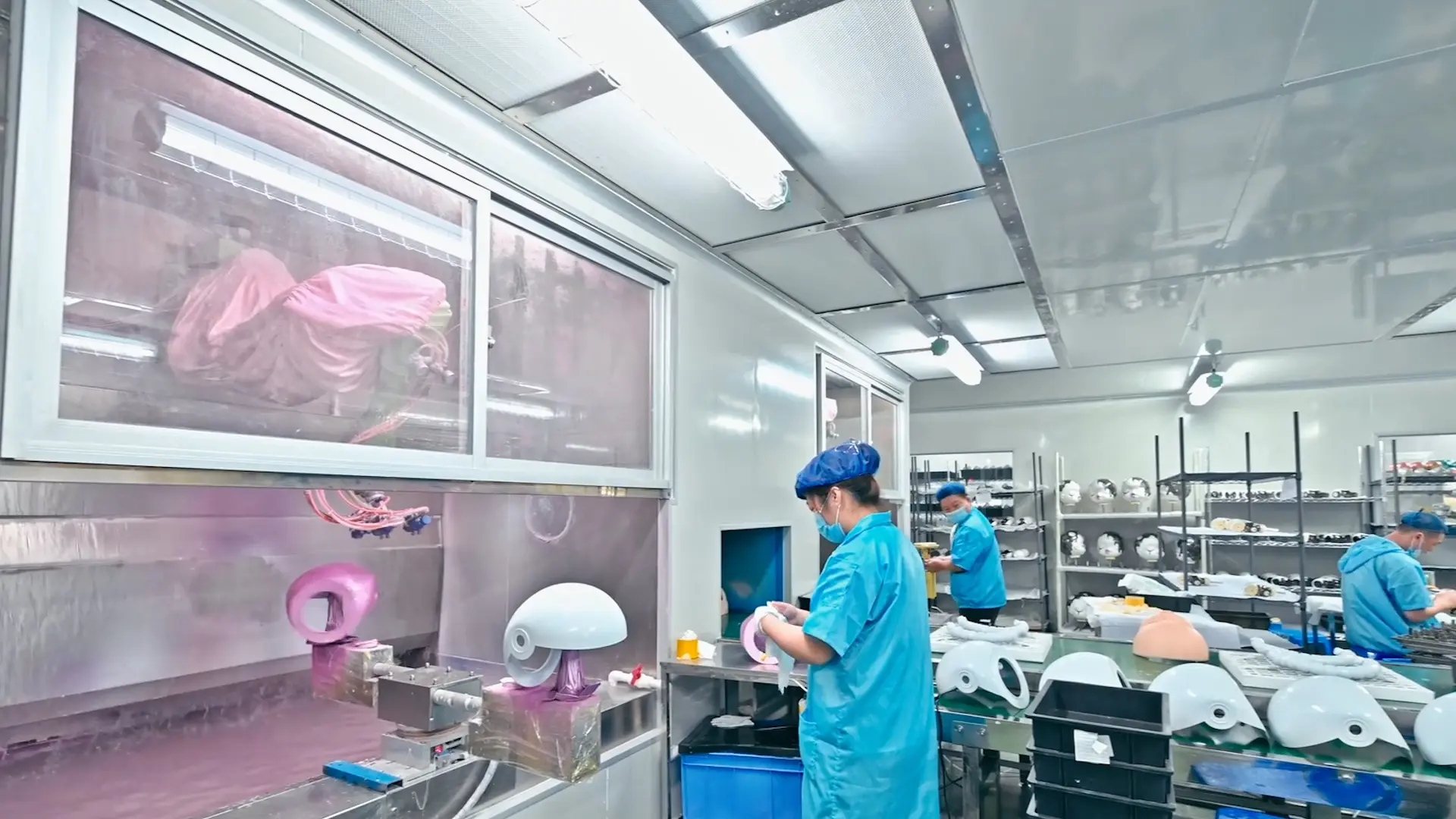
Inspect the Paint Workshop Low-quality materials usually go hand-in-hand with poor workshop conditions. If a factory’s spray-painting area lacks high-end ventilation and smells overwhelming, they are likely using high-toxicity solvents.

6 Case Studies and Industry Validation

Case Study 1: The “Oily” Disaster of a Global E-commerce Brand

In 2022, a startup brand ordered 5,000 PVC figures from a low-cost supplier. When the shipment crossed the equator via sea freight, the high temperatures accelerated the migration of low-quality plasticizers. By the time the goods reached the US warehouse, every figure was covered in a sticky film. The brand was forced to refund all customers, losing over $150,000.

Industry Evidence
On forums like Reddit (r/AnimeFigures), “sticky figure syndrome” is a frequent topic of discussion among collectors. Experts identify this as a hallmark of “Bootleg” or “Low-grade” manufacturing.
Case Study 2: Customs Rejection Due to Lead Content

A gaming company commissioned a “Collector’s Edition” figure. European customs intercepted the shipment and found that the paint contained 3x the legal limit of lead. The shipment was destroyed at the port, and the company was blacklisted on the EU RAPEX (Rapid Alert System for dangerous non-food products).

Expert Consensus
Leading toy safety analysts warn that “cost-cutting in pigments” is the number one cause of heavy metal contamination in custom collectibles.

FAQ: Common Questions About Figure Material Safety

Q1: Why does a new figure sometimes have a slight smell if it’s safe?
A: Figures are sealed in boxes immediately after production. A faint scent of drying paint or resin is normal and should disappear within 1–2 hours of ventilation. If it persists for days, it is likely a high-risk material.
Q2: Does eco-friendly material increase the cost significantly?
A: Raw material costs may be 15%–25% higher. However, when you factor in the avoidance of customs risks, returns, and brand damage, the “total cost of ownership” is actually much lower with eco-friendly materials.
Q3: Is ABS safer than PVC?
A: Not necessarily. While ABS doesn’t require plasticizers (meaning no “oily” issues), it can still be made from toxic recycled scraps or coated in lead-based paints. The grade of the raw material is more important than the type.
Q4: How does MIHOX ensure every batch is safe?
A: We implement a strict Incoming Quality Control (IQC) process. Every batch of plastic granules must arrive with a Certificate of Analysis (COA), and we maintain a zero-tolerance policy for mixing recycled “regrind” into our export-grade lines.
Q5: What is the best material for long-term collectible value?
A: High-grade Non-Phthalate PVC combined with Virgin ABS provides the best balance of detail, durability, and safety. For ultra-high-end statues, Eco-friendly PU Resin is the industry standard.

8 Conclusion: Choose Expertise Over Low Price

In the custom figure industry, the adage “You get what you pay for” rings true. For brand owners, identifying and avoiding high-risk materials is not just about ethics; it’s about business survival.

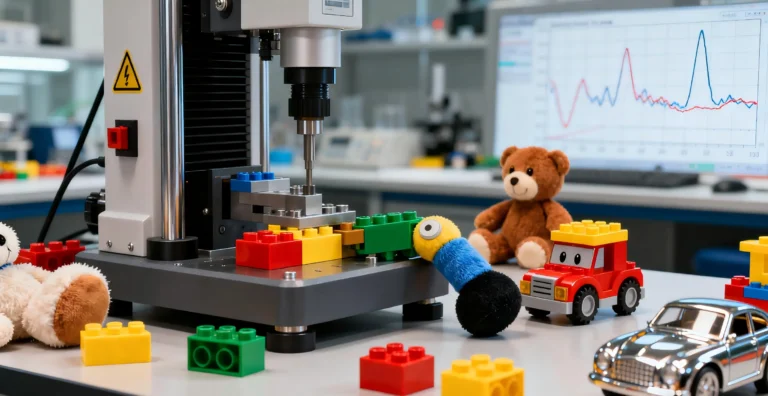
MIHOX remains committed to the principle that a truly professional factory will never sacrifice material safety for a short-term profit margin. We encourage all B2B partners to prioritize Material Safety Data Sheets (MSDS) and Compliance Audits over the lowest possible bid.
If you have questions about specific material formulations for your next project, or if you need a compliance consultation for your target market, contact the MIHOX expert team today.
Start Your Project with MIHOX
MIHOX Engineering Team

Custom PVC, Resin & Vinyl Figure Manufacturer

Discuss Your Project Now

Fill out this form and we'll respond within 24 hours

🐎

MIHOX 2026 SPRING FESTIVAL

Year of the Horse • 丙午马年

Homecoming for the Heart | Galloping Towards a Warm Reunion

Dear Friends,

As the hoofbeats of the Year of the Horse draw near, the air is filled with the spirit of vitality and the warmth of tradition. In Chinese culture, the Spring Festival is our most sacred time—a moment to “gallop home,” no matter how far, to reunite with family for the New Year’s Eve feast and share the joy of togetherness.

Holiday Begins
February 7th, 2026
Back in Action
March 2nd, 2026

For any personalized requests, please leave a message. We promise to return with the vigor and speed of a galloping horse on March 2nd to handle all your needs.

Thank you for your incredible support throughout the year. May your Year of the Horse be filled with strength, success, and endless joy!

AWarmest regards,
The MIHOX Team 🐎🏮🧧

Ready for Download

2026 Global B2B Custom Figurine Playbook

PDF
Premium Strategy Report
Global_Manufacturing_2026.pdf
4.2 MB Industry Edition
Download Playbook
Verified by MIHOX FACTORY SYSTEM
MIHOX — 2026 LATEST DETAILED CUSTOMIZATION PDF

Get the Playbook

Please enter your work email to receive the 2026 process guide.

By clicking, you agree to receive industry insights from MIHOX.
We respect your privacy.

Thank You!
Your PDF is Ready

PDF
Customization_Process_2026.pdf
4.2 MB • High Resolution
Download PDF Now

Please check your email if download doesn't start.

Stella Yan

Founder Introduction

Stella Yan, the founder of Newmiho Cultural & Creative Co., Ltd., has 15 years of experience in the custom figurine and toy manufacturing industry. He/She specializes in providing one-stop solutions for global brands, designers, and IP owners.

He/She founded the company to solve common industry challenges—communication gaps, inconsistent prototypes, and the difficulty of producing small batches. His/Her goal is to build a fully transparent and controllable workflow covering design, prototyping, mold development, and mass production.

Under his/her leadership, the company has delivered 20000+ resin, vinyl, and plastic figure projects for clients across Europe and the United States, supported by a mature quality management system that ensures stable and reliable results.

His/Her vision is simple: to bring great characters and ideas to life through high-quality products recognized worldwide.

Production Timeline Back-Caster

404

We are very sorry that this page is under maintenance. Please browse other pages.

Thank you

You have submitted successfully. Thank you for your email. We will contact you within 24 hours. Please check your email.