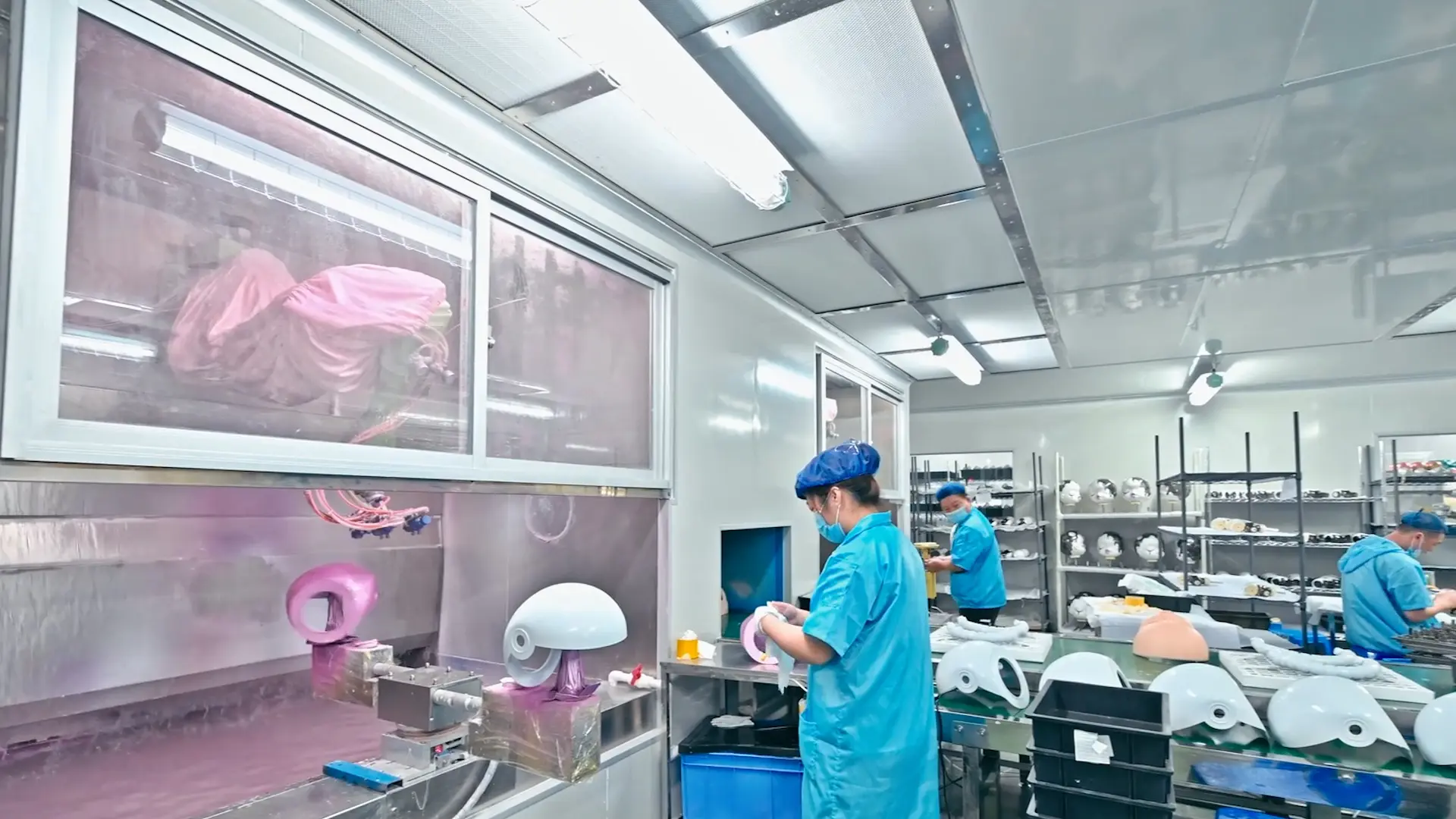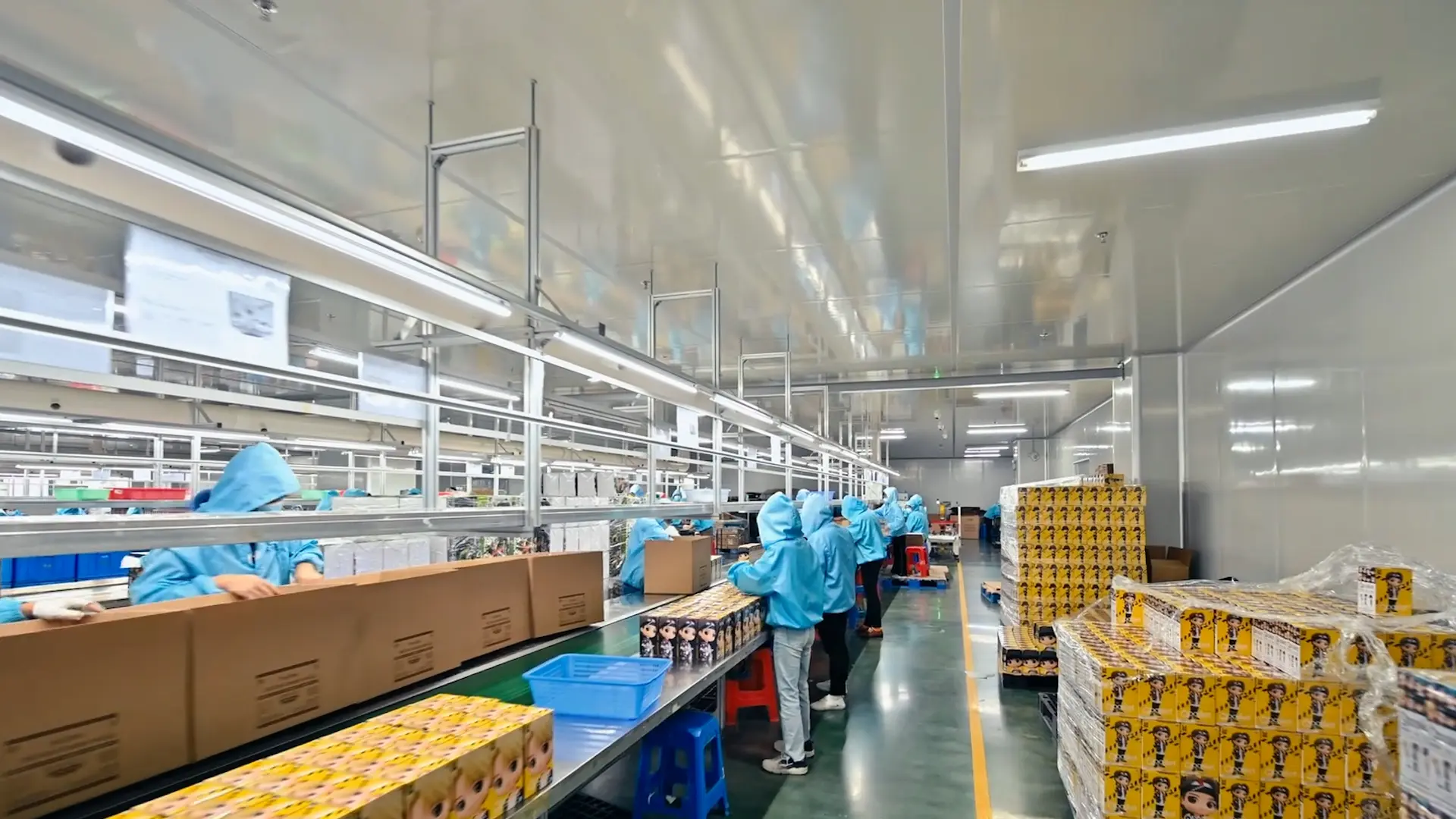
u have spent months tweaking your 3D character sculpt. The digital model looks flawless on your 4K monitor. The proportions are balanced, the expression pops, and your online fan base is practically begging for a physical release date.
Then comes the moment every toy brand owner, indie creator, and IP manager dreads: opening the tooling cost estimate from your manufacturing partner.
Right near the top of that quote, you see two choices that seem to dictate the fate of your entire production budget: Steel Injection Molds or Electroformed Copper Slush Molds.
If you choose the wrong one, the consequences hit fast. You could end up dropping fifteen thousand dollars on heavy steel tooling for a soft vinyl art toy run that only needed a three-thousand-dollar copper mold. Or worse, you try to save cash by making a copper mold for an articulated action figure, only to watch the joints loosen, the plastic warp, and your mold wear out after a couple of thousand pieces.
Here at MIHOX, we run both steel injection lines and copper electroforming tanks under the very same factory roof in China. We see creators wrestle with this exact dilemma every single week.
Today, we are going to strip away the confusing jargon and break down steel molds versus copper molds in plain English. We will look at cost math, tooling physics, lead times, material compatibilities, and real-world durability so you can pick the exact right mold for your next merchandise drop.
What Is a Copper Mold (and Why Does Soft Vinyl Love It)?
To understand why copper molds exist, we have to talk about slush casting—the traditional technique used to make soft vinyl toys, also known in collector circles as Sofubi.
A copper mold isn’t carved out of a solid block of metal on a milling machine. Instead, it is built through a fascinating chemical process called electroforming.
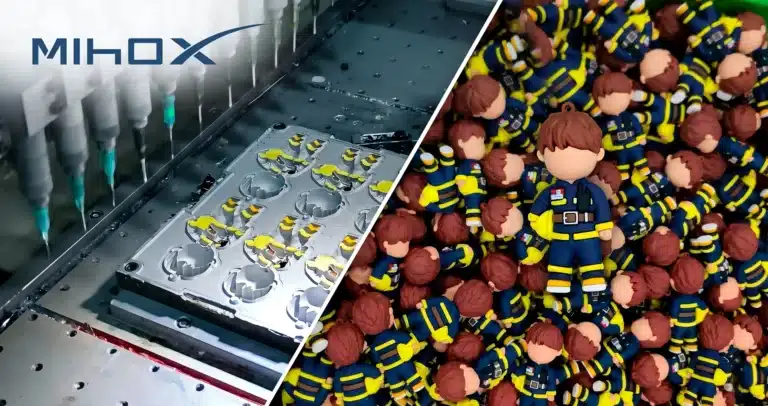
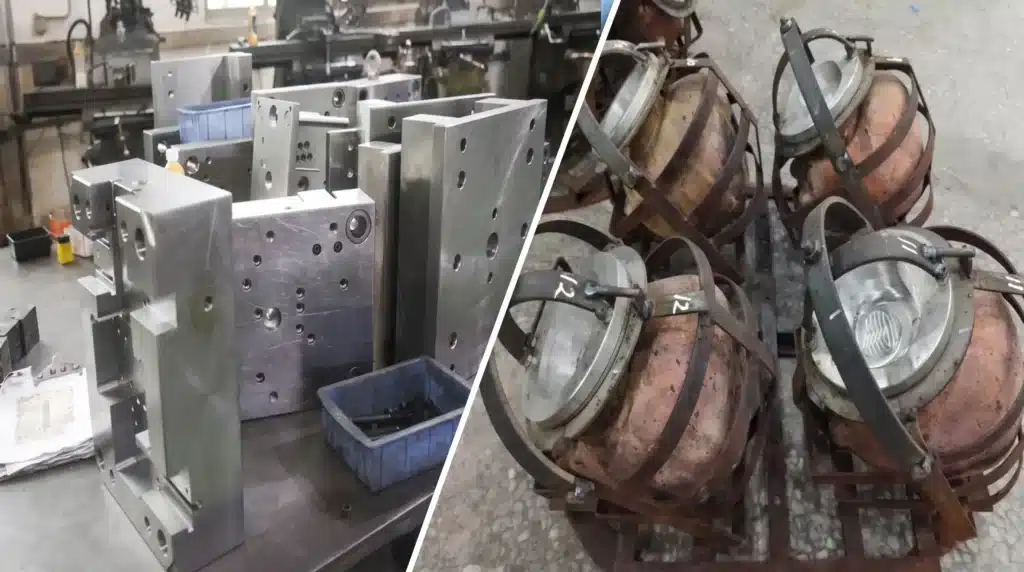
HOLLOW COPPER SLUSH MOLD (SOFUBI)
Here is how our mold technicians create a copper slush mold inside the MIHOX facility:
The Master Wax Pattern: We start by 3D printing a master prototype of your toy. We use that prototype to create a flexible silicone mold, which we then pour full of specialized industrial wax. This leaves us with a solid wax duplicate of your character.
Conductive Coating: We coat the wax duplicate with a thin layer of silver paint or conductive liquid so electricity can flow across its surface.
The Electroplating Bath: We submerge the wax pattern into a massive chemical bath filled with copper sulfate liquid. Electric current runs through the tank for several days. Atom by atom, pure metallic copper deposits itself onto the wax surface, building up a tough, seamless metal shell about 3mm to 5mm thick.
Melting the Wax: Once the copper shell reaches the exact thickness required, we pull it out of the chemical tank and heat it up. The inner wax pattern melts away and pours right out of the opening, leaving a hollow, reverse-cavity copper mold.
Why Soft Vinyl Artists Swear by Copper
Because copper deposits atom by atom over a soft wax original, it captures microscopic organic details that traditional metal cutting tools simply cannot reach.
If your character has subtle hand-carved textures, soft fur lines, leather grain, or organic wrinkles, a copper mold copies them with extreme fidelity. There are no machining cutter marks or CNC mill lines to polish away.
When we pour liquid PVC slush compound into that heated copper mold, spin it around in a hot oil bath, and pull out the cooled vinyl skin, the result is a lightweight, hollow, wonderfully squishy collectible.
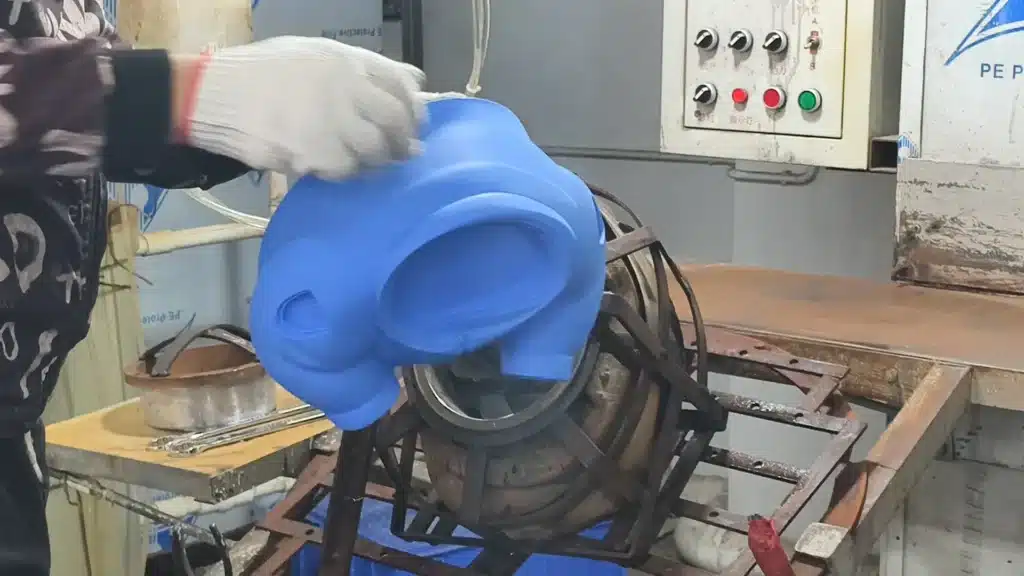
What Is a Steel Mold (and Why Is It the Titan of Mass Production)?
If copper molding is an electro-chemical art form, steel mold making is high-precision mechanical engineering.
A steel mold—used almost exclusively for injection molding—starts its life as heavy, solid blocks of high-grade industrial tool steel, such as NAK80, P20, or hardened S136 stainless steel.
HIGH-PRECISION SOLID INJECTION PARTS
Instead of growing the mold around a wax model inside a chemical tank, automated computer-controlled tools carve the cavity directly out of solid metal:
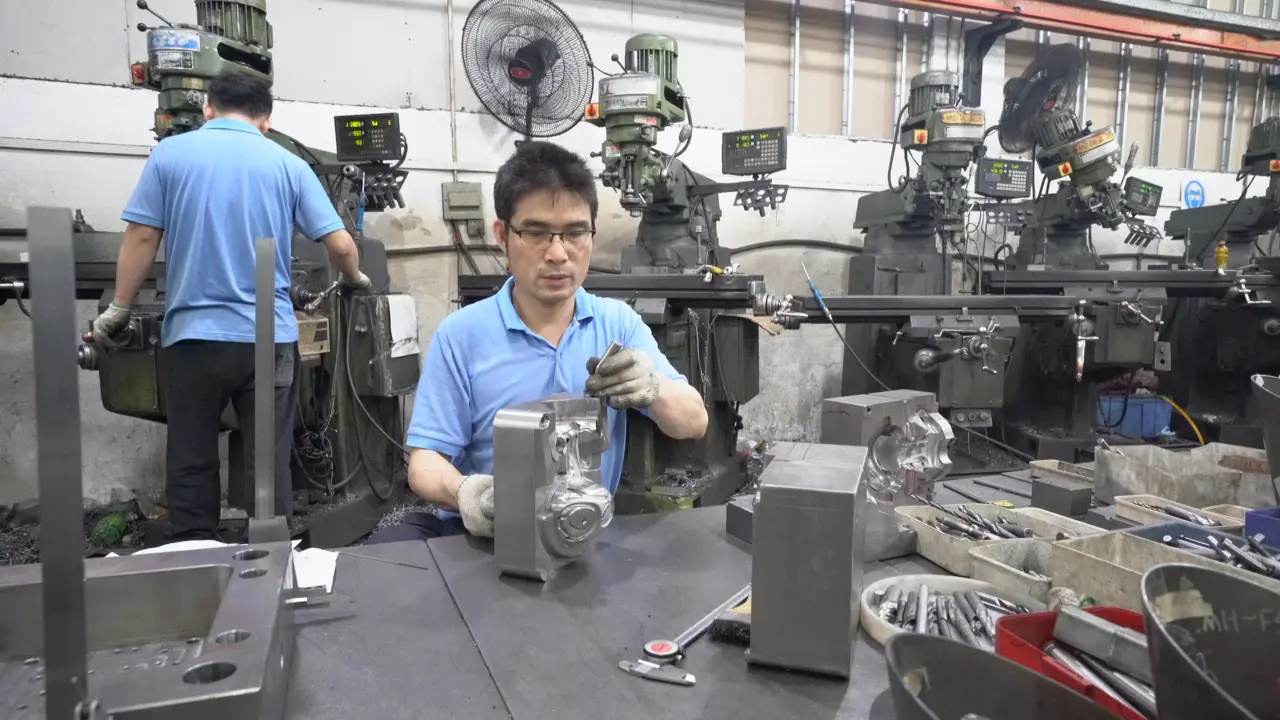
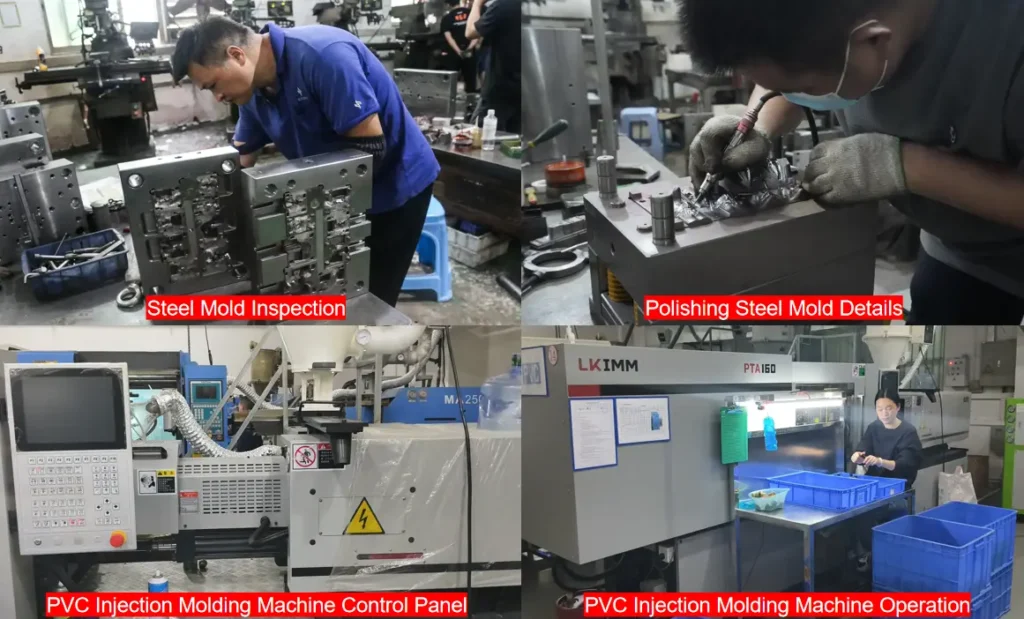
CNC Milling: High-speed tungsten drill bits carve out the primary shape of the figure inside core and cavity steel plates.
EDM (Electrical Discharge Machining): For sharp internal corners or deep narrow slots where drill bits can’t fit, we use copper electrodes that blast electrical sparks to erode the steel with pinpoint accuracy.
Polishing and Mirror Finishes: Skilled craftsmen hand-polish the internal steel cavities to achieve glossy mirror finishes or apply chemical textures for matte plastic effects.
High Pressure, Incredible Speed
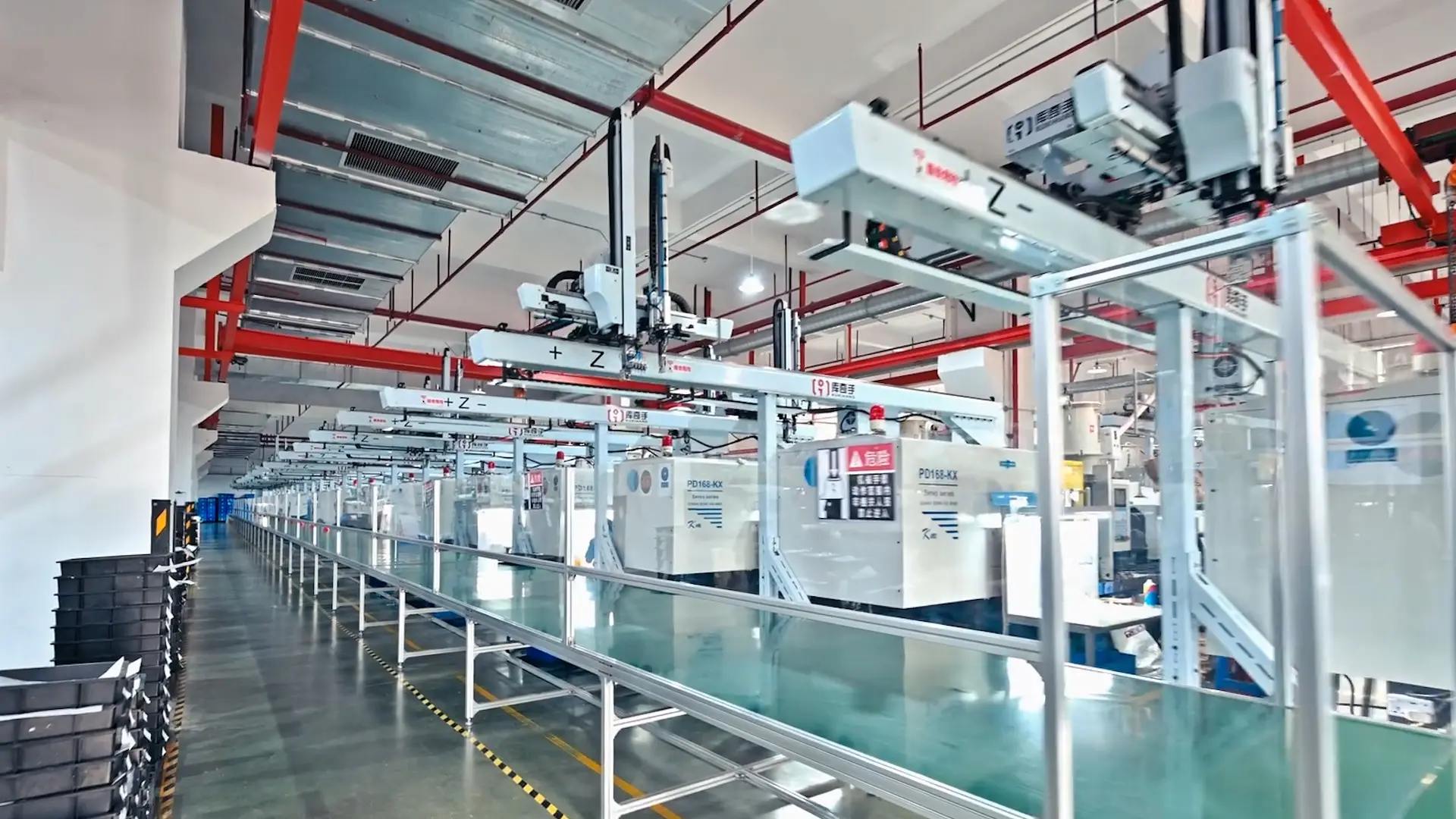
Steel molds are built to withstand immense forces. During production, a steel mold is clamped inside a massive injection molding machine under tens or even hundreds of tons of hydraulic pressure.
Liquefied plastic resin—like ABS, hard PVC, Polycarbonate, or POM—is blasted into the closed mold cavity under extreme pressure at temperatures exceeding 200°C (392°F). Within seconds, cooling channels embedded inside the steel plates freeze the molten plastic back into a solid object. The mold pops open, ejector pins push the finished piece out, and the cycle repeats.
If your character design requires tight mechanical joints, crisp geometric edges, snap-fit assembly parts, or articulated ball sockets that can rotate thousands of times without wearing down, steel injection molding is the undisputed champion.
If you are curious about how precise mechanical joints work on plastic figures, feel free to read our breakdown on How to Optimize Action Figure Joint Structures for Maximum Durability? Insights from a 20-Year Factory Engineer.
Head-to-Head Comparison: The Big 6 Decision Drivers
Now that you know how both mold types are made, let’s break down the six critical factors that will determine which tooling path makes sense for your project budget and business goals.
- Low Upfront Tooling ($1.5k-$4k)
- Fast Turnaround (10-18 Days)
- Lifespan: 5k – 20k Shots
- Ideal for Hollow Soft Vinyl
- Great for Organic Textures
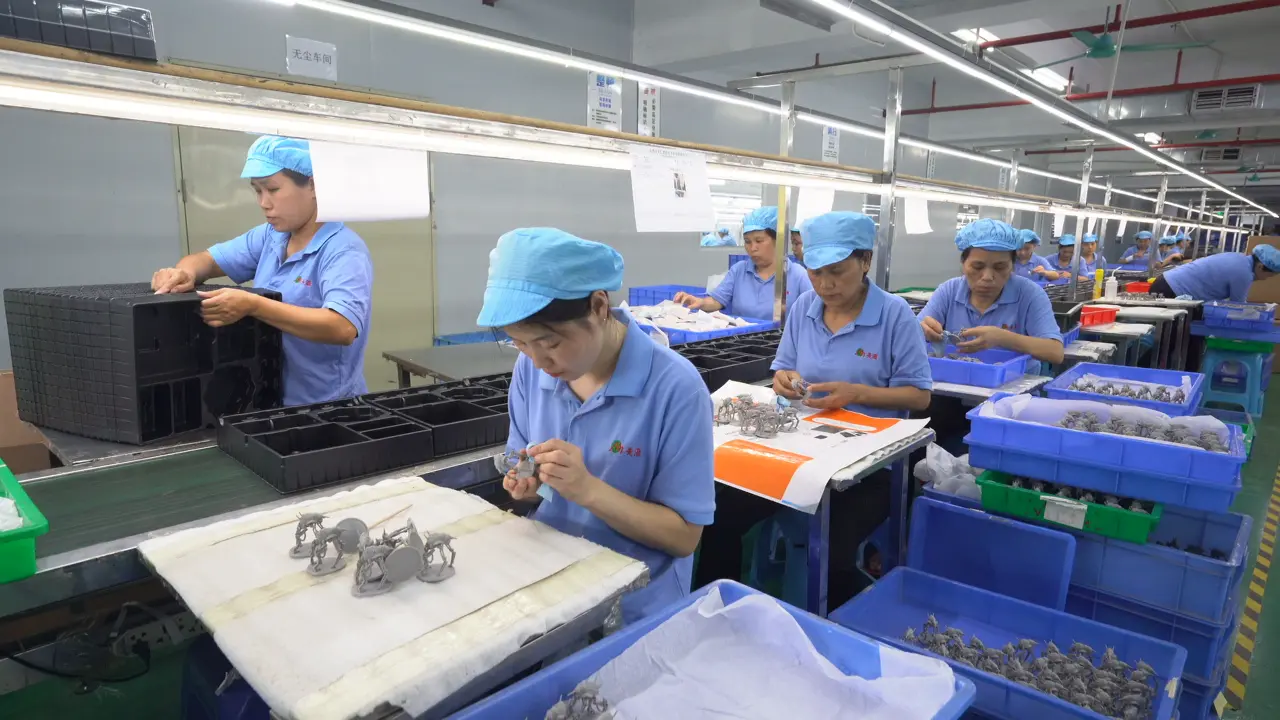
- Manual Hand-Pulling Assembly
- High Upfront Tooling ($8k-$25k+)
- Longer Lead Times (30-45 Days)
- Lifespan: 100k – 1,000,000+ Shots
- Ideal for Rigid ABS & Hard PVC
- Perfect for Tight Tolerances
- Automated Ejection Molding
1. Upfront Tooling Investment (Cash Flow Constraints)
Let’s talk money, because upfront tooling costs are usually the biggest hurdle for independent artists and growing IP brands.
Copper Molds: Highly affordable. Because electroforming relies on chemical baths rather than hundreds of hours of high-precision CNC machining time, a complete set of copper slush molds for a standard 6-inch art toy figure usually costs between $1,500 and $4,000 USD.
Steel Molds: Expensive upfront. Cutting hardened tool steel, engineering multi-slider action mechanisms for undercuts, and polishing internal cavities requires significant labor and machine time. A multi-cavity steel injection mold set for a similar 6-inch figure typically ranges from $8,000 to $25,000+ USD.
If you are launching a limited Kickstarter drop or testing a brand-new IP with a modest budget, paying $20,000 just for steel molds before you even sell your first toy can burn through your working capital fast. Copper tooling lets you get physical merchandise onto retail shelves without draining your bank account.
2. Lead Time and Speed to Market
In the fast-moving designer toy world, timing is everything. Missing a major convention like DesignerCon, San Diego Comic-Con, or Toy Fair because your molds are stuck in tooling can derail your entire marketing strategy.
Copper Molds: Quick turnaround. From final 3D file approval to holding your first physical “T0” wax test sample, copper electroforming usually takes just 10 to 18 days.
Steel Molds: Longer development cycle. Designing steel mold structures, running mold-flow cooling simulations, cutting hard steel on CNC machines, and executing EDM spark erosion takes 30 to 45 days.
If you have an aggressive product launch deadline coming up in six weeks, copper molding gives you the speed advantage you need to hit your event date.
3. Mold Lifespan and Production Volume Math
This is where the financial balance flips. While steel molds cost significantly more upfront, their cost-per-unit drops dramatically over large production volumes.
Copper Molds: Limited lifespan. Metallic copper is relatively soft. Exposure to repeated thermal cycles in hot slush oil baths (around 200°C) slowly degrades the metal over time. A single copper mold cavity generally yields between 5,000 and 15,000 production shots before fine surface details blur or the opening rim warps out of shape.
Steel Molds: Built like a tank. Premium hardened steel molds (like S136 stainless steel) can easily run for 100,000 to 1,000,000+ injection cycles without losing a fraction of a millimeter in dimensional accuracy.
If you plan to run a limited edition of 500 or 2,000 pieces, copper molding is far more economical. But if you are a global brand producing 50,000 blind boxes every quarter, steel injection molding is the only path that makes long-term financial sense.
4. Detail Style: Organic Sculpting vs. Crisp Geometric Lines
Did you know that the choice between steel and copper actually changes the aesthetic style of your physical toy?
Copper Slush Molds: Excels at capturing organic curves, hand-carved textures, fabric folds, skin pores, and soft expressive features. Because liquid vinyl compound flows freely inside the warm copper shell without extreme pressure, soft vinyl figures possess a gentle, warm, hand-crafted aesthetic that collectors love.
Steel Injection Molds: Superior for razor-sharp geometric edges, perfectly straight flat surfaces, mech suit armor plates, crisp logo engravings, and ultra-thin structural walls. High-pressure injection forces plastic into tight corners that liquid vinyl slush compound could never fill without trapping air bubbles.
5. Material Compatibility and Physical Weight
The mold you choose directly dictates the physical raw plastic materials you can feed into it.
- Liquid PVC Compound (Soft)
- Rotocast TPU / Vinyl
- Hollow / Lightweight Yield
- ABS Resin (Hard / Rigid)
- Injection PVC (Semi-Rigid)
- Polycarbonate / POM / Nylon
Copper Molds: Can only handle liquid PVC slush compounds or rotocast liquid resins. They cannot withstand the high mechanical pressures of injection machines. The resulting product is almost always hollow, lightweight, and slightly flexible to the touch.
Steel Molds: Can handle almost any thermoplastic resin on the planet—including rigid ABS, high-impact Polycarbonate, clear Acrylic, heavy hard PVC, and slick POM plastic. The resulting parts can be solid, ultra-dense, transparent, or structurally rigid.
If your character design features a translucent glowing sword or crystal wings, you need clear Polycarbonate or Acrylic—which means you must use steel injection molds.
6. Engineering Tolerances and Mechanical Joints
What happens when two parts of your toy need to snap together perfectly during final assembly?
Copper Molds: Wide tolerance margins. As soft vinyl cools down after being pulled out of a copper mold, it shrinks by roughly 3.0% to 5.0%. Because thermal shrinkage varies slightly depending on ambient room temperature and humidity, parts cast from copper molds carry a wider dimensional tolerance margin of ±0.5mm. That is why soft vinyl joints are simple plug-in rotatable connections or friction-fit joints.
Steel Molds: Ultra-tight tolerances. Injection molded ABS shrinks by only 0.4% to 0.7% during cooling. Coupled with high-precision steel cavities, steel-molded components maintain extremely tight tolerances of ±0.05mm.
If your toy design features internal gear mechanisms, ratcheted shoulder joints, interchangeable snap-on faceplates, or battery compartments with tiny screw threads, steel molding is non-negotiable.
Detailed Features Side-by-Side Comparison Matrix
To help your engineering and procurement teams make a quick, data-driven decision, we have summarized all operational parameters in this comprehensive reference table:
| Technical & Commercial Parameter | Copper Slush Molds (Electroformed) | Steel Injection Molds (CNC & EDM) | Strategic Business Impact |
|---|---|---|---|
| Primary Tooling Method | Electroplating copper over a wax master | High-speed CNC milling & EDM spark erosion | Direct impact on initial development costs and lead time. |
| Average Tooling Cost (6″ Toy) | $1,500 – $4,000 USD | $8,000 – $25,000+ USD | Copper offers a much lower barrier to entry for new IPs. |
| Tooling Development Lead Time | 10 to 18 Days | 30 to 45 Days | Copper enables faster market validation and event deadlines. |
| Tool Lifespan (Production Cycles) | 5,000 to 20,000 shots | 100,000 to 1,000,000+ shots | Steel yields a significantly lower unit cost over large runs. |
| Compatible Raw Materials | Liquid PVC Vinyl compound, Liquid TPU | Solid ABS, Hard PVC, Polycarbonate, POM, Acrylic | Steel allows high-density, crystal-clear, or rigid parts. |
| Dimensional Tolerances | ±0.3mm to ±0.5mm (Higher shrinkage) | ±0.01mm to ±0.05mm (Ultra-precise) | Steel is essential for complex articulated mechanical joints. |
| Best Aesthetic Suited For | Organic curves, skin textures, soft fur, vinyl art toys | Sharp geometric edges, crisp logos, mech armor plates | Dictates the tactile and visual language of your character. |
| Part Wall Structure | Hollow, flexible, lightweight vinyl skins | Solid or ribbed thick structural walls | Impacts shipping weight, drop-test durability, and feel. |
| Modification Flexibility | Difficult. Mold modifications require making a new wax master. | Moderate. Steel can be welded or CNC re-machined slightly. | Important if design tweaks occur during prototyping. |
| Production Automation Level | Semi-manual. Parts are hand-pulled from warm molds. | Fully automated. Hydraulic ejection pins push parts out. | Affects labor cost per unit during mass production. |
The Hybrid Approach: Why Pick One When You Can Combine Both?
Here is an insider manufacturing secret that many beginner IP creators overlook: you don’t have to choose just one mold type for your entire product.
In fact, some of the most impressive, high-end collectibles sitting on retail shelves today use a hybrid material architecture. They combine the soft, tactile charm of copper-cast soft vinyl with the crisp, structural precision of steel-cast ABS plastic.
- Soft Vinyl Head & Torso
- Lightweight & Warm Touch
- Rich Painted Textures
- Rigid ABS Sword & Shield
- Crisp Edges, Zero Warping
- Articulated Ball Joints
Consider this popular product setup that we frequently engineer at MIHOX:
The Main Character Body & Head: Manufactured using copper slush molds with liquid soft vinyl. This keeps the figure lightweight, gives the character a warm, satisfying hand-feel, and captures soft facial expressions without expensive multi-slider steel tooling.
The Internal Skeleton & Articulated Joints: Manufactured using small steel injection molds with tough POM or ABS plastic. This guarantees smooth, tight, creak-free joint rotation that won’t loosen over time.
Handheld Weapons, Armor Plates & Accessories: Manufactured using steel injection molds with rigid ABS plastic. This ensures the character’s long sword stays straight as an arrow, rather than bending or drooping under room temperature heat like soft vinyl sometimes does.
By combining both tooling methods in a single project, you optimize your overall tooling budget while giving your fans the best possible visual and physical unboxing experience.
Real-World Case Scenarios: Which Path Fits Your Project?
To make this decision even easier, let’s examine three real-world manufacturing scenarios modeled after client projects we produce at MIHOX.
Scenario A: The Indie Artist Convention Release
The Creator: An independent illustrator launching their original character design in a limited run of 500 hand-painted figures for an upcoming art toy convention.
The Goal: Test market demand, keep initial financial risk low, and get physical toys into fans’ hands within six weeks.
The Recommendation: Copper Slush Molds.
Why: Investing $15,000 in steel molds for a 500-unit run makes no financial sense—it would add $30 of tooling cost overhead to every single toy! A $2,200 copper mold set keeps the project profitable right out of the gate, delivers physical samples in 14 days, and captures the organic hand-sculpted look of the artist’s original 3D design.
Scenario B: The Global Blind Box Series
The Creator: A established retail brand producing a 12-character blind box mini-figure series with an initial production run of 50,000 units across global distribution channels.
The Goal: Ultra-low unit cost, high-speed automated production, crisp geometric details, and drop-test durability.
The Recommendation: Steel Injection Molds.
Why: Spreading a $18,000 steel tooling investment across 50,000 units reduces the tooling cost per toy to just $0.36 per unit. Steel injection machines can mold thousands of solid ABS/PVC parts per day with zero manual labor, ensuring perfect uniformity across every blind box on store shelves.
Scenario C: The Articulated Fantasy Action Figure
The Creator: A video game studio producing a 1/12 scale articulated action figure wearing detailed fabric clothing, holding a long broadsword, and featuring interchangeable hands.
The Goal: Crisp, straight sword blades that never bend, tight rotational elbow/knee joints, and a detailed expressive face.
The Recommendation: The Hybrid Approach.
Why: We use copper slush molds for the hollow head sculpt and torso to capture soft detailed features, while cutting small multi-cavity steel molds for the rigid ABS weapons, hands, and POM joint pegs. The sword stays sharp and straight, the joints click firmly into place, and total tooling costs remain balanced.
Final Thoughts: Making Your Tooling Decision with Confidence
Choosing between steel molds and copper molds doesn’t have to feel like picking a winner in a vacuum.
Truth be told, neither mold type is “better” than the other in absolute terms. Copper electroforming is the undisputed king of affordable, quick-turnaround, organic soft vinyl art toys. Steel injection molding is the powerhouse behind high-volume, ultra-precise, rigid plastic manufacturing.
When you evaluate your production run, ask yourself three simple questions:
1. What is my total target order volume? (Under 5,000 units points toward copper; over 20,000 units points toward steel.)
2. What raw material does my toy require? (Hollow soft vinyl loves copper; rigid ABS and clear Polycarbonate demand steel.)
3. How tight are my mechanical assembly requirements? (Simple swivel joints work great with copper; complex snap-fit parts demand steel.)
At MIHOX, we don’t force you into a one-size-fits-all box. Our engineering team reviews your 3D digital sculpts, evaluates your target unit costs, and builds a customized tooling strategy—whether that means pure copper, hardened steel, or a smart hybrid combination.
Have a character design ready for production? Reach out to our technical team today, and let’s bring your art to life in physical metal and plastic.
Frequently Asked Questions (FAQs)
1. What is the main difference between steel molds and copper molds for custom toy manufacturing?
The primary difference lies in the manufacturing method, cost, and target materials. Copper molds are made via electroforming (depositing copper onto a wax pattern in a chemical bath) and are used for slush casting hollow, soft vinyl (Sofubi) toys. They are fast and affordable ($1,500–$4,000). Steel molds are carved out of solid tool steel using CNC machines and EDM spark erosion for high-pressure injection molding of rigid ABS/PVC plastic. They cost more ($8,000–$25,000+) but last for up to 1,000,000+ cycles with ultra-precise tolerances.
2. How many vinyl figures can I produce from a single copper mold before it wears out?
A standard electroformed copper slush mold typically lasts between 5,000 and 15,000 production cycles (shots). Because copper is a softer metal, repeated thermal cycles in hot slush oil baths slowly soften the opening rim and blur fine surface textures over time. If you plan to produce more than 15,000 soft vinyl units, MIHOX can easily create duplicate copper molds from your master silicone pattern at a fraction of the original tooling cost.
3. Can I use steel molds to produce soft vinyl (Sofubi) art toys?
Generally no. Soft vinyl toys require slush casting, where liquid PVC compound is poured into a hollow mold, heated, and hand-pulled out through a flexible opening. Steel molds are designed for high-pressure injection molding of solid or semi-rigid thermoplastics. While you can inject flexible PVC into a steel mold, it produces solid, heavier plastic parts rather than the classic hollow, lightweight soft vinyl feel that art toy collectors expect.
4. Why are steel molds so much more expensive upfront than copper molds?
Steel molds require heavy, expensive blocks of hardened tool steel (such as NAK80 or S136) and hundreds of hours of high-precision engineering. They must be machined on high-speed CNC centers, spark-eroded with custom EDM copper electrodes, built with complex internal cooling channels, and equipped with mechanical sliders/lifters for undercuts. However, because steel molds last for hundreds of thousands of units, their cost per toy becomes tiny over large production runs.
5. Is it possible to combine both steel and copper molded parts in a single toy project?
Yes, absolutely! Combining both mold types—known as a hybrid material architecture—is a very popular strategy for high-end collectibles. For instance, MIHOX often manufactures a figure’s main head and body out of soft vinyl using affordable copper molds, while casting rigid accessories (like swords, shields, or articulated joint pegs) out of ABS plastic using small steel injection molds. This keeps overall tooling costs manageable while ensuring your toy has crisp, straight accessories and smooth mechanical joints.