The Reality Check
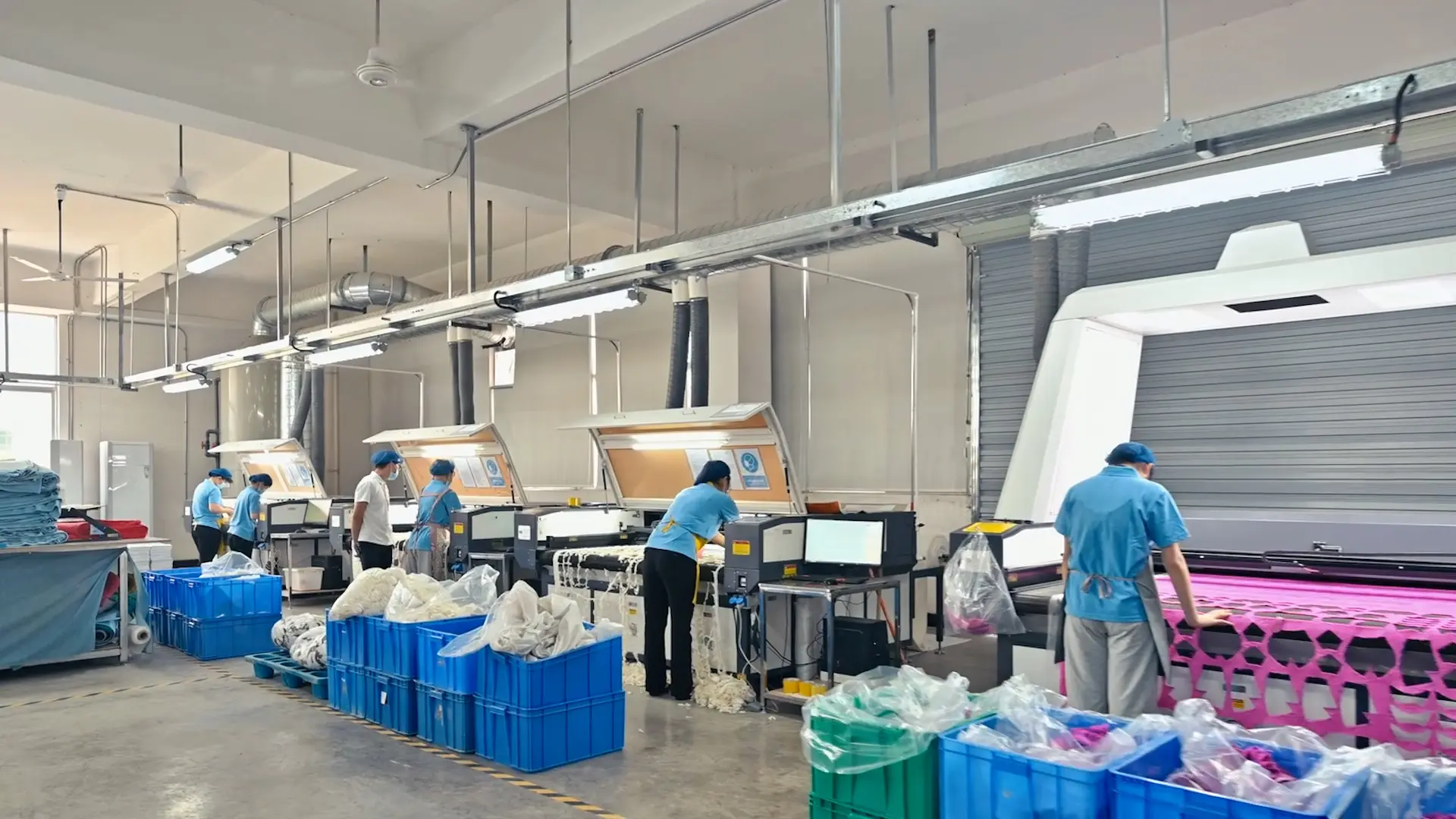
Let’s be honest: creating a stunning “Golden Sample” is the easy part. Any decent studio can do it. The real challenge—the one that keeps IP managers awake at night—is turning that single prototype into 1,000,000 identical units, packed into containers and ready for global retail, without a single drop in quality.
If you are a brand owner or a procurement manager, you know the stakes. One batch of bad paint or a loose joint doesn’t just ruin a toy; it ruins your brand’s reputation and costs millions in potential recalls. Here is a look at how we handle the “heavy lifting” of mass production at .
1. Prototyping: It’s Not Just About Looking Good
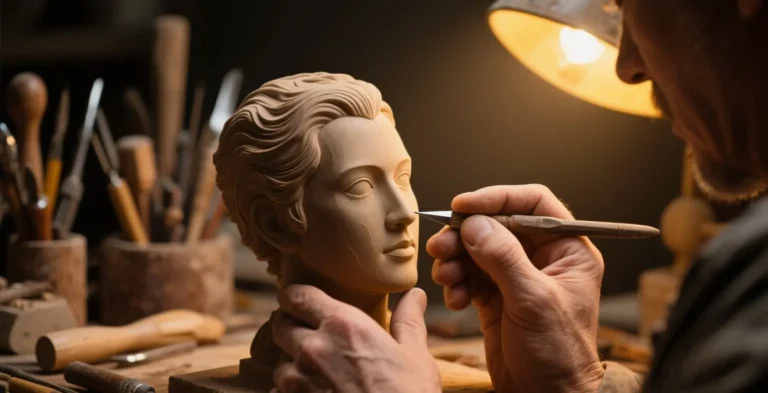
When we receive your 2D turnarounds or 3D files, our first job isn’t just to make a pretty model. We look for “Manufacturing Traps.”
- The Problem: A character’s pose might look cool in a drawing but causes the figure to tip over or the limbs to snap during the injection process.
- The Solution: Our engineers bridge the gap between “Artistic Vision” and “Production Reality.” We use ZBrush to adjust the center of gravity and design internal pegging structures before the first mold is ever cut. We solve the production headaches in the digital phase, so they don’t become expensive mistakes on the factory floor.
2. Tooling: Why We Don’t Cut Corners on Steel
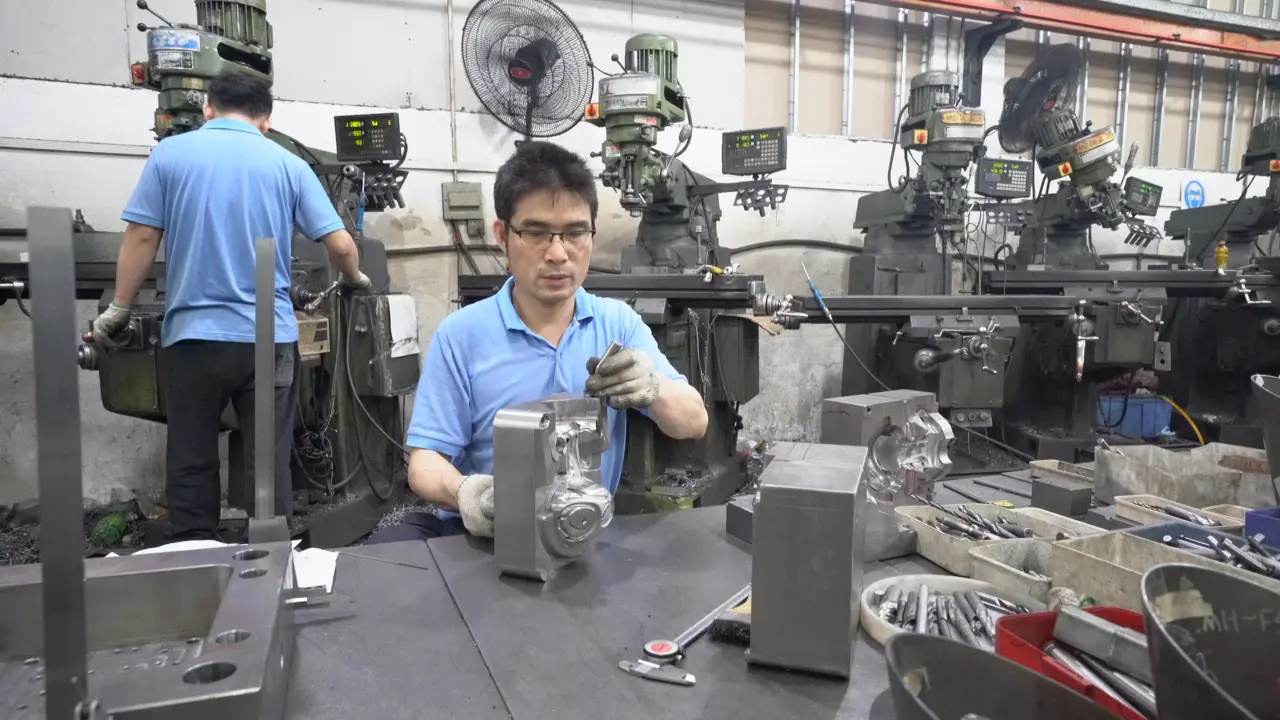
For a million-unit run, “cheap” molds are the most expensive mistake you can make.
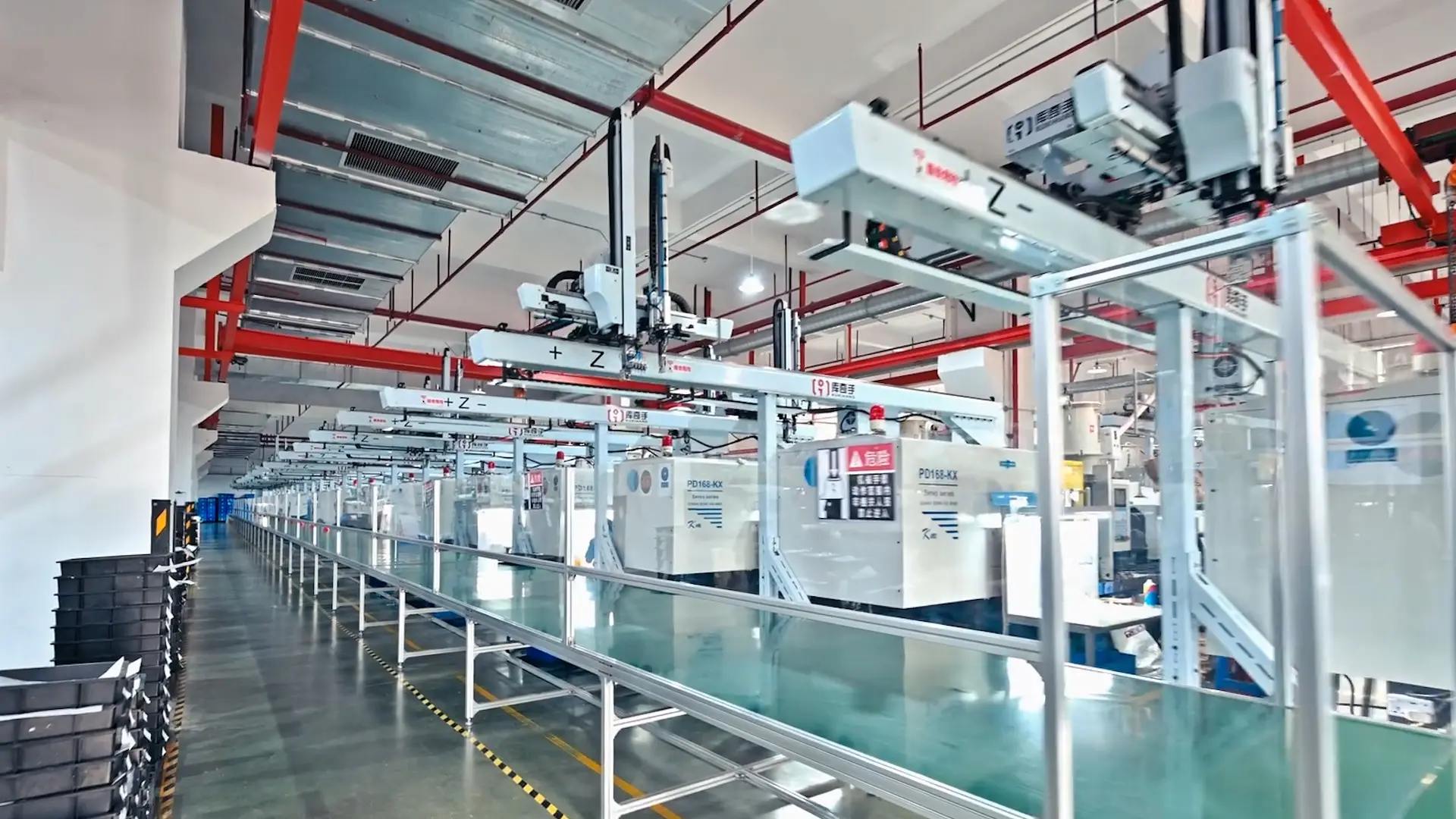
We use S136 hardened steel. Why? Because after 200,000 “shots” (injections), softer steel begins to wear down. This leads to “flashing”—those ugly plastic leaks you see on low-quality toys. Our molds are built to maintain a ±0.01mm tolerance from the first unit to the millionth, ensuring that every piece fits together perfectly.
3. The “Silent Killer” of Quality: Quality Drift
This is the part most factories won’t tell you about, but it’s where we focus our expertise.
💡 A Note from Our Floor Manager (Expert Insight):
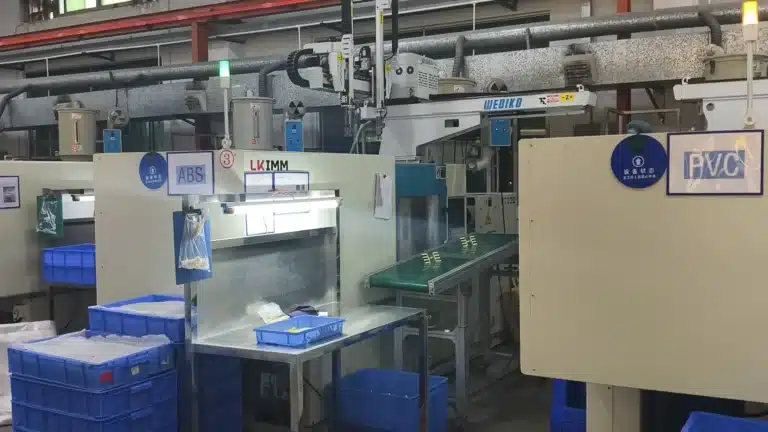
“In the toy industry, everyone talks about how good the prototype looks. I talk about the ‘Last Batch.’ When a factory runs 24/7 for months, machines get hot, PVC resin viscosity changes, and workers get tired. We combat this with a ‘Triple-Check’ system: we test the resin flow every 4 hours and pull random samples from the line every 30 minutes. If the weight of the figure deviates by even 2 grams, the line stops. Consistency isn’t a goal; it’s a requirement.”
4. Painting: Eyes are the Soul, Process is the Key
How do we ensure 1,000,000 figures have the exact same “stare”?
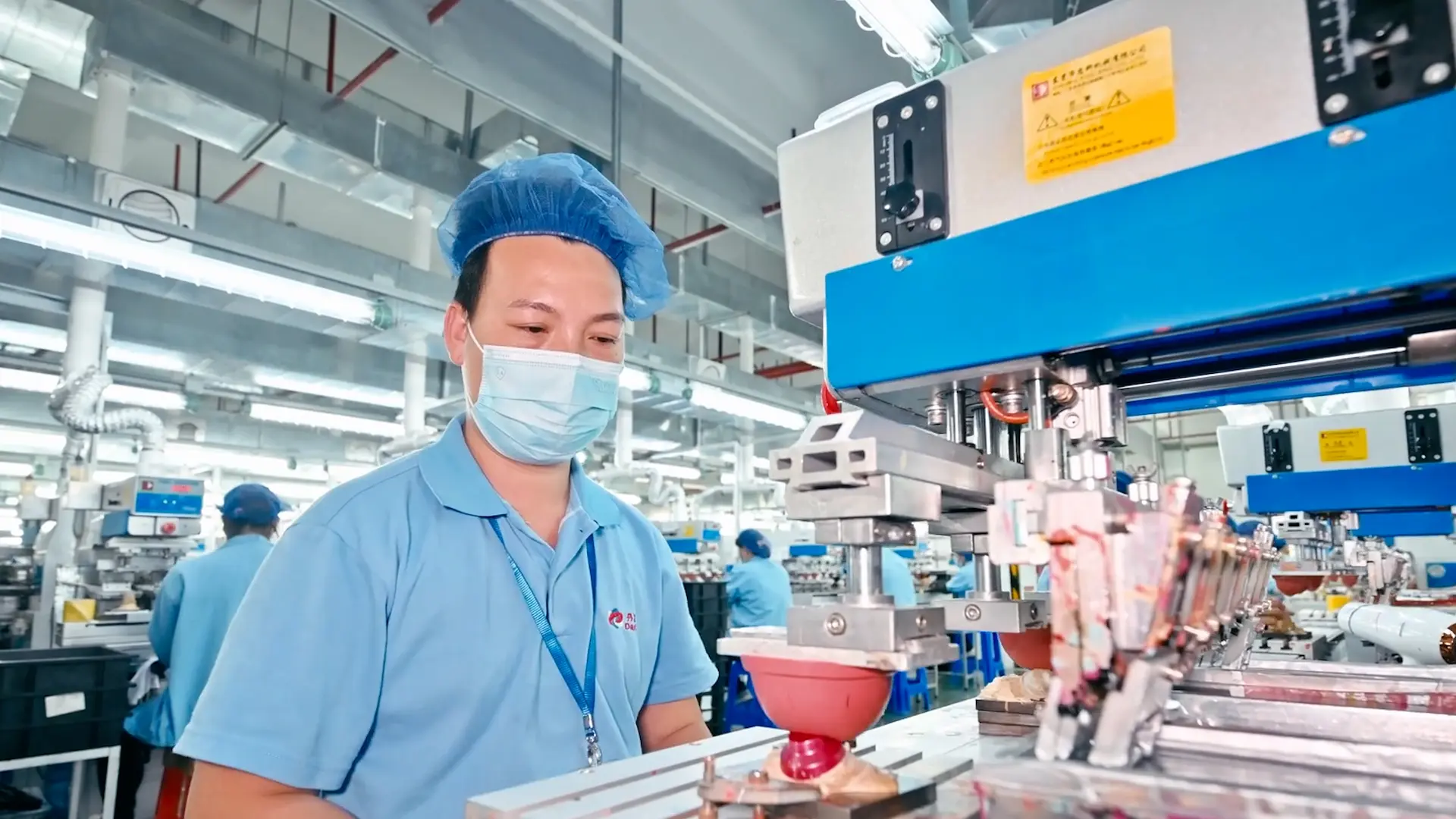
- The Tech: We use high-speed, multi-color pad printing for pupils and fine details. This ensures 100% accuracy across the entire run.
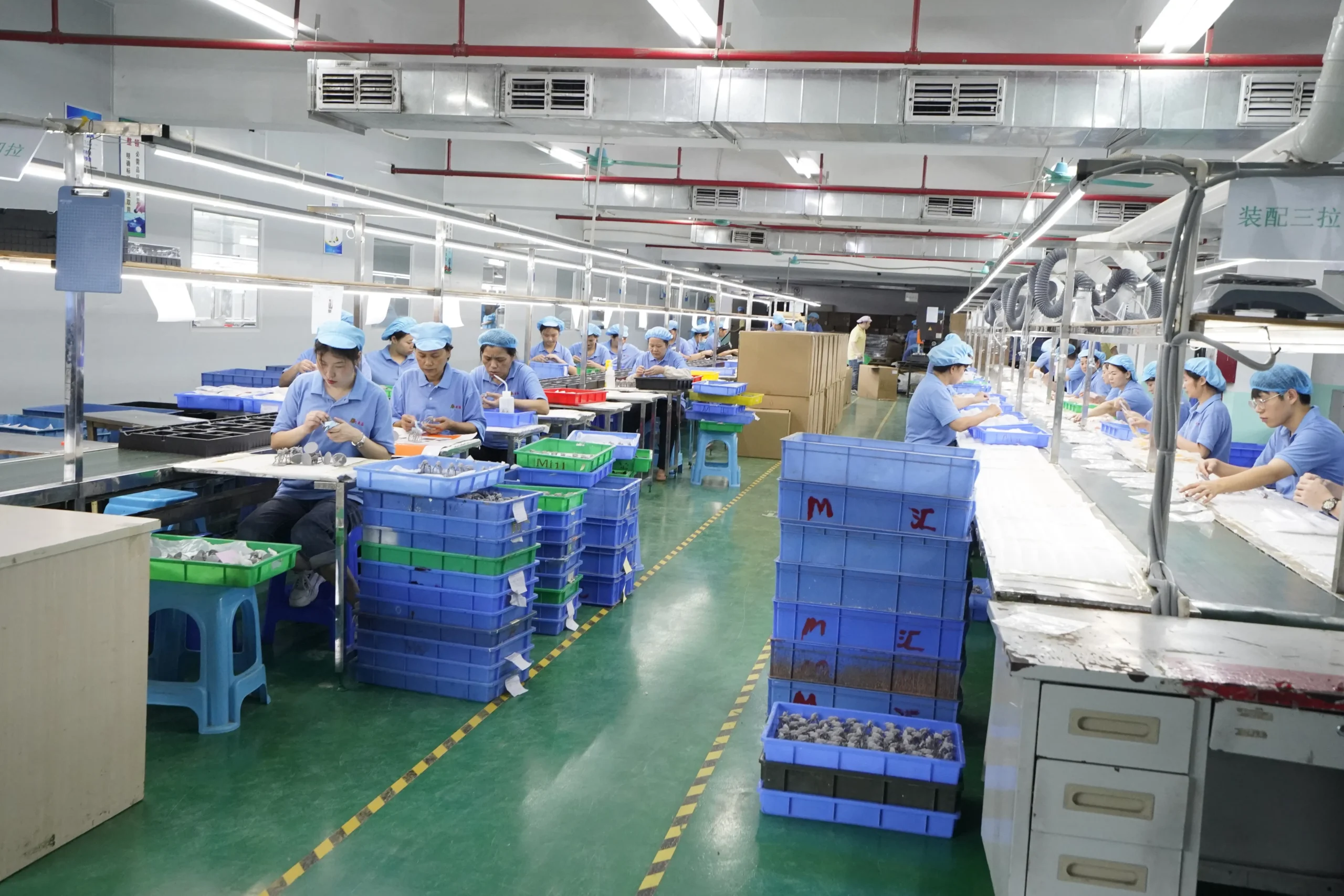
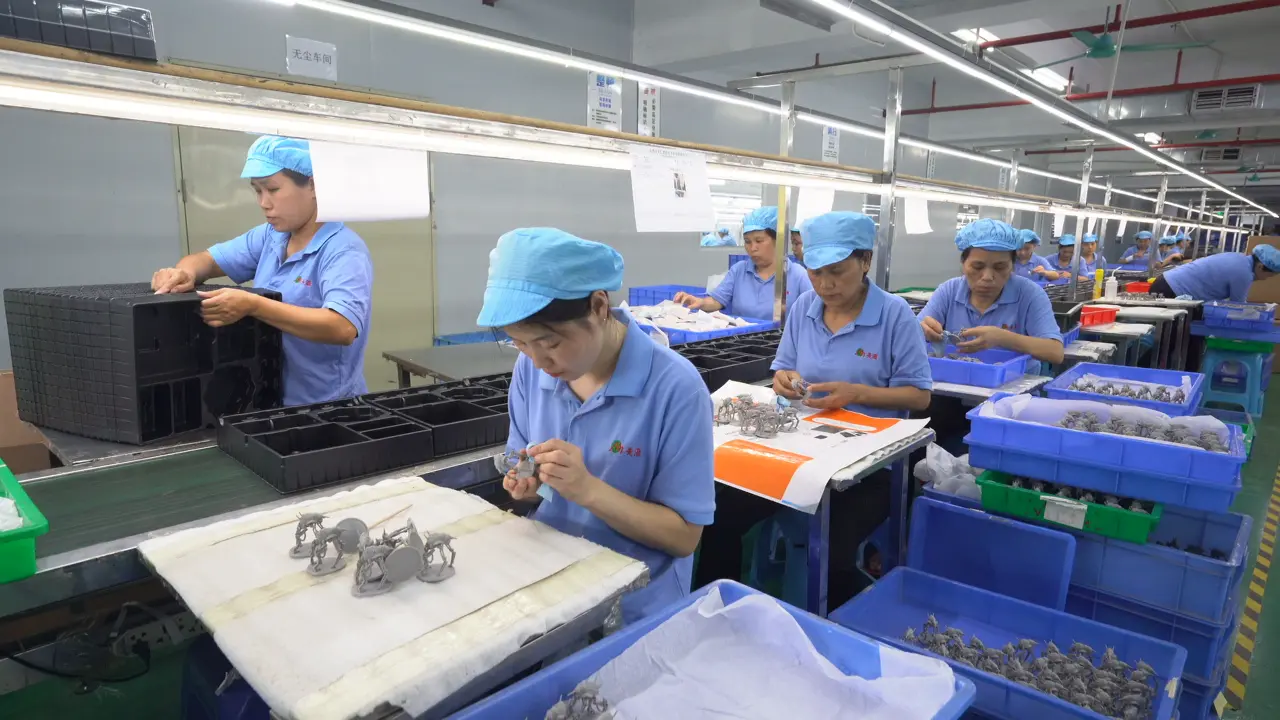
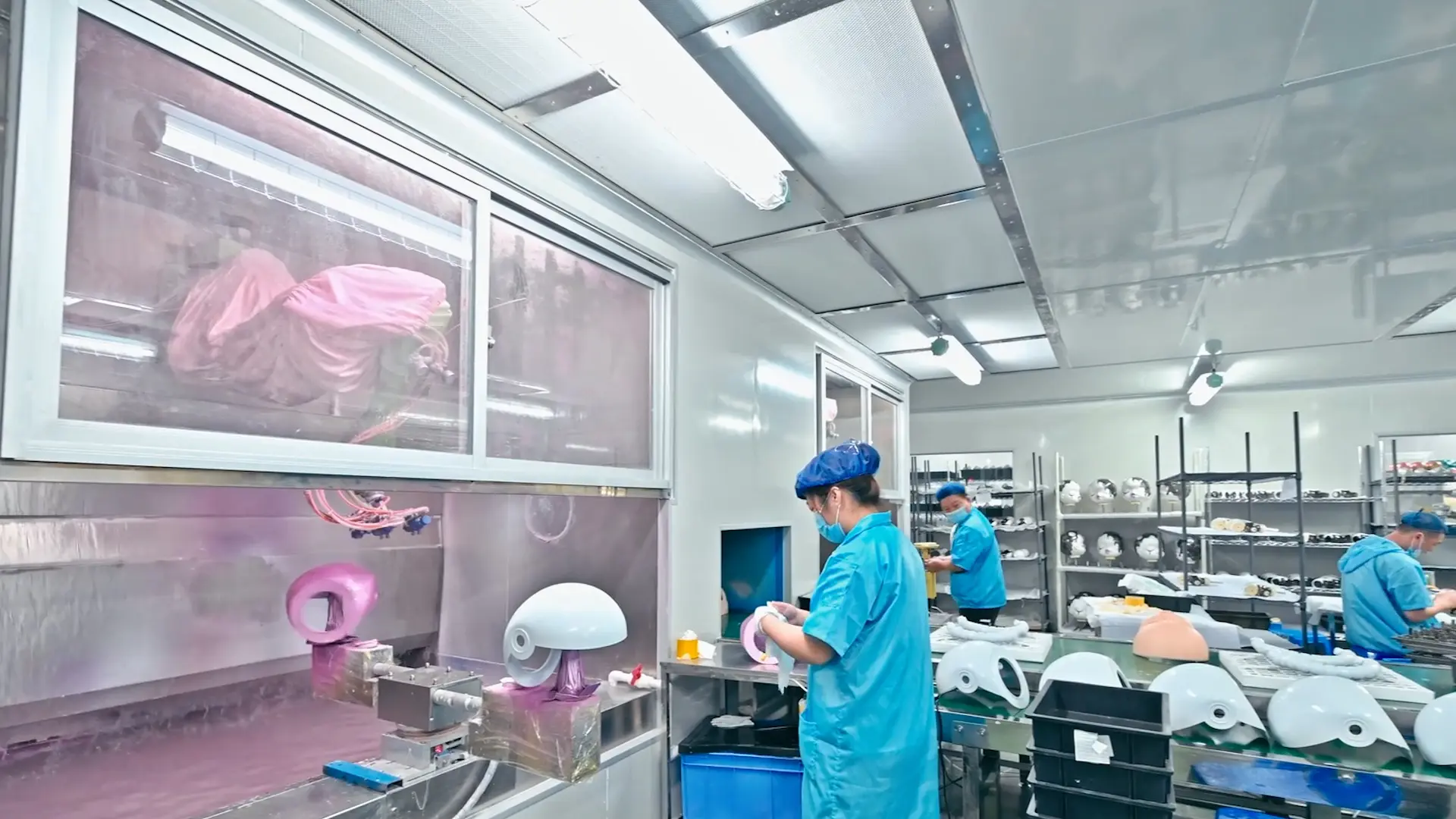
- The Human Touch: For skin gradients and “battle damage” effects, we use manual airbrushing. Our workers use custom-engineered jigs (stencils) to ensure that even the hand-painted parts stay within a 99% consistency range.
5. Compliance: Don’t Let Your Shipment Get Stuck at Customs
We’ve seen it happen too many times: a massive order is finished, but it’s seized at the border because of a lead-paint scare or a missing certificate.
At compliance is our baseline. We source only phthalate-free PVC and non-toxic pigments. Whether you are shipping to the US (ASTM F963) or Europe (EN71), we have the testing data ready before the boxes are even taped shut.
🔗 [Deep Dive: Essential Global Certification Standards for PVC Toy Exports]
6. Quality Control: The “Drop Test” and Beyond
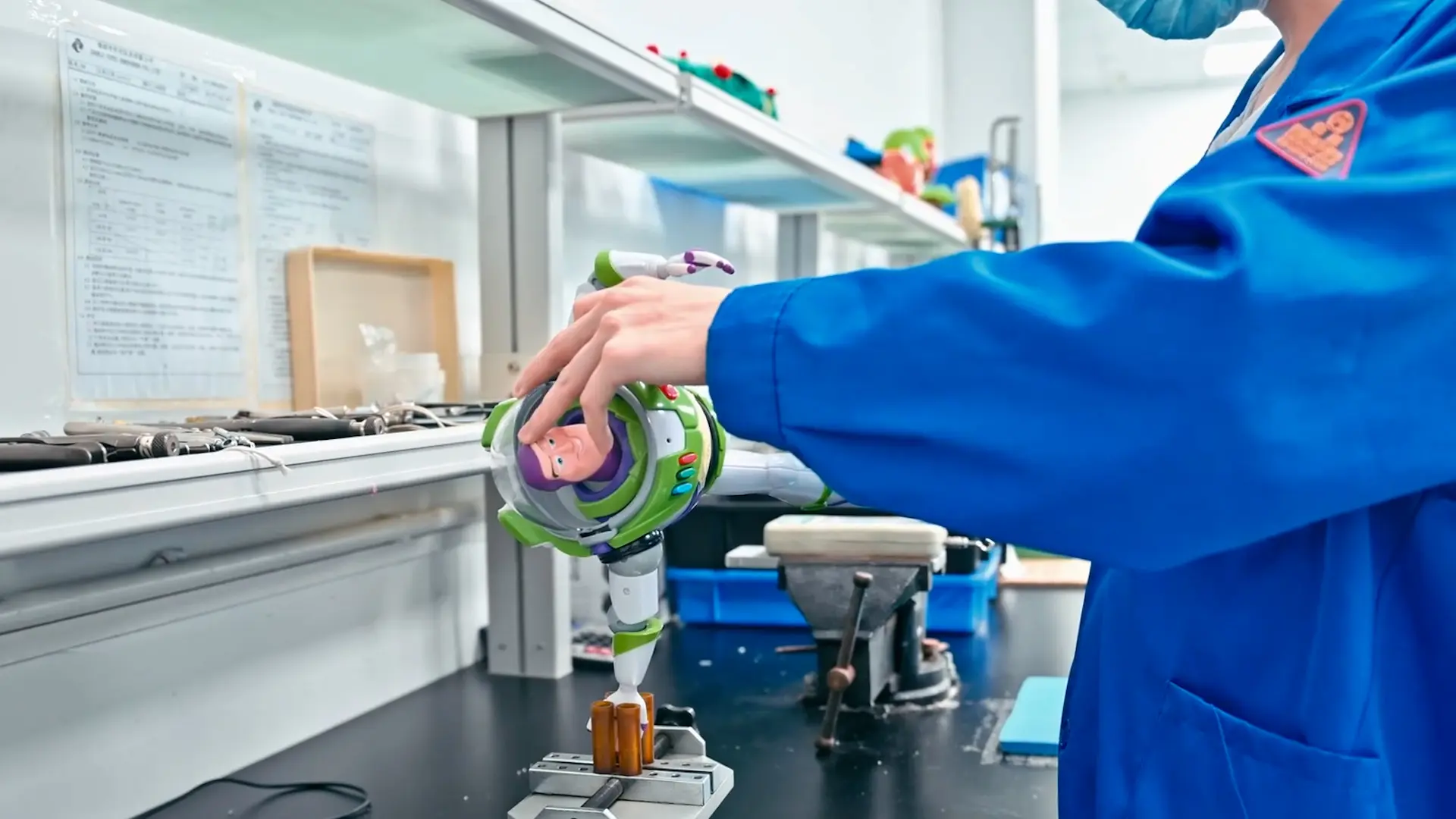
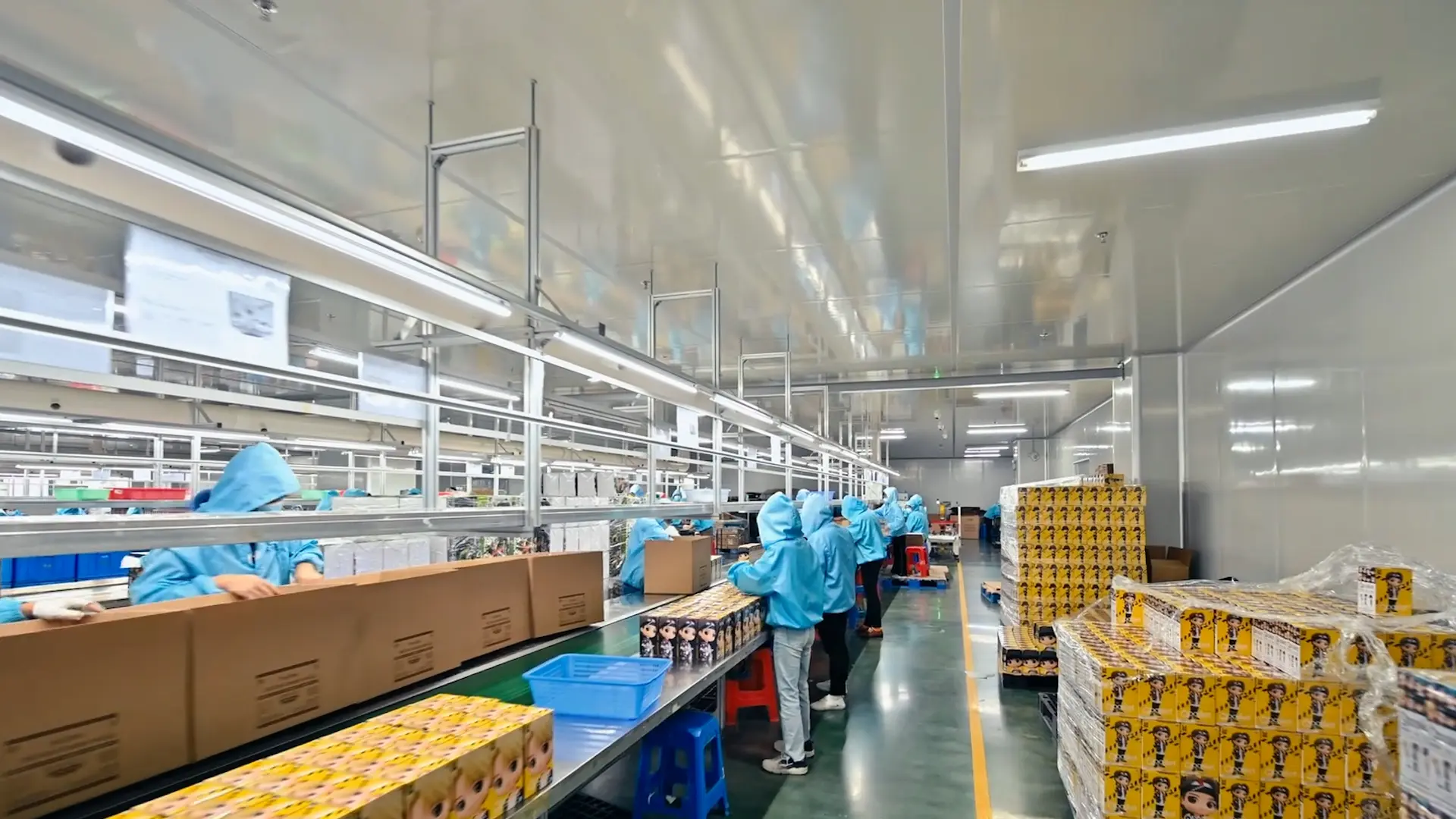
Before a figure goes into its color box, it goes through what we call “Physical Hell.” To ensure your product survives the journey to the customer, we perform:
- Drop Tests: Dropping the boxed product from 1.5 meters onto a hard surface to simulate rough courier handling.
- Salt Spray Tests: Simulating the 40-day journey in a humid sea container to ensure the paint doesn’t peel or fade.
- Pull Tests: Ensuring small parts are securely attached to meet international safety standards for children.
The Bottom Line
Manufacturing at scale is really about risk management. You need a partner who anticipates problems so you don’t have to deal with them at 3 AM.
If you have a project that’s ready to move from the drawing board to the global market, let’s have a real conversation about how to get it done right.