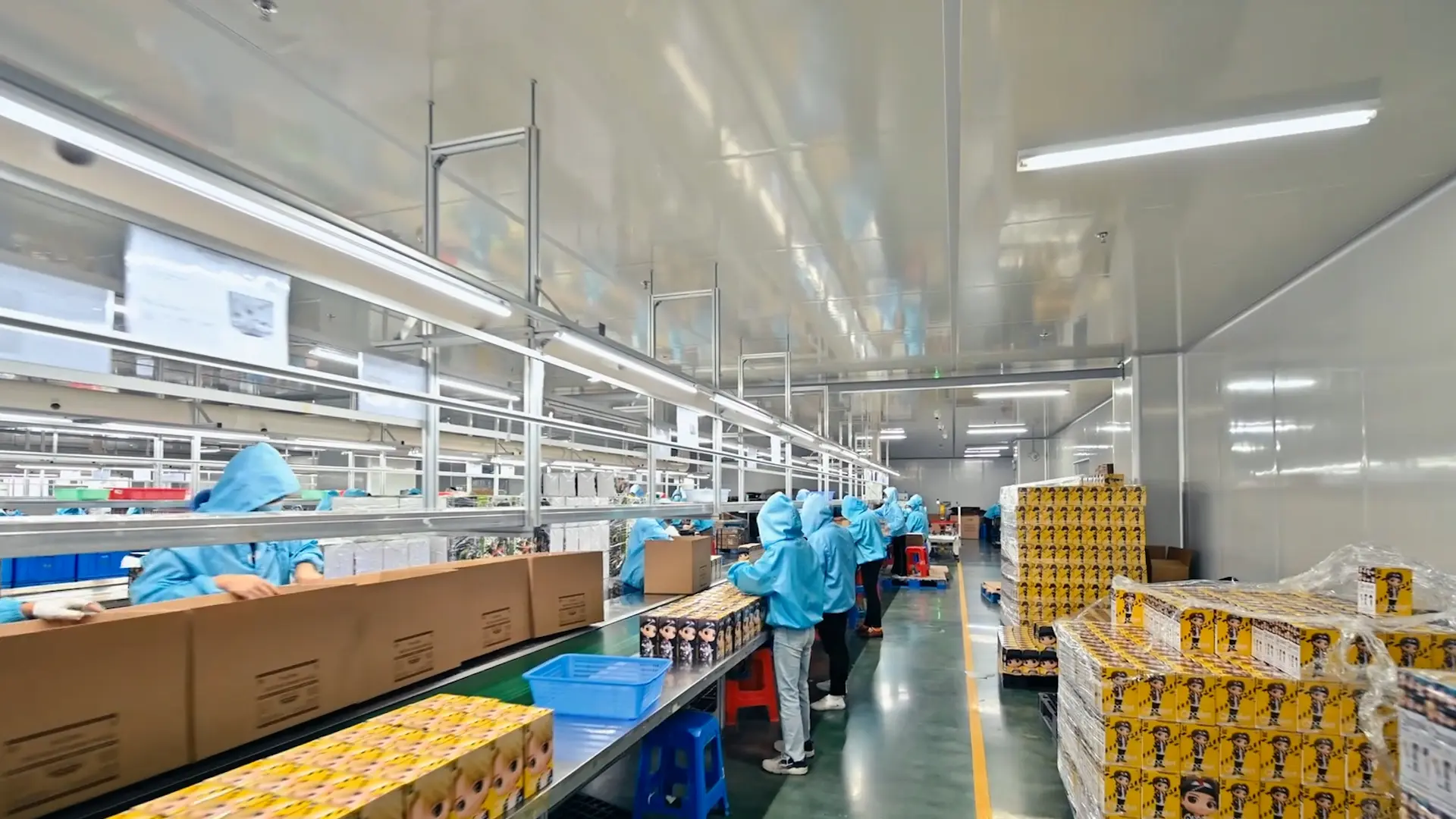

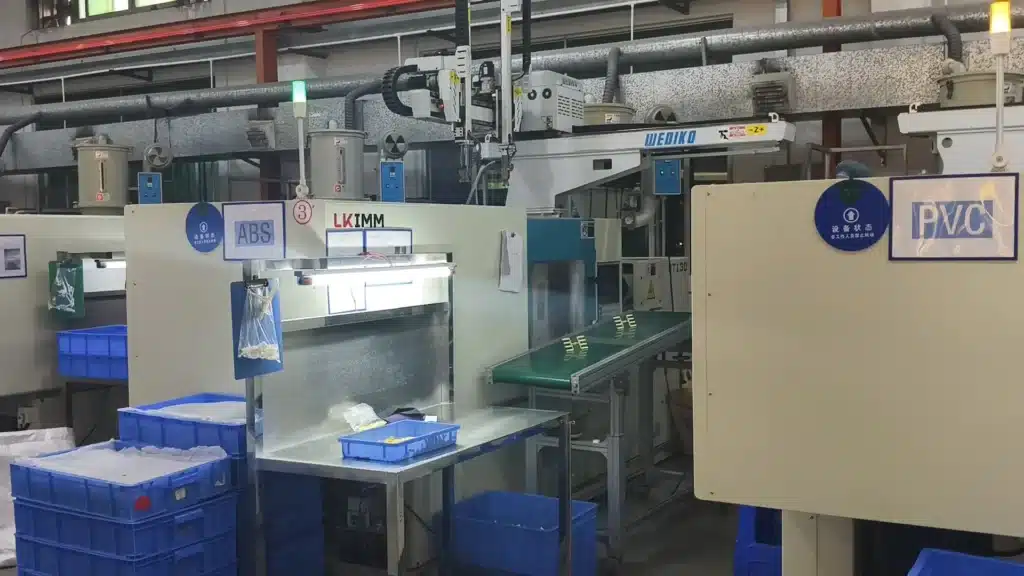
The more important questions become:
This is why injection molding is often the preferred manufacturing process for large-scale production of PVC and ABS toys, plastic models, and certain collectible products.
Injection molding, resin casting, and soft vinyl production are not simply different materials using different molds. Their molding methods, mold structures, level of manual work, and production efficiency are fundamentally different.
For mass production, the biggest advantages of injection molding are not simply that it is “cheap.” Its real strengths are stability, repeatability, and production efficiency.
INSIGHT What Does Large-Scale Production Really Require?
For a project requiring 5,000, 10,000, or more units, however, the better question is:
Large-scale production usually needs to solve three main problems:
| Mass Production Requirement | What the Manufacturing Process Needs |
|---|---|
| Large production volume | Fast and continuous production |
| Product consistency | Stable dimensions, structure, and appearance |
| Unit cost | Tooling investment can be spread across a large production quantity |
COMPARISON Why Are Injection Molding, Soft Vinyl, and Resin So Different?
Injection molding, soft vinyl, and resin can all be used to manufacture toys and collectibles, but the underlying production logic is very different.
The simplest way to understand the difference is:
Injection molding uses a steel mold and an injection molding machine to mechanically form the product. Soft vinyl uses an electroformed copper mold to form soft PVC. Resin production typically uses silicone molds to cast and cure liquid resin.
| Process | Common Materials | Main Mold | Molding Method | Manual Work | Suitability for Large-Scale |
|---|---|---|---|---|---|
| Injection Molding | PVC / ABS | Steel mold | Injection, filling, cooling, and molding | Lower | High |
| Soft Vinyl | Soft Vinyl / PVC | Electroformed copper mold | Heating, rotation, and molding | Higher | Moderate |
| Resin Casting | PU Resin and similar materials | Silicone mold | Casting, curing, and demolding | Higher | Lower |
ENGINEERING Why Is the Steel Mold the Core of Mass Injection Molding?
To understand why injection molding is suitable for large-scale production, it is important to understand the role of the steel mold.
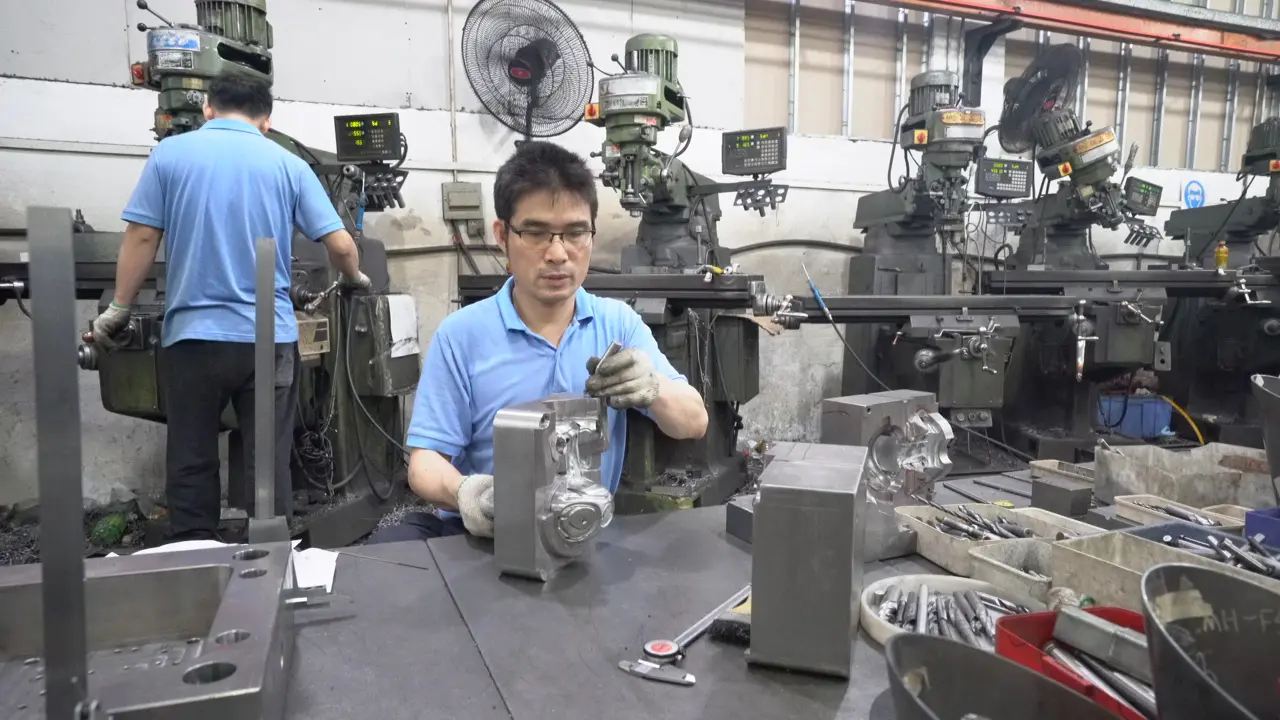
Injection molds are commonly manufactured from high-strength, wear-resistant mold steels. Through CNC machining, EDM, polishing, assembly, and mold trials, the mold is processed to create cavities that correspond to the required product geometry.
In simple terms:
The product structure is not created one piece at a time by a worker during production. It is established in advance through engineering design and mold manufacturing.
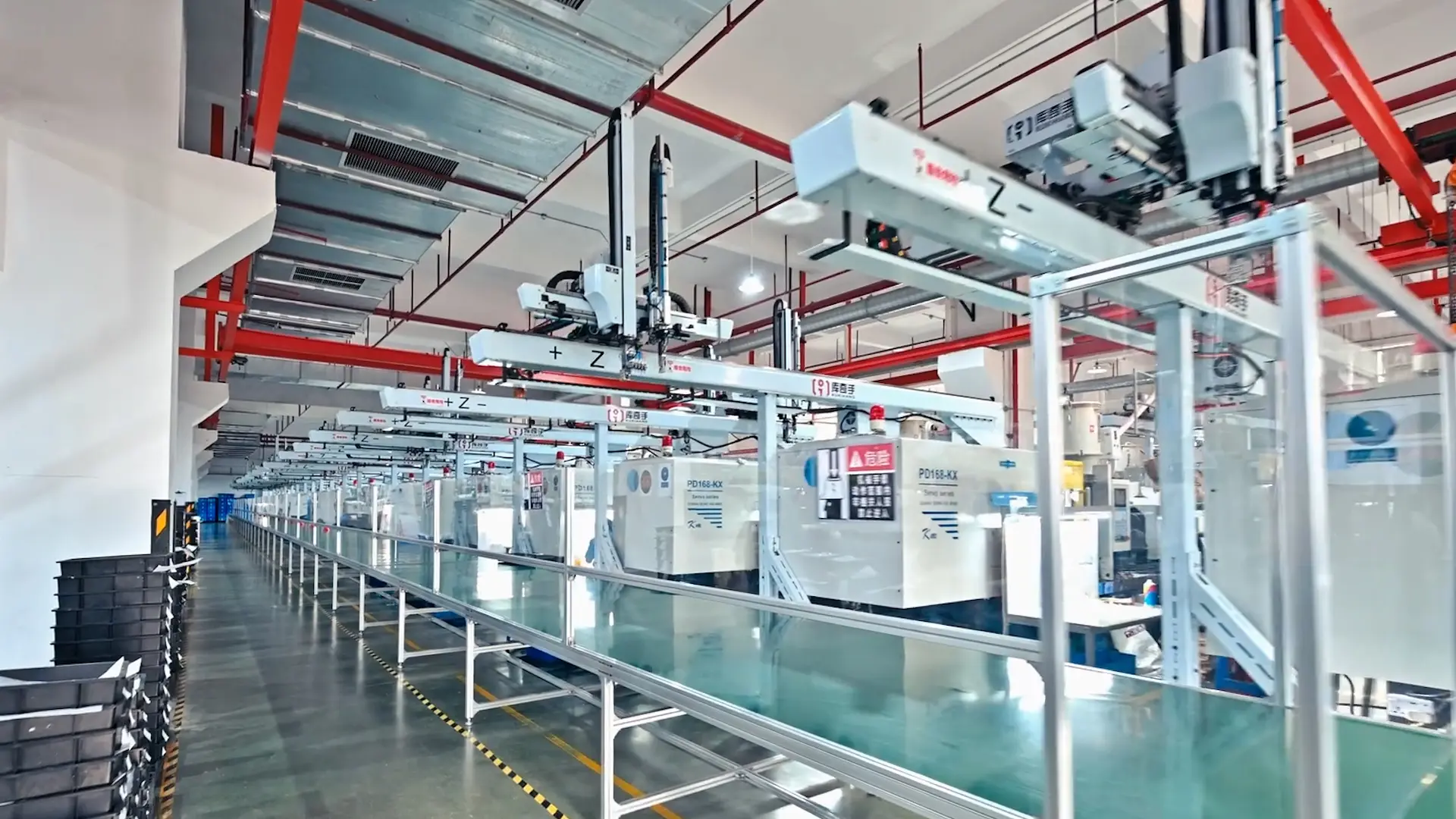
Once the mold is completed, the injection molding machine repeatedly operates according to defined production parameters.
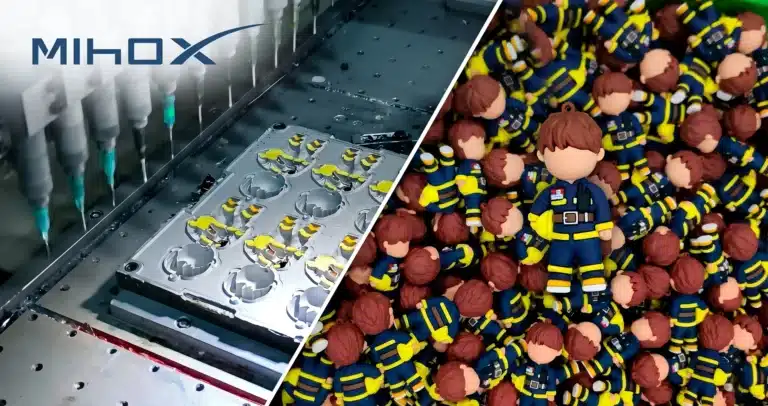
Plastic material is heated and plasticized inside the machine barrel. The screw then injects the material into the mold cavity. After filling, packing and cooling take place. Once the material reaches the required condition, the mold opens and the molded component is ejected.
The cycle then starts again.
This repeatable cycle is one of the main reasons injection molding can support large-scale production.
QUALITY Why Are Injection-Molded Parts More Consistent?
One of the biggest concerns in mass production is not whether one individual product can be made correctly, but whether thousands of products can maintain the same standard.
Injection molding has an important advantage because many factors affecting consistency can be controlled and standardized.
When the material, mold, and production parameters remain stable, the machine can repeat the same molding process continuously.
Therefore, a more accurate statement is not that injection molding produces products with “zero variation.”
Instead:
With proper mold engineering, material control, and injection molding parameters, injection molding can achieve a high level of production consistency. This becomes especially important when producing thousands or tens of thousands of units.
ANALYSIS Why Is Soft Vinyl Suitable for Designer Toys but Not Always Ideal for Very Large Production Runs?
Soft vinyl is a mature manufacturing process and is widely used for soft, hollow toys and certain designer toy products.
The process commonly uses an electroformed copper mold. Liquid PVC is introduced into the mold and formed through heating and rotation.
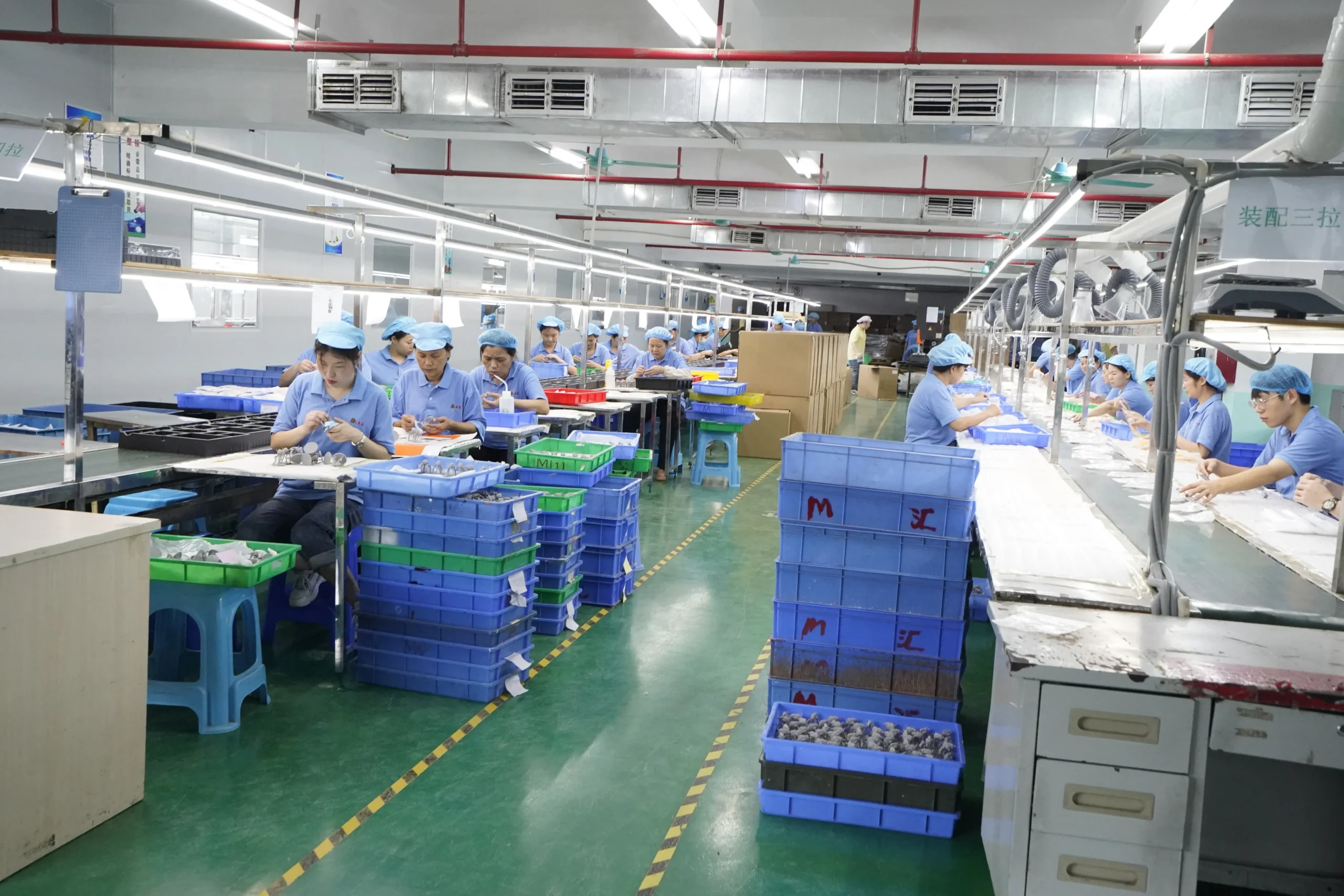
However, one major difference from injection molding is that more manual work is typically involved after molding.
During demolding, the soft PVC component needs to be removed from the mold. Because the material is soft and the part may still require handling after forming, manual operations can have a greater influence on production efficiency and part condition.
For hundreds or several thousand units, this production method can work effectively. But when production reaches 10,000 units or more, every manual operation is multiplied by the total production quantity.
Therefore, the issue is not that soft vinyl has poor quality. The important point is that its production mechanism is different from the highly repetitive mechanical process used for hard plastic injection molding.
ANALYSIS Why Is Resin Suitable for High-End Statues but Not Unlimited Production Scaling?
Resin is another manufacturing process with a completely different production structure.
Many resin statues use silicone molds. After the original prototype is completed, a silicone mold is created from the master. Liquid resin is then poured into the mold and allowed to cure.
Resin is well suited for complex sculptures, prototypes, and relatively small production runs where high detail and manual finishing are important.
However, the same production characteristics can make large-scale production more labor-intensive. Silicone molds gradually experience wear, deformation, or reduced dimensional stability as they are used repeatedly. Actual mold life depends on factors such as silicone type, product geometry, demolding method, and production conditions.
Therefore:
Resin can absolutely be used for batch production, but it is not designed to scale production indefinitely with the same efficiency as injection molding.
For several hundred high-detail statues, resin may be an appropriate choice. For tens of thousands of PVC or ABS plastic products, injection molding is generally more suitable for large-scale manufacturing.
THE CORE Why Does Lower Manual Labor Matter More in Mass Production?
This is an important point that customers new to manufacturing often overlook.
Imagine that one production step requires an additional 10 seconds of manual work for every product.
Ten seconds may seem insignificant when looking at a single unit.
But for 10,000 units:
10,000 × 10 seconds = 100,000 seconds
That is more than 27 hours of labor for just one additional 10-second operation.
If a product has several manual production steps, the difference becomes even larger.
Therefore, large-scale production is not simply about asking: “Can this process manufacture the product?”
A more important question is:
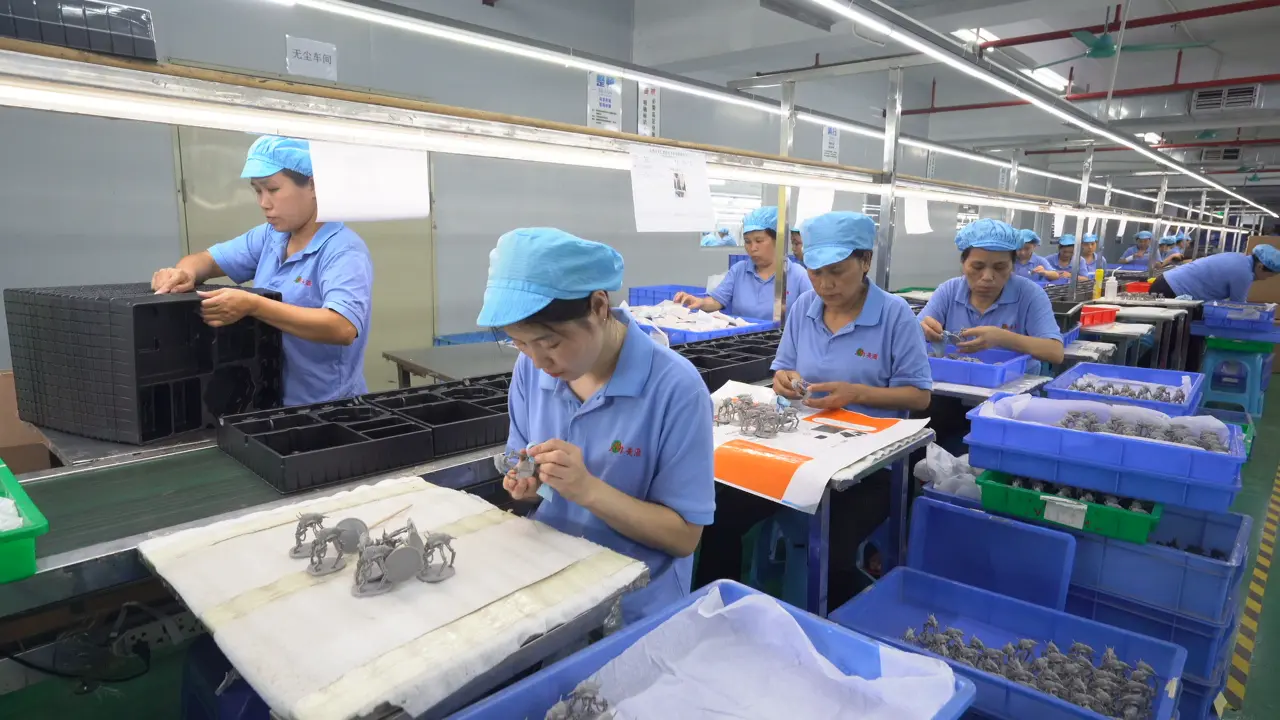
One of the key advantages of injection molding is that the core molding process is performed by the machine, reducing the amount of unit-by-unit manual work required during product formation.
Capacity How Many Toys Can an Injection Molding Machine Produce Per Day?
A common question from customers is: “How many toys can an injection molding machine produce per day?” There is no single fixed answer.
Actual production output depends on several factors, including:
- The number of cavities in the mold
- Product size and weight
- Material type
- Injection time
- Cooling time
- Total molding cycle
- Machine operating hours
- Level of automation
For example, if a mold produces four identical components per cycle and the complete cycle takes 60 seconds, the theoretical output can be calculated based on the cycle time.
Therefore, injection molding output should not simply be judged by the number of machines. The more meaningful factors are:
For large production projects, engineers normally consider cavity count, product structure, and molding cycle during the tooling and engineering stages to determine an appropriate production solution.
Quality Is Injection Molding Only for Ordinary Plastic Toys?
This is another common misconception.
The final product quality is influenced by much more than the molding process itself, including:
- 3D model engineering
- Part breakdown and engineering design
- Wall thickness & Draft angles
- Parting lines
- Mold machining accuracy
- Material properties
- Injection molding parameters
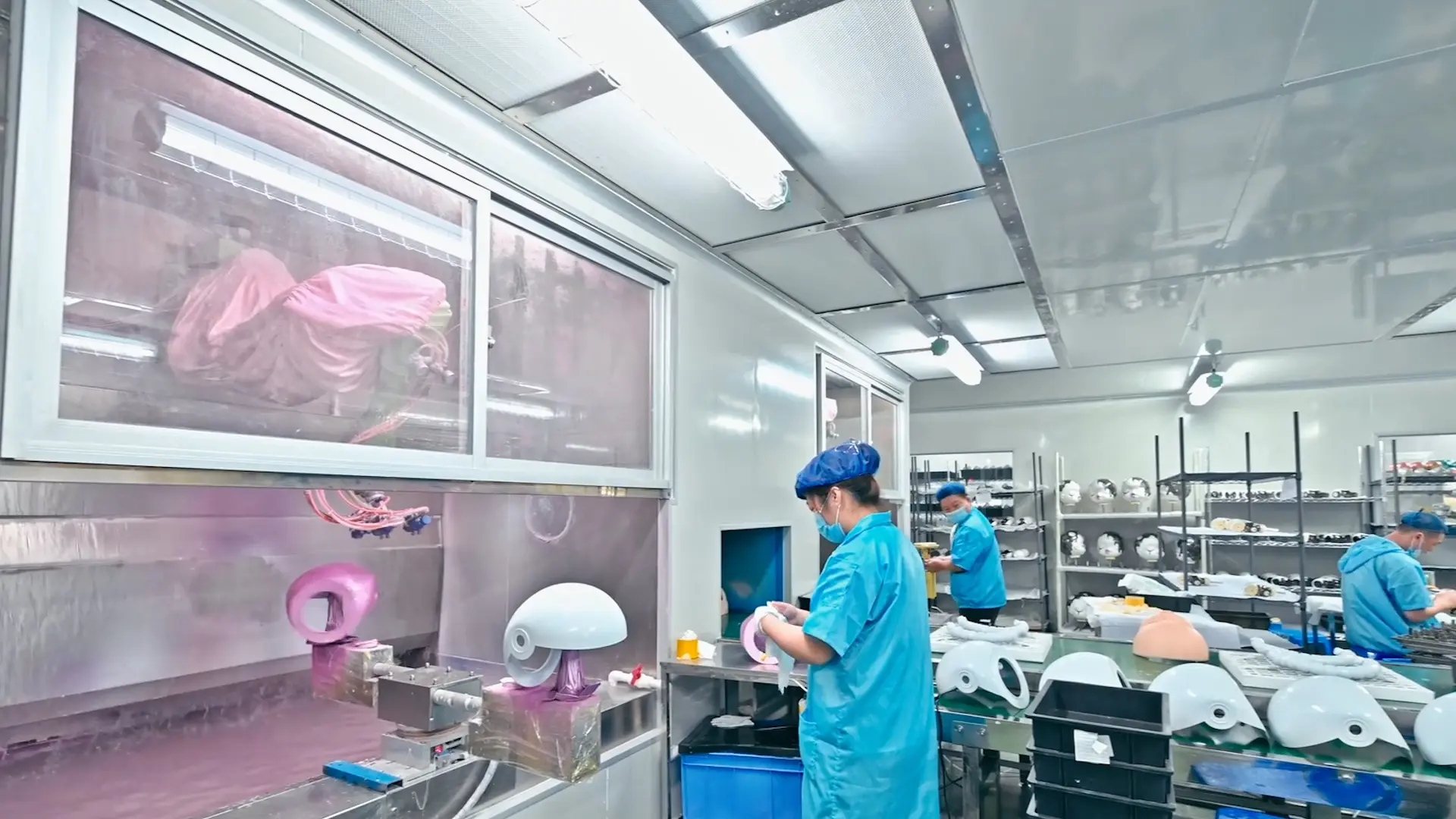
- Painting and assembly processes
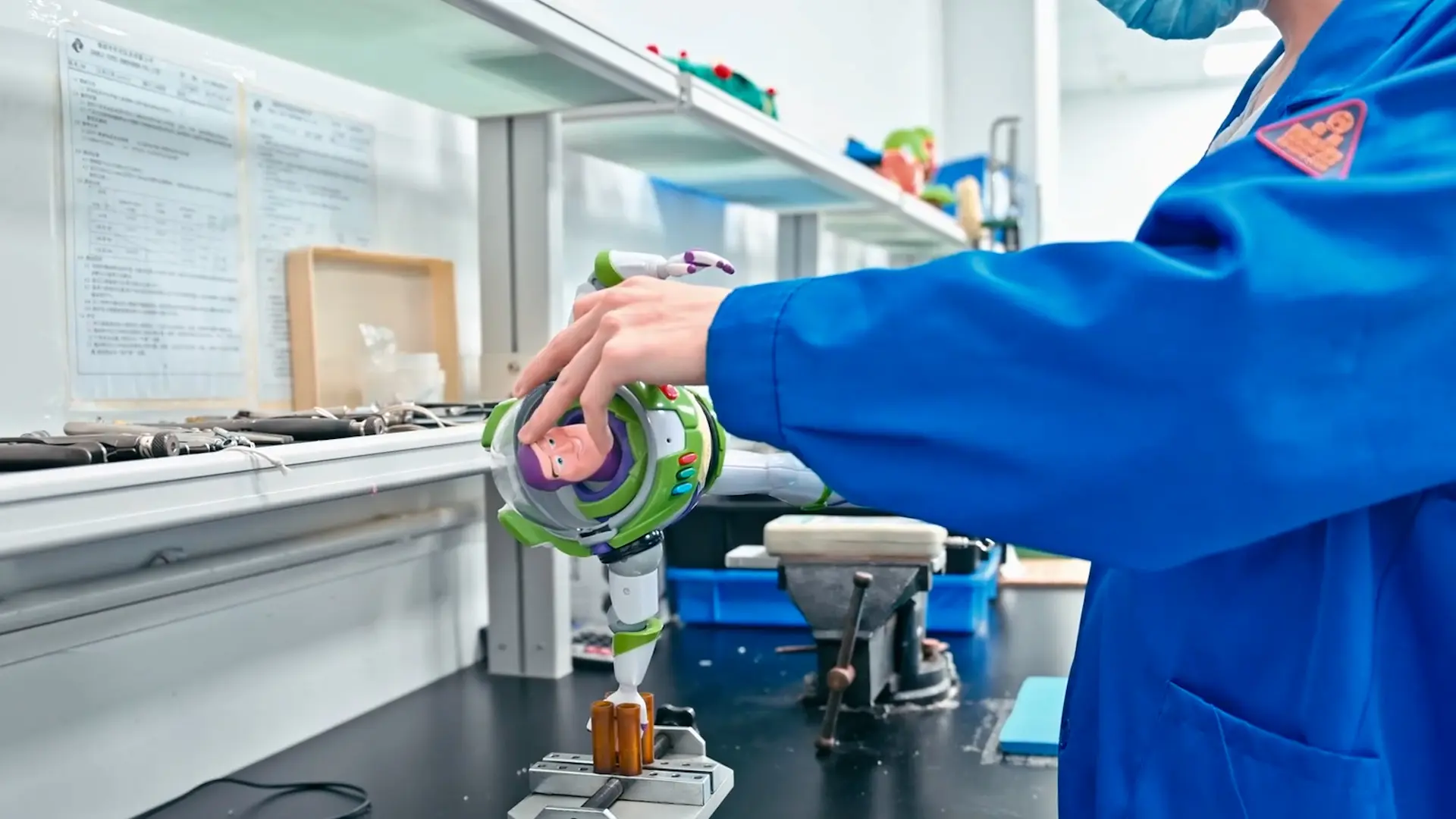
Therefore, whether a complex figurine can be injection molded does not depend simply on whether the design looks complicated. The more important question is: Can the complex design be engineered into a moldable structure that can be produced consistently?
Engineering Why Can Modern Injection Molding Produce Complex Figurine Structures?
A 3D model supplied by a designer is not automatically a production-ready injection molding model. Additional engineering work is normally required before tooling begins.
The basic process can be understood as:
For example, the hair, arms, weapons, clothing, body, and other components of a character figure may need to be divided into different parts according to the mold structure. Structures that cannot be directly demolded may require changes to the parting line or engineering design. Very thin sections may need to be reinforced or adjusted. Deep cavities, undercuts, and complicated connections also need to be considered during engineering.
Therefore, for complex PVC and ABS figurines:
The real question is not simply whether the design is complex, but whether the design can be engineered for mass production. This is where product engineering and mold engineering become critical.
Economics Why Does Injection Molding Become More Cost-Effective?
A common question from customers seeing the cost of injection tooling for the first time is: “If the steel mold is expensive, why should we choose injection molding?”
The answer is related to tooling cost allocation.
The steel mold is an upfront investment. If a project requires a significant tooling investment and only 500 units are produced, each product carries a relatively high share of the tooling cost. If production increases to 5,000, 10,000, or more units, the same mold can be used to manufacture a much larger quantity. The average tooling cost allocated to each product therefore decreases.
This means:
Injection molding is not necessarily the manufacturing process with the lowest upfront cost. Its economic advantage becomes more apparent when the production quantity is large enough to spread the tooling investment across many units.
This is one of the main reasons PVC and ABS injection molding is commonly considered for production quantities of several thousand units or more.
GUIDE How Should You Choose Between Injection Molding, Soft Vinyl, and Resin?
There is no single manufacturing process that is suitable for every product.
The right choice should consider quantity, material, product structure, appearance requirements, and budget together.
| Project Requirement | Process to Consider | Main Reason |
|---|---|---|
| Small-batch high-detail statues | Resin | Suitable for prototypes and smaller production runs |
| Soft, hollow designer toys | Soft Vinyl | Suitable for soft PVC and specific product styles |
| Several thousand hard plastic products | Injection Molding | Suitable for repeatable production |
| 5,000–10,000+ PVC/ABS units | Injection Molding | Easier to spread steel tooling costs |
| Complex hard plastic structures | PVC / ABS Injection | Engineering and part breakdown can support mass production |
| Long-term continuous production | Injection Molding | Suitable for standardized and mechanical production |
Reframing the Decision
If the project involves several hundred high-detail statues, resin may be more appropriate.
If the product requires a soft, hollow structure or a specific designer toy style, soft vinyl may be a better choice.
If the project requires thousands or tens of thousands of hard PVC or ABS plastic products, injection molding is generally worth considering first.
STRATEGY Why Does MIHOX Use Injection Molding as an Important Process for Large-Scale PVC/ABS Production?
MIHOX focuses on B2B custom manufacturing for brands, IP owners, design companies, distributors, and other commercial customers.
For large-scale PVC and ABS production, injection molding is an important manufacturing process within our production capabilities.
MIHOX operates injection molding equipment and combines steel mold manufacturing, CNC, EDM, product engineering, painting, assembly, and packaging to support mass-production projects.
For large-scale projects, we first need to determine:
These questions should be evaluated before tooling begins. A well-engineered injection mold is designed to allow the product to be repeatedly manufactured under controlled conditions throughout the production run.
TRUST Why Are Factory Audits and Quality Documents More Meaningful Than Simply Saying “High Quality”?
For B2B manufacturing, the statement “high quality” is not itself a measurable production standard.
Customers should instead consider questions such as: Does the factory have actual production capabilities? Has the facility undergone relevant third-party or brand audits? Can the factory provide appropriate quality and compliance documentation?
It is important to distinguish between factory audits, product testing, and brand authorization. A factory audit by a brand or third-party organization evaluates the manufacturing facility. It does not automatically mean that every product is authorized for sale through that brand’s retail channels; specific authorization must be confirmed separately for each project.
For B2B customers, verifiable factory information and relevant audit documentation provide more useful information than simply describing a manufacturer as a “high-quality factory.”
SUMMARY So, Why Is Injection Molding Usually Preferred for Mass Production?
The entire question can be summarized into five main points.
Injection molding uses steel molds that can be engineered and processed for repeated production.
Core molding is performed by equipment, reducing dependence on unit-by-unit manual work.
Once parameters are established, the same geometry can be repeatedly reproduced.
Each cycle produces one or multiple components, depending on cavity count and cycle time.
Upfront investment can be distributed across several thousand or tens of thousands of units.
Therefore, large-scale production does not usually choose injection molding because it is “more advanced” or because resin and soft vinyl cannot be used for production.
The real reason is that: When production volume becomes large, stability, repeatability, mechanical production, efficiency, and unit cost become more important than the molding method alone.
For brands, IP owners, distributors, and other commercial customers producing large quantities of PVC and ABS toys, plastic models, and certain collectible products, injection molding is therefore often the first process worth evaluating.
Frequently Asked Questions
Conclusion
Why is injection molding usually preferred for mass production?
Because when an order grows from hundreds of units to thousands or tens of thousands, the main manufacturing challenge changes from “Can we make it?” to “Can we reproduce it consistently?”
The steel mold defines the product structure. The injection molding machine repeatedly performs the molding cycle. Engineering makes complex designs suitable for production. Large production volumes allow the initial tooling investment to be distributed across more units.
That is the real reason injection molding is well suited to mass production:
It is not the only manufacturing process, but it is highly aligned with the core requirements of large-scale manufacturing: consistency, repeatability, efficiency, and cost control.
For brands, IP owners, and commercial customers developing large-volume PVC or ABS products, injection molding should be evaluated early in the product development process rather than after tooling has already begun.