

In the specialized world of high-end figure and collectible toy manufacturing, transparent parts (often referred to as “clear parts” or “effect parts”) are regarded as the “magicians” of visual design. Whether it is a flowing elemental effect, a crystalline water base, or a futuristic mecha canopy, transparent materials instantly elevate the perceived value of a product. However, for many B2B brand owners and developers, the initial quote for these components often brings a recurring question: “If it’s all just plastic, why is the price of transparent parts so much higher than solid-colored parts?”
As a premier figure manufacturing supplier, MIHOX provides this deep dive into the hidden complexities of transparent part production. We will analyze the “cost premium” from the perspectives of material science, mold engineering, production environment, and quality control.
1. The “Purity Trap” of Raw Materials: It’s More Than Just Clarity
In standard figure manufacturing, solid parts can often utilize recycled materials or standard industrial-grade ABS because pigments can effectively hide minor impurities, slight discolorations, or inconsistent molecular structures. Transparent parts, however, are “naked.”
1.1 The Necessity of Optical and Medical-Grade Resins
Transparent components in high-end figures (such as those produced by MIHOX) typically require Optical-grade or Medical-grade raw materials, such as high-transparency ABS, Polycarbonate (PC), PMMA (Acrylic), or specialized Clear Resins. The procurement cost for these virgin pellets is often 2 to 3 times higher than that of standard industrial ABS.
1.2 The Hidden Cost of Anti-Yellowing Properties
A common pain point for brands is seeing their clear parts turn yellow or cloudy after six months on a shelf. To prevent this, MIHOX integrates high-ratio Anti-UV additives during the material preparation phase. These additives are expensive but essential for maintaining the collectible’s longevity. If the raw material purity is even slightly compromised, the high heat during injection molding will trigger a chemical reaction at the molecular level, resulting in a faint, unsightly charred yellow tint.
2. Mold Engineering: The Extreme Challenge of SPI A1 Mirror Polishing
The mold is the “soul” of any figure, and transparent parts demand a level of precision that is near the physical limits of steel.
2.1 Specialized Steel Selection
While standard molds can use P20 or basic 718 steel, transparent part molds must utilize high-performance imported stainless steel with exceptional polishing properties, such as Swedish Uddeholm S136 or Japanese Daido NAK80. These steels, after specialized heat treatment, possess a dense molecular structure with virtually no impurities, allowing them to withstand the rigors of mirror polishing without developing “pinholes” or “orange peel” textures.
2.2 The Labor-Intensive Reality of Mirror Polishing
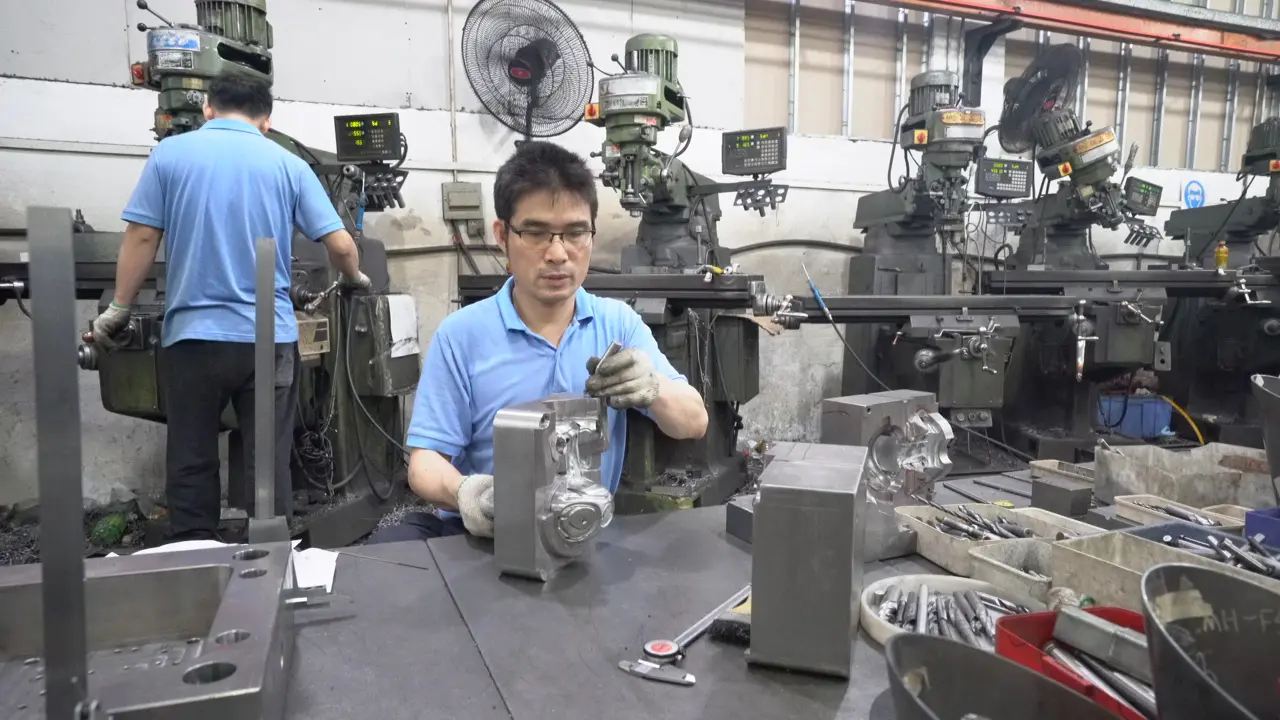
This is where craftsmanship meets engineering. To achieve a surface so smooth that light passes through without distortion (the SPI A1 Standard), mold technicians must perform manual polishing using diamond abrasive pastes of increasing fineness.
- Standard Molds: Machined and then basic-polished, taking approximately 10-20 hours.
- Transparent Mirror Molds: Require multiple stages of purely manual polishing, often exceeding 100+ hours.
Even a microscopic scratch on the mold surface will be magnified by light refraction on the final product. This immense labor cost is a primary driver of the higher mold fees and unit prices.
3. Production Environment: Why Transparent Parts are “Fragile” in Manufacturing
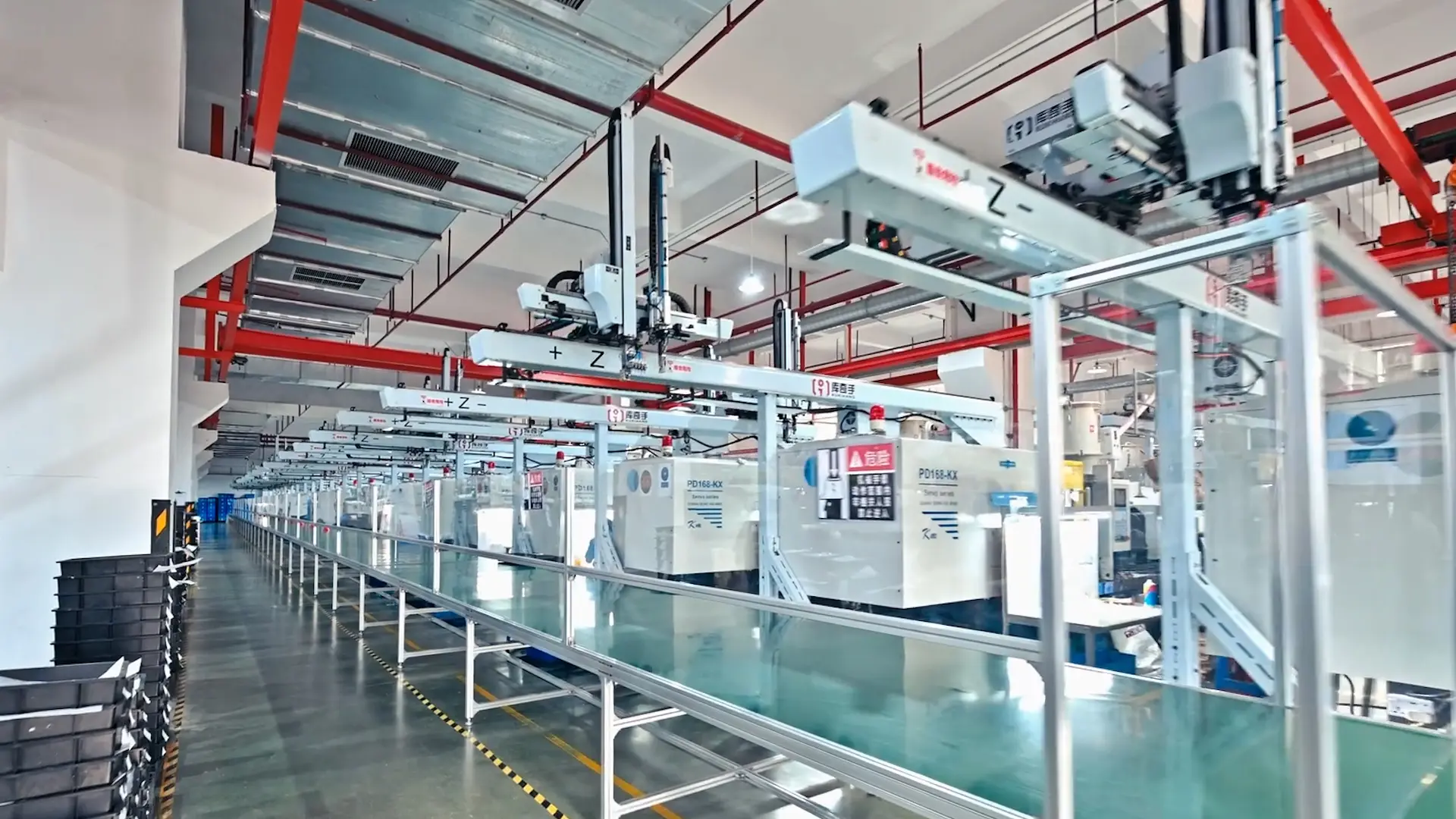
At MIHOX, we strictly isolate the production environment for transparent parts from standard colored parts to avoid cross-contamination.
3.1 The Zero-Tolerance Cleanroom Standard
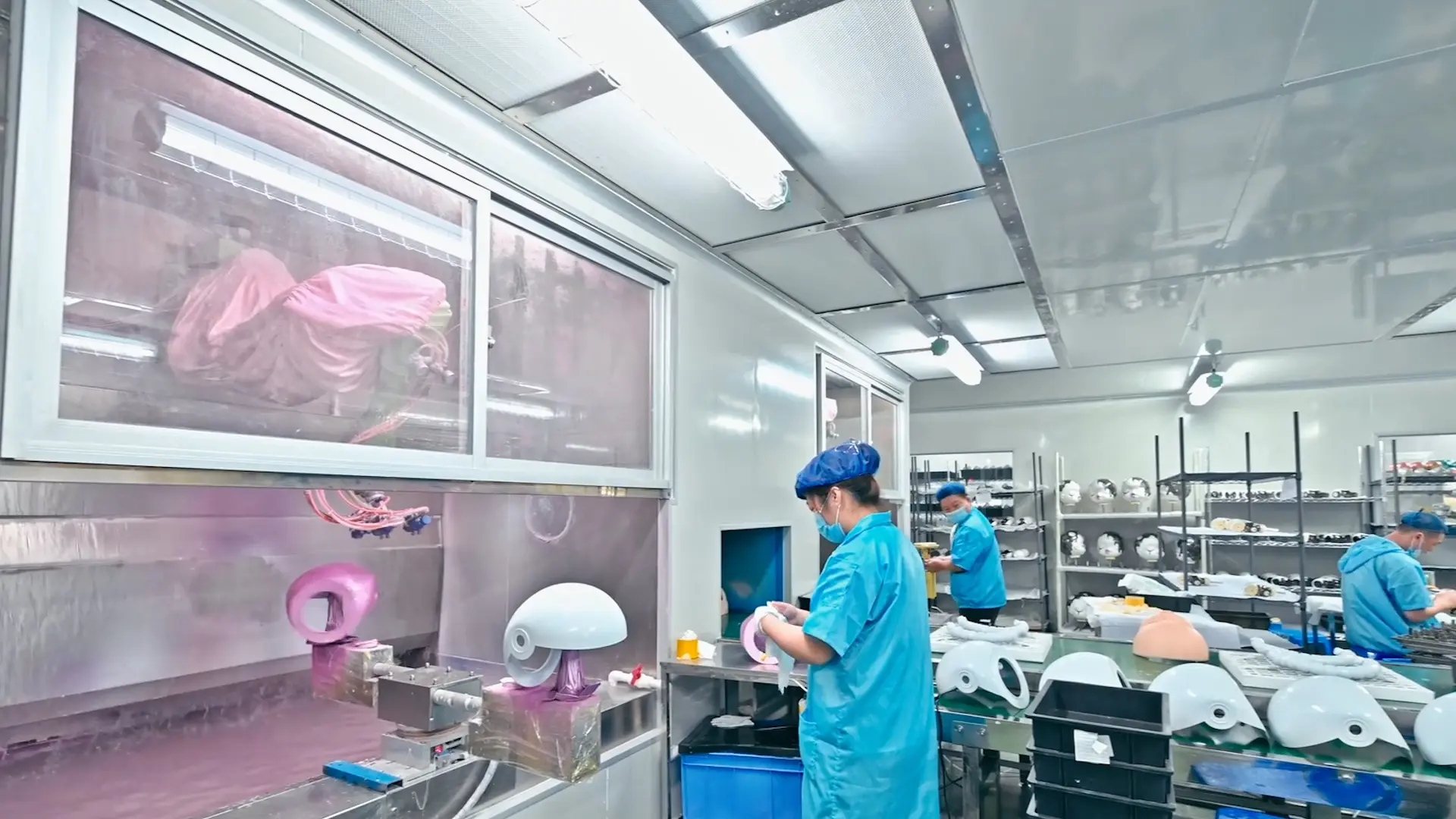
In transparent production, “a single speck of dust is a rejected product.” When transparent material is in its molten state at high temperatures, any micro-fiber or dust particle entering the barrel will be trapped inside the part, appearing as a permanent black speck. These defects cannot be covered by paint. Consequently, high-quality transparent parts must be produced in Class 100,000 cleanrooms with rigorous equipment cleaning protocols.
3.2 Precision Control of Injection Parameters
Transparent parts are highly susceptible to “internal stress” and physical defects. Engineers must perfectly balance:
- Bubbles: Air trapped during injection. This requires precise adjustment of backpressure and injection speed.
- Flow Lines: Ripples formed as molten plastic flows through the cavity.
- Sink Marks: Because transparent “effect parts” are often thicker than standard shells, uneven cooling leads to surface indentations.
To solve these issues, the Cycle Time (the time it takes to produce one part) for transparent pieces is typically 30% to 50% slower than standard parts to ensure stable, stress-free cooling.
4. The Yield Rate Reality: Data Analysis for B2B Clients
The yield rate is the single most significant factor in the unit price of transparent components.
| Metric | Standard Solid Parts | High-Transparency Custom Parts |
|---|---|---|
| Theoretical Yield Rate | 95% – 98% | 60% – 85% |
| Primary Rejection Causes | Dimensional variance, flash, surface dirt | Internal bubbles, clouding, silver streaks, black specks, scratches |
| Repairability | High (can be sanded and repainted) | Extremely Low (internal defects lead to immediate scrapping) |
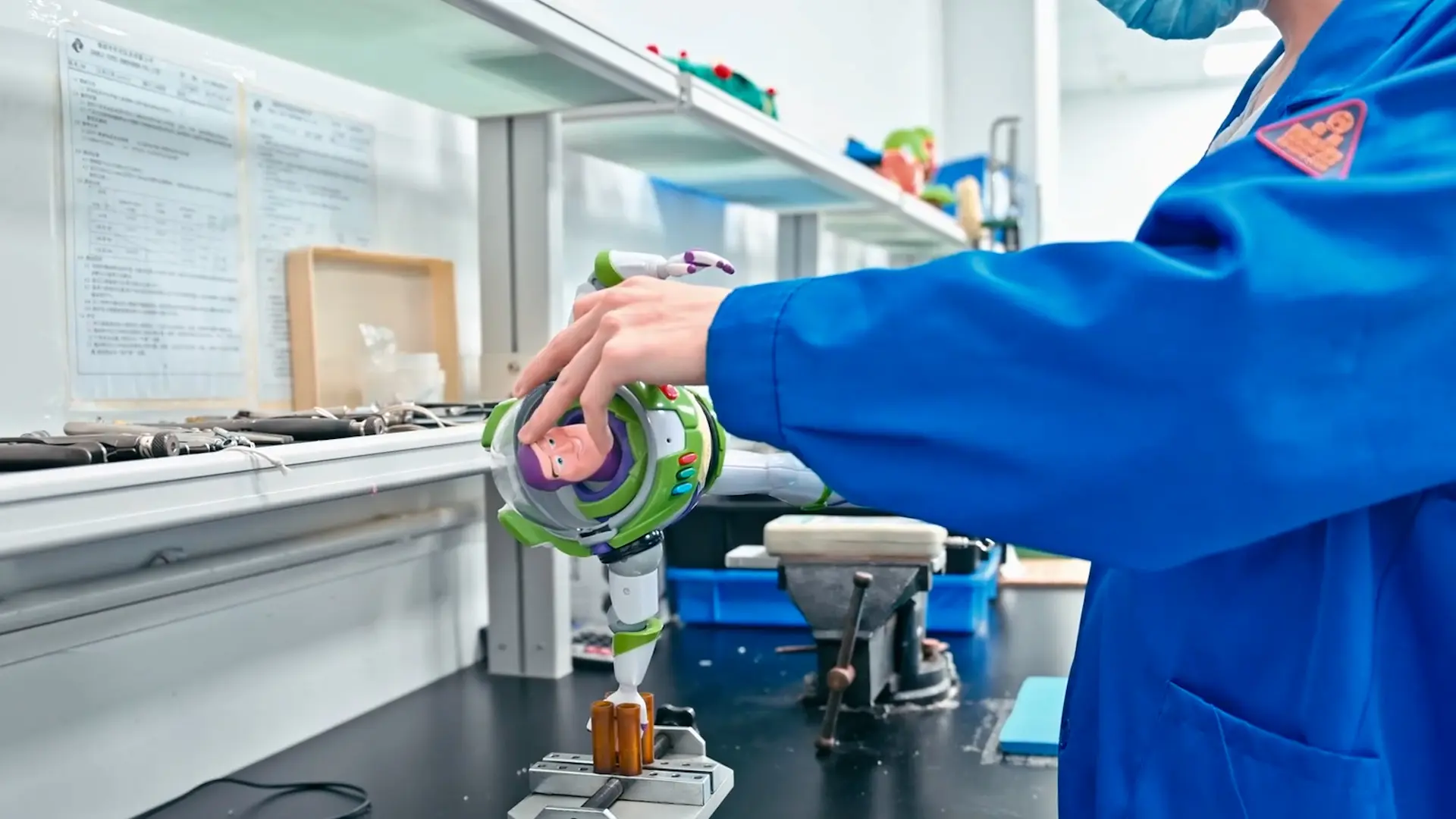
| Inspection Frequency | Batch sampling | 100% individual manual inspection |
In complex MIHOX projects involving large-scale transparent effect parts, the scrap rate can reach 40%. This means that to deliver 1,000 perfect units, the factory may need to produce 1,500 units. The cost of the discarded 500 units must be factored into the final unit price.
5. Post-Processing: Manual Finishing and Specialized Coatings
The work does not end when the part leaves the mold. For transparent components, post-processing is where the final “crystal” quality is truly realized.
5.1 Gate Removal and Secondary Polishing
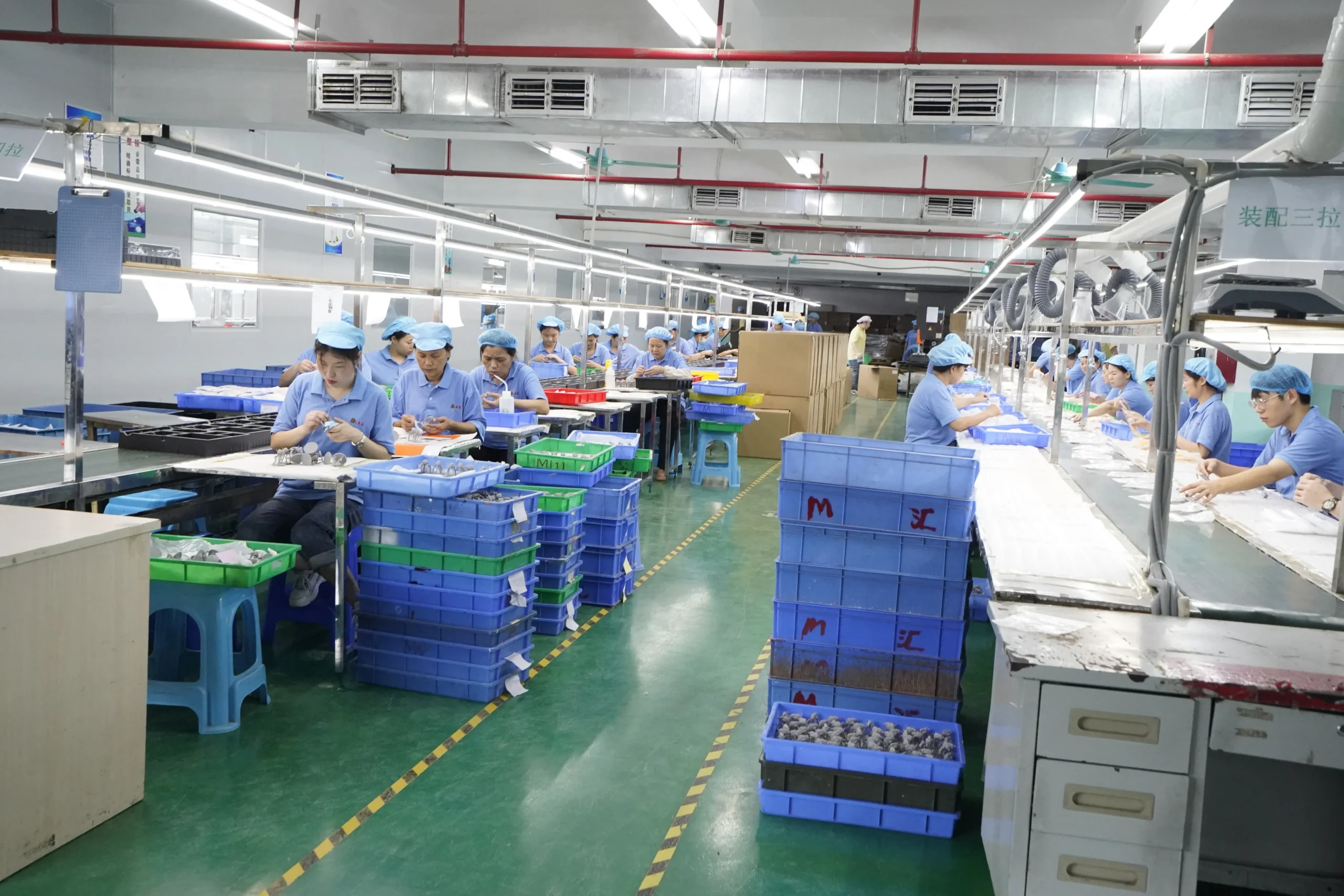
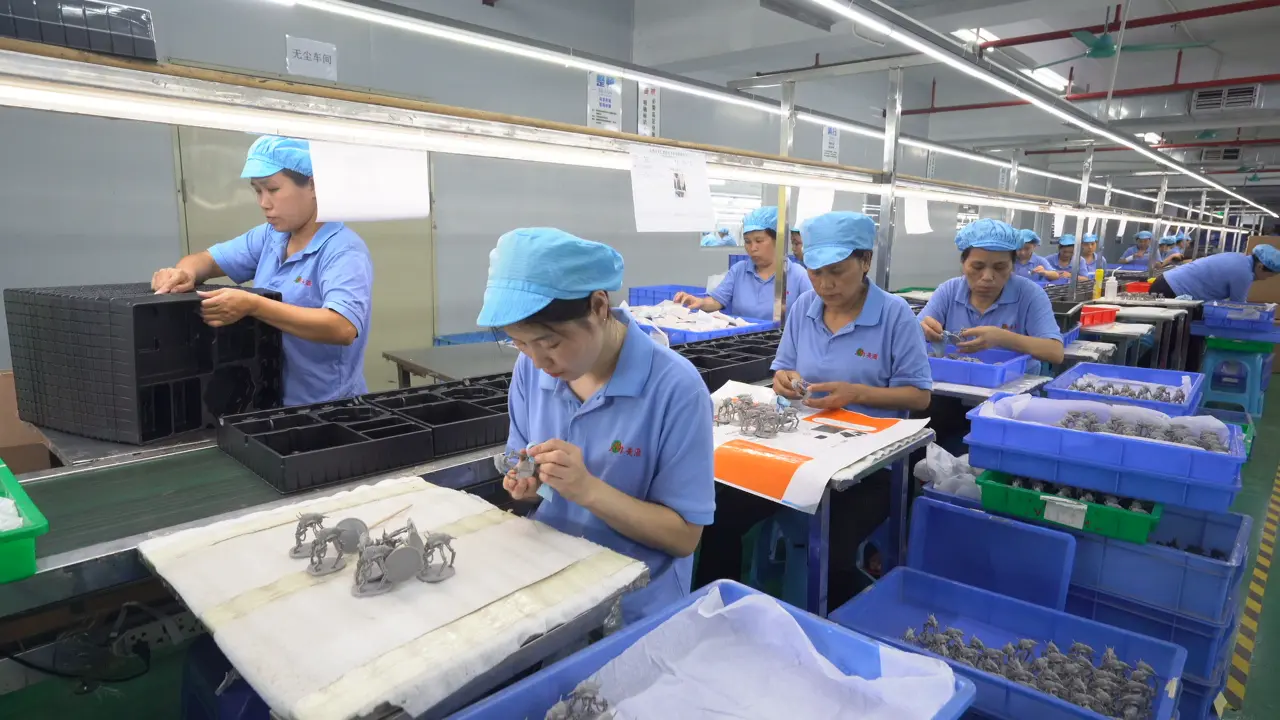
On standard parts, the “gate” (the point where plastic enters the mold) can be trimmed and hidden under paint. On a transparent part, the gate location must be meticulously hand-polished and treated with polishing compounds to remove the “white stress mark,” ensuring a seamless crystalline look.
5.2 UV High-Gloss Coating
To give transparent parts a “glass-like” depth, we often add a specialized UV Clear Coat. This not only increases material costs but also requires a secondary cleanroom spraying process, adding another layer of complexity and cost.
6. Professional Advice: How to Optimize Costs for Transparent Parts?
As your manufacturing partner, MIHOX aims to optimize your budget without compromising quality. Here is how we recommend approaching your design:
Wall Thickness Optimization
Maintain uniform wall thickness in your designs. Overly thick parts are prone to bubbles and sink marks. Strategic hollowing can significantly increase the yield rate.
Part Fragmentation Strategy
Breaking a large transparent piece into smaller sub-assemblies can reduce the risk of mold failure and improve assembly precision.
Material Matching
Not every part requires expensive PC. For certain static display figures, modified Transparent ABS can offer the same visual effect while reducing material costs by approximately 20%.
7. FAQ: 5 Common Questions Regarding Transparent Part Customization
Answer: This is usually related to the mold’s venting design. During continuous mass production, gases generated by the material can accumulate on the mold surface, creating a “fog.” MIHOX uses professional flow simulation analysis to design precision venting slots, ensuring mass production matches the sample quality.
Answer: Yes. Transparent gradients are achieved through “manual airbrushing” using transparent inks. This requires high-level color control from the technician. Because it adds manual labor and secondary baking time, the cost is higher than a single-tone transparent part.
Answer: Three main reasons: the multi-week manual mirror polishing of the mold, the longer cooling cycles during injection molding, and the 100% manual QC inspection process under high-intensity lighting.
Answer: Minor surface abrasions can be repaired using specialized polishing pastes. However, deep scratches usually result in a rejected part. To prevent this, MIHOX adds protective films or custom pearl cotton packaging specifically for transparent components during shipping.
Answer: Yes. Sharp corners in transparent parts often lead to “stress marks” or “silver streaks” during injection. We recommend rounded transitions where possible. This improves structural integrity and enhances the way light refracts through the part.
Comparison of Production Standards
| Production Phase | Standard Part Standard | MIHOX Transparent Standard | Reason for Cost Difference |
|---|---|---|---|
| Steel Selection | P20, 718 | S136 (ESR Grade), NAK80 | Demand for hardness and polishability |
| Mold Precision | SPI C1 – B2 | SPI A0 – A1 (Ultra-Mirror) | 300% increase in manual polishing hours |
| Environment | Standard Workshop | Class 100,000 Cleanroom | Higher overhead and cleanliness maintenance |
| Production Cycle | Fast (30-45s) | Slow (60-120s) | Increased depreciation per unit due to lower speed |
| Secondary Processing | Paint coverage | 100% Hand Polish + UV Coat | High reliance on skilled labor to fix visible flaws |