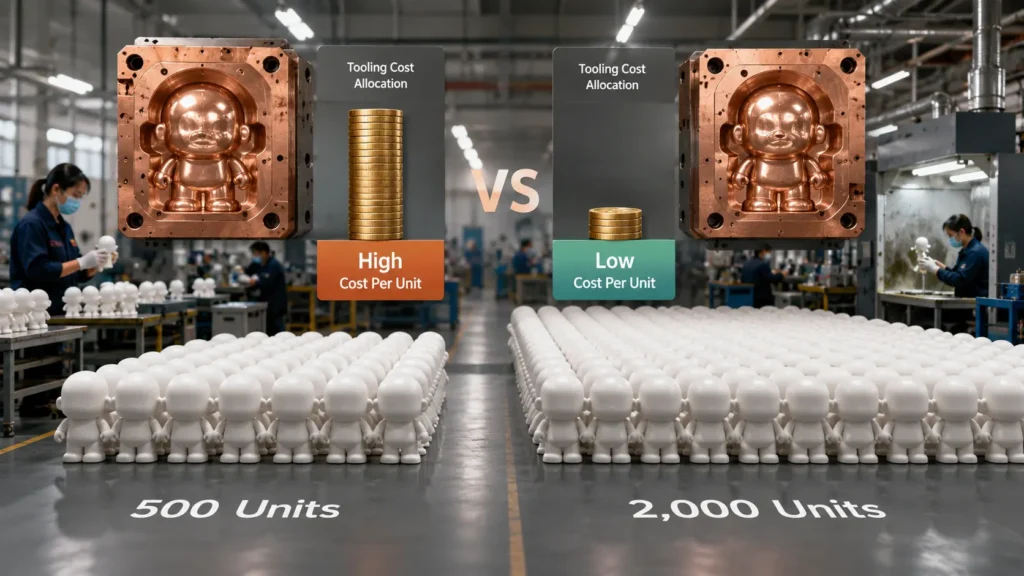
In the world of custom vinyl toy manufacturing—specifically the Rotocast Vinyl (Sofubi) sector—the dialogue between brand owners and factories usually revolves around two pivotal numbers: Minimum Order Quantity (MOQ) and Unit Price.
As senior production engineers at MIHOX, we frequently encounter clients asking: “If your website says you support a 500-unit MOQ, why is the quote higher than expected?” or “Why does the price drop so dramatically once I hit the 2,000-unit mark?”
This article takes you behind the scenes of a professional vinyl production line to uncover the hidden logic of tooling amortization, material wastage, and the industrial “tipping point” that determines your project’s profitability.
I. Demystifying the Vinyl Tooling Fee
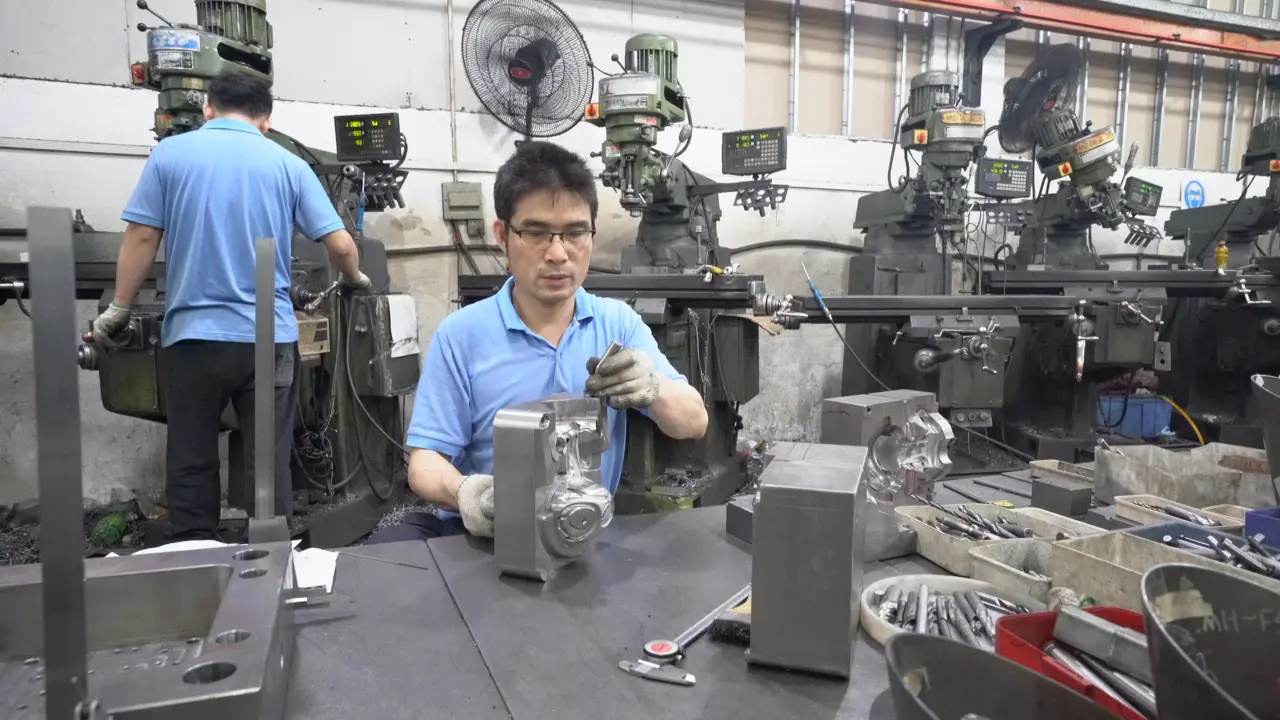
Many newcomers view the “tooling fee” as a mere service charge. In reality, in a professional factory setting like MIHOX, tooling is an intensive engineering process that is almost entirely irreversible.
1. The Physicality of the Mold
- 3D Engineering & Parting: Converting a design into a production-ready structure. Each part (head, limbs, torso) requires its own dedicated mold.
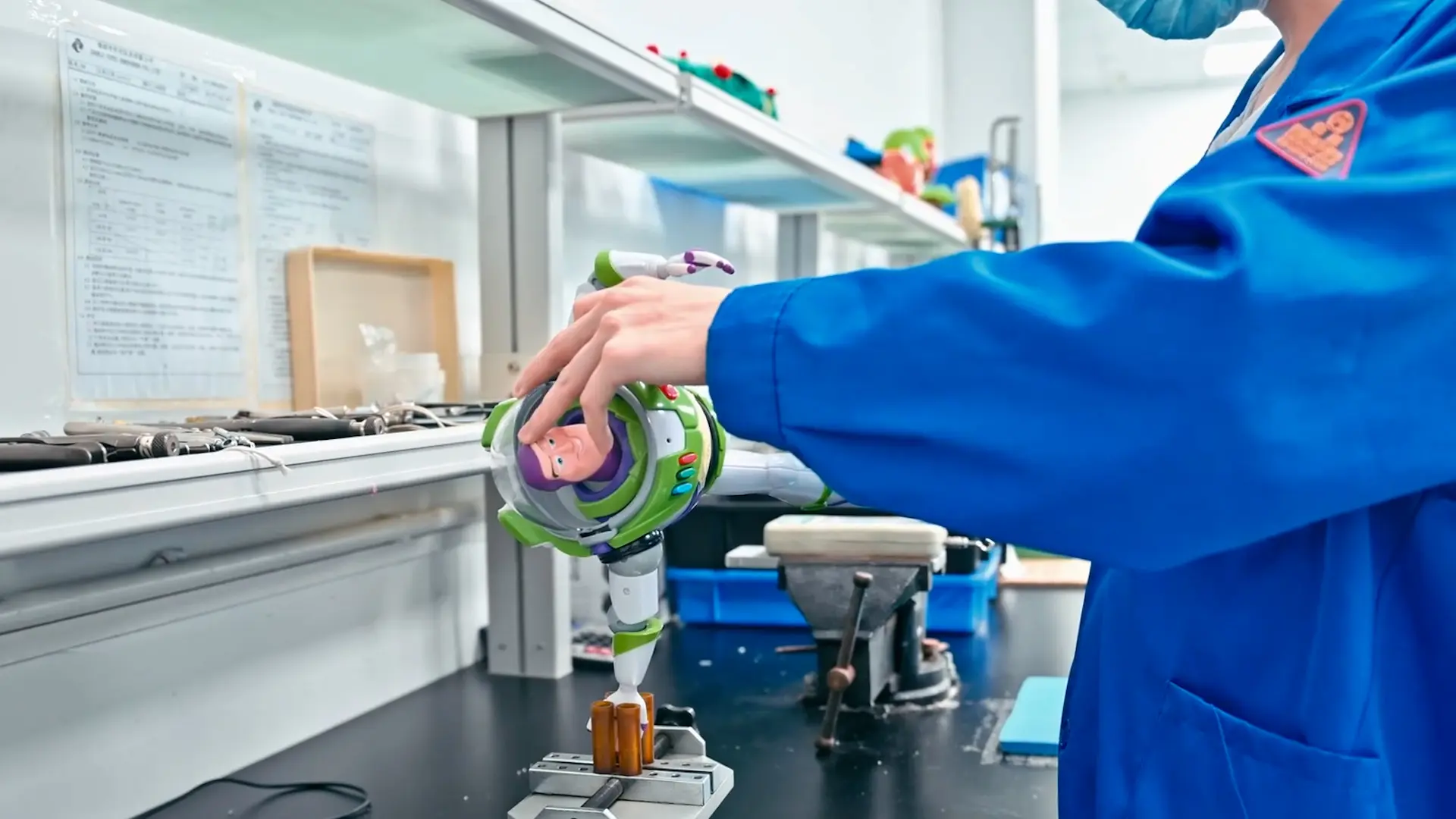
- Wax Samples & Master Molds: The essential step that defines the final product’s texture and detail.
- Production Molds (Copper Molds): High-quality copper molds created via electroforming to ensure consistency across thousands of units.
2. The Inelasticity of Tooling Costs
Whether you order 500 units or 50,000, the fixed investment in engineering and master mold creation remains identical. This is the core manufacturing formula:
Unit Price = (Fixed Tooling Fee ÷ Quantity) + Base Manufacturing Cost
At 500 units, a $3,000 tooling fee adds $6.00 to each toy. At 2,000 units, that burden drops to just $1.50.
II. 2,000 Units: The Industrial Equilibrium
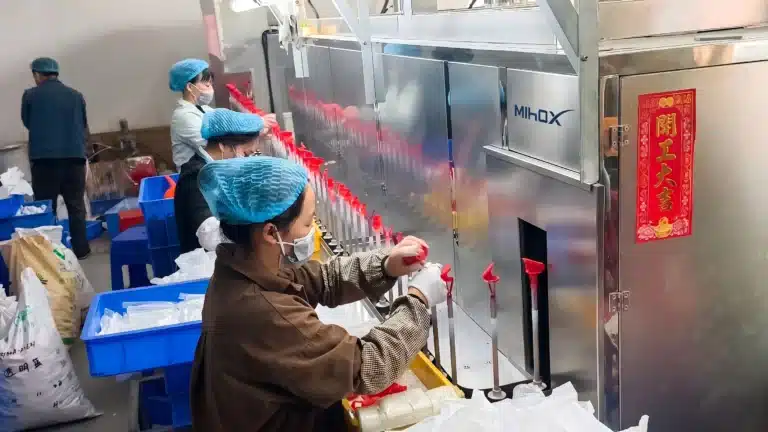
MIHOX recommends a 2,000-unit run because it is the “Industrial Tipping Point” where fixed overheads are minimized and production stability is maximized.
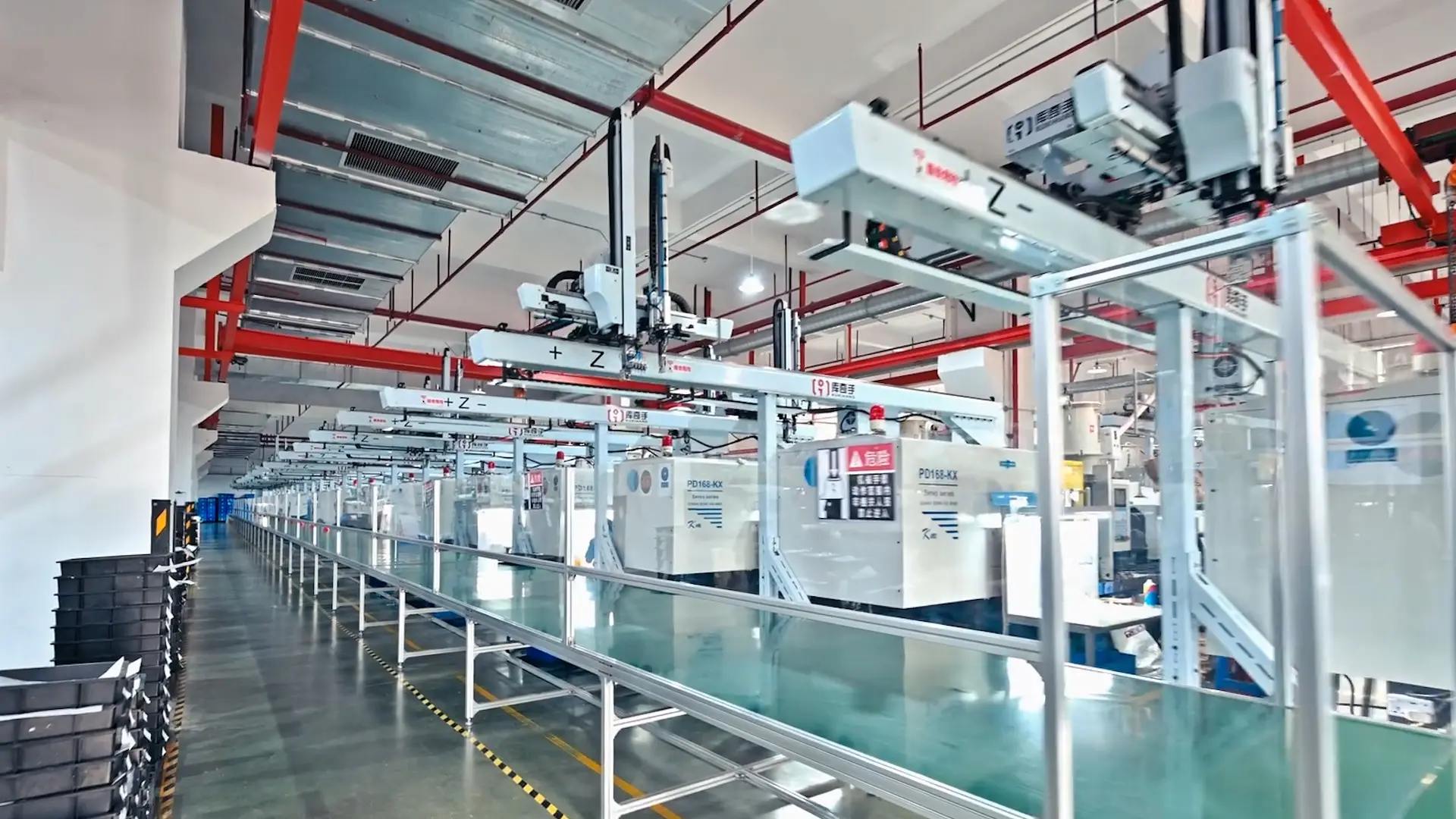
Machine Calibration & Setup
Every product launch requires a “Machine Setup” period. For a 500-unit order, the factory often spends more time setting up the machines and matching colors than actually producing the items. Efficiency truly begins from unit 501—known in the trade as the “First 500 Rule.”
III. Professional Factory vs. Small Workshops
- Global Safety Standards: MIHOX uses 100% Virgin, Phthalate-free PVC (SGS/EN71 compliant), protecting your brand from custom seizures or recalls.
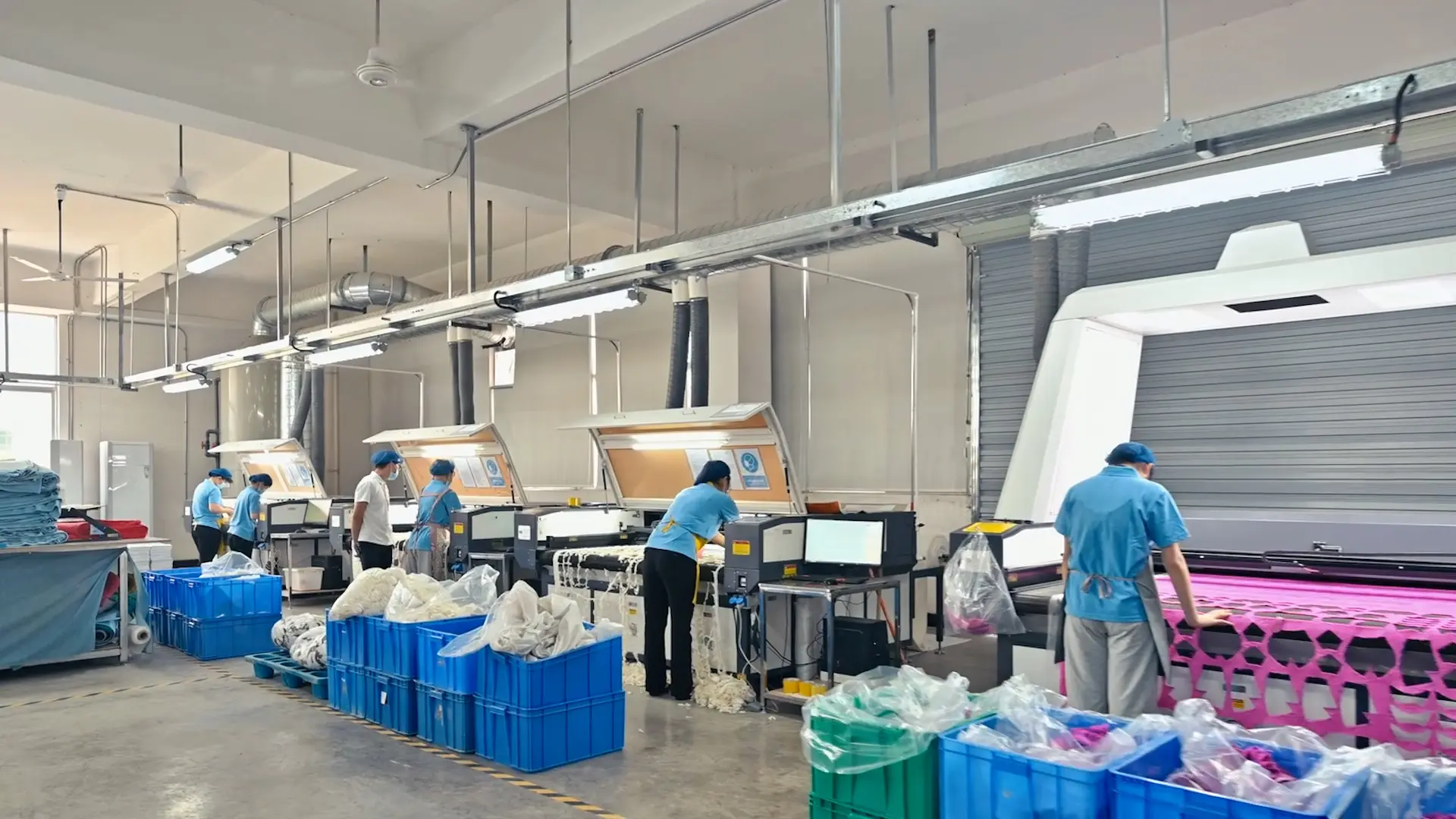
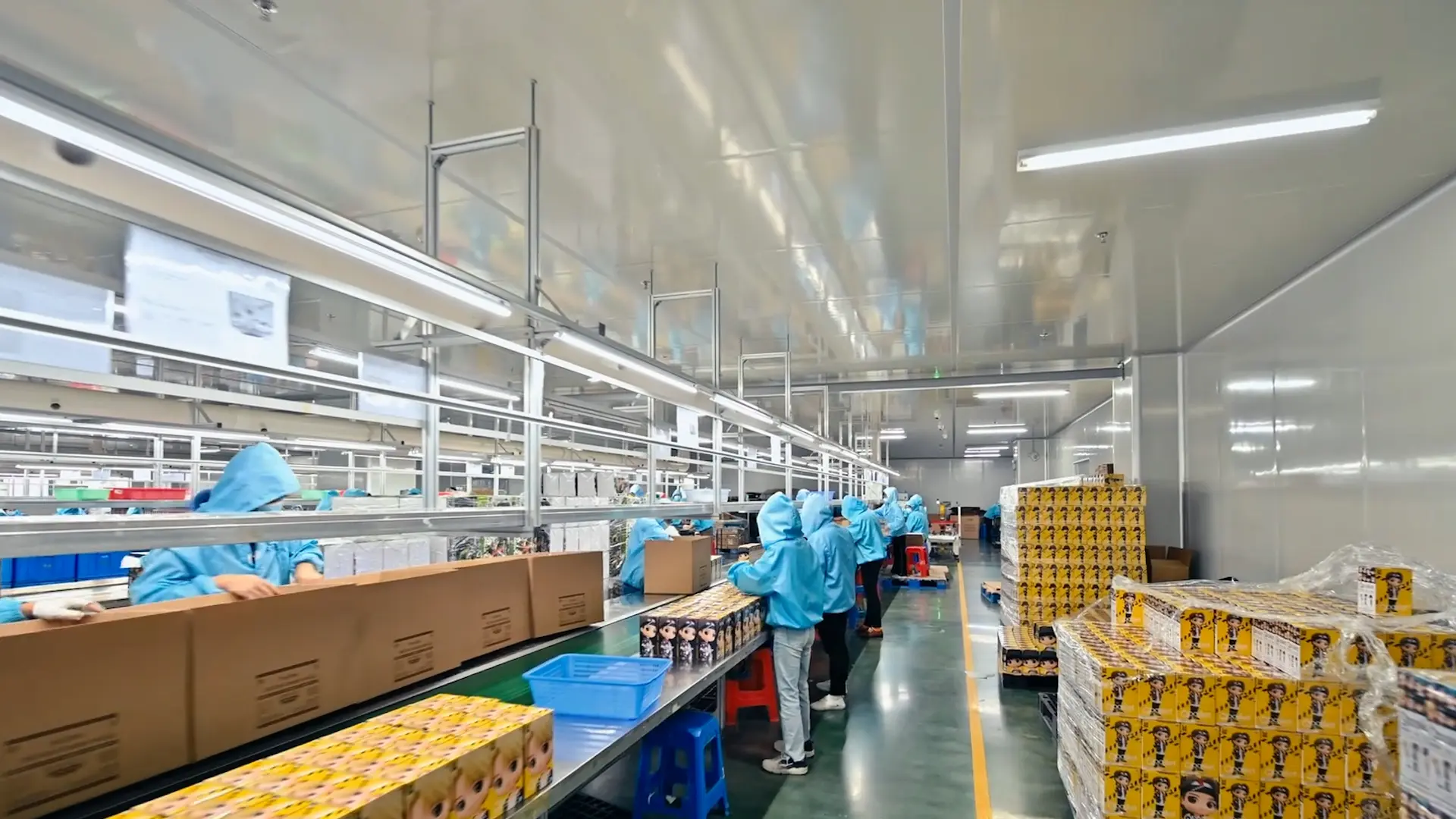
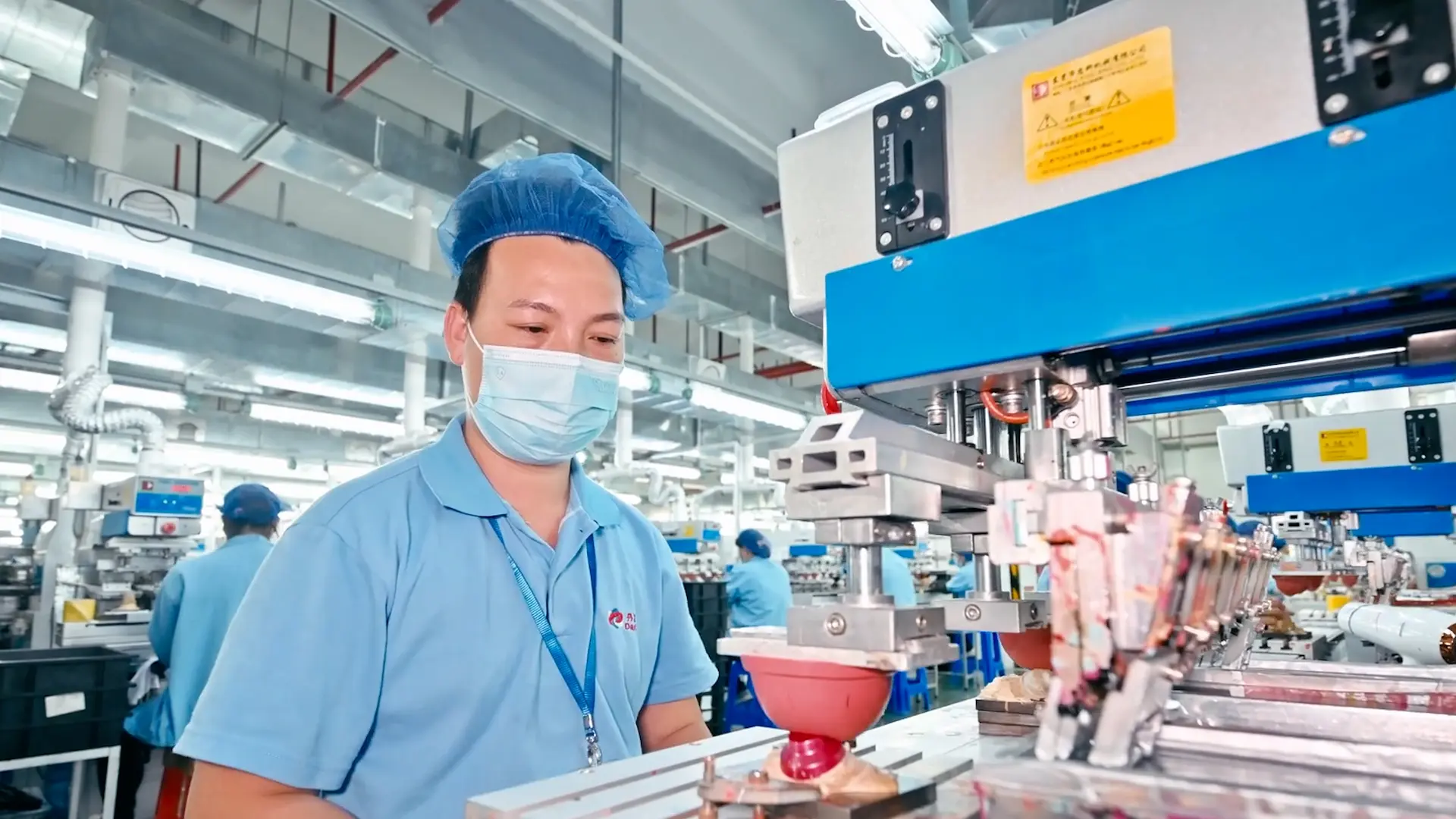
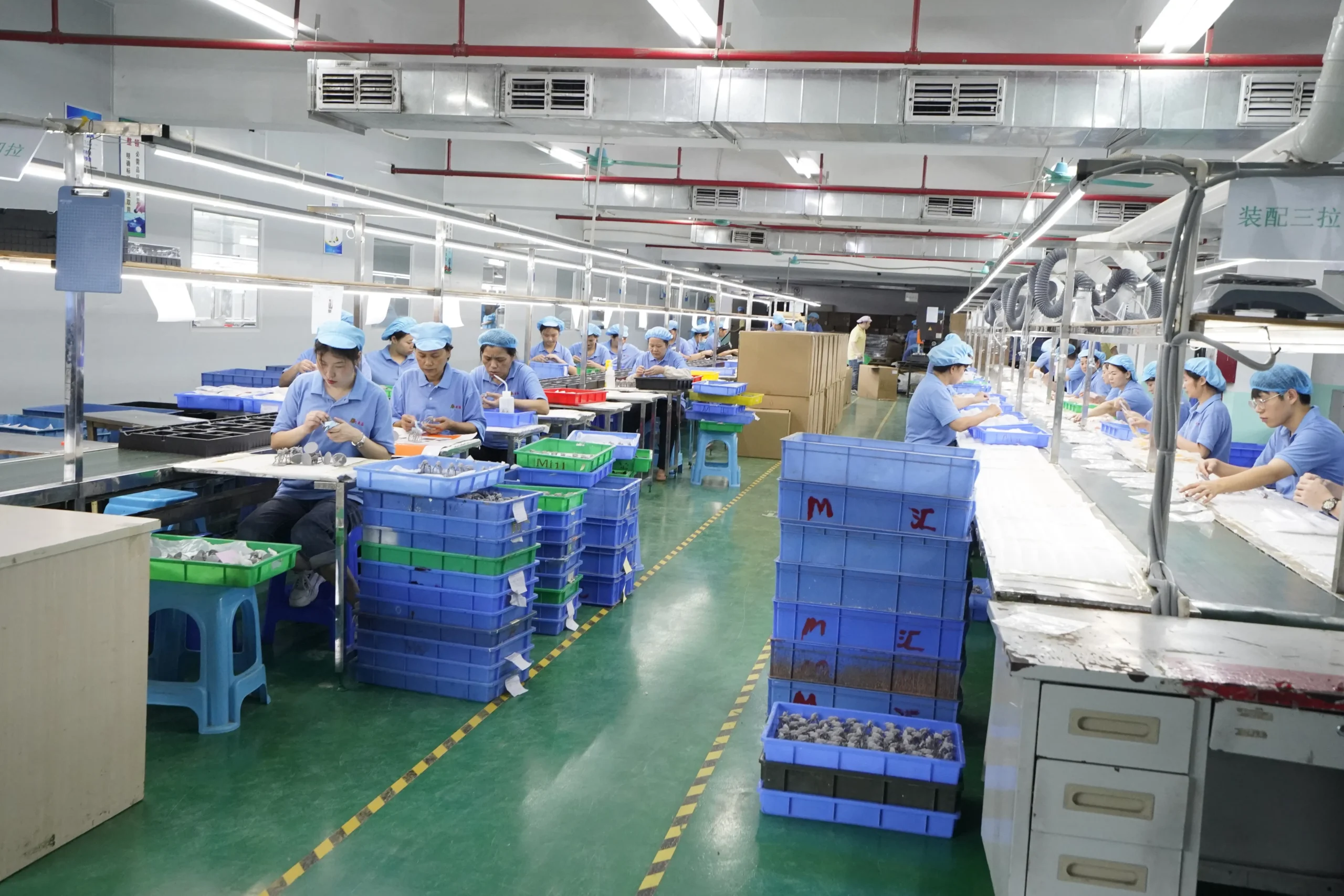
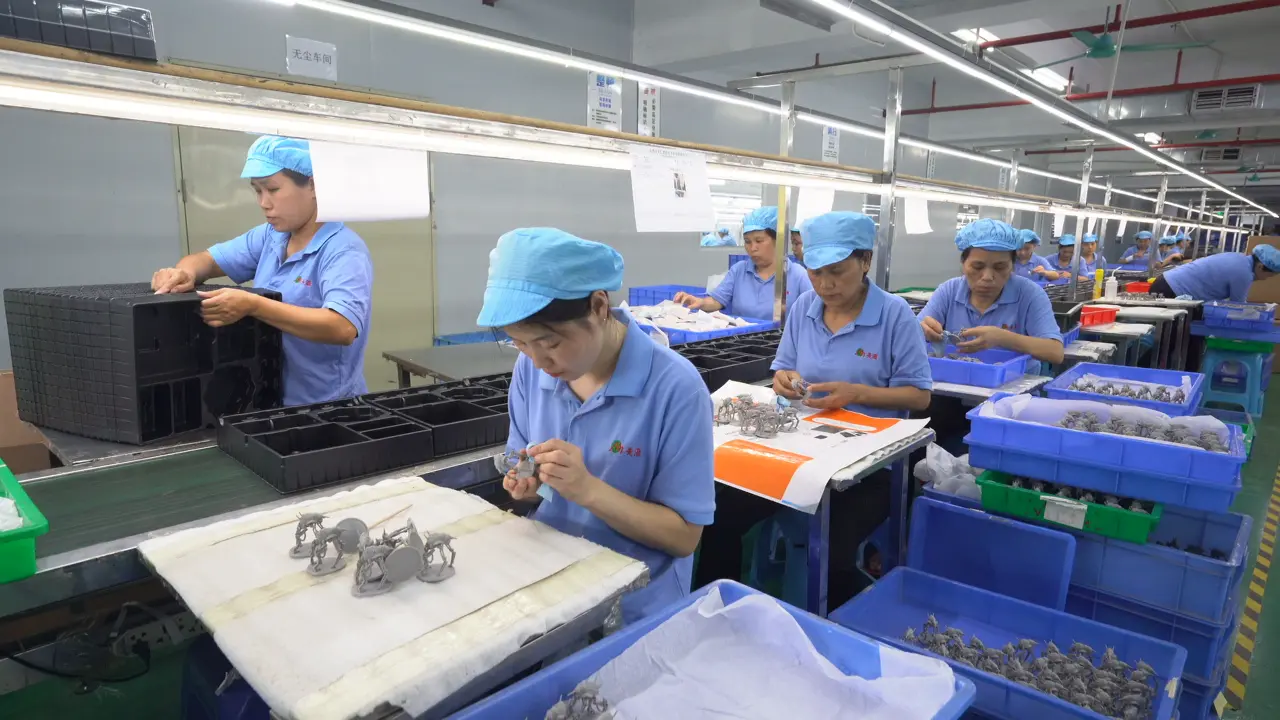
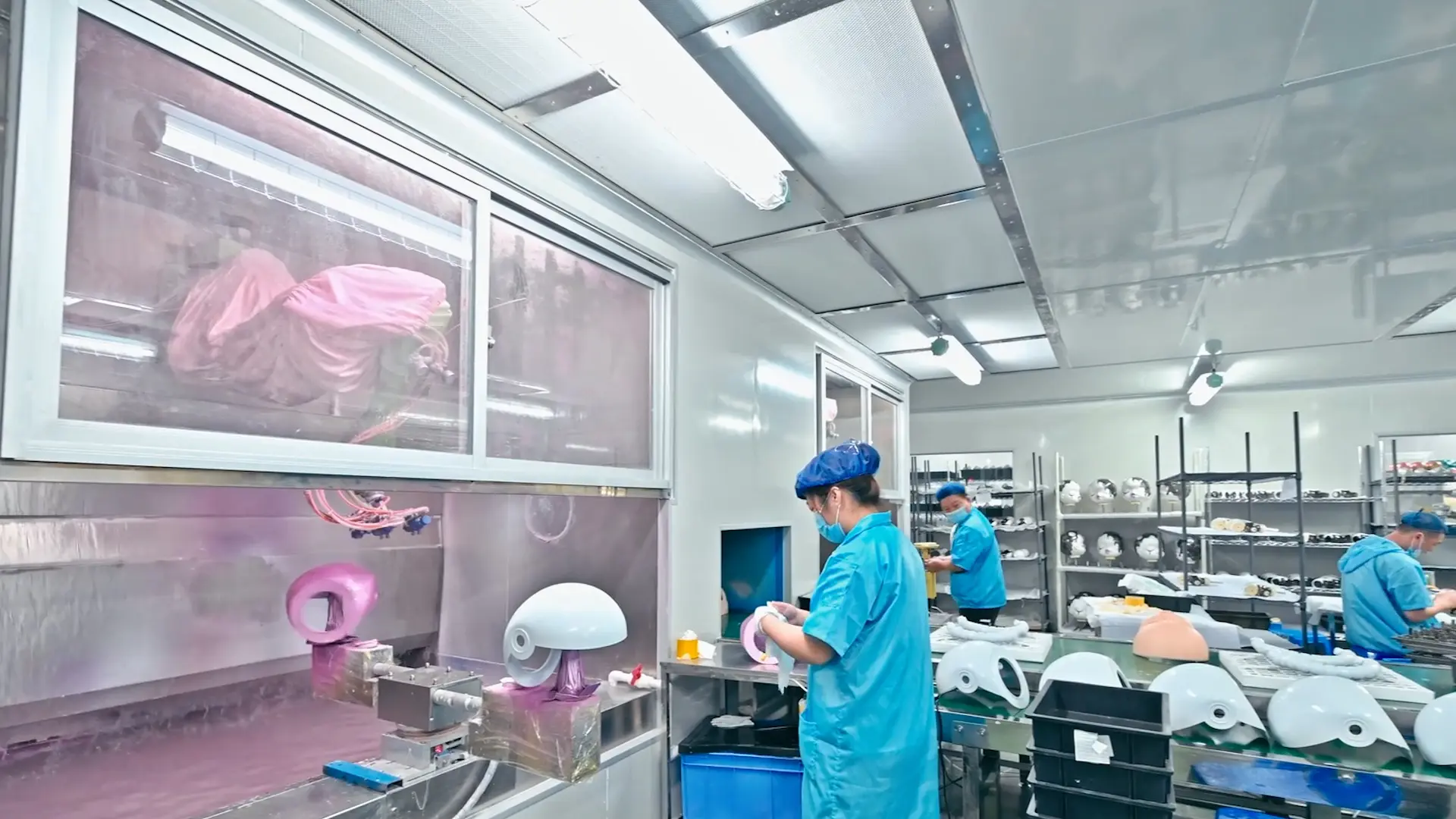
- Painting Precision: We utilize dust-free workshops and precision spray jigs to maintain color consistency across 2,000+ units.
- Asset Management: We maintain your molds in climate-controlled warehouses, ensuring zero tooling costs for future restocks.