Hey there. As a brand manager, are you staring at that “IP Merchandising” proposal, feeling a migraine coming on?
We know the scene. Your CEO walks in, eyes sparkling, and says: “Our mascot is so cute! For the annual gala next month, let’s give everyone a physical figure. You know, like those high-end blind boxes selling for $50 a pop!”
Internally, you’re screaming: “Boss, that’s called custom art toy manufacturing, not play-dough! We can’t just conjure that up in four weeks!”
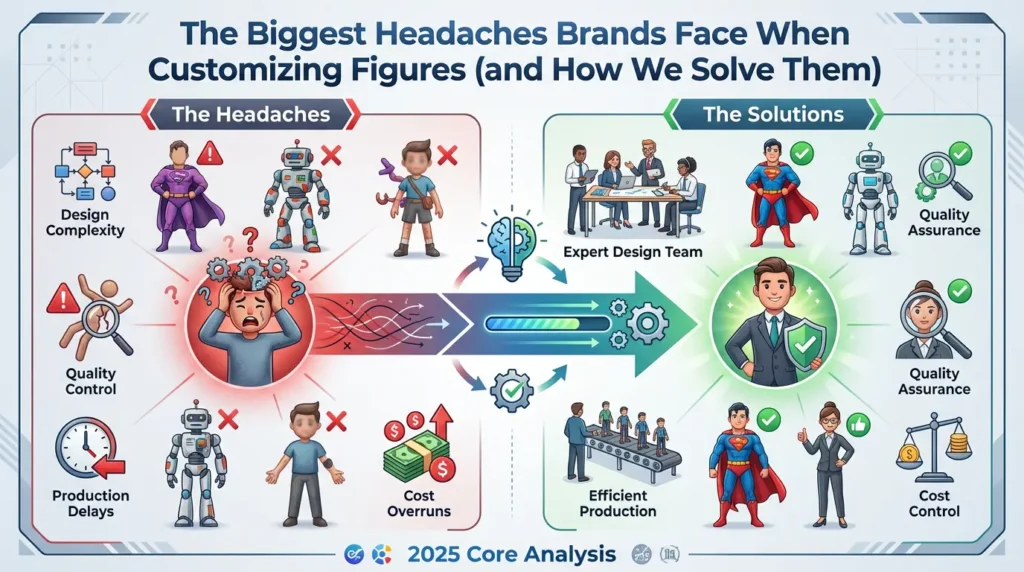
Take a breath. Grab a coffee. As industry veterans who have navigated the factory floors for years, we understand your pain. Even in 2025, with all our technological advancements, the pitfalls brands face when dealing with manufacturing have remained surprisingly consistent.
Today, let’s skip the corporate jargon. Let’s talk about those specific moments that keep you up at night—and exactly how to fix them.
#1: “I only want 500 units. Why won’t the factory reply?”
— The Love/Hate Relationship with MOQ (Minimum Order Quantity)
This is the first wall 90% of brands hit. You want to run a limited campaign or test the waters with a small drop. You contact a vinyl toy manufacturing partner, mention “500 units,” and suddenly—radio silence. Or, they quote you a price per unit that costs more than a smartphone.
The Reality:
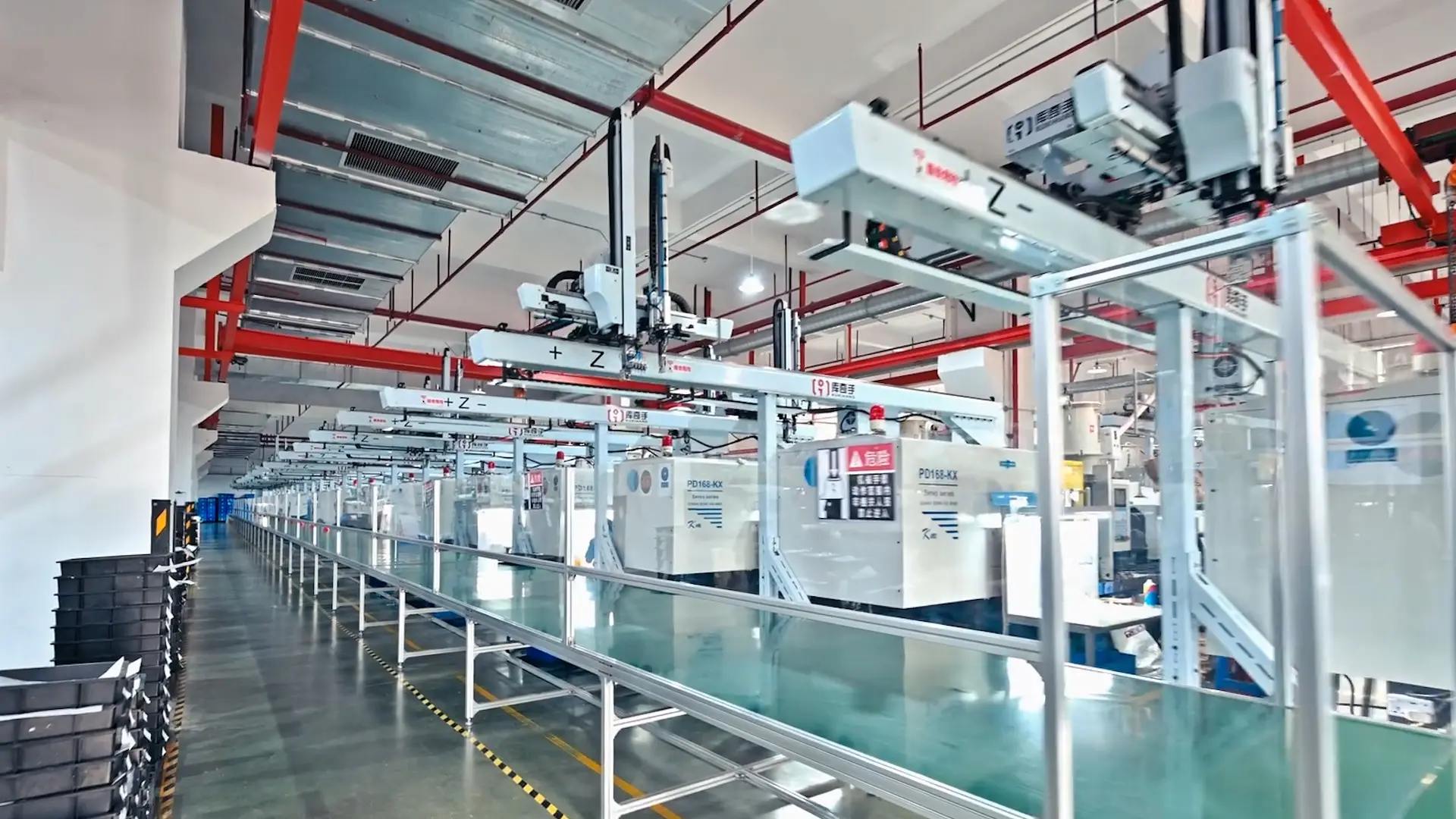
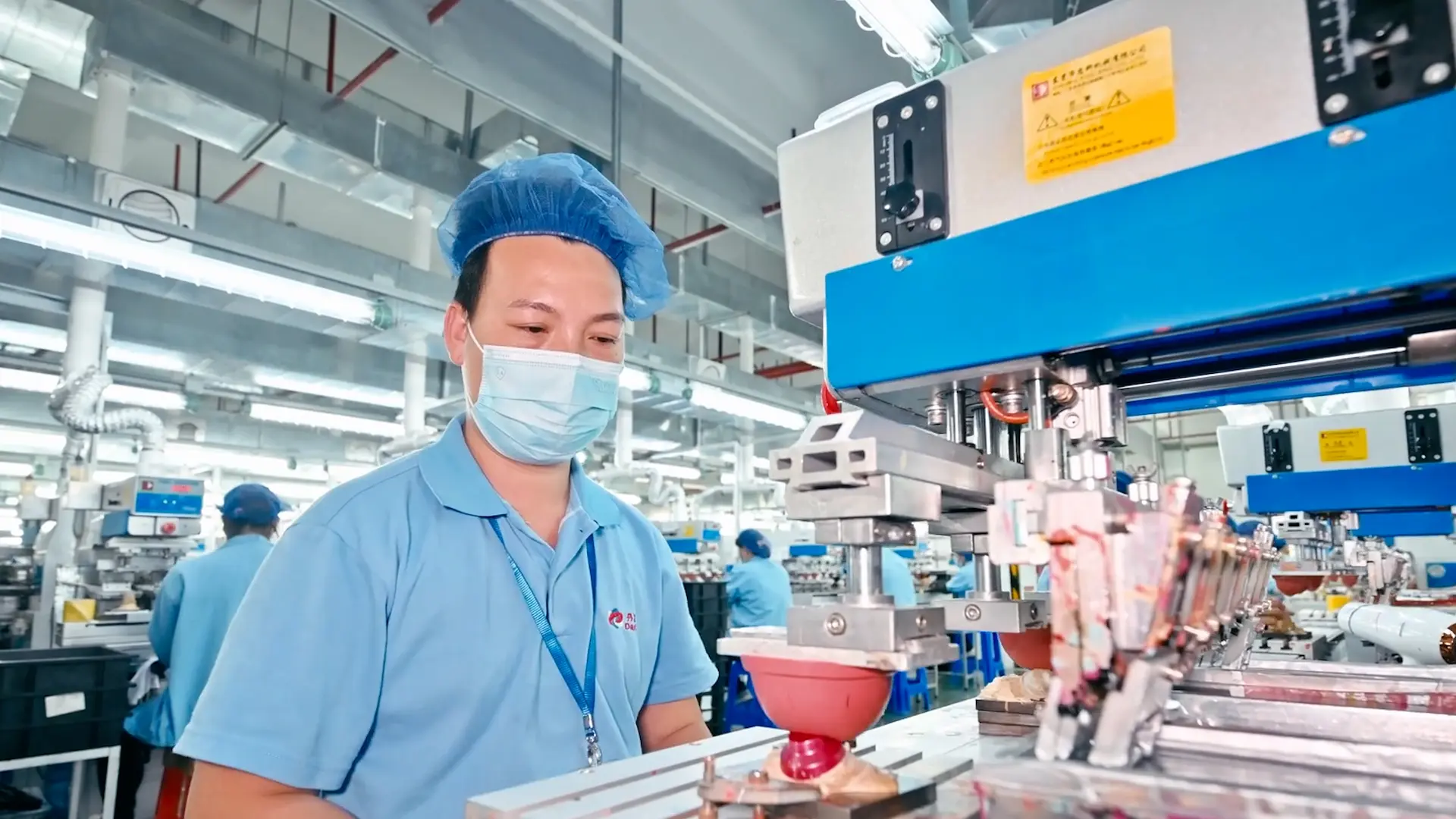
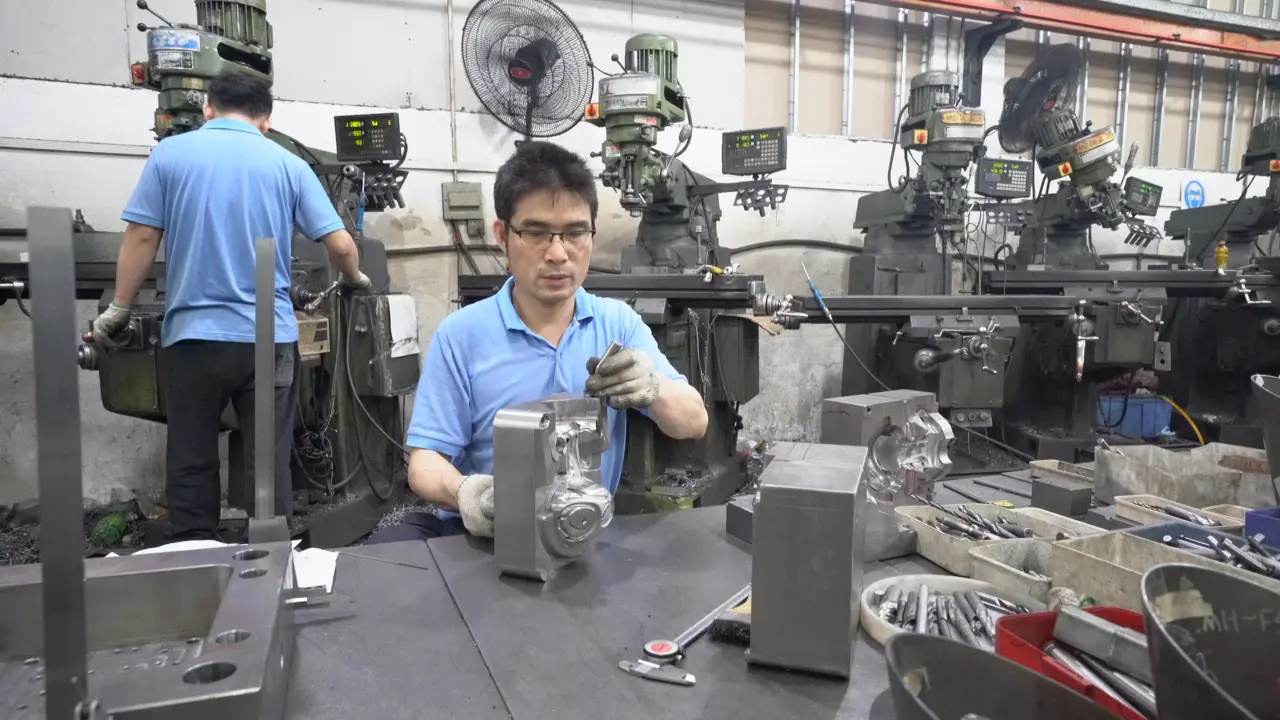
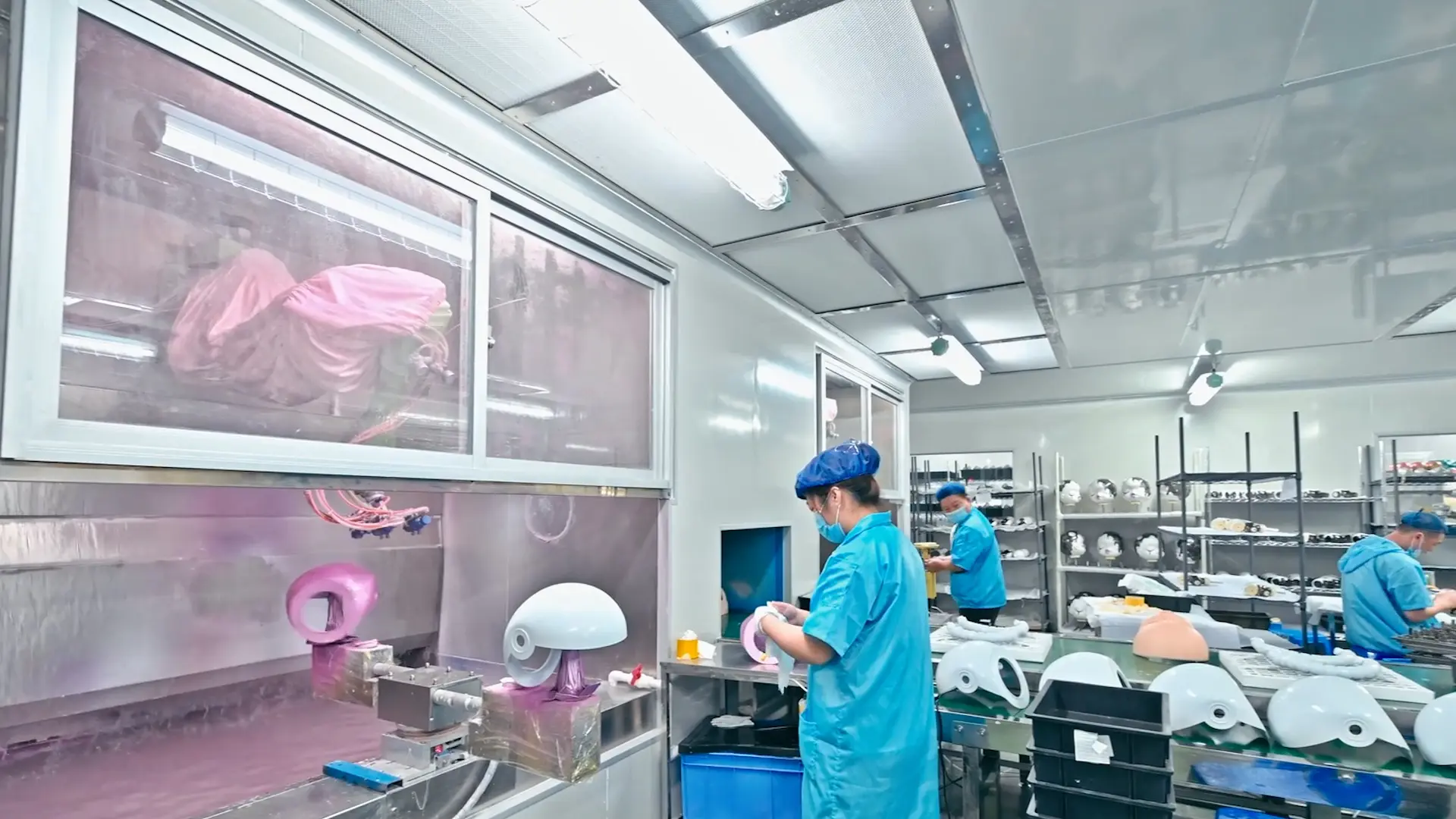
It’s not that they don’t like you; it’s the physics of production. The traditional PVC injection process requires steel molds. Opening a set of steel molds costs thousands of dollars. If you spread that mold cost over just 500 units, the price per figure skyrockets. Factories are afraid that once they quote you the real price, you’ll run away screaming.
The Fix:
- Plan A (The Premium Route): If you absolutely need PVC/Vinyl, find a supply chain that supports “combo molding” (sharing molds), or be prepared to absorb the high unit price as a marketing expense.
- Plan B (The Smart Pivot): For small batch production (100–500 units), switch your material choice to PU Resin or high-end full-color 3D printing. While the unit cost is higher than mass-produced vinyl, you save thousands on mold fees. The math actually works out better for your budget.
#2: “Who is this? My IP looks like it had bad plastic surgery.”
— The 2D to 3D Disaster
On paper, your brand mascot is adorable. Then the factory sends the first grey model (prototype), and your heart sinks. The smile is creepy. The proportions are off. It looks like a knock-off version of your own brand.
The Core Issue:
There is a massive gap between a 2D illustrator and a 3D modeler. Illustrators often cheat perspective for effect. If a modeler lacks artistic sensibility or doesn’t understand the nuances of corporate mascot design, they will build a structure that is technically correct but spiritually dead.
The Fix:
Don’t be a passive observer.
- Hire the Right Team: Choose a partner with a dedicated custom figure portfolio. You need a team led by an Art Director, not just CAD engineers.
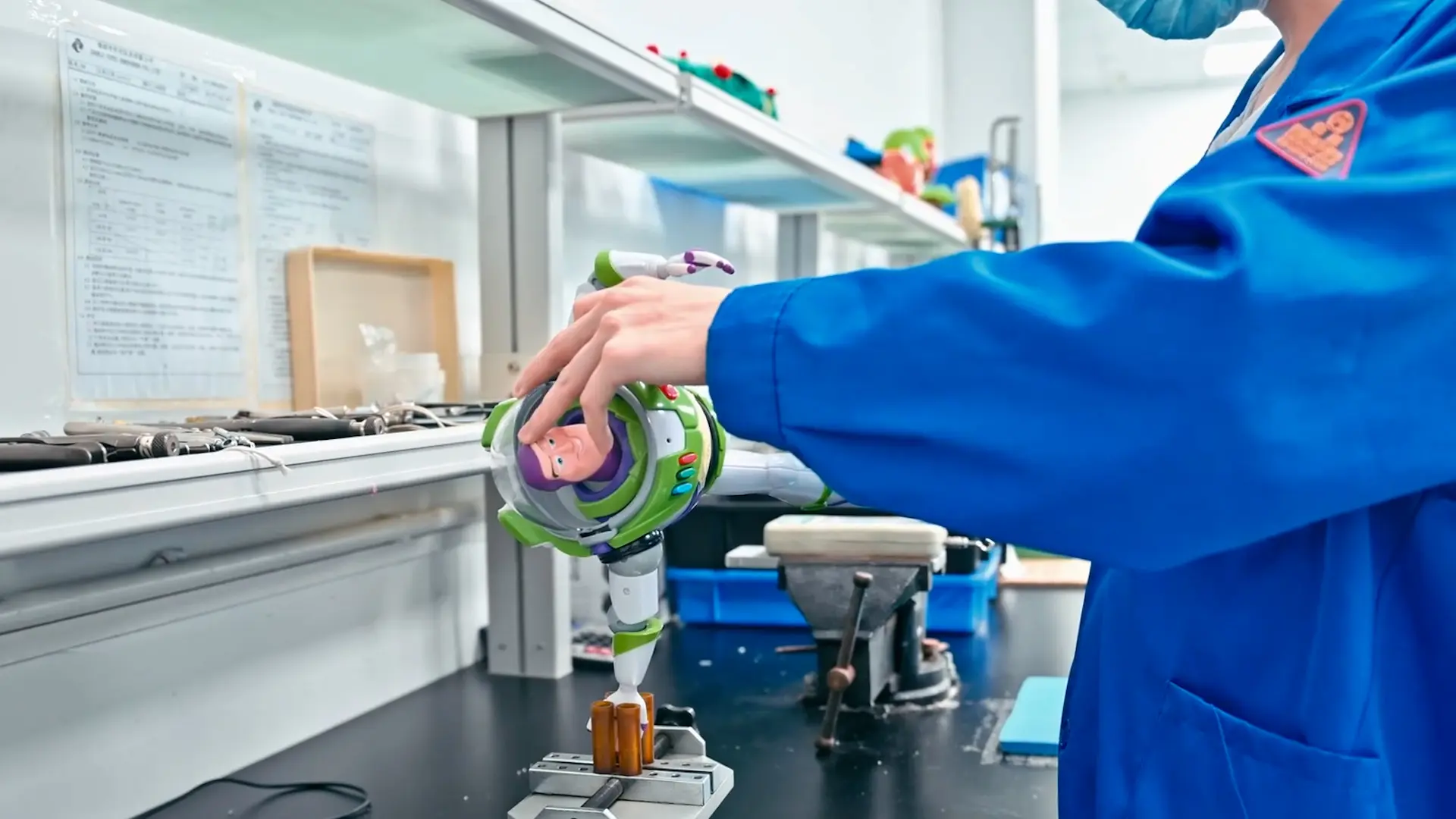
- The 360-Check: Demand 360-degree renders before a single piece of clay is touched. Catching the “weird eyes” in the digital file costs nothing; catching it on the steel mold costs a fortune.
#3: “The event is in 30 days. Can we rush it?”
— You Can’t Bribe the Laws of Physics
“The launch is next month. If we finalize the design today, can we make it?”
Honestly? Unless you have a time machine, probably not.
The Real Timeline:
Let’s look at the actual schedule for high-quality production:
- 3D Modeling & Revision: 7–10 days.
- Prototyping & Color Sample: 7–10 days.
- Steel Mold Tooling (The Longest Part): 25–35 days.
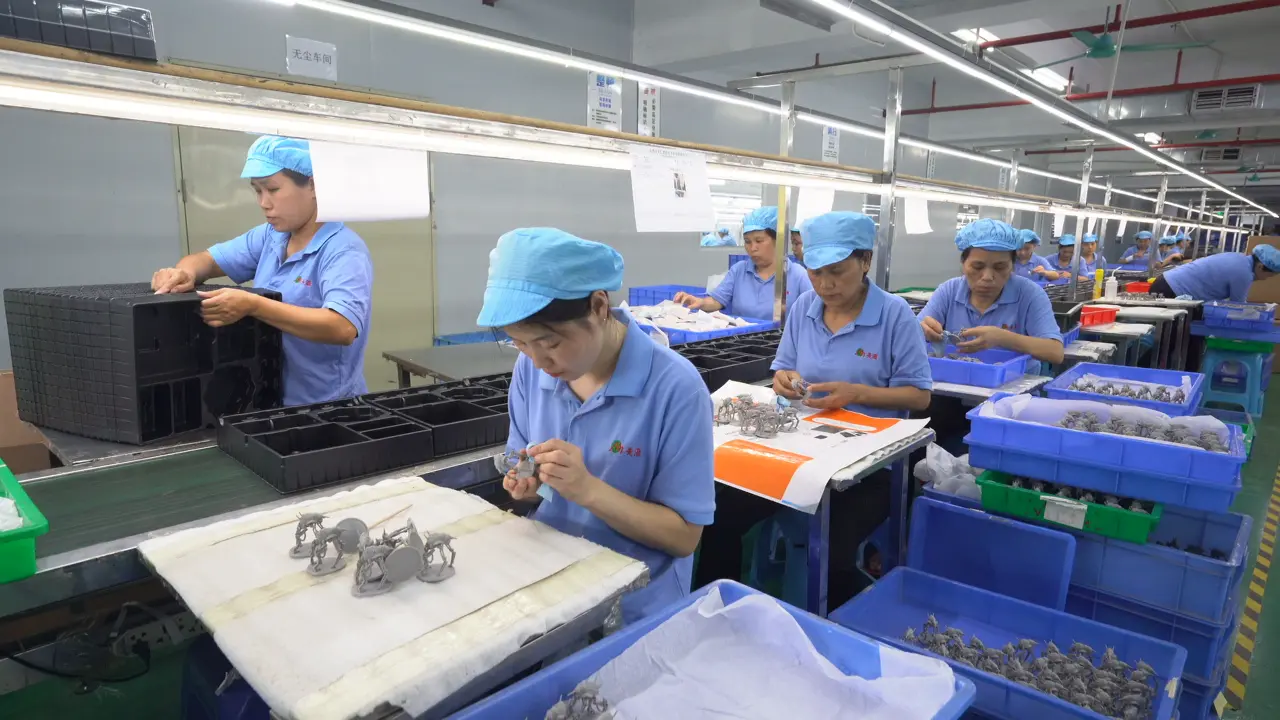
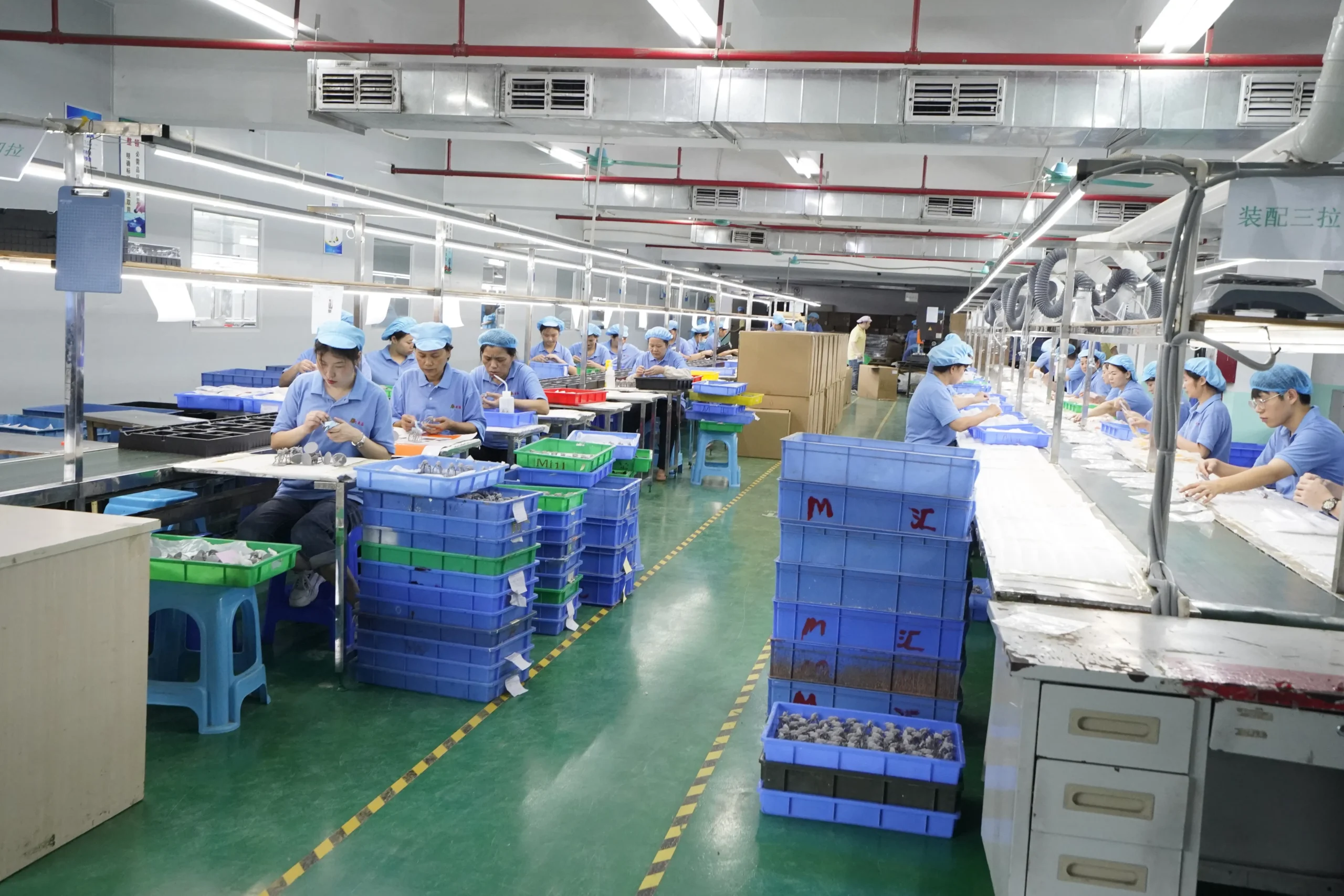
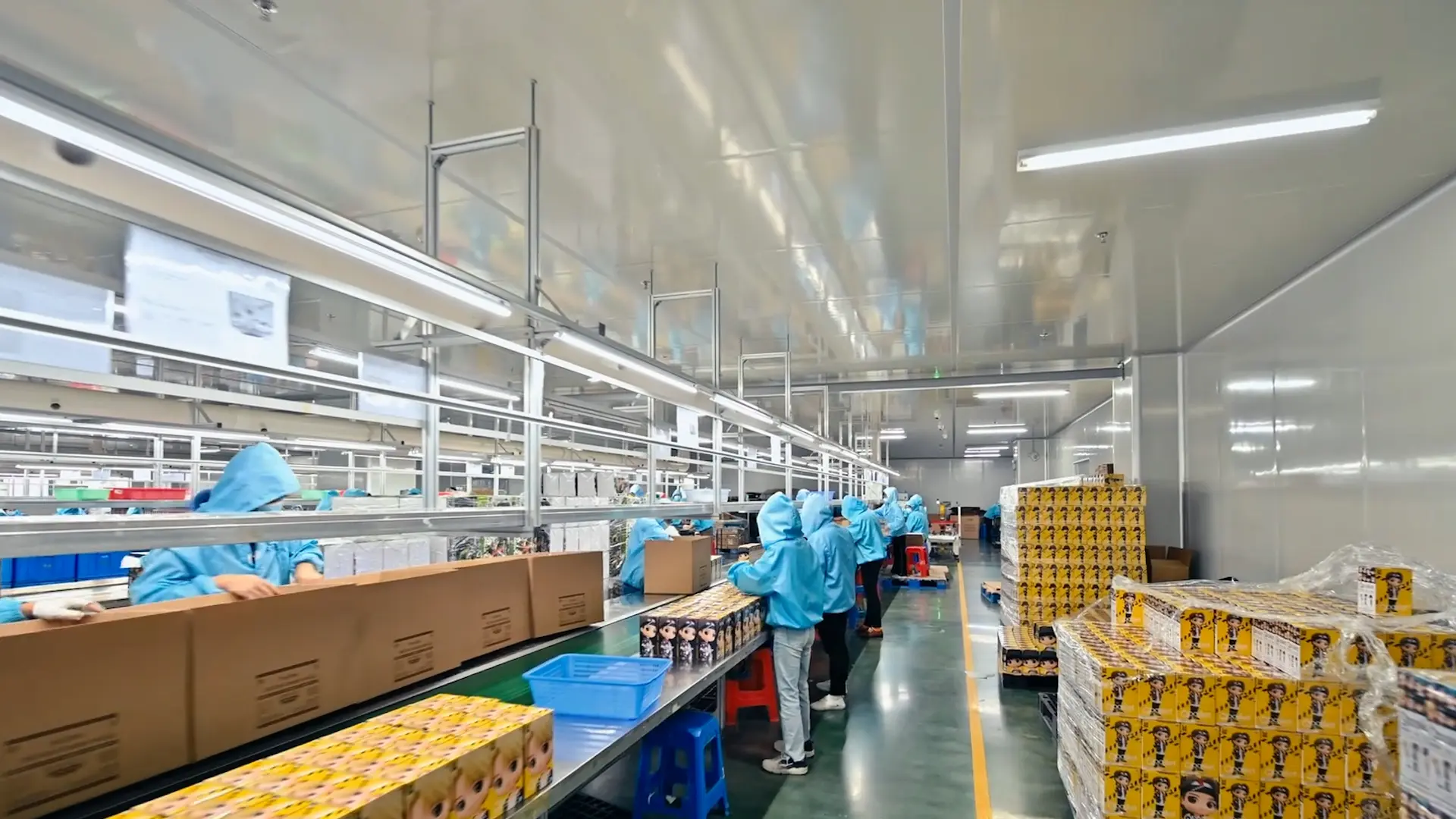
- Injection, Painting, Assembly, Packaging: 20–30 days.
A boutique art toy typically takes 3 to 4 months from zero to hero. Anyone promising you mass-produced vinyl in 20 days is likely selling you cheap, repainted stock or disastrous quality.
The Fix:
If you are crunched for time, do not attempt vinyl toy manufacturing.
Pivot to a “Limited Hand-Made Edition” strategy. Use 3D printing + hand painting. It limits your quantity, sure, but it turns the product into an exclusive “Art Piece” rather than a mass commodity. You save the deadline and elevate the brand value simultaneously.
#4: The Hidden “Wallet Assassins”
— Costs Beyond the Quote
You see the quote: “$4.00 per unit.” You think, “Great deal!” Then the project ends, and you’re 50% over budget.
Where did the money go?
Beyond the basic mold costs, beginners often miss the hidden fees:
- Spray Masks (Copper Molds): The more complex your colors, the more painting masks are needed.
- Packaging Engineering: Designing and sampling the box isn’t free.
- Defect Rate Allowance: High-end quality requires a higher rejection rate (wastage).
- Logistics: Solid figures are heavy. Shipping air freight because you’re behind schedule? That’s a budget killer.
The Fix:
Ask for a “Landed Cost” estimate or an “All-In Project Quote” right at the start. A trustworthy partner will list these potential costs upfront rather than surprising you with an invoice at the end.
Final Thoughts: Find a Partner, Not Just a Factory
Customizing a figure is essentially the process of turning your “Brand Soul” into a physical object. It involves design, engineering, chemistry, and logistics.
As a brand manager, you don’t need to be an injection molding expert. You just need to find a team that understands your vision and takes responsibility for the result.
If you are stressing over your 2025 IP merchandising strategy or struggling to choose between an OEM figure factory and a design studio, let’s talk. We don’t promise “3-day delivery” fairytales. But we do promise that every figure placed in your customer’s hand will be worthy of your brand’s reputation.
Don’t let the technical details kill the joy of making toys. After all, seeing that look of surprise on a fan’s face makes all the trouble worth it, doesn’t it?