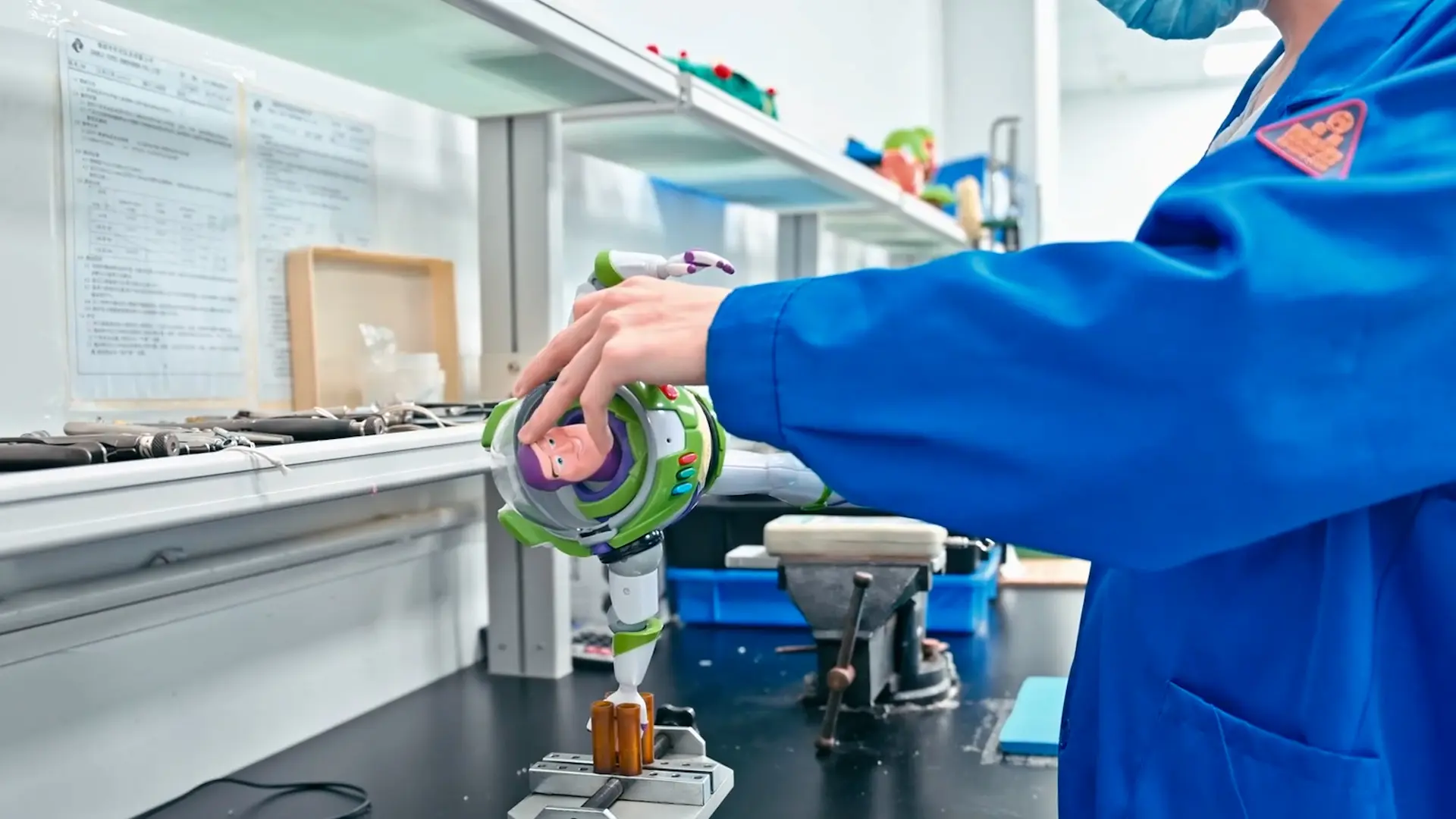

Have you ever held a designer toy and wondered why it feels so different from a standard plastic action figure? There is a certain warmth, a tactile “squish,” and a nostalgic smell associated with soft vinyl toys (often called Sofubi in Japan).
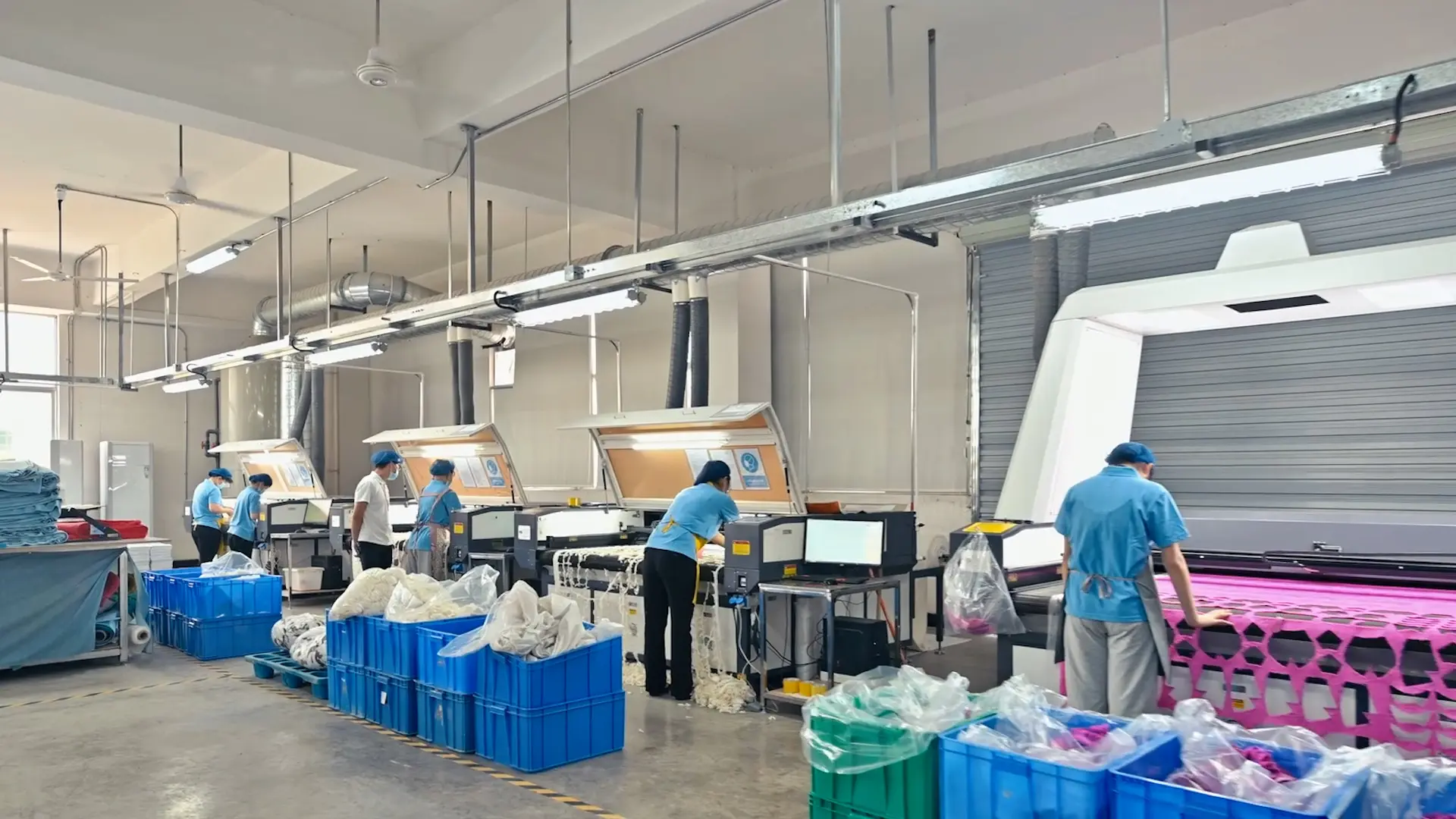
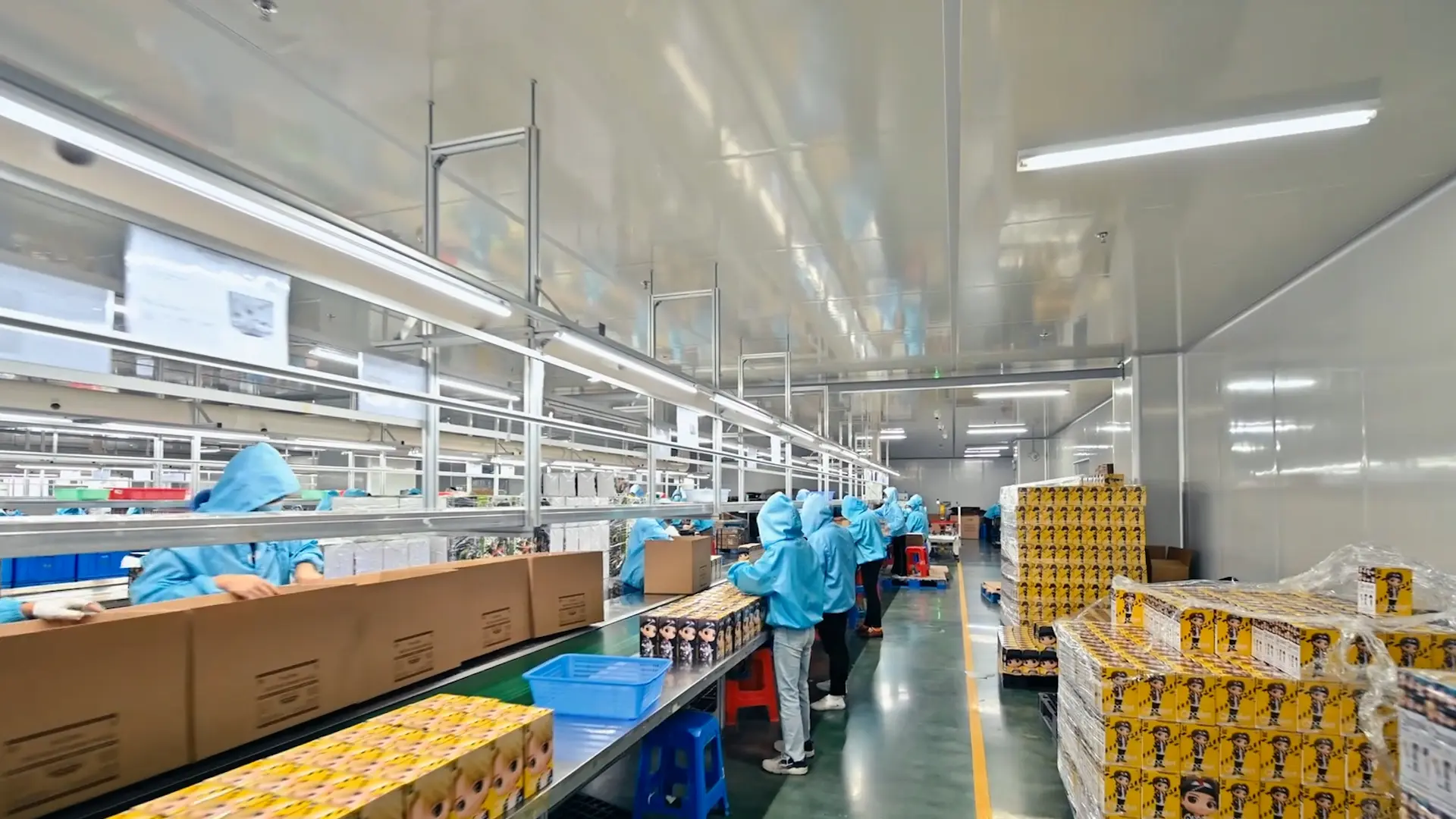
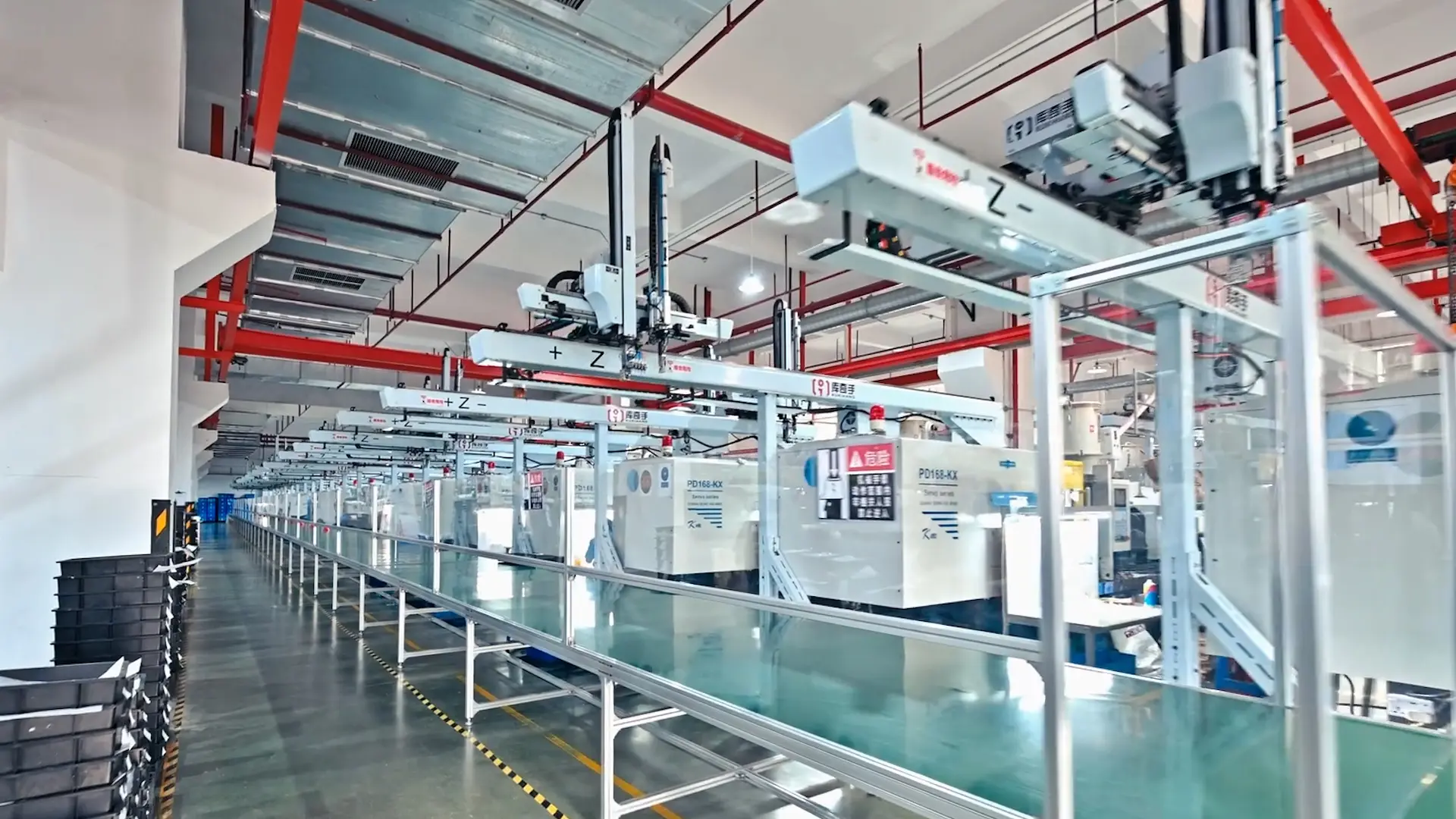
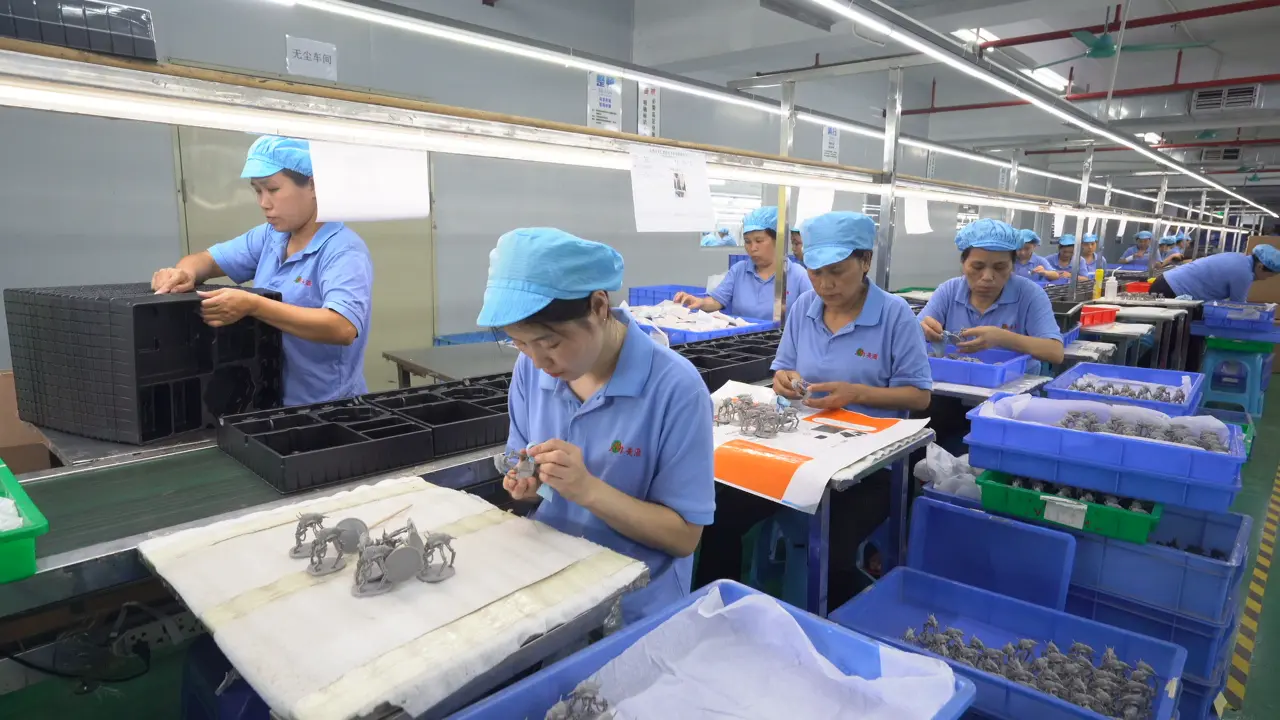
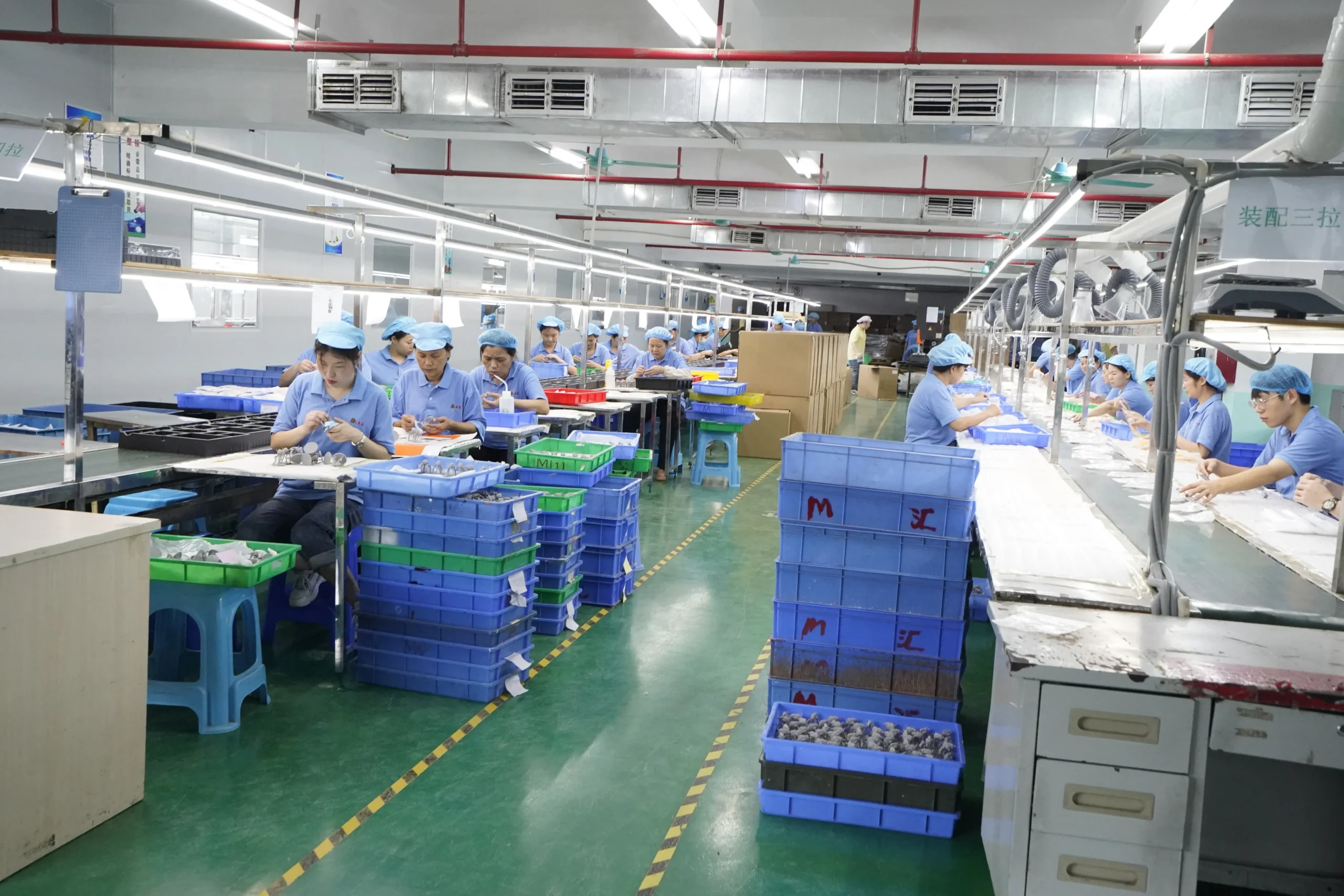
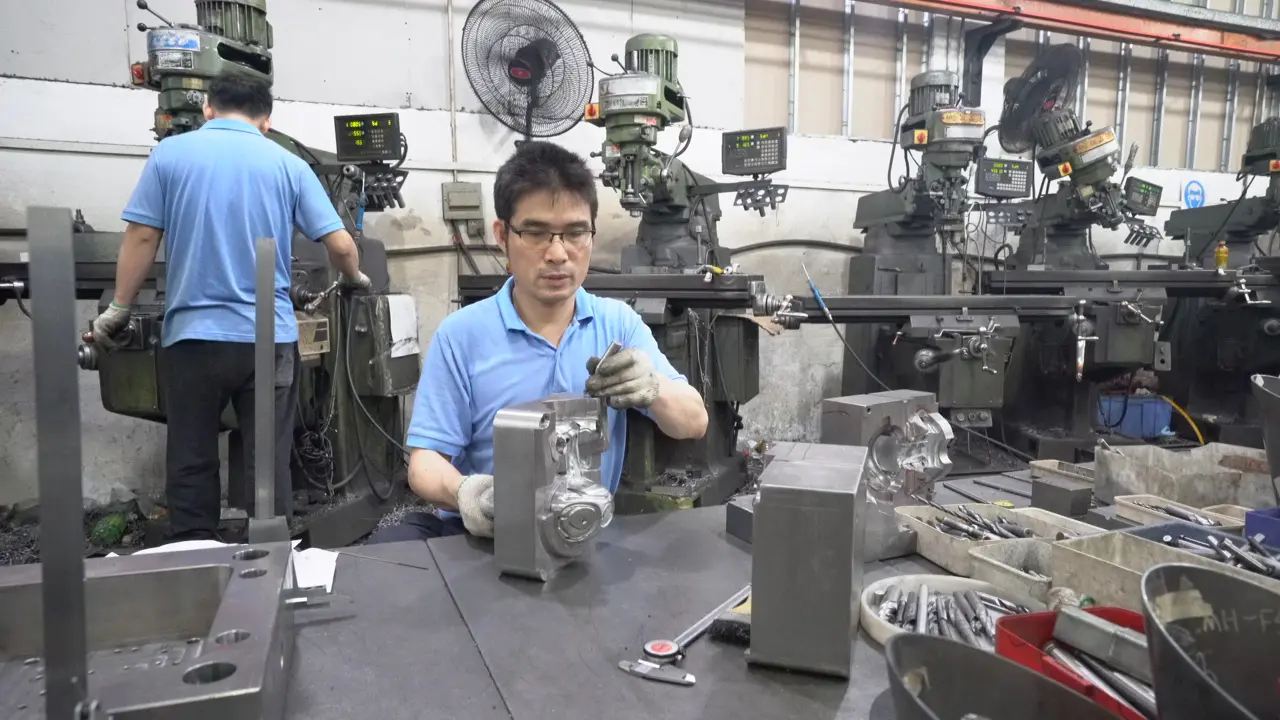
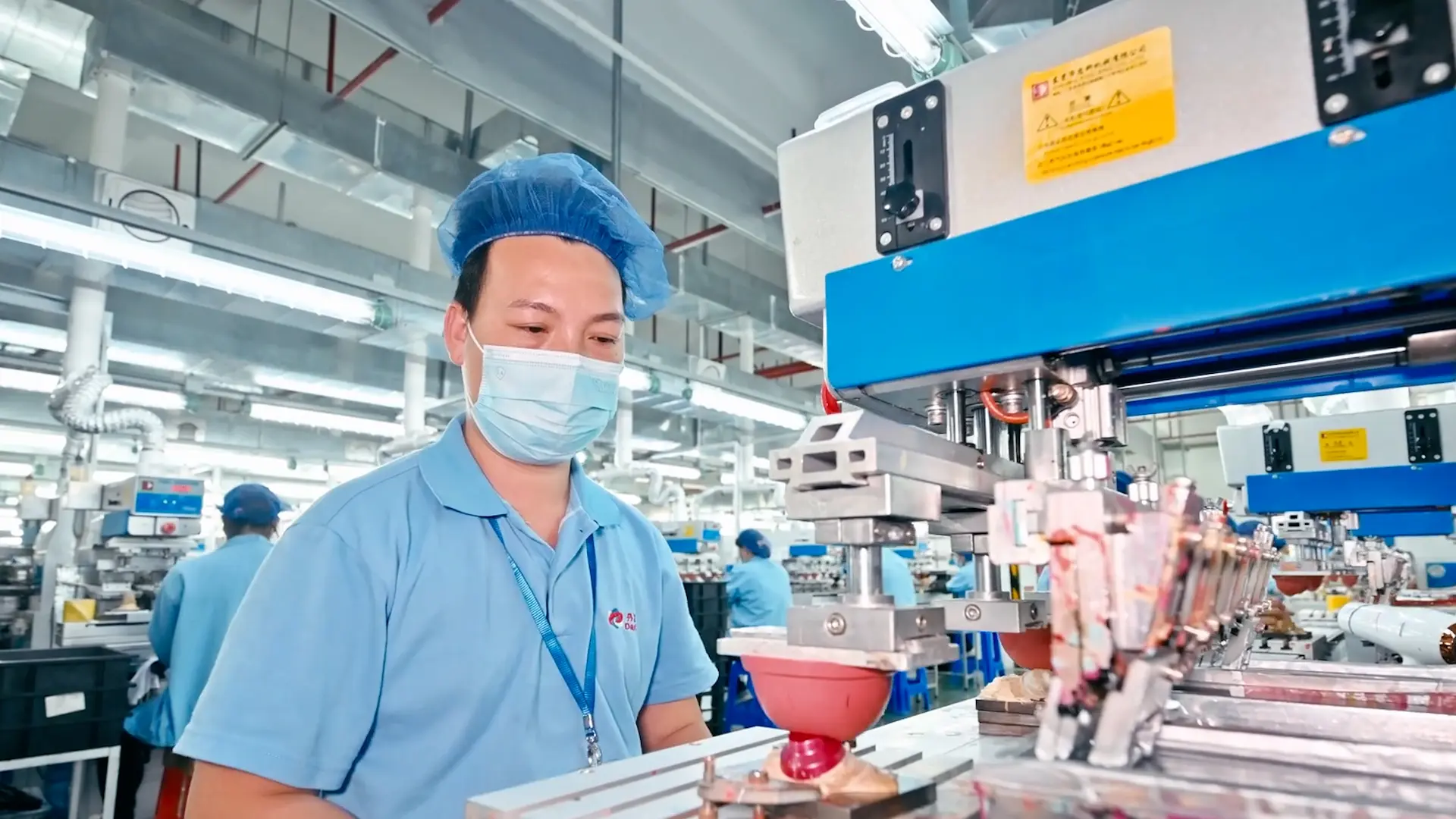
But behind the polished aesthetic of a finished custom figure lies a gritty, heat-intensive, and highly skilled manufacturing world. Today, we are opening our doors. As a professional custom figure factory, we are taking you past the showroom and directly onto the factory floor.
In this guide, we will break down the soft vinyl toy production process from the first 2D sketch to the final QC-checked product. If you are an artist, a brand owner, or a collector looking to understand how soft vinyl toys are made, this is the most honest look you will find.
Why Soft Vinyl? Understanding the Medium
Before jumping into the steps, we must address a common question: Why choose soft vinyl over injection-molded PVC or resin?
Soft vinyl (rotocasting) allows for hollow, lightweight, and durable figures. Unlike resin, which is brittle, or injection molding, which requires massive upfront investment in steel molds, soft vinyl production uses copper molds. This makes it the “sweet spot” for independent artists and mid-sized brands who need high quality without the $10,000+ price tag of a single steel mold.
The Design & Engineering Phase (2D to 3D)
Every great toy starts as a drawing. However, not every drawing can be turned into a soft vinyl figure.
The “Draught” and Undercuts
In our factory, the first thing our engineers look at is the undercut. Because soft vinyl toys are pulled out of a mold by hand while they are still hot, the design needs to allow for “stretchability.”
Accounting for Shrinkage
This is where many “newbie” factories fail. Soft vinyl shrinks by approximately 2% to 3% as it cools. If your design requires a head to fit perfectly onto a neck joint, the 3D model must be engineered “oversized” to account for this physical change. We use advanced software to calculate these tolerances before a single drop of material is poured.
Prototyping – Bringing the Soul to Life
Once the digital file is perfected, we create a physical prototype. In the “old days,” this was always hand-sculpted in clay. Today, we use high-resolution 3D printing (SLA).
The Wax Master
To create a copper mold, we first need a Wax Master. We take the 3D print, create a temporary silicone mold, and cast it in a specialized hard wax.
The Secret of Electroforming (Copper Molds)
This is the most technical part of the soft vinyl production process. Unlike the heavy steel molds used for LEGOs, soft vinyl uses Copper Molds.
- Conductive Coating: The wax master is sprayed with a silver-based conductive liquid.
- The Bath: The master is submerged in a large chemical tank filled with copper sulfate.
- The Growth: Through electricity, copper ions attach to the wax master, literally “growing” a metal skin over the course of several days.
- Melting the Wax: Once the copper shell is thick enough, we heat the mold and pour the wax out. You are left with a hollow, incredibly detailed copper “negative” of your toy.
Rotocasting – The “Cooking” Process
Now we enter the heart of the factory. It’s loud, it’s hot, and it smells like curing plastic. This is where the “Soft Vinyl” gets its name.
The Slurry
We mix a liquid PVC slurry. At this stage, we add pigments to create the “base color” of the toy. Whether you want “Glow in the Dark,” “Clear Sparkle,” or “Solid Pastel,” it happens here.
The Spin (Rotational Molding)
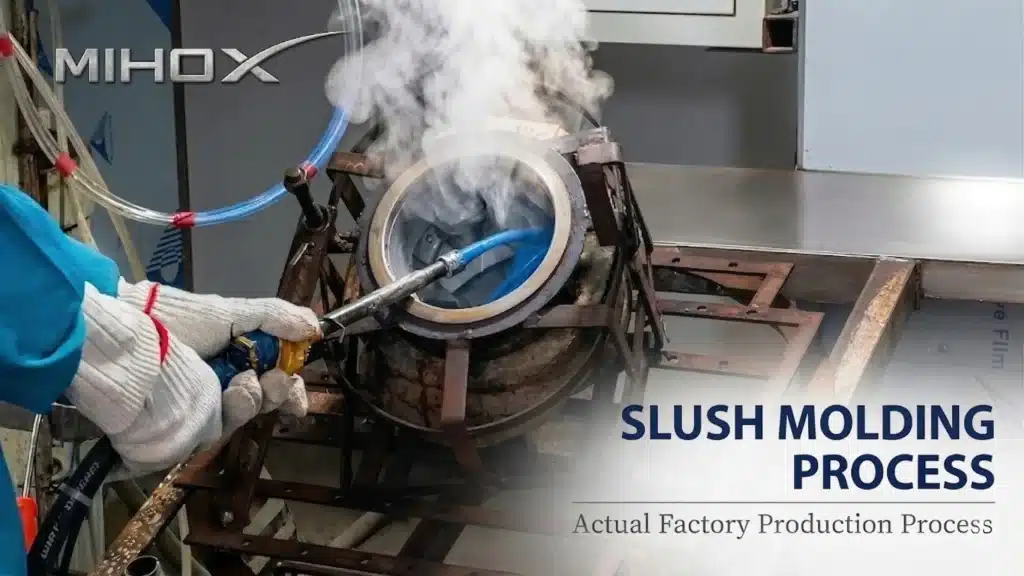
We pour the liquid PVC into the copper molds and place them into a high-temperature oven on a rotating arm. As the mold spins, centrifugal force flings the liquid PVC against the hot walls of the copper mold.
Demolding & Manual Trimming
This is the most labor-intensive part of the production environment. When the mold comes out of the oven, it is searingly hot.
An operator uses pliers to grab the edge of the vinyl and literally yanks the toy out of the narrow mold opening. Because the vinyl is still hot and soft, it stretches as it comes out and then snaps back into its original shape. This “magic” is why soft vinyl can have complex shapes that injection molding cannot achieve.
Once cooled, workers use specialized knives to trim the “gate” (the excess material where the PVC was poured).
Decoration – Painting & Finishing
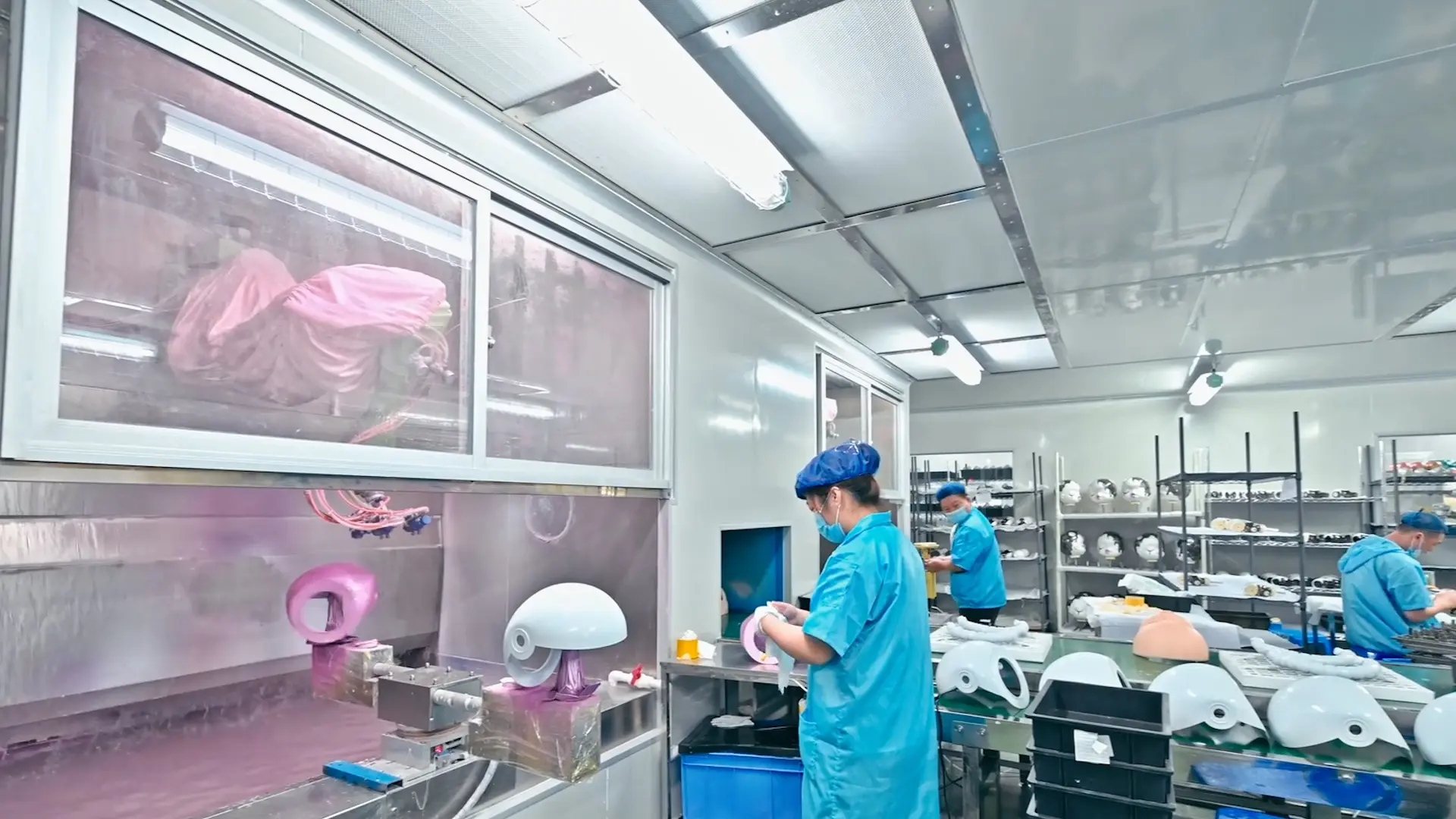
A “blank” toy is just a canvas. Our painting department is a hive of activity involving:
- Spray Masks: Custom-fitted metal covers that only expose the part of the toy being painted (e.g., just the eyes or the belly).
- Pad Printing: For tiny, precise details like logos or pupil reflections.
- Hand Brushing: For weathered looks or artistic “one-off” customs.
The Environment Factor: To ensure a high-end finish, our painting booths use water-curtain filtration to keep dust out of the air. One speck of dust can ruin a $100 designer toy.
Summary Table: The Soft Vinyl Production Journey
| Phase | Process Name | What Happens? | Why It Matters (The Result) |
|---|---|---|---|
| 1. Design | Engineering | Optimizing 3D files for “pull-ability” | Ensures the toy won’t tear during production. |
| 2. Prototype | Wax Mastering | Creating a hand-finished wax version | Determines the final surface texture and detail. |
| 3. Tooling | Electroforming | Growing copper molds in a chemical bath | High detail at a fraction of the cost of steel molds. |
| 4. Casting | Rotocasting | Spinning liquid PVC in 200°C+ ovens | Creates the classic hollow, squishy feel of soft vinyl. |
| 5. Refining | Trimming | Manually cutting off excess material | Ensures joints fit tightly and the toy stands flat. |
| 6. Art | Painting | Using masks and airbrushes to add color | Gives the figure its personality and market value. |
Conclusion: Partnering with a Transparent Factory
The soft vinyl toy production process is a blend of heavy industry and delicate artistry. It isn’t always pretty—it’s hot, manual, and complex—but it is the only way to create the unique “magic” of a designer toy.
At MIHOX, we believe that transparency leads to better products. If you are ready to turn your character from a concept into a physical reality, feel free to Contact Us Today for a quote or a professional consultation on your design’s feasibility.