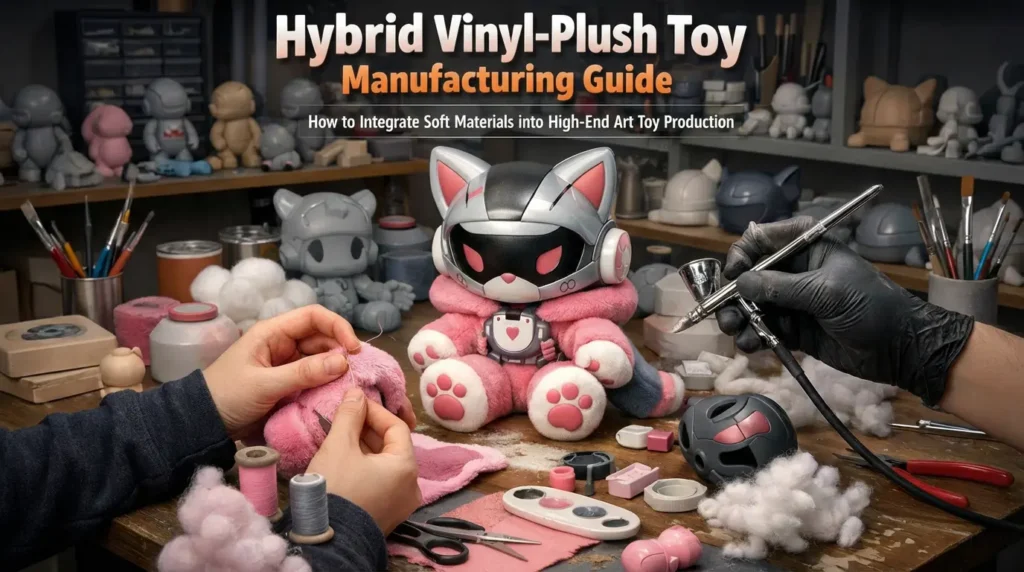
The global collectible toy market is entering a transformative era. As we move through 2025 and look toward 2026, the traditional boundaries between rigid plastic figures and soft plush toys are evaporating. Driven by the “Kidult” economy and the meteoric rise of phenomenon-level IPs like Labubu and Chiikawa, the industry is witnessing a massive shift toward hybrid manufacturing. For brand owners, IP creators, and procurement managers, understanding the intricacies of this hybrid model is the key to capturing a market share in an industry projected to exceed $21 billion by 2026.
The Evolution of the Tactile Collectible in the 2026 Market
The 2025-2026 B2B search trends reveal a significant pivot in consumer psychology. Professional buyers are moving away from simple injection-molded products and toward “Emotional Value” products. The hybrid toy—typically featuring a precision-detailed vinyl head or limbs attached to a high-quality plush body—offers a multi-sensory experience that purely plastic toys cannot replicate.
This trend is rooted in the psychological need for companionship and stress relief. A vinyl face allows for the sharp, expressive character work that collectors demand, while the plush body provides the tactile comfort that drives social media engagement and viral “unboxing” culture. For the manufacturer, this requires a dual-track supply chain capable of handling both chemical polymer molding and high-end textile craftsmanship under one roof.

Mastering the Technical Engineering of Material Integration
The primary challenge in hybrid toy production is the connection point. When marrying a rigid material like PVC with a flexible material like polyester fabric, the margin for error is nearly zero. Achieving a premium finish requires mastering three specific engineering pillars:
The Structural Connection Groove
The foundation of a durable hybrid toy lies in the neck or limb groove of the vinyl component. Unlike standard figures, a hybrid vinyl part must be engineered with a specialized “undercut” or groove system. Leading-edge factories now utilize industrial 3D scanning to ensure the fabric’s tension perfectly matches the vinyl’s circumference. If the groove is off by even 0.5mm, the fabric will either slip out under pressure or bunch up, ruining the aesthetic silhouette.
Calculating Shore Hardness and Shrinkage
Vinyl is a “living” material during production; it expands when heated in the rotocasting mold and shrinks as it cools. For hybrid toys, calculating the shrinkage rate is critical because the internal skeleton or the stuffed body must fit snugly into the vinyl cavity. We typically recommend a Shore A hardness level that balances durability with a slight “give” to facilitate assembly without damaging the textile components.
Material Compatibility and Color Harmony
One of the most overlooked aspects of B2B toy customization is visual consistency. The “skin tone” on a painted vinyl face must match the dye lot of the plush fabric under various lighting conditions. Professional production lines now use spectrophotometers to ensure that the chemical paints on PVC and the synthetic fibers of the plush body maintain a Delta E color difference of less than 2.0.
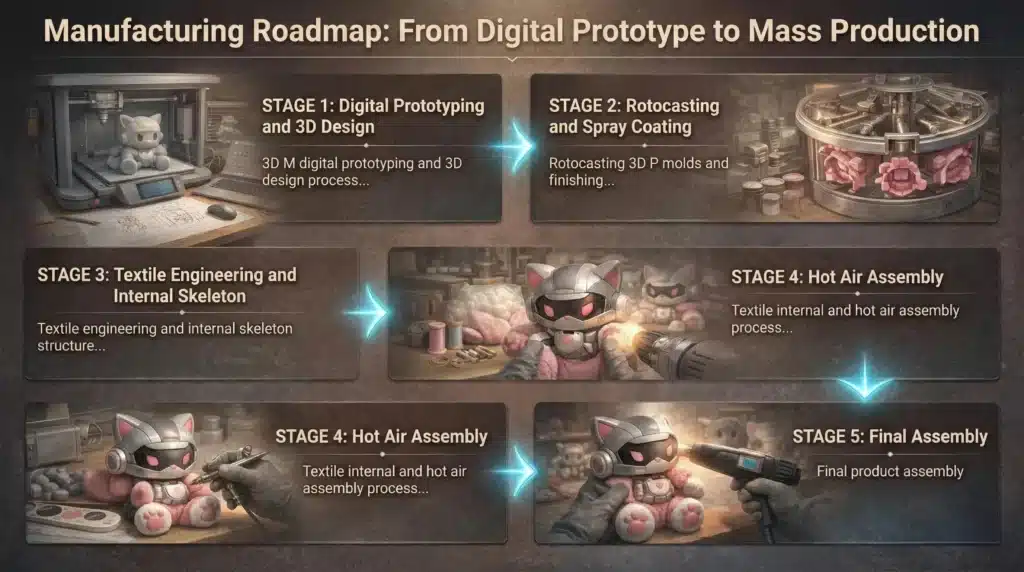
The Manufacturing Roadmap: From Digital Prototype to Mass Production
Producing a hybrid masterpiece requires a specialized workflow that bridges two very different manufacturing worlds. Success depends on a disciplined, step-by-step approach.
Phase 1: Digital Prototyping and 3D Patterning
The process begins with a 3D digital sculpt. However, unlike a standard statue, engineers must create a “digital cloth shell.” Modern software allows for the simulation of how specific fabrics—such as crystal super-soft or high-pile faux fur—will drape over the internal stuffing and attach to the rigid joints. This reduces the need for multiple physical mud samples, shortening the development cycle by up to 30%.
Phase 2: Rotocasting and Precision Painting
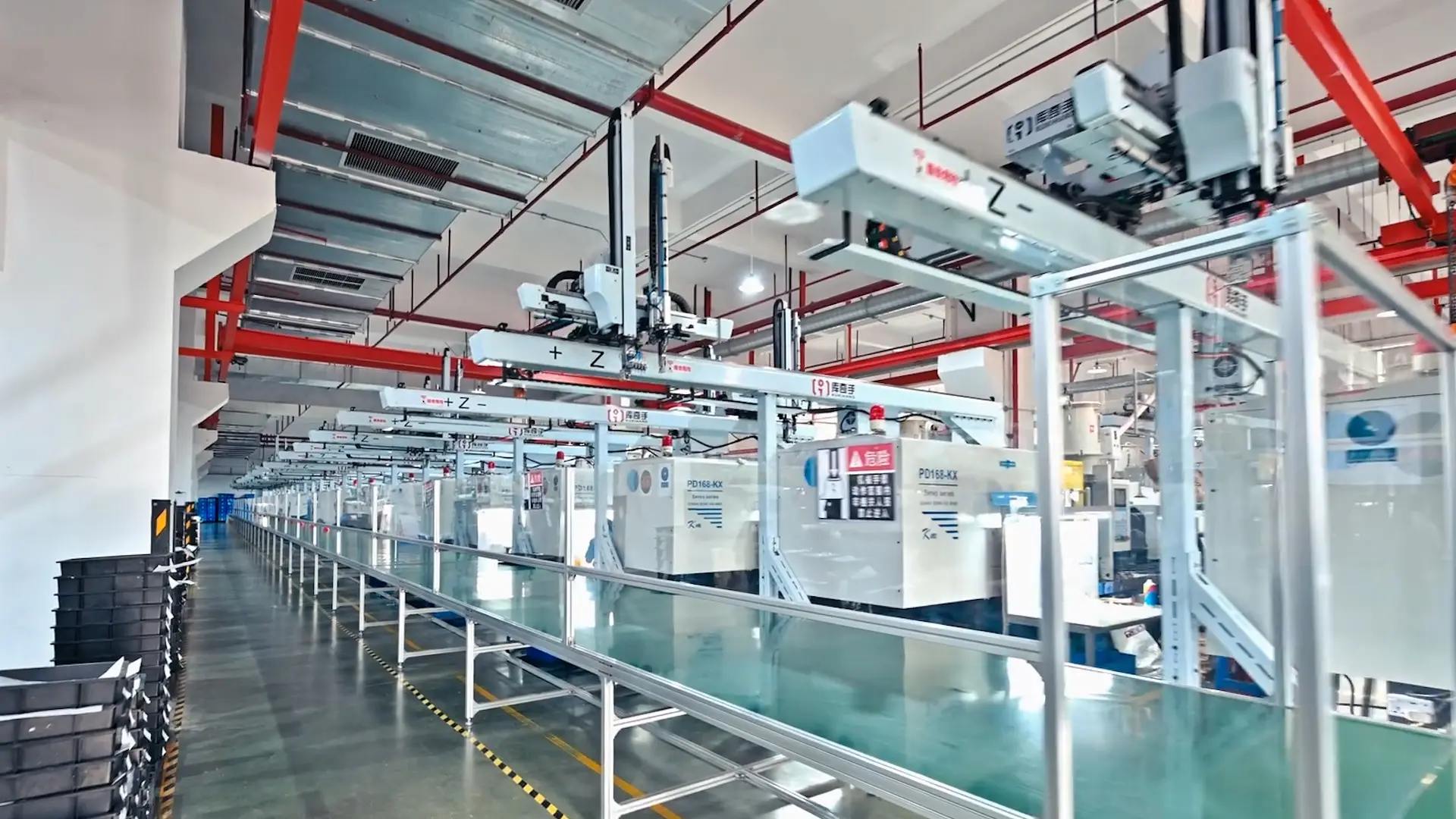
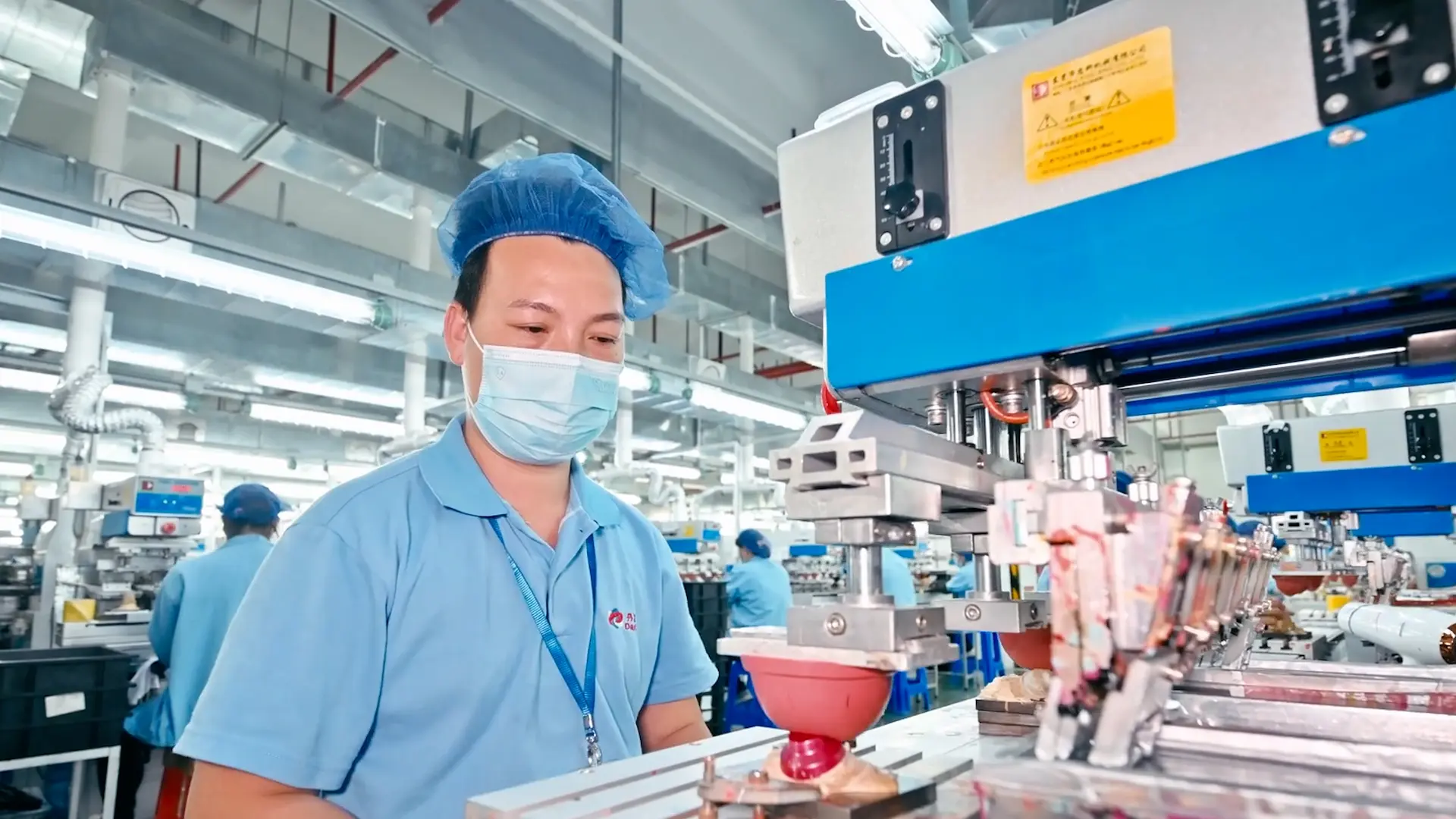
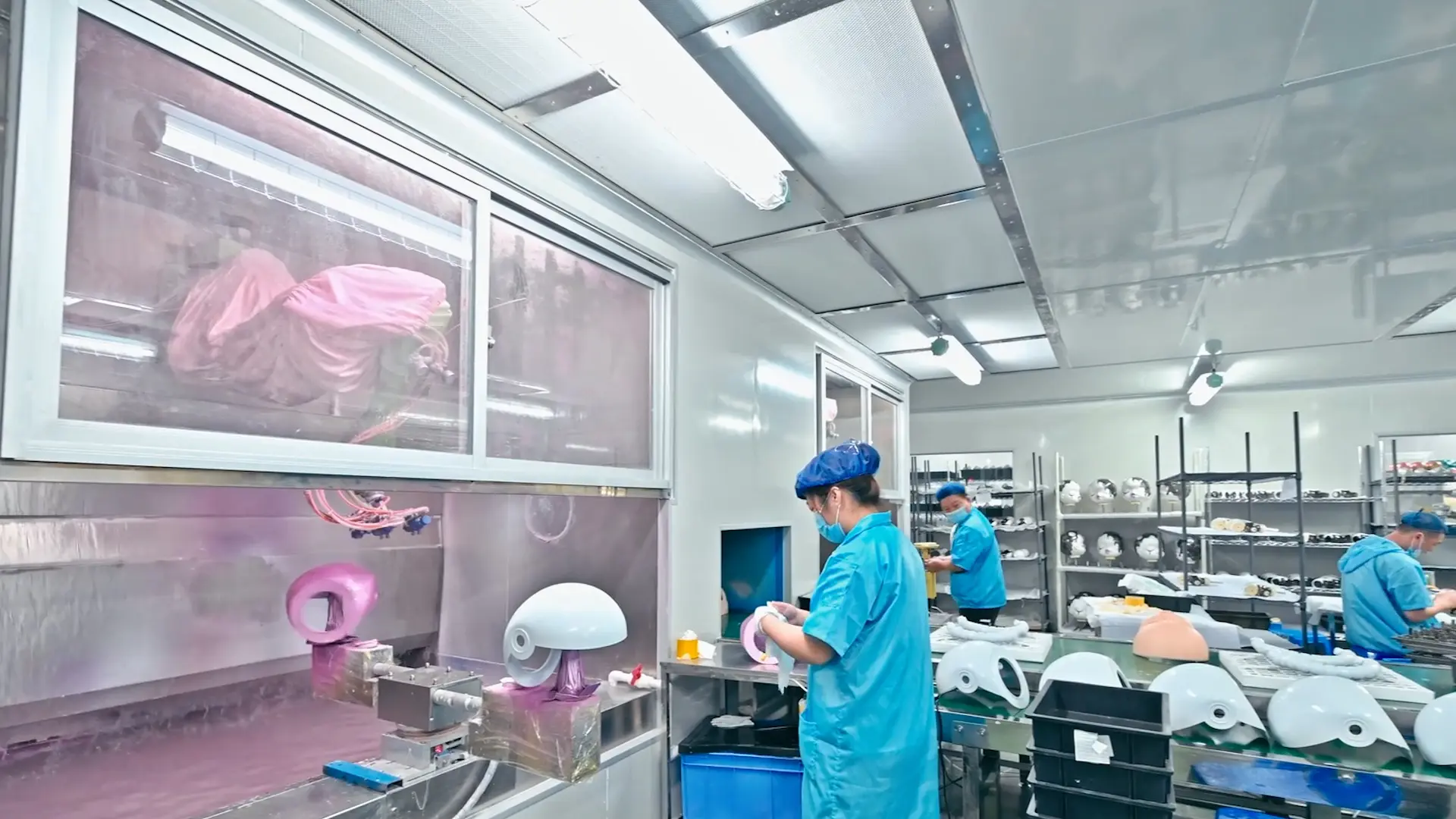
The vinyl elements are produced via rotocasting, creating hollow, lightweight parts ideal for plush integration. Once cast, the parts undergo multi-layer masking spray or hand-painting. In 2026, the trend has shifted toward “skin-feel” coatings—advanced matte finishes that make the vinyl feel soft to the touch, further blurring the line between the hard and soft materials.
Phase 3: Textile Engineering and Internal Skeletons
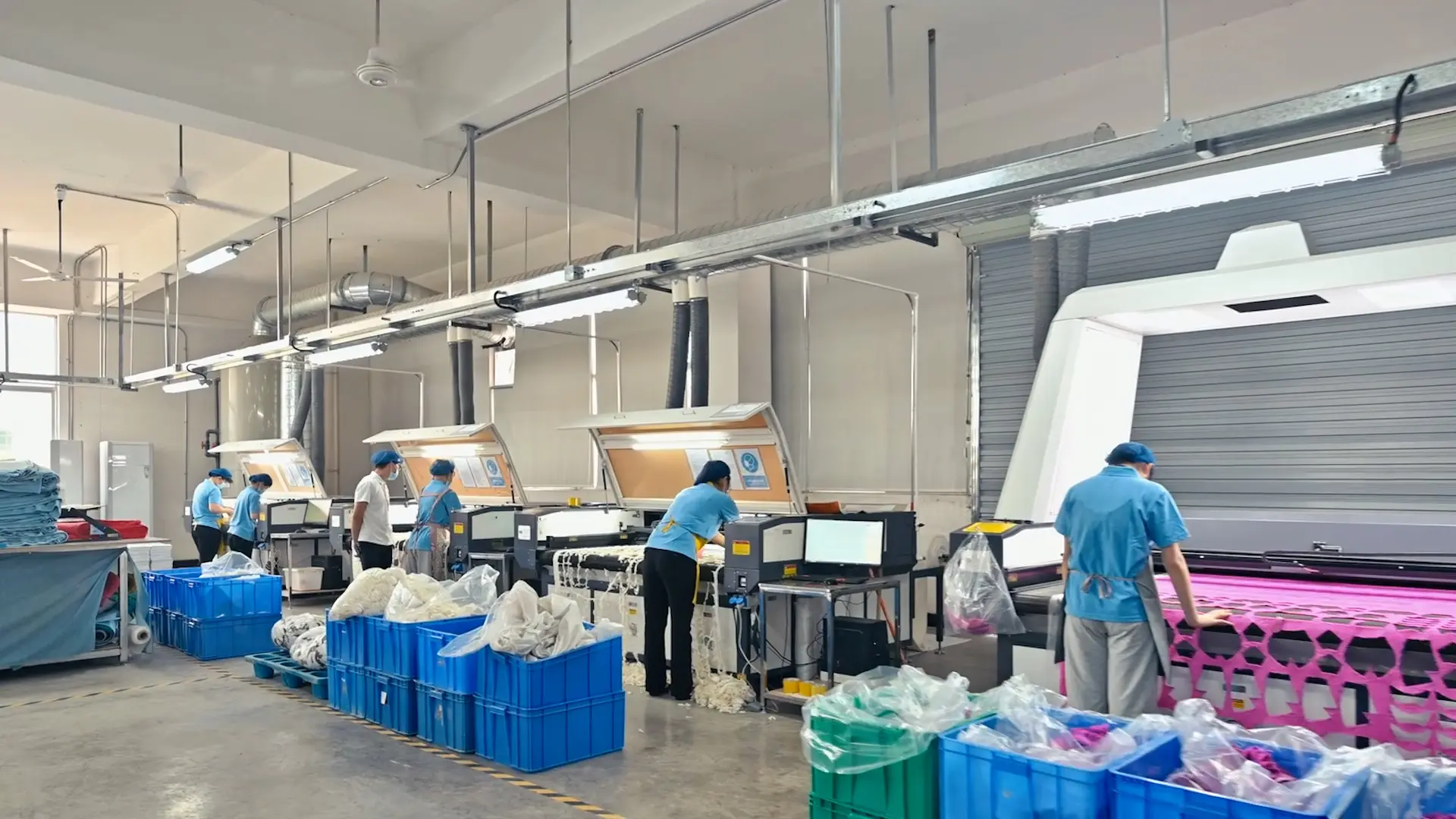
While the vinyl is being cast, the sewing department constructs the body. A major trend for 2026 is the “Poseable Hybrid.” By inserting a plastic ball-jointed skeleton into the plush body, the toy can stand, sit, or hold accessories. This adds immense play value and “collectibility” for users who enjoy toy photography and social sharing.
Phase 4: The Heat-Fit Assembly
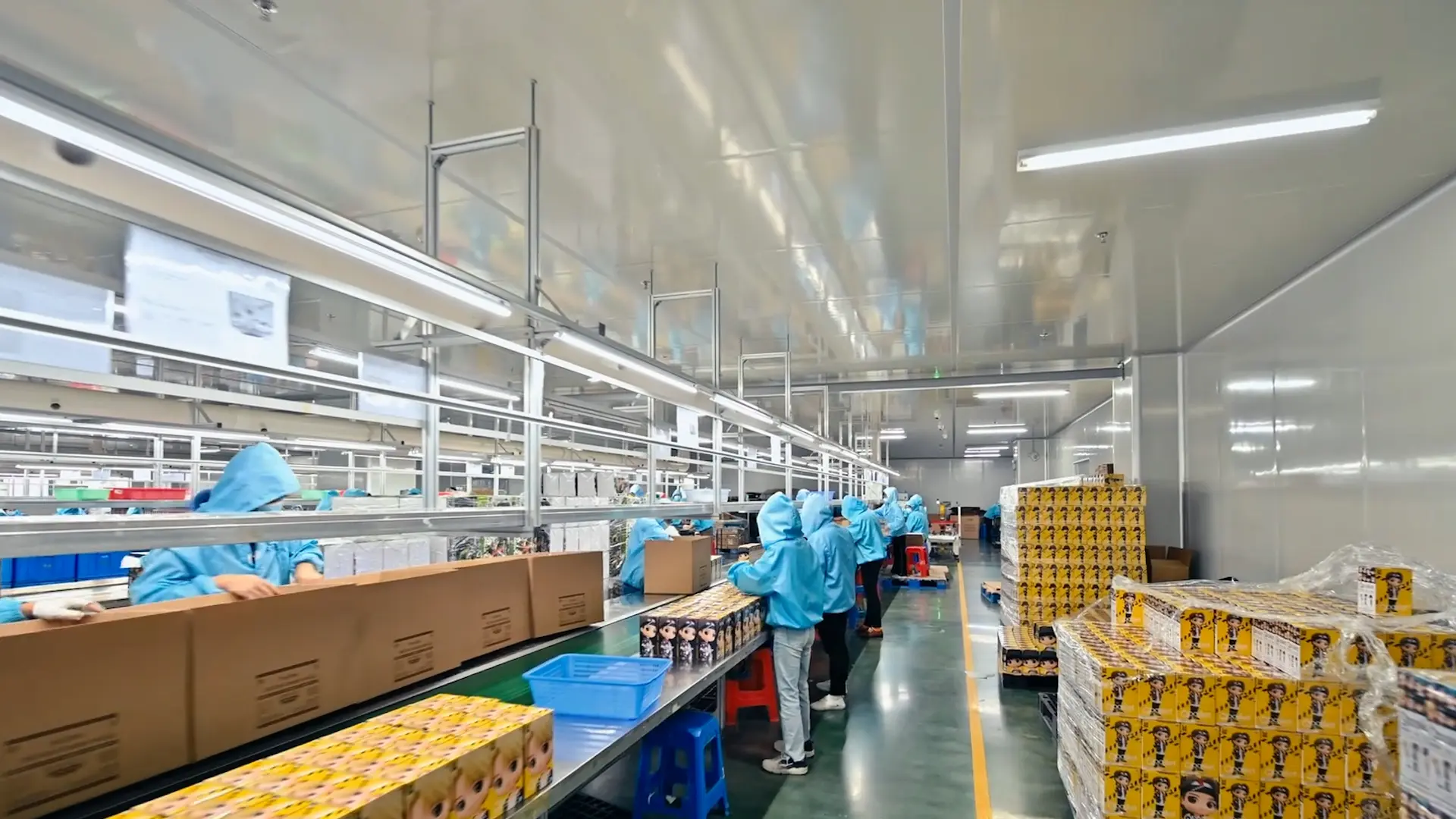
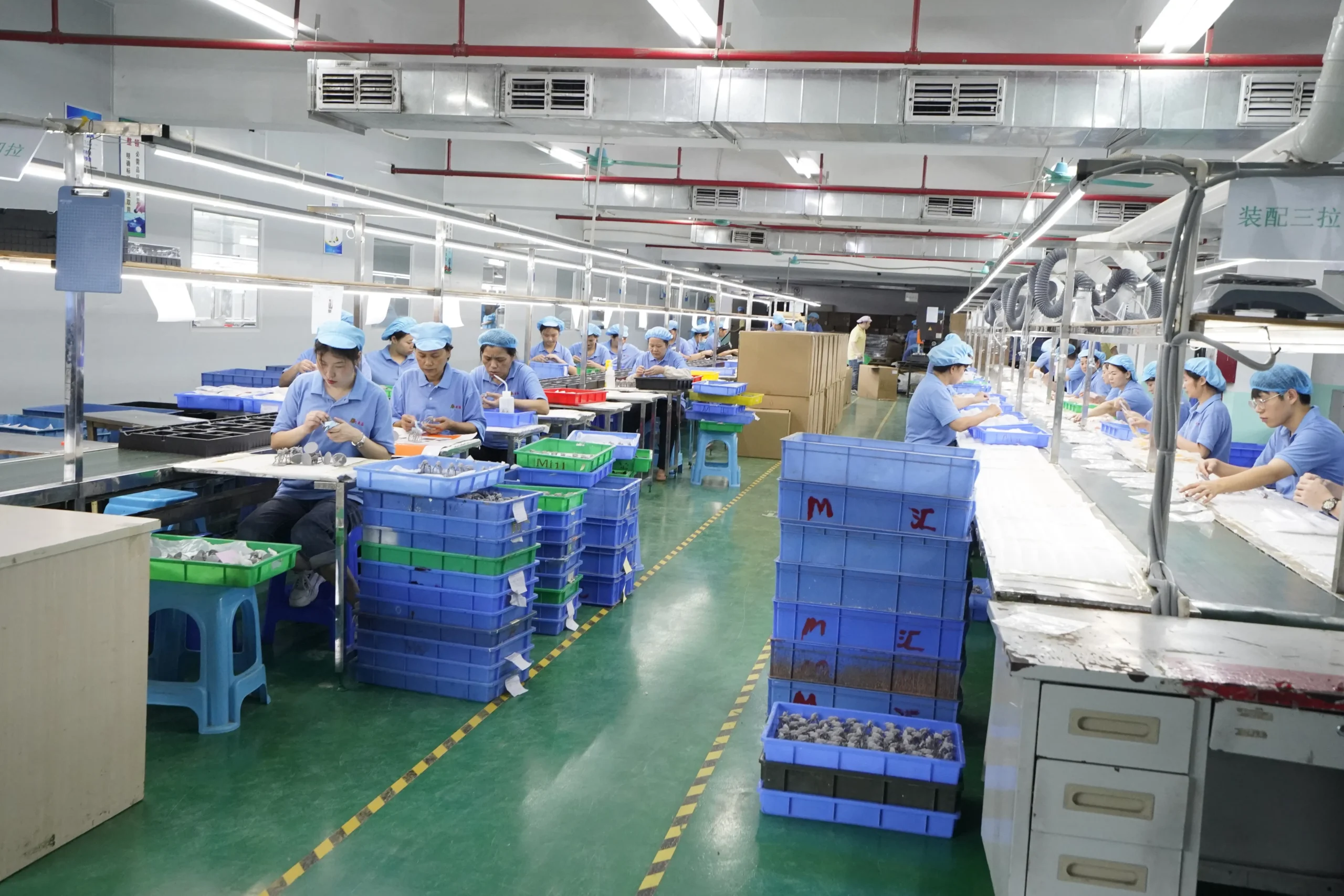
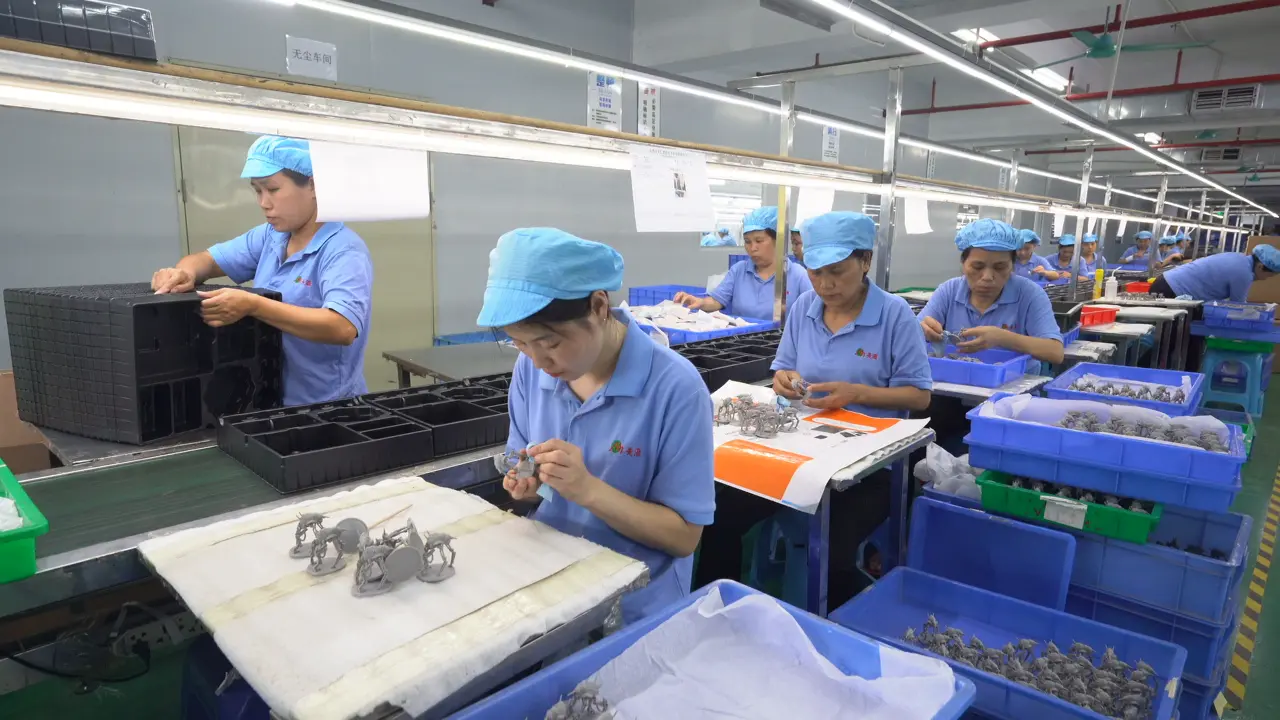
Final assembly is the most labor-intensive stage. The vinyl parts are gently heated to make them pliable, then snapped onto the plush body’s attachment rings. This requires a highly skilled workforce; excessive heat can deform the vinyl, while insufficient heat leads to structural failure or “neck wobble,” the leading cause of consumer returns in the art toy industry.
Quality Assurance and Global Compliance Standards
For international brands, a manufacturing partner must be backed by rigorous compliance. The 2025-2026 regulatory environment, particularly in the EU and North America, is stricter than ever regarding chemical safety and labor ethics.
Chemical and Physical Safety
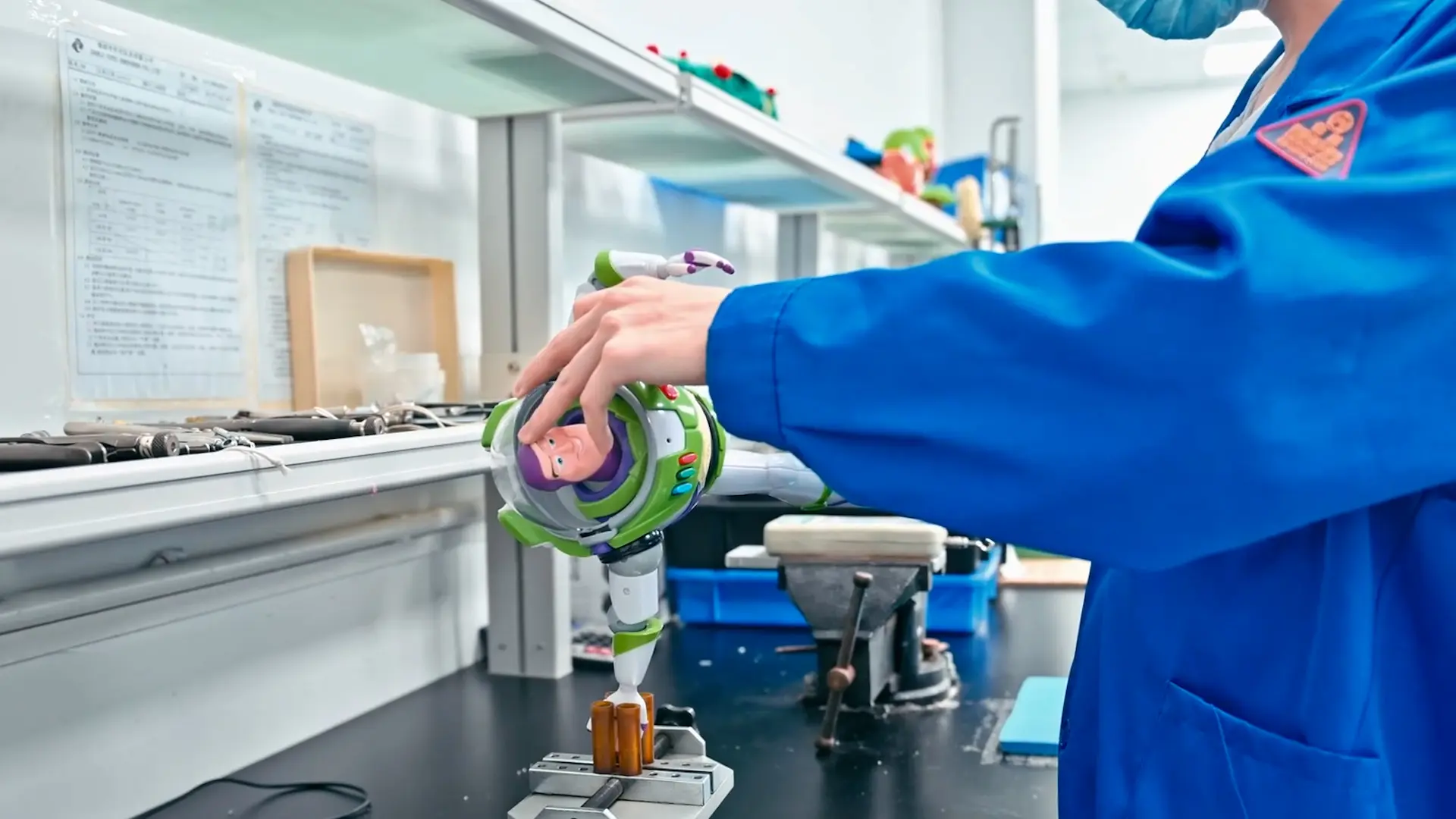
Any hybrid toy intended for global markets must pass ASTM F963 and EN71-3 testing. This ensures phthalate levels are within legal limits and that plush fabrics are flame-retardant and free of heavy metals. Furthermore, “Tension Testing” is vital—the connection between the vinyl head and plush body must withstand a specific pull-force (usually 90 Newtons) to ensure it does not become a choking hazard.
Ethical Sourcing and the ESG Mandate
Brand reputation is tied to the supply chain. Partnering with a factory that holds BSCI (Business Social Compliance Initiative) or SEDEX certification is now a mandatory safeguard. Moreover, 2026 marks the rise of “Green Customization.” Forward-thinking suppliers are now offering rPET (recycled polyester) stuffing and bio-based PVC to help brands navigate new environmental taxes and appeal to eco-conscious consumers.
Future-Proofing: AI Interaction and Electronic Integration
As we look toward 2026, the definition of a “toy” is expanding to include digital interaction. The search volume for “AI Voice Modules” in the B2B sector has grown exponentially.
The next frontier is the “Smart Hybrid.” By embedding low-power Bluetooth modules and generative AI chips into the plush body, the toy can engage in multi-turn conversations with the owner. This transforms the product from a static object into an interactive companion. For the manufacturer, this adds a third layer of complexity: PCBA integration within a textile shell, requiring specialized shielding to ensure the toy remains soft, huggable, and safe.
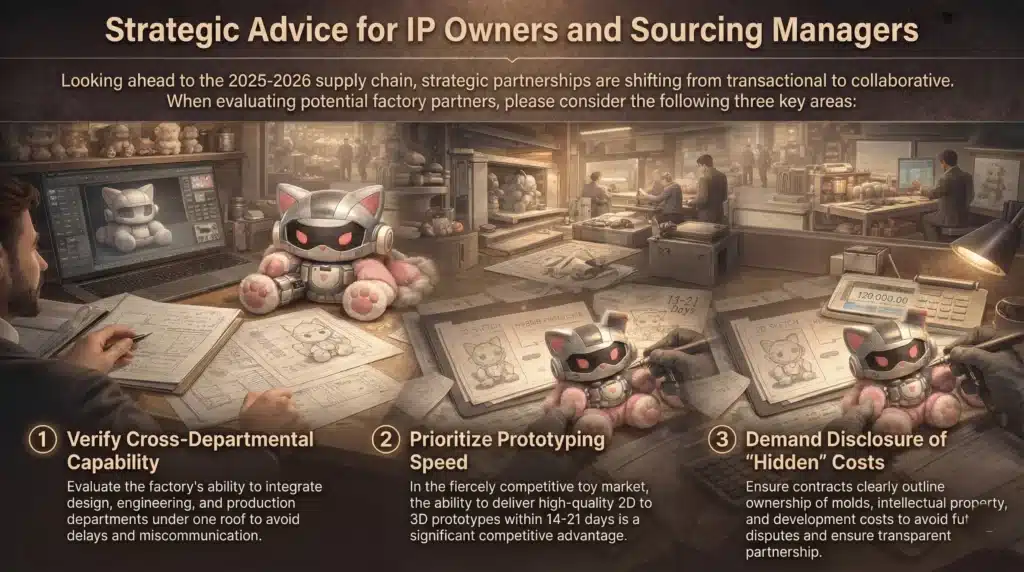
Strategic Advice for IP Owners and Procurement Managers
Navigating the 2025-2026 supply chain requires a move away from transactional sourcing toward strategic partnership. When evaluating a factory for a hybrid project, consider these three critical factors:
- Verify Cross-Departmental Capability: Ensure the factory manages both the vinyl and sewing departments under one management system. Outsourcing the body to a separate factory often leads to misalignment at the attachment points.
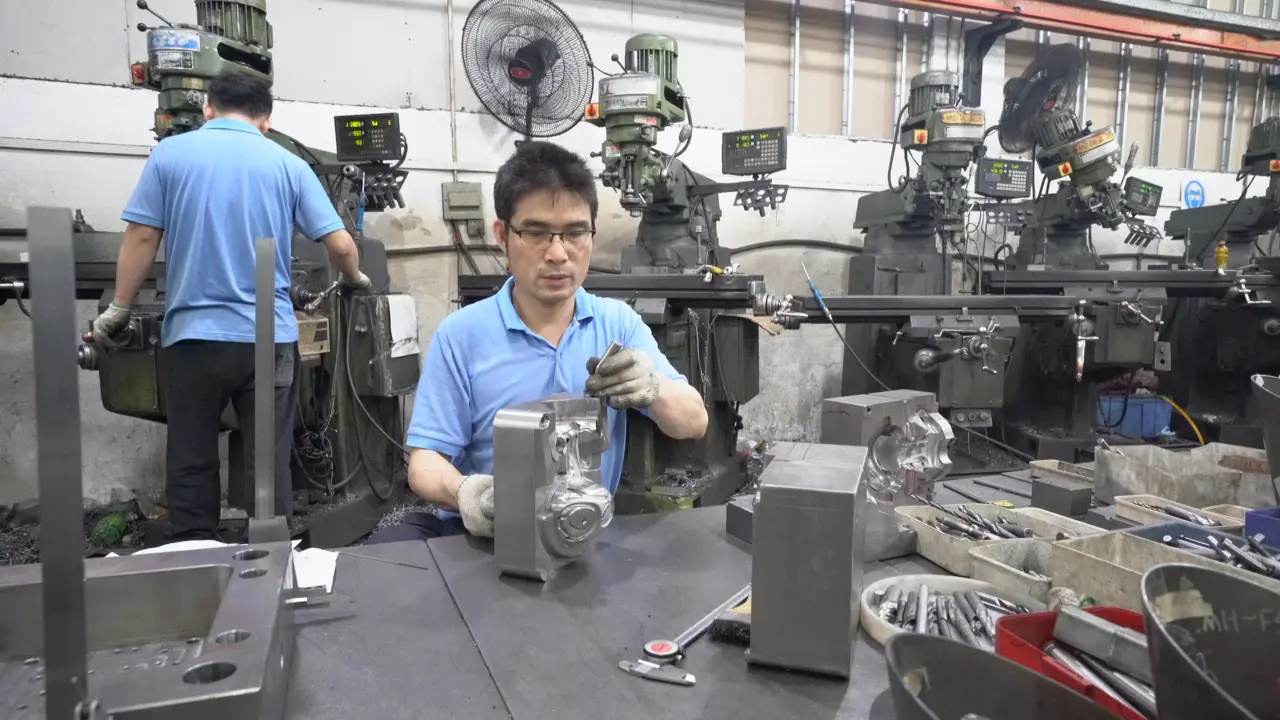
- Prioritize Prototyping Speed: In the fast-moving world of “trend-driven” toys, the ability to turn a 2D sketch into a physical hybrid sample in 14-21 days is a significant competitive advantage.
- Demand Transparency on “Hidden” Costs: High-end hybrids often require custom steel molds for the vinyl and complex die-cutting for the fabric. A professional partner should provide a clear breakdown of these “Pre-Production” costs versus the “Unit Cost.”
Conclusion: Redefining the Future of Play
The 2025-2026 era of toy manufacturing is defined by fusion: the fusion of materials, the fusion of technology and tradition, and the fusion of emotional value with industrial precision. The Hybrid Vinyl-Plush toy is the perfect embodiment of this trend.
For brands that can master this complexity, the rewards are significant. By combining the artistic detail of vinyl with the warmth of plush, and backing it with ethical, compliant manufacturing, you are not just creating a toy—you are creating a high-value collectible that resonates with a global audience. The future belongs to those who can bridge the gap between the rigid and the soft, the digital and the tactile
By combining the artistic detail of vinyl with the warmth of plush, and backing it with ethical, compliant manufacturing, you are creating a high-value collectible that resonates with a global audience. If you are ready to explore the possibilities for your next IP project, you can Request a Custom Quote from our engineering team today.
Frequently Asked Questions (FAQ)
1. What is the typical cost structure for a custom hybrid vinyl-plush toy?
The cost is generally divided into two parts: Pre-production costs and Unit costs. Pre-production includes the steel mold fee for the vinyl parts (ranging from $1,500 to $5,000 depending on complexity) and the pattern-making fee for the plush body. Unit costs are influenced by the choice of fabric (e.g., crystal super-soft vs. faux fur), the level of painting detail on the vinyl, and the total order quantity. Generally, higher MOQs significantly reduce the amortized mold cost per unit.
2. How do I ensure my custom art toy is compliant with US and EU safety regulations?
Compliance is mandatory for international retail. Your toy must pass ASTM F963 (USA) or EN71 (EU) testing. This involves chemical analysis (ensuring no lead or phthalates in the vinyl) and physical testing (such as the “Small Parts” and “Tension Test”). At Miho, we provide testing support by using certified raw materials and sending final samples to third-party labs like SGS or ITS to ensure your product is legal for export.
3. What design files do I need to provide to start a hybrid toy project?
To ensure the highest accuracy, we recommend providing 3D files (OBJ or STL) for the vinyl components and a 2D character turnaround (Front, Side, Back views) for the plush body. If you only have 2D sketches, our engineering team can assist in creating the 3D sculpt. Detailed call-outs for specific pantone colors and fabric textures will also help shorten the prototyping phase.
4. How do you prevent the vinyl head from detaching from the plush body?
This is a critical durability concern. We use a “Deep Groove Engineering” method where the vinyl neck is designed with a specific undercut. During assembly, the plush fabric is secured into this groove using high-tensile nylon stitching or a mechanical internal ring. Every hybrid toy design undergoes a 90-Newton tension test in our facility to ensure the head remains securely attached even under significant pull-force.
5. What is the average lead time from prototype to mass production?
On average, the Prototyping Phase takes 14 to 21 days (including 3D sculpting and fabric pattern adjustments). Once the sample is approved, the Mold Production takes 25 to 30 days. Finally, Mass Production typically requires 45 to 60 days, depending on the complexity of the hand-painting and assembly. We recommend starting the development process at least 5-6 months before your intended launch date.