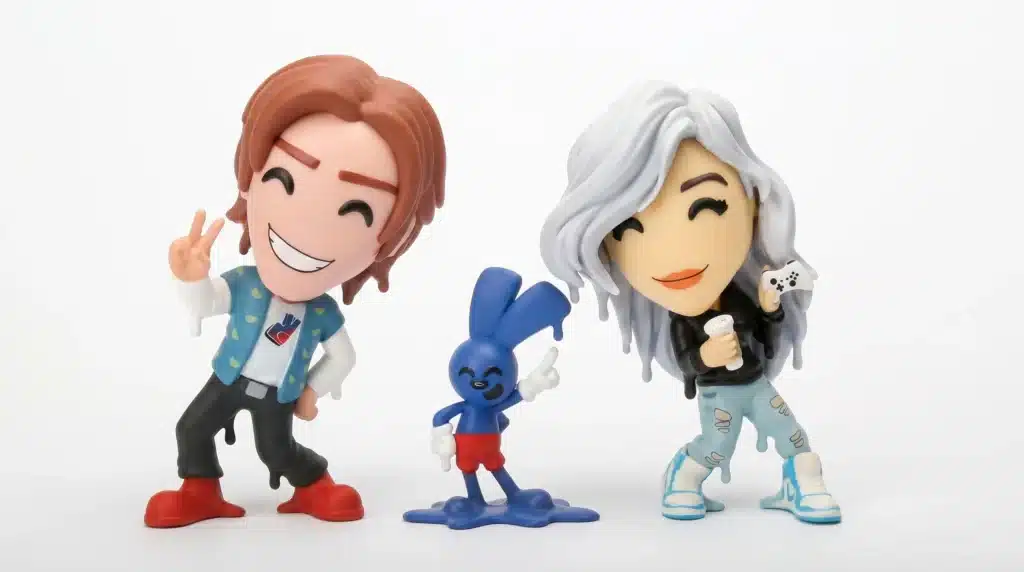
Picture this scenario for a moment. You just spent the better part of a year agonizing over a brand-new original character. Your 3D models are utterly flawless. The factory paint masters look so good they belong in a museum. You eagerly give the green light for mass production, ship the final products out to thousands of fans across the globe, and immediately, social media explodes with glowing praise. Everything looks absolutely perfect, right?
Then, six months pass, and summer quietly rolls in.
Suddenly, your customer service inbox starts catching some incredibly weird emails. Someone tags your brand on Instagram, and your heart sinks when you look at the photo. That beautiful, premium art toy that used to stand tall and proud in their display cabinet is now violently leaning forward at a terrifying 45-degree angle. It literally looks like it is trying to mimic Michael Jackson’s famous anti-gravity lean.
Honestly, this is a brand owner’s ultimate nightmare.
The gorgeous collectible you poured your soul into has suddenly transformed into a defective mess in the eyes of your buyers. Your loyal fans feel disappointed, and your hard-earned brand reputation takes a massive, very public hit.
Did you know this phenomenon is incredibly common in the designer toy space? Veteran collectors even have a slightly sarcastic nickname for it: “soft leg syndrome.” Why do these seemingly solid, heavy-duty plastic figures suddenly surrender to gravity after just a few months? As a manufacturing expert at MIHOX, let me explain the hidden physics behind this frustrating issue, and exactly how our factory engineers permanently eliminate this headache on the production line.
The “Temper” of Plastic: Exactly Why Does It Soften?
To truly understand why your beloved toy is suddenly bowing to its audience, we first have to understand the inherent temper of the material itself.
Polyvinyl Chloride, commonly known as PVC, is the absolute undisputed king of the toy manufacturing industry. It captures microscopic sculptural details beautifully, boasts a wonderfully smooth surface texture, and remains remarkably cost-effective. But PVC has one massive, glaring weakness—it is a thermoplastic.
What does that actually mean for your product? Simply put, it is highly sensitive to temperature changes.
When the ambient temperature rises, the molecular polymer chains inside the PVC become highly active, causing the physical material to drastically soften. Think about a collector’s room without the air conditioning running in July, or a glass display cabinet sitting directly in the afternoon sun. The temperature inside that cabinet can easily spike to 35°C (95°F) or higher. At that specific temperature, standard soft vinyl or PVC essentially behaves like a slightly melted stick of butter.
Right at that exact moment, gravity ruthlessly kicks in.
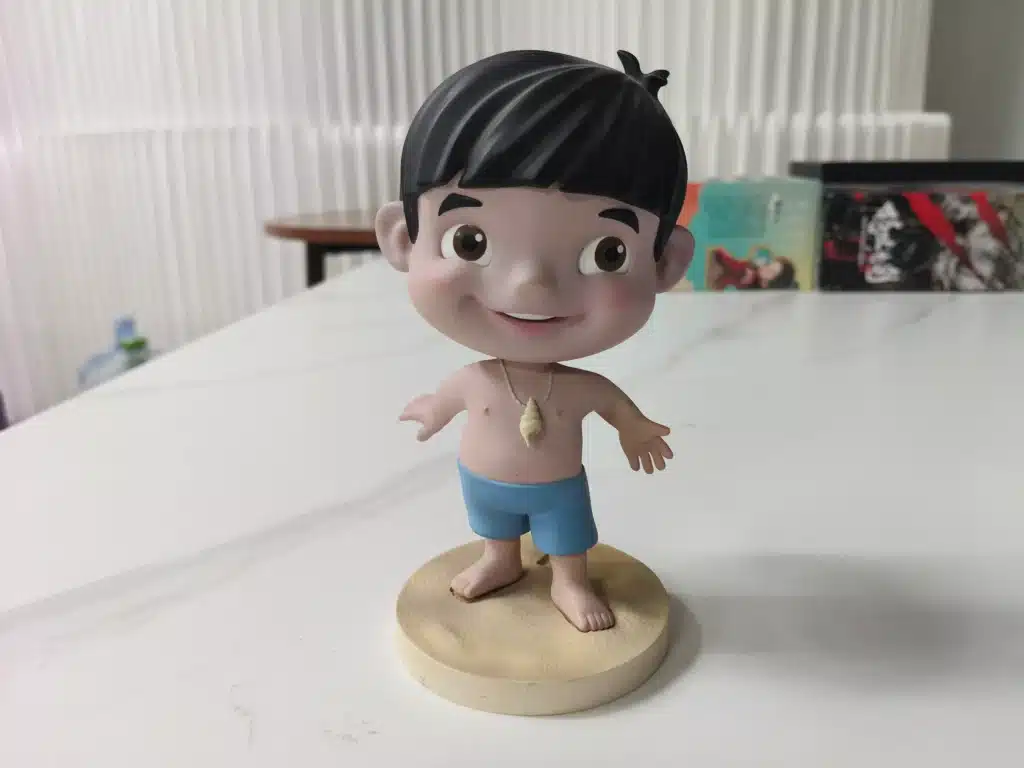
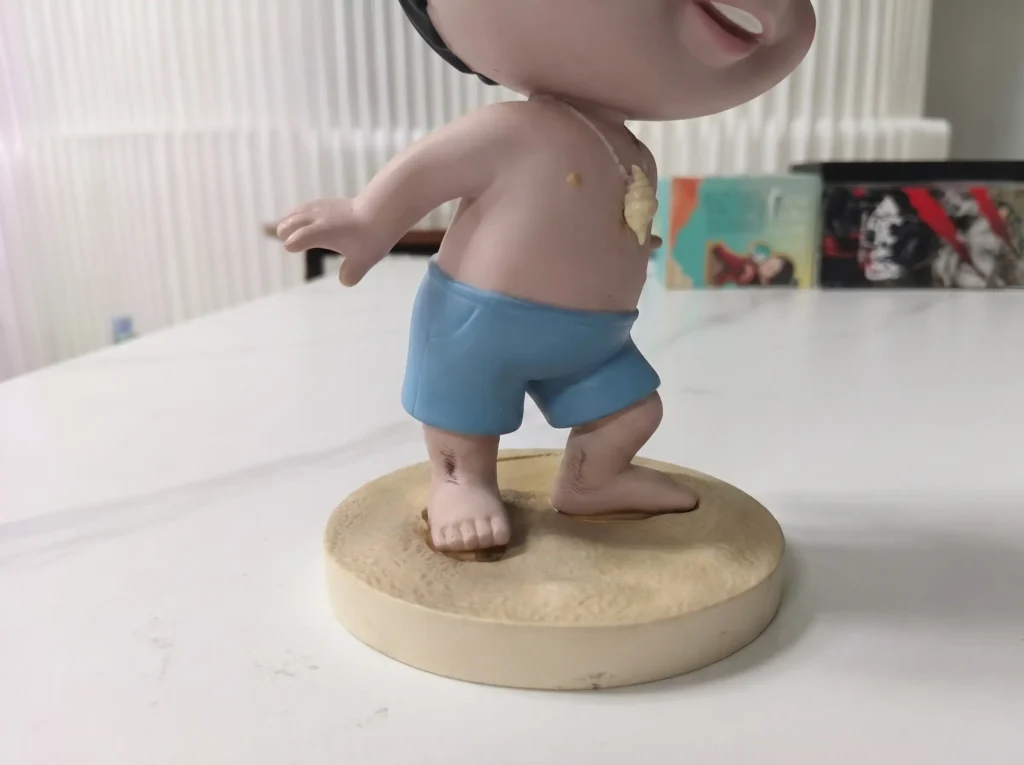
Modern art toy designs heavily favor exaggerated, chibi-style proportions. You know the look—massive, oversized heads balanced on tiny, adorable little bodies. It is undeniably cute. But from a strict structural engineering perspective, you are essentially balancing a heavy bowling ball on top of two fragile toothpicks. The massive, solid head constantly applies downward pressure. As the temperature rises and the thin legs turn to mush, they simply cannot provide enough structural resistance to hold the weight.
Day after day, the leg material undergoes a microscopic, irreversible deformation known in engineering as “creep.” Eventually, the toy just falls over.
Does the “Hairdryer First Aid” Trick Actually Work?
If you spend ten minutes browsing any major toy collector forum, you will inevitably find seasoned veterans sharing their personal first-aid solutions for leaning toys. They grab a high-powered hairdryer and blast the bent ankles of the figure for five minutes until the plastic gets scalding hot and squishy. Then, they forcefully bend the toy back into a straight, standing position and quickly plunge the whole thing into a bowl of ice water to freeze it in place.
It sounds like a brilliant, magical life hack, right?
The harsh reality is that this trick is just a temporary bandage on a bleeding wound. The ice water bath merely freezes the plastic temporarily. The very second the next summer heatwave hits, or the central heating kicks on during winter, that massive heavy head is going to mercilessly crush those weakened legs all over again.
As a premium toy brand, you absolutely cannot expect your paying customers to chase your products around with a hairdryer every few months. If a collector drops over a hundred dollars on an exclusive designer art piece, they expect a structurally sound masterpiece, not a high-maintenance DIY project.
Should We Just Abandon PVC Altogether?
Since PVC is so notoriously prone to softening, shouldn’t we just ditch it entirely and use something else?
The answer is nowhere near that simple. If you switch completely to a rock-hard material like Polystone or PU Resin, your manufacturing and shipping costs will skyrocket exponentially. Resin is incredibly heavy and highly fragile, making it a complete nightmare for mass-market shipping. If you are actually curious about producing high-end, fragile items, you can check out our specialized services for premium resin statue manufacturing.
What if we just use hard ABS plastic for everything? ABS is remarkably rigid and will never warp at room temperature. However, it feels completely different. It is hard, hollow-sounding, and lacks the warm, slightly flexible, premium tactile feel that collectors love about vinyl. Plus, cutting steel injection molds for large ABS figures costs an absolute fortune.
The secret is not abandoning PVC. The secret is using incredibly clever factory engineering to completely mask its physical flaws.
How Our Factory Engineers Crush This Problem
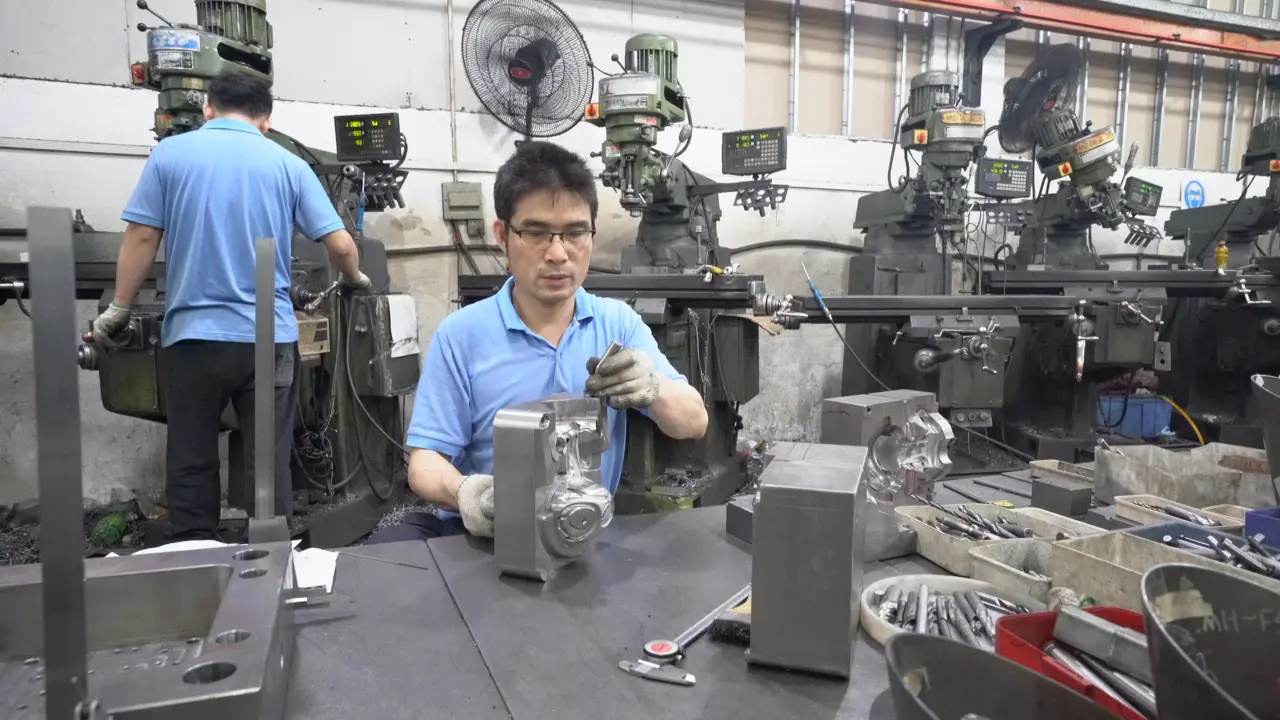
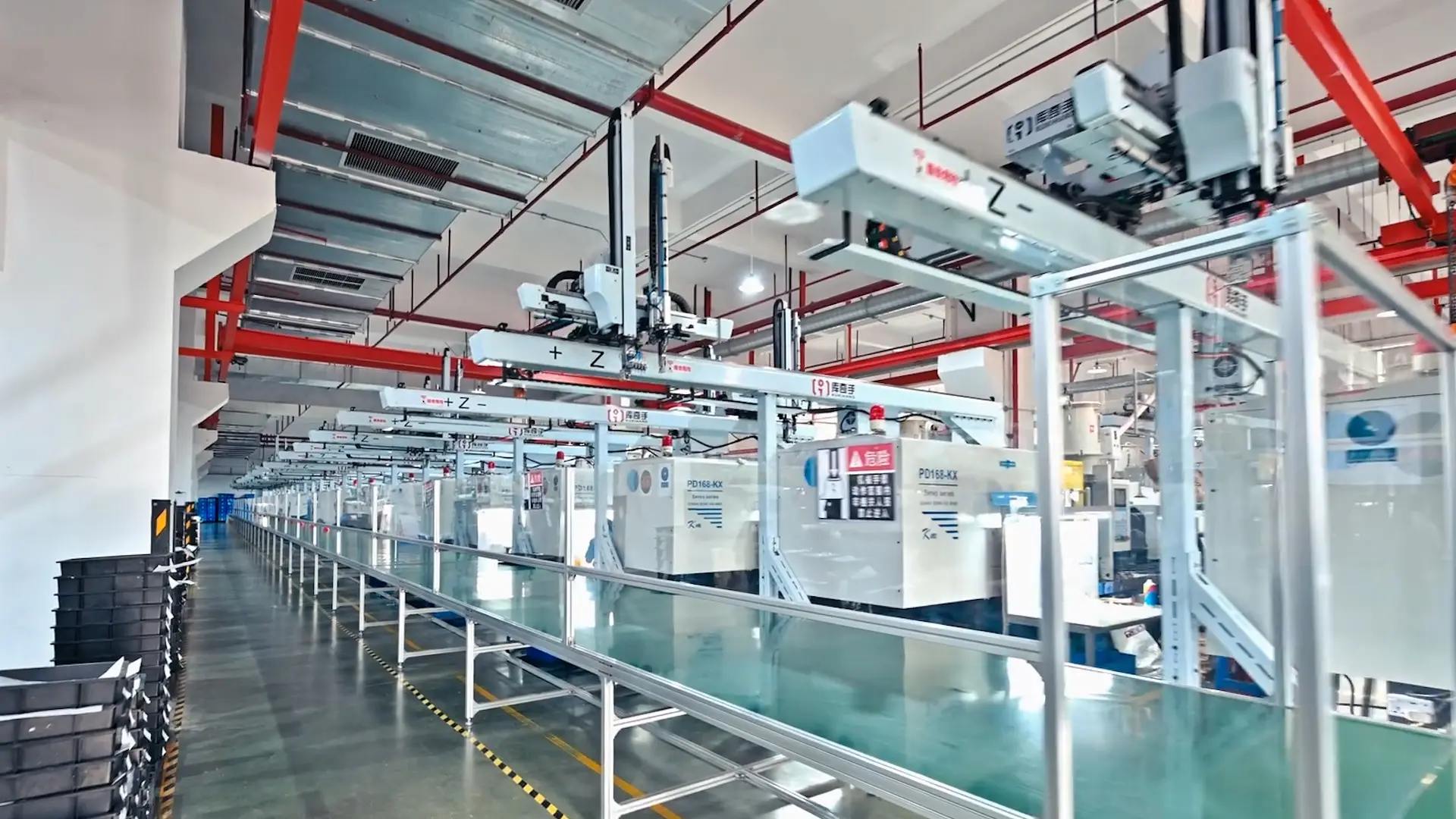
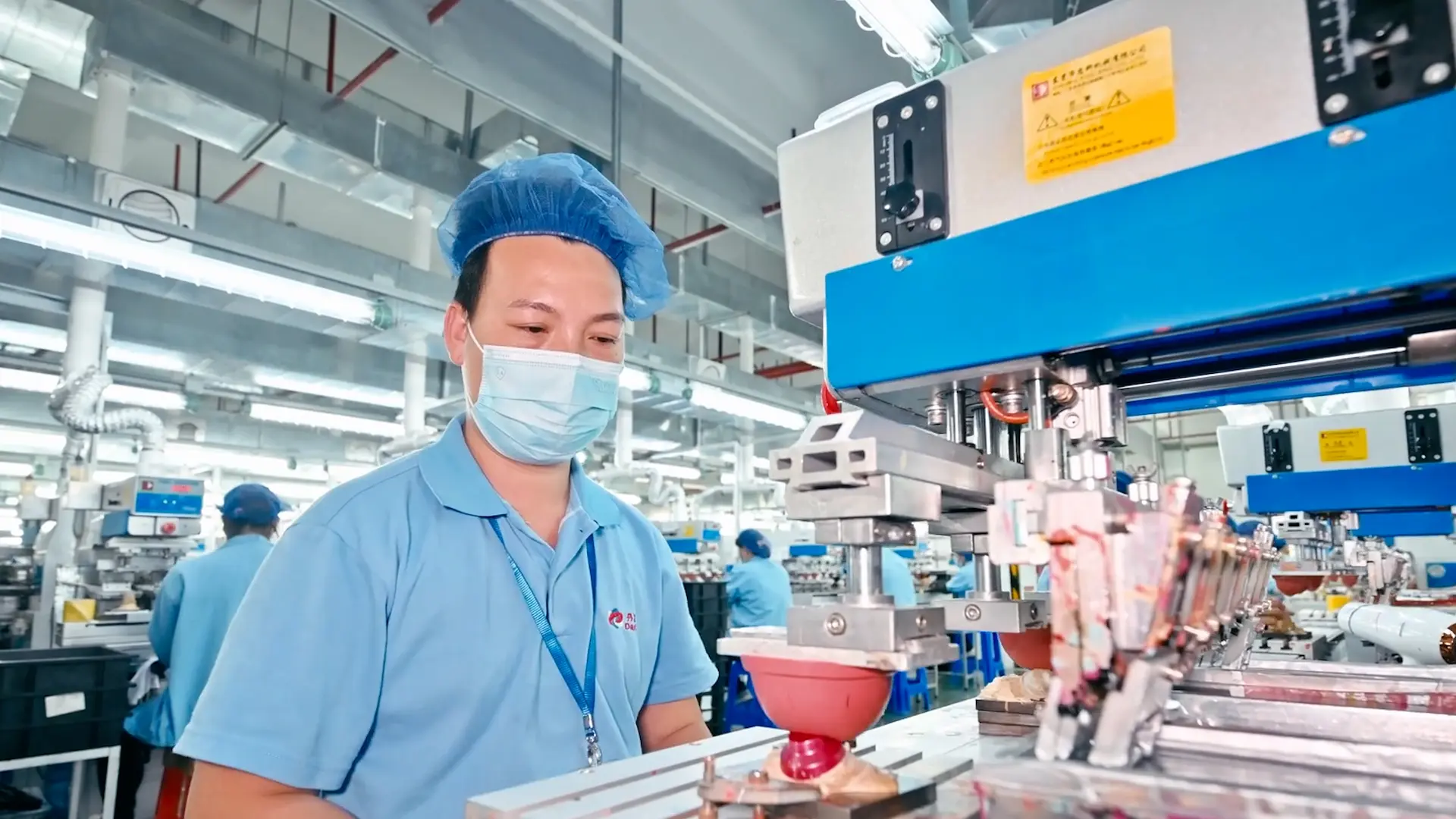
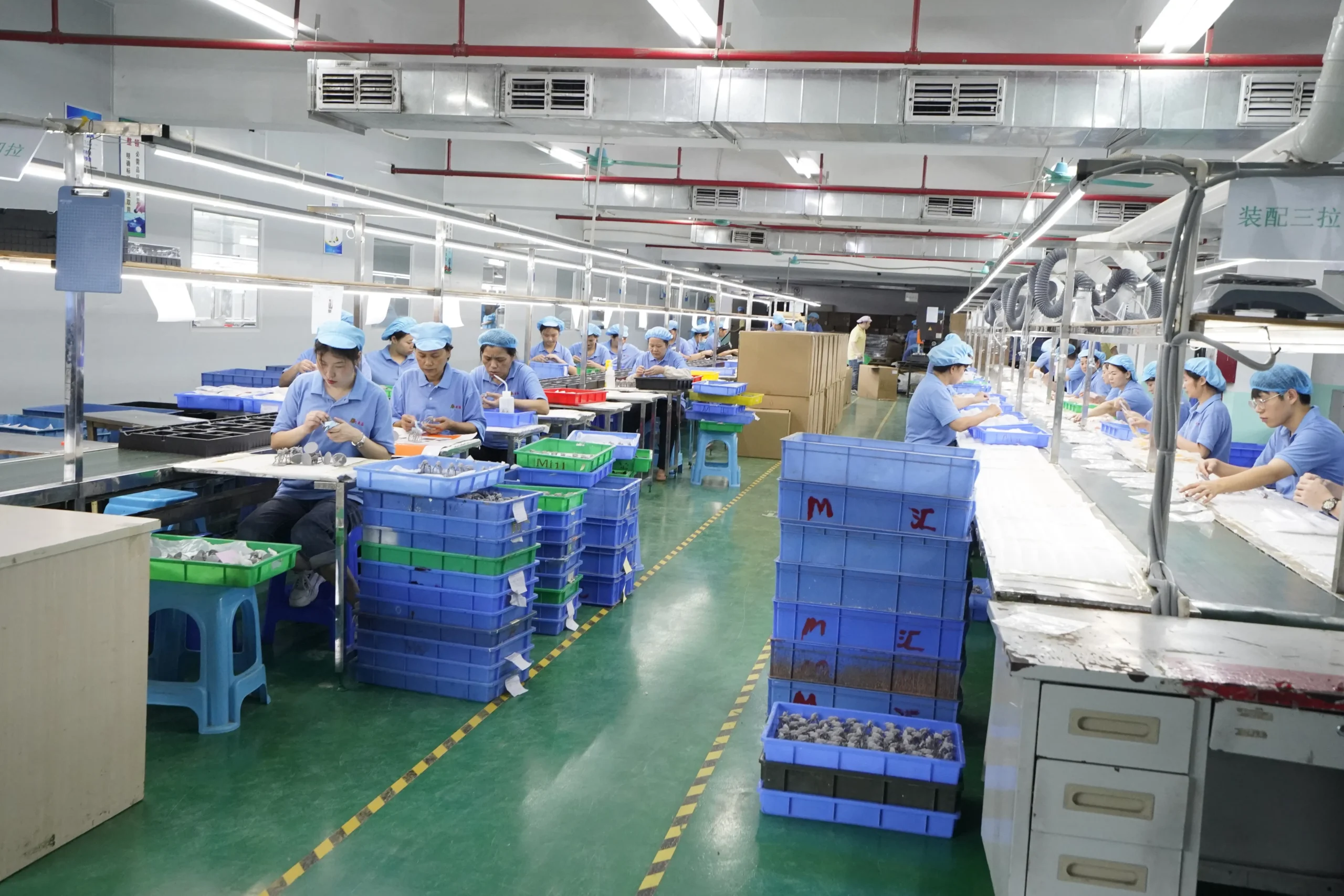
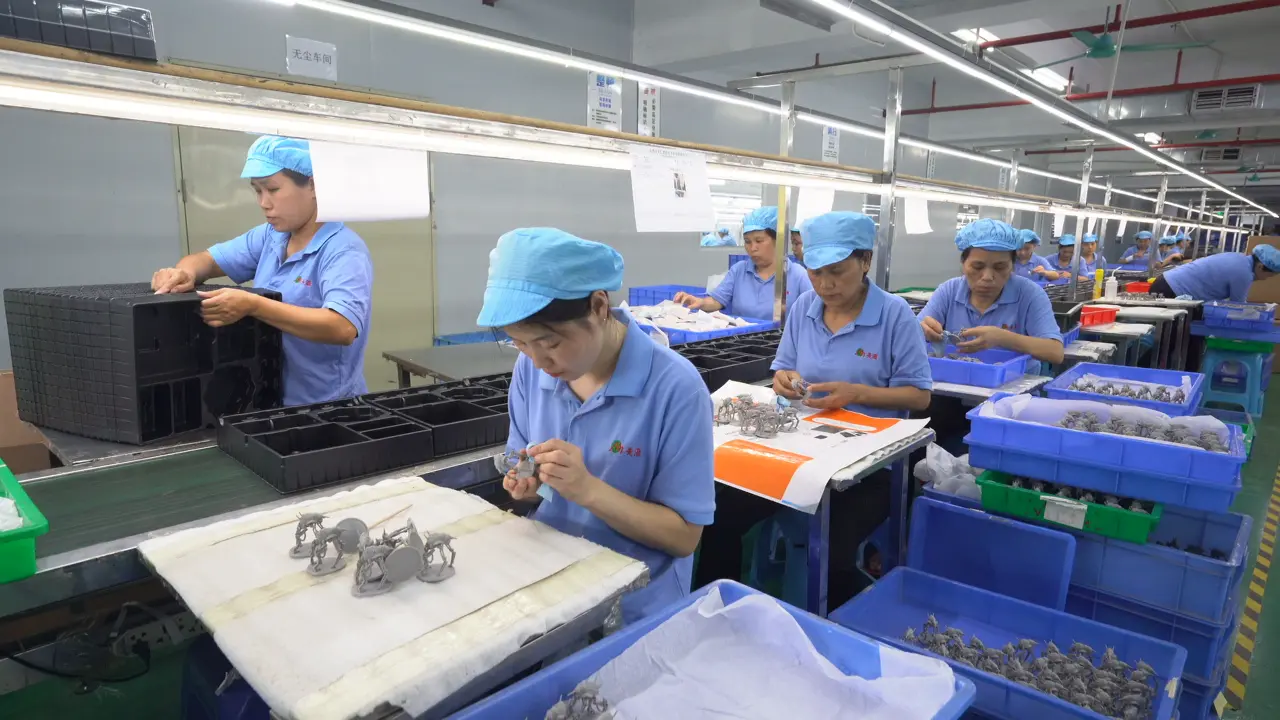
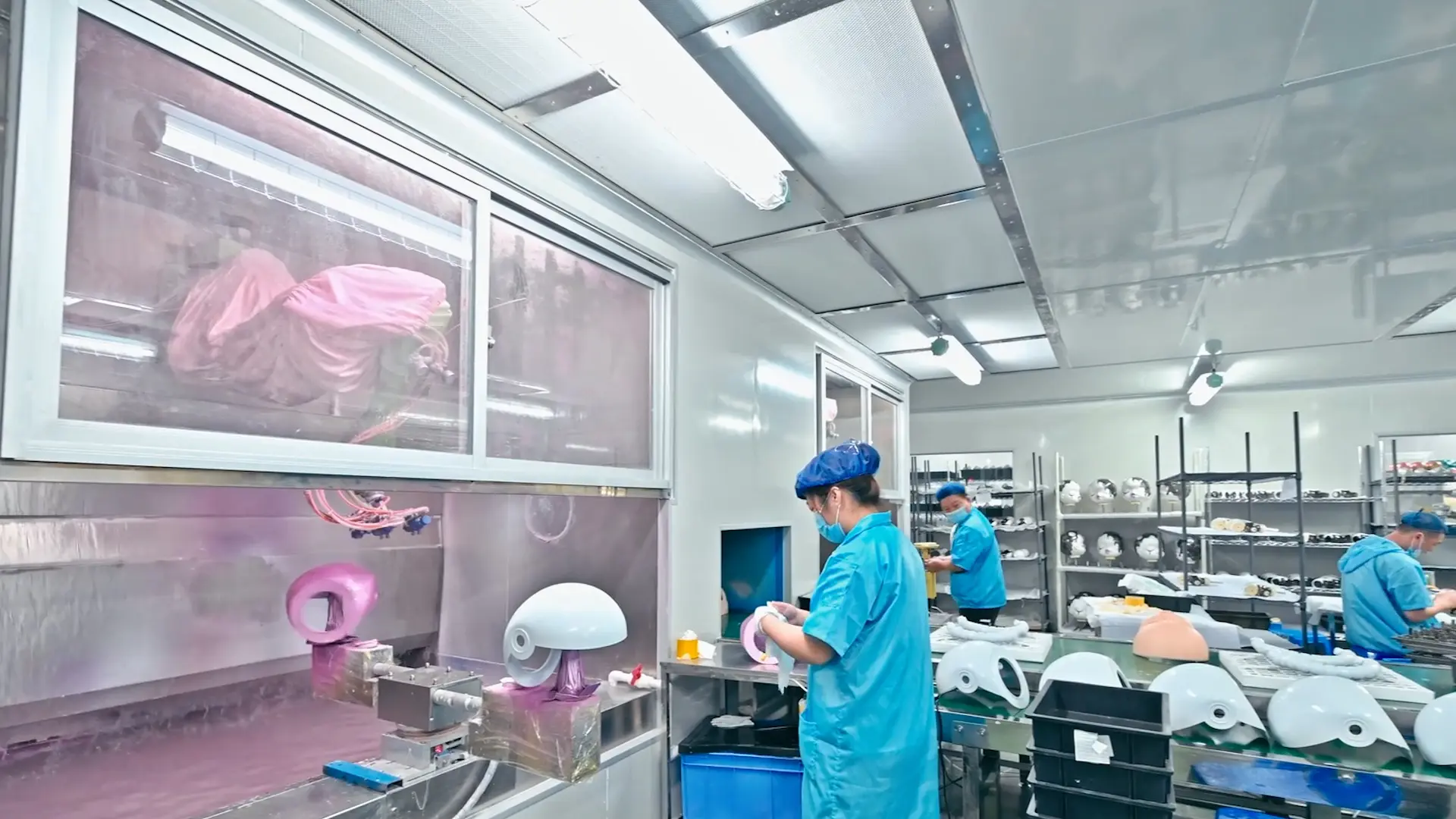
On the factory floor at Newmiho, we wage a daily war against gravity. Keeping a top-heavy toy standing straight is never about luck. It is about applying rigorous structural engineering before the molds are even cut. Here are the core tactics our team uses to ensure your figures stand perfectly upright for decades.
Tactic 1: Mixed-Media Assembly (Giving Your Toy “Hard Bones”)
This is one of our most frequent and highly effective strategies. Who says a toy has to be made of the exact same material from head to toe?
Our tooling engineers heavily analyze your digital 3D files. If they notice a character has remarkably thin legs supporting a massive, chunky upper body, we immediately suggest a mixed-material approach. How does that work?
- The Upper Body and Head: We cast these parts in high-quality PVC or soft vinyl. This preserves the beautiful skin-like texture, the warmth of the material, and allows for deeply complex sculptural details.
- The Lower Body and Legs: We swap the material out entirely. We mold the legs using rock-solid ABS plastic, or a heavily modified, specialized hard PVC that contains a high ratio of rigid curing agents.
Using ultrasonic welding or precision-engineered V-cut joints, we seamlessly fuse that soft, highly detailed upper body to a pair of legs that are literally as tough as rocks. The visual transition is completely invisible to the naked eye. The paint matches perfectly. But mechanically? Even if a collector’s room hits 40°C, those rigid legs will not bend a single millimeter. It is a brilliant, invisible physical upgrade.
Tactic 2: Internal Metal Armatures (Seamless Support)
Sometimes, character designs are just wildly exaggerated. Imagine a magical girl balancing on a single impossibly thin stiletto heel, or an alien creature resting entirely on two tiny, spindly tentacles. In extreme cases like this, even hard ABS plastic might snap cleanly in half because the load-bearing surface area is just too small.
This is exactly where our internal metal armature technology comes into play.
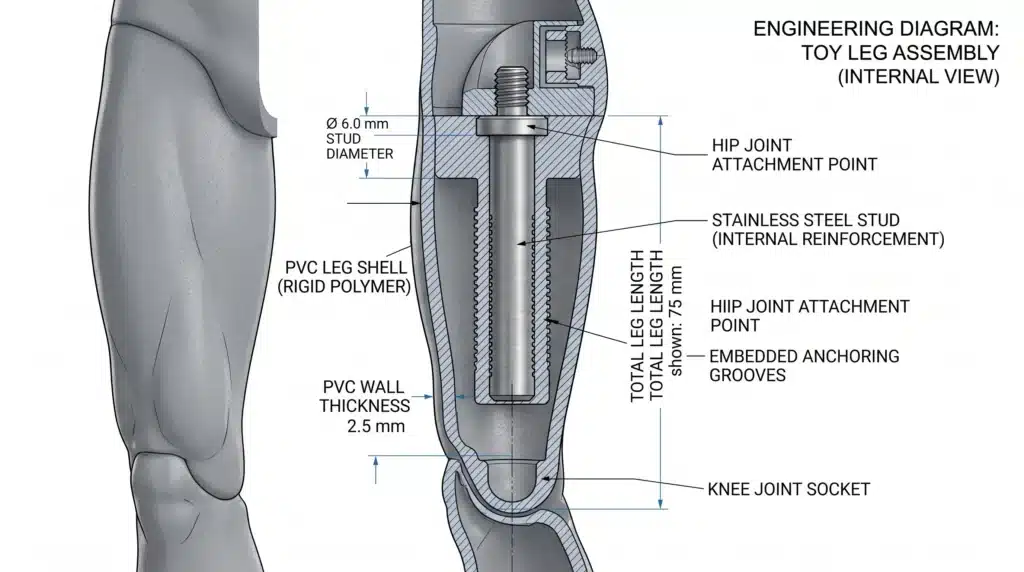
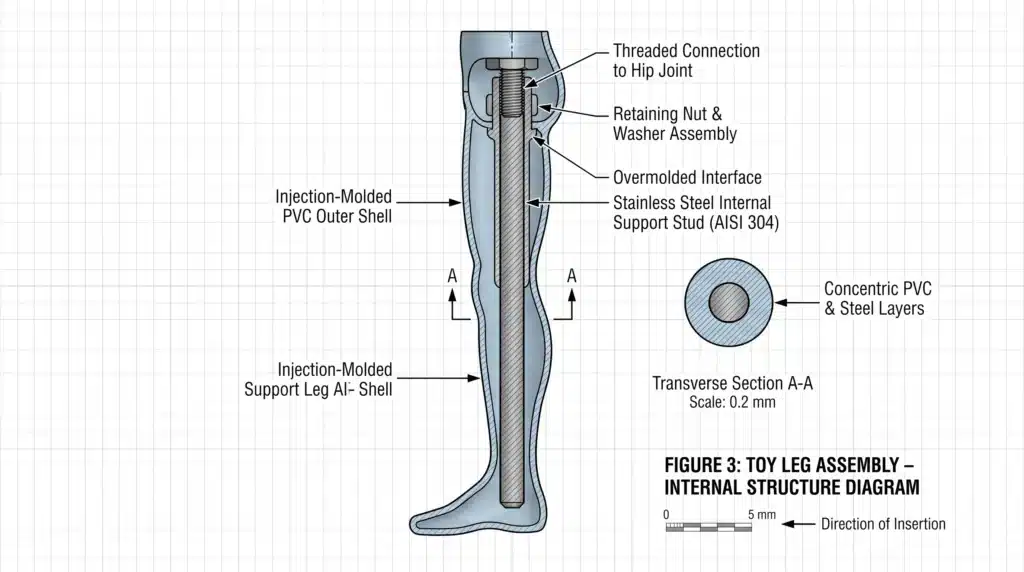
Think about how construction workers pour concrete around a grid of steel rebar to build a skyscraper. We do the exact same thing on a micro-scale. We precisely insert high-strength stainless steel rods (usually 1.5mm to 3mm thick, depending on the scale) directly inside the thin PVC legs during the manufacturing process.
It sounds easy on paper, but executing this during mass production is incredibly difficult. If the factory uses a metal rod that is too thick, the cooling plastic will violently crack open. If the rod is too thin, it simply bends under the weight anyway. Our mold engineers run complex math to ensure the steel rod sits perfectly hidden within the plastic casing, completely absorbing the downward force of the head.
The final result is a toy that feels soft and premium on the outside, but possesses an unbreakable spine of steel on the inside. Want to know more about mixing materials safely? Check out our dedicated page on mixed-media product development.
Tactic 3: Shifting the Center of Gravity (Lightening the Head)
When you are fighting a brutal war against gravity, the smartest tactic is often just removing the heavy ammunition.
If your character has a comically huge head, our engineers will absolutely refuse to inject it as a solid, heavy block of plastic. Instead, we use traditional slush casting (which creates naturally hollow vinyl parts), or we engineer highly complex core-pulling mechanisms into the steel injection molds.
The singular goal here is to make that massive head completely hollow.
By aggressively hollowing out the top of the toy, the overall Center of Gravity instantly drops down toward the floor. But we do not stop there. We take things a step further by secretly embedding heavy, high-density die-cast zinc weights directly inside the character’s shoes, flat feet, or the display base.
The head becomes as light as a feather, and the feet become as heavy as lead.
This extreme weight redistribution makes the toy physically un-tippable. Not only will it never lean forward, but when a collector actually picks the figure up out of the box, that concentrated weight in the base instantly creates an undeniable feeling of luxury and premium quality.
The Ultimate Trial: Our Brutal “Oven Test”
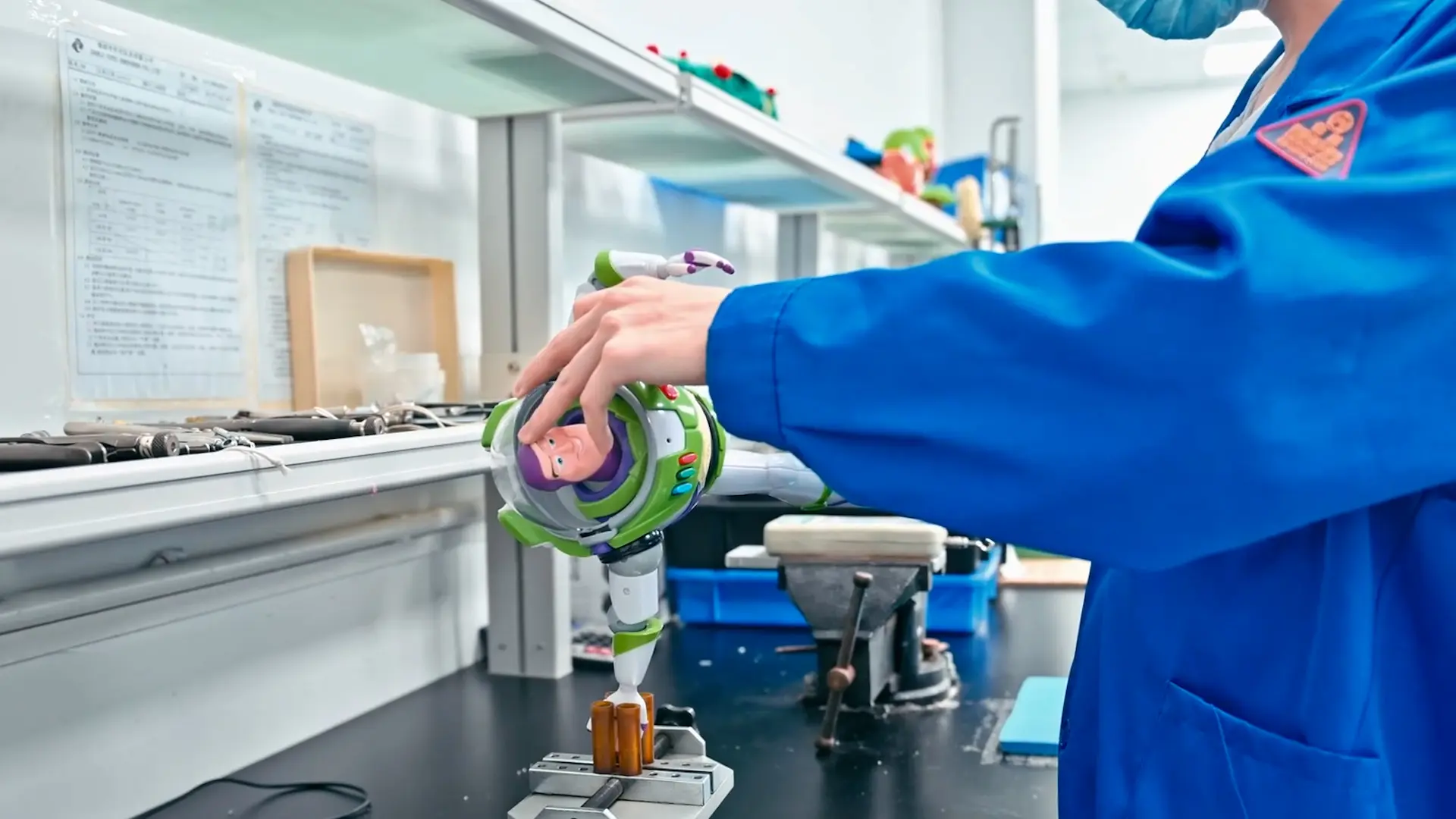
We know that looking good on a digital blueprint does not always translate to surviving the real world. Long before we ever start mass-producing your expensive inventory, the quality control team at MIHOX executes a testing phase that sounds borderline cruel: the high-temperature oven test.
We take the very first batch of physical pre-production samples and lock them inside an industrial temperature and humidity chamber. We crank the heat all the way up to 45°C (113°F), set the humidity to a sweltering 80%, and leave the toys baking in there for 48 to 72 hours straight. This brutally simulates the absolute worst-case scenario—like your product sitting inside a roasting metal shipping container at a port in August, or trapped in a collector’s stuffy attic.
After three days, we open the heavy chamber doors. If the toy has leaned forward by even a single degree, the test is a failure. The mold goes straight back to the engineering department for a complete structural overhaul. We simply do not compromise on physics.
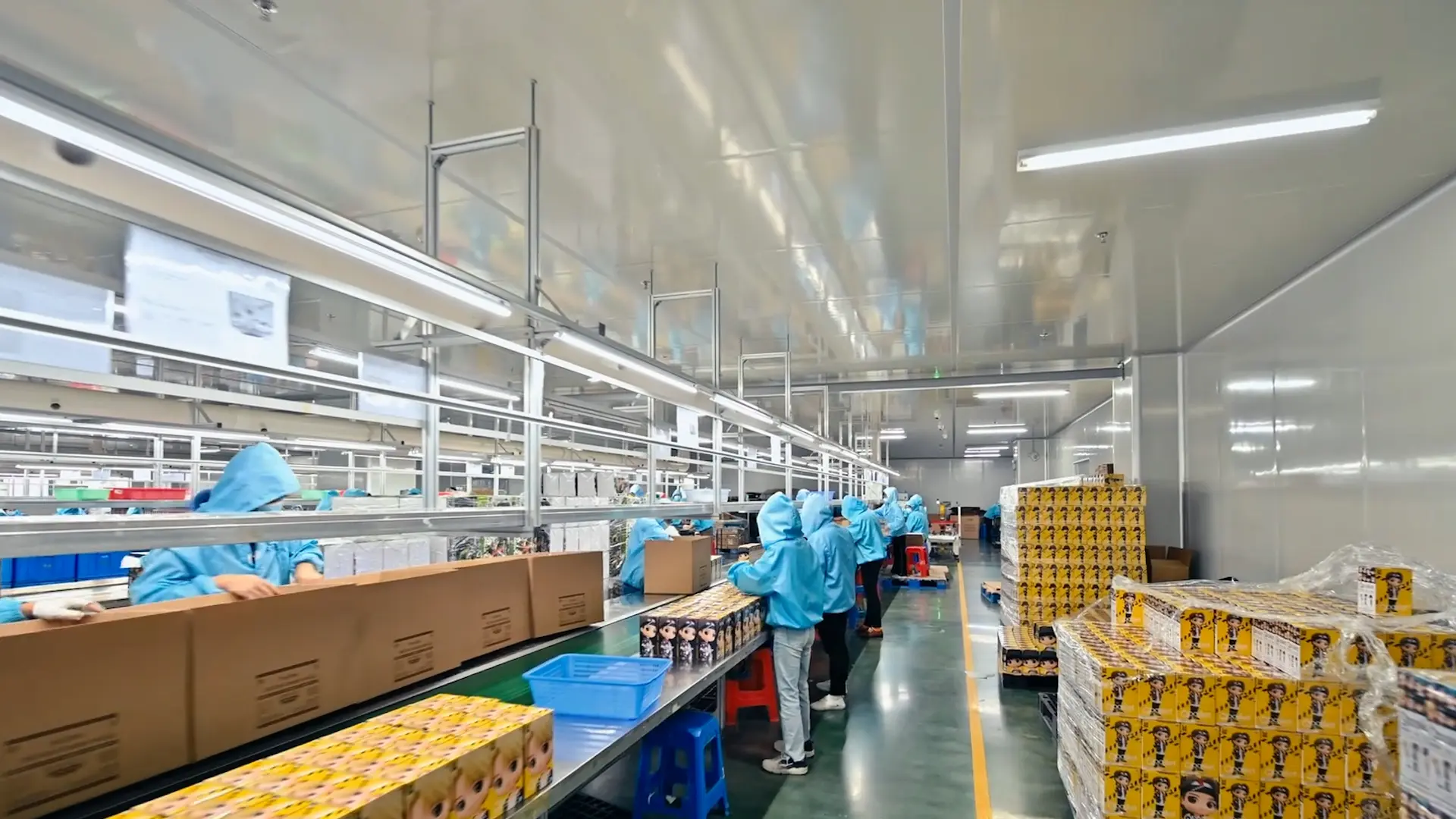
Only the samples that effortlessly survive this hellish ordeal are approved for the mass production assembly line. When you choose to partner with a factory that enforces these extreme standards, you are essentially buying insurance against a catastrophic wave of future customer returns.
Do not let bad physics destroy the artistic masterpiece you worked so hard to create. If you are currently looking at your 3D sculpts and feeling anxious about potential structural failures, please feel free to reach out to our engineering team for a completely free manufacturing feasibility report.
MIHOX-Frequently Asked Questions (FAQs)
Unfortunately, no. The popular method of heating the plastic with a hairdryer and cooling it with ice water only provides a temporary visual fix. Once the internal polymer chains of the PVC have suffered “creep” from long-term gravity exposure, home remedies cannot restore the original structural integrity. The only permanent fix happens at the factory engineering level before the toy is ever manufactured.
Not at all. ABS plastic has an incredibly smooth surface and accepts paint adhesion beautifully. Our factory master painters use the exact same color-matched paint formulas across both ABS and PVC surfaces. Because we apply a unified primer coat first, it is visually impossible for the naked eye to see any difference in color or finish between the two materials.
The added cost is actually surprisingly negligible. Adding a custom-cut stainless steel rod inside a toy’s leg only costs a few extra cents per unit. When you compare that tiny expense against the massive financial loss of mass customer returns, refunded orders, and a destroyed brand reputation, inserting metal armatures is a highly profitable, common-sense investment.
We generally avoid using internal metal rods for transparent figures. The clear material would leave the raw steel rod completely visible, which heavily ruins the artistic aesthetic of the toy. For highly transparent characters with balance issues, our engineers usually secure the feet to a thick, clear acrylic base with seamless pegs, or we significantly thicken the outer walls of the legs for extra support.
While heat and gravity are the main culprits, uneven feet are another major factor. If a factory miscalculates the chemical shrinkage rate during the molding process, the bottom of the toy’s feet might bulge slightly outward when curing. This turns the toy into a wobbly weeble-wobble that cannot stand flat on a shelf, requiring highly precise mold adjustments to correct.