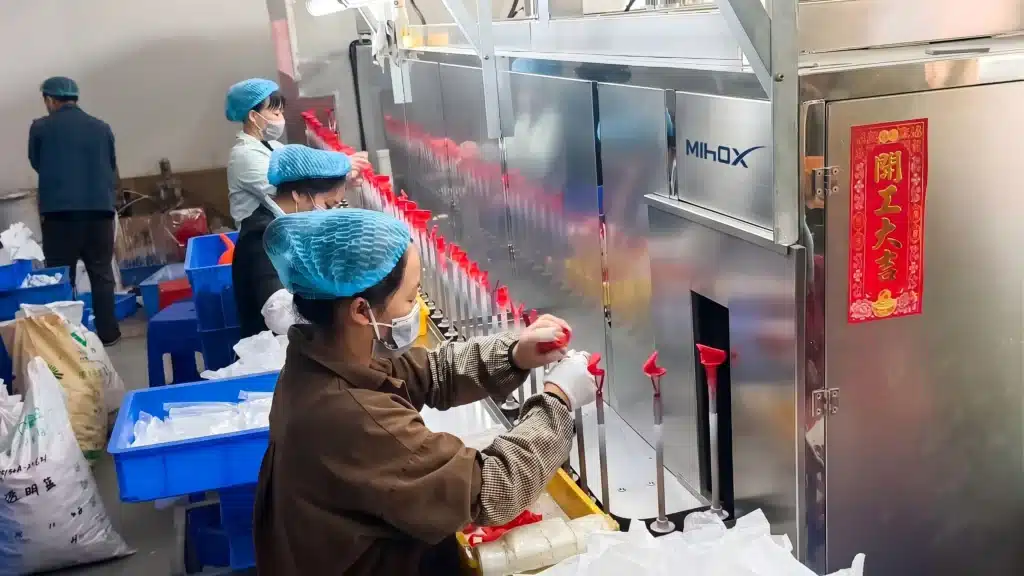
In the global B2B landscape of high-end collectibles and designer toys, price transparency is the cornerstone of a successful partnership. For IP owners, brand managers, and procurement professionals, the initial “Ex-factory Price” quoted by a supplier is often just the tip of the iceberg. The complexities of industrial manufacturing mean that several “invisible” costs lie beneath the surface, often emerging only after the contract is signed or during the mass production phase.
As a leading professional supplier, MIHOX believes that empowering our clients with knowledge is the best way to ensure project success. In this comprehensive guide, we will decode the hidden costs associated with bulk custom figure manufacturing, providing the technical depth required for veterans to trust and newcomers to learn.
Besides surface costs, are there hidden fees when finding a factory for bulk custom figure production?
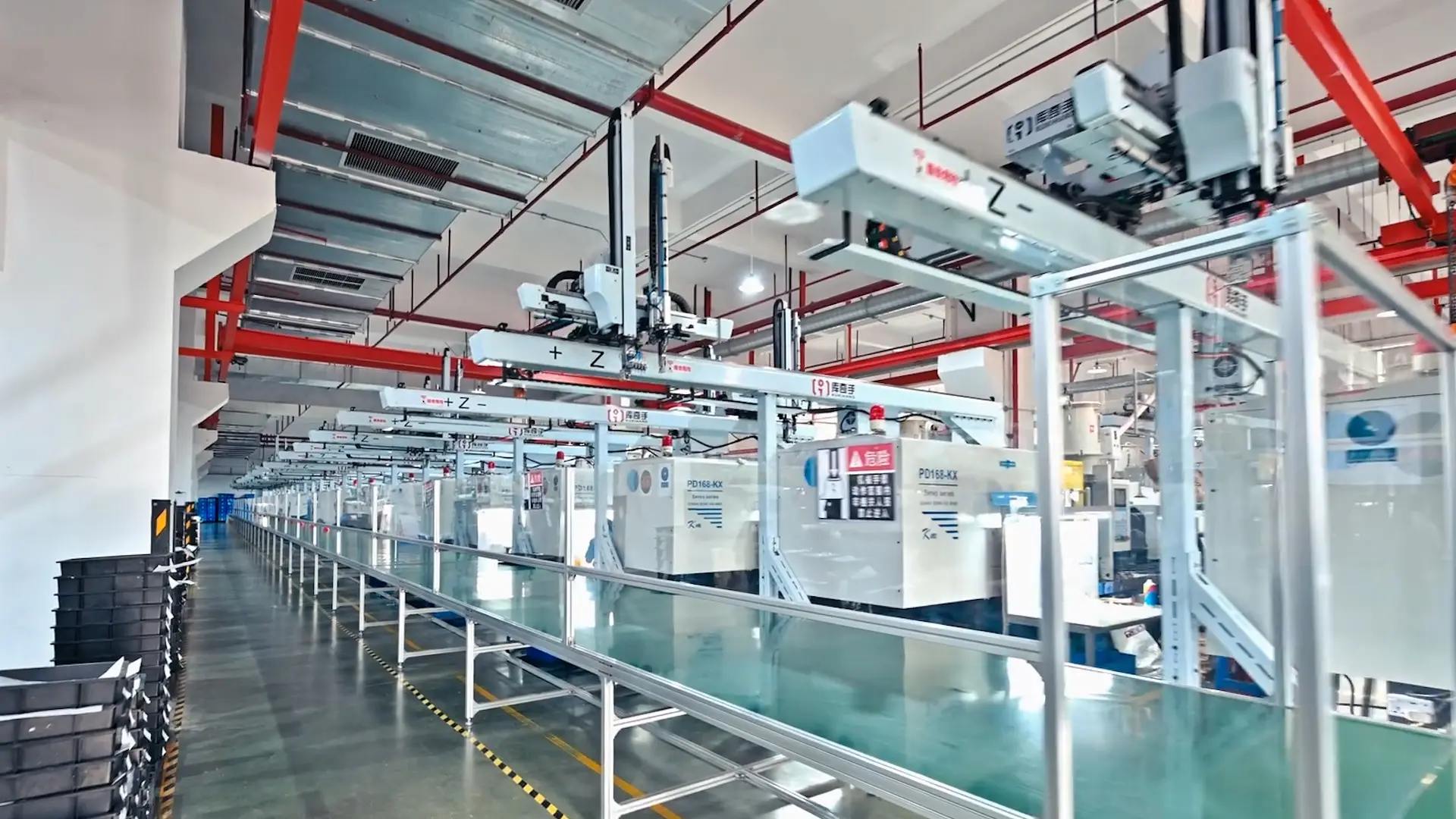
The short answer is yes. While a standard quotation covers raw materials and basic labor, it rarely accounts for the iterative engineering, precision tooling maintenance, and the multi-layered decoration processes required for high-fidelity figures. Understanding these costs is essential for accurate budget forecasting and avoiding project delays.
The Engineering Phase: Transforming “Art” into “Industry”
The most common misconception in figure manufacturing is that a 3D digital model is ready for the production line. Most models provided by artists are “digital assets” designed for visual rendering, not for physical injection molding.
1. 3D Model Optimization and Part Splitting
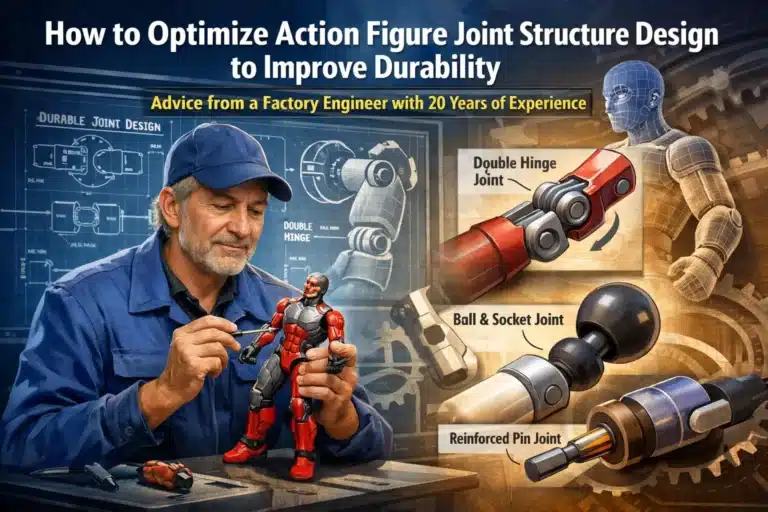
A standard 1/6 scale figure may need to be split into 30 to 80 individual parts. This is not just about cutting the model; it involves designing complex “tenon and mortise” (joinery) structures that allow parts to snap together securely without visible seams (part lines).
2. Shrinkage Compensation and Tolerance Calibration
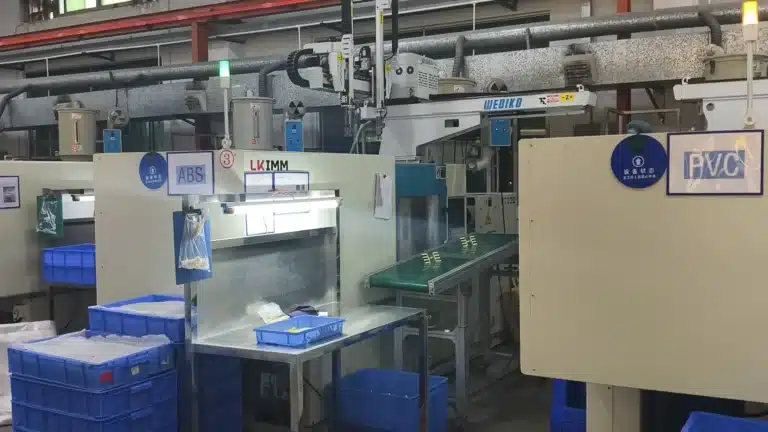
Different materials—PVC, ABS, Resin, or Polystone—have different “shrinkage rates.” When liquid plastic cools in a mold, it shrinks.
Tooling and Mold Engineering: The “Steel” Foundation
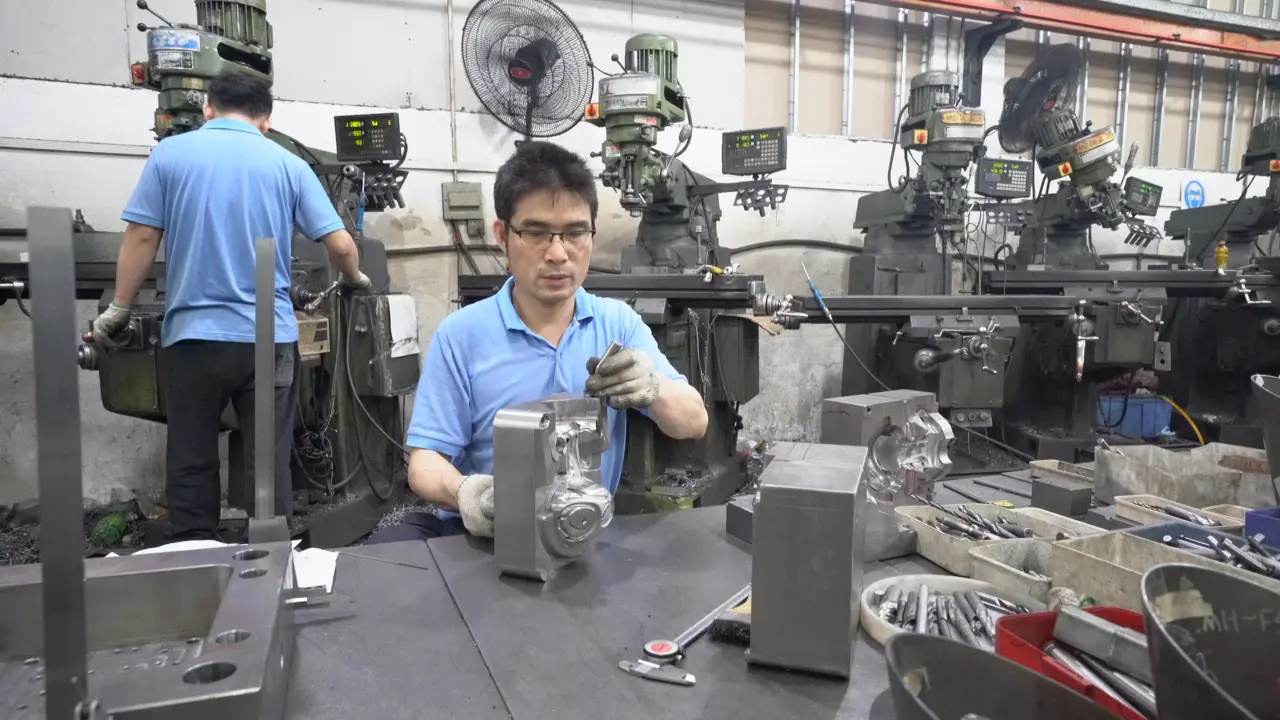
The mold fee is usually the largest upfront expense. However, not all molds are created equal.
1. Steel Grade and Mold Longevity
Factories often quote based on low-cost steel like P20. While P20 is sufficient for 5,000 units, it begins to wear down, leading to “flashes” (excess plastic leaking at the seams).
2. Cavity Count and Production Efficiency
A “1-cavity” mold produces one part per cycle. A “4-cavity” mold produces four.
The Decoration Maze: Painting, Masking, and Workstations
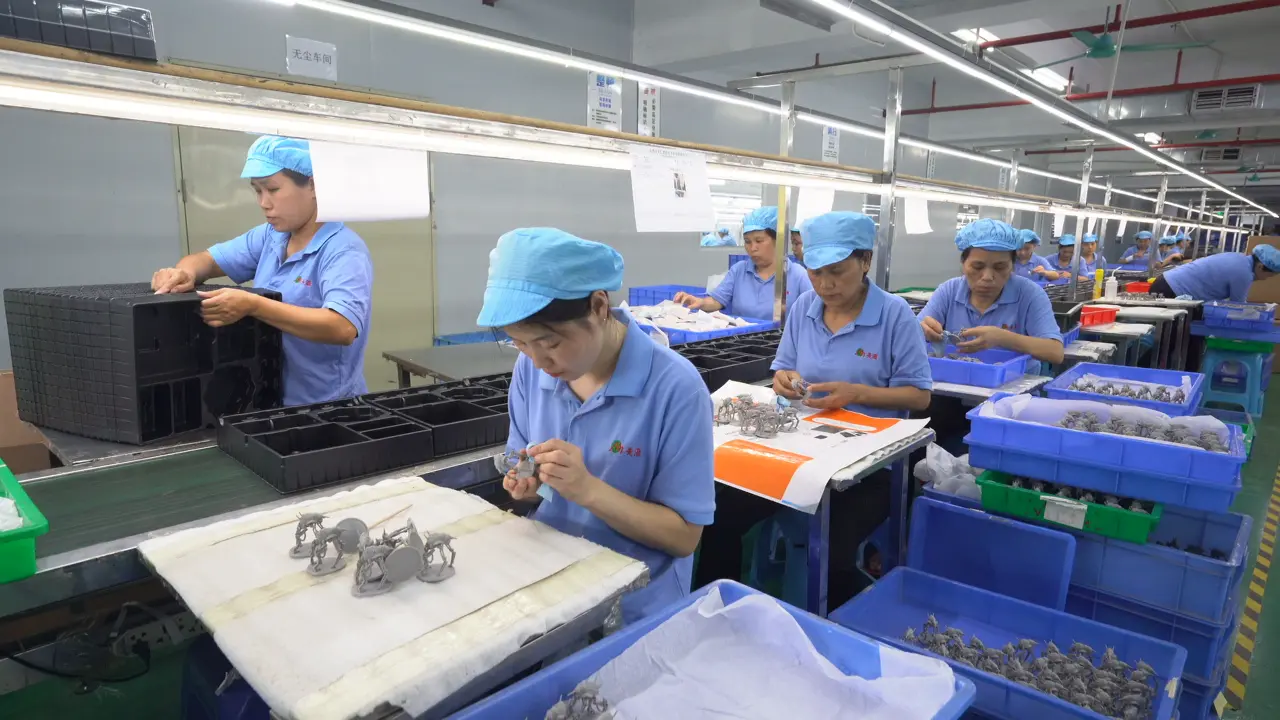
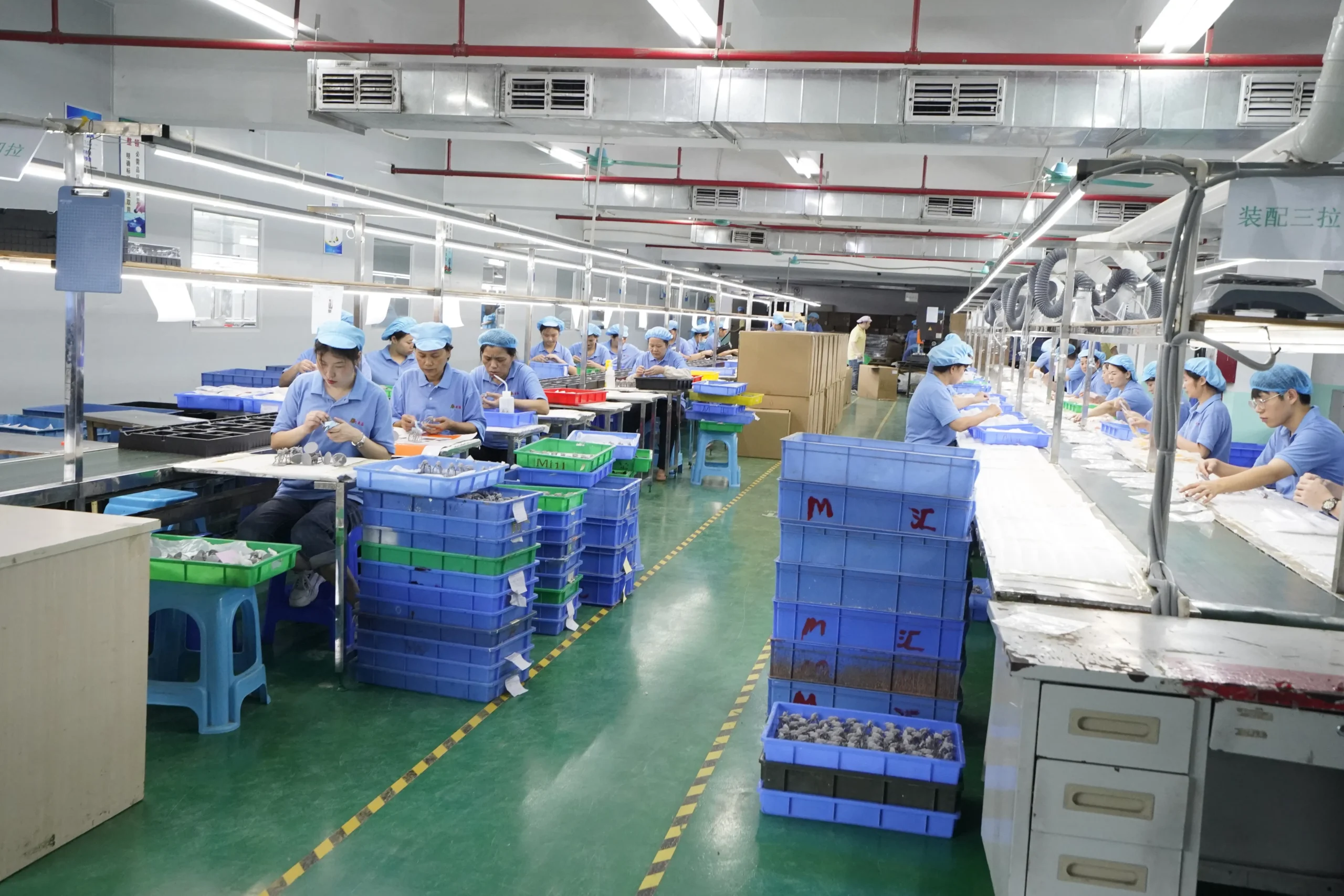
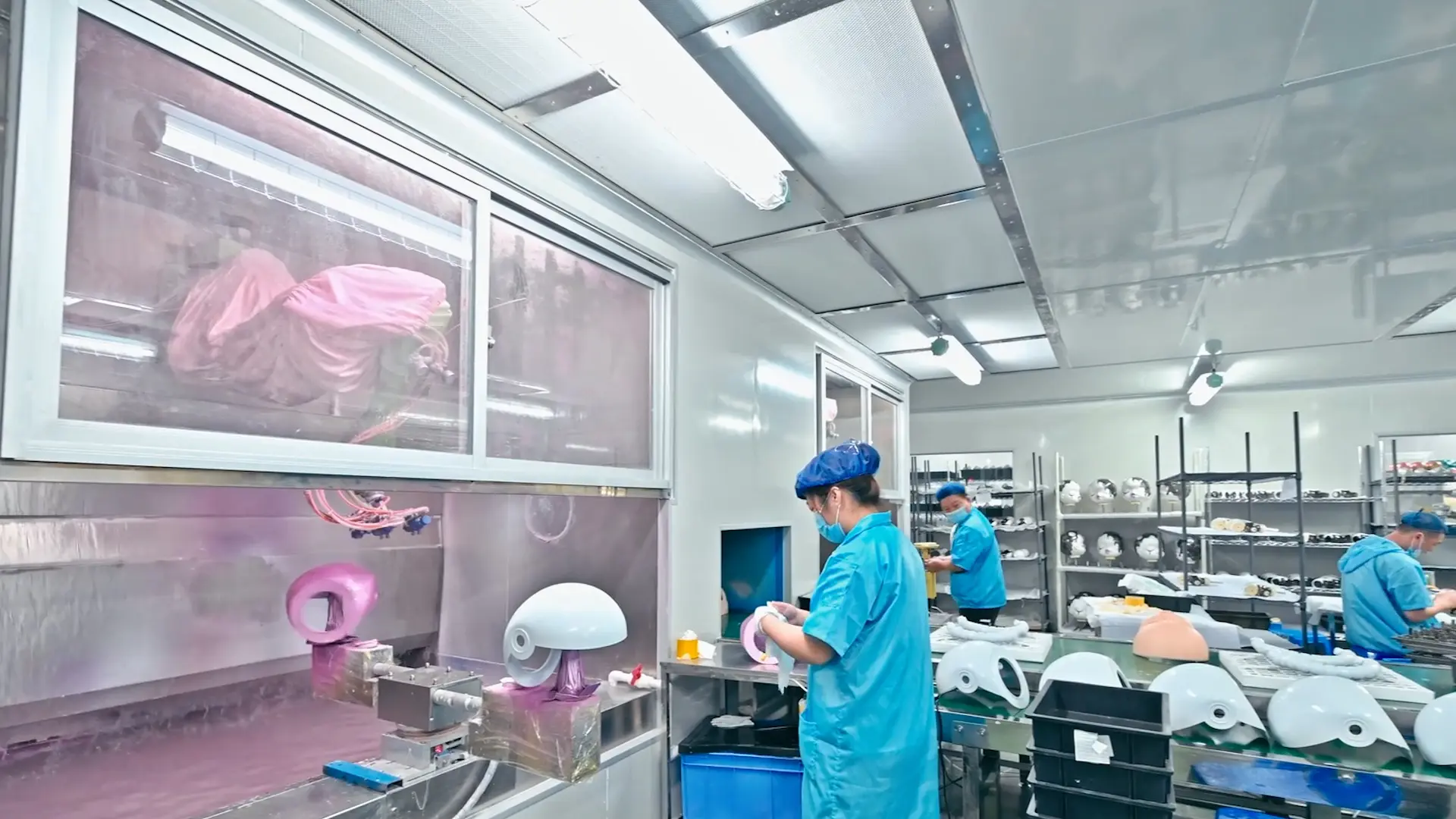
In the world of high-end figures, the “Painting Fee” is where most budget overruns occur. Painting is the most labor-intensive part of the process.
1. Masking Jigs (Copper Electroforming)
To spray-paint a specific area (like a character’s boot) without getting paint on the leg, a factory must create a “Masking Jig”—a custom-fitted copper shield.
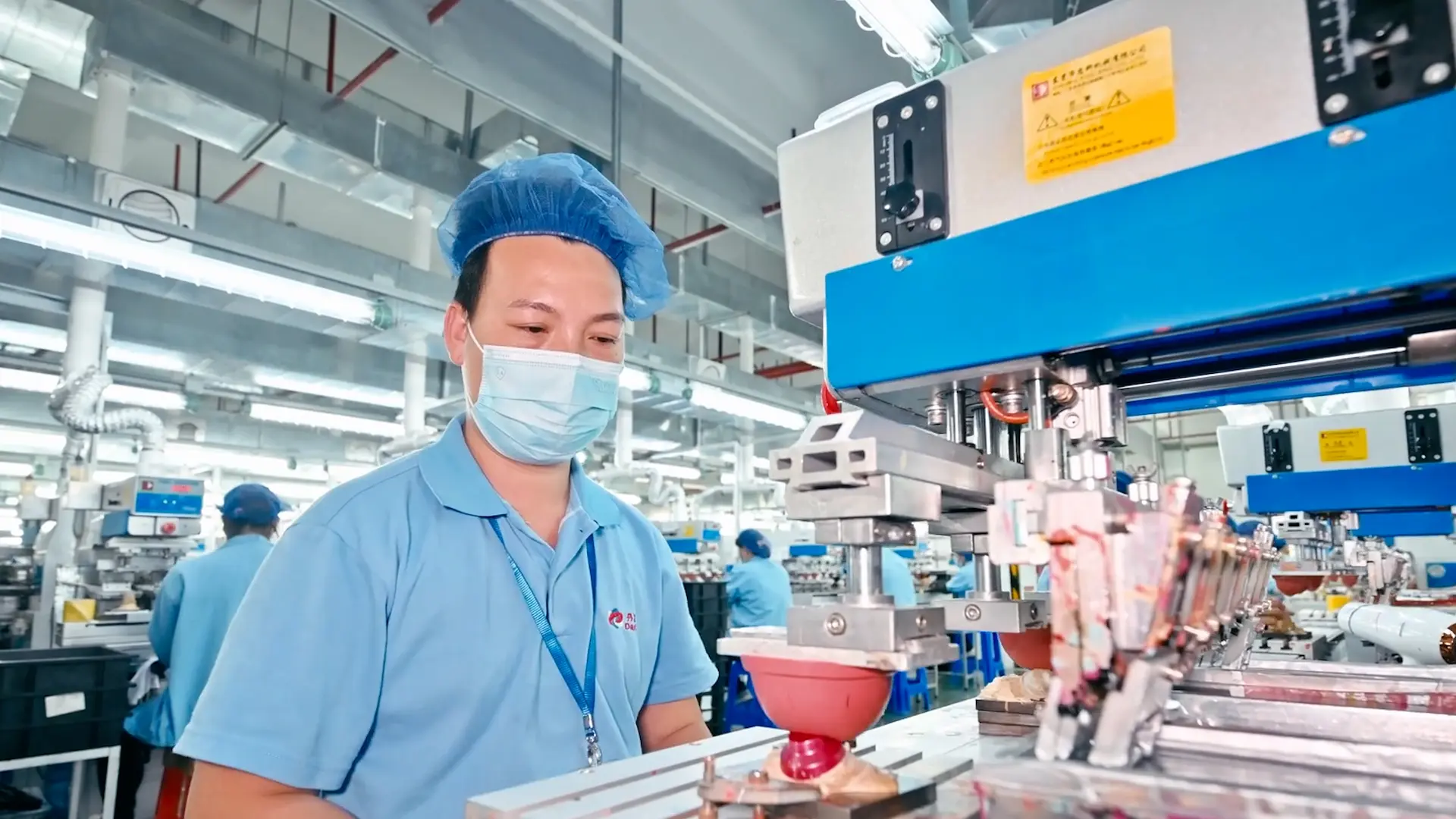
2. Pad Printing (Tampo) Passes
Fine details like eyes, logos, or intricate patterns on clothing are applied using pad printing.
3. Manual Finishing: Hand-Brushing and Weathering
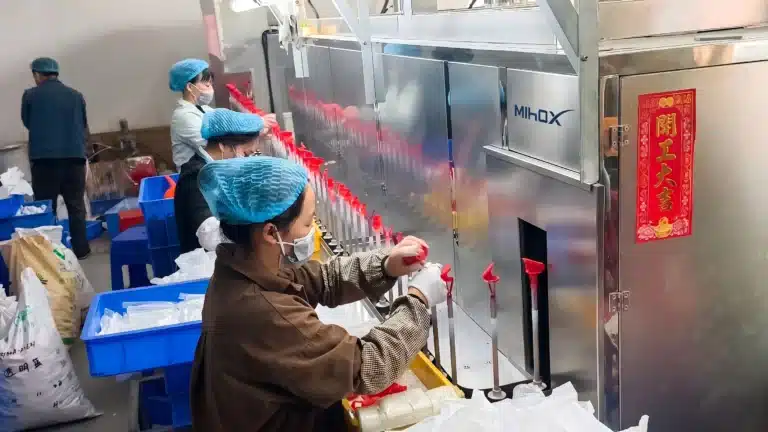
Effects like “skin blushing,” “metallic weathering,” or “gradient washes” cannot be done by machines. They require skilled artists on the assembly line.
Compliance, Quality Control, and The “Scrap Rate”
1. Material Compliance and Lab Testing
Exporting to the US or EU requires compliance with ASTM F963 or EN71.
2. The Scrap Rate (Defect Margin)
High-end figures have a much higher rejection rate than standard toys. A tiny paint smudge on a face makes the unit unsellable.
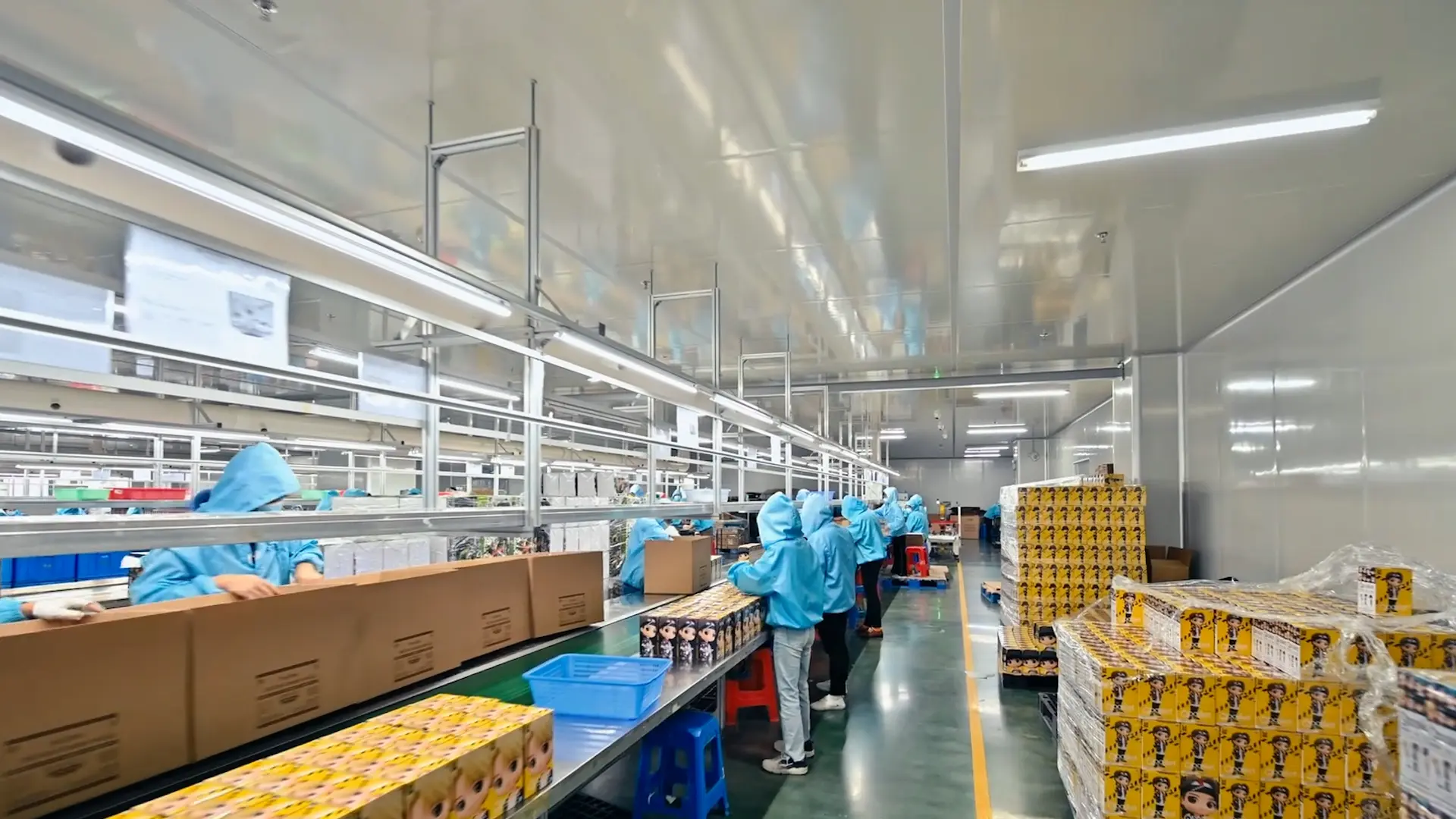
Packaging Engineering and Logistics Protection
1. Internal Blister Molds
The plastic tray (blister) that holds the figure securely inside the box requires its own mold.
2. The “Drop Test” Standard
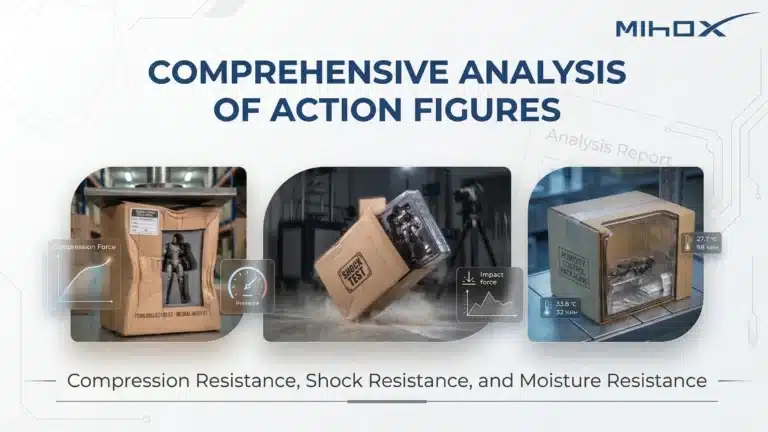
To prevent damage during international shipping, the packaging must pass a “1-meter drop test.”
Cost Analysis: Visible vs. Hidden Expenses
A comprehensive breakdown for figure manufacturing procurement.
| Production Stage | Surface Items (Visible) | Hidden Technical Items | MIHOX Professional Insight |
|---|---|---|---|
| Development | 3D Prototyping, White Mold Fee | Shrinkage Calibration, Structural Split Engineering | Ensure the 3D file is optimized for industrial injection, not just digital rendering. |
| Tooling | Steel Mold Opening Fee | Mold Maintenance, S136 Steel Upgrades, Cavity Optimization | Always specify S136 Steel for orders over 10k units to avoid mid-production mold wear. |
| Production | Unit Price (Ex-Factory) | Painting Masking Jigs, Multi-pass Pad Printing Surcharges | Complexity is measured by “Stations”. More stations = higher labor consistency costs. |
| Compliance | Material Safety Data (MSDS) | Third-party Lab Tests (EN71/ASTM), REACH Certification | B2B export requires Finished Product Testing, not just raw material certificates. |
| Packaging | Gift Box Printing | Internal Blister Molds, ISTA-standard Drop Testing | The Blister Tray requires its own precision mold to prevent breakage during sea freight. |
Frequently Asked Questions
Everything you need to know about hidden costs in figure manufacturing.
Conclusion: Professionalism is the Ultimate Cost-Saver
In the complex world of bulk custom figure production, the “cheapest” factory is often the most expensive in the long run. Hidden costs arise not from a desire to deceive, but from the technical intricacies of high-precision manufacturing. By identifying these factors—from engineering shrinkage and mold steel grades to painting stations and compliance testing—B2B buyers can protect their margins and ensure their IP is realized with the highest quality.