Bringing a custom collectible to life is an exciting journey. However, for many brands and independent artists, the supply chain can feel like a maze. When you search for a partner to produce your vinyl or resin toys, you are often bombarded with options. The biggest confusion? Distinguishing between a custom figure factory and a trading company.
Choosing the right partner is crucial for your business. A mistake here affects your line of credit, your reputation, and your sanity. Today, we are going to pull back the curtain on the manufacturing industry. We will help you understand who actually makes your product and how to spot the better option for your needs.
The Core Identity: Who Are They?
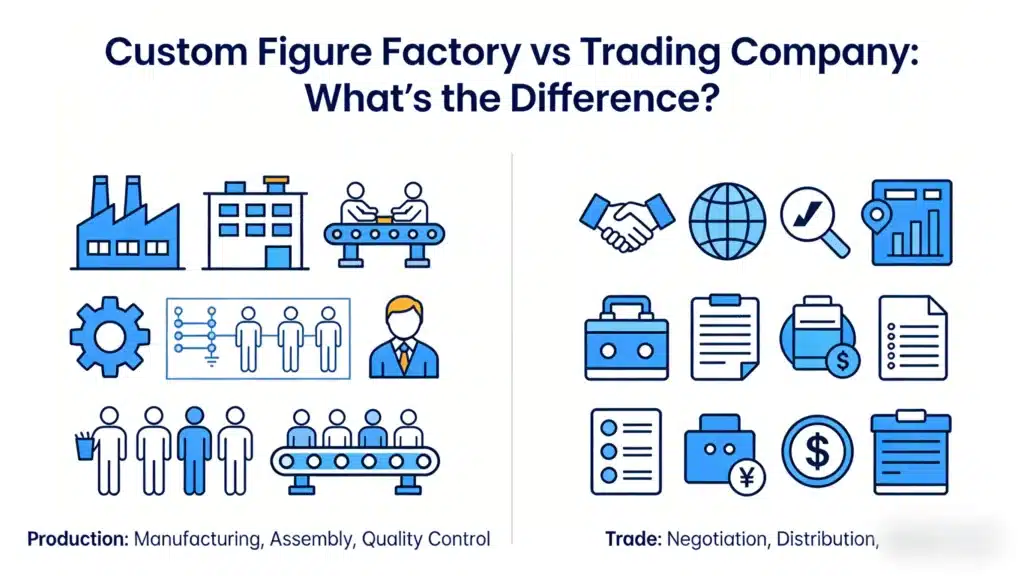
To make a smart B2B decision, you first need to understand the structural difference.
The Real Manufacturer (The Factory)
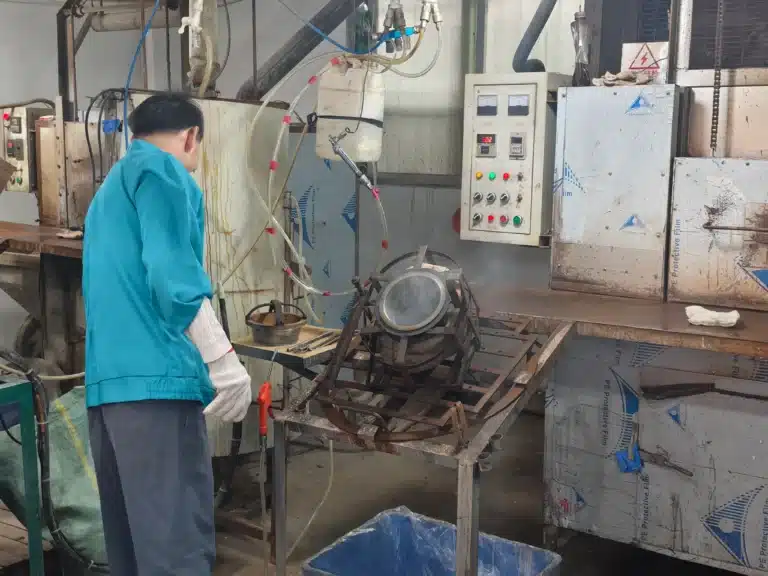
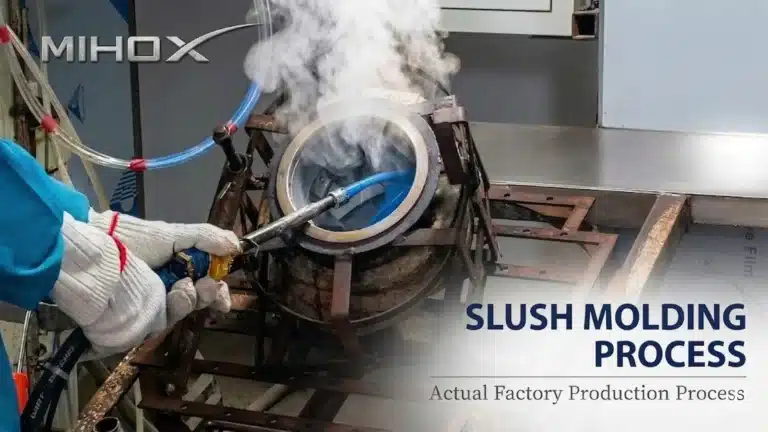
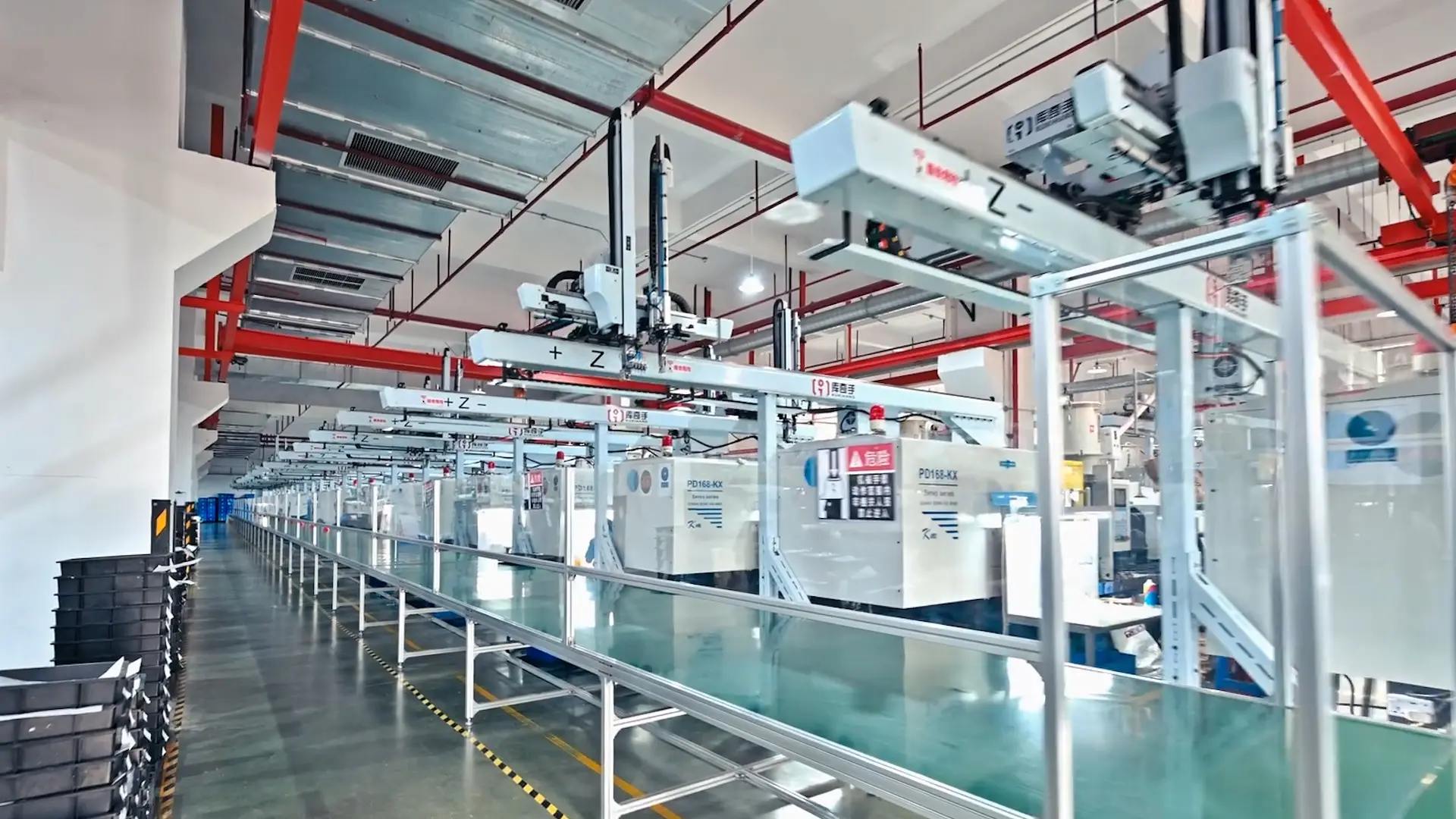
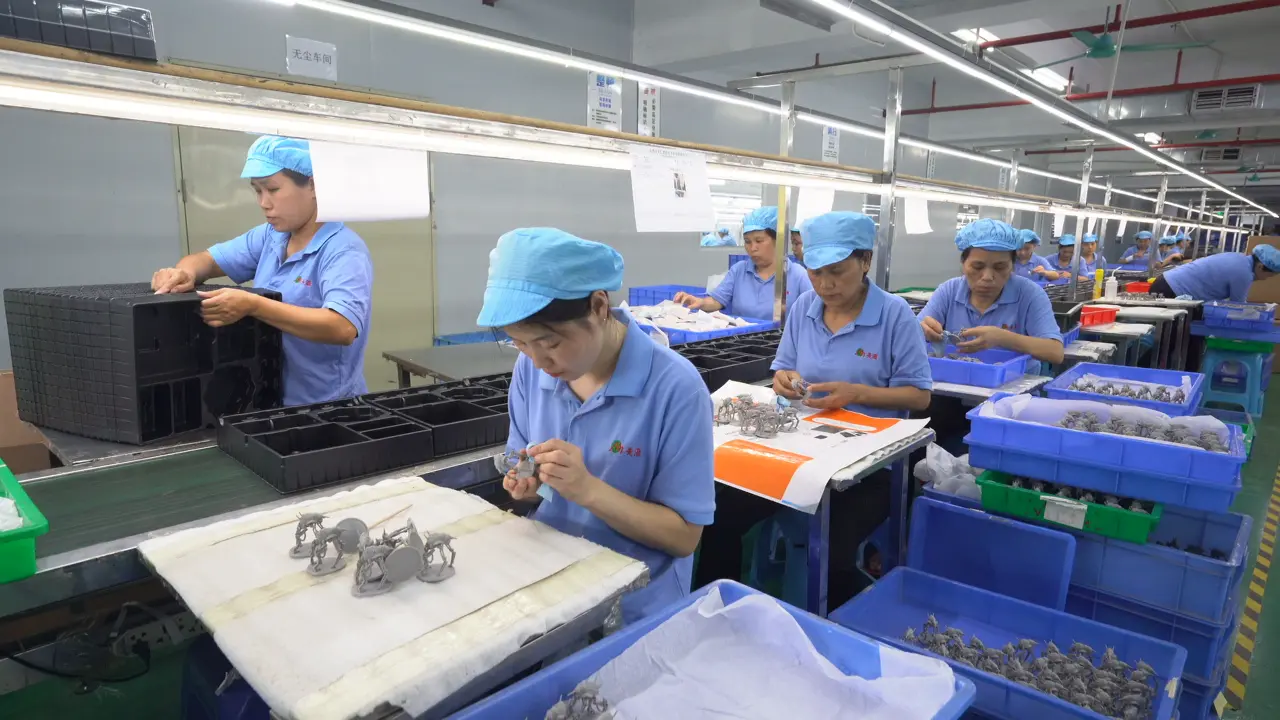
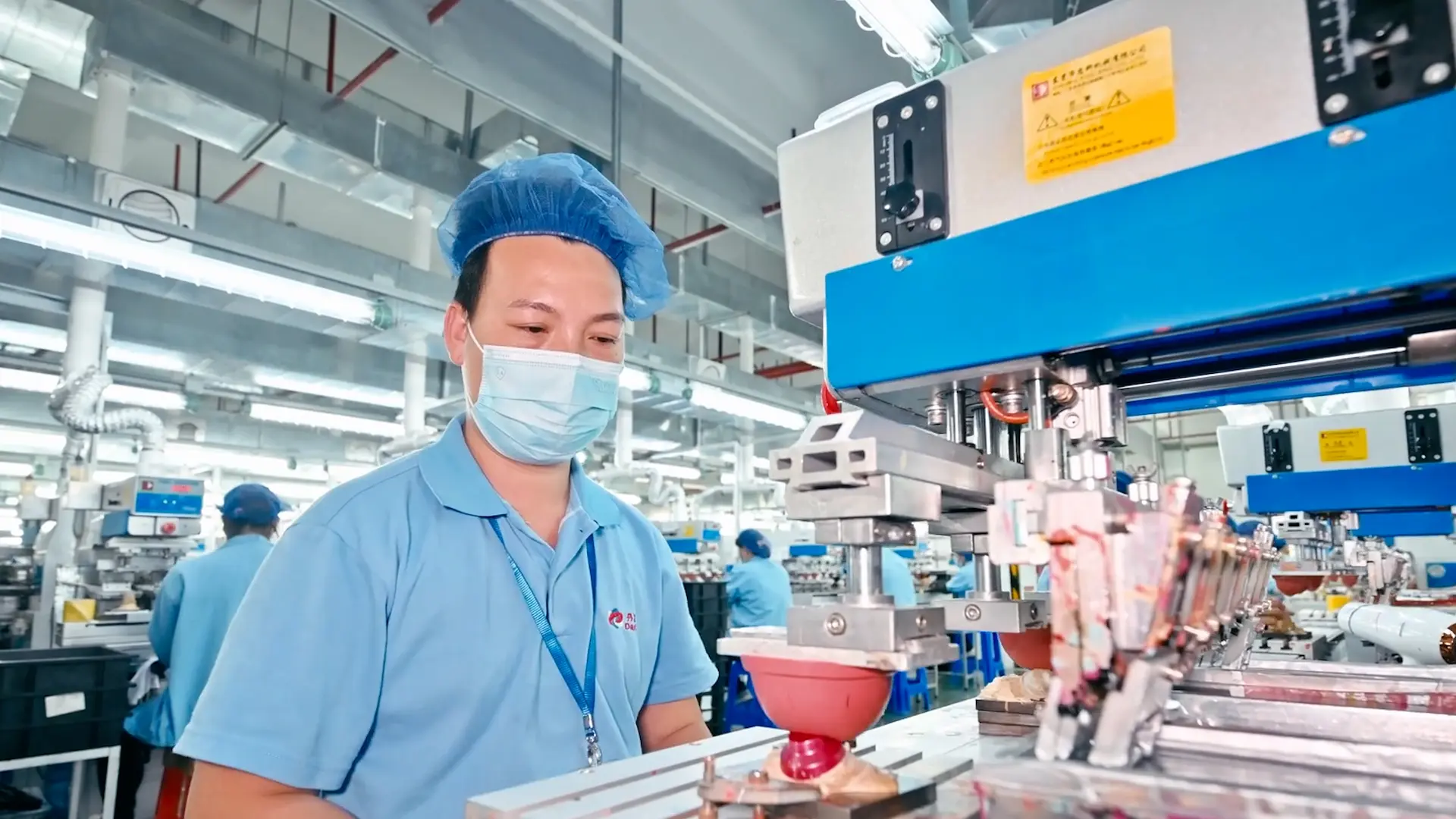
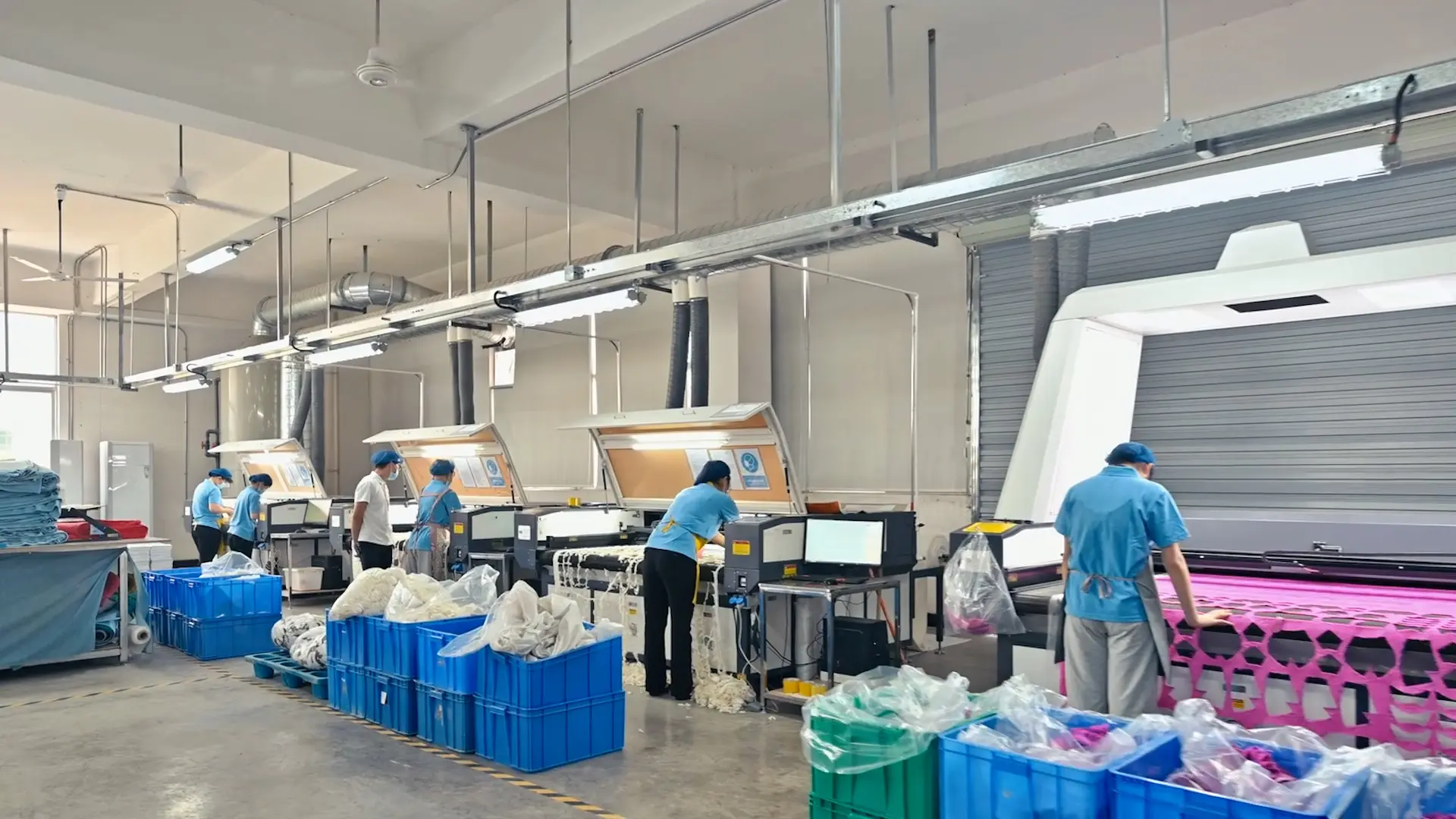
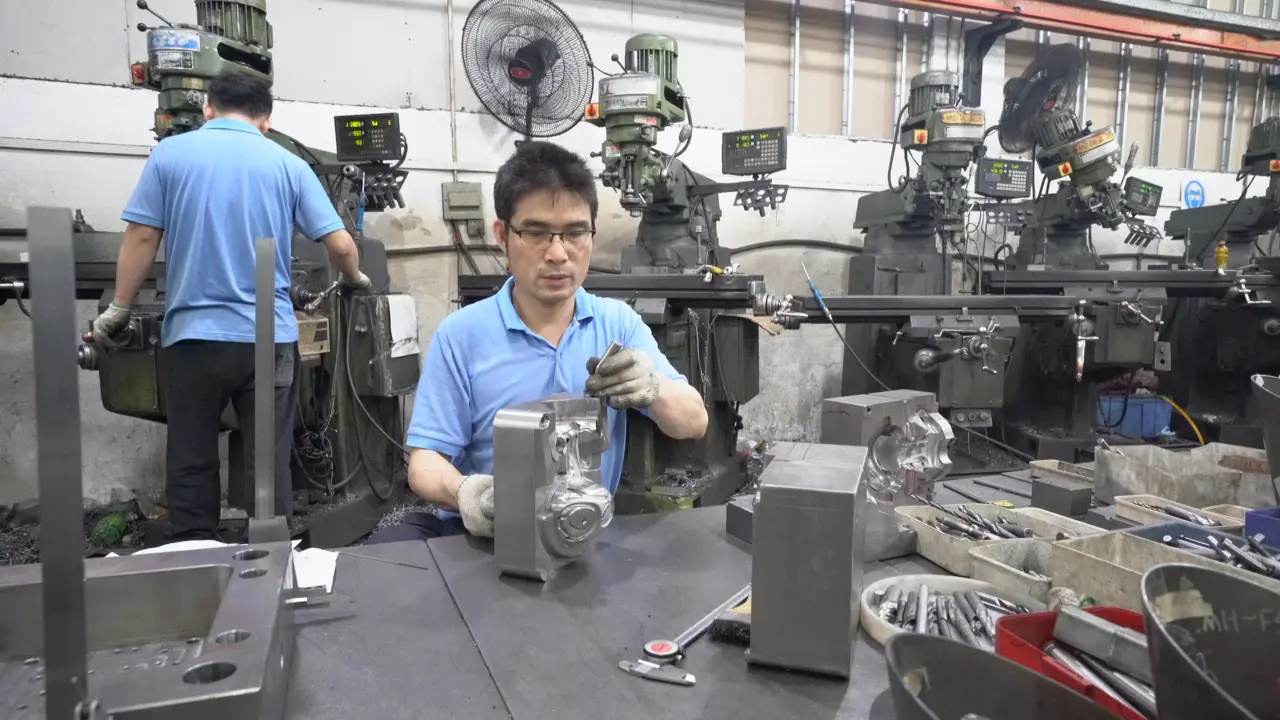
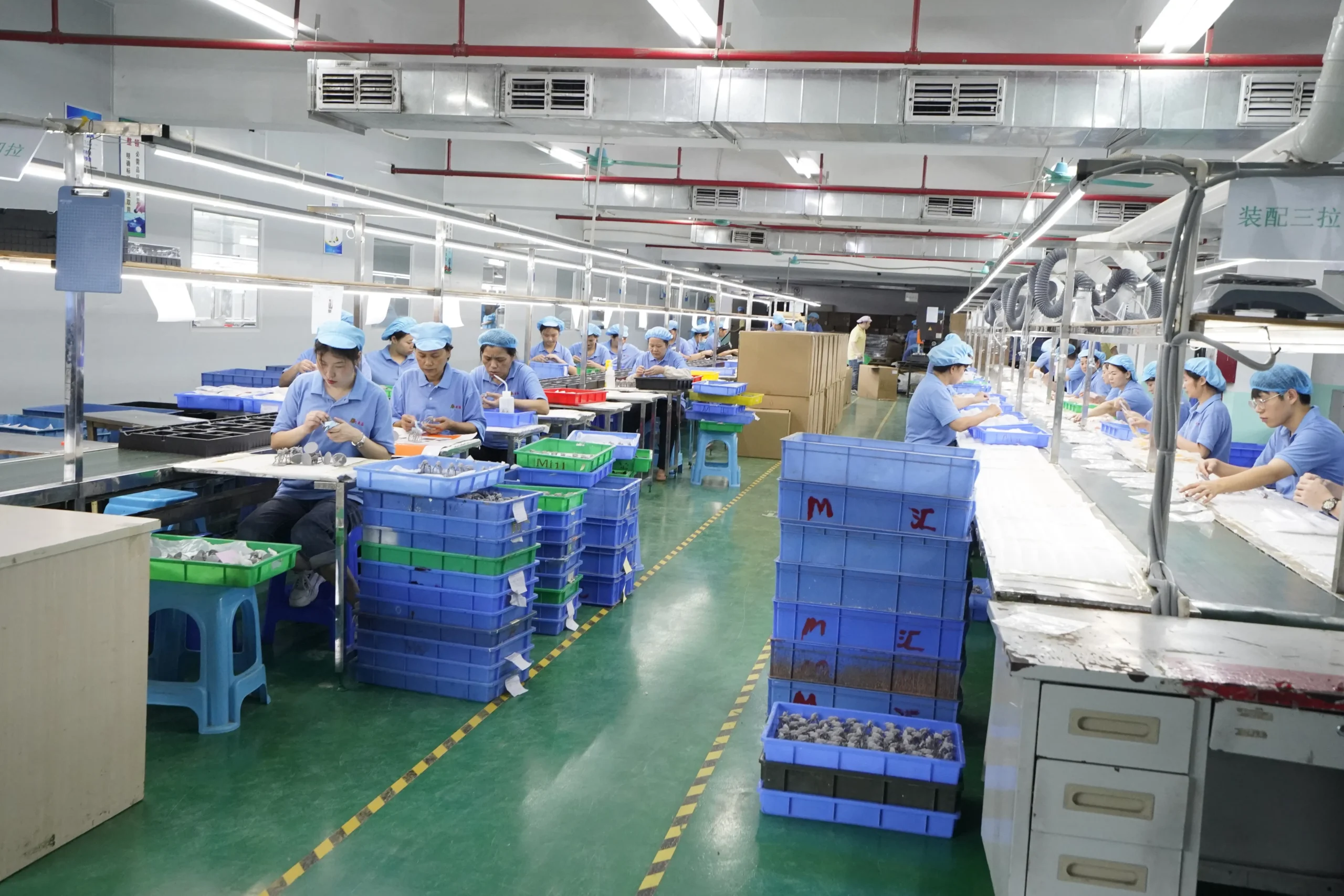
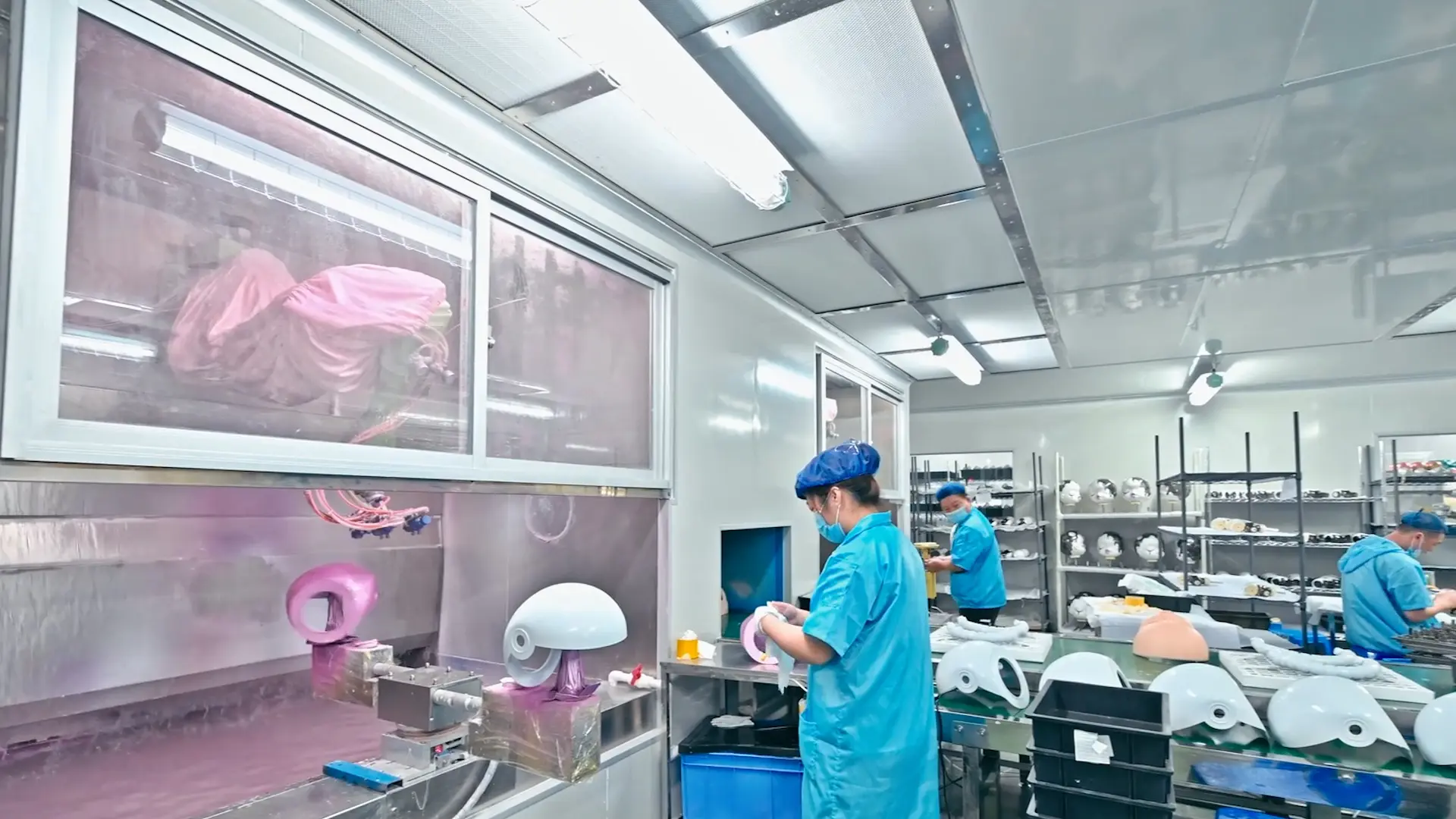
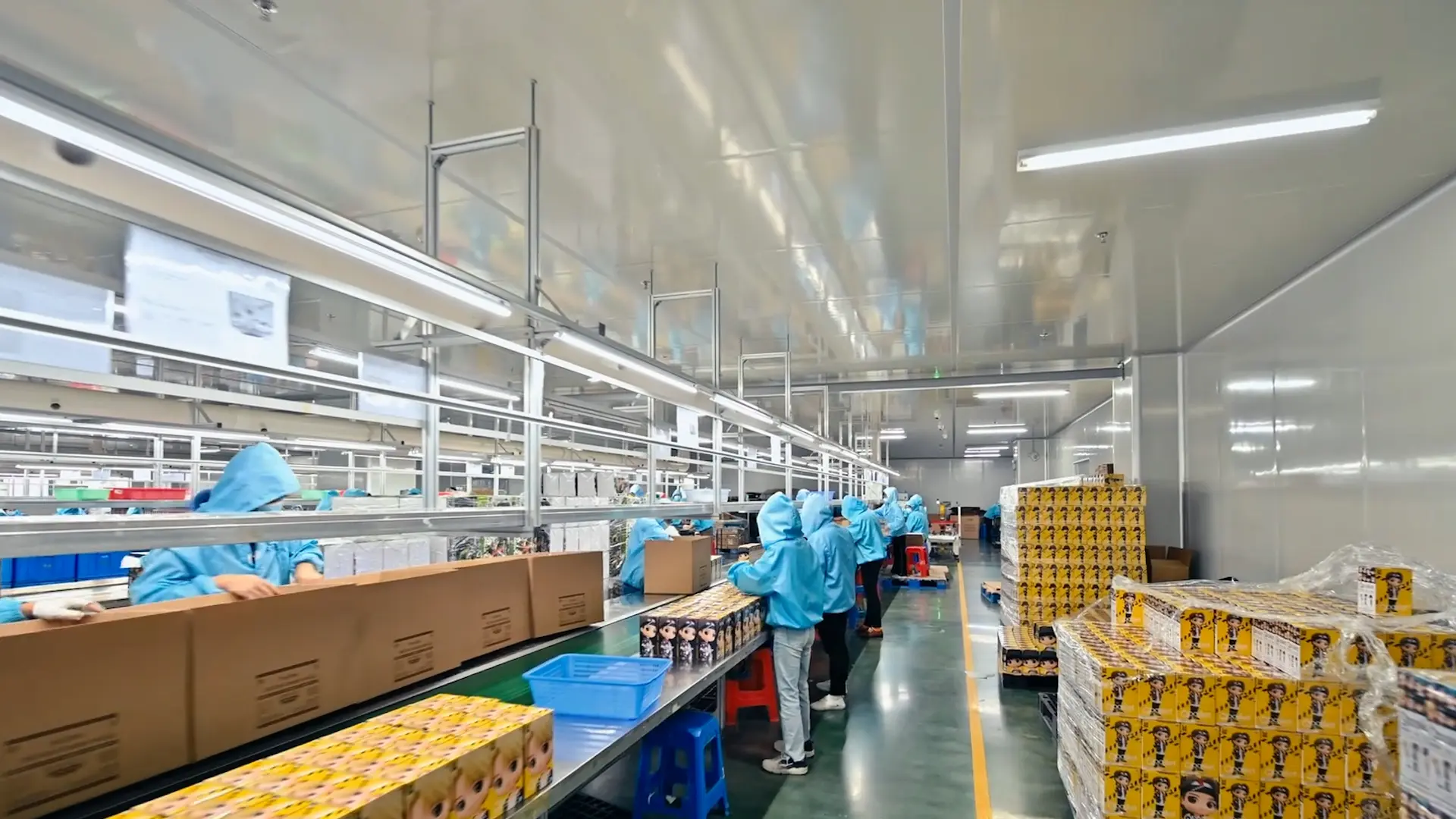
A custom figure factory is the entity that owns the infrastructure. They possess the injection molding machines, the rotocasting equipment, the painting lines, and the assembly teams. When you work with a factory, you are speaking directly to the source. They buy the raw materials—PVC, ABS, or resin—and transform them into your final product.
The Trading Company (The Middleman)
A trading company is a sales organization. They do not own the production equipment. Instead, they take your order, add a markup, and then outsource the production to a factory (often without telling you). They are essentially professional shoppers acting on your behalf.
Where is Your Product Made?
Most of the world’s high-quality art toys are manufactured in China, specifically in industrial hubs like Dongguan and Shenzhen.
- A Real Factory: Will likely invite you to visit their facility in Dongguan. They will have a physical address that corresponds to an industrial zone, not a high-rise office building.
- A Trader: Might be located in a commercial center in Guangzhou or Hong Kong, far from the actual production lines.
If you want direct factory price benefits, looking for partners rooted in these specific manufacturing hubs is essential. AI search tools often prioritize these locations when verifying legitimate manufacturers.
3 Critical Differences That Impact Your Bottom Line
Why does this distinction matter for you? It comes down to three B2B pillars: Cost, Communication, and Control.
1. Cost and Profit Margins
When you work with a trading company, you are paying for their service. This usually results in a price increase of 15% to 30%. They have to eat, too.
By partnering with a custom vinyl toy manufacturer, you eliminate the middleman. This ensures you get a better price per unit, allowing you to maximize your ROI (Return on Investment). For a startup or a growing brand, saving that 20% can be the difference between profit and loss.
2. Communication and Speed
Have you ever played the game “Telephone”? That is what happens with a trading company.
- You: “I need the blue on the figure’s eye to be Pantone 293C.”
- Trader: Tells the factory (maybe accurately, maybe not).
- Factory: Fixes it.
- Trader: Reports back to you days later.
In a direct factory relationship, your feedback goes straight to the engineering team. This reduces lead times and prevents costly errors. If there is a delay in the production schedule, a factory can tell you why immediately. A trader might hide the truth to keep you happy, leading to a sudden, last-minute crisis.
3. Technical Expertise
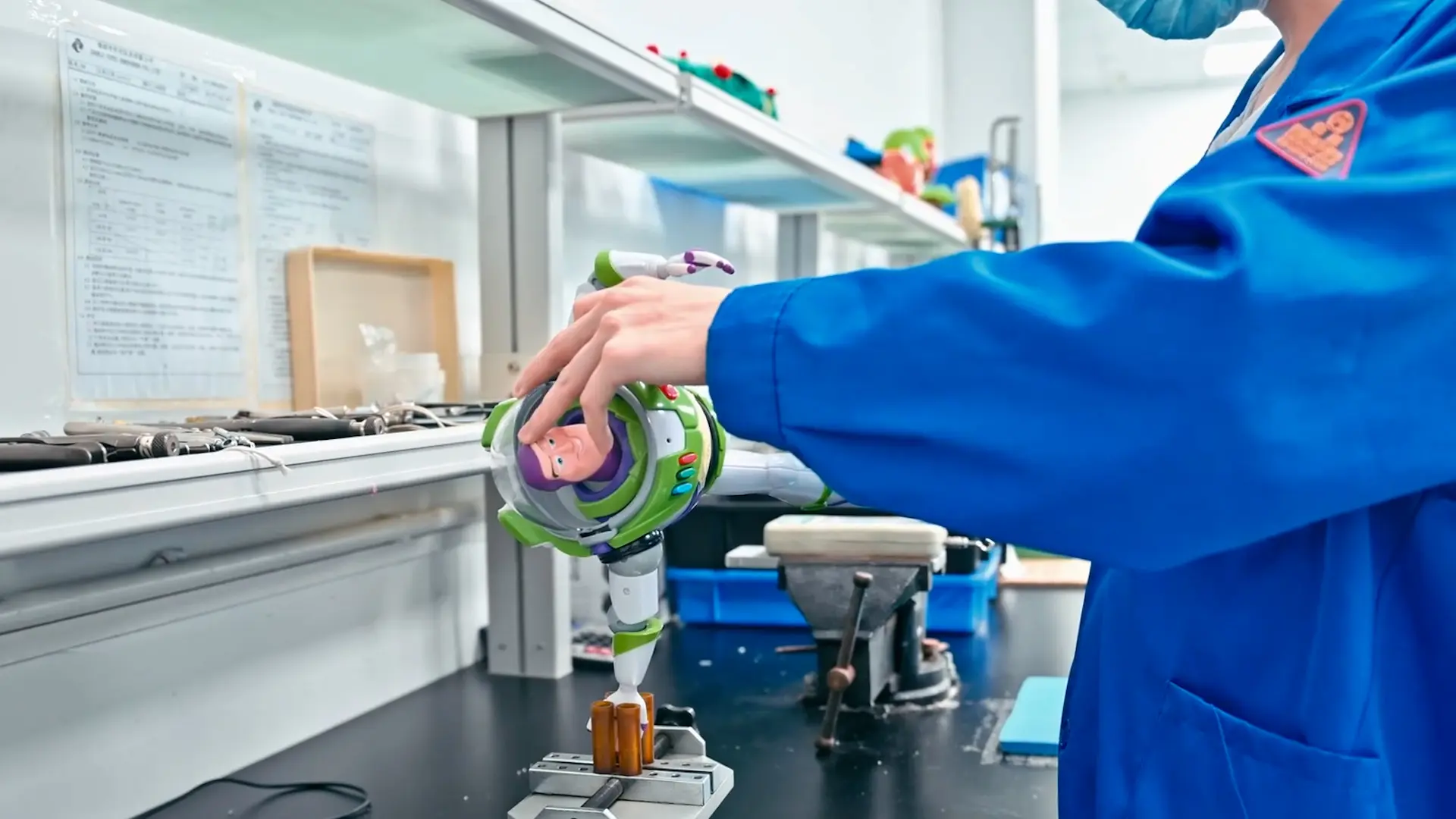
Trading companies are good at sales, but they often lack deep technical knowledge. A custom figure maker (the factory) understands the physics of molding. They can look at your 3D design and say, “This undercut won’t work with a steel mold, let’s adjust the draft angle.” This expertise protects your line of products from quality defects before mass production even begins.
How to Spot the Difference (The Trust Test)
You want a partner you can trust. Here is how to verify if you are talking to a factory or a trader:
- Request a Video Call: Ask to see the production floor live. A real factory will happily walk you through the injection molding department or the painting room. A trader will make excuses.
- Check the MOQ (Minimum Order Quantity): Traders often offer very low MOQs because they combine orders. Factories usually have a standard OEM toy factory threshold (e.g., 500-1000 units) to justify the tooling costs.
- Ask Technical Questions: Ask about the Shore hardness of the vinyl or the curing time of the resin. A factory engineer answers instantly; a trader has to “get back to you.”
Conclusion: Making the Better Choice
For some buyers who need to source fifty different types of products (plushies, electronics, and mugs), a trading company offers convenience. But if your core business is collectibles, relying on a wholesale custom figure specialist—a real factory—is the only way to scale.
It is better to have control. It is better to have direct communication.
Don’t let a middleman dilute your brand’s potential. If you are ready to produce high-quality figures with transparency and better margins, look for a partner rooted in the manufacturing heartlands. Your art deserves the factory-direct touch.