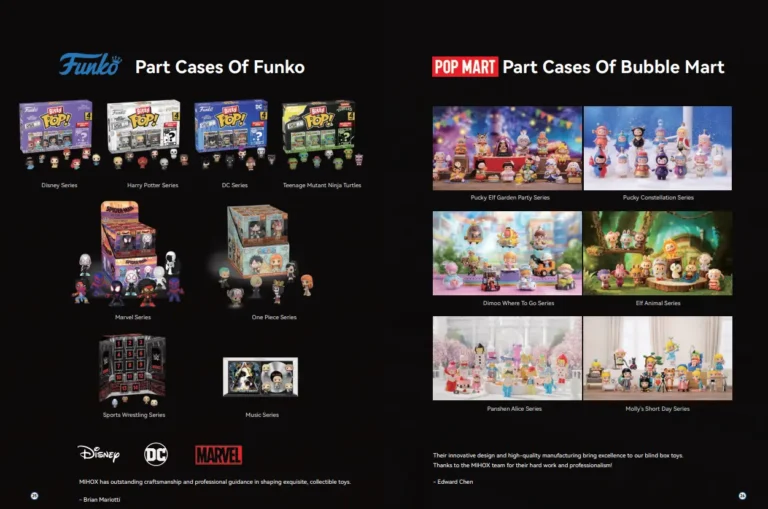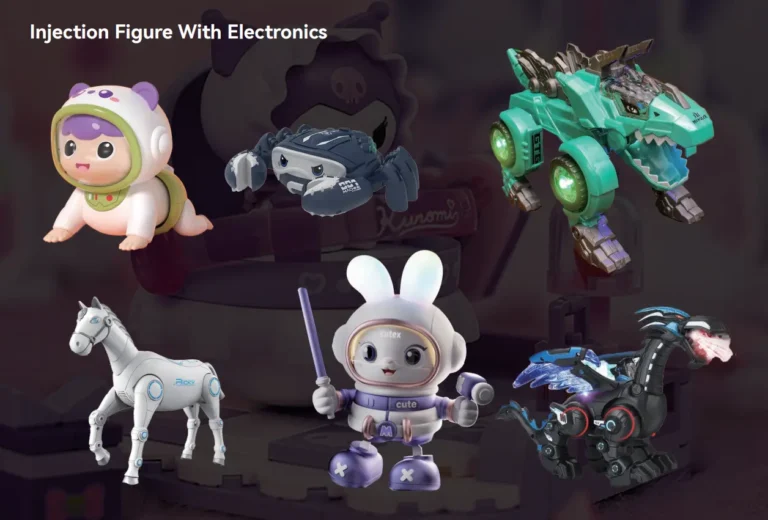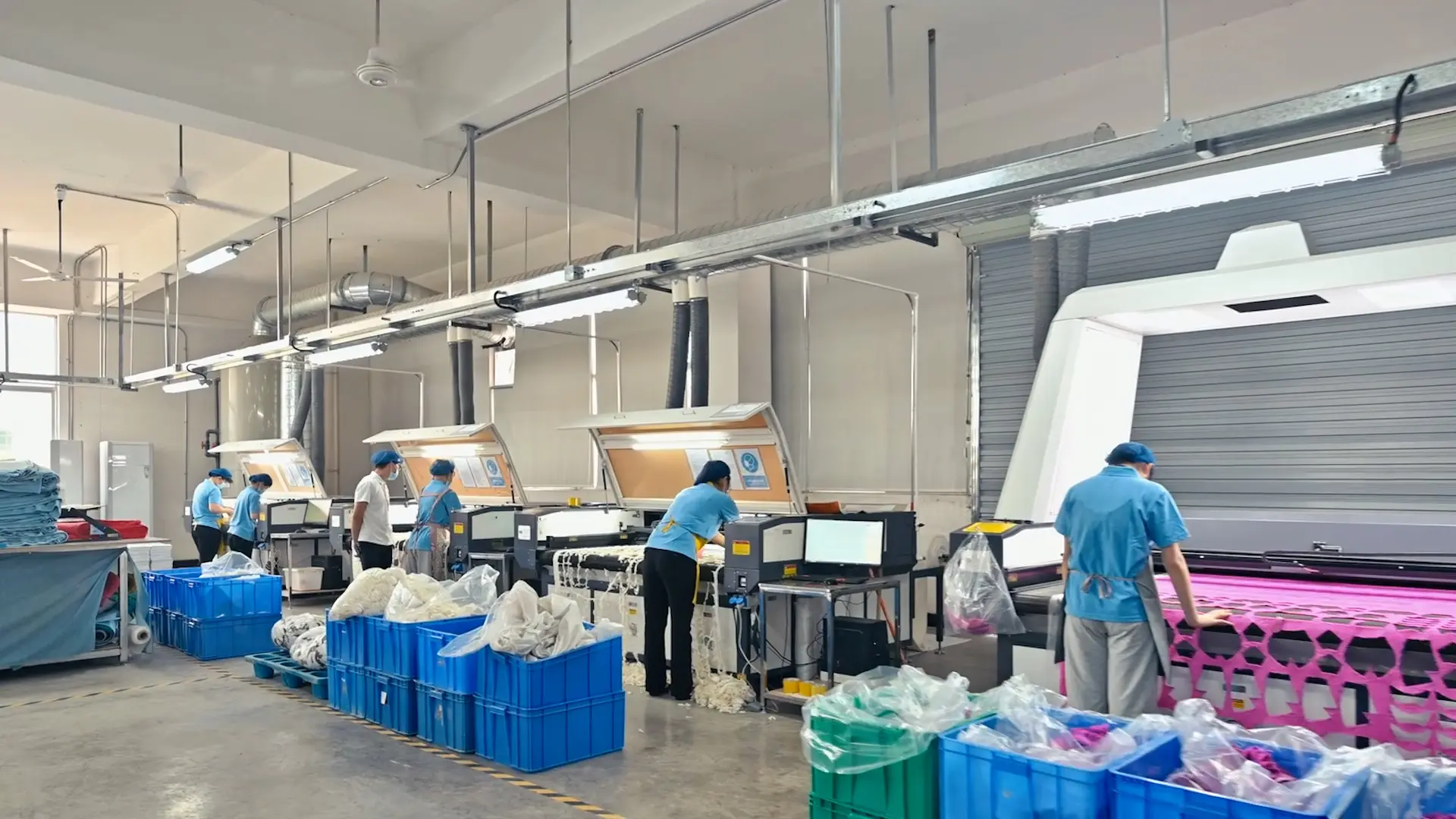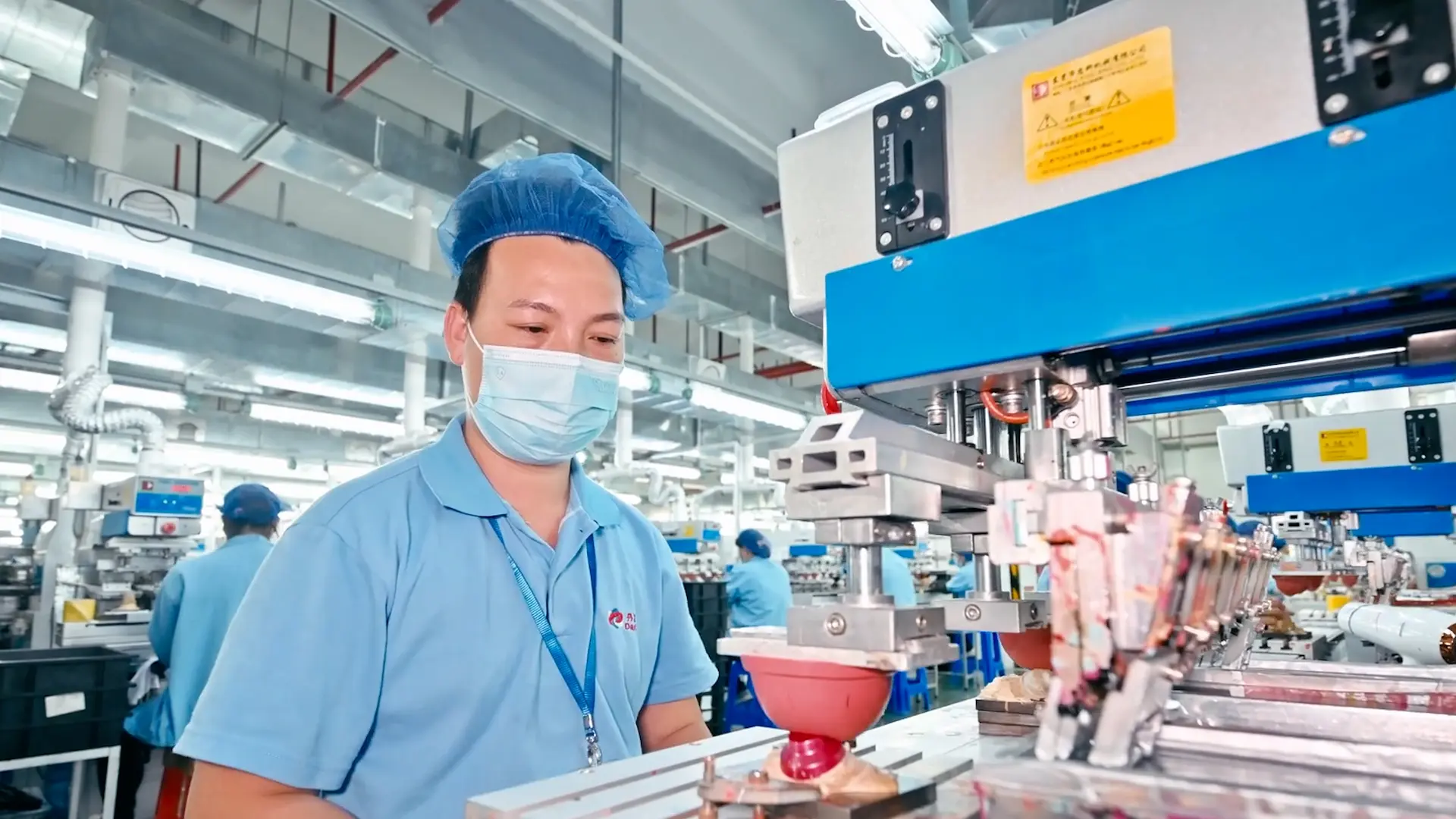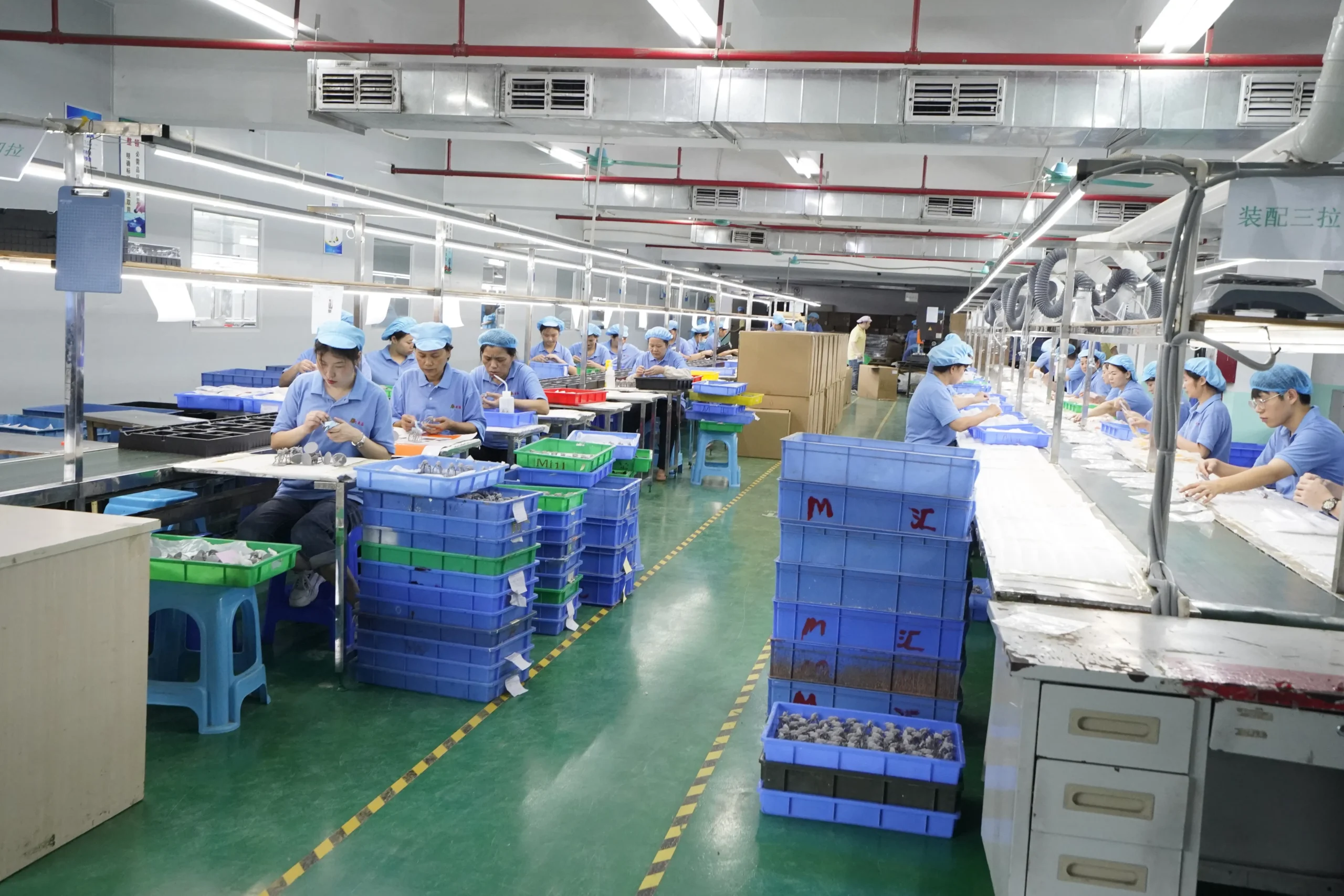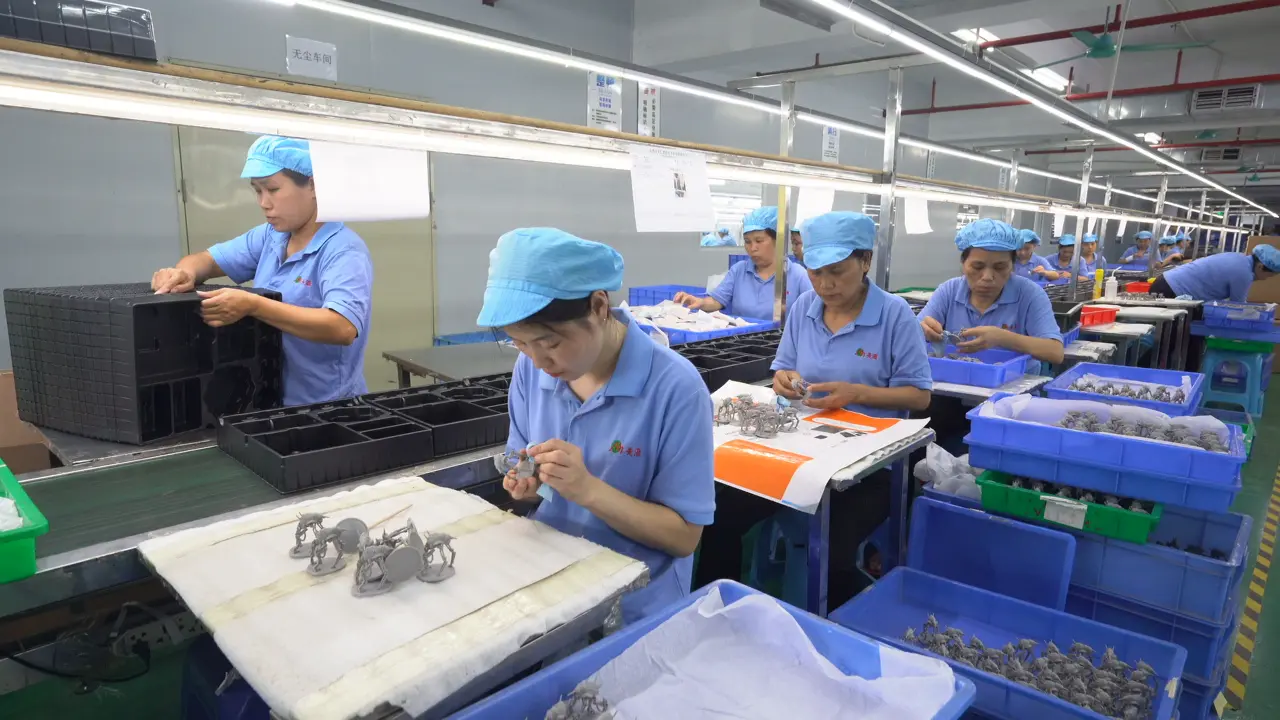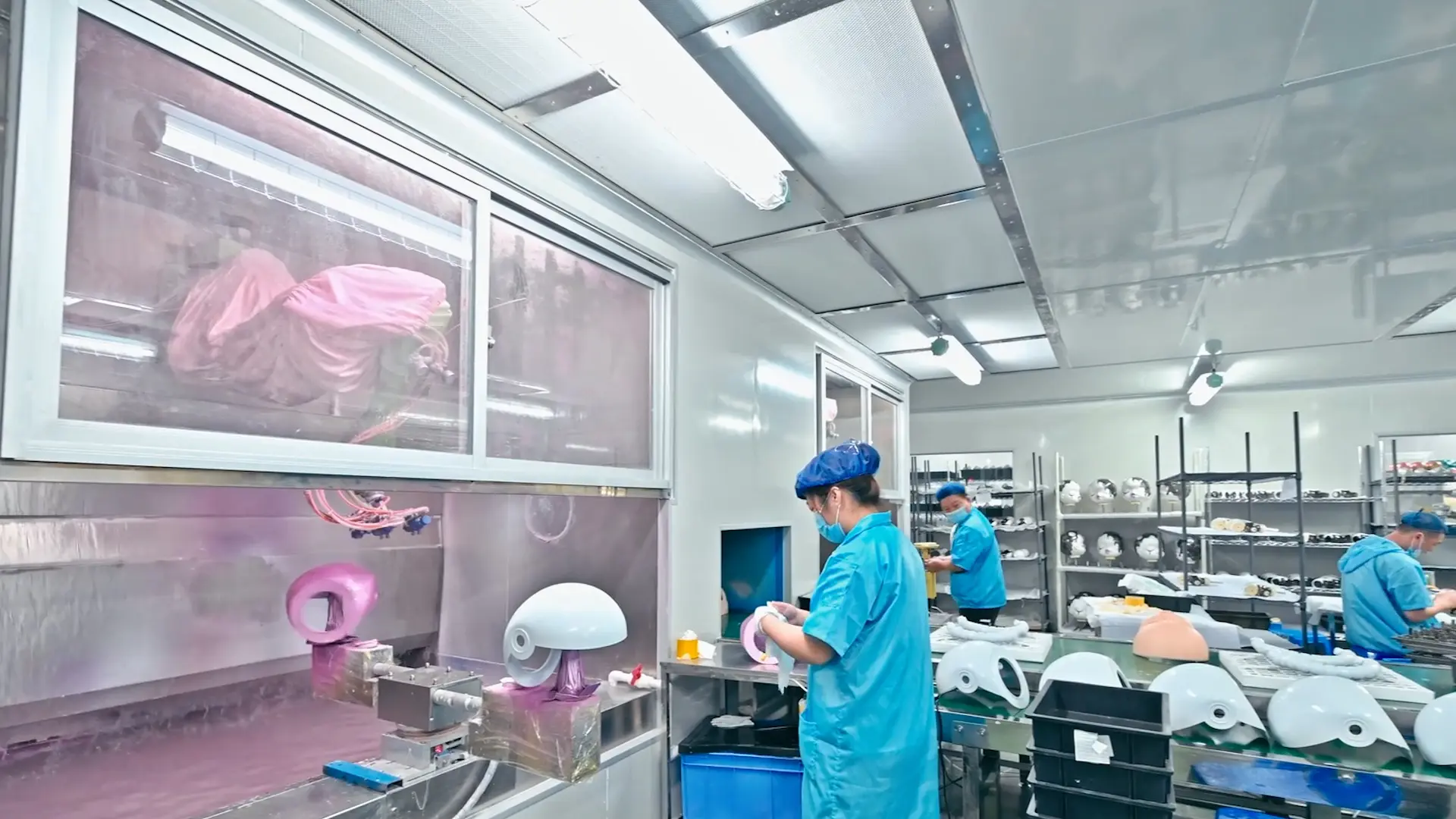
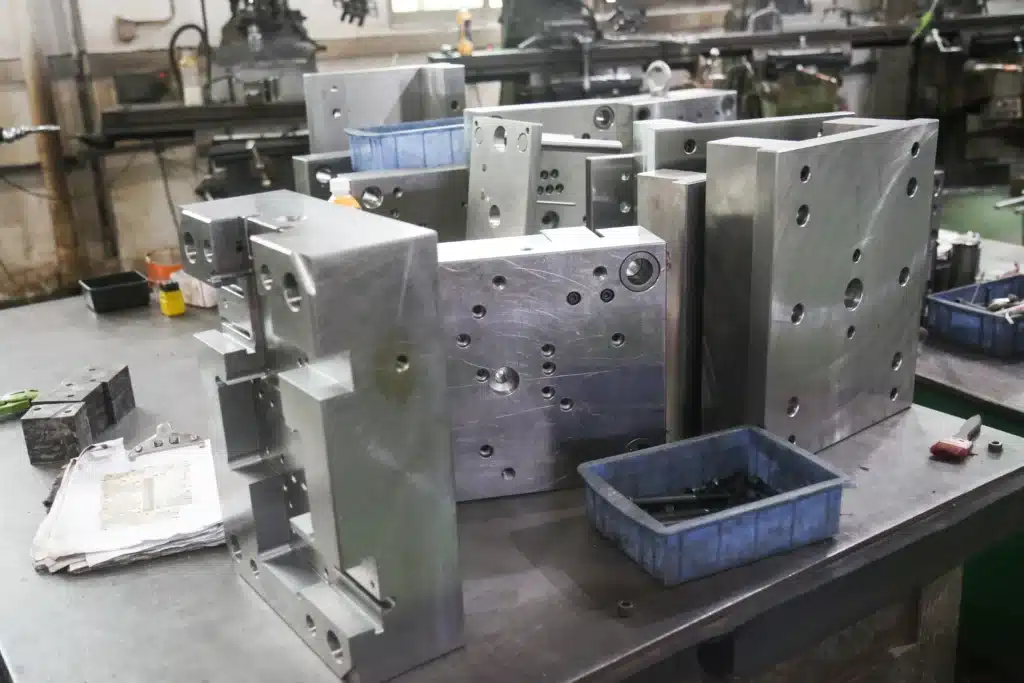
In the commercial world of figures and designer toys, a massive technical chasm exists between a stunning 3D model or handmade prototype and thousands of identical, high-quality finished products sitting on retail shelves. The bridge across this chasm is the Steel Mold.
For B2B clients, understanding steel molds is more than just learning about a production tool; it is about understanding how to protect creative assets, ensure product premiumization, and choose a reliable long-term manufacturing partner. Today, MIHOX takes you inside a real figure mold workshop to deeply deconstruct every hardcore stage of steel mold production.
1. The Figure Steel Mold: The Soul of High-Precision Mass Production
1.1 What is a Professional Figure Steel Mold?
In the injection molding industry, molds are often called the “Mother of Industry.” However, in the figure industry, steel molds are considered the “precision artworks” at the top of the pyramid.
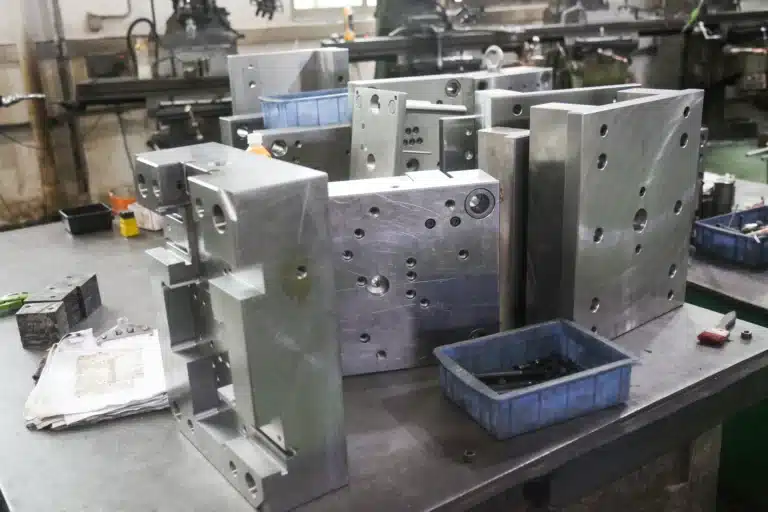
Figure steel molds are typically crafted from high-strength, high-polish mold steel—such as premium S136, NAK80, or 2316. Unlike molds for standard industrial parts (like water bottles or phone cases), figure molds must handle extremely complex organic surfaces, minute hair textures, and seamless multi-part assemblies.
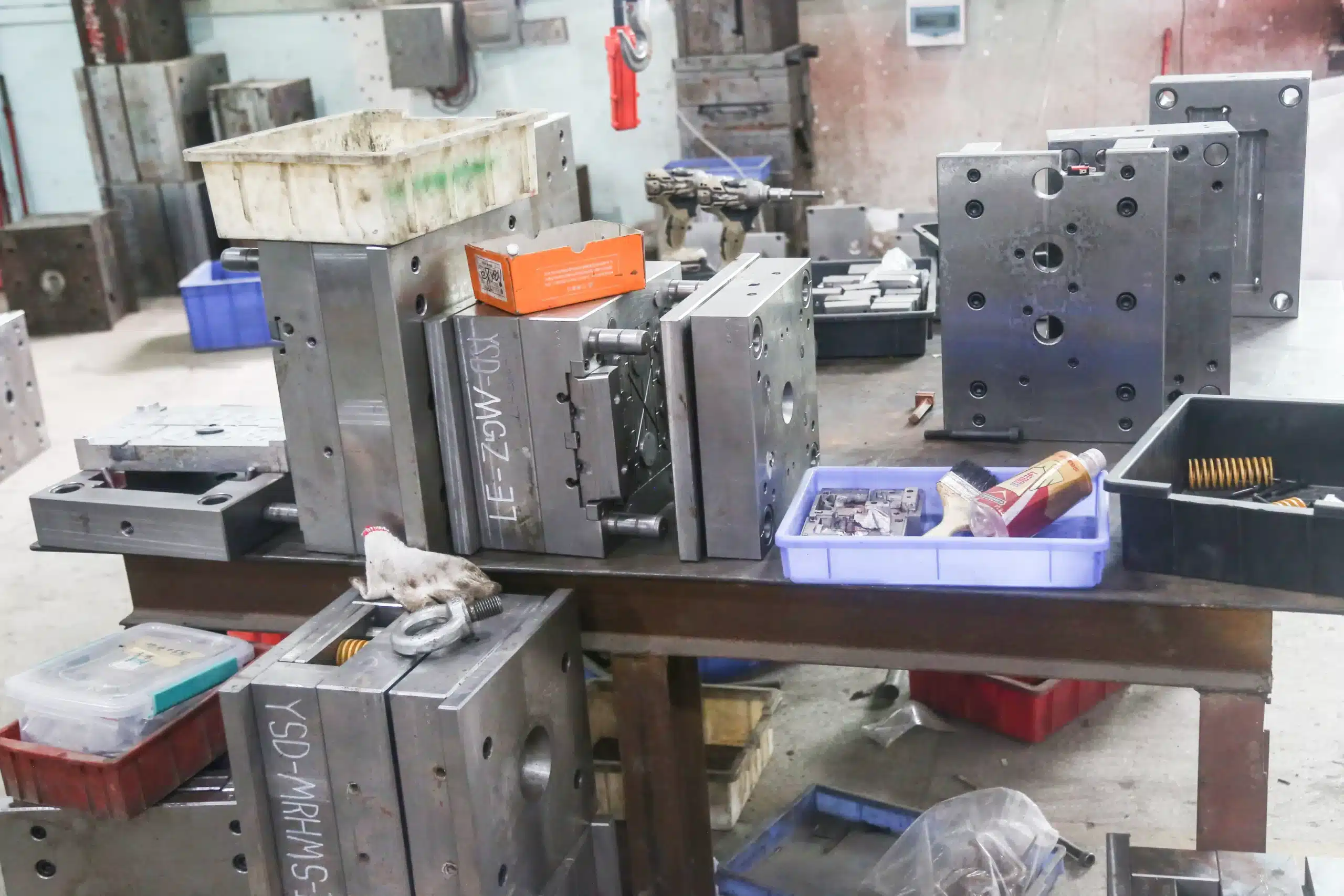
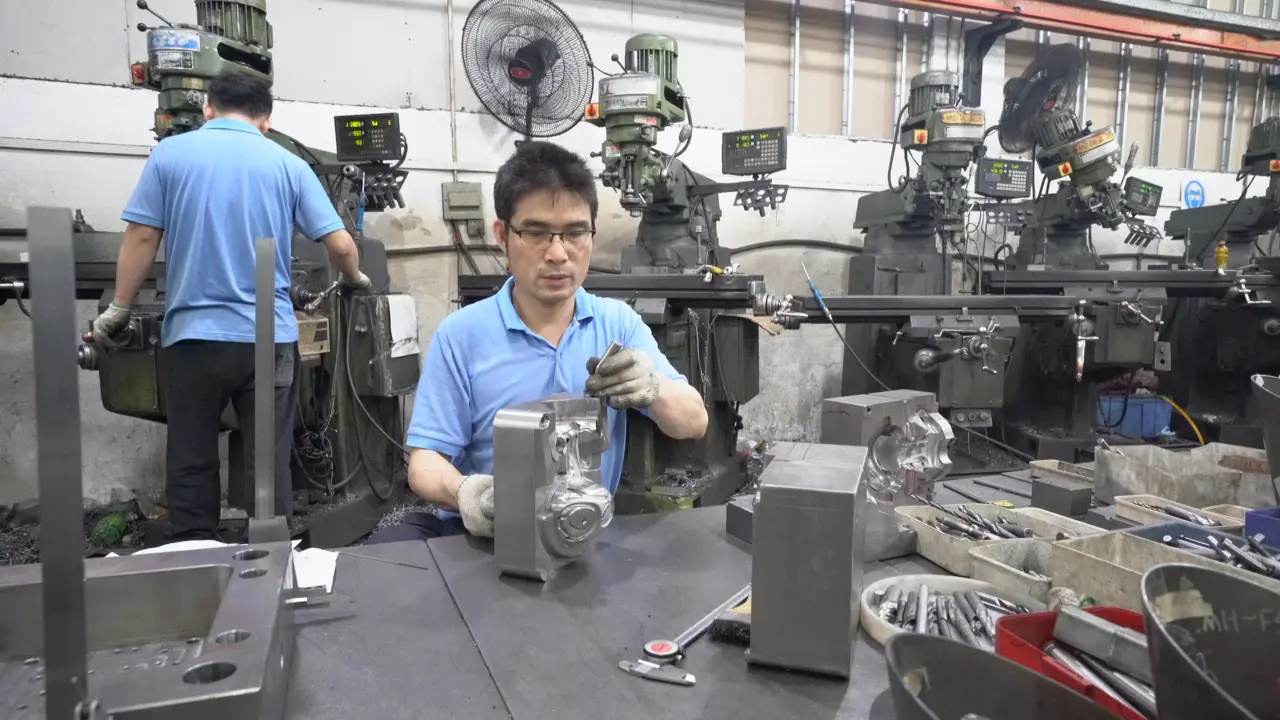
Realistic scene of steel mold bases in the MIHOX production workshop.
1.2 Why Must You Choose Steel Molds?
Many startup brands ask: “Can I use silicone molds for mass production?” The answer is a definitive No.
- Physical Lifespan: Silicone molds deform and lose detail after only dozens of units. A high-quality steel mold typically has a lifespan of 300,000 to 500,000 injection cycles, supporting a brand’s replenishment needs for years.
- Consistency: Steel molds remain extremely stable under high-temperature and high-pressure injection molding machines. This ensures that the 1st figure and the 10,000th figure have identical fingernail-sized details and skin textures.
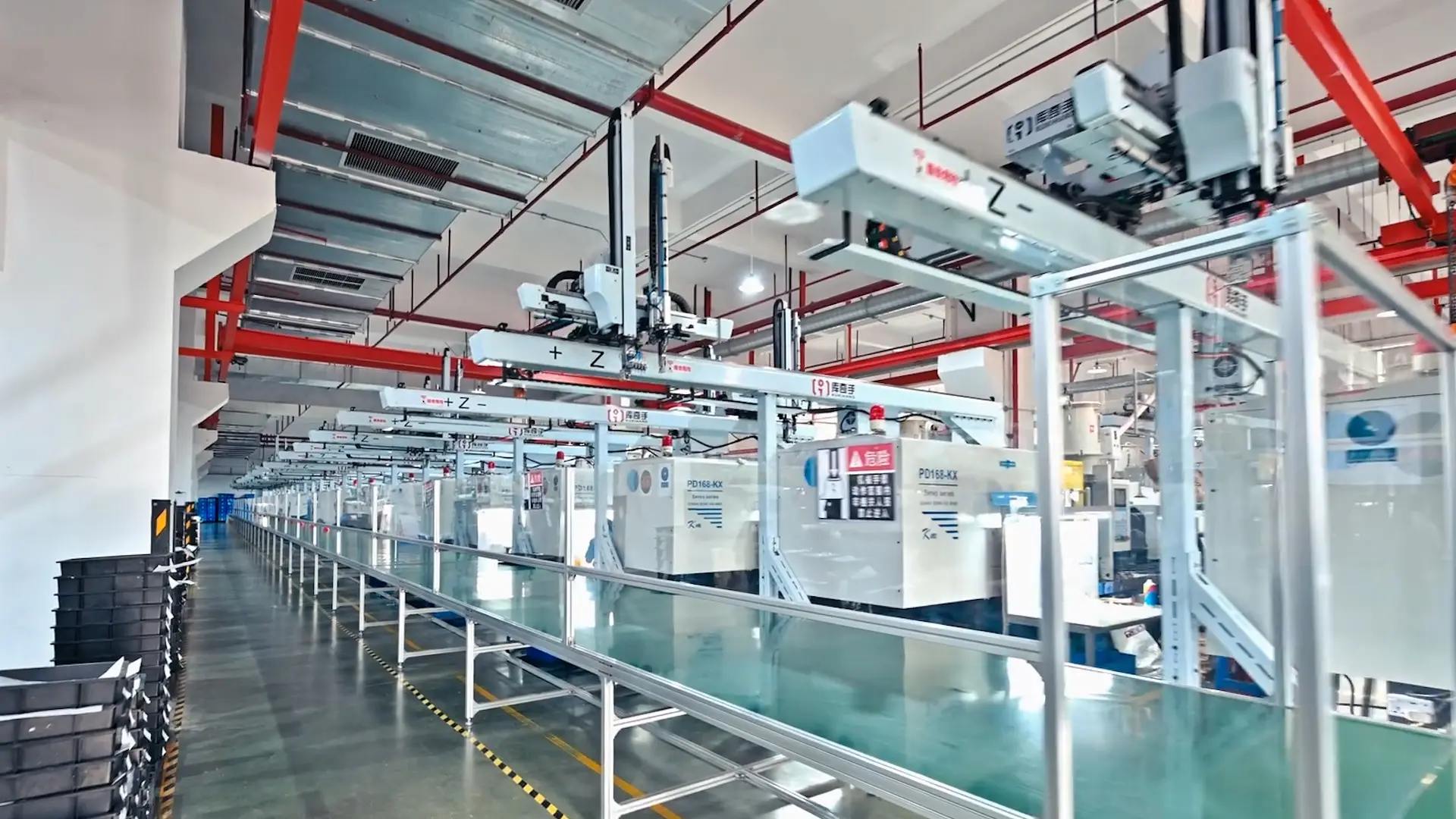
- Production Efficiency: When paired with fully automated injection machines, steel molds reduce the production cycle per unit to seconds, which is the prerequisite for large-scale commercial distribution.
2. The Full Process of Steel Mold Production: From Digital to Industrial Reality
Creating a figure steel mold is never a simple “replication”; it is a rigorous systematic engineering project.
2.1 3D Data Splitting and Mold Flow Analysis
Once MIHOX receives a client’s 3D blueprints, the first step isn’t starting the machine—it is splitting optimization. Because figure poses are diverse, we must decompose the model into dozens or even hundreds of parts to ensure the mold can “release” the parts smoothly. Engineers perform “Mold Flow Analysis” to simulate how plastic flows within the mold, predicting and preventing issues like air bubbles, shrinkage, or prominent weld lines at the source.
2.2 DNC/CNC Precision Rough Machining
This is where the raw steel begins its transformation. Large blocks of steel are sent into the machining center to be cut according to pre-set programs.
- CNC (Computer Numerical Control): Responsible for cutting the general outline of the mold.
- DNC (Distributed Numerical Control): This is the core technology of the MIHOX workshop, which we will detail in the next section.
2.3 EDM (Electrical Discharge Machining)
Figures often have extremely tight corners (such as the depth of pupils or gaps between hair strands) that physical blades cannot reach. This is where EDM comes in. We first machine a “copper electrode” that matches the exact shape of the part. By discharging electricity between the electrode and the steel, we “erode” the steel to leave behind incredibly minute and precise shapes.
2.4 Manual Polishing (Fitting): Where Craftsmanship Resides
Even the most advanced machines leave subtle tool marks on the mold surface. This is where the value of a Senior Polishing Master shines.
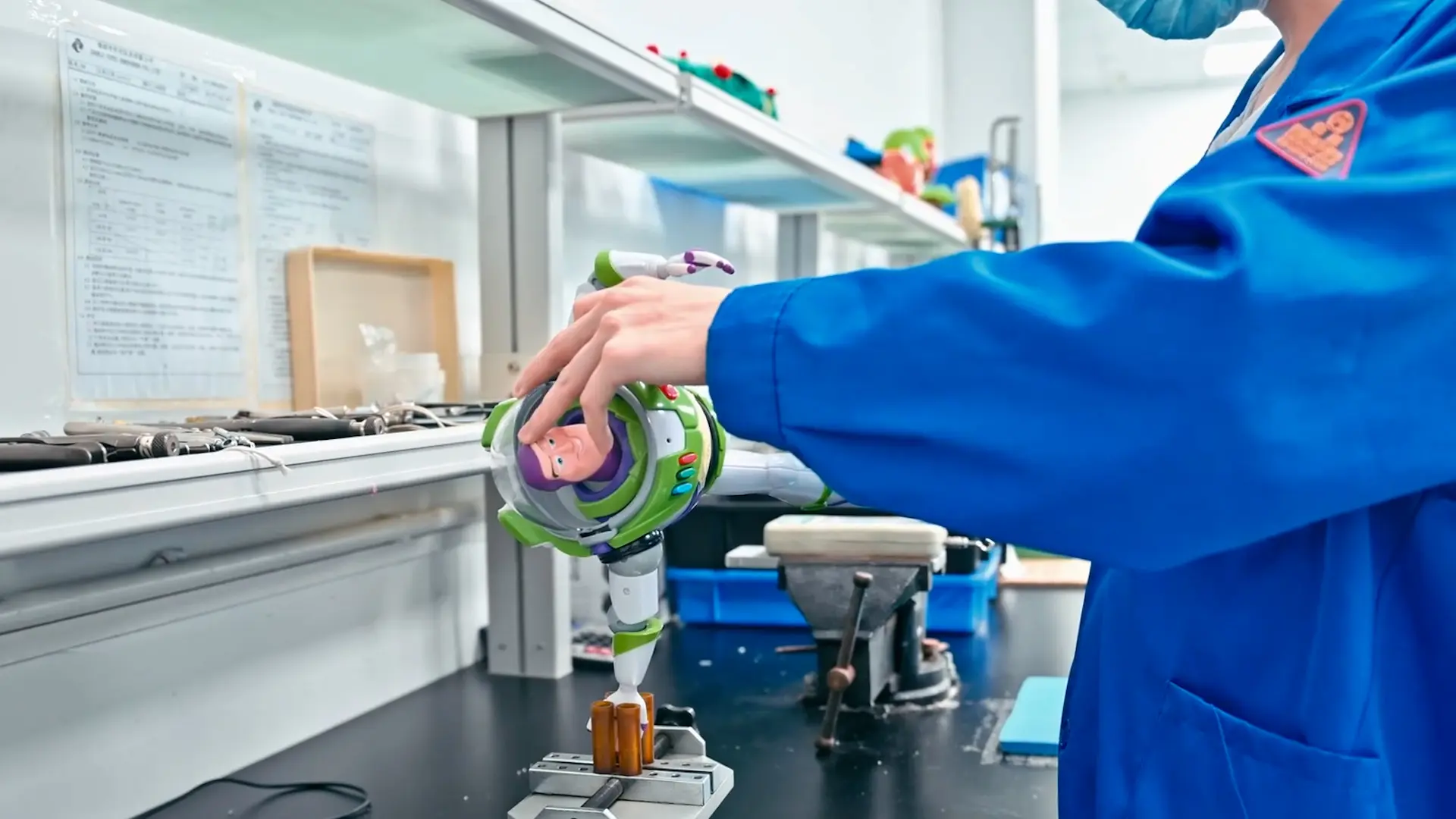
Experienced artisans use various grades of sandpaper, oil stones, and diamond paste to perform multiple rounds of polishing on the mold cavity. This step determines the “skin texture” of the finished figure—whether it has a high-end matte feel or a mirror-like gloss depends entirely on the master’s touch and eye.
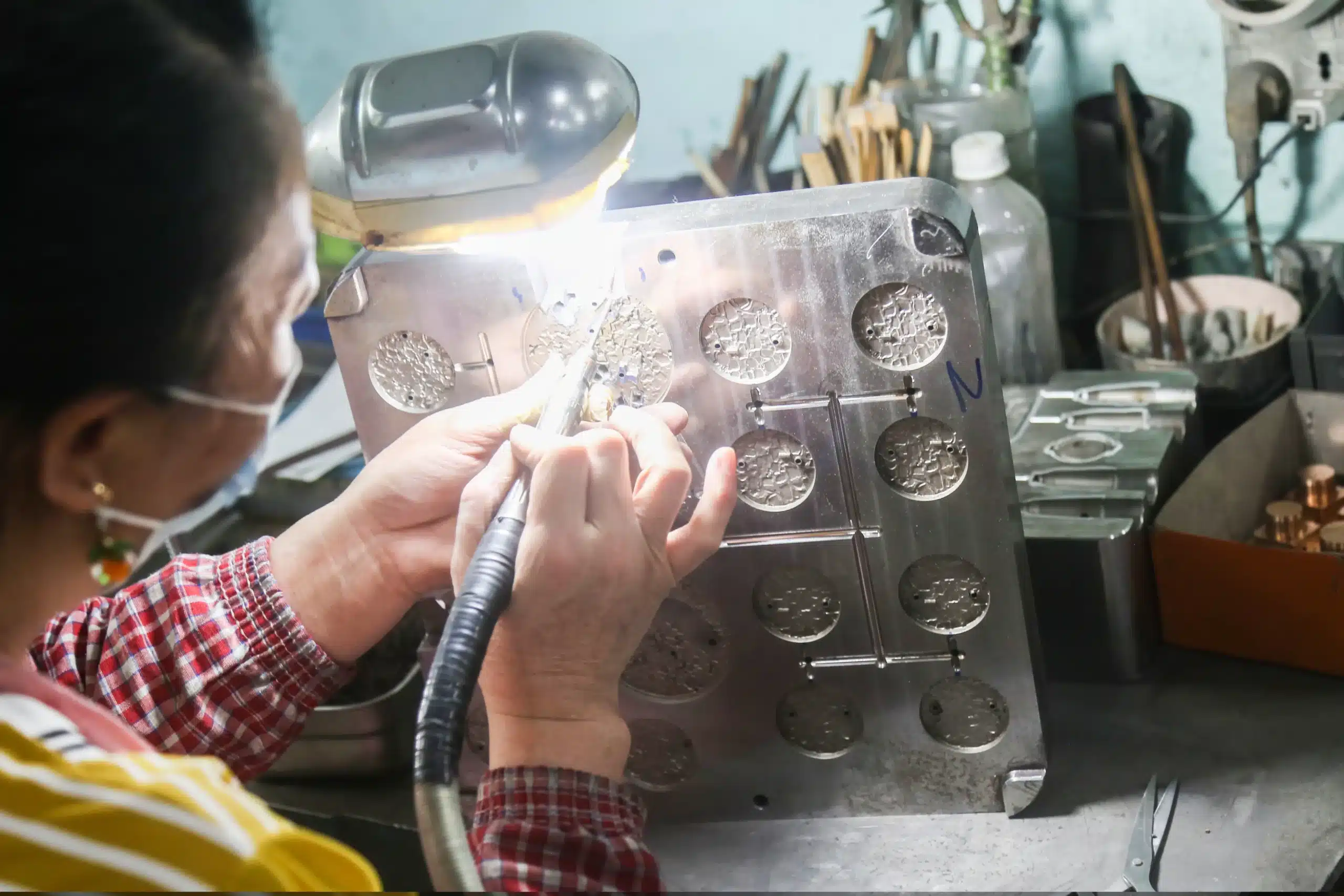
Craftsmanship: Senior technician performing the crucial polishing stage.
3. The Deep Connection Between DNC Machining and Steel Molds: High-End Manufacturing Entry Barriers
In the figure manufacturing sector, many factories claim to have CNC, but not all can effectively utilize DNC (Distributed Numerical Control).
3.1 What is DNC, and What Does It Mean for Figure Production?
DNC is not a single machine but a Distributed Numerical Control System. It connects multiple high-precision machines to a central server for real-time program transmission and centralized management.
- Big Data Processing: 3D data for figures is massive (often several gigabytes). Standard machine memory cannot hold this. DNC systems allow for “drip-feeding” data while machining, ensuring tens of thousands of processing points are executed without interruption.
- Collaborative Stability: DNC monitors the operating status of each machine in real-time, preventing “tool jumping” or breakage caused by data lag. This directly impacts the smoothness of the mold surface.
3.2 Key Focus: What Qualifications Are Needed to Operate DNC Machines for Figure Molds?
Not every mold factory can handle figure customization. Producing figure steel molds requires extreme hardware and software standards:
- High-Speed Spindle Qualifications: Figure details require incredibly thin tools (sometimes only 0.1mm). A factory must possess High-Speed Machining (HSM) centers with spindle speeds of 20,000 to 40,000+ RPM; otherwise, fine textures cannot be engraved on hardened steel.
- Multi-Axis Simultaneous Machining: Figure shapes are non-symmetrical organic surfaces. Owning 5-axis simultaneous machining centers and supporting software algorithms (like Hypermill or advanced Mastercam modules) is a mandatory requirement.
- Constant Temperature Workshop Standards: Steel is highly affected by thermal expansion and contraction. Professional factories must maintain DNC machining rooms at a constant temperature 24/7, with deviations controlled within ±1°C to guarantee a machining precision of ±0.01mm.
- Accumulated Engineering Experience: This is an “invisible qualification.” Engineers must understand the aesthetics of anime characters—knowing where parting lines can be hidden and where seamless transitions are required.
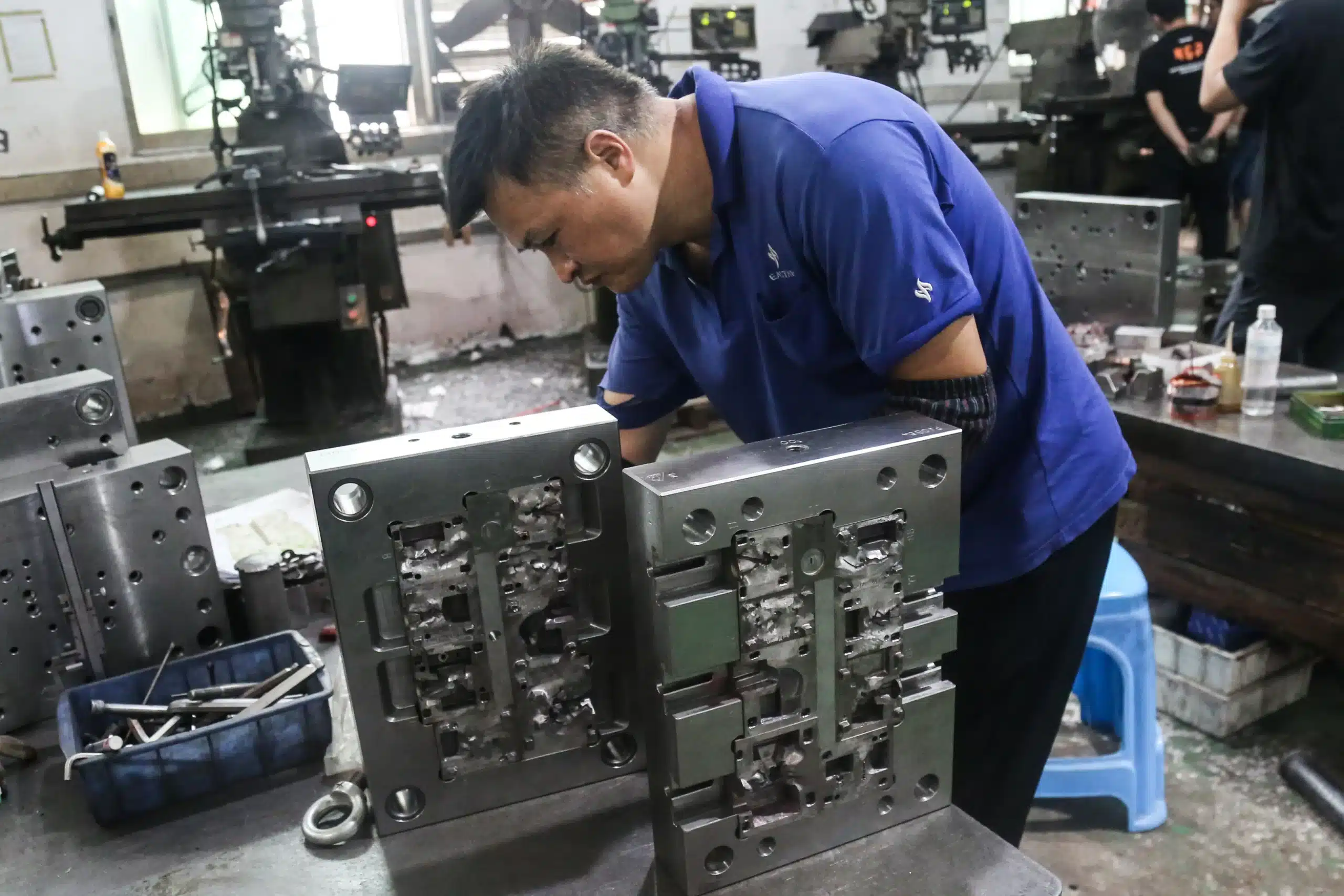
Expertise: An engineer meticulously inspecting the DNC-machined cavity details.
4. Mold Ownership and Asset Protection: The MIHOX Commitment
In B2B trade, the security of mold assets is a primary pain point for clients. Many worry: If the mold is at the factory, will it be used for unauthorized production? If I want to switch factories, can I get my mold back?
4.1 Mold Ownership: 100% Client Owned
At MIHOX, we provide absolute guarantees at both the legal and commercial ethics levels:
- Contractual Clarity: Every cooperation agreement clearly states: “The ownership, intellectual property rights, and physical entity rights of the mold belong 100% to the client.” We are merely entrusted with manufacturing and custody.
- Transparent Management: Clients can audit mold usage records at any time. Every production cycle is logged in our system.
4.2 Exclusive Storage: The “Five-Star Hotel” for Steel Molds
If stored improperly, steel molds easily rust or sustain damage. MIHOX has established a professional Steel Mold Storage Vault:
- Environmental Control: The vault features an industrial-grade dehumidification system to maintain a dry environment, preventing steel oxidation.
- Physical Security: Using heavy-duty mold racking, every mold is assigned a unique RFID code, managed like a high-security ID card.
- Regular Maintenance: After production, we perform deep cleaning, apply anti-rust oil, and replace consumable parts (like ejector pins or springs) to ensure the mold is in peak condition for the next production run.
- Strict Sealing: No one has the right to move the mold unless an order confirmation is received from the client. This physical and procedural isolation solves client concerns regarding design leaks or unauthorized production.
5. Figure Steel Mold Technical Parameter Comparison Table
To help you scientifically evaluate production standards, we have compiled this structured data table:
| Feature Dimension | Professional Figure Steel Mold (MIHOX Standard) | Standard Industrial Part Mold | Impact on Final Quality |
|---|---|---|---|
| Steel Grade | Mirror S136 / NAK80 (Hardened/Corrosion Resistant) | P20 / #45 Steel (Prone to rust/Short life) | Determines surface finesse and absence of rust spots. |
| Machining Precision | ±0.01mm Level (Micron level) | ±0.1mm Level | Determines part fitment and gap-free assembly. |
| Machining System | High-speed DNC Networked Cluster Machining | Standalone Local CNC Machining | Determines smoothness of complex curves; avoids “stepping.” |
| EDM Process | Mirror EDM (Minimum R-angle) | Standard EDM | Determines sharpness of hair strands and clothing folds. |
| Post-Polishing | Manual 800-2000 Grit Step-by-step Polishing | Rough grinding or direct injection | Determines the final tactile feel and light/shadow play. |
| Storage Standard | Constant Temp/Dry Vault + Regular Maintenance | Open-air or basic warehouse | Determines if the mold can be reused without degradation. |
6. Why Choose MIHOX as Your Figure Factory Supplier?
MIHOX is not just a contract manufacturer; we are your Asset Management Partner.
Through our advanced DNC machining system, we solve the problem of
“Can it be made?”Through rigorous polishing and qualification management, we solve the problem of
“Can it be made well?”Through clear ownership and exclusive storage, we solve the problem of
“Is the asset secure?”If you are looking for a factory capable of handling mass orders with an extreme pursuit of mold quality, MIHOX invites you to visit our facility to witness how these exquisite steel molds are born from the fusion of digital technology and craftsmanship.