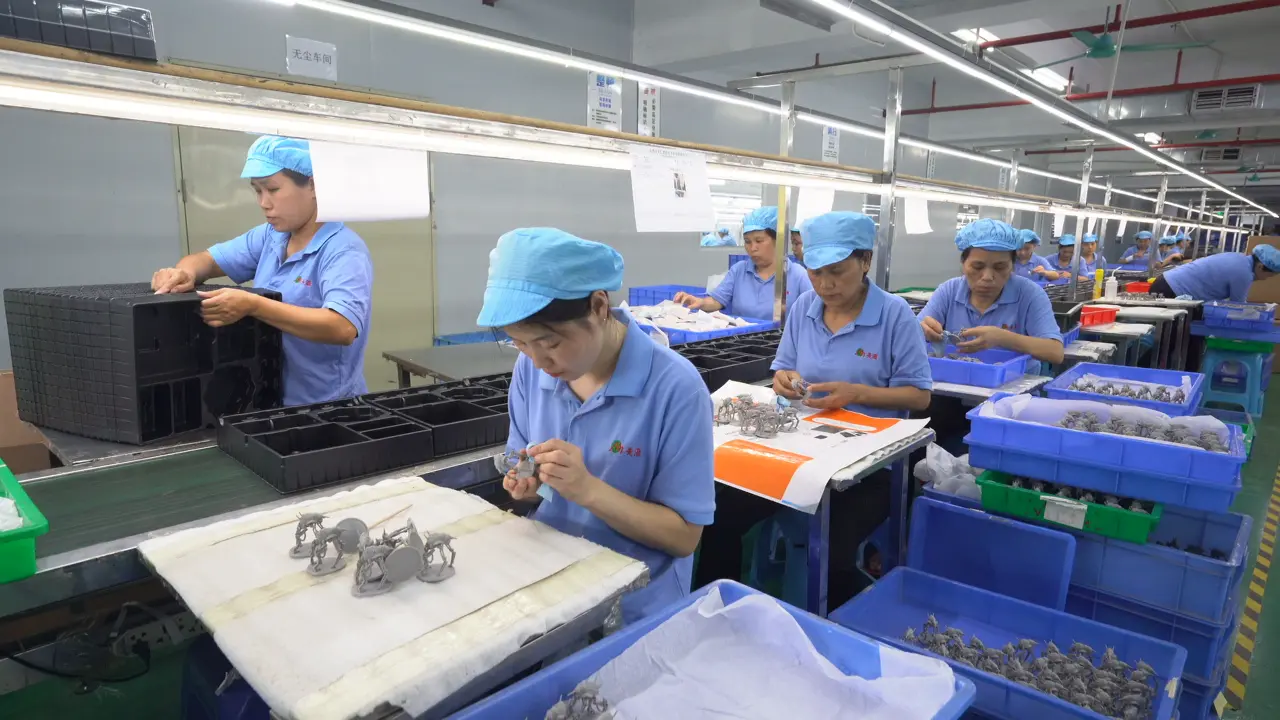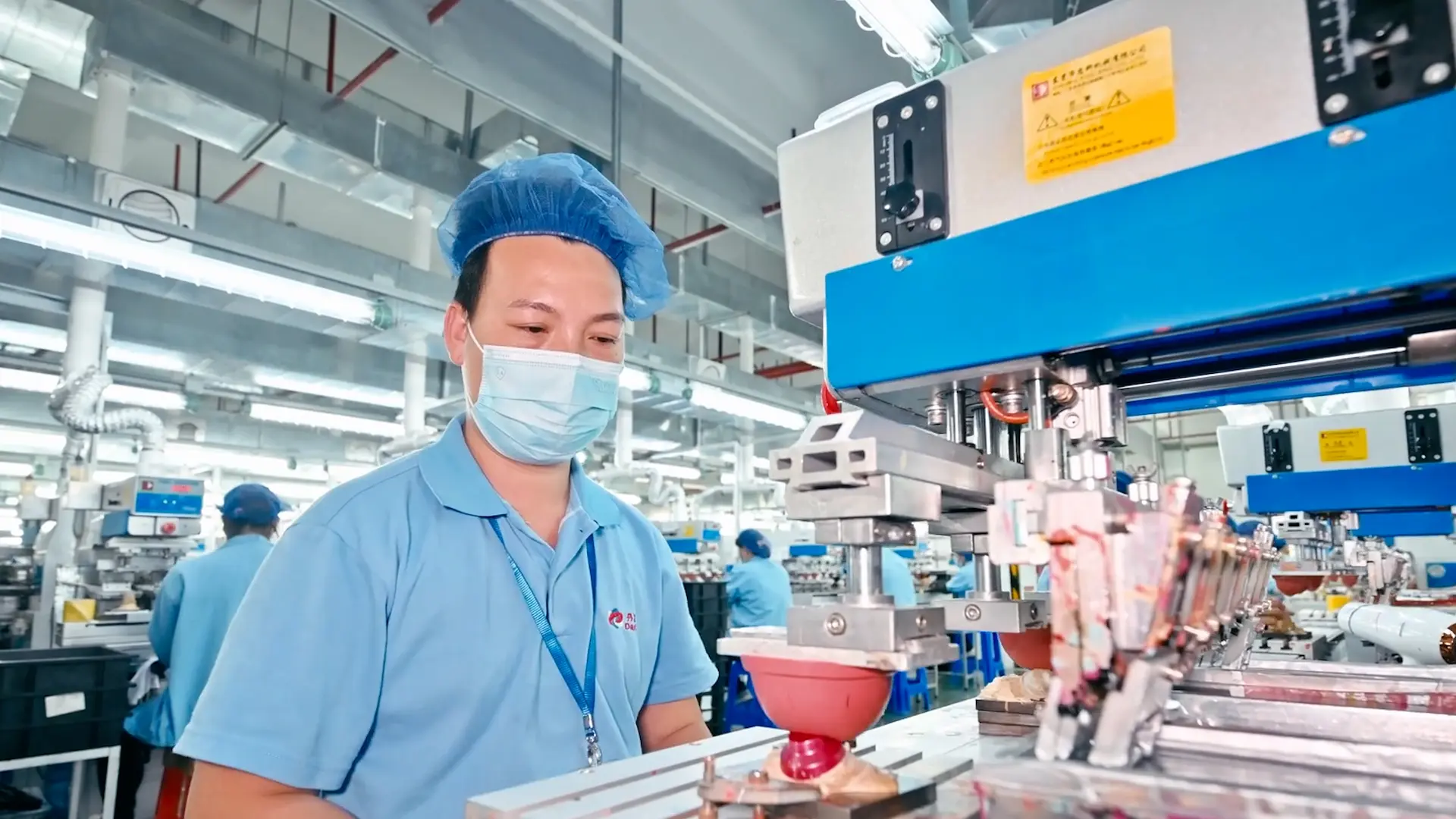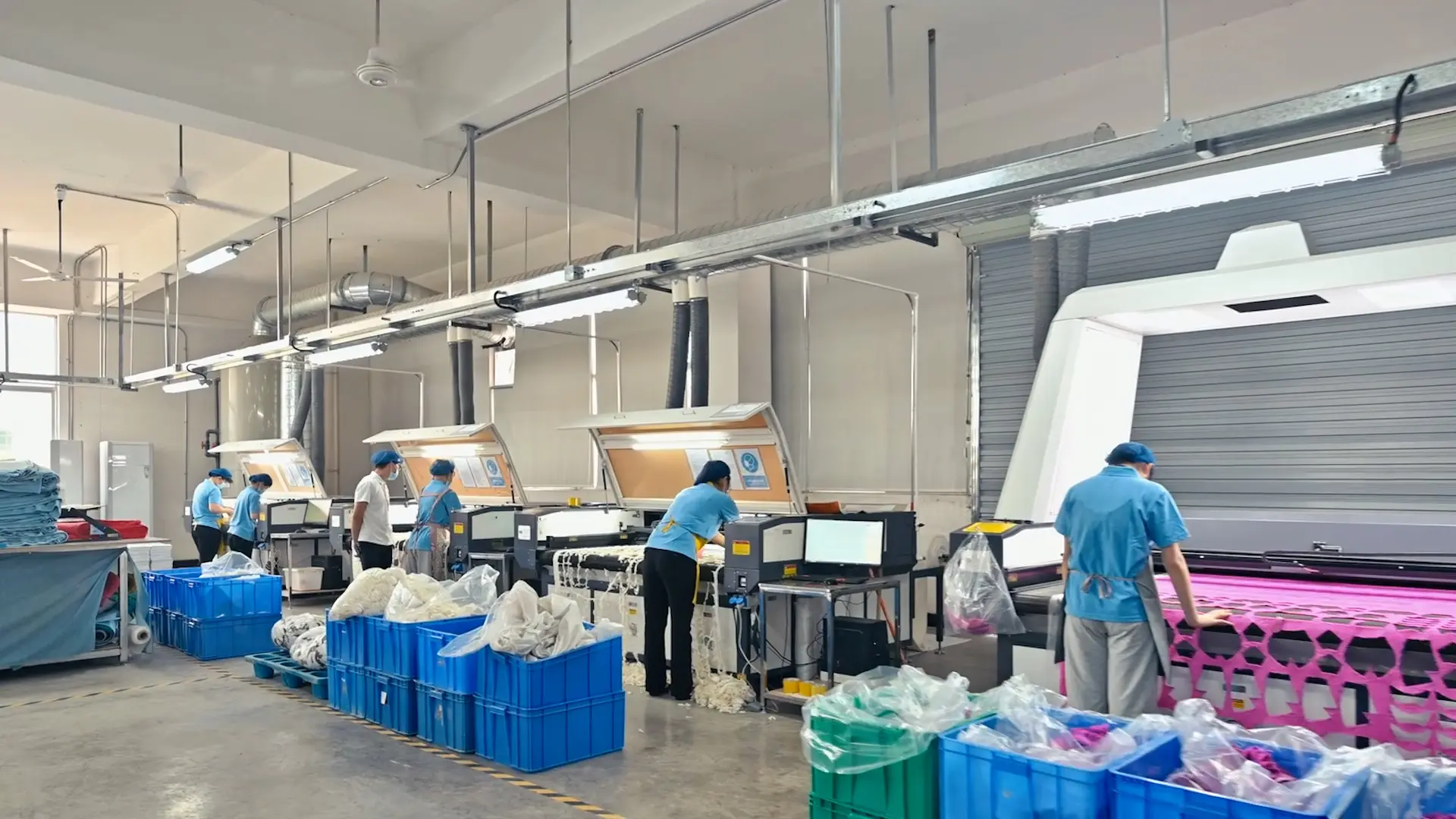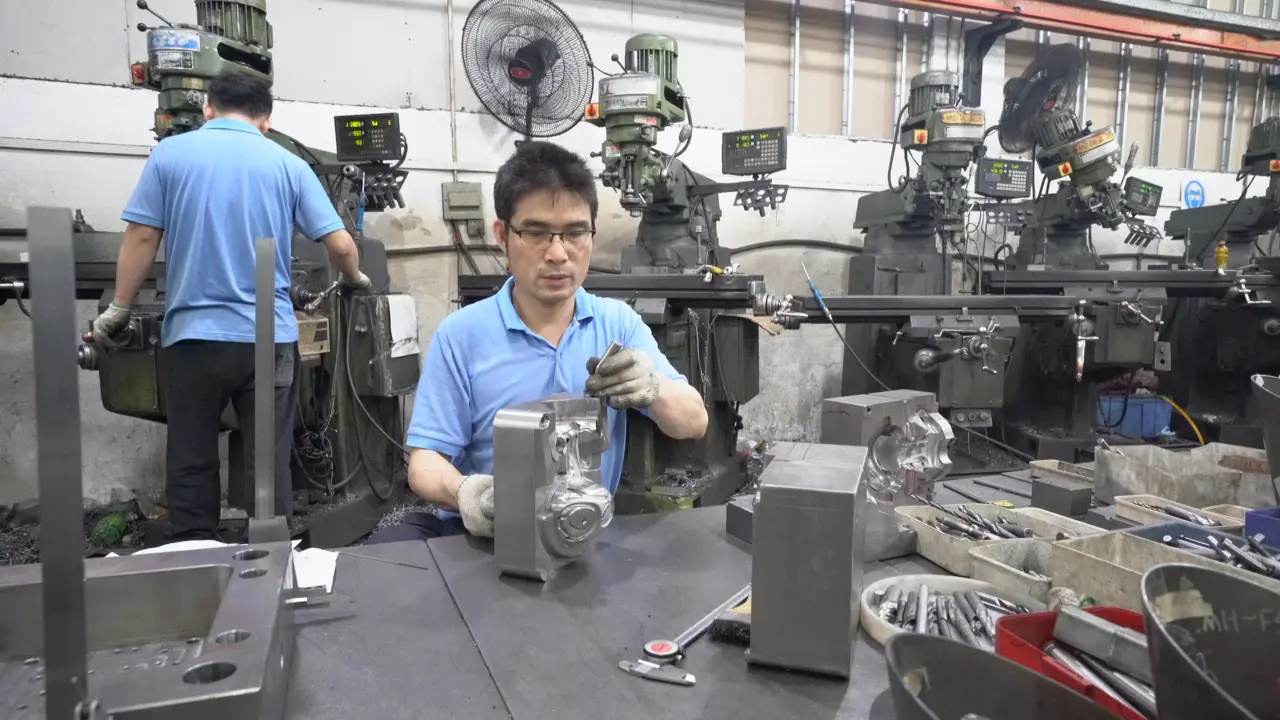
Imagine this scenario. You just blew up on social media with a brand-new original IP. Fans are aggressively sharing your work, and the comment section is flooded with people begging for mass production and blind boxes. You successfully secured funding, you have a healthy budget in hand, and you are totally ready to sprint toward a massive 10,000-unit mass production run. You confidently bring your flawless 3D design files to a factory partner, ready to conquer the market.
Then, the factory engineer looks at your files and hits you with a question that instantly stops you in your tracks:
Honestly, you probably froze.
You might be sitting at your computer scratching your head, thinking: “Aren’t they both just ways to turn plastic into toys? What is the actual difference? Which one maximizes my profit without destroying the cute vibe of my character?”
You are definitely not the only one facing this technical dilemma. I constantly see countless independent creators and brand owners agonizing over this exact crossroads on the factory floor. You know? For a limited run of a few hundred figures, the manufacturing decision is usually a no-brainer. But when your order volume skyrockets to that magical 10,000-unit threshold, the entire economics of manufacturing flips completely upside down.
This is not just about the craft; it is heavily about your wallet.
Let me explain. As manufacturing experts who deal with molds, tolerances, and plastic pellets every single day, we are going to completely tear away the mystery. Today, using plain language backed by hard factory data, we will help you figure out exactly who the real king is between injection molding and slush casting at this massive volume.
Why 10,000 Units is the “Magic Tipping Point”
In the toy manufacturing industry, volume is everything.
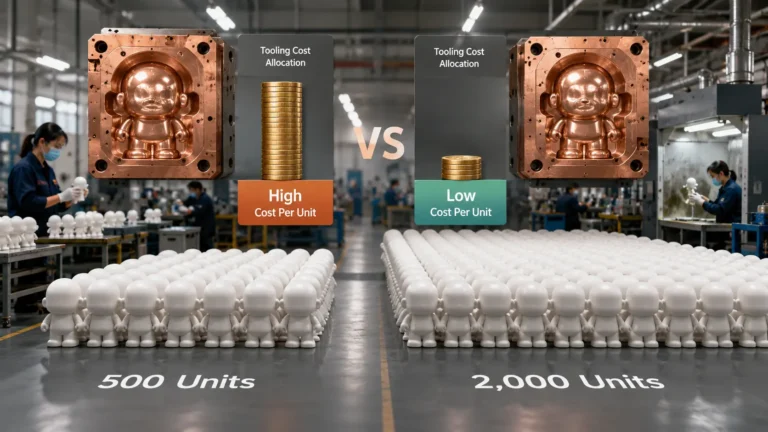
If you only plan to produce 500 limited-edition art toys, slush casting is absolutely the blind-folded, easy choice. Copper molds are cheap, and the cost of trial and error is incredibly low. But when you push that number up to 10,000 units, the rules of the game change completely.
At this scale, you are no longer just paying for the material cost of a single toy. You are paying for assembly line time, mold lifespan, and extremely rigorous quality control. Ten thousand blind boxes mean massive potential profit, but it also means that any microscopic manufacturing error will be magnified ten thousand times. This requires us to precisely evaluate two completely different physical manufacturing processes right at the initial tooling stage.
[This image features a real product. The background has been created and enhanced with AI rendering.]
Injection Molding: The Precision Magic of Heavy Industry
Whenever someone mentions injection molding, two phrases should immediately pop into your head: extremely high upfront investment, and ridiculously low per-unit cost.
How does it actually work? First, we have to use heavy-duty CNC machines to carve the negative mold of your character into a massive block of hardened steel. This is an incredibly time-consuming and expensive engineering feat. A single steel mold can easily cost thousands or even tens of thousands of dollars.
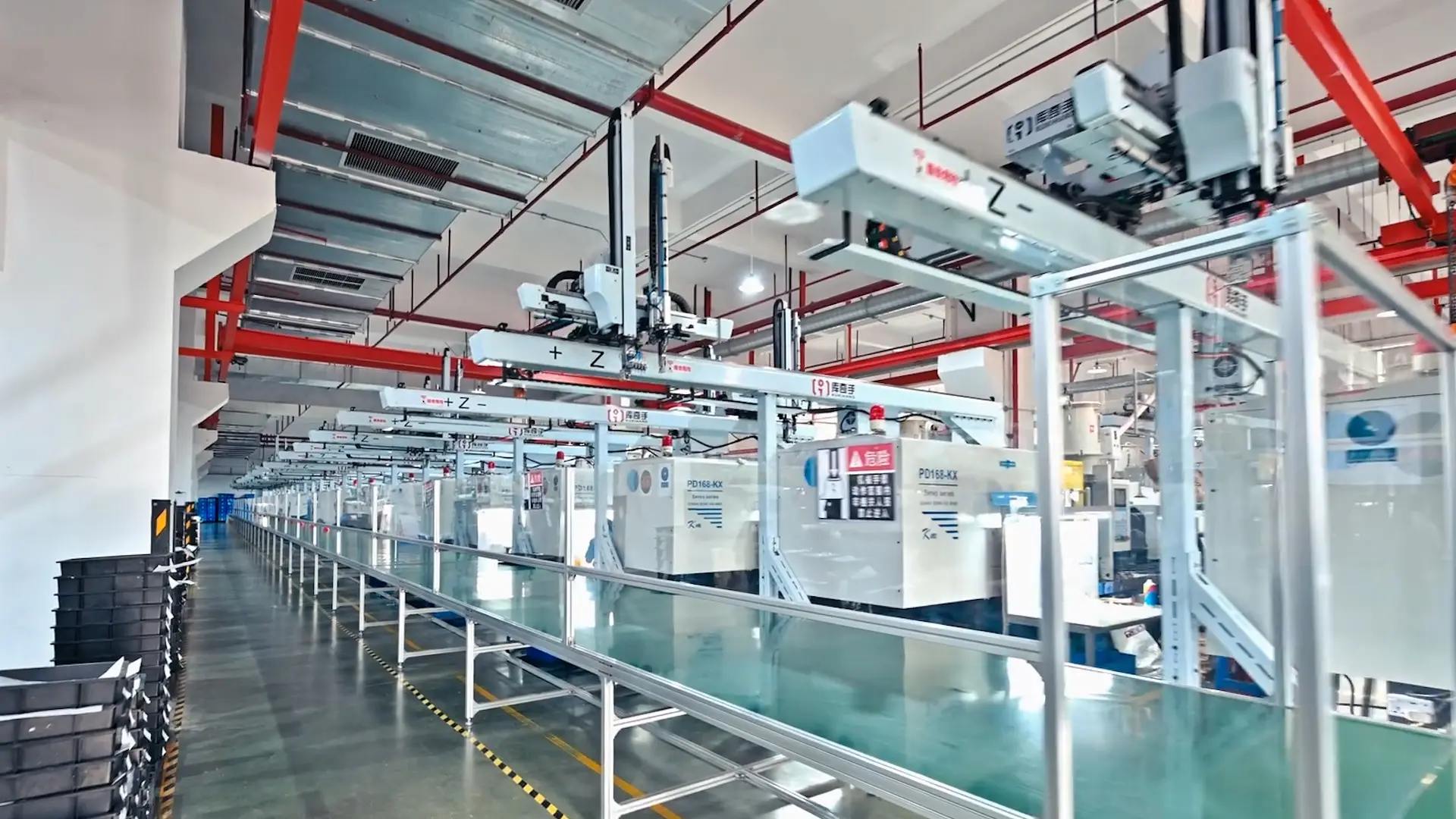
But once this heavy steel beast is ready, the magic begins. The machine shoots melted ABS or PVC plastic pellets directly into the mold cavity under thousands of pounds of terrifying pressure. Just a few seconds later, the mold opens, and a perfectly dimensioned, razor-sharp toy part drops out. That is the brutal beauty of economies of scale.
The Absolute Advantages of Injection Molding:
Does your character have microscopic rivets? Extremely sharp mecha edges? Injection molding can flawlessly replicate every single pixel of your 3D file with micrometer precision.
With the backing of fully automated injection machines, once the line starts running, it can frantically spit out tens of thousands of parts in just a few days. For a 10,000-unit order, its mid-to-late production speed is totally unmatched.
Steel molds are indeed terrifyingly expensive. But when you spread a $10,000 tooling fee across 10,000 blind boxes, the mold cost per toy is literally just one single dollar. At this massive volume, the incredibly low material and labor costs per unit will drastically boost your final profit margins.
Slush Casting: The Artisanal Touch
If injection molding is a cold industrial machine, then slush casting is full of the warmth of traditional hand-craftsmanship.
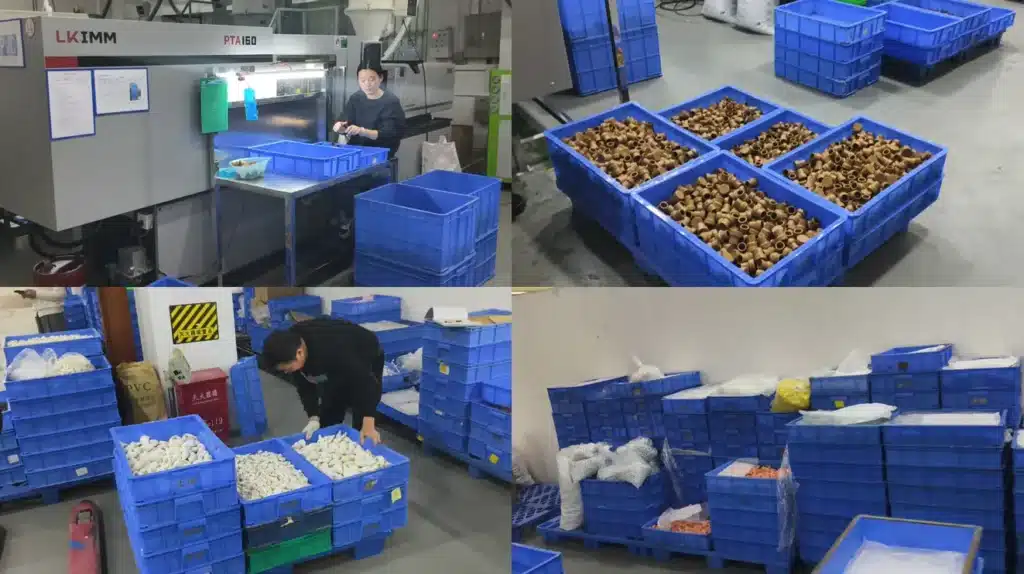
Slush casting does not use expensive steel molds; instead, it uses a chemical electroplating bath to slowly “grow” a copper shell around a wax master. This hollow copper mold is highly affordable, usually costing only a fraction of a steel injection mold.
During production, workers pour specially mixed liquid PVC into the hot copper mold and spin it wildly on a centrifuge. The heat cures the outer layer of the liquid into a soft skin. Finally, highly experienced artisans wearing thick gloves use pliers to forcefully yank the scalding hot toy right out of the mold.
The Charming Appeal of Slush Casting:
Slush-cast toys are naturally hollow. This means that while they look large and bulky, they are relatively light, which saves you an astonishing amount on ocean freight costs. Meanwhile, the one-piece casting process means the toy has almost zero ugly seam lines.
Soft vinyl has a uniquely “fleshy” feel. It is slightly bouncy, warm, and rounded to the touch—an artistic quality that rigid, cold ABS plastic can absolutely never replicate.
The remarkably low copper tooling fee is an absolute lifesaver for creators with limited budgets.
The Massive Challenge at 10,000 Units:
The Torture of Pure Manual Labor: Slush casting heavily relies on human power. Every single toy must be manually poured and manually pulled. When your order hits ten thousand units, those high manual labor costs quickly wipe out whatever money you initially saved on the mold.
Compromised Details: Soft vinyl unpredictably shrinks as it cools. Those highly aggressive spikes and extremely thin weapon accessories often turn into a smooth, rounded “mush” when subjected to the slush casting process.
The Core Showdown: Hard Data Comparison Between Injection and Slush Casting
To help everyone clearly understand the math behind this, our engineering team put together a highly detailed comparison parameter chart specifically for 10,000-unit mass production runs. Let’s put our cards on the table:
| Key Evaluation Metric | Injection Molding | Slush Casting |
|---|---|---|
| Tooling Material & Cost | Hardened Steel Molds (Extremely High: $5,000 – $15,000+) | Electroplated Copper Molds (Very Low: $1,000 – $3,000) |
| Per-Unit Cost at 10k | Very Low (Automation heavily crushes labor costs) | Higher (Strongly relies on manual pulling, extremely high labor costs) |
| Mold Durability | Virtually Indestructible (Effortlessly handles 100,000+ shots) | Moderate (Usually needs replacing or patching after a few thousand pulls) |
| Production Lead Time | Very slow steel tooling upfront (30-45 days), incredibly fast mass production later | Very fast copper tooling upfront (15-20 days), incredibly slow mass production later |
| Detail & Edge Sharpness | Flawless precision, razor-sharp (Perfect for mecha and complex accessories) | Rounded edges, slight shrinkage (Perfect for smooth, chibi-style shapes) |
| Tactile Feel & Weight | Hard, solid and heavy, crisp sound when tapped | Soft and slightly bouncy, hollowly lightweight, warm and premium feel |
| Seam Line (Flashing) | Must rely on precision part splicing to hide gaps | Almost one-piece casting, no obvious seam blind spots |
The Ultimate Decision Matrix for Your IP
Reading this far, you are probably frantically crunching numbers in your head right now. But deciding on a manufacturing process is never just about money; it is heavily about your character design itself. You must make the most rational decision based on the strict geometry of your design.
Scenario A: The “No-Brainer Injection Molding” Situation
Your blind box character rocks a cyberpunk aesthetic. It is holding a laser gun made of 15 tiny parts, wearing a jetpack with sharp spikes, and has countless tiny mechanical cables running across its body.
Do not hesitate—choose injection molding. A slush casting mold simply cannot pull out sharp parts with that many complex undercuts. Only high-pressure injection machines and precision steel molds can bite down on those insanely intricate details.
Scenario B: The “Die-Hard Slush Casting” Situation
You designed a group of chubby, cloud-like little monsters. They have zero complex accessories, completely smooth bodies, and focus entirely on being adorable.
Choose slush casting. Injection-molded ABS would make this cute character feel like a freezing cold brick. The slightly bouncy feel and seamless, rounded appearance of soft vinyl are the absolute core of this design’s soul.
Scenario C: Adults Don’t Choose (The Mixed-Media Hack)
Do you know what the absolute top-tier toy brands do? They cleverly combine the two. We frequently execute this exact maneuver on our mixed-media assembly line:
The character’s large, chubby body is made using the cheaper, lightweight slush casting process to preserve the tactile feel; meanwhile, the highly complex miniature weapons and transparent facial goggles are separately produced using injection molding. Finally, we flawlessly assemble them together using ultrasonic welding. That is the true art of manufacturing.
Hidden Risks That Could Destroy Your Margins
Before placing that massive order, there are some highly destructive risks you must know about upfront.
First, closely monitor your ocean shipping bills. Injection molding often means solid PVC or ABS parts. Ten thousand solid blind boxes will weigh a staggering amount. If you have not carefully planned your logistics budget beforehand, those incredibly heavy injection-molded toys could literally double your international freight costs, completely eating up all the profit margins you saved during mass production.
Second, watch out for loose joints. Blind box figures are small, but if the head needs to rotate, the margin of error for the manufacturing process is incredibly tight. If the V-cut joints in slush casting are miscalculated, over time they are prone to what we call “soft leg syndrome” in the industry. On the flip side, the snap-fit joints used in injection molding are highly rigid, making them extremely easy to snap and break during assembly. This severely tests a factory’s structural engineering capabilities.
How Our Engineers Save You from Pitfalls
In the OEM manufacturing space, just talking theory is completely useless. When you bring a 10,000-unit blind box project to Newmiho, our tooling engineers will absolutely never just coldly toss a quote sheet back at you. We will perform an extremely rigorous physical mechanics teardown of your 3D files.
If your injection-molded design carries a risk of shrinkage or sink marks, we will step in early to modify the draft angles. If your slush casting design has impossible-to-pull undercuts, we will defuse the crisis using the cleverest parts-splitting strategies. We do not just ensure that these 10,000 blind boxes can be successfully manufactured; we ensure that after surviving a bumpy ocean voyage, they still look completely flawless when they finally reach your players’ hands.
Ready to Start Your Blind Box Mass Production Journey?
Ultimately, a 10,000-unit blind box order is not just a product launch; it is the ultimate test of your ability to control a supply chain.
Injection molding, fueled by the automated power of heavy industry, brings you unparalleled detail sharpness and ultra-low per-unit costs, making it the absolute go-to for complex mechanical designs. Meanwhile, slush casting uses the residual warmth of hand-craftsmanship to preserve the seamless, rounded texture of the toy with an incredibly low barrier to entry, making it the soulmate of emotional, artistic designs.
Clearly understand your character’s positioning, and carefully calculate your tooling budget. Do not just blindly follow trends when pouring your foundation. Your blood, sweat, and tears deserve the manufacturing process that matches them perfectly.
MIHOX-Frequently Asked Questions (FAQs)
Usually, 10,000 units is the exact cost tipping point for injection molding. While the upfront cost of a steel mold is extremely high, at this massive baseline of 10,000 units, highly automated production drastically slashes labor fees. As a result, its total manufacturing cost often ends up lower than slush casting, which heavily relies on manual pulling and hand labor.
Almost never. Injection molding typically utilizes incredibly hard ABS plastic or highly rigid PVC materials. Their physical properties are extremely stable. Even inside a scorching summer display cabinet, they will absolutely never experience the gravity-induced softening or leaning that soft vinyl materials suffer from.
We highly advise against doing that. Slush casting requires forcefully yanking hot, soft vinyl out of a hard copper mold. Extremely thin, spiky areas are highly prone to snapping or severe deformation during this pulling process. Forcing a design like this into slush casting will cause your defect rate to skyrocket; we strongly recommend switching to injection molding instead.
Compared to a copper slush casting mold, which only takes 15 to 20 days, a steel injection mold is a massive engineering undertaking. From precision CNC carving to the repetitive T0/T1 trial mold adjustments, it usually takes a full 30 to 45 days. Brand owners must reserve this lengthy tooling period in their release schedules well in advance.
As long as the factory employs a top-tier painting team, color discrepancies can be completely avoided. Factory engineers will spray a specially formulated, unified primer over the different base materials (like hard ABS and soft vinyl), and then apply topcoats using the exact same paint formulas. This visually achieves perfect color consistency across different materials.