Introduction: Searching for Spiritual Resonance Beyond “Play”
I. The Battle of Definitions: Disposable Commodity vs. Timeless Collectible
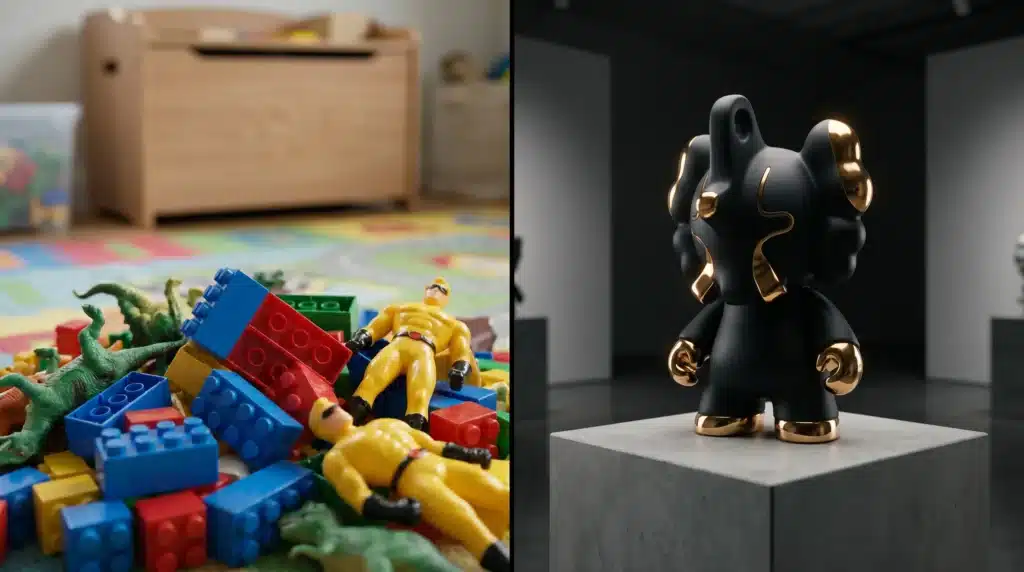
1.1 The Essence of Regular Toys: Function-Driven Consumption
Value Manifestation: Meeting the physiological and psychological development needs of children at specific age stages.
Manufacturing Focus: High durability, strict safety for toddlers, and low cost-per-unit for mass-market accessibility.
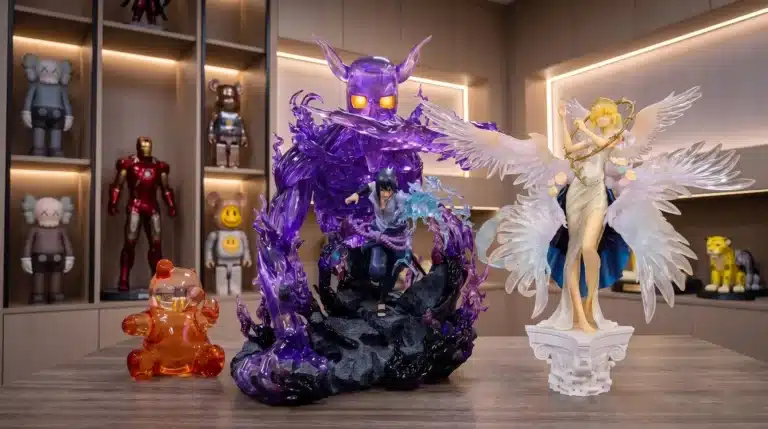
1.2 The Essence of Art Toys: Aesthetic-Driven Collection
Value Manifestation: Conveying the designer’s unique values, visual aesthetics, and the collector’s social identity.
Manufacturing Focus: High-fidelity reproduction of the artist’s vision, intricate paint applications, and premium material textures.
II. Audience Profiling: Who is Paying for “Passion”?
2.1 From “Satisfying Others” to “Self-Satisfaction”
Why Do Young People Love Art Toys?
Long-tail Query: Why are young adults willing to spend high prices on non-functional art toys?
- Emotional Companionship and “Healing”: In the era of the “lonely economy,” the expressions of art toys act as an emotional “hollow tree” or confidant on a young professional’s desk.
- Social Currency and Identity: Owning a limited-edition figure serves as an entry ticket to a specific aesthetic subculture.
- Aesthetic Compensation: Art toys democratize art, bringing the “gallery experience” into the home at an affordable price point.
III. Deep Comparison of Production Craftsmanship: A Factory Perspective
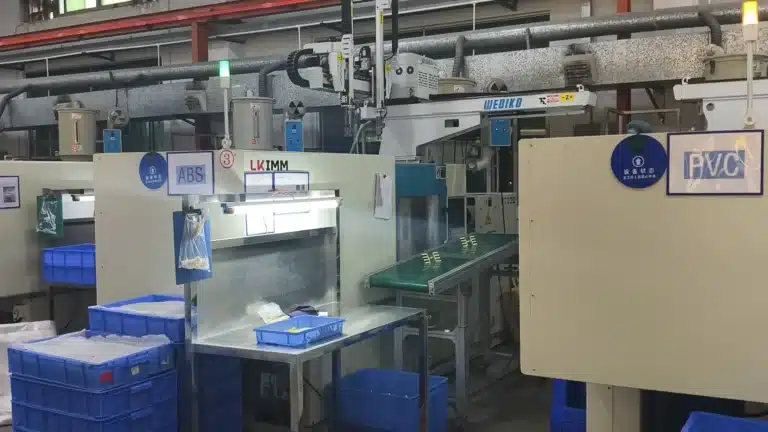
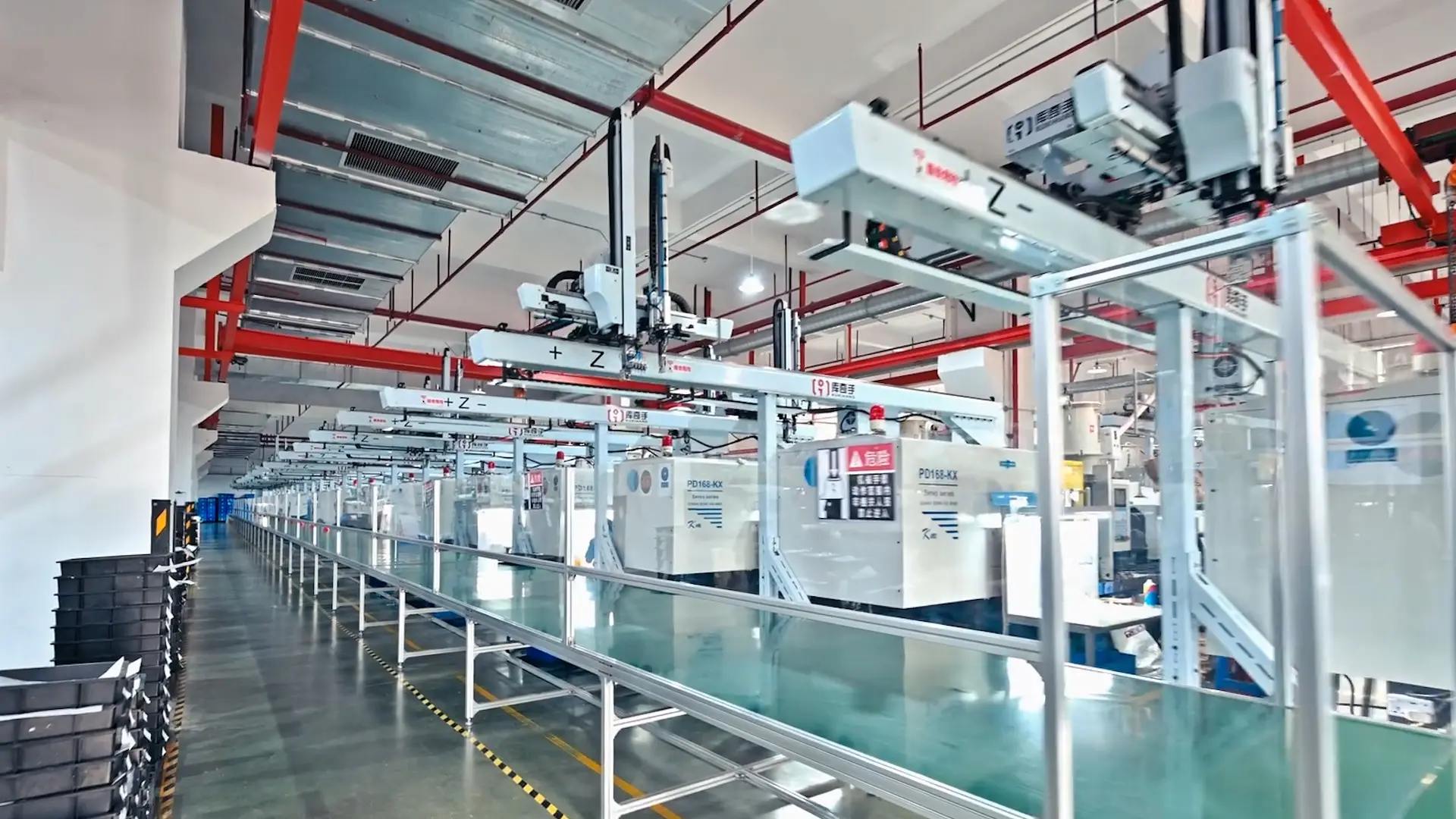
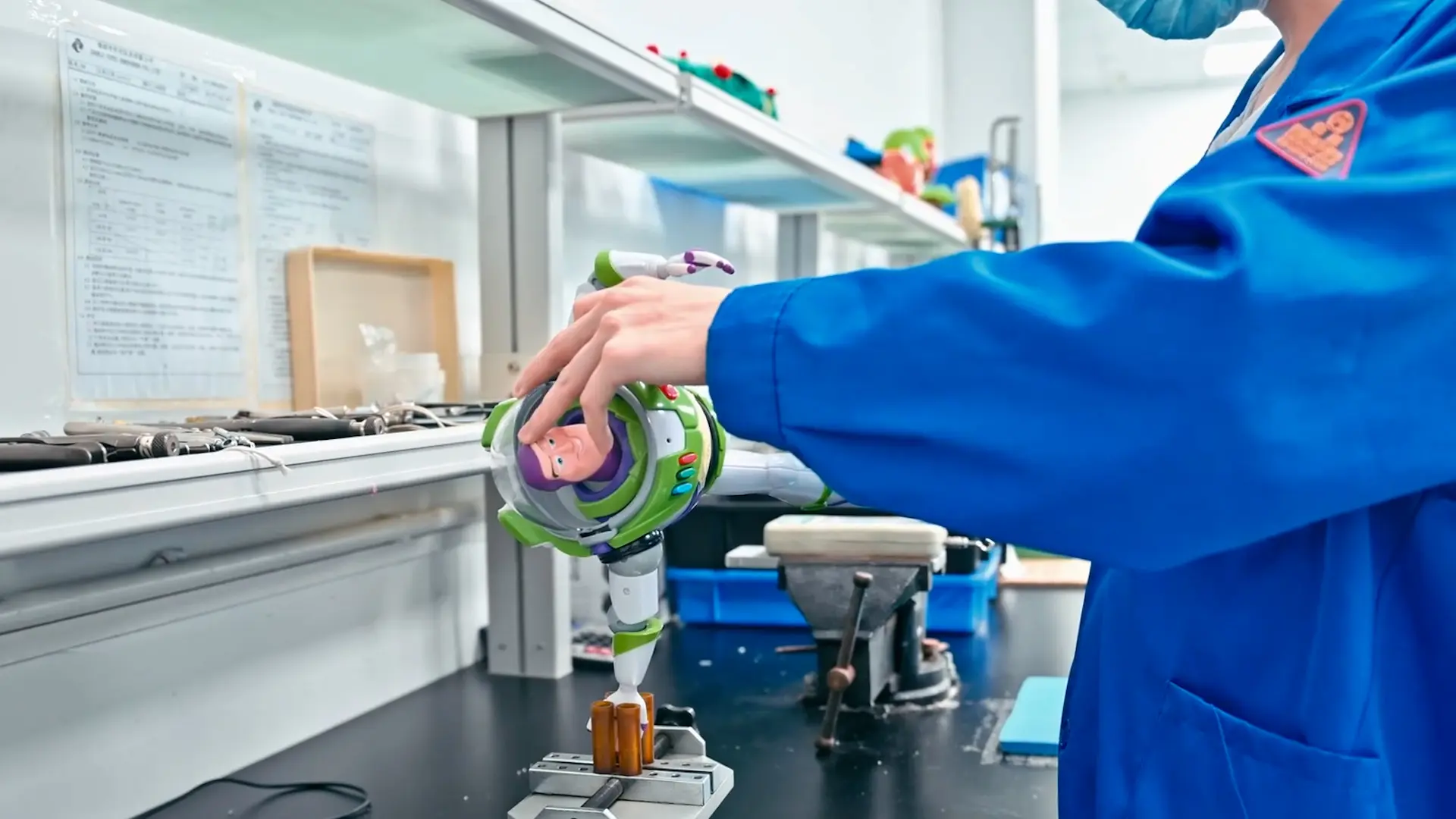
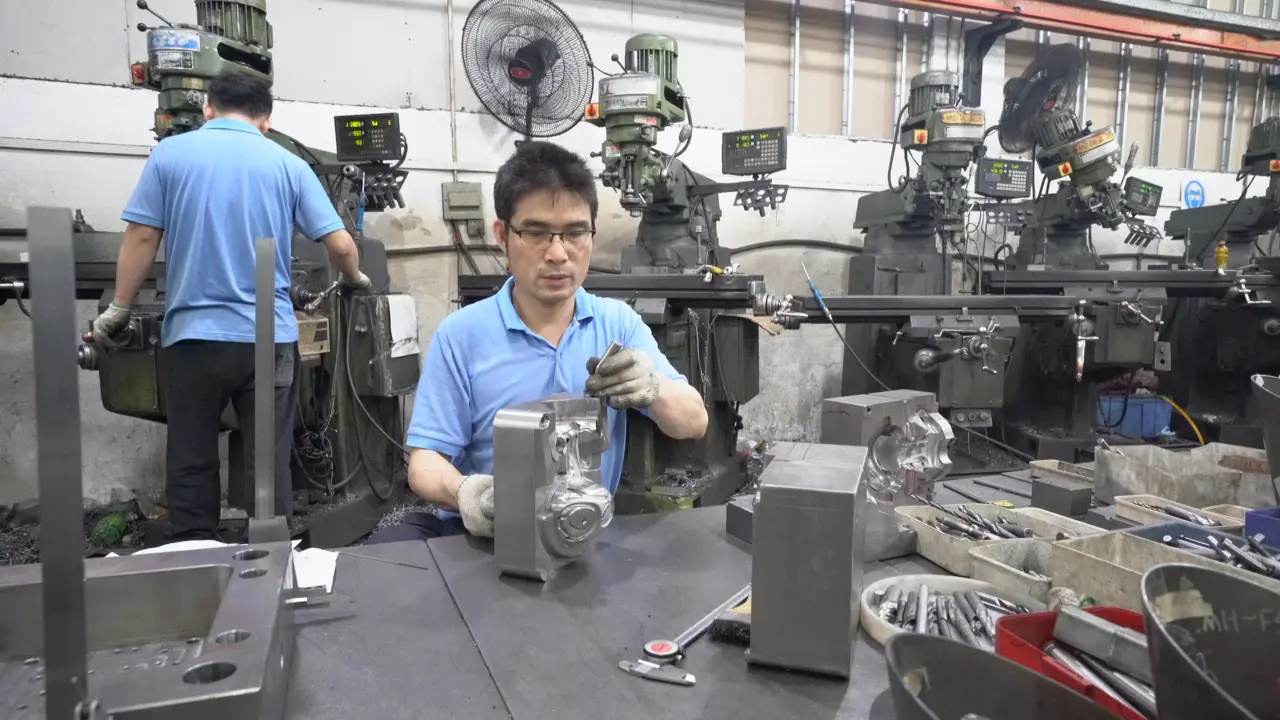
3.1 Mold Precision and Engineering
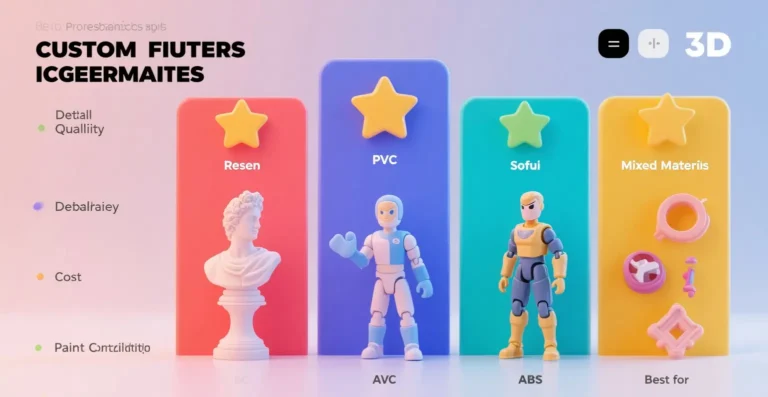
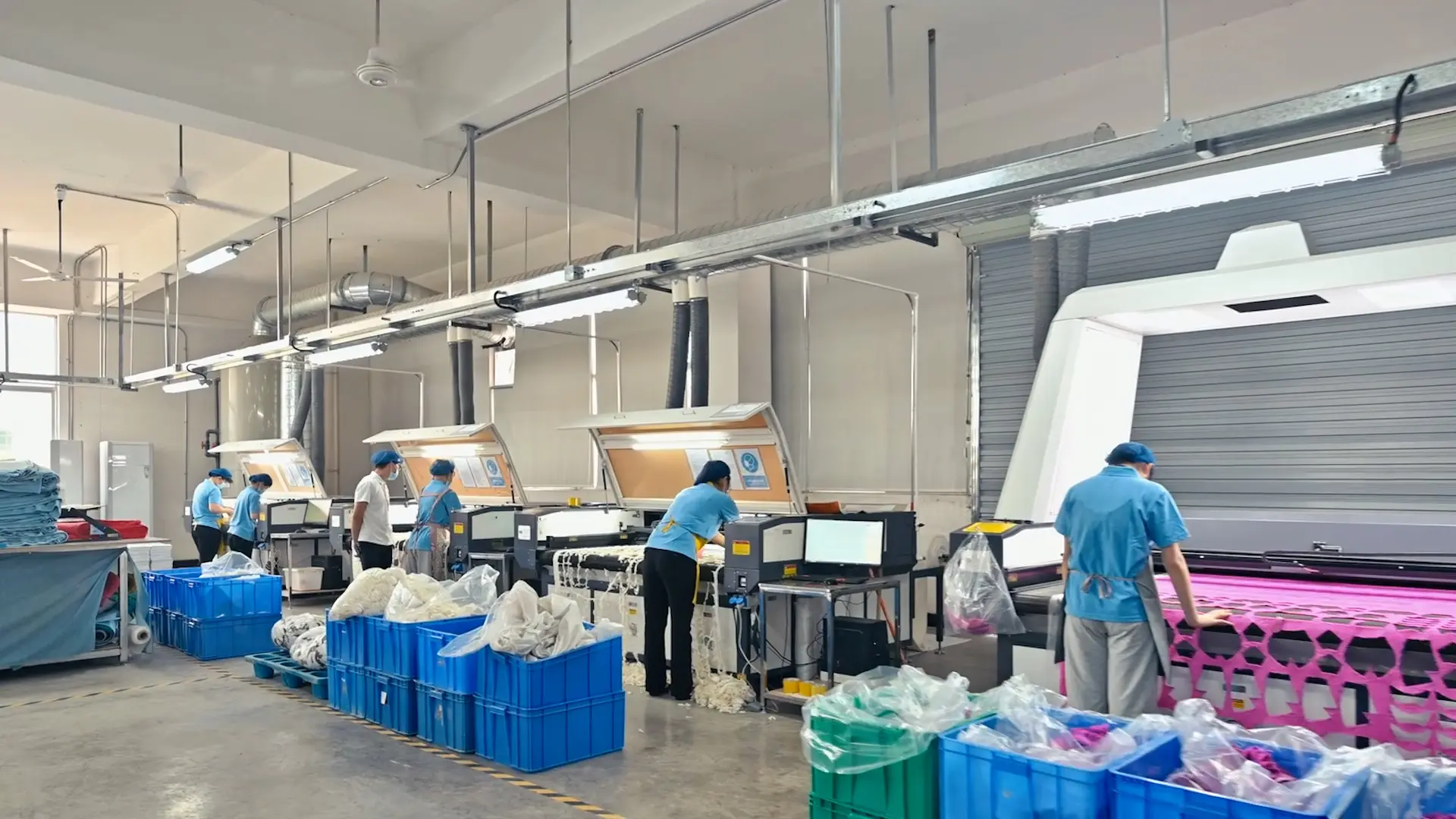
3.2 Material Science: PVC, ABS, or Resin?
- Eco-friendly PVC: Provides a delicate skin-like touch and flexibility.
- ABS: Used for parts requiring sharpness and geometric rigidity.
- Vinyl (Rotocasting): Gives products a unique vintage texture and hollow lightness.
- Specialty Coatings: Applications of “soft-touch” paint to create a silky or matte premium feel.
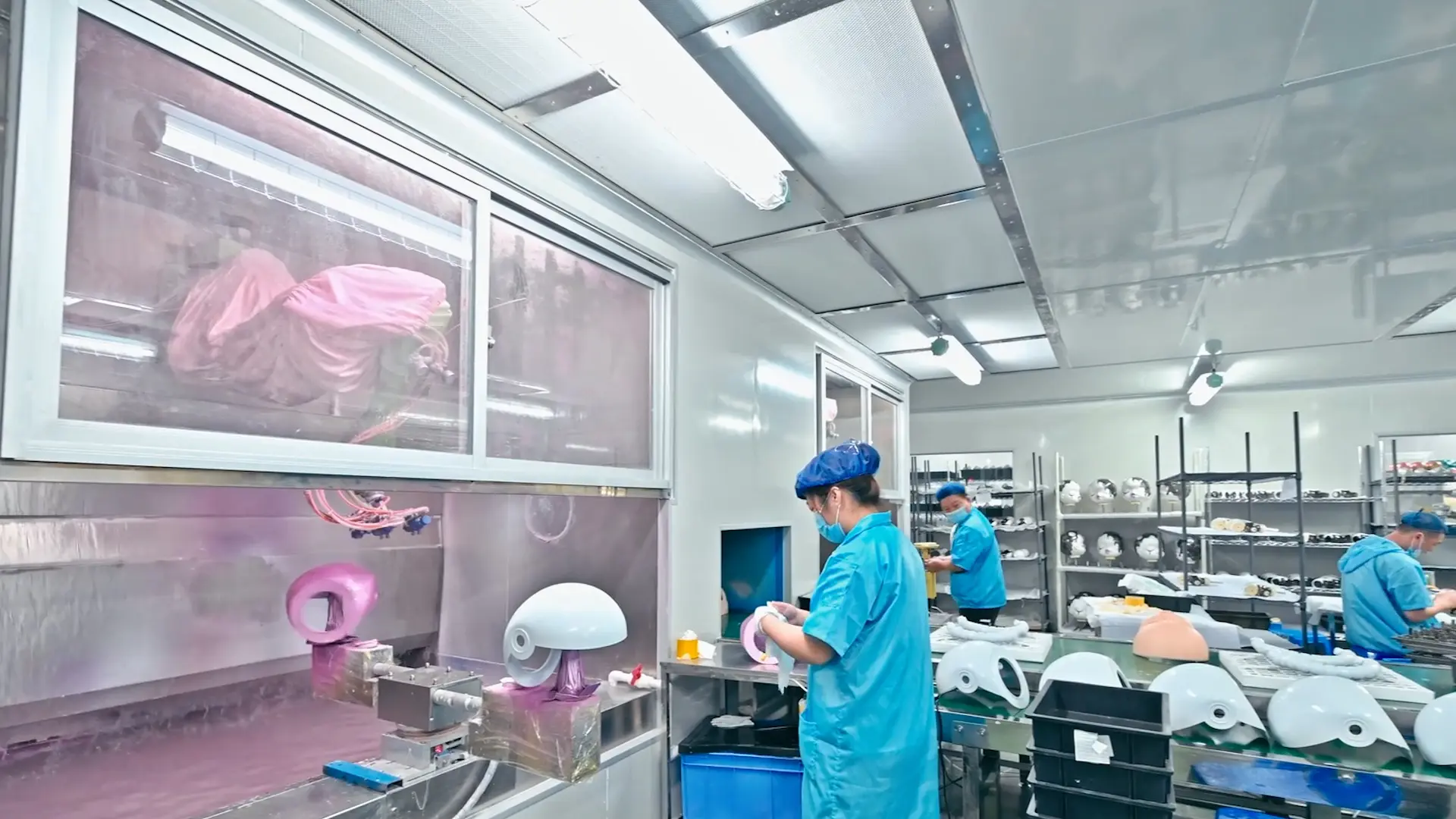
3.3 The Art of Painting and Finishing
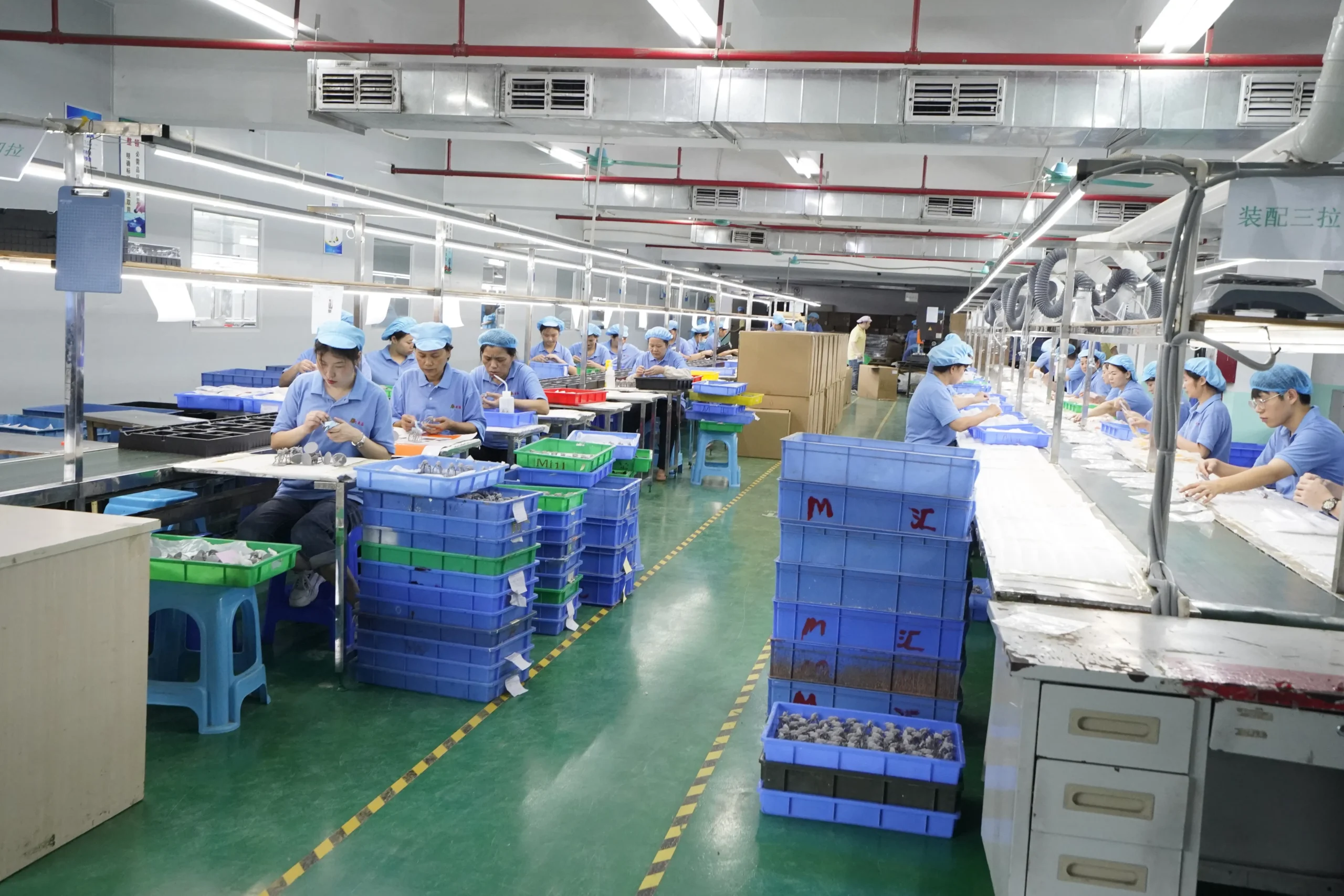
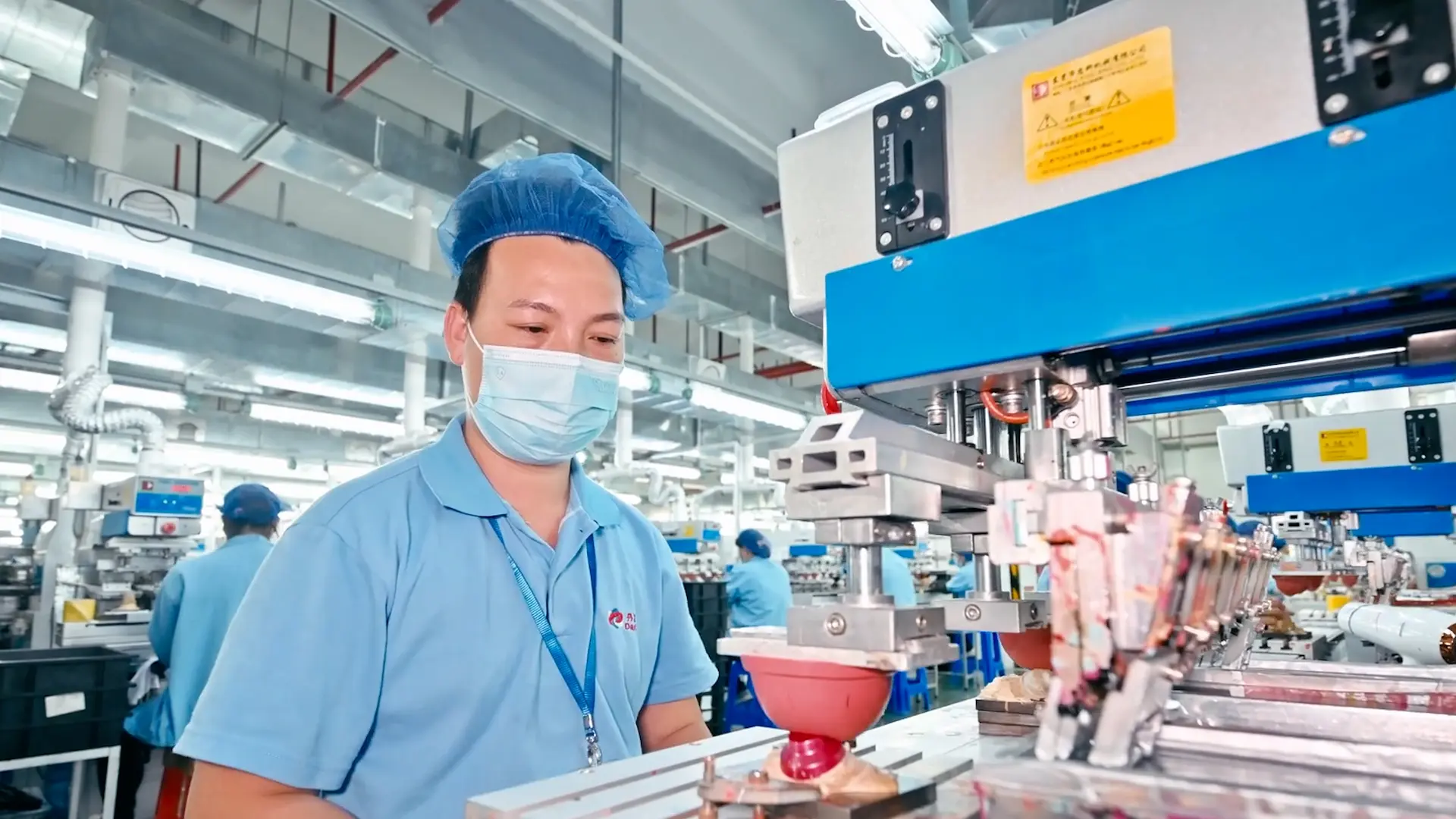
- Pad Printing: The eyes and tiny logos often require dozens of pad printing passes to ensure multi-color registration is perfectly aligned.
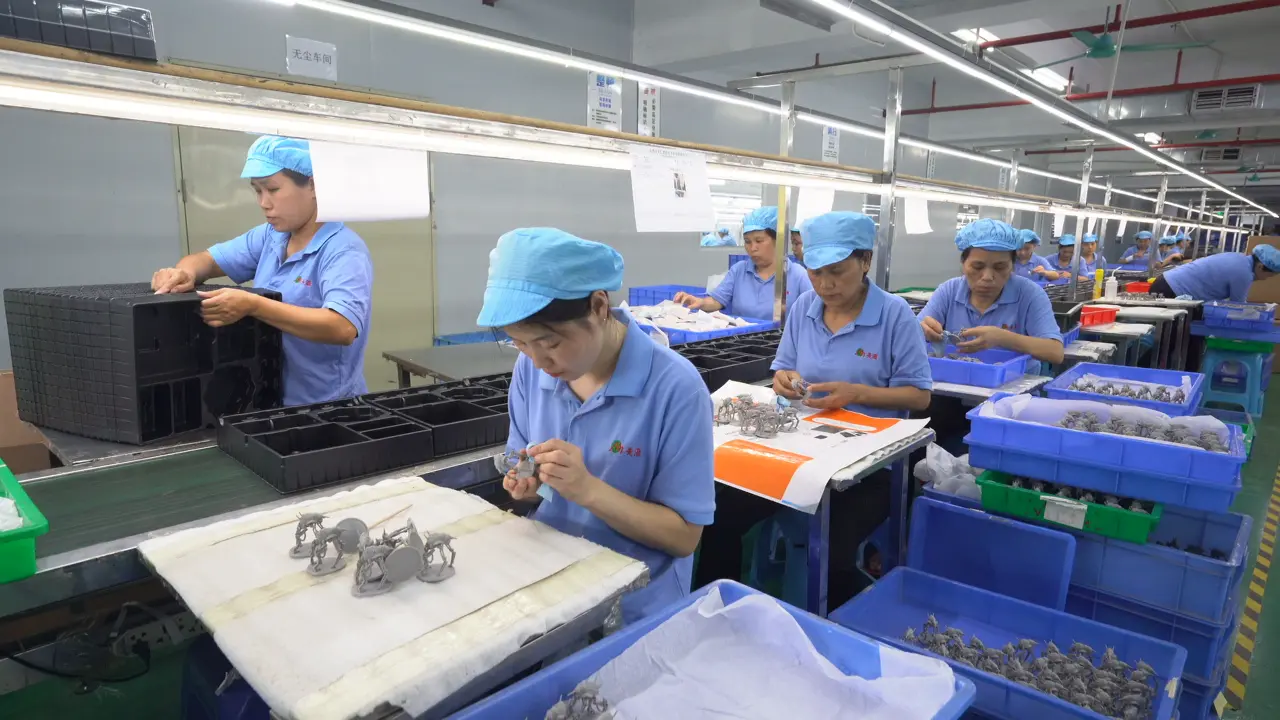
- Hand-Painting: Many art toys involve complex gradients and weathering effects, which must be performed by skilled artisans rather than automated machines.
IV. Structured Comparison Table: At-a-Glance Differences
For brand owners making strategic decisions, we have compiled the following structural data:
| Dimension | Traditional Toys (Playware) | Art Toys / Collectible Figures |
|---|---|---|
| Primary Target Audience | Children (0-12) and Parents | Gen Z (18-35), Collectors, Professionals |
| Core Function | Education, Entertainment, Motor Skills | Desktop Aesthetics, Emotional Solace, Social Status |
| Design Philosophy | IP Narrative-driven (e.g., Cartoons), Mass Appeal | Designer-style, Artistic Expression, Uniqueness |
| Material Requirements | Durable, Drop-resistant, Cost-sensitive | Premium Tactile Feel, High Color Accuracy, Textural Depth |
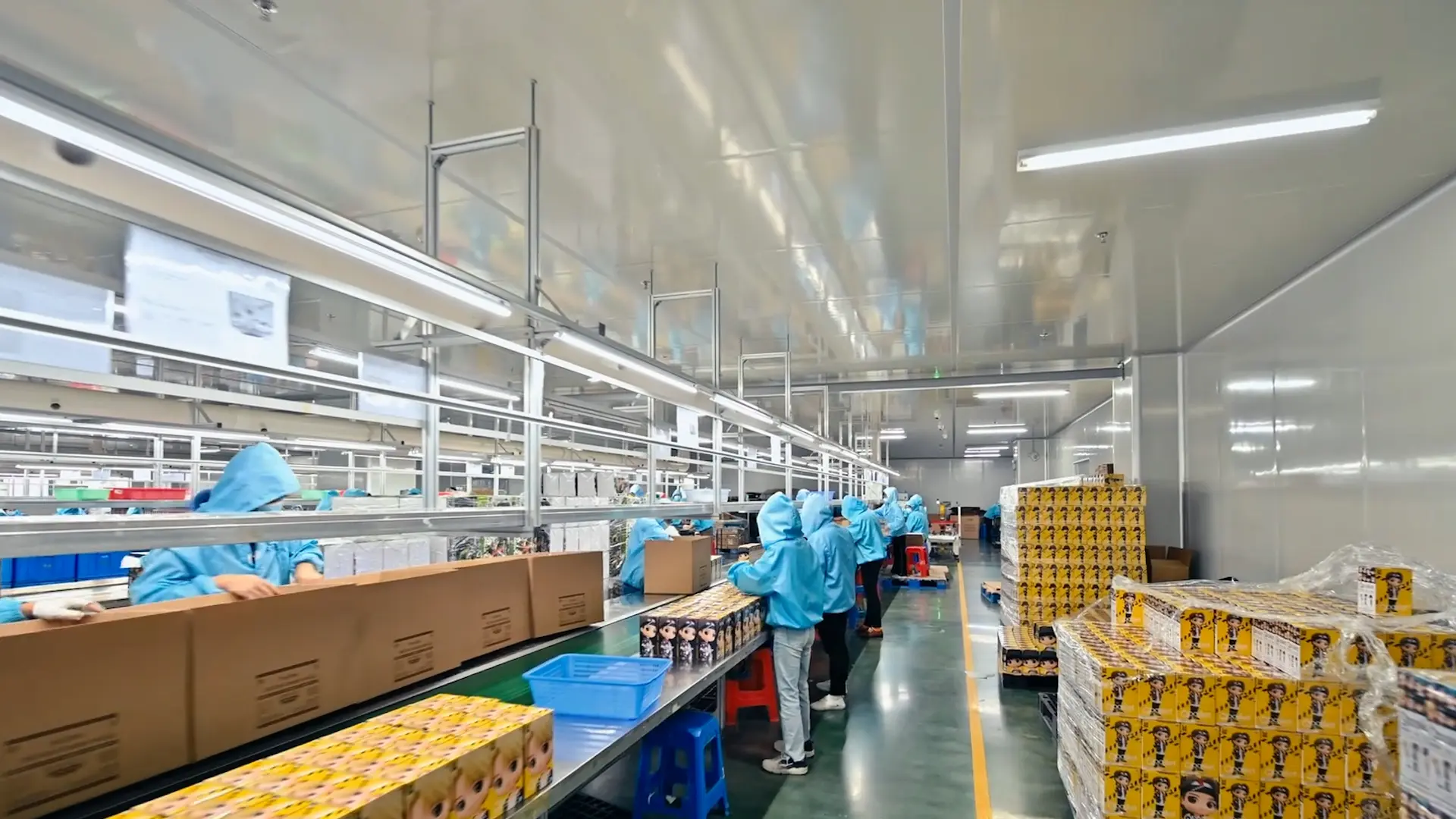
| Manufacturing Standard | Mass Automation, Minor Defects Tolerated | High-Precision Tooling, Multi-layer Painting, Strict QC |
| Price Point | Mass Market ($5 – $30) | Premium / Luxury ($50 – $1,000+) |
| Lifecycle | Short (Grown out of quickly) | Long (Secondary market value and appreciation) |
| MOQ (Minimum Order) | Usually 3,000 – 5,000+ units | Flexible (500+ units) for limited runs |
V. Solving B2B Pain Points: Strategic Manufacturing Choices
MIHOX Solution: We integrate engineering at the 3D Modeling Stage. By leveraging high-precision SLA 3D printing for rapid prototyping, we identify and resolve structural challenges long before the expensive mold-making process begins.
MIHOX Solution: We offer flexible supply chain models that support small-batch, multi-variant production. This allows brand owners to test the market with limited runs without excessive inventory risk.
MIHOX Solution: Our manufacturing processes strictly adhere to CE, ASTM, and EN71 certifications. We ensure that premium finishes (like matte rubber paint or pearlescent coatings) meet the highest global environmental standards.
VI. Future Trends: AI Integration and Sustainability
- Hyper-Personalization: AI-driven customization will soon allow every collector to own a one-of-a-kind variation of a central IP character.
- Cross-Brand Empowerment: Industries like Automotive, FMCG, and Luxury are increasingly using custom art toys as a bridge to rejuvenate their brand image for younger demographics.
- Sustainable Materials: The adoption of bio-degradable PLA and recycled ocean plastics is no longer optional but a core requirement for ESG-conscious global brands.
VII. Conclusion: Art Toys as a Brand’s Cultural Anchor
while art toys fill an adult’s spiritual world.”
Frequently Asked Questions
Q: What is the typical lead time for a high-quality art toy project?
A: Usually 3-5 months, covering 3D modeling, prototyping, mold-making, and final mass production.
Q: Can MIHOX help if I only have a 2D drawing?
A: Yes. Our engineering team specializes in 2D-to-3D character reconstruction and proportion optimization.
Q: Why is the surface of an art toy so different from a regular toy?
A: It’s the result of advanced finishing—we use specialty coatings like matte UV and hand-applied weathering to create a premium tactile experience.
FAQ: Common Questions Regarding Art Toy Customization
MIHOX: Your Global Partner for Professional Custom Figures
We turn artistic visions into tangible reality.