
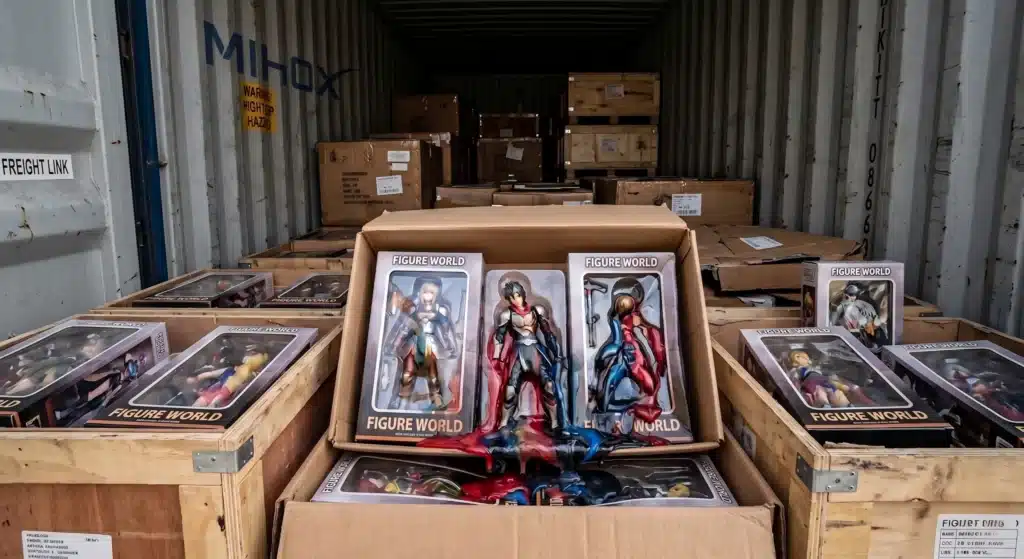
For global figure brand owners, IP operators, and large-scale wholesalers, summer cross-border logistics is often accompanied by significant anxiety. When your shipping container—carrying hundreds of thousands of dollars worth of inventory—is crossing the equator or sitting under the scorching sun at ports like Los Angeles, Dubai, or Singapore, one nagging question arises: “Will my custom PVC figures melt or deform inside the container due to the extreme heat?”
As a professional high-end figure manufacturer, MIHOX understands that while “melting” might be a slight physical exaggeration, “Permanent Thermal Deformation” is a very real “asset killer” in global trade. This article provides an exhaustive analysis from the perspectives of material science, structural engineering, manufacturing processes, and logistics strategy to reveal how a professional factory ensures that figures remain “solid and upright” even in extreme heat.
1. The Environmental Warning: The “Oven Effect” Inside a Shipping Container
Before discussing solutions, we must understand the enemy: the internal environment of a summer shipping container.
According to measured data, when the external ambient temperature is 35°C (95°F), the internal temperature at the top of a closed shipping container under direct sunlight can easily soar to 65°C to 75°C (149°F to 167°F). If a container is delayed at a terminal due to port congestion, it faces not only sustained high temperatures but also “thermal fatigue” caused by the drastic temperature fluctuations between day and night.
For PVC (Polyvinyl Chloride), a thermoplastic material, physical properties change significantly once the environment exceeds 55°C. If a factory cuts corners during production or uses irrational structural designs, the goods you receive may no longer be exquisite collectibles, but a box of distorted plastic waste.
2. Material Science: Why Some PVC Figures Are More Heat-Resistant
Many buyers focus solely on price during the RFQ (Request for Quote) phase, ignoring the vast differences in PVC material grades. This is the root cause of later transportation risks.
A. The Critical Role of Glass Transition Temperature (Tg)
PVC does not have a single “melting point” like ice; instead, it has a Glass Transition Temperature (Tg). Once the ambient temperature approaches or exceeds this threshold, the PVC transitions from a hard, “glassy state” to a flexible, “rubbery state.” Simply put, it softens.
B. Premium ATBC-PVC vs. Inferior Recycled Material
MIHOX Standard Material: We insist on using high-purity ATBC-PVC (using Acetyl Tributyl Citrate as a plasticizer). This material is not only eco-friendly and non-toxic but also possesses superior thermal stability. By precisely controlling monomer purity, we can push the deformation threshold to above 70°C.
Inferior Recycled Material (Second-hand Resin): Many low-cost factories mix in 30%–50% recycled material to lower costs. The molecular chains in recycled PVC are already broken; their thermal deformation temperature is often below 50°C. This means that even in standard summer sea freight, these products will suffer large-scale collapse.
C. Precision Formulation of Thermal Stabilizers
In the MIHOX laboratory, we fine-tune the ratio of Barium-Zinc (Ba-Zn) Stabilizers in our PVC formula based on the climate of the destination (e.g., tropical vs. temperate zones). This “heat-resistant medicine” at the chemical level effectively inhibits the degradation and softening of PVC molecules when exposed to heat.
3. Structural Engineering: Installing an “Invisible Skeleton”
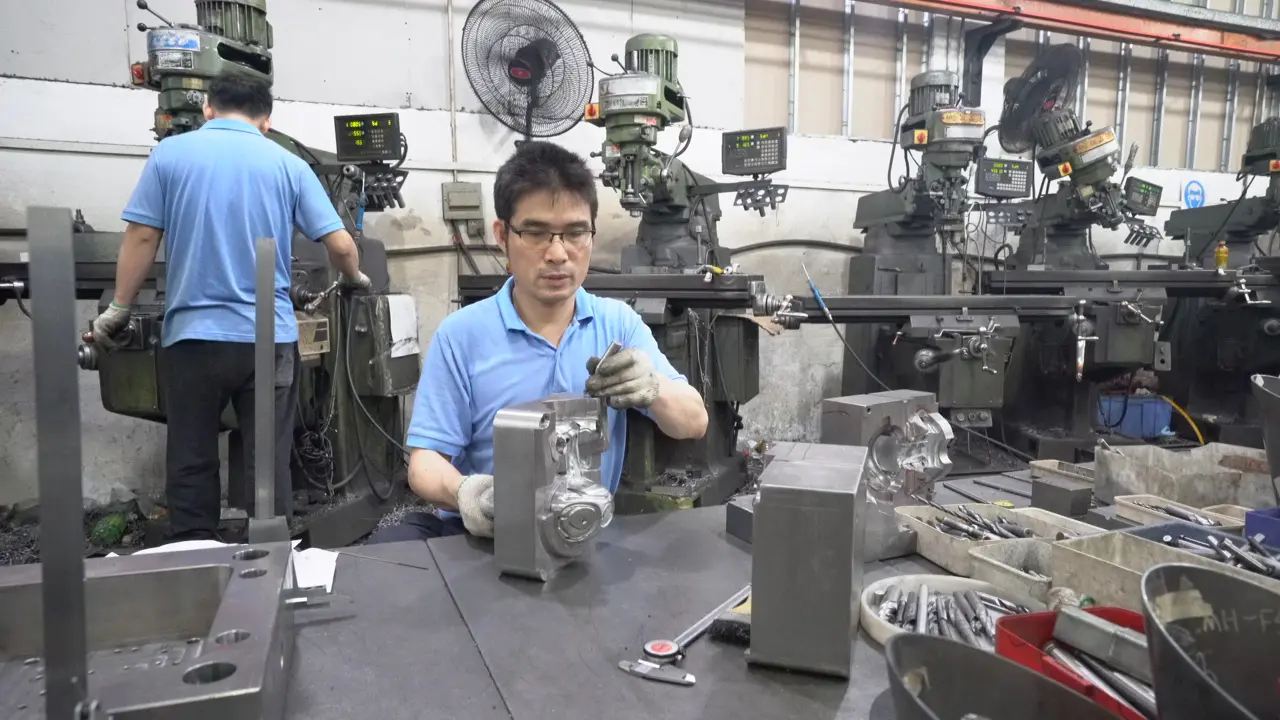
Material is the foundation, but structural design is the “hard tactic” to prevent deformation. A professional figure factory anticipates logistics risks during the mold-making stage.
A. Internal Metal Support (Inner Skeleton)
For figures with slender legs, large capes, or exaggerated poses, MIHOX engineers utilize “Steel-Core Injection Molding.” We embed stainless steel support rods into the load-bearing centers (e.g., from the ankle to the torso). This steel core ensures that even if the external PVC temporarily softens due to heat, the overall gravity and center of mass remain locked by the steel. Once the temperature drops, the product naturally resets to its original pose.
B. Ribs and Support Points
In non-visible areas (such as inside skirt hems or beneath bases), we add reinforcement ribs. Additionally, during the blister packaging design phase, we create specific “Process Support Stands” to hold up suspended parts that are prone to sagging during transit.
C. Center of Gravity Analysis and Balance Testing
At MIHOX, every new design undergoes computer-aided center of gravity (CoG) modeling. If a product’s CoG leans to one side, sustained heat will induce “material creep.” We solve this by adjusting base weights or slightly modifying the pose to ensure physical equilibrium in a static state.
4. Manufacturing Process: The Vital Importance of Annealing
This is a step that many small-to-medium factories skip to meet deadlines, yet it is the key differentiator between professional and amateur production.
After injection molding, figures retain significant residual mechanical stress. If this internal stress is not eliminated, the figure will undergo “Self-Twisting” when exposed to the heat of a shipping container.
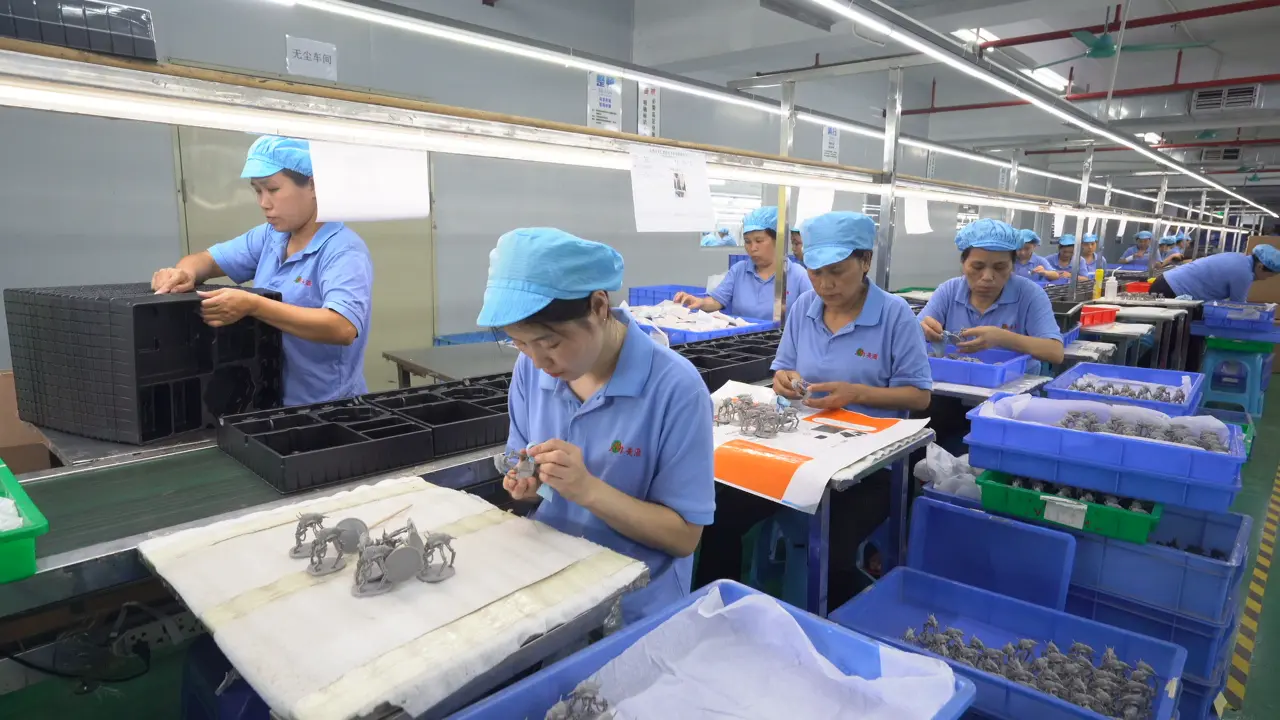
The MIHOX Solution: All our mass-produced items enter a constant-temperature oven for a Standardized Annealing Process. Through several hours of controlled heating and slow cooling, the PVC molecular chains are rearranged, and internal stress is released. Figures treated with annealing show a 30% increase in dimensional stability and heat resistance compared to untreated products.
5. Structured Information: Material Performance Comparison Table
To assist in your procurement decision-making, we have compiled the following data based on simulated container environments (65°C/149°F).
| Evaluation Metric | MIHOX Medical/Toy Grade ATBC-PVC | Industry Standard Grade PVC | Low-Cost Recycled PVC |
|---|---|---|---|
| Thermal Deformation Threshold | 72°C – 80°C | 55°C – 60°C | 40°C – 48°C |
| Summer Container Risk | Extremely Low (With Internal Skeleton) | Moderate (Deformation on long routes) | Extremely High (100% Failure Rate) |
| Odor & Oil Leaking | Odorless, No Migration | Slight Odor, Oil Migration under Heat | Pungent, Sticky surface after heat |
| Internal Stress Treatment | Mandatory Annealing | Optional/Varies | None |
| Product Lifespan | 10+ Years (No yellowing/warping) | 3-5 Years | < 1 Year (Aging/Brittle) |
6. A Real-World Metaphor: The “Chocolate with a Biscuit Stick”
Imagine you are shipping a box of artisanal chocolates.
7. Packaging and Logistics: The Final Physical Defense
Even if the figure itself is robust, poor packaging can lead to damage in high temperatures.
A. Blister Pack Thickness and Material
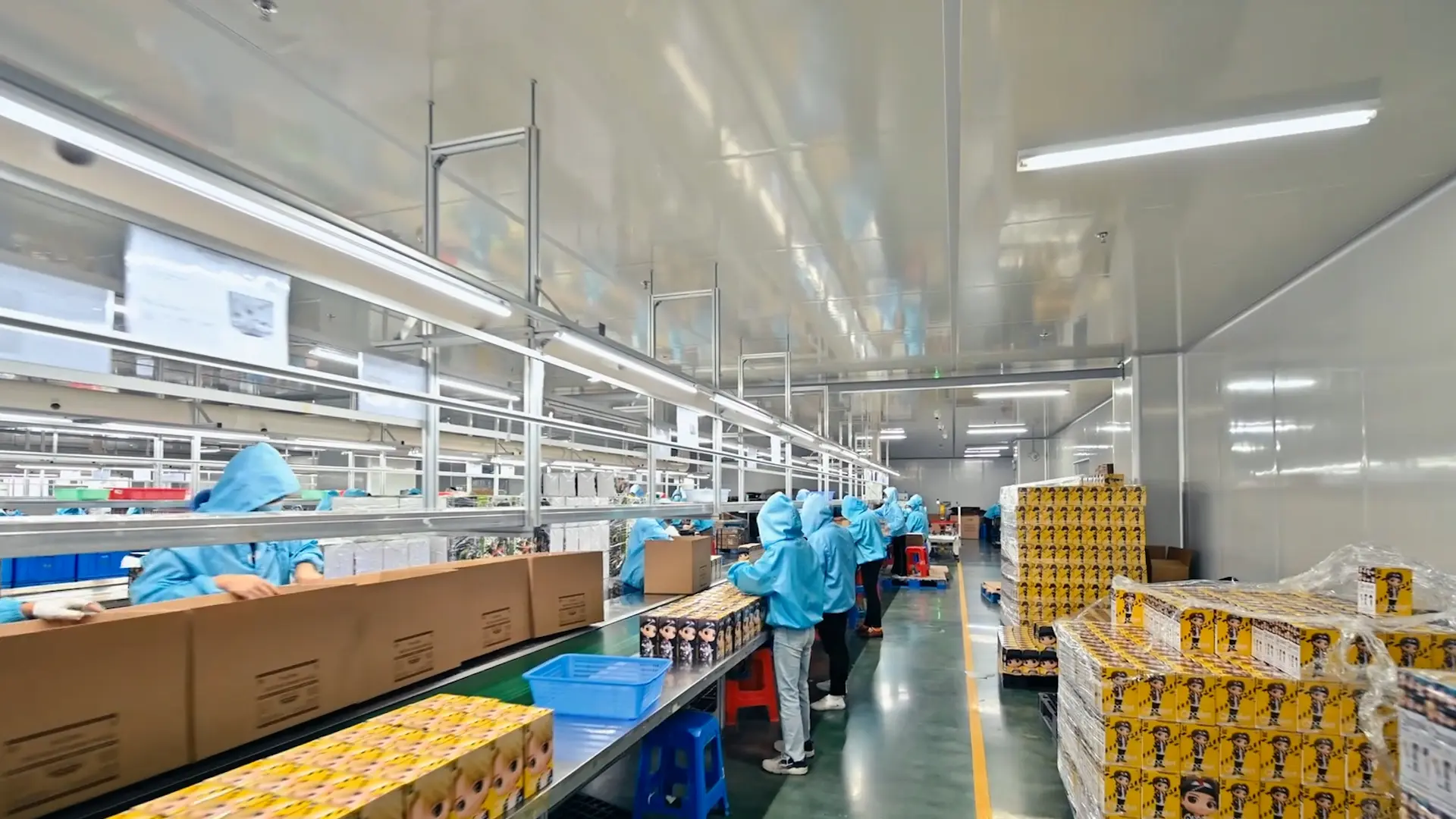
MIHOX uses high-grammage PET or High-Density PVC blister packs. Our designs aren’t just for aesthetics; they provide “Full-Enclosure Support.” If the PVC softens, the walls of the blister pack act like a suit of armor, restricting any physical displacement.
B. Double-Layer Cartons and Insulation
For high-value bulk orders, we recommend Five-Layer Corrugated Cartons (K=K Grade). The thick carton walls provide not only crush resistance but also a thermal buffer, slowing down the rate of temperature fluctuation inside the container.
C. Professional Stowage Recommendations
As your supply chain partner, MIHOX advises freight forwarders to request “Stowage below the waterline” during summer shipments. The bottom of the ship’s hold is cooled by the surrounding seawater, maintaining a much more stable temperature than containers stacked on the sun-exposed deck.
8. Real-World Scenario: A “Sauna Challenge” Across the Pacific
An American brand owner orders 10,000 units of 1/7 scale standing figures from China. The container is loaded in August at the Port of Guangzhou, destined for a 30-day voyage including a transshipment in Singapore.
The Low-Cost Factory Outcome:
The factory used untreated standard PVC and skipped internal supports to save costs. During the 3 days the container sat on the docks in Singapore, internal temperatures hit 70°C. The ankles, bearing the weight of the entire body, began to soften. Because the center of gravity was slightly off-center, the figures began to lean. Upon arrival in Los Angeles, 50% of the products had a “Michael Jackson-style lean,” making them unable to stand on their bases.
The MIHOX Outcome:
We embedded 3mm diameter stainless steel rods in the ankles and performed a full annealing cycle. Despite the same voyage and the same heat, the steel core maintained the structural axis. Once the temperature dropped, the molecules re-locked, and the products remained at the perfect angle.
9. Buyer’s Guide: How to Prevent Being “Scammed” with Junk Materials
To avoid disputes over deformation (which often leads to difficult returns and compensation), B2B buyers should take these proactive measures during the contract stage:
- Define Material Standards: Explicitly state the use of “New Virgin ATBC-PVC” in the contract. Prohibit the use of recycled materials.
- Request a High-Temperature Test Report: Ask the factory to place a pre-production sample in a 70°C (158°F) constant-temperature oven for 48–72 hours. Demand a report on the deformation rate.
- The “Resilience” Touch Test: Upon receiving a sample, press firmly on thin components (like fingers or hair). High-quality PVC should have good “rebound,” whereas low-quality material filled with excess powders will feel stiff or brittle.
- The Smell Test: Inferior materials contain cheap DOP plasticizers, which emit a pungent, rubbery smell. This substance migrates to the surface under heat, causing the product to feel “oily” or “sticky.”
FAQ: 5 Critical Questions Regarding PVC Figure Shipping Risks
Conclusion
Will PVC figures melt in a shipping container? The answer is: As long as the factory is professional enough, this risk can be reduced to zero.
At MIHOX, we understand the brand value behind every figure. We don’t just manufacture toys; we use scientific engineering to ensure your creativity crosses the ocean and arrives in the hands of global fans in perfect condition.