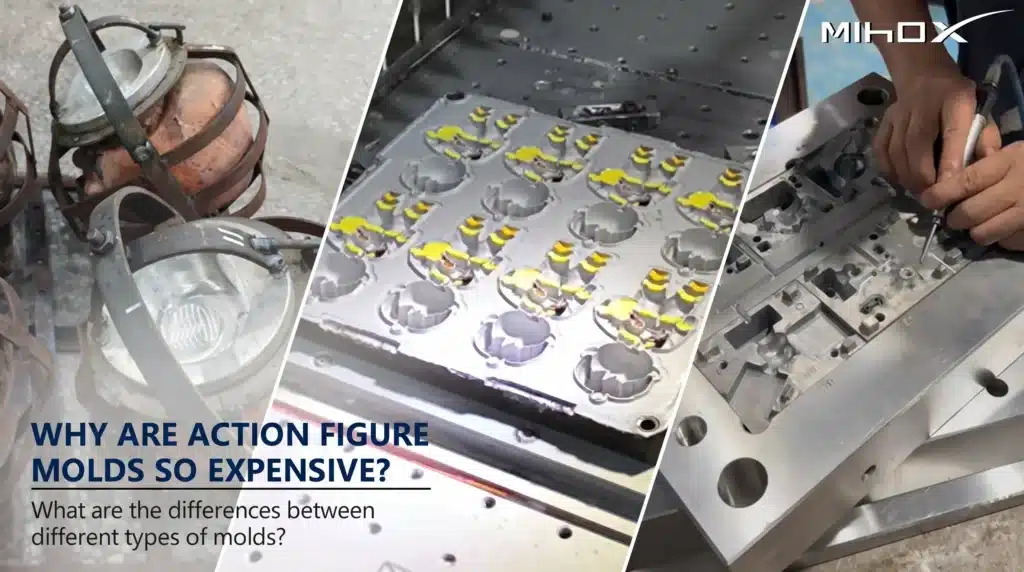
For many B2B brands, IP owners, and game developers venturing into the world of high-end collectibles, the first quote from a factory often comes with a “sticker shock” regarding tooling costs (mold fees).
At MIHOX, a premier B2B custom figure manufacturer, we believe in transparency. To help you make informed decisions for your next mass-production project, we have created this comprehensive guide to the engineering, materials, and logic behind figure molds.
1. Deconstructing the Mold Cost: Why It’s Not Just “A Piece of Metal”
In the manufacturing world, the mold is known as the “Mother of Industry.” The price of a professional figure mold typically ranges from several thousand to over fifty thousand USD. This isn’t arbitrary markup; it is driven by five core technical factors:
A. High-Precision CNC & EDM Machining
Unlike standard industrial parts (like a plastic crate or a remote control shell), anime figures feature organic, intricate details—hair strands, facial expressions, and fabric textures.
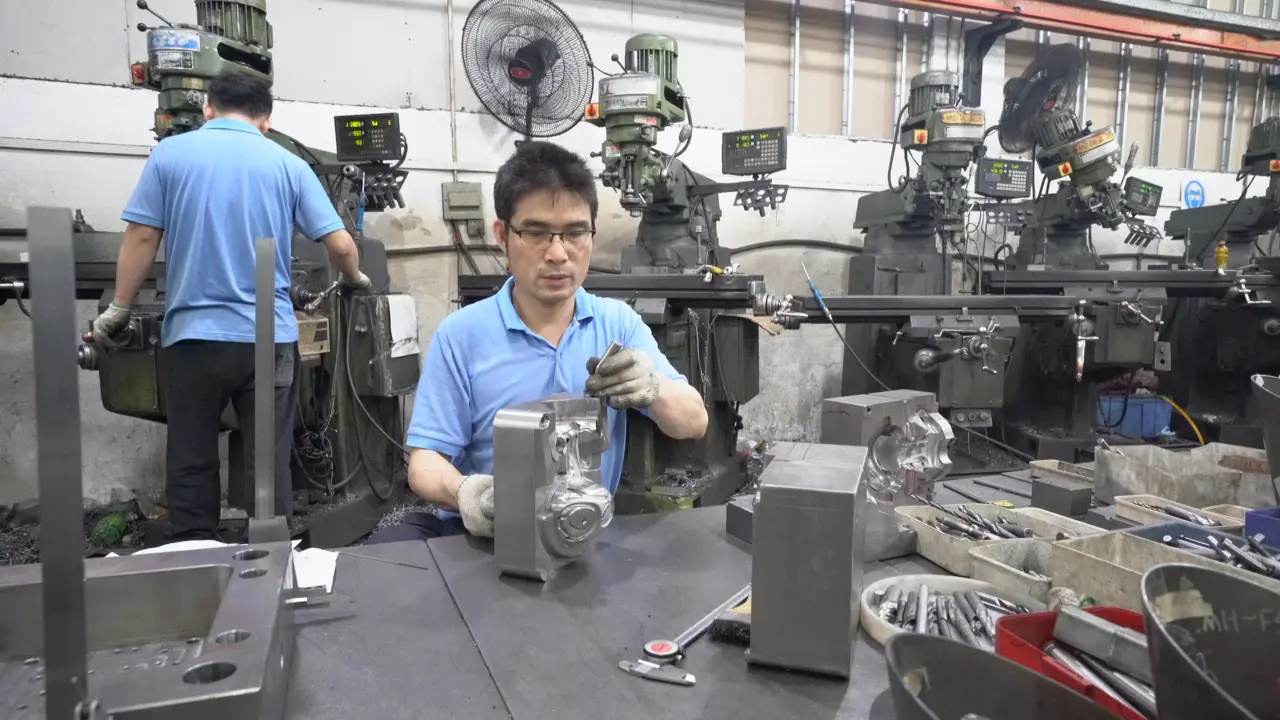
- CNC Machining: Using high-speed computer-controlled machines to carve hardened steel with microscopic precision. Learn more about CNC →
- EDM (Electrical Discharge Machining): For deep, narrow crevices (like the gaps between fingers or sharp hair tips) where a physical drill cannot reach, we use electrodes to “burn” the shape into the steel. Each electrode must be custom-designed and machined, adding significant cost. EDM Technology details →
B. Engineering “Parting Lines” and “Undercuts”
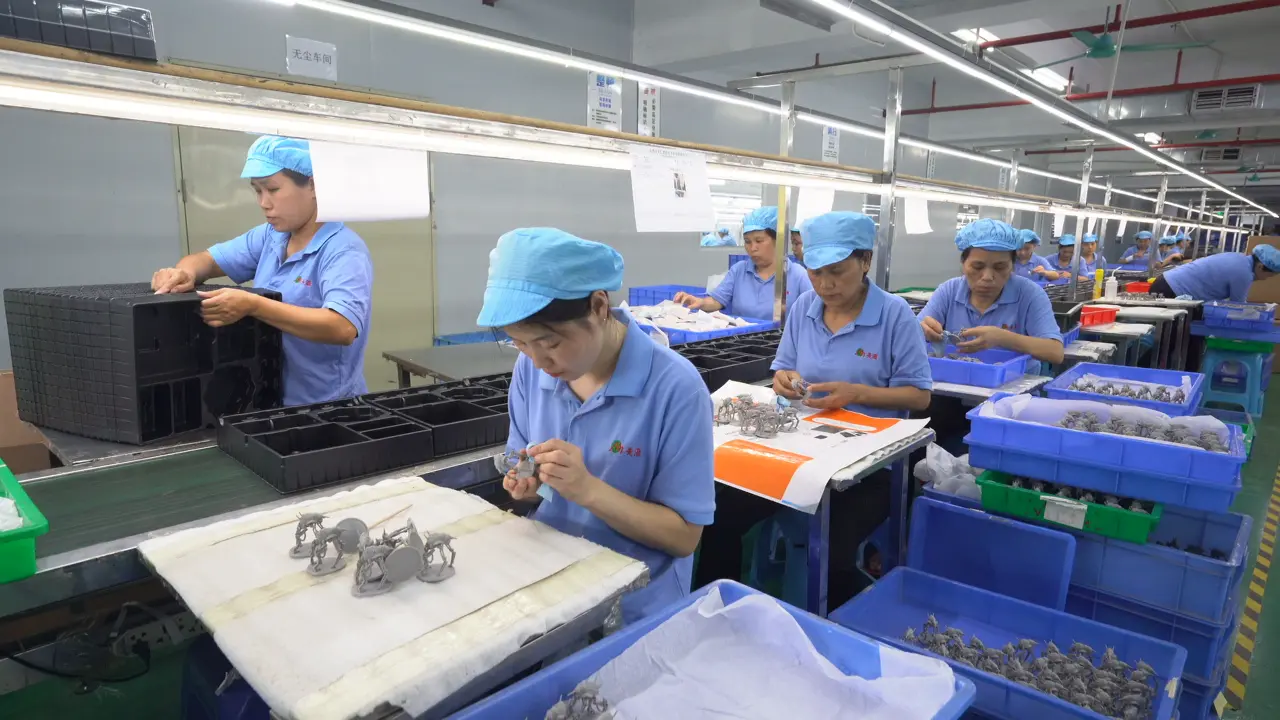
A high-quality figure is usually disassembled into 30–80 individual parts.
- The Logic: If a part has an “undercut” (a shape that prevents it from being pulled straight out of a mold), the mold must be split.
- Labor Intensity: Engineers spend hundreds of hours calculating exactly where to place parting lines to make them invisible to the consumer while ensuring a 99% success rate in injection molding.
C. Trial, Error, and T1 Samples
The mold isn’t finished once it’s carved. We perform multiple “Trials” (T0, T1, T2). Each trial involves testing plastic shrinkage, air traps, and structural integrity. Refining the mold to perfection requires specialized manual polishing and technical re-calibration.
D. Mold Base and Steel Quality
We use premium grade steels like S136 or NAK80. These tool steels are expensive but essential for resisting the high pressure and corrosive nature of molten plastic over tens of thousands of cycles.
2. Comparison: Figure Mold Materials and Their Applications
At MIHOX, we select mold materials based on your target volume, budget, and required level of detail. Below is a technical breakdown for B2B procurement officers.
Table: Comparison of Tooling Materials for Custom Figures
| Mold Type | Material Used | Mold Life (Shots) | Detail Level | Tooling Cost (USD) | Comparison |
|---|---|---|---|---|---|
| Steel Mold | S136 / NAK80 Steel | 50,000 – 100,000+ | Highest | $3,000 – $15,000+ |
Pros: Mirror finish, high efficiency. Cons: Highest upfront cost. |
| Copper Mold | Electrolytic Copper | 2,000 – 8,000 Units | High | $500 – $1,500 |
Pros: Best for Vinyl (Sofubi). Cons: Lower sharpness than steel. |
| Aluminum Mold | Aircraft Aluminum | 500 – 2,000 Units | Moderate | $1,000 – $3,000 |
Pros: 40% cheaper, fast setup. Cons: Prone to surface damage. |
| Silicone Mold | Industrial Silicone | 10 – 100 Units | High (Initial) | $20 – $50 |
Pros: Near-zero tooling fee. Cons: High per-unit labor cost. |
* Data provided by MIHOX Engineering Dept. Tooling costs and lead times vary by product complexity.
3. Why Does One Figure Need “Multiple” Molds?
In professional manufacturing, multi-mold strategies are used for:
Material Mixing
A high-end figure often combines PVC (for flexible hair/skin), ABS (for rigid weapons/bases), and Translucent Resin (for effects). Each material has a different shrinkage rate and injection temperature, requiring separate molds.
Color Separation
To reduce the cost of manual painting (and improve quality), we separate parts by their base plastic color. For example, all white parts are grouped in one mold, and all black parts in another.
Efficiency (Cavity Count)
For massive orders, we might create a “multi-cavity” mold that produces 4 heads at once, significantly lowering the long-term production cost.
4. The Price Gap: $2,000 vs. $20,000 Molds
If you receive a suspiciously low quote from a factory, be wary of these “hidden traps”:
5. How to Optimize Tooling Costs: Advice from MIHOX
As your supply chain partner, MIHOX aims to optimize your ROI without sacrificing quality:
Frequently Asked Questions
Everything you need to know about figure tooling and mass production.
Yes. Once the mold is paid for, you own it. Subsequent re-orders do not require mold fees as long as the mold is within its “life cycle.” At MIHOX, we provide free routine maintenance for all client molds stored in our facility.
No. 3D printing is for prototyping. It is too slow, too brittle, and the surface finish is too rough for commercial-grade collectibles. Injection molding remains the only viable method for high-quality, durable mass production.
Typically 35 to 50 days. This includes DFM analysis, CNC machining, EDM, and the T1 sampling process. For complex figures with over 50 parts, the timeline may extend slightly.
At MIHOX, the client holds 100% ownership of the molds. We act as the custodian, maintaining them in a climate-controlled warehouse. You may request to move your molds to another facility at any time.
For orders under 500 units, we suggest Aluminum tooling or Resin Casting. However, for long-term scalability and better unit price, a Steel Mold is always the most cost-effective choice.
Conclusion: Partner with a Specialist
Selecting a supplier isn’t just about finding the lowest price; it’s about finding a partner who understands the engineering behind the art. A well-engineered mold is the foundation of a successful brand.
If you are looking for a reliable B2B figure manufacturer or need a professional quote for figure tooling, visit MIHOX (newmiho.com) today. Our engineers are ready to provide a free DFM assessment for your project.