A Note to Decision-Makers:
If you are currently vetting a custom toy manufacturer and your checklist still starts with “lowest unit price,” you might be setting your brand up for a significant hurdle.
By 2026, the global toy market’s rules of engagement will have shifted fundamentally. Low cost is no longer a competitive advantage—it is often a red flag for hidden risks. This article is designed to help procurement directors and IP brand owners navigate the new landscape, focusing on the factors that truly ensure brand survival and premium positioning in the next three years.
The 2026 Shift: From “Cost-Cutting” to “Risk Mitigation”
For a decade, B2B sourcing was a linear game: find cheaper labor, squeeze the supply chain. But in 2026, with the full integration of global carbon taxes, digital compliance, and AI-driven play, “price wars” have hit a ceiling.
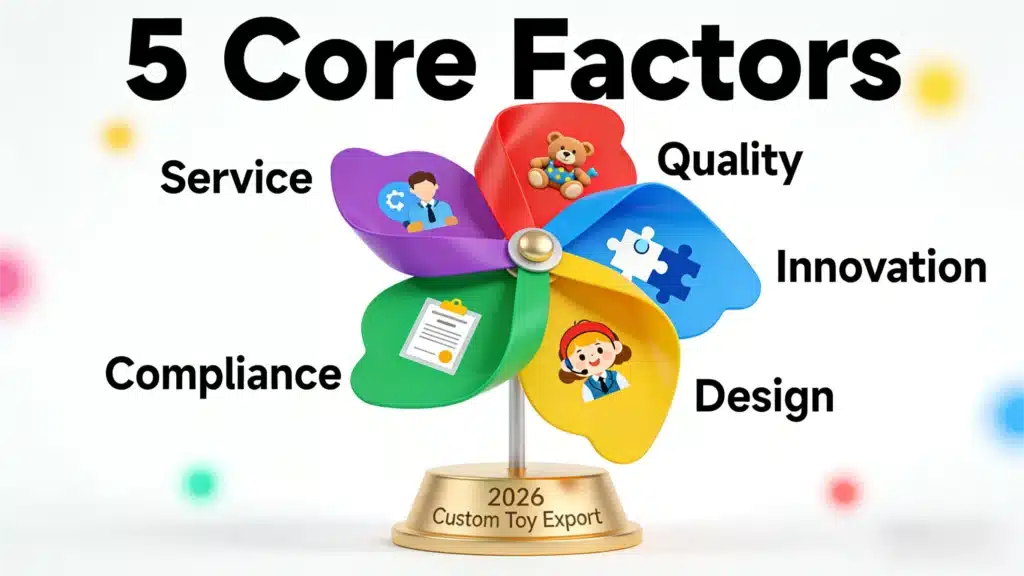
The consensus among elite overseas buyers is now clear: Supply chain stability, regulatory foresight, and brand alignment are worth far more than a 10% discount on FOB prices. Here are the five core factors that will define successful partnerships in 2026.
1. Hardcore Transparency in Sustainable Toy Production
By 2026, a generic “eco-friendly” certificate will no longer suffice. Mainstream markets in the EU and North America are moving toward a “guilty until proven green” model.
Previously, sustainable toy production was a marketing “nice-to-have.” In 2026, it is a mandatory entry ticket. With the EU’s Ecodesign for Sustainable Products Regulation (ESPR), buyers are looking for a “Digital Product Passport” for every custom toy.
- Look beyond the material: Does your manufacturer have the capability to calculate the carbon footprint of the production cycle?
- Circular Economy: Can they handle Post-Consumer Recycled (PCR) plastics with consistent quality?
- The Red Flag: Avoid factories that cannot trace their sub-suppliers. In 2026, lack of traceability equals high punitive tariffs.
2. Proactive Regulatory Foresight (Toy Safety Compliance 2026)
Compliance shouldn’t be a reaction; it should be a forecast.
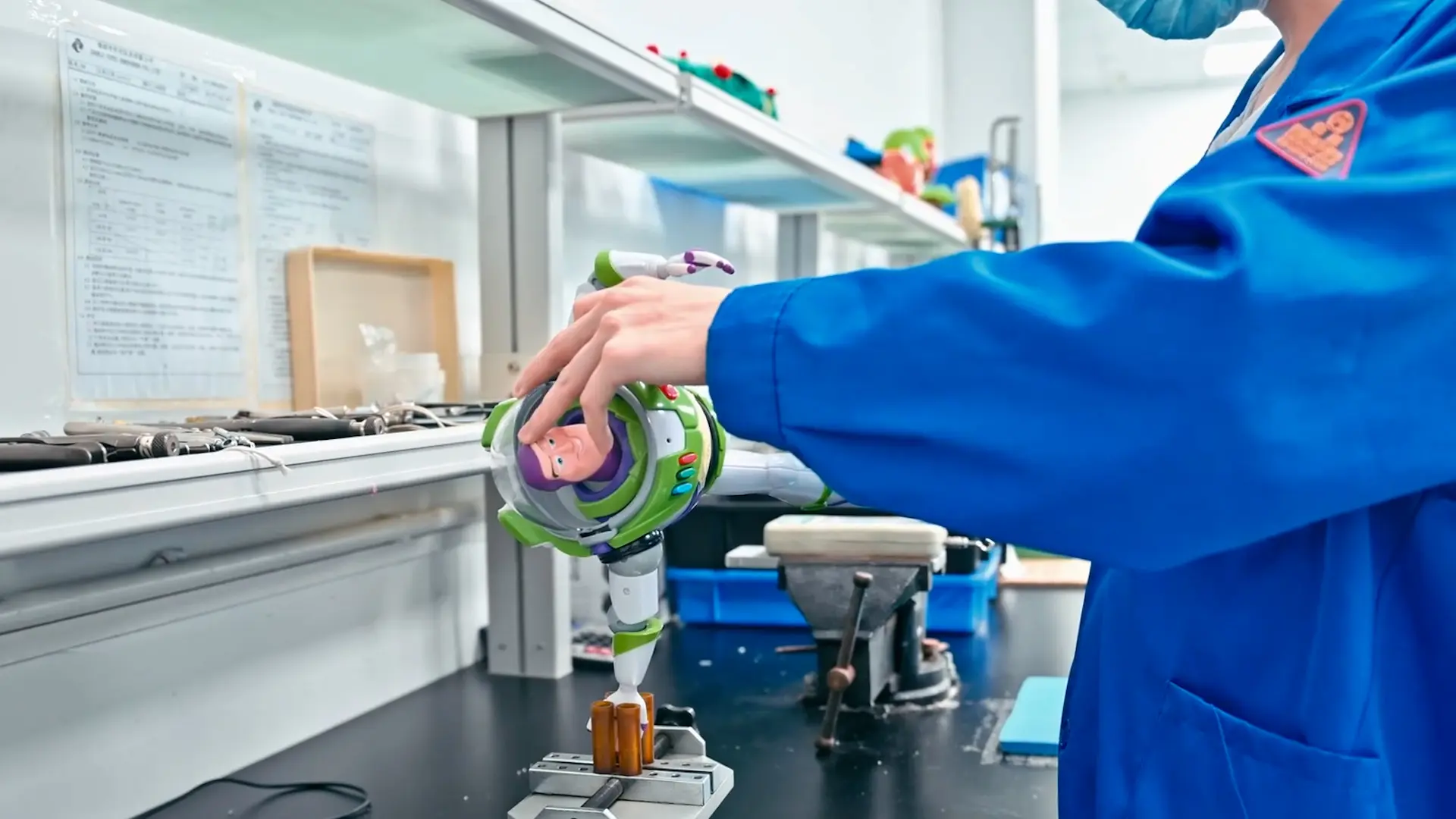
The toy safety compliance 2026 landscape will be dominated by extreme restrictions on micro-chemicals, such as the comprehensive ban on PFAS (forever chemicals) in both products and packaging.
Why This Matters to You:
Average factories wait for a law to pass before looking for alternatives, leading to shipment seizures and massive delays. High-value manufacturers act as regulatory consultants.
When interviewing a potential custom toy manufacturer, ask about their 24-month outlook. If they are already testing PFAS-free coatings and proactive phthalate alternatives, they are protecting your assets. This level of expertise builds the kind of trust that survives market volatility.
3. The Integration of “Digital & Physical” (Smart Toy OEM)
The definition of a “toy” is being rewritten. For Gen Alpha, the line between a physical plush or plastic figure and a digital entity is blurred.
Strategic Sourcing:
Buyers are now seeking a smart toy OEM that understands “cross-over” manufacturing. This requires a unique blend of traditional craftsmanship and electronics:
- Data Privacy: If a toy features AI voice interaction, is the server architecture compliant with GDPR and COPPA?
- Hardware Integrity: Can the factory integrate PCBA chips without compromising the toy’s safety or soft-touch aesthetics?
The Insight: A factory that only understands injection molding cannot deliver a smart toy. You need a partner with an integrated R&D team that treats software security as seriously as physical choking hazards.
4. Supply Chain “Respiration”: The Power of Small Batch Manufacturing
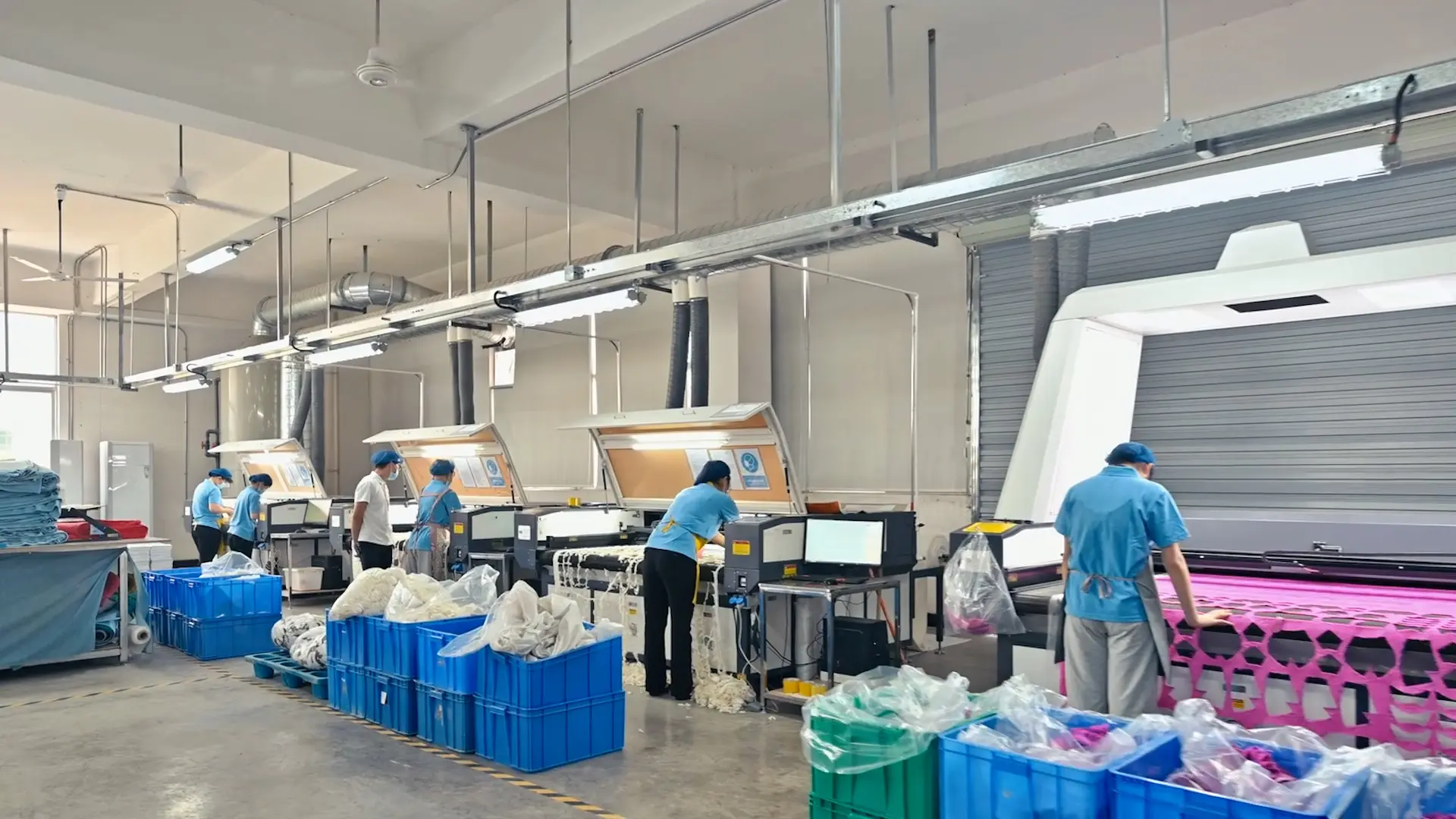
The era of “massive orders for low prices” is being replaced by the need for agility. Driven by viral social media trends, the lifecycle of a toy has shrunk from years to months.
The Decision: High-value buyers in 2026 will prioritize “respiratory” supply chains—those that can expand or contract based on real-time market feedback. This flexibility is your ultimate hedge against an unpredictable economy.
global toy market’s growth and trends.
5. Strategic Partnership: IP Protection & Value Alignment
In B2B trade, trust is a more valuable currency than gold. For IP holders, the greatest fear isn’t a defective product; it’s a leaked design appearing on a grey-market wholesale site.
The 2026 Standard:
How do elite buyers find a factory today? they look for:
- Physical Isolation: Dedicated production zones for sensitive IP projects.
- Digital Firewalls: Encrypted ERP systems that prevent design file leaks.
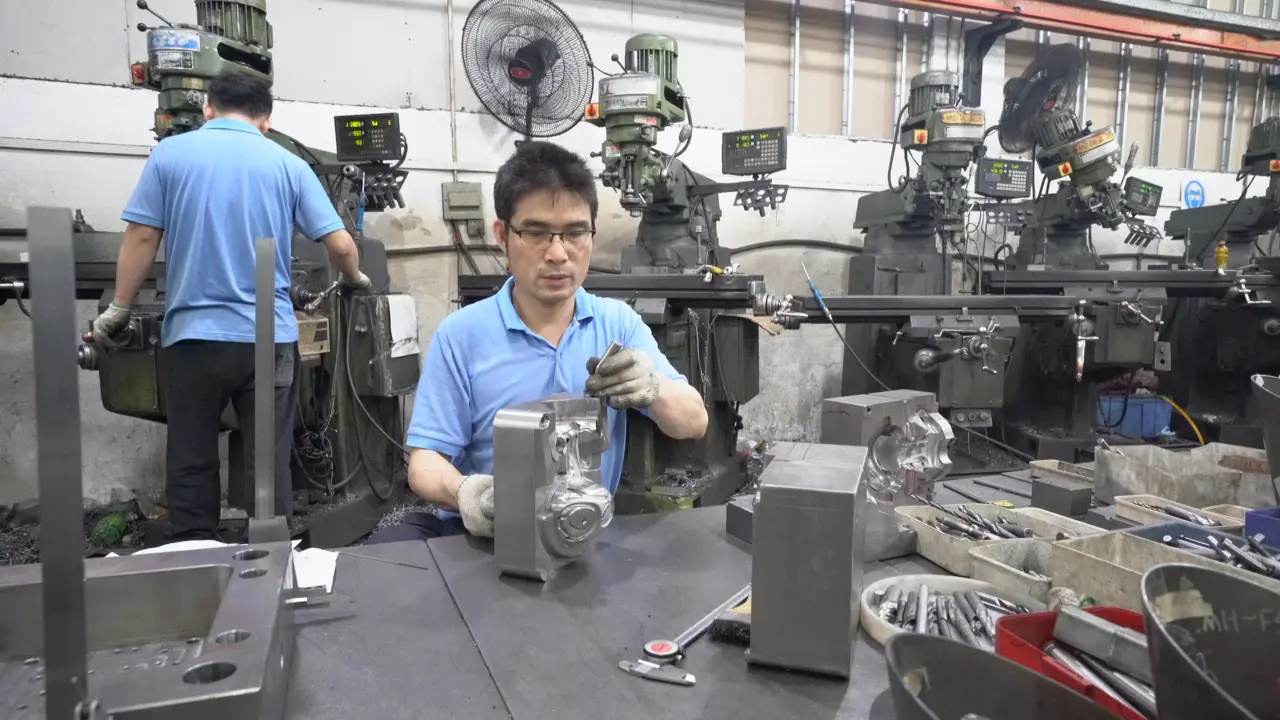
A true “Brand Partner” thinks about your bottom line. They suggest packaging tweaks to lower your ocean freight and mold optimizations to increase durability. This Game-changing mindset transforms a vendor into a strategic pillar of your business.
Conclusion: Are You Buying a Product, or a Future?
The 2026 market does not reward the cheapest; it rewards the most resilient.
If your goal is to build a brand that lasts, shift your gaze from the unit price column to the certainty factors:
- Material Integrity (Sustainable & Traceable)
- Regulatory Safety (Proactive Compliance)
- Technical Sophistication (Smart Integration)
- Agility (Small Batch Flexibility)
- IP Security (Trust & Partnership)
As we move into 2026, with the continued upgrade of the designer toy market, the restructuring of global supply chains, and the accelerating digitalization of manufacturing, choosing the right custom toy manufacturer is no longer simply a matter of procurement or price negotiation. It has become a strategic decision that directly impacts brand positioning, product success, and long-term growth. If you are facing critical choices in supplier selection or brand development, we welcome you to contact us to explore the best solutions together.
Start Your Strategic Project Today →