Hey there, friends! If you clicked on this article, I’m guessing you are holding onto an incredible IP design or a concept art piece that makes your heart race, dreaming of turning it into a physical reality.
Seeing your own design transform into a tangible custom figure is a sense of achievement that nothing else can replace. However, I need to start by giving you a bit of a reality check (for your own good): The gap between a 2D drawing and thousands of perfect finished products is a massive canyon called “Factory Communication.”
Many designers and brand owners, when they first start contacting factories, go in full of passion and come out full of bruises. Why? Because mass production of figures isn’t just art creation; it is a complex industrial game.
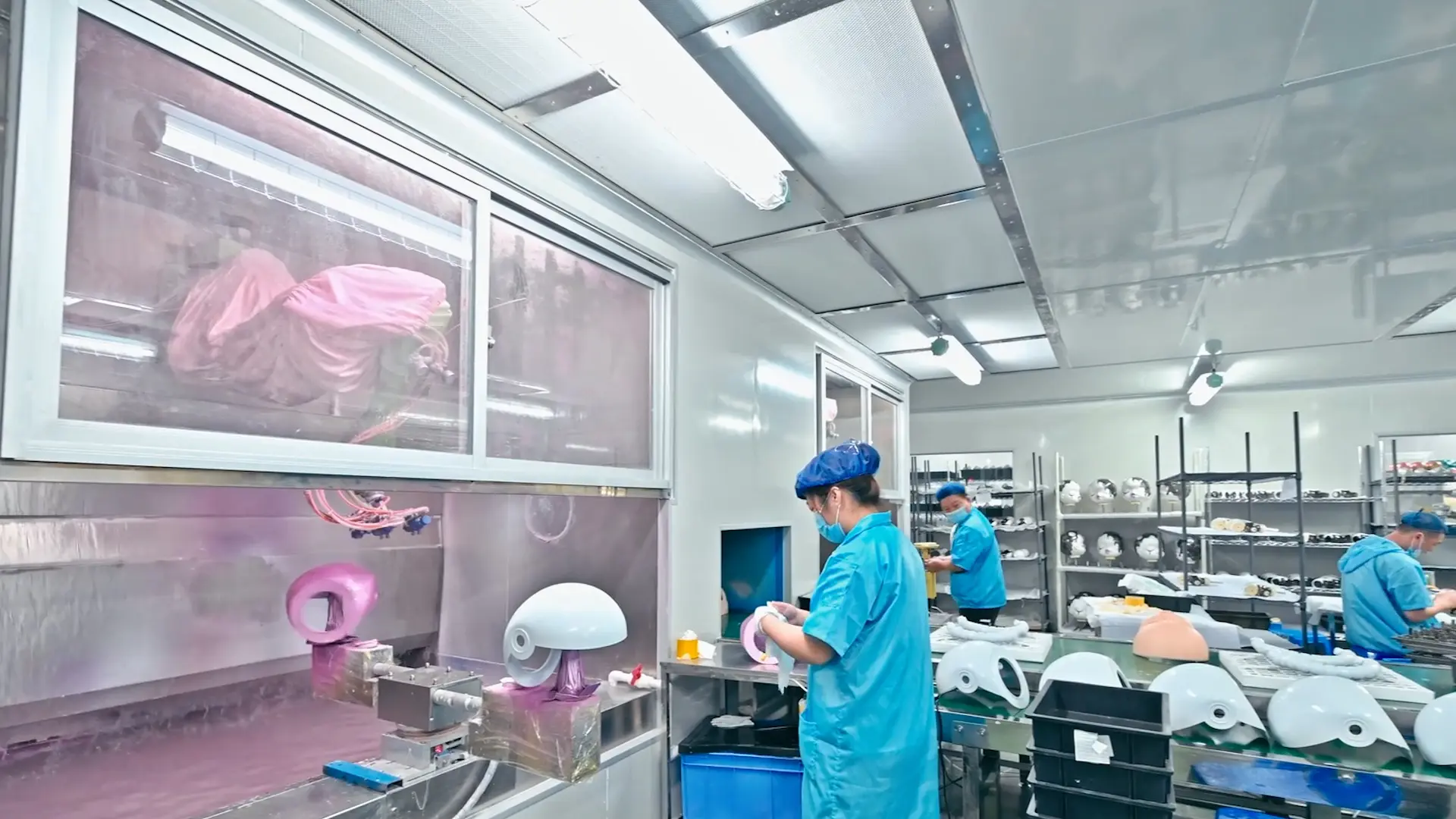
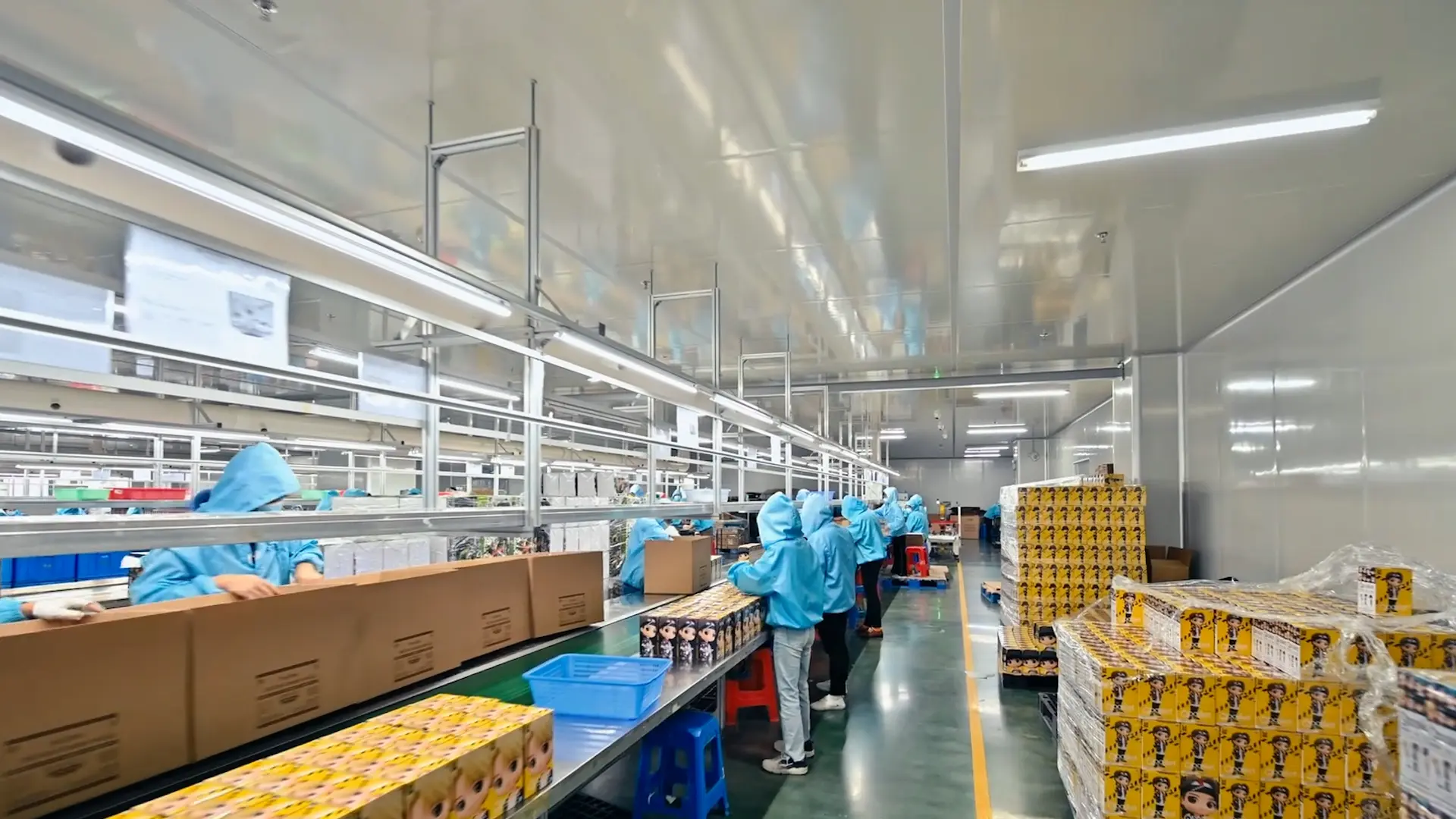
Today, let’s talk about the common headaches when contacting factories for mass customizing figures, and teach you how to dodge these pitfalls like a pro to ensure a smooth manufacturing process.
I. The Headaches That Will Spike Your Blood Pressure
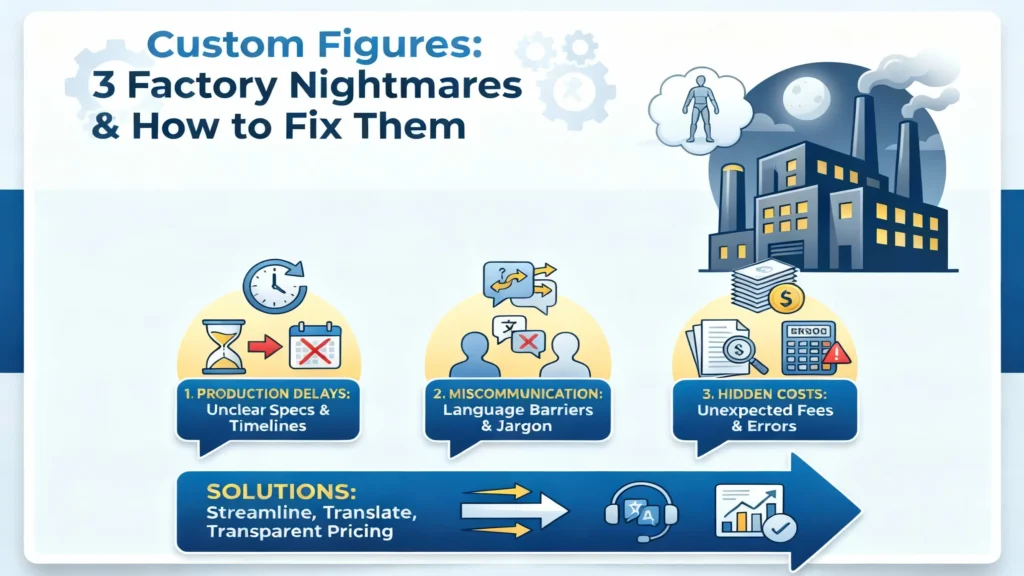
Having been in this industry for a long time, we’ve seen too many clients step on landmines when sourcing a factory. Generally speaking, the most agonizing problems usually center around these three areas:
1. “I asked for an Apple, You gave me a Potato” — The Misalignment of Communication
This is the most common issue. You are a designer; you care about “the killer look in the character’s eyes” or “the natural flow of the clothing folds.” But the master at the toy factory cares about: “Can this angle survive the mold making process?”, “Is the wall thickness sufficient?”, and “Will the injection molding cause shrinkage?”
The communication cost here is sky-high. Often, you think the factory understood, but the resulting 3D modeling or the grey model (unpainted prototype) makes you feel like you’re looking at a “bootleg version” of your own art.
- The Pain Point: Designers don’t always know engineering, and engineers don’t always have an artistic eye.
2. “Looked Cheap Initially, Ended Up Over Budget” — Hidden Costs
If your first question is just “How much to make a figure?”, you are setting yourself up for failure. The quotation system for custom vinyl toys or figures is complex. Many newcomers only look at the unit price and ignore the massive tooling costs (mold fees).
If you don’t clarify upfront, later on, expenses will pop up like whack-a-mole: fees for paint masks, special packaging costs, or even mold modification fees due to design tweaks. Furthermore, the cost structure for PVC figures versus resin figures is completely different. Choosing the wrong material can blow up your budget instantly.
- The Pain Point: Opaque quotes and hidden costs that catch you off guard.
3. “The Sample Was Art, The Bulk Order Was Trash” — The Quality Control Nightmare
This is the most fatal issue. The factory sends you a paint master (color sample) that is so exquisite it makes you want to cry tears of joy. You sign the contract and authorize mass production.
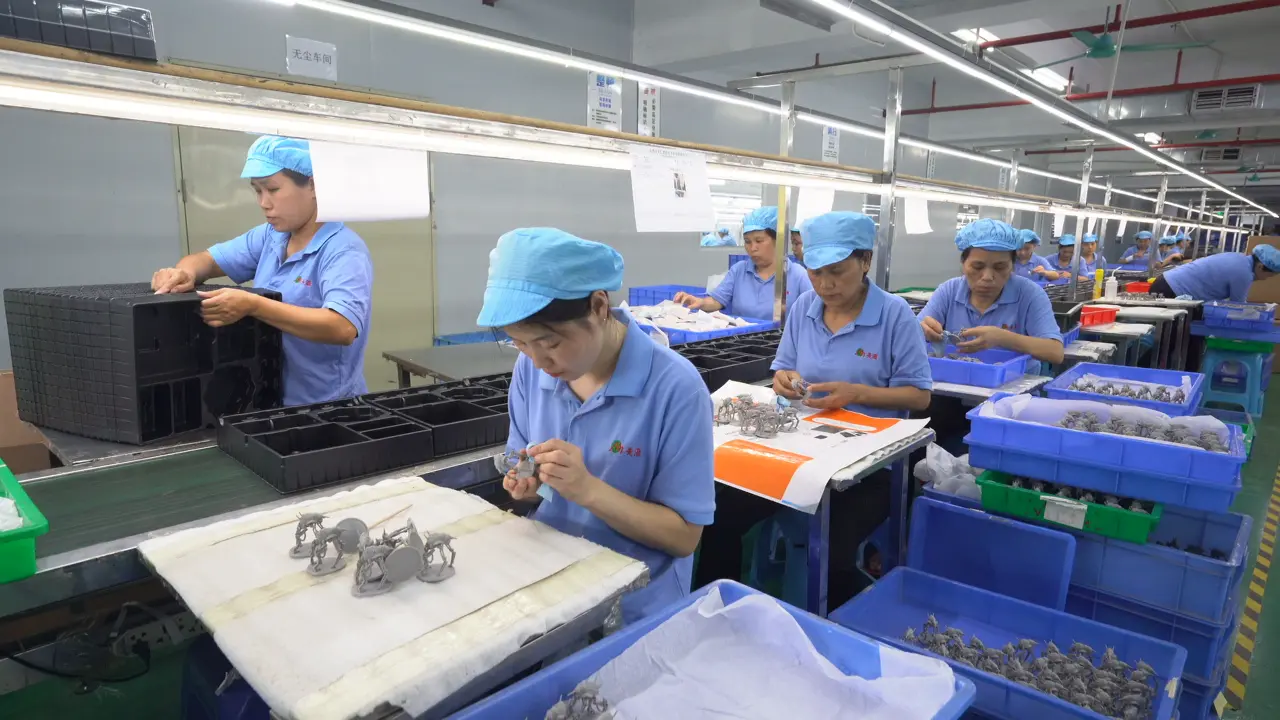
Three months later, you receive the bulk order shipment: colors are bleeding, there’s severe color deviation, sprue marks (gate marks) haven’t been sanded down, and maybe the faces look distorted. At this point, trying to claim compensation is a nightmare because the contract lacked clear quality control (QC) standards.
- The Pain Point: The pre-production sample doesn’t match the final product, and QC fails.
II. Real World Case: Illustrator Alex’s “Road to Ruin”
To make this feel real, let’s hear the story of my friend—an indie illustrator named Alex.
Background: Alex designed a cool Cyberpunk-style little monster and wanted to make 500 limited edition blind box style figures.
The Process: He found a factory online with the lowest quote. They promised: “No problem, just give us the image and we can do it. Lead time is one month.” Alex was thrilled and paid the deposit immediately.
The First Hurdle: Two weeks later, the factory sent the 3D render. Alex was devastated. His sharp, mechanical monster had been turned into a round, chubby blob. The factory had simplified all the details to save on mold making costs without asking him. Alex had to spend two weeks taking screenshots and teaching the modeler how to fix it frame by frame.
The Second Hurdle: After the prototype was confirmed, production started. The promised 30-day production cycle turned into two months because the factory prioritized a bigger client’s order and pushed Alex to the back of the line.
The Third Hurdle: The day he received the goods, Alex nearly fainted. The neon green paint on the monster had turned into a dull grass green on the mass-produced units, and there were visible glue marks.
The Ending: Because he missed the convention he planned to attend, he couldn’t sell them in time. The ones he did ship out were returned by fans due to quality issues. Alex calculated the loss: not only did he make zero profit, but he also lost his design fee and months of time.
See? Without understanding the industrial workflow, talent can be crushed by reality.
III. Expert Tips: How to Ensure a Smooth Process?
Don’t lose hope after reading Alex’s story. As long as you master the right methods, these problems are solvable. You need to view custom figure manufacturing as a project management task.
1. Translate “Feelings” into “Parameters”
Don’t just give the factory an illustration. During the 3D modeling stage, provide multi-view drawings (turnarounds).
More importantly, create a specification sheet (Tech Pack). For example, for colors, specify the exact Pantone codes, rather than saying “I want a colorful black.” For materials, clarify if you want the soft touch of vinyl or the sharp edges of hard ABS.
- Advice: Hire a professional toy design agent or a supervisor who understands manufacturing to act as a translator between you and the factory.
2. Confirm in Stages: Step by Step
Never just pay and wait for delivery. The figure production process must have checkpoints:
- 3D Render Confirmation: Establish pose and proportions.
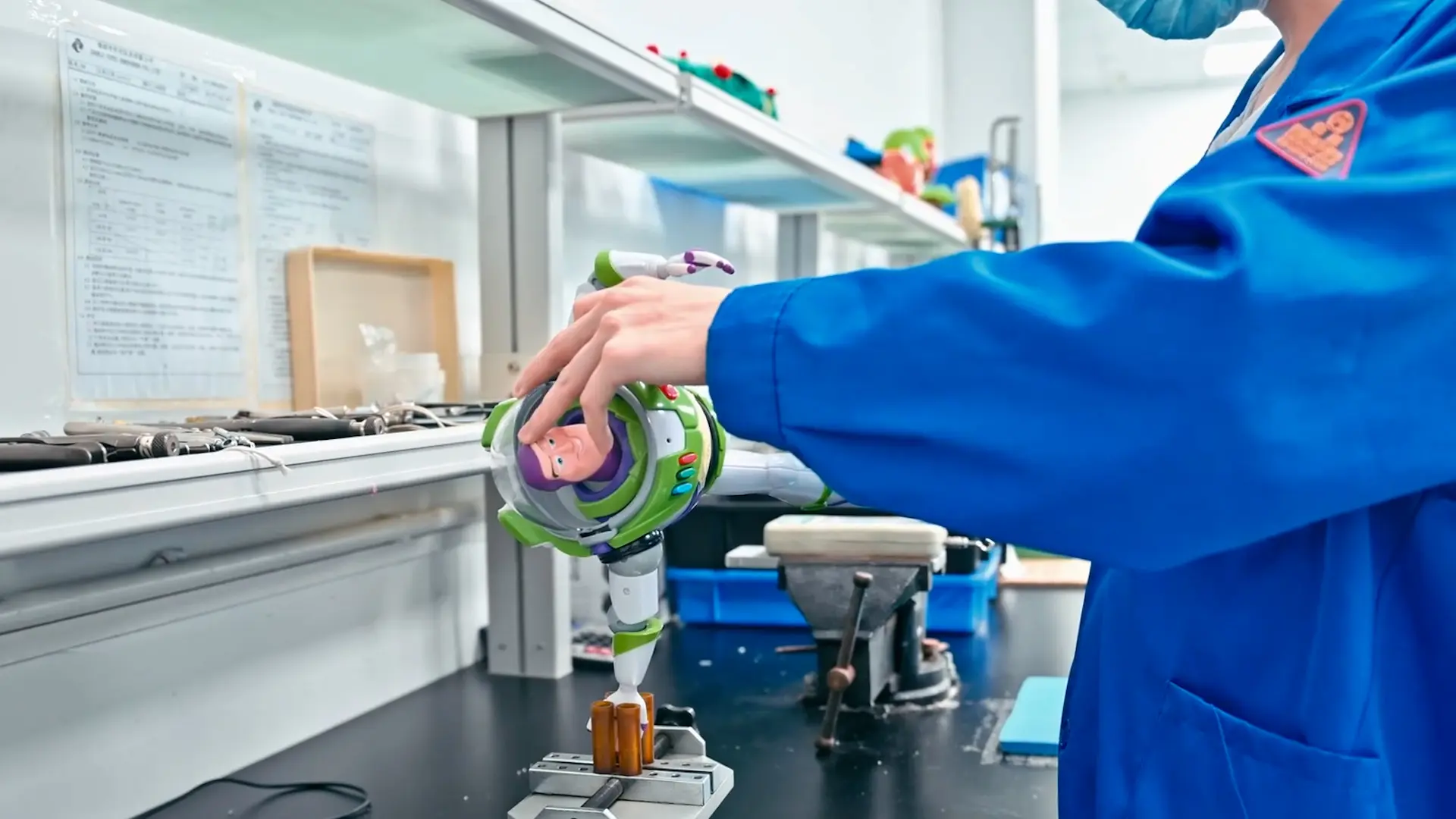
- Grey Model (Prototype) Confirmation: After 3D printing, check the physical details and balance.
- Paint Master Confirmation: This is the most critical standard. Once this color sample is signed off, it becomes the benchmark.
- Pre-Production Sample (PP Sample) Confirmation: This is a step many skip, but you shouldn’t! Require the factory to run a trial of a few complete finished units before full-scale injection molding and painting. This is what your actual product will look like.
3. Be “Petty” with the Contract
When signing the contract, don’t be shy.
- Regarding Lead Time: Clearly define penalties for delayed delivery (e.g., 0.5% deduction of the total payment per day late).
- Regarding Quality: Set a defect rate limit. For example, allow 1% defects; anything above that must be replaced or refunded.
- Regarding IP: You must clarify that the molds belong to you to prevent the factory from producing bootlegs using your tooling.
4. The Balancing Act of Material and Cost
If your budget is limited, don’t force high-difficulty techniques.
- If you are making high-end collectibles, resin figures offer great detail but are fragile and have a high unit price due to the manual silicone mold process. Best for small batches.
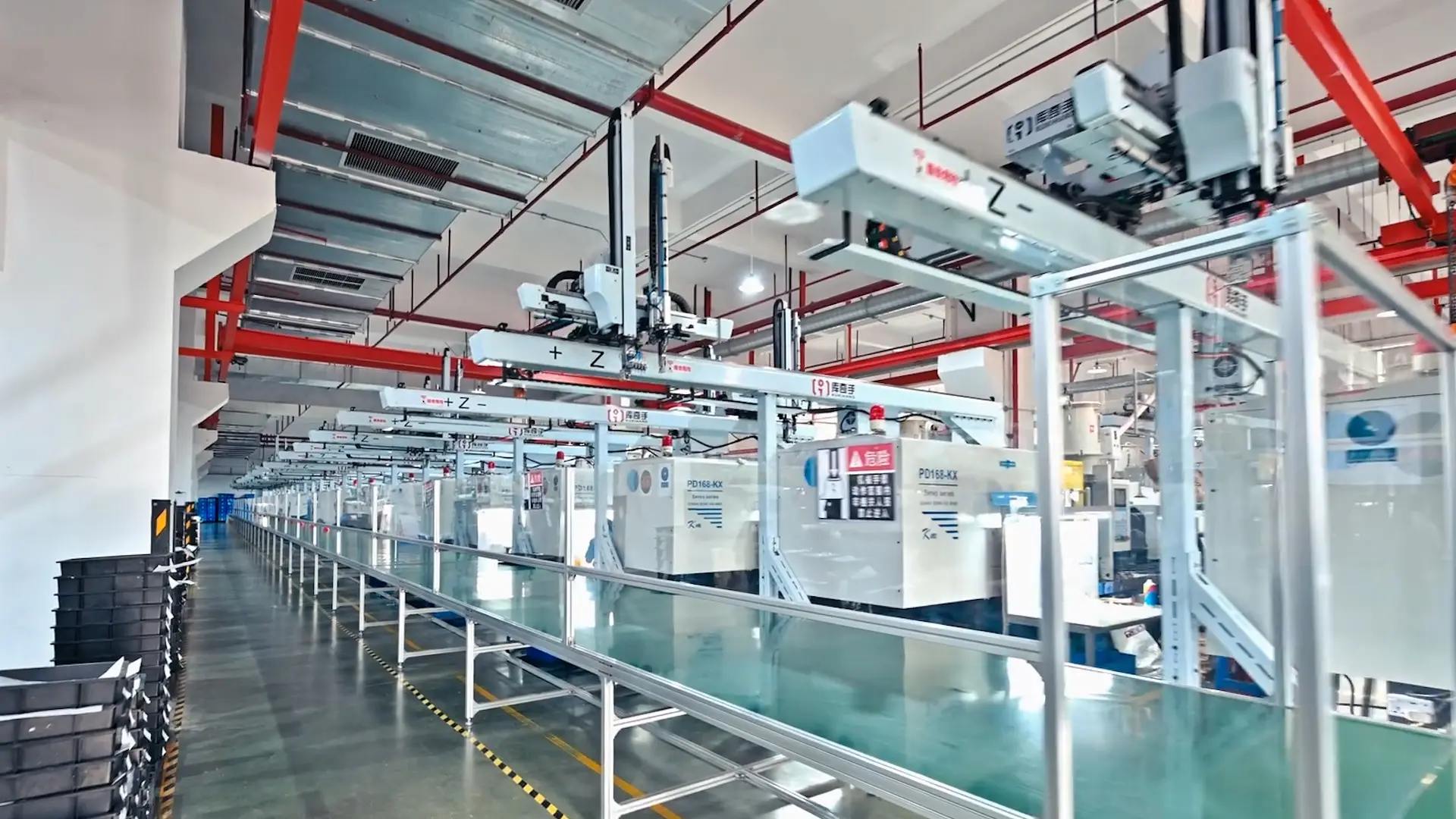
- If you are doing blind boxes or mass retail, PVC + ABS is the standard. Although the steel mold fees are expensive, the cost amortized over a bulk order makes the unit price very cheap.
Once you understand this, the factory won’t dare to bluff you.
Conclusion
Contacting factories for mass customized figures is essentially a collision between rationality and emotion.
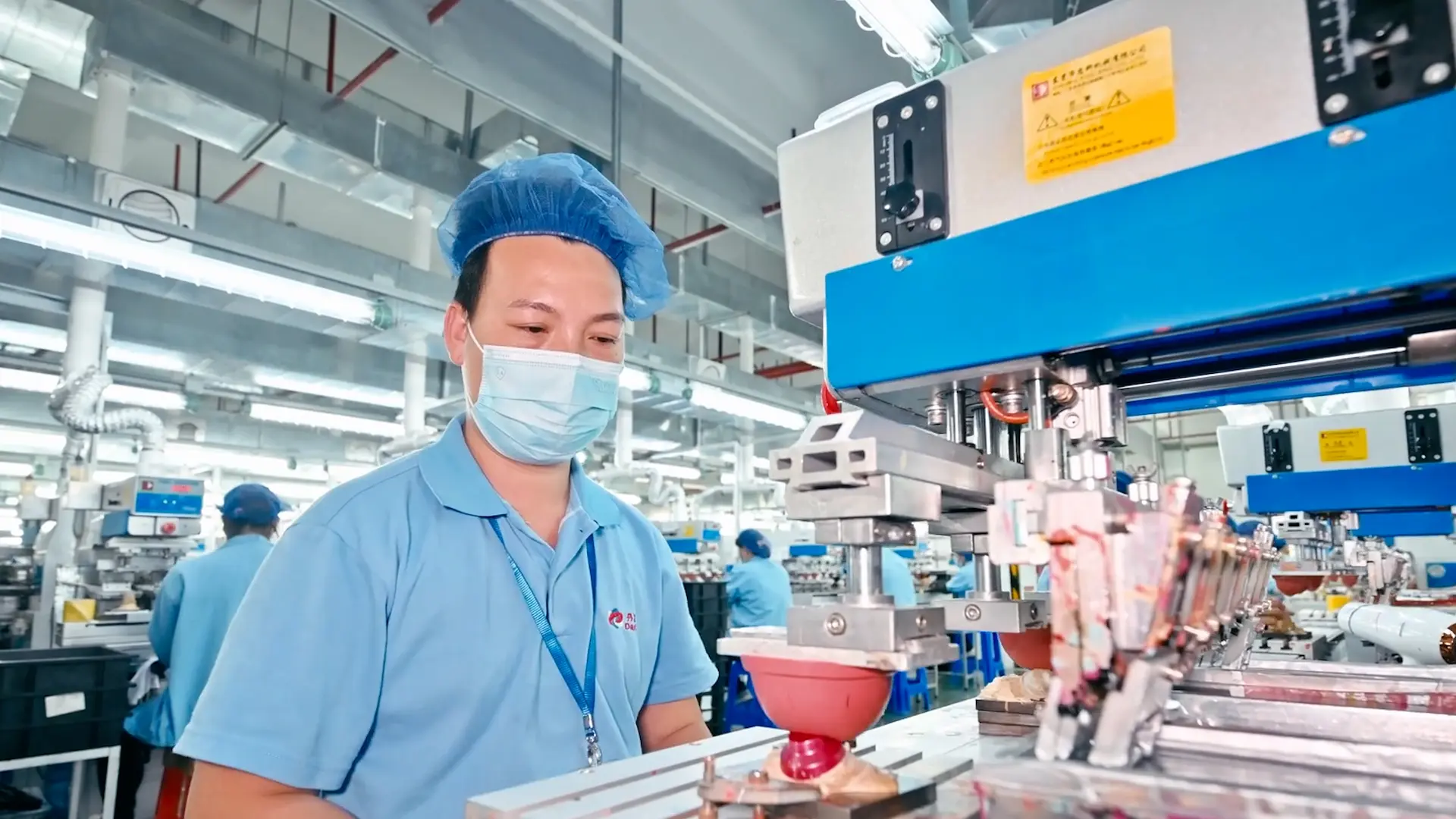
Those headaches—whether it’s communication barriers, hidden fees, or quality control issues—actually stem from information asymmetry. When you start using professional terms (like part splitting, parting lines, pad printing) to converse with the factory, you will find that those problems start to disappear.
I hope this article helps you avoid detours. Remember, a great figure comes not just from great design, but from respect for and control over the manufacturing workflow.
If you are ready, take your design drawings and confidently start your customization journey!