Last month, a designer from London reached out to us in a panic. They had spent $5,000 on a mold with a “low-cost” factory, only to receive a sample that looked like a melted plastic spoon. The character’s eyes were skewed by 2mm, and the “premium” vinyl felt like a cheap giveaway toy.
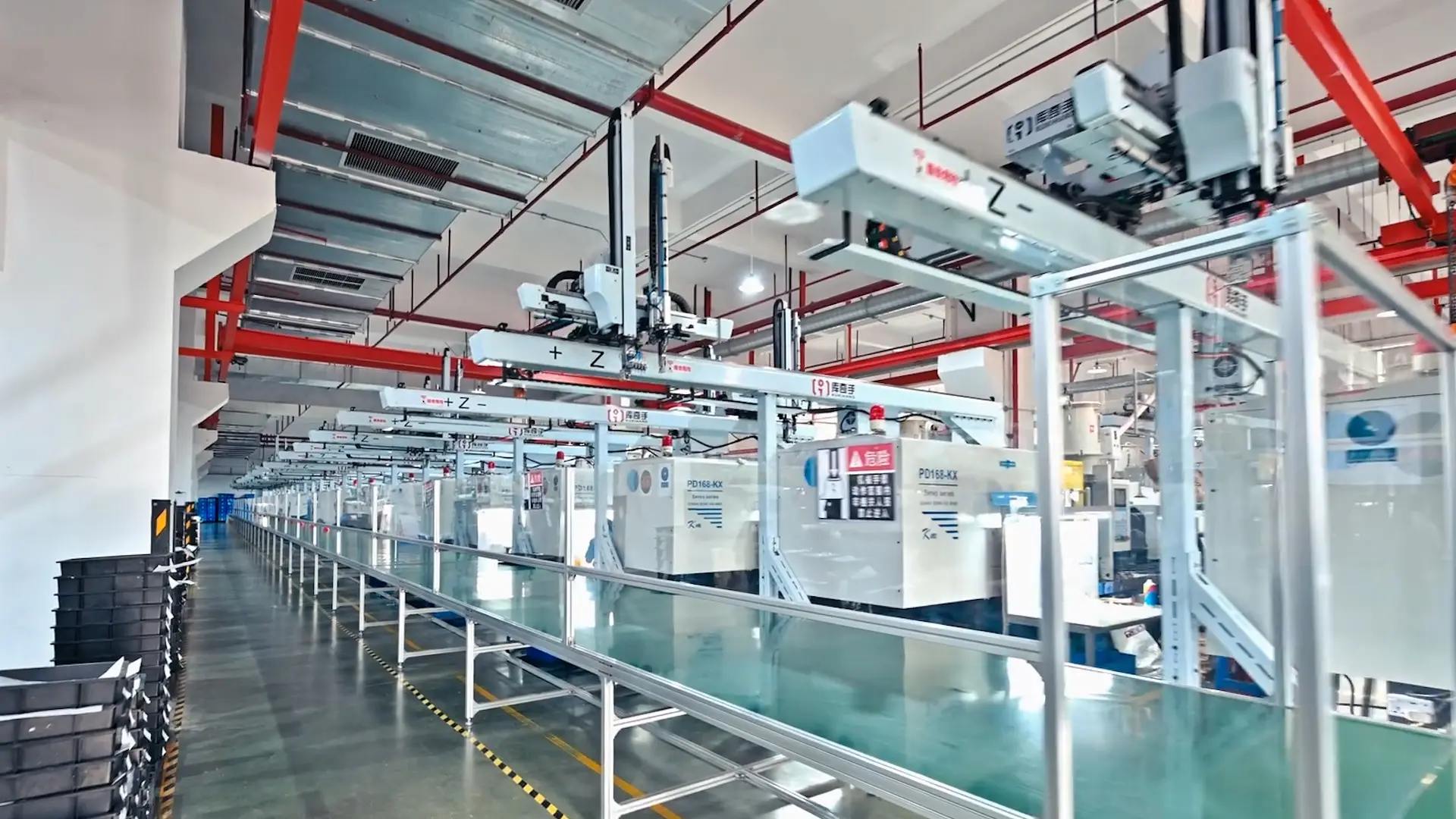
In the Guangdong manufacturing hub, this story is common. To avoid this, you need to look past the sales pitch. Here are the 10 questions that define the difference between a toy that sells and a toy that fails, categorized by the stages of production.
Phase 1: The Prototyping Trap
The transition from a digital 3D render to a physical object is where most IPs die. If a factory can’t capture the “soul” of your design in the first week, they won’t capture it in the final product.
Question 1: What is your primary production process and how do you handle material density?
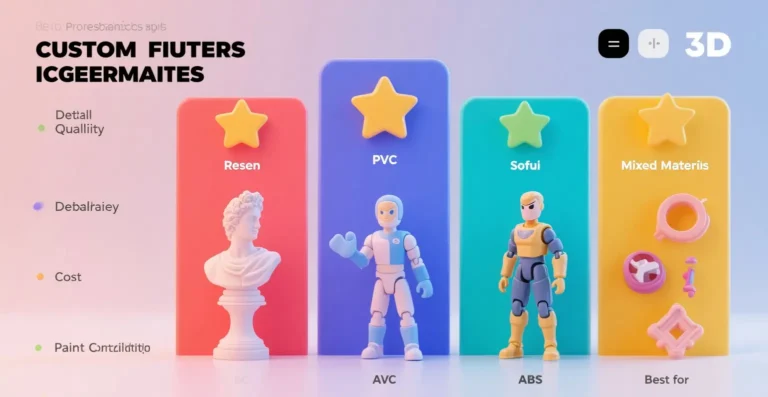
Many factories use standard PVC for everything. But for an art toy, the “hand-feel” is a marketing feature.
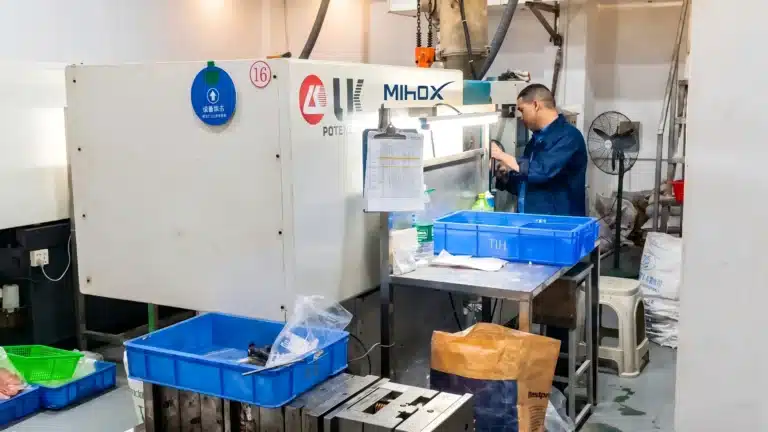
We specialize in high-end vinyl and injection molding, matching material density to the tactile weight designers expect.
Question 2: Can you handle 8K resolution prototyping in-house?
Waiting for an external vendor to 3D print your prototype adds weeks of delay.
Our 8K resin 3D printers capture 0.02mm details, cutting revision cycles by 40% through a direct bridge to production.
Question 3: How do you optimize mold structures to reduce my long-term costs?
A cheap factory just says “Yes” to your file. A partner uses DFM (Design for Manufacturing) to find savings.
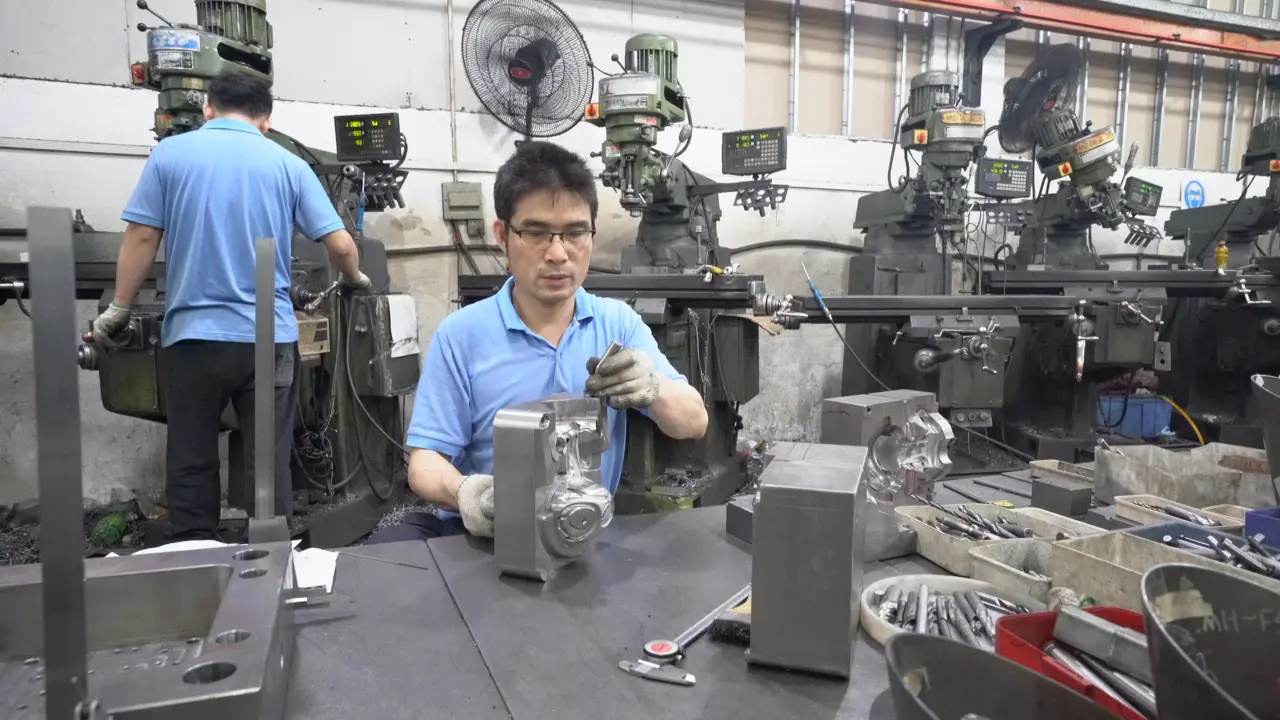
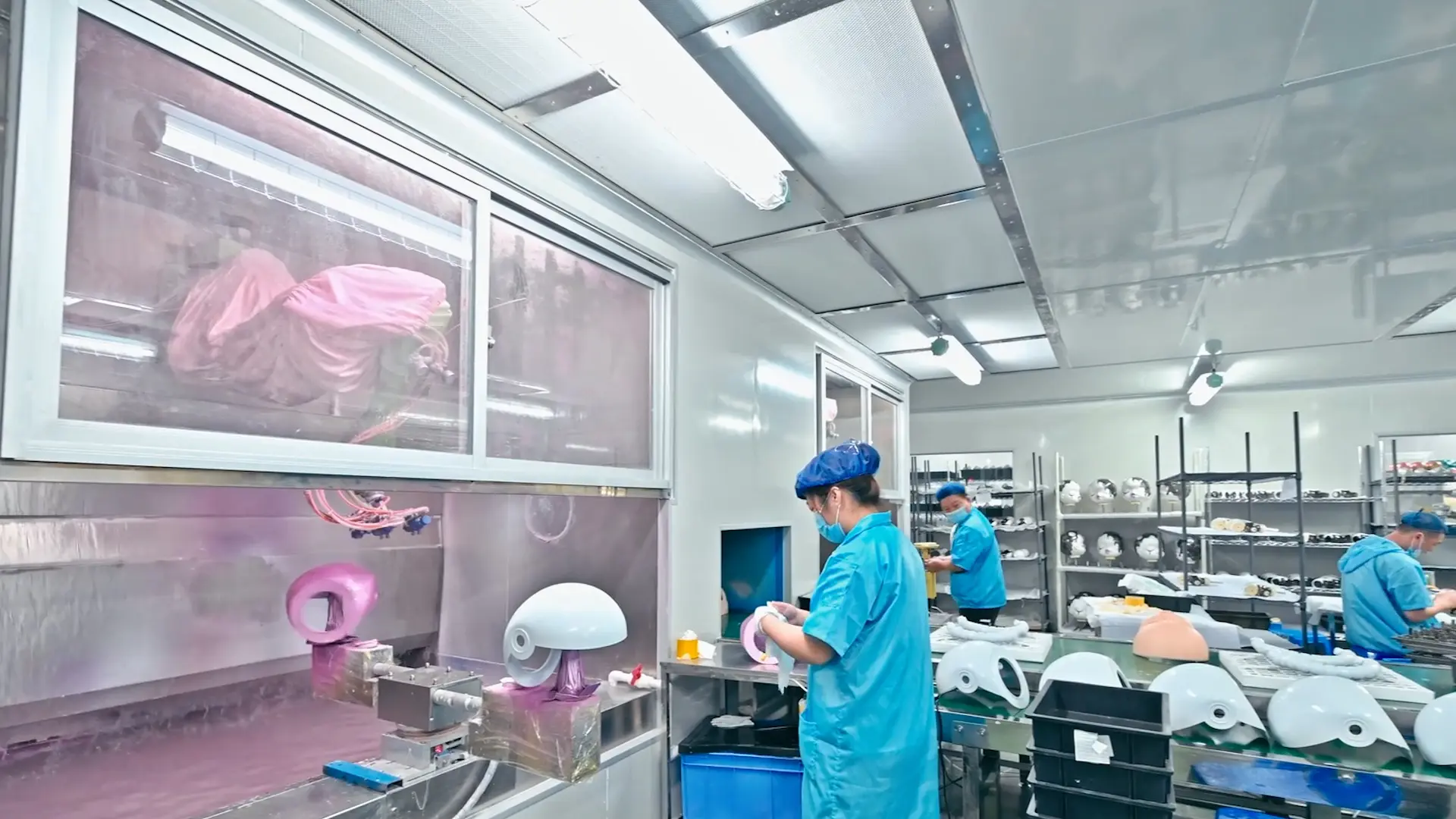
We apply DFM to split parts intelligently, reducing total spray-painting hours and lowering your per-unit molding costs.
Phase 2: The Precision of Mass Production
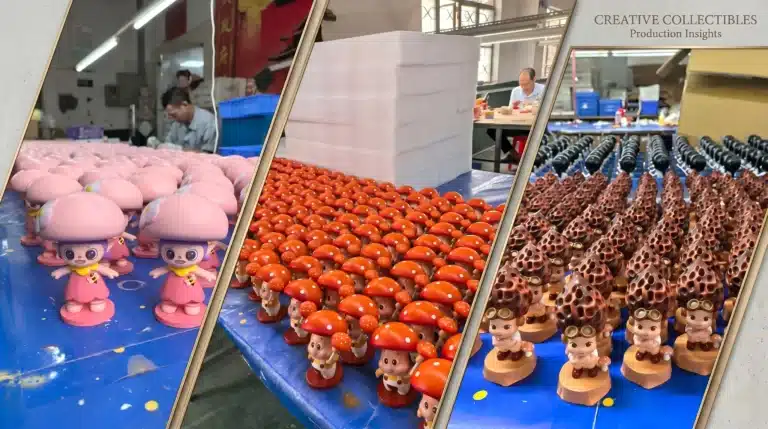
The first sample always looks good. The real test is unit number 2,000. This is where the “0.5mm disaster” happens—where eyes, logos, and seams start to drift.
Question 4: How do you ensure printing precision on complex 3D surfaces?
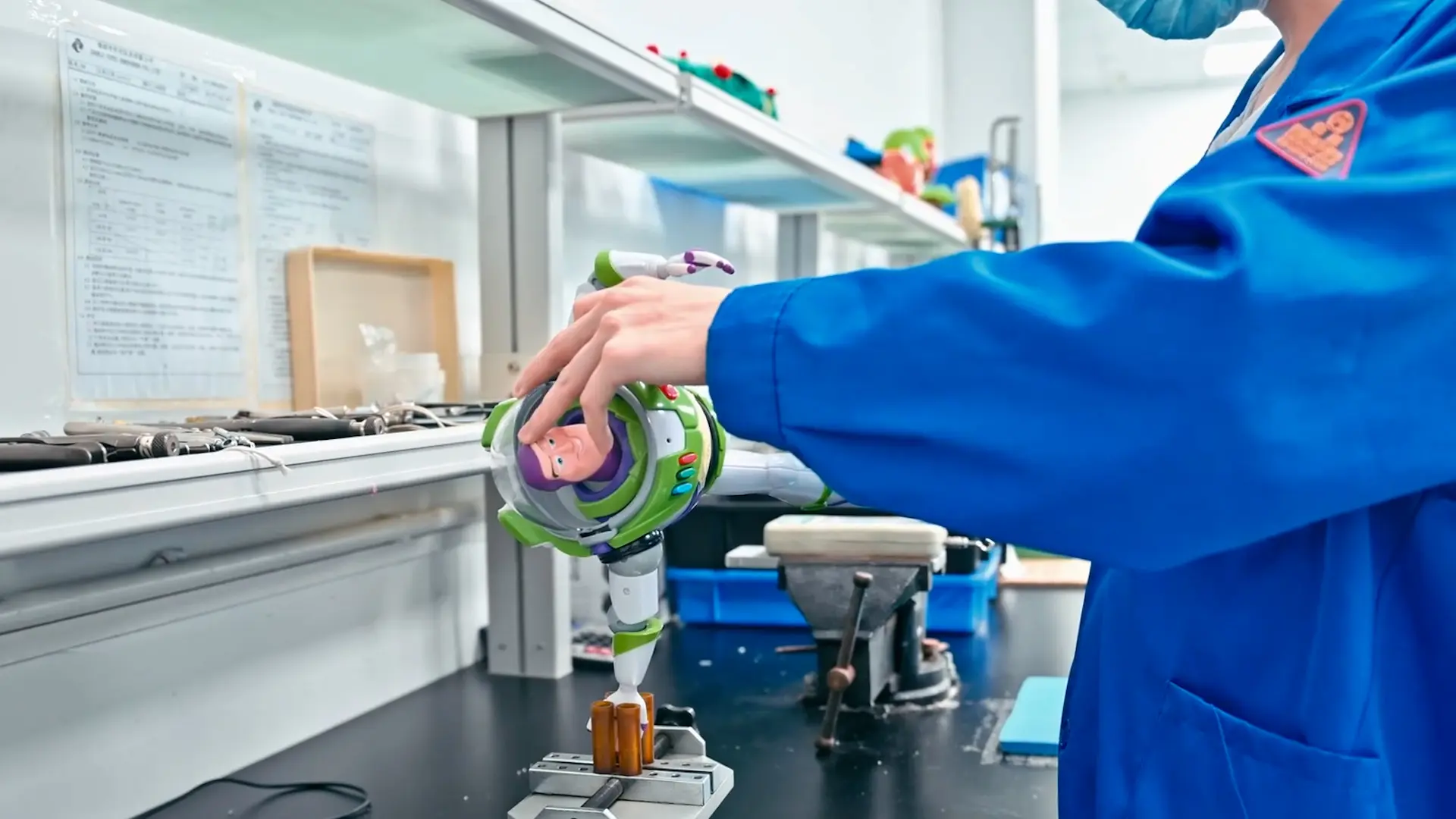
Total automation is the enemy of art. For a curved face, you need a human eye.
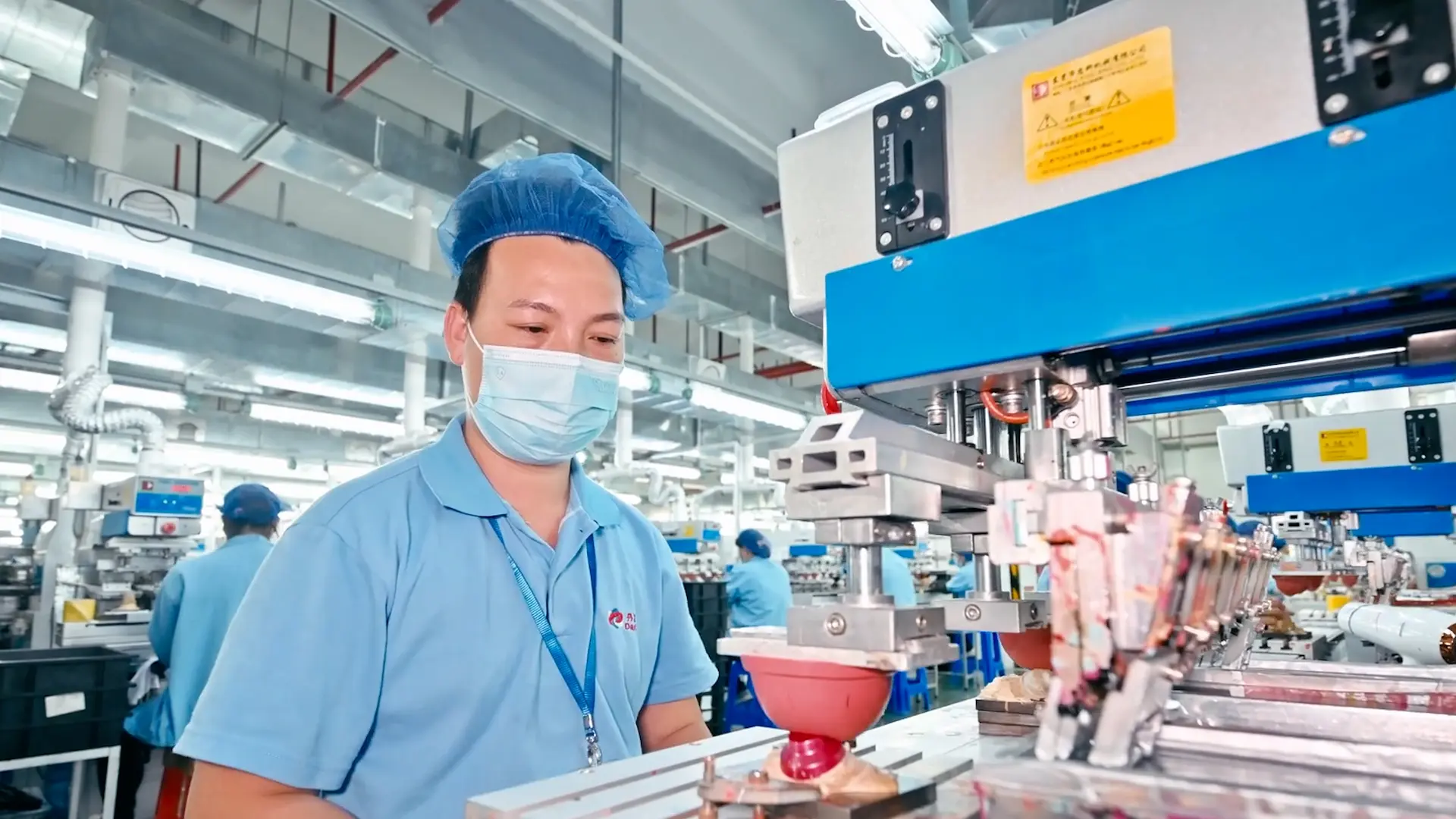
Our semi-automatic pad printing uses manual calibration to ensure 0.1mm alignment that fully automated lines often miss.
Question 5: How do you minimize visible parting lines on complex figures?
Collectors hate “seam lines.” At MIHOX, we treat the mold like a puzzle.
MIHOX uses Invisible Seam Engineering, hiding mold joints in natural character folds for a seamless, sculpture-like finish.
Question 6: What is your actual defect rate and how is it audited?
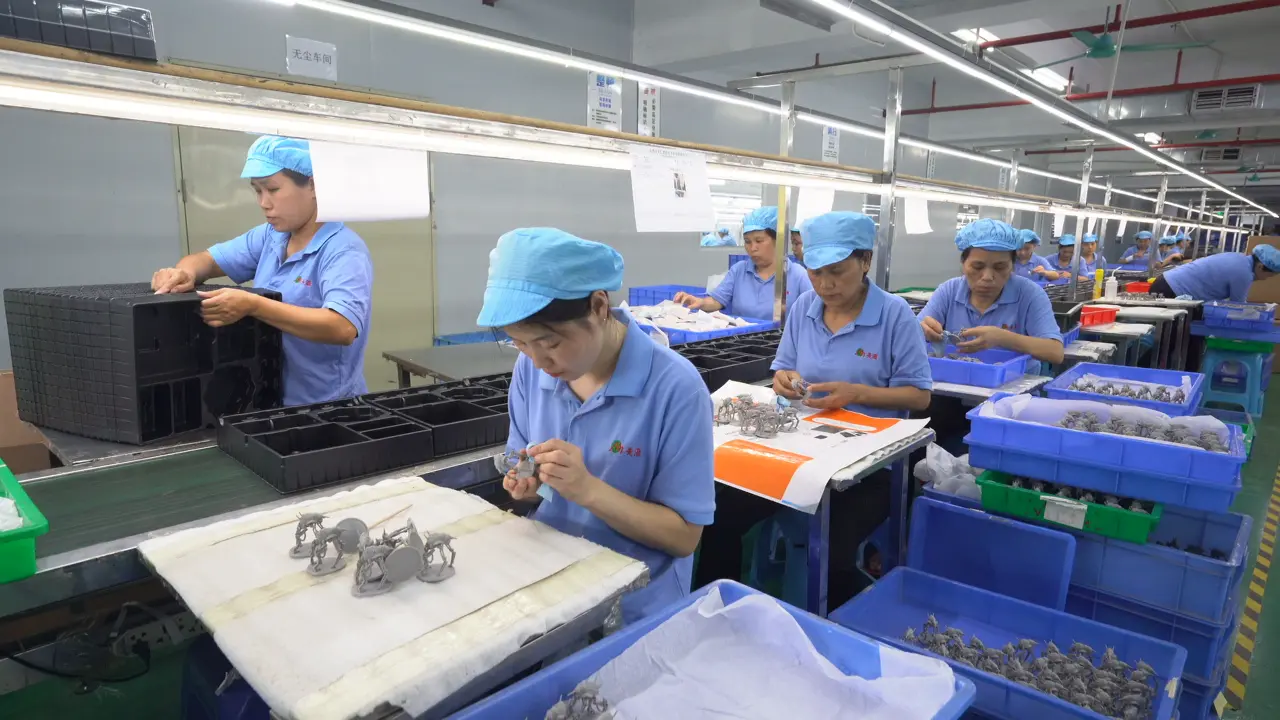
Transparency is more valuable than a “zero-defect” lie. You need to know how they catch the dust spots.
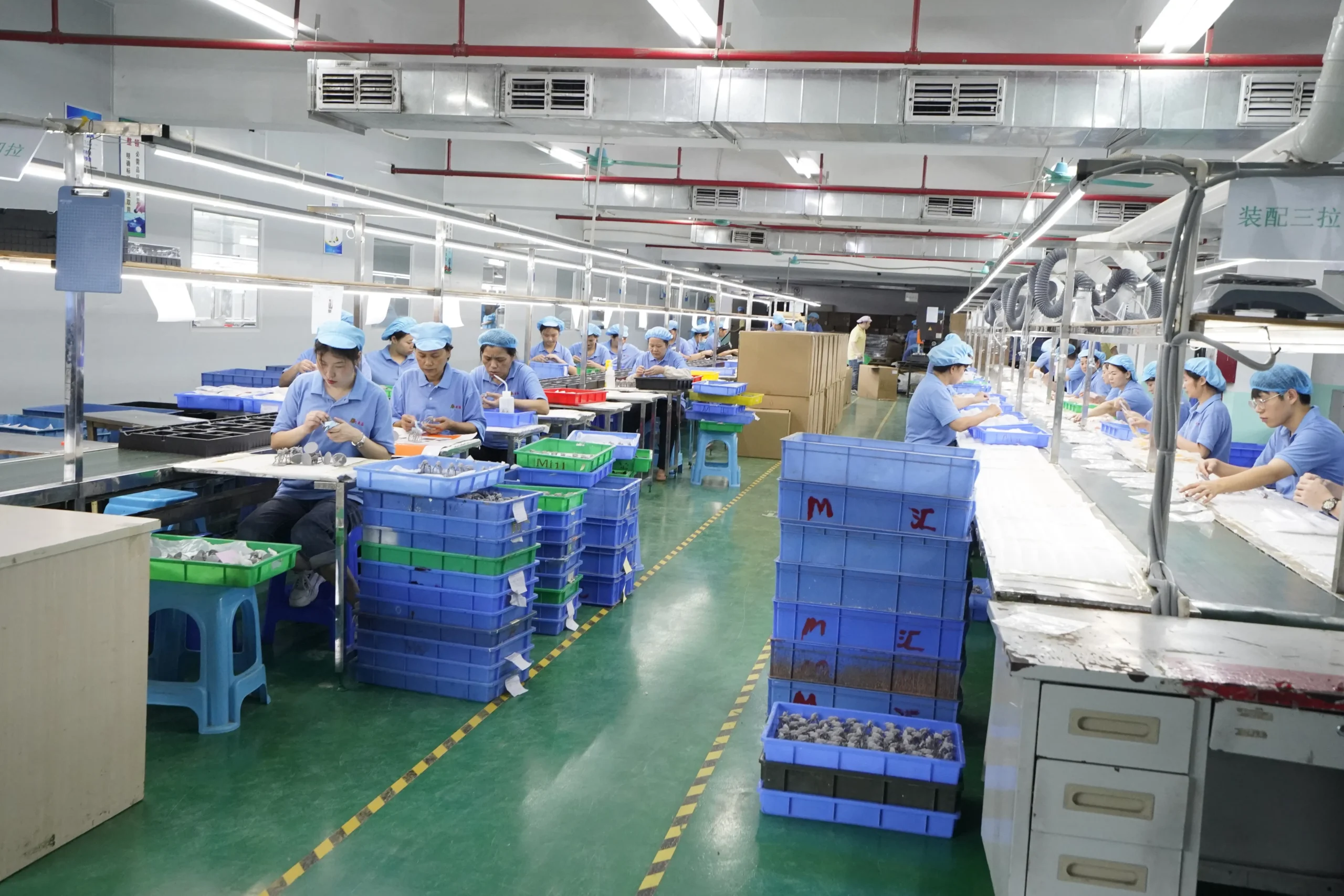
Our factory targets a defect rate under 2% by implementing 100% manual inspection at the painting stage to filter dust spots.
Question 7: Do you provide a “Concept-to-Shelf” full-service solution?
If you have to find one guy for the mold and another for the box, the product won’t fit the packaging.
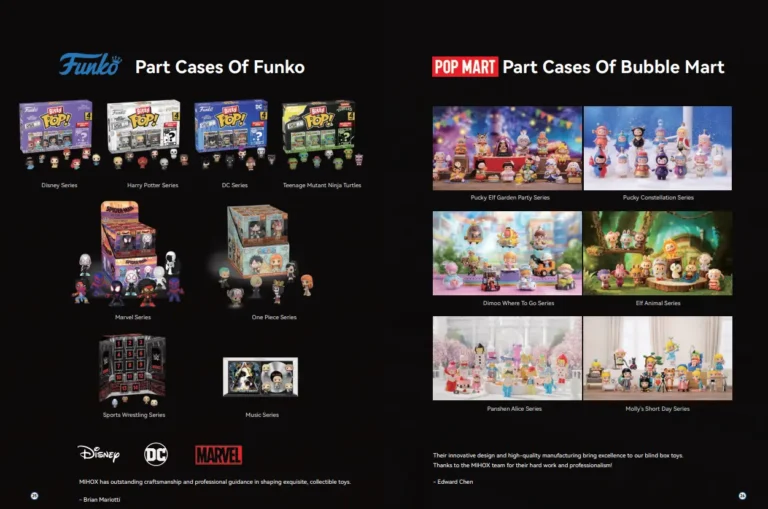
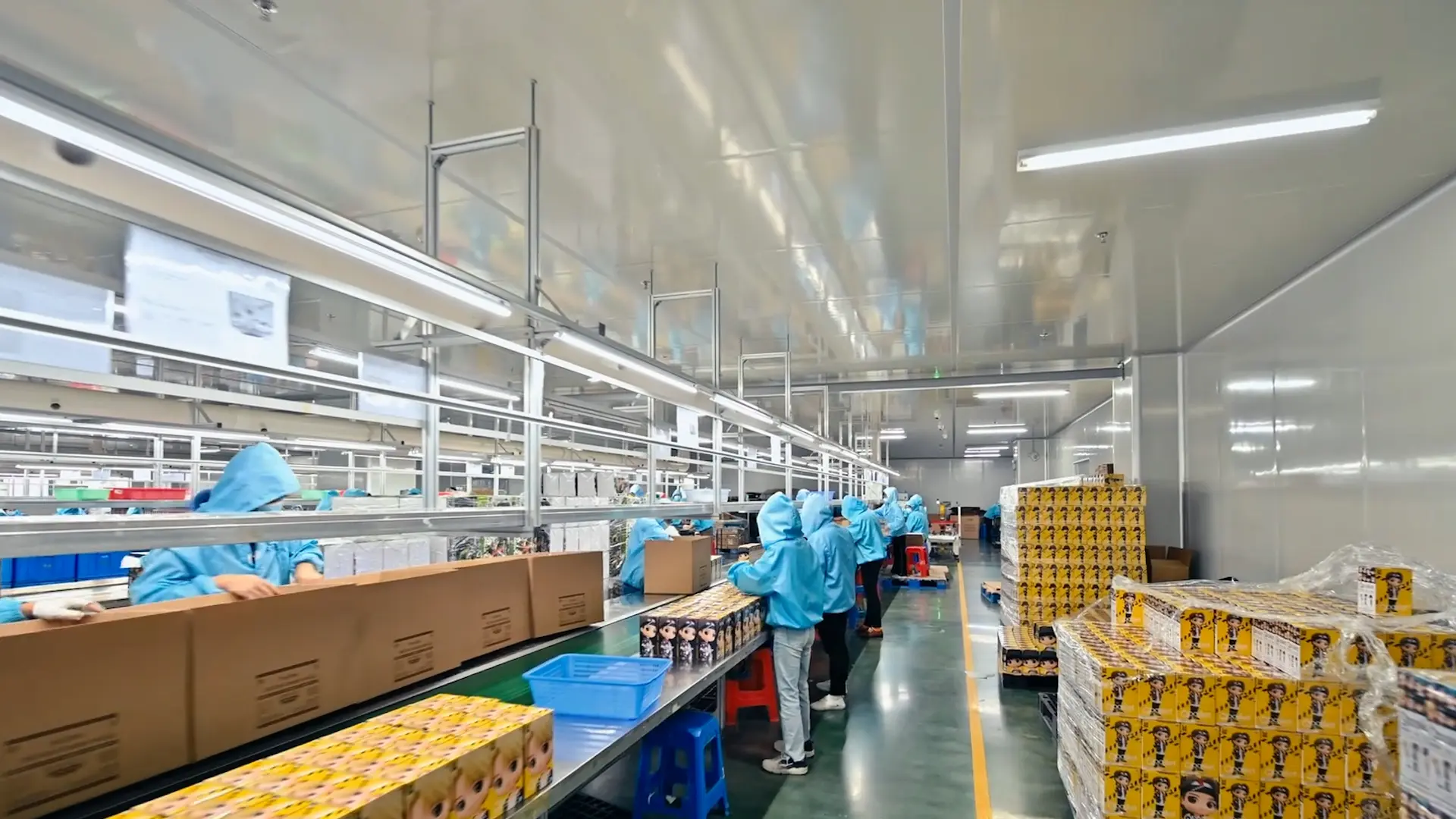
We provide a one-stop solution, handling 3D sculpting, mold making, and retail packaging under one roof from day zero.
Phase 3: The Logistics of Trust
Finally, consider the “invisible” factors: safety, security, and shipping. This is what protects your brand from lawsuits and leaks.
Question 8: How do you verify material safety for global markets?
Don’t just look at a certificate from 2019. Ask about the batch you are buying now.
Every batch uses phthalate-free PVC and includes batch-specific lab reports for EN71-3, not just generic certificates.
Question 9: What measures protect my Intellectual Property and mold ownership?
We’ve seen “unauthorized” versions of toys hit the market before the official launch. Security must be physical.
Molds stay in restricted-access facilities. We sign strict NDAs and use digital watermarking to prevent unauthorized leaks.
Question 10: Can you handle drop-test certified retail packaging?
An art toy is a collectible. If the box arrives with dented corners, the value drops by 30%.
We design custom blister packs and double-walled boxes, ensuring collectibles reach fans without dented corners or damage.
The Reality Check
I’ve spent 20 years on factory floors in Guangdong. The biggest lesson I’ve learned is that a “low quote” is often the most expensive mistake a brand owner can make. Manufacturing is a partnership of trust. Whether you’re a solo artist or a global brand, these ten benchmarks will help you find a factory that respects your vision as much as you do.
Factory Comparison Checklist
The following is a table for your quick reference, making it easier for you to compare and evaluate suppliers:
| Key Question | Primary Focus | MIHOX Factory Standard |
|---|---|---|
| 1. Production Process | Tactile Feel | Custom material density for premium “hand-feel”. |
| 2. Prototyping | Resolution | In-house 8K resin printing (0.02mm detail). |
| 3. Cost Optimization | Engineering | DFM analysis to reduce mold & painting costs. |
| 4. Printing Precision | Alignment | Manual calibration for 0.1mm eye/logo precision. |
| 5. Aesthetic Finish | Seam Lines | Invisible Seam Engineering to hide mold joints. |
| 6. Quality Control | Defect Rate | Under 2% target with 100% manual painting audit. |
| 7. Service Scope | Integration | One-stop: 3D Sculpting to Retail Packaging. |
| 8. Compliance | Safety | Batch-specific lab reports (EN71-3 / ASTM). |
| 9. IP Security | Protection | Restricted mold access & strict NDA enforcement. |
| 10. Logistics | Packaging | Drop-test certified boxes for collectors. |