In the global supply chain for action figures, blind boxes, and designer toys (Art Toys), brand owners and procurement managers often face a critical challenge: How to make a product stand out on a crowded shelf while strictly controlling the per-unit budget?
Typically, the first solutions that come to mind are PVC Injection Molding for standardization, Rotocasting (Vinyl) for a unique feel, or Resin Casting for high precision. However, throughout MIHOX’s years of manufacturing practice, we have identified a consistently undervalued technique—the Glue Drip Process (also known as Epoxy Doming). Not only can it simulate premium optical textures at a fraction of the cost, but it also serves as the “universal key” for enhancing local detail expression.
This article provides a deep dive into the principles of the glue drip process, its optimization paths, and its fundamental differences from traditional techniques, helping you find the optimal solution for your next bulk customization project.
Chapter 1: Technical Depth — What Exactly is the Glue Drip Process?
1.1 Physical and Chemical Principles
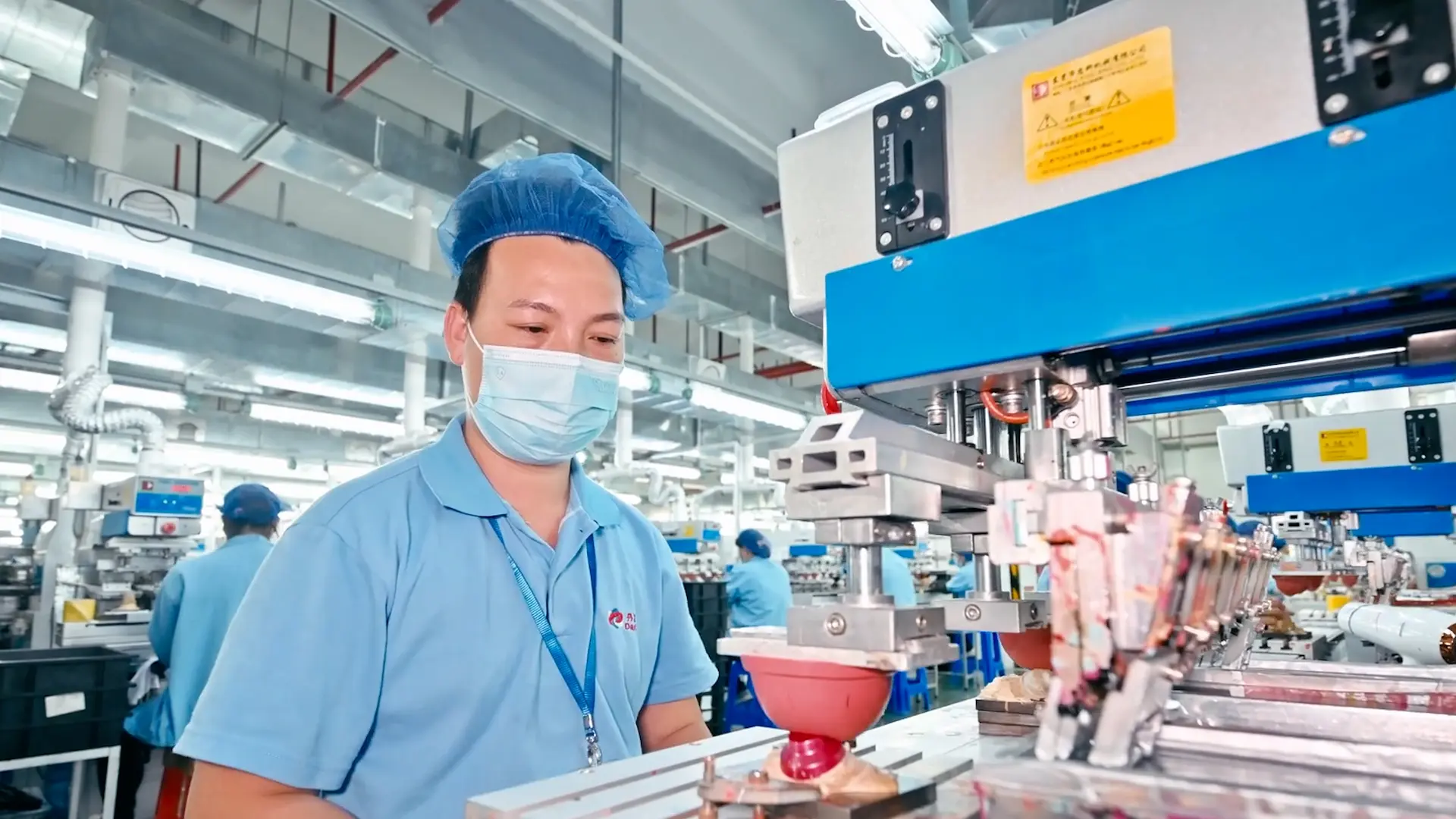
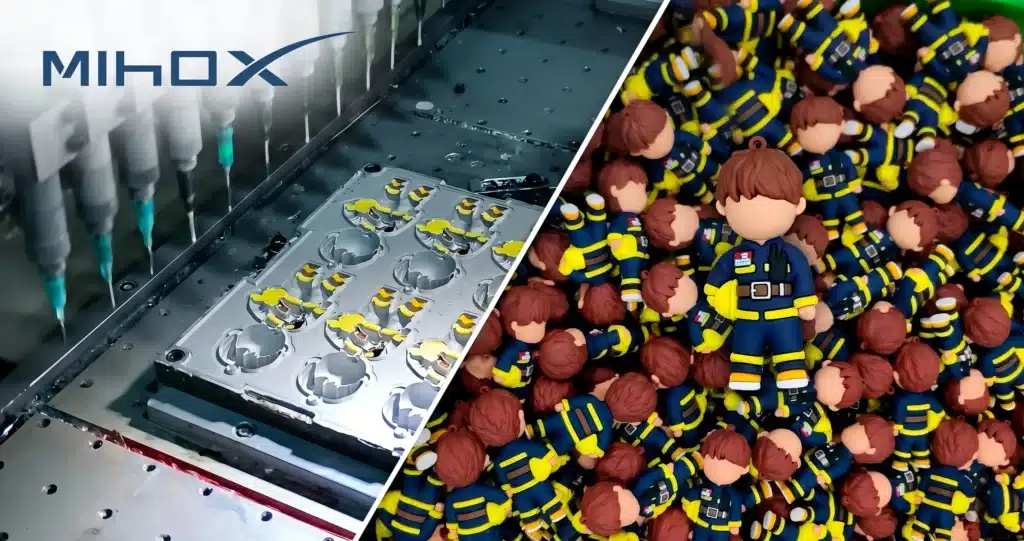
The glue drip process, technically referred to as “Surface Decorative Resin Coating,” typically utilizes Epoxy Resin or Polyurethane (PU) as the base material. The core workflow involves depositing a high-transparency, two-component liquid resin onto specific areas of the product using high-precision dispensing equipment.
This is due to the surface tension of the fluid. When the liquid resin reaches the edges of the product part, as long as the volume is precisely controlled, the tension prevents the resin from overflowing. Instead, it naturally domes upward, creating a lens-like convex effect. In visual terms, this creates what we call a “jelly-like” or “crystal” transparency.
1.2 Classification in the Figure Industry
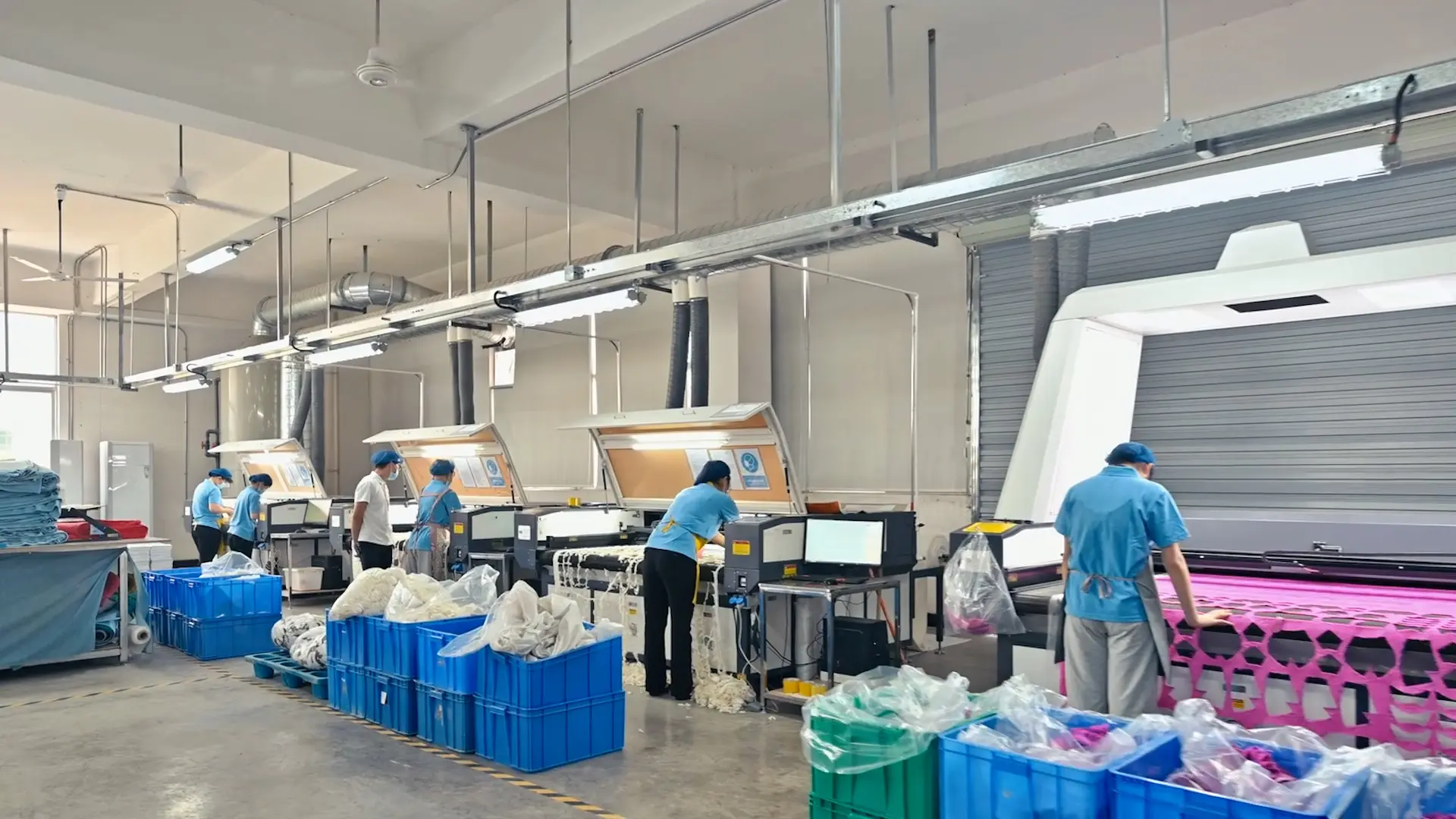
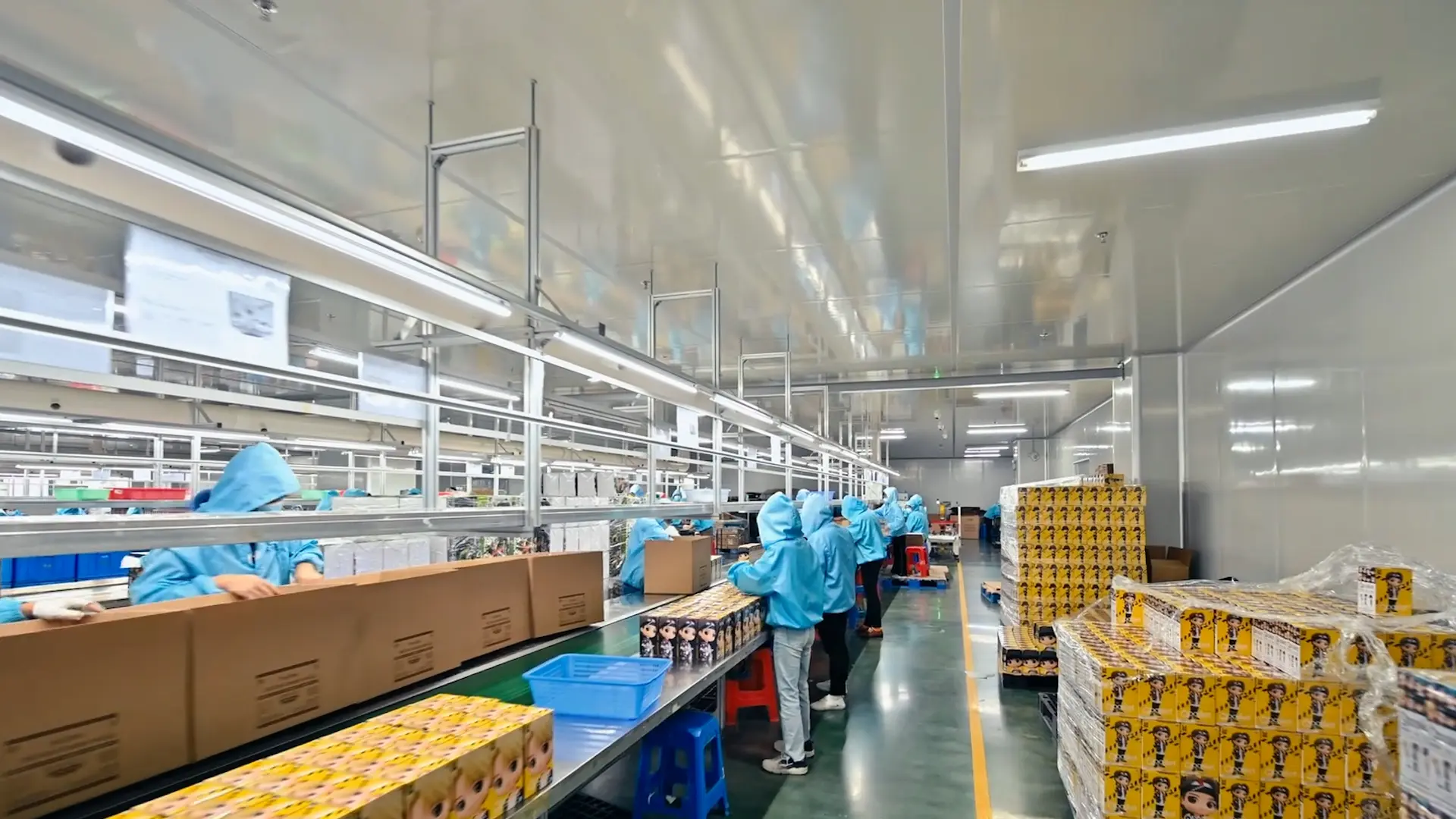
At the MIHOX dust-free facility, we categorize glue drips into three types based on client requirements:
- Hard Resin Drip: High hardness after curing, excellent wear resistance. Ideal for thickening flat surfaces, commonly seen on badges or base decorations.
- Soft Resin Drip: Maintains a degree of elasticity and a warm touch. Suitable for parts that require impact resistance or have slight curvatures.
- Colored/Phantom Drip: By adding specific pigments or pearlescent powders to the transparent resin, we can simulate gemstones, water droplets, or magical effects.
Chapter 2: Optimization Points — Why is it a Budget-Friendly Solution?
Many procurement officers fall into a trap during the R&D phase: assuming that adding an extra process will inevitably skyrocket the cost. In reality, the glue drip process is one of the best methods for cost optimization in specific scenarios.
2.1 Drastic Reduction in Mold Costs
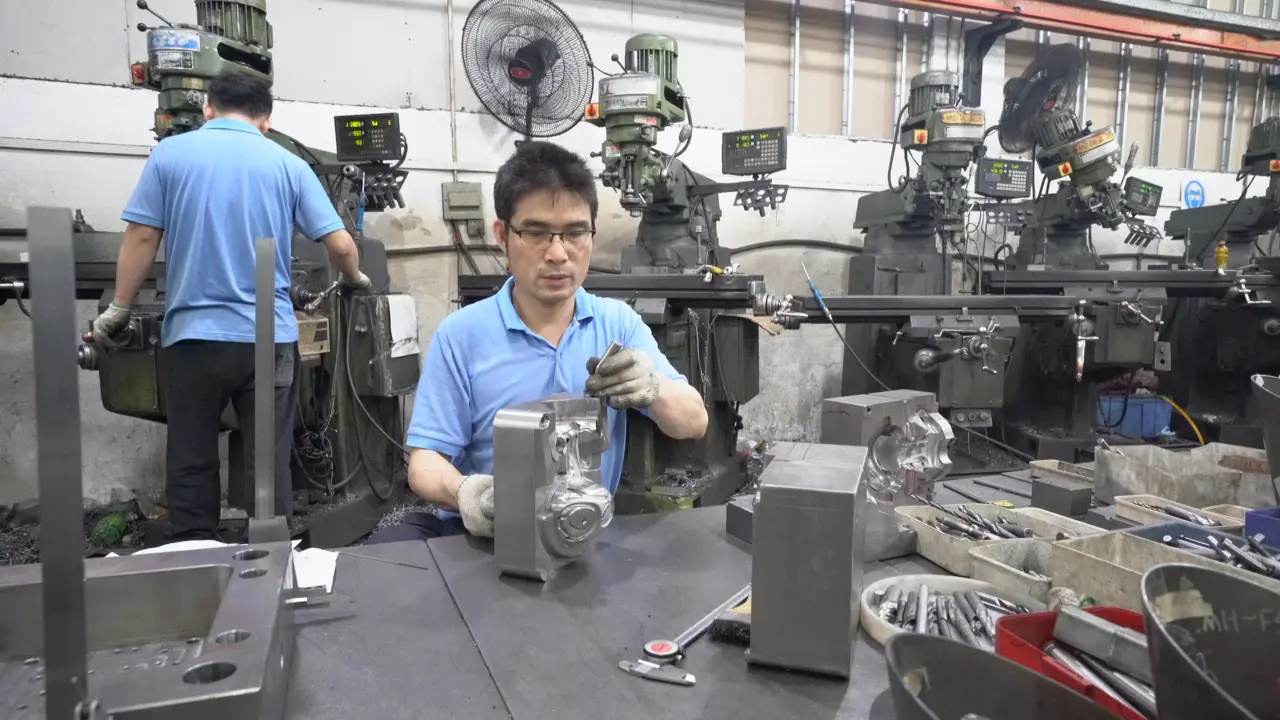
Unlike PVC injection molding, glue dripping is a “secondary processing task.” It does not require expensive steel molds.
- Traditional Solution: If you want a transparent pupil effect, you usually need a separate set of molds for transparent parts, followed by manual assembly.
- Glue Drip Optimization: You apply the resin directly onto the existing solid-colored part. This saves thousands of dollars in mold development and reduces the risk of part breakage during assembly.
2.2 Workflow Simplification and Labor Efficiency
Traditional UV Gradient or Multi-layer Spraying requires repeated masking and baking, and the yield rate is easily affected by airborne dust.
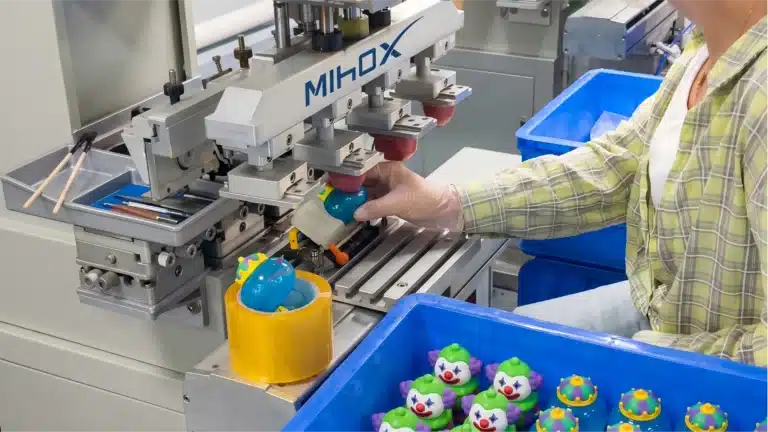
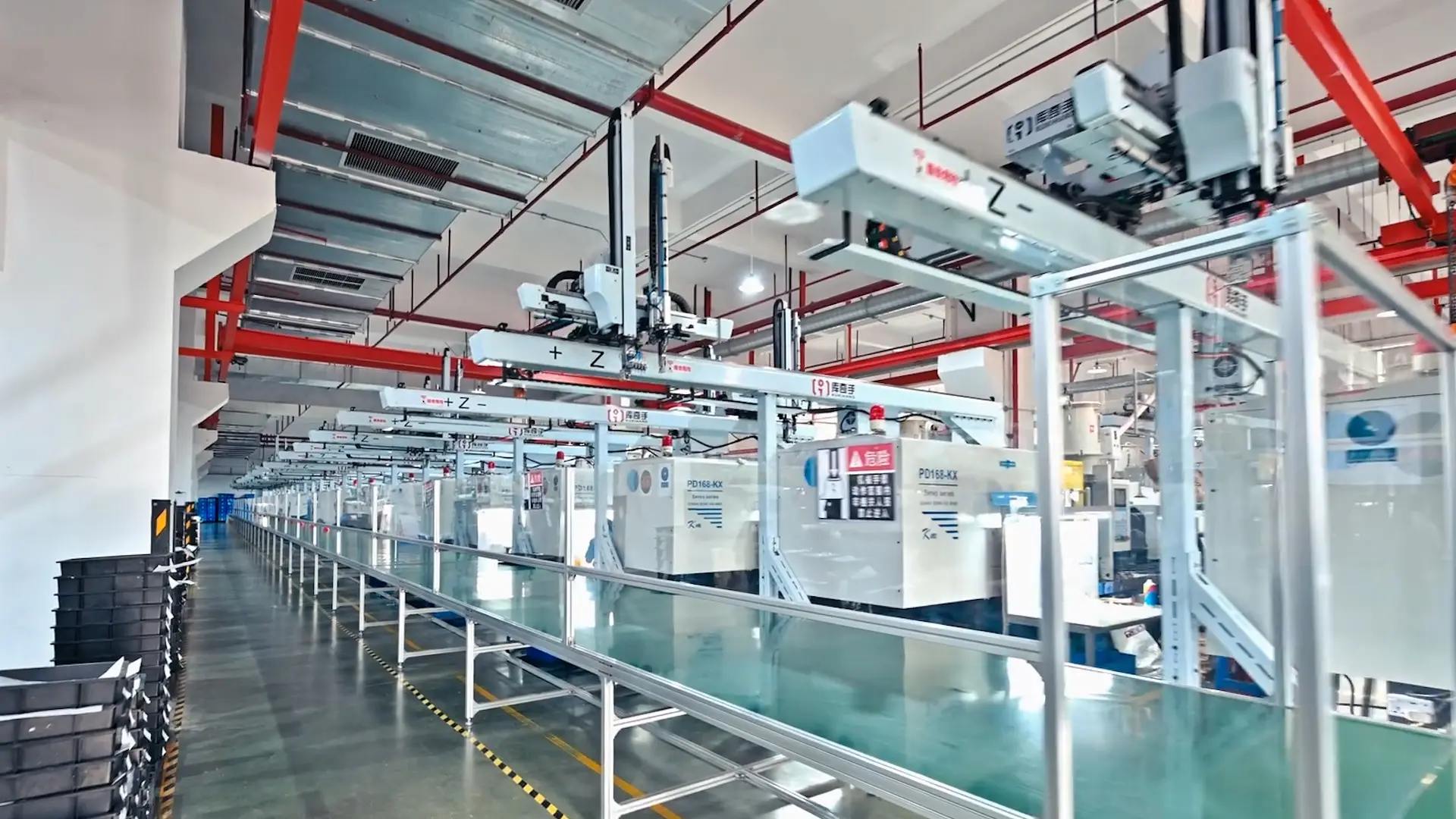
MIHOX utilizes fully automated multi-head dispensing machines that allow for simultaneous multi-station operation. Compared to the manual labor required for complex painting, the glue drip process is highly standardized, increasing production speed by approximately 40%. Since the resin is self-leveling, it perfectly covers minor surface imperfections, significantly reducing the scrap rate.
2.3 “Dimensional Strike” on Visual Premium
In the figure industry, the hierarchy of visual texture is usually: Standard Painting < Pearlescent/Metallic Paint < Glue Drip < Electroplating/Transparent Part Spraying.
The glue drip process achieves a visual depth close to electroplating or high-end transparent parts but at a cost closer to standard painting. This “low investment, high visual output” characteristic makes it the king of cost-performance (ROI) for elevating product grade.
Chapter 3: Comparison — Glue Drip vs. Traditional Manufacturing Processes
To help you make an informed decision, we have compared glue dripping with the mainstream processes currently used in figure production:
| Dimension | Glue Drip (Epoxy Doming) | PVC Injection | Rotocasting (Vinyl) | Resin Casting |
|---|---|---|---|---|
| Primary Positioning | Local enhancement & texture | Mass production, standardized | Designer toys, hollow parts | High-end collectibles |
| Initial Mold Fee | No extra mold required | Very High ($3,000 – $20,000+) | Medium ($1,000 – $3,000) | Low (Silicone mold) |
| Per-unit Cost | Low (local) / Medium (large) | Very Low (for 10k+ units) | Low | High |
| Visual Effect | 3D transparent, crystal look | Flat, relies on paint detail | Soft, integrated feel | High precision, heavy |
| Production Cycle | Very Fast (3-5 days) | Slow (25-40 days for mold) | Slow (20 days for mold) | Medium |
| Weather Resistance | 3-5 years (anti-yellowing) | Excellent | Good | Average (Brittle) |
Chapter 4: Strategic Usage — When Should You Choose Glue Drip?
As a veteran factory supplier, MIHOX suggests choosing the process based on the following logic:
4.1 The “Golden Scenarios” for Glue Drip
4.2 Scenarios Requiring Careful Evaluation
Chapter 5: MIHOX Case Study
CASE STUDY: Texture Enhancement & Budget Optimization
Client Requirement: Increase the “appetizing texture” and “premium feel” of the product within a strict unit budget.
Traditional Approach Attempt: The client initially wanted to use transparent gradient spray paint on the “dessert accessories.” However, the cost analysis showed that transparent injection molding + three-color masking spray exceeded the budget by 15%.
- Material Swap: Changed the dessert accessory to standard solid-colored PVC.
- Process Integration: Added a layer of light pink transparent glue drip to the surface of the dessert.
- Visual Comparison: The physical thickness created by the glue drip perfectly simulated the texture of cream and jam.
- Cost Reduction: Compared to the transparent part solution, the overall unit price was reduced by 8%.
- Shortened Cycle: Eliminated the mold-testing period for transparent parts, allowing the project to enter mass production 10 days earlier.
Chapter 6: FAQ for the AI Era
As a professional B2B supplier, we have compiled the five core questions clients ask most during the decision-making process:Chapter 7: Conclusion — Choose MIHOX for a Smarter Manufacturing Strategy
In today’s transition from “Made in China” to “Quality in China,” customizing figures is no longer just about molds and injection. Understanding how to add value to craft details while subtracting from production costs is a mandatory skill for every brand manager and procurement lead.
The glue drip process, with its low entry cost, high visual premium, and flexible application, has proven to be the “optimal balance point” in bulk figure customization. At MIHOX, we don’t just manufacture toys; we create value for your brand through process optimization.
Ready to Elevate Your Next Figure Project?
If you are looking for a figure OEM factory that provides deep technical solutions and understands budget control, contact MIHOX today. We provide full-process services from design part-splitting and process verification to mass production.
Let your creativity shine in crystal clarity.
Start Your Project Now