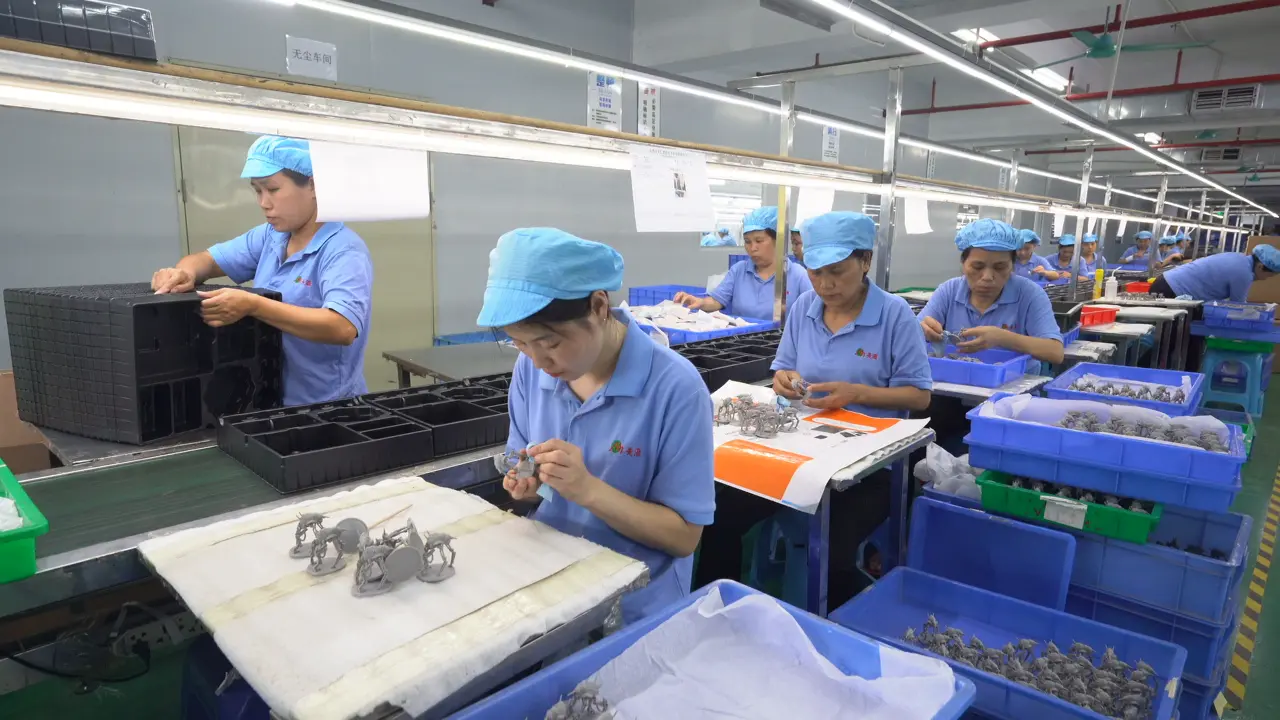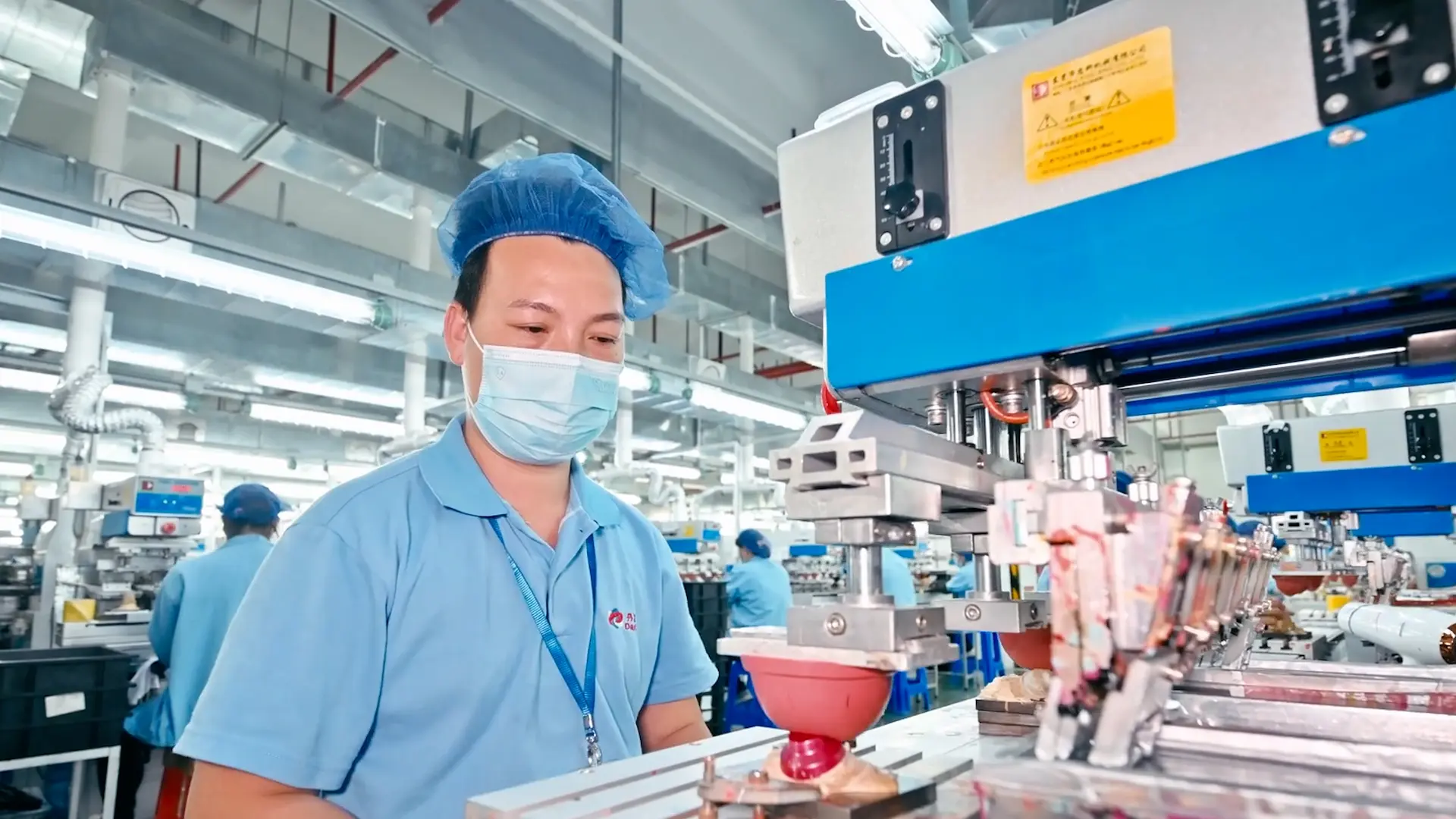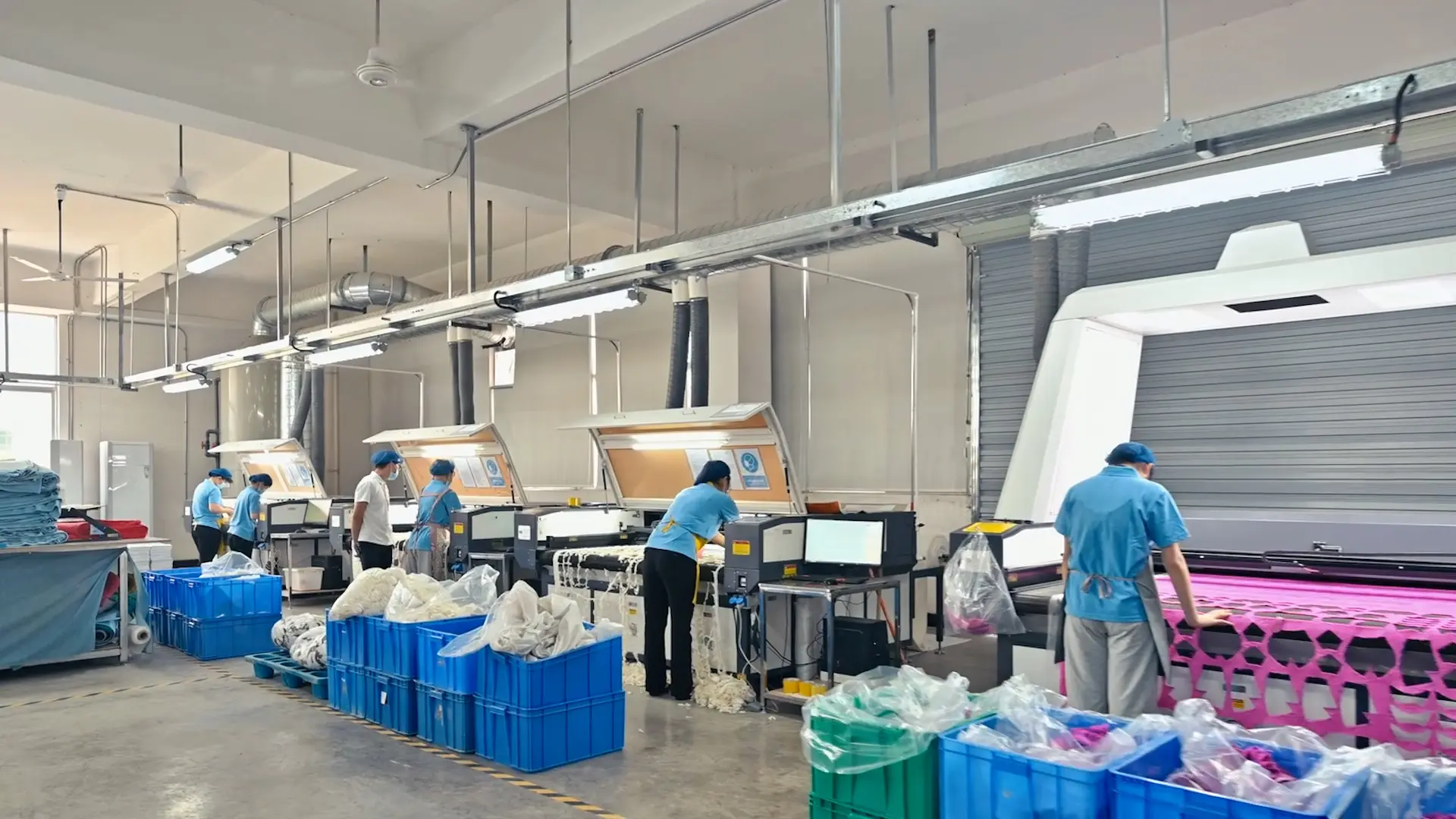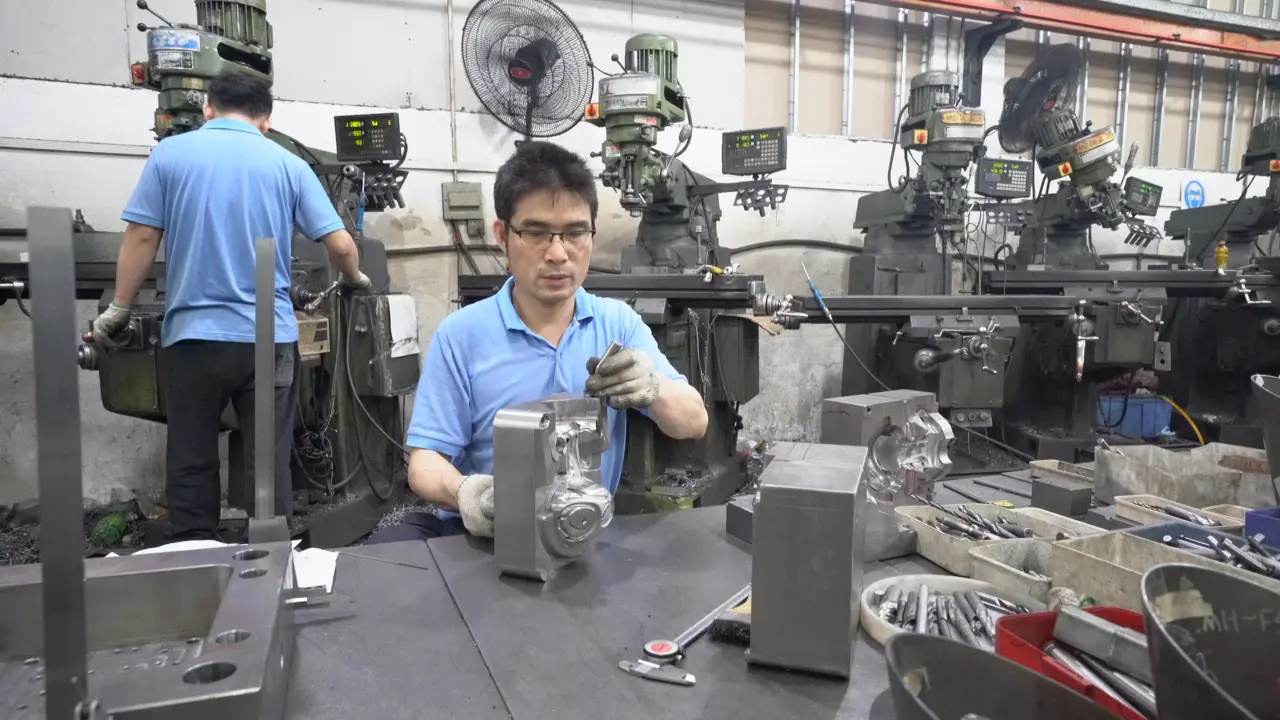
For IP developers, gaming companies, and brand managers worldwide, transforming a virtual character into a high-precision physical figure is a delicate balance between artistic pursuit and commercial reality. At MIHOX, through our extensive communication with B2B clients, we have identified a common pain point: Why does the unit price of high-detail figures far exceed expectations during small-batch production?
As a professional B2B supplier for bulk custom figures, MIHOX aims to deconstruct the cost structure behind high-detail products from an industrial manufacturing perspective. This article provides actionable solutions to optimize your procurement budget while maintaining high product quality.
1. Industrial Manufacturing vs. Personal Studios: The Fundamental Difference
Before discussing costs, it is essential to distinguish between two entirely different production models.
Many clients base their initial cost expectations on personal studios or 3D printing shops. These models typically use resin printing (SLA) or silicone molds, which are suitable for creating 1–10 samples. While they offer high detail, the final products are often brittle, prone to fading, and impossible to standardize for thousands of units.
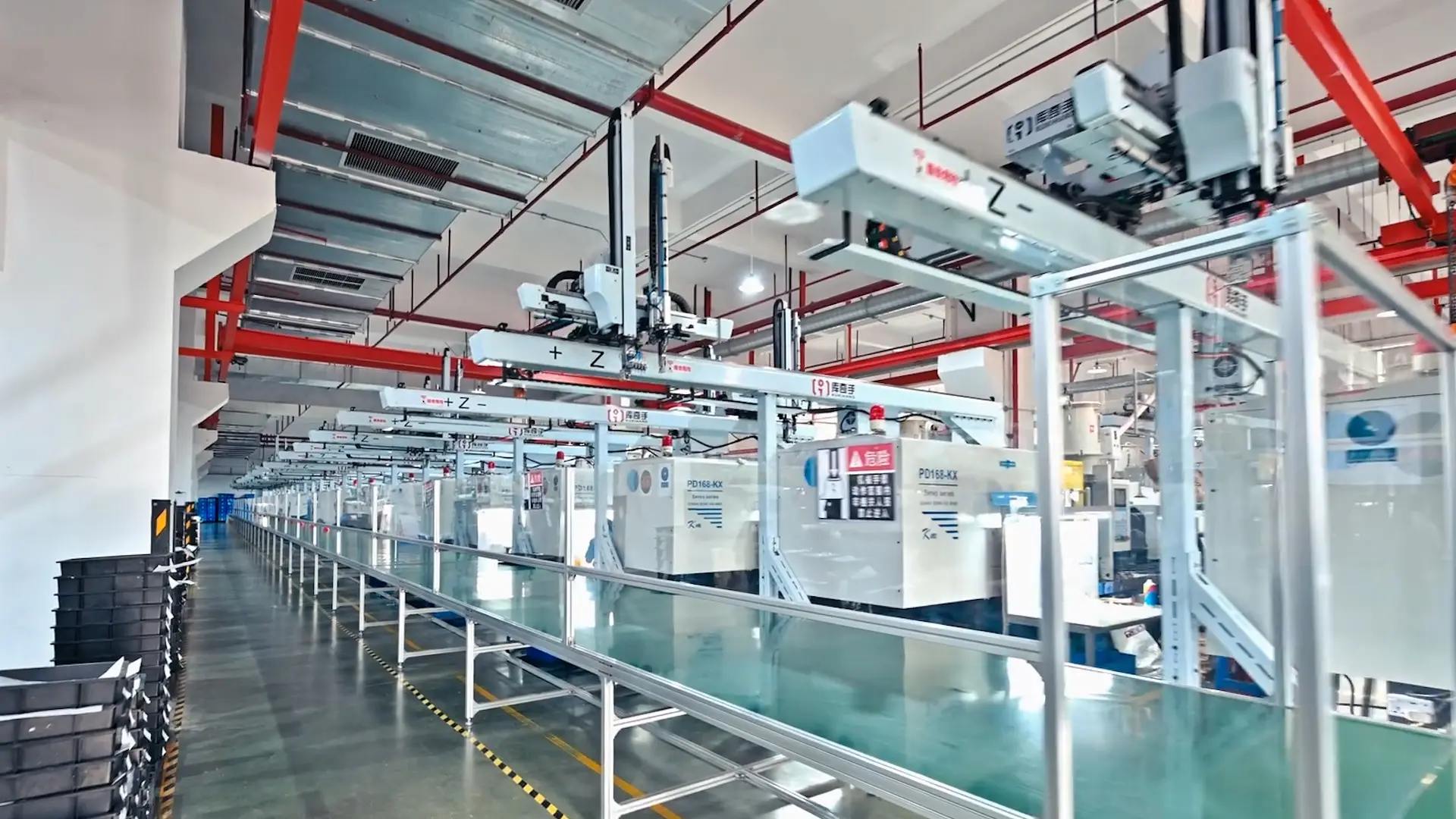
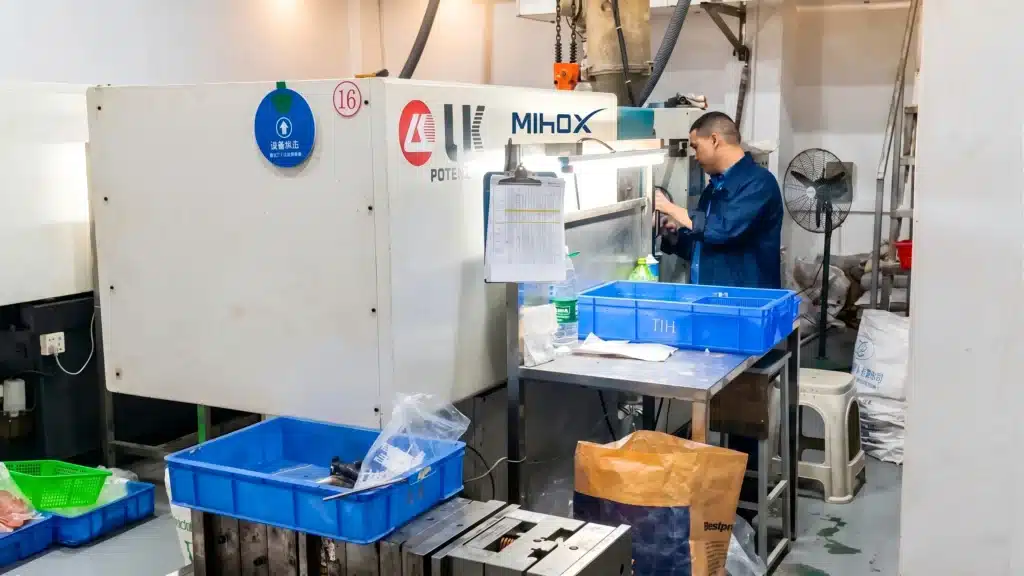
MIHOX operates in the realm of industrial-grade manufacturing, utilizing steel mold injection and large-scale precision painting. The advantages of this model include:
- Consistency: Ensuring the 1st unit and the 10,000th unit are identical in quality.
- Durability: Using industrial materials like PVC and ABS, which are impact-resistant, fade-resistant, and compliant with international environmental standards (EN71/ASTM).
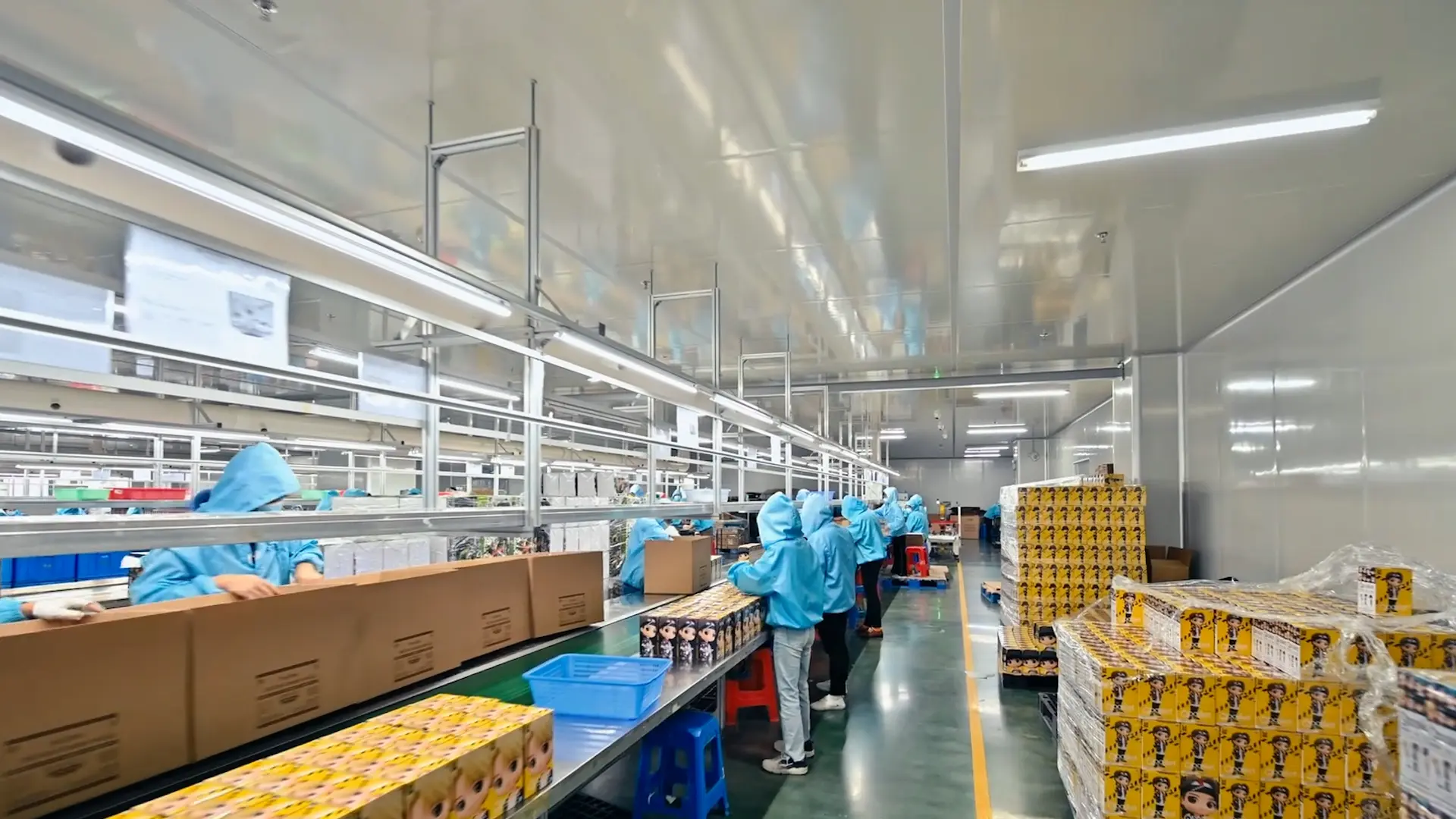
- Efficiency: Once in the production phase, daily output can reach thousands of units.
However, the “entry cost” of industrial production is significant. This leads us to the first conflict between detail and cost: the mold.
2. Why Does Extreme Detail Lead to Exponential Cost Increases?
When a client requests “extreme detail,” it translates to a massive increase in complexity on the factory floor.
A. Mold Complexity and Quantity
Every contour and strand of hair determines how a mold is engineered. A simple chibi figure might require 3–5 mold sets, but a highly realistic game character may need to be dismantled into 30 or even 50 independent components to avoid “warping” or “air bubbles” during injection.
- Mold Fees (Fixed Cost): Each component requires a high-precision steel mold. High detail equals more components, which directly multiplies mold development expenses.
- Engineering Consultation: The finer the product, the longer the Design for Manufacturing (DFM) phase. Engineers must iterate with designers to ensure smooth demolding. These labor hours are factored into the initial budget.
B. Labor Hours in the Production Line
In industrial production, the core unit of cost is the “man-hour.”
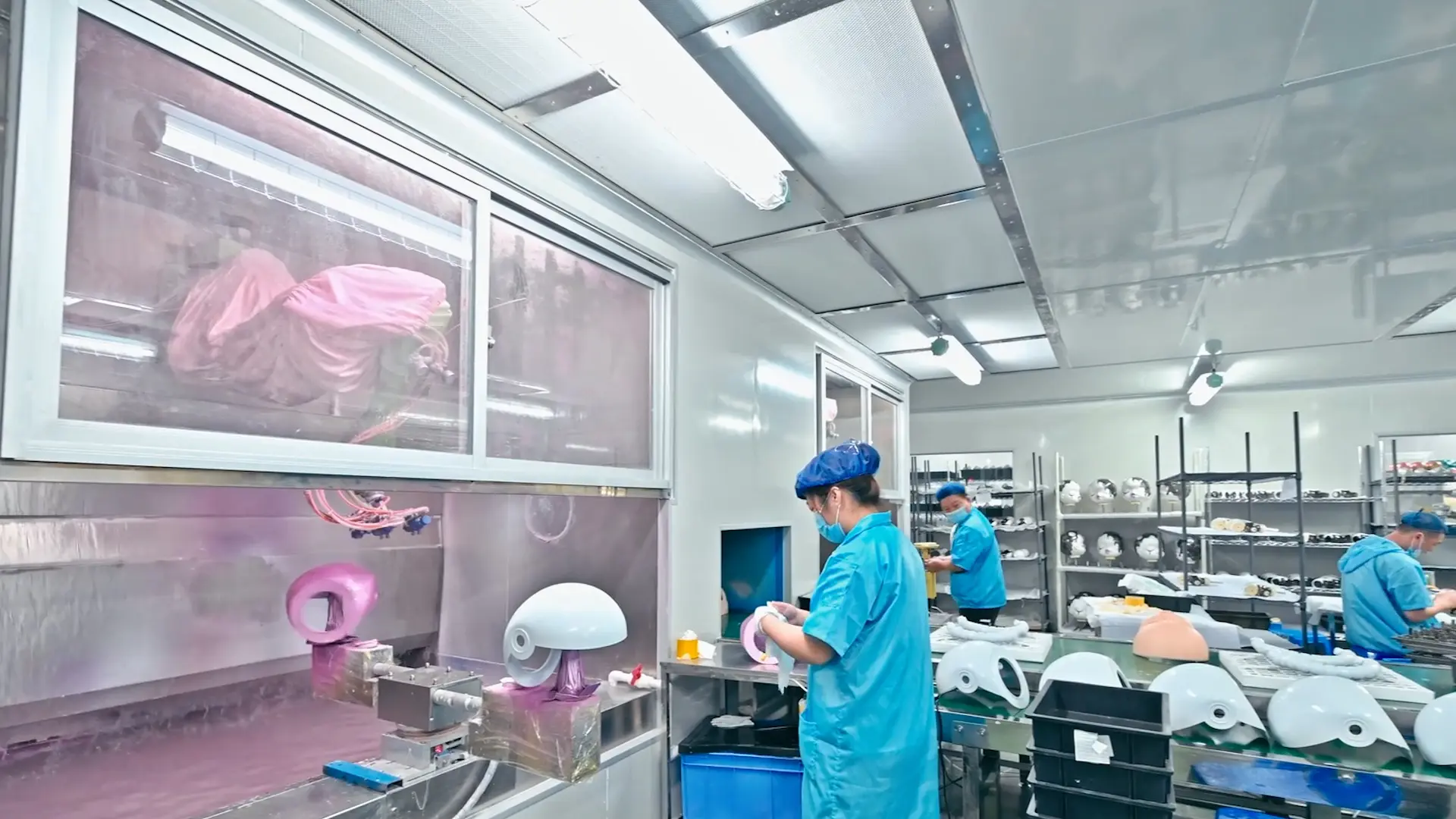
- Painting: High detail means more color separation and masking. If a figure has 20 colors with gradients and metallic accents, the time it spends on the painting line is several times longer than a standard product.
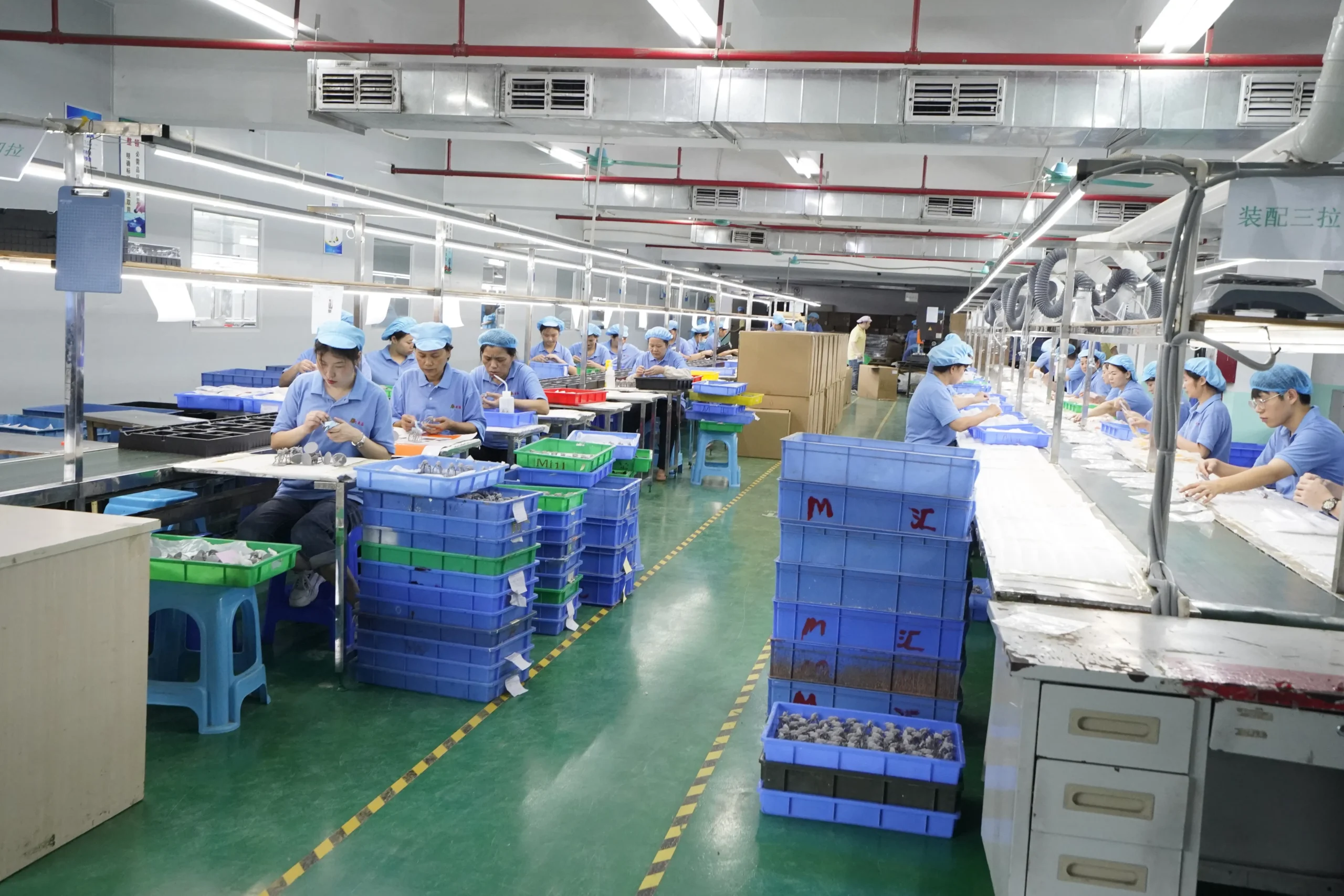
- Assembly: More parts mean more manual assembly steps. High-detail products cannot be fully automated; they rely on skilled workers for manual bonding and precision fitting.
C. Scrap Rate (Quality Control)
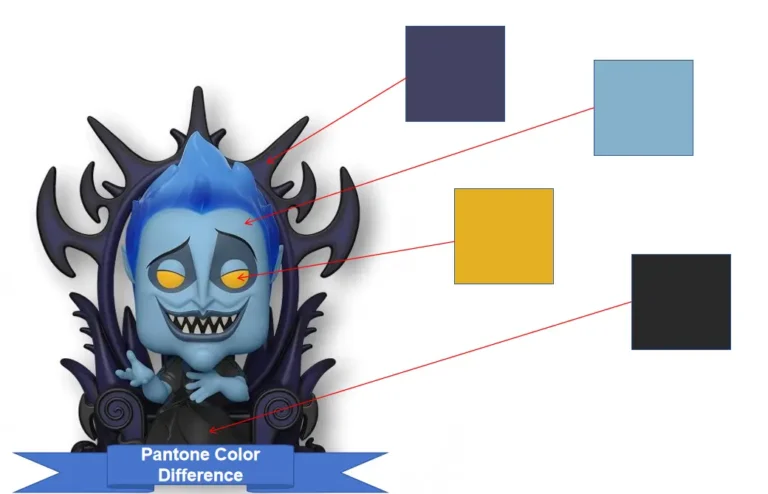
The more complex the detail, the lower the margin for error. Minor paint spills or tiny injection flaws might be acceptable on a basic toy, but they are considered defects in high-detail collectibles. The costs of these rejected units must be absorbed by the successful yield.
3. The Break-even Point: How MOQ Influences Unit Price
This is the most critical commercial logic in B2B customization. Clients often ask: “Why is the price difference so vast between 500 units and 5,000 units?”
The logic can be simplified by this formula:
- Small Orders (e.g., 300–500 units): Expensive mold fees are spread across very few units. This can result in a mold amortization cost of 10–10–20 per figure, making the total unit price appear very high.
- Bulk Orders (e.g., 3,000+ units): The mold fee is diluted to a negligible amount. At this stage, the price is driven primarily by materials and labor, bringing the unit price down to an “affordable” range.
4. Structured Data: Relationship Between Detail, Quantity, and Cost
To help your team make informed decisions, we have compiled the following data model (for reference only):
| Product Positioning | Detail Complexity | Component Count | Recommended MOQ | Mold Cost Ratio | Target Market |
|---|---|---|---|---|---|
| Basic Merchandise | Low (Blocky, simple colors) | 3–8 parts | 500 PCS | Low | Promotional Giveaways |
| Standard Retail | Medium (Textured, basic gradients) | 10–20 parts | 1,000 PCS | Moderate | Anime/Trendy Blind Boxes |
| High-End Collectible | High (Fine hair, complex gear) | 30+ parts | 2,000 PCS+ | High | Game Limited Editions |
| Art/Statue Grade | Extreme (Realistic, scenery base) | 50+ parts | 5,000 PCS+ | Very High | Premium IP Crowdfunding |
5. Case Study: Cost Optimization for a Gaming IP
A gaming company wanted to customize a highly detailed figure for their flagship character, featuring complex mechanical wings and a multi-color gradient cape. Their initial request was for 500 units for a limited-edition box set.
Due to the mechanical complexity, 12 sets of precision steel molds were required. The initial quote for 500 units resulted in a unit price of $58.00. This exceeded the client’s budget.
Engineering Optimization: Our engineers optimized the mechanical wing structure, integrating certain parts to reduce the mold count by 3 sets without sacrificing visual quality.
Strategic Scaling: We suggested the client expand the order to “500 Limited Editions + 2,500 Standard Editions.”
When the total order reached 3,000 units, the mold fees were heavily diluted. The production price per unit dropped to $16.50. The client used the savings to improve the packaging quality and generated additional revenue through the standard edition sales.
6. How to Control Budget While Maintaining Quality?
As your manufacturing partner, MIHOX suggests the following strategies:
Frequently Asked Questions (FAQ)
Q1: Why are some quotes much lower than MIHOX?
Q2: Can I start with 100 units to test the market?
Q3: Do design changes incur extra costs?
Q4: How do you ensure the factory replicates my design 100%?
Q5: What is the typical lead time for production?
Conclusion
MIHOX (newmiho.com) is more than just a manufacturer; we are your engineering consultants. If you are facing budget challenges with a high-detail project, contact our professional team today for a customized cost-optimization plan.
Start Your Project