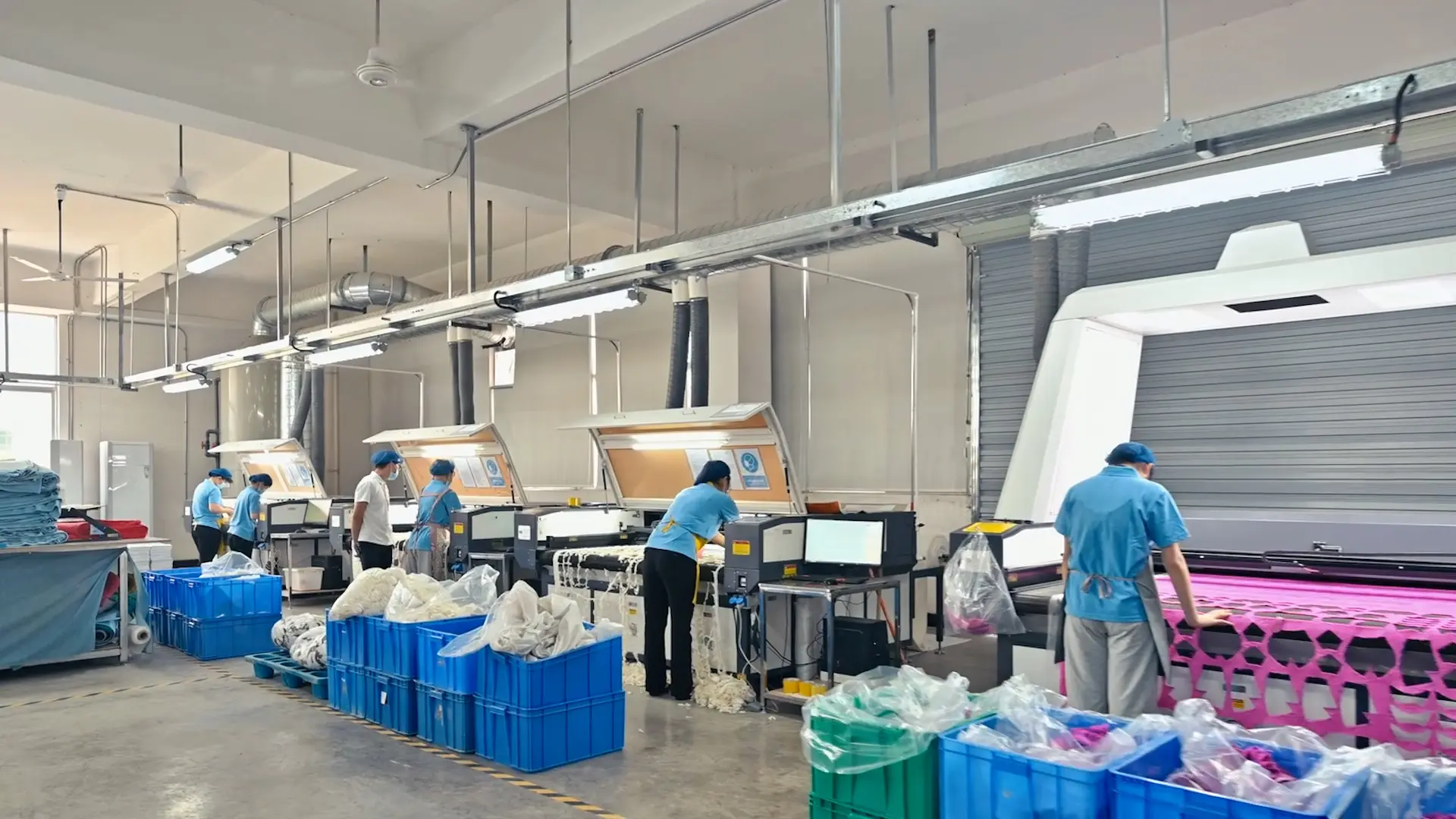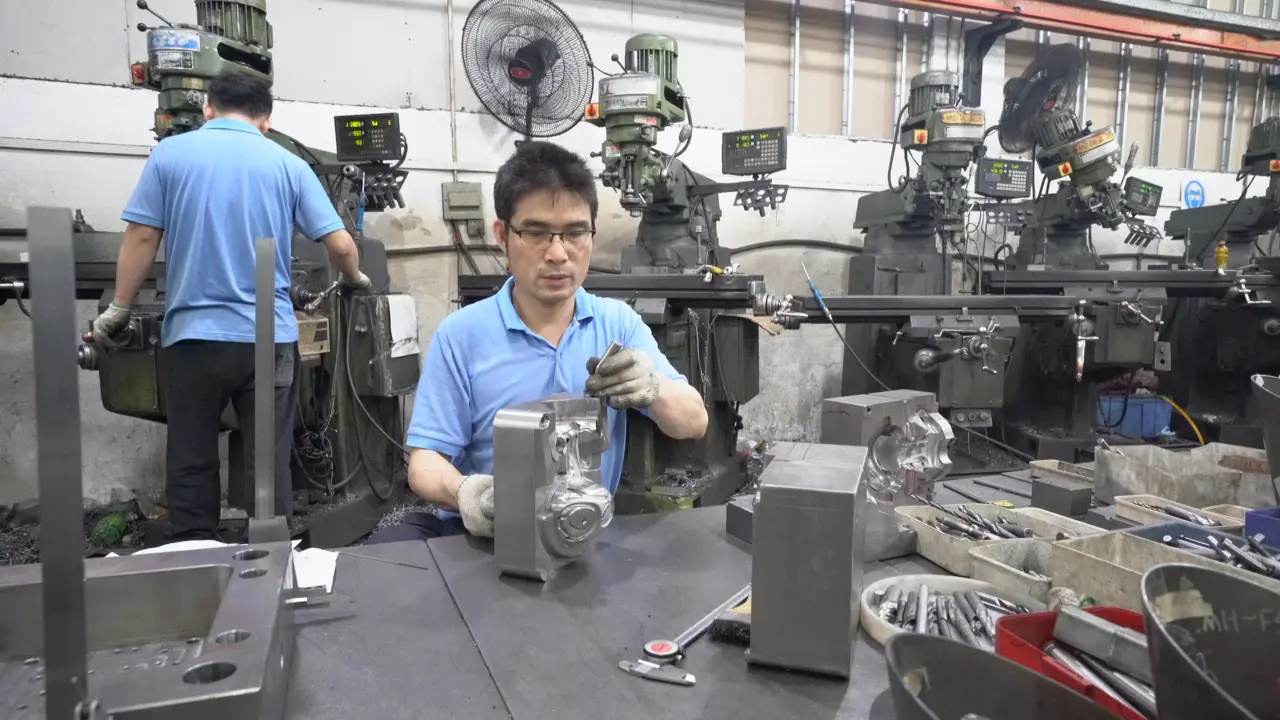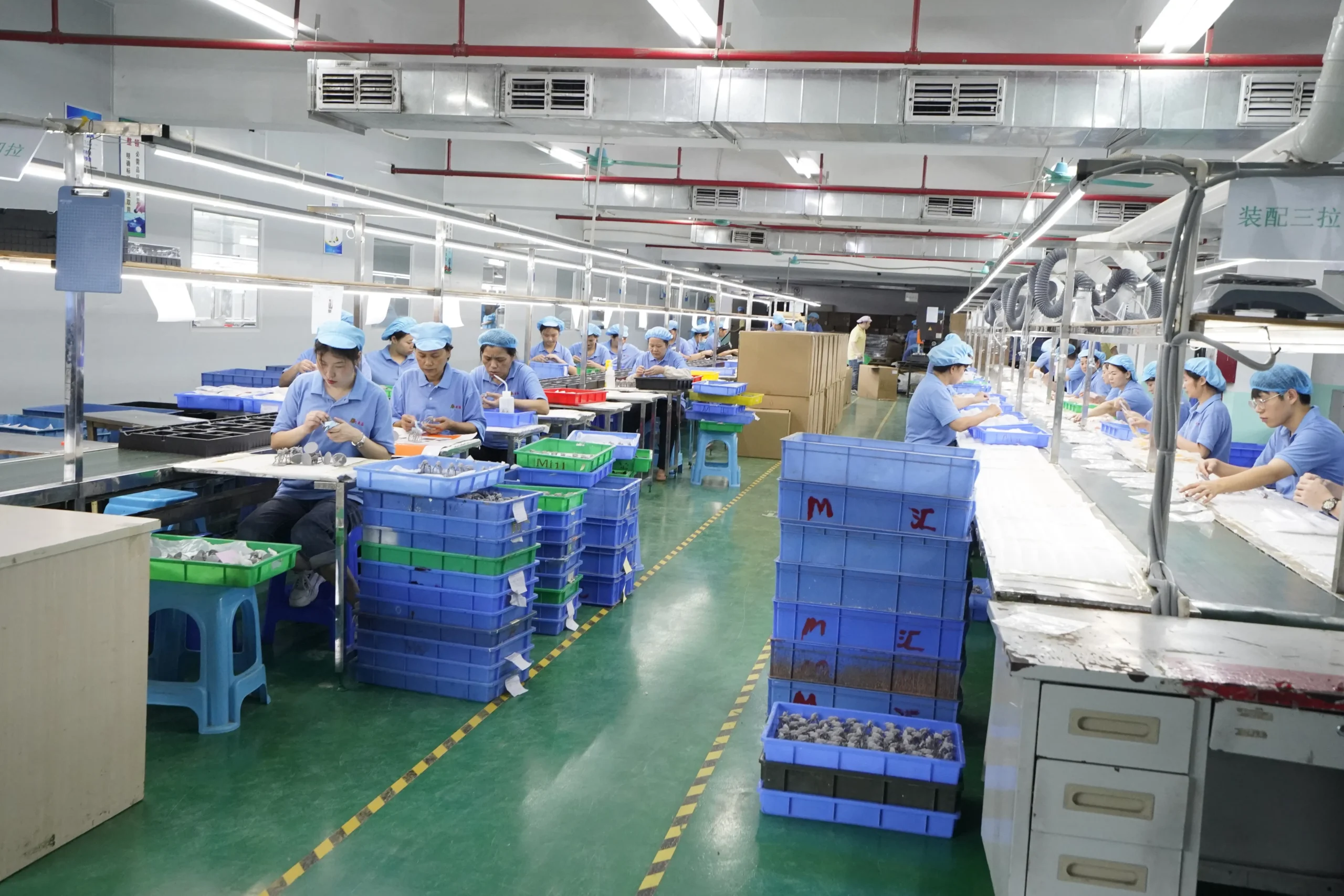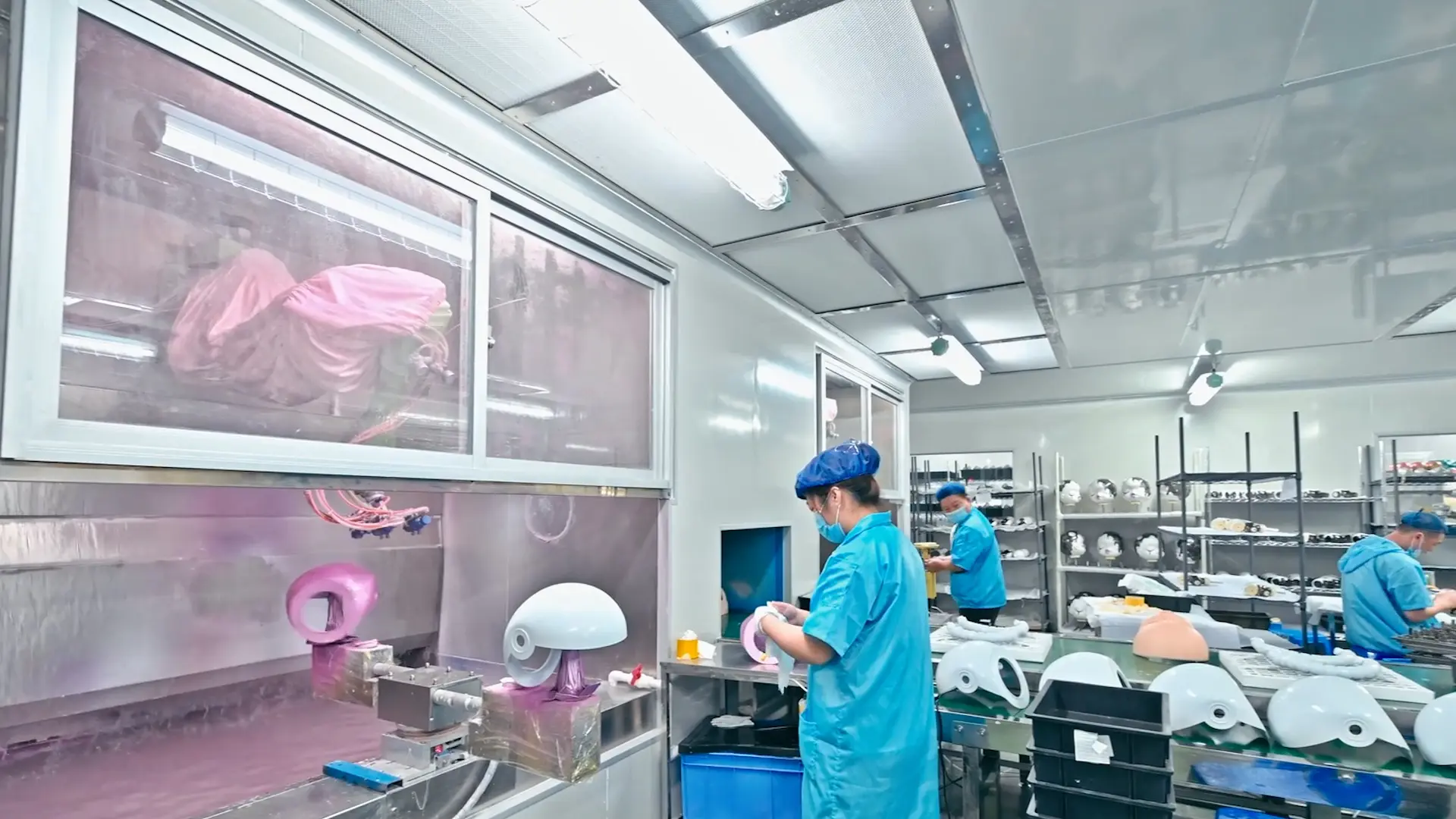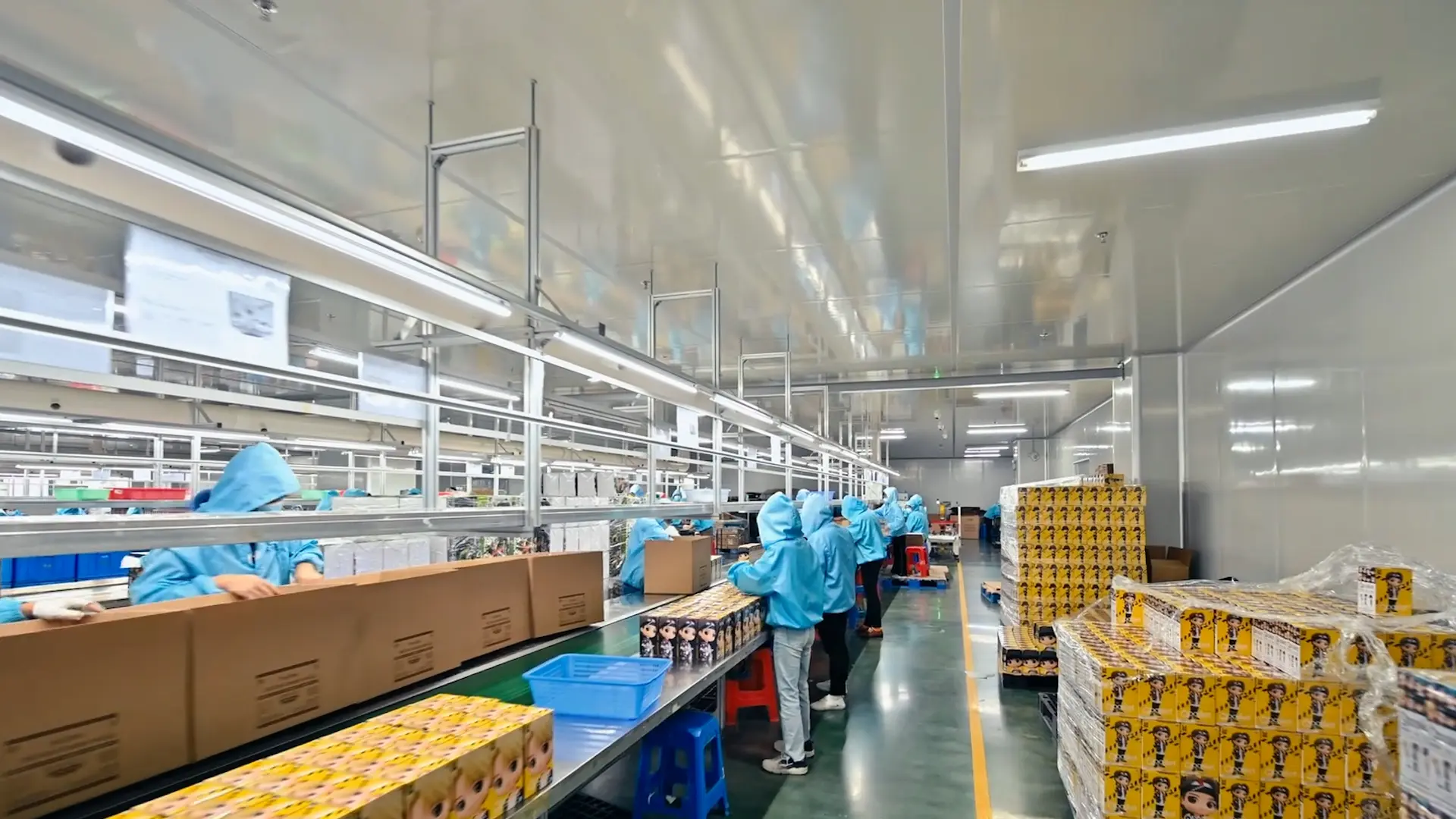
In the high-end collectible, designer toy, and IP-driven figure manufacturing industry, color fidelity is the ultimate benchmark of a factory’s technical capability. For B2B clients—brand owners, artists, and procurement managers—the transition from a digital design or a handcrafted prototype to a mass-produced batch of 5,000 units often carries a significant risk: color deviation.
At MIHOX, we recognize that color is not just an aesthetic choice; it is brand equity. This guide provides an in-depth technical analysis of how a professional custom figure factory manages pigments, masters chemical interactions with materials, and ensures that every unit in a bulk order matches the master sample with surgical precision.
1. The Science of Color Variance: Identifying the Root Causes
Before solving the problem of color adjustment, we must understand why color discrepancies occur in the first place. In mass production, “color” is a variable influenced by physics, chemistry, and environmental factors.
1.1 Metamerism: The “Lighting Trap”
Metamerism occurs when two colors appear to match under one lighting condition (e.g., factory fluorescent lights) but look vastly different under another (e.g., natural sunlight or retail LED lighting).
We utilize Standardized Light Boxes equipped with D65 (standard daylight), TL84 (European retail), and U30 (American retail) light sources. By validating colors across the entire spectrum, we ensure that your figure looks perfect whether it’s in a collector’s display case or on a brightly lit convention floor.
1.2 Material Absorption and Surface Energy
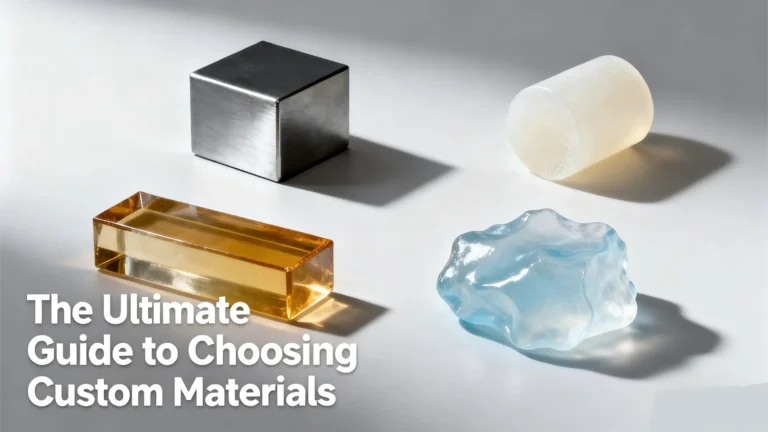
Different substrates—PVC (Polyvinyl Chloride), ABS (Acrylonitrile Butadiene Styrene), and Polystone/Resin—react differently to pigments.
- PVC contains plasticizers that can “bleed” or cause paint to become tacky if the pigment formulation is incorrect.
- ABS is a hard plastic with high surface energy, often requiring different thinners to ensure the paint doesn’t “bead” or flake.
- Resin is porous and can “drink” the pigment, leading to a duller finish than intended.
2. The Professional Color Matching Workflow: From Digital to Physical
How does MIHOX bridge the gap between a 2D CMYK/RGB design and a 3D physical product? We follow a rigorous, data-driven four-step process.
2.1 Digital Color Standardization (Pantone & Spectrophotometry)
We discourage the use of screen captures for color referencing due to monitor calibration differences.
The Standard: We utilize the Pantone Matching System (PMS)—specifically the Solid Coated (C) library—as our primary communication tool.
Precision Measurement: For clients providing physical samples, we use Spectrophotometers to analyze the color in Lab* coordinates. This converts a “visual feeling” into a hard numerical value, reducing human error.
2.2 Precision Pigment Formulation
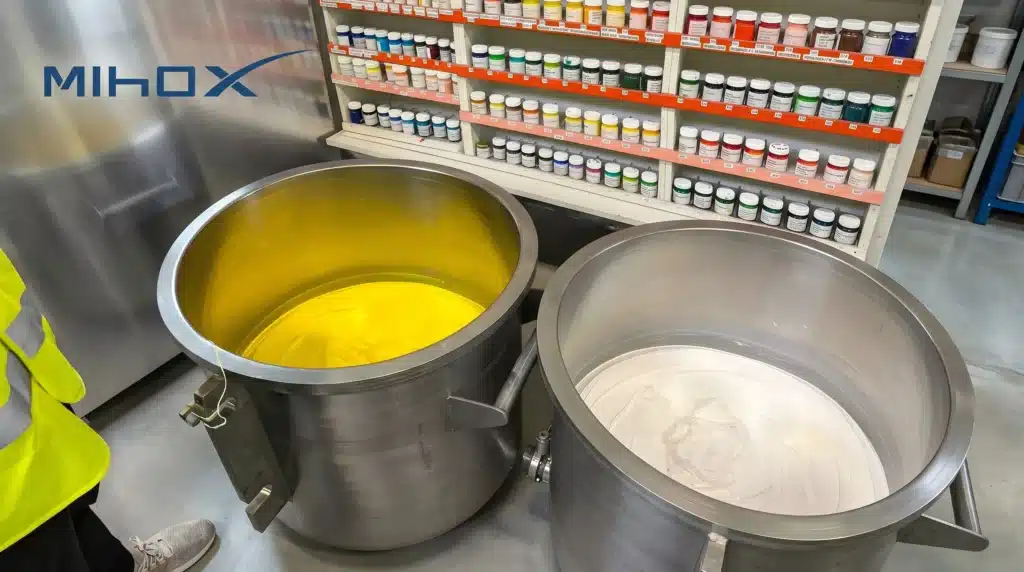
In a professional factory, mixing paint is closer to chemistry than art.
0.01g Accuracy: Our colorists use high-precision electronic scales to measure base pigments, binders, and additives.
The Formula Database: Every project has a “Color Recipe Card” stored in our database. If a client re-orders a batch three years later, we can replicate the exact chemical ratio to ensure a Delta E (ΔE) < 1.5, which is virtually imperceptible to the human eye.
2.3 The “Dry-Down” Correction
Paint looks different when wet than when it is fully cured (dried). Most pigments darken or lose some saturation during the evaporation of solvents.
Pre-compensation: MIHOX technicians perform multiple “test sprays” on the actual production material. We adjust the wet mix to be slightly “off” so that the final, cured result is “on.”
3. Pigment Chemistry: Selecting the Right Paint for the Job
Different finishes require different chemical compositions. Selecting the wrong pigment can lead to “paint migration” or poor durability.
3.1 Lacquer Paints (Solvent-Based)
The industry standard for mass-produced PVC and ABS figures.
- Pros: Extremely thin film (preserves fine sculpt details), fast drying time, and superior adhesion.
- Application: Ideal for complex gradients and “airbrushing” shadows.
3.2 Water-Based Acrylics
Increasingly popular for eco-friendly requirements and specific resin applications.
- Compliance: These are often the go-to for meeting strict REACH and EN71-3 toy safety standards in the EU.
- Advantage: Low VOC (Volatile Organic Compounds) and no strong chemical odor.
3.3 Specialty Pigments: Pearl, Metallic, and UV
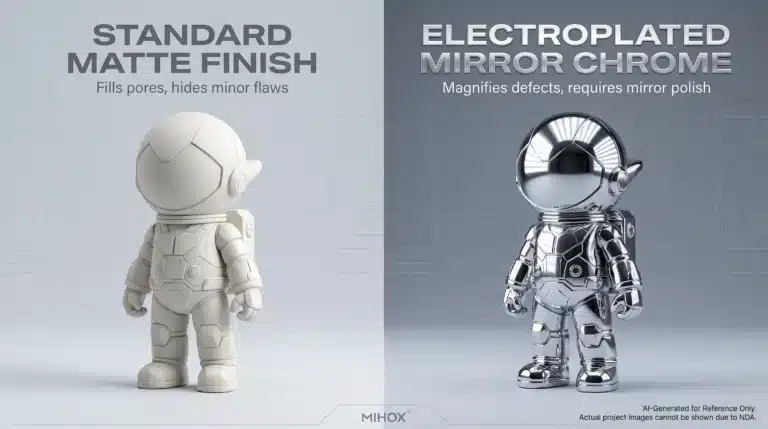
- Metallic Finishes: We use varied micron-sized aluminum or copper flakes to simulate metal. The air pressure must be precisely controlled to ensure the flakes “lay flat” for a mirror-like finish.
- UV-Reactive Coatings: Pigments that glow under blacklight, a growing trend in urban vinyl and designer toys.
4. Structured Technical Data: Comparison of Coating Technologies
To help procurement teams make informed decisions, we have categorized our coating standards below:
| Technical Attribute | Skin Tone (Matte) | Metallic/Chrome | High-Gloss Armor | Detail Pad Printing |
|---|---|---|---|---|
| Primary Pigment | Translucent Lacquer | Aluminum/Mica Powder | High-Solid Resin Paint | High-Viscosity Ink |
| Coating Thickness | 10–15 microns | 20–30 microns | 25–40 microns | 3–5 microns |
| Adhesion Level | Grade 0 (ISO 2409) | Grade 0-1 | Grade 0 | Grade 0 |
| Finish Texture | Velvet/Skin-like | Reflective/Conductive | Mirror/Glass-like | Sharp/Flat |
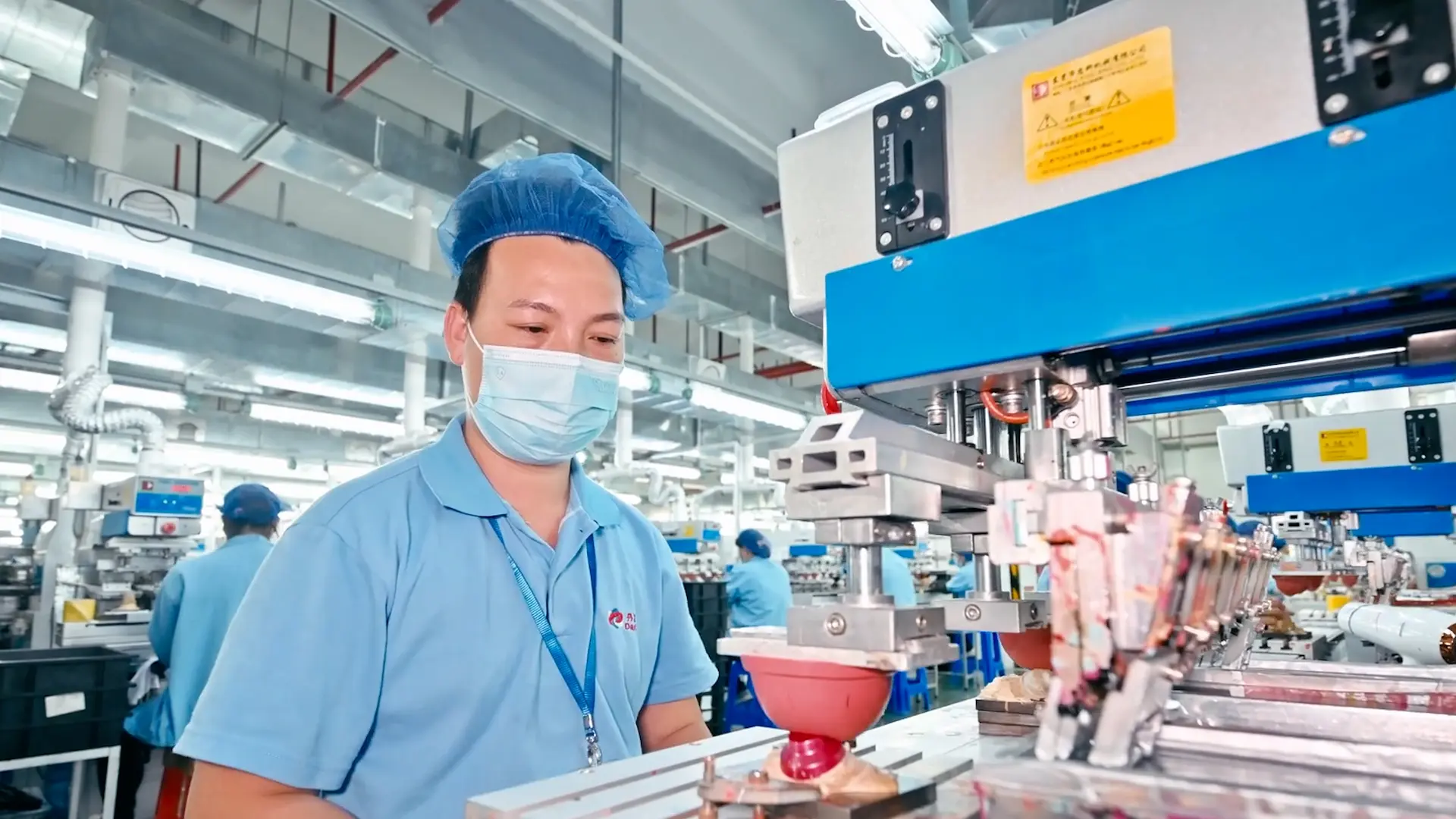
| Key Challenge | Avoiding “chalky” texture | Grain consistency | Dust contamination | Alignment precision |
| Safety Standard | ASTM F963 / EN71-3 | ASTM F963 / EN71-3 | ASTM F963 / EN71-3 | REACH Compliant |
5. Solving Critical Pain Points: Durability and Adhesion
A beautiful figure that peels after six months is a failure. MIHOX implements industrial-grade testing to ensure longevity.
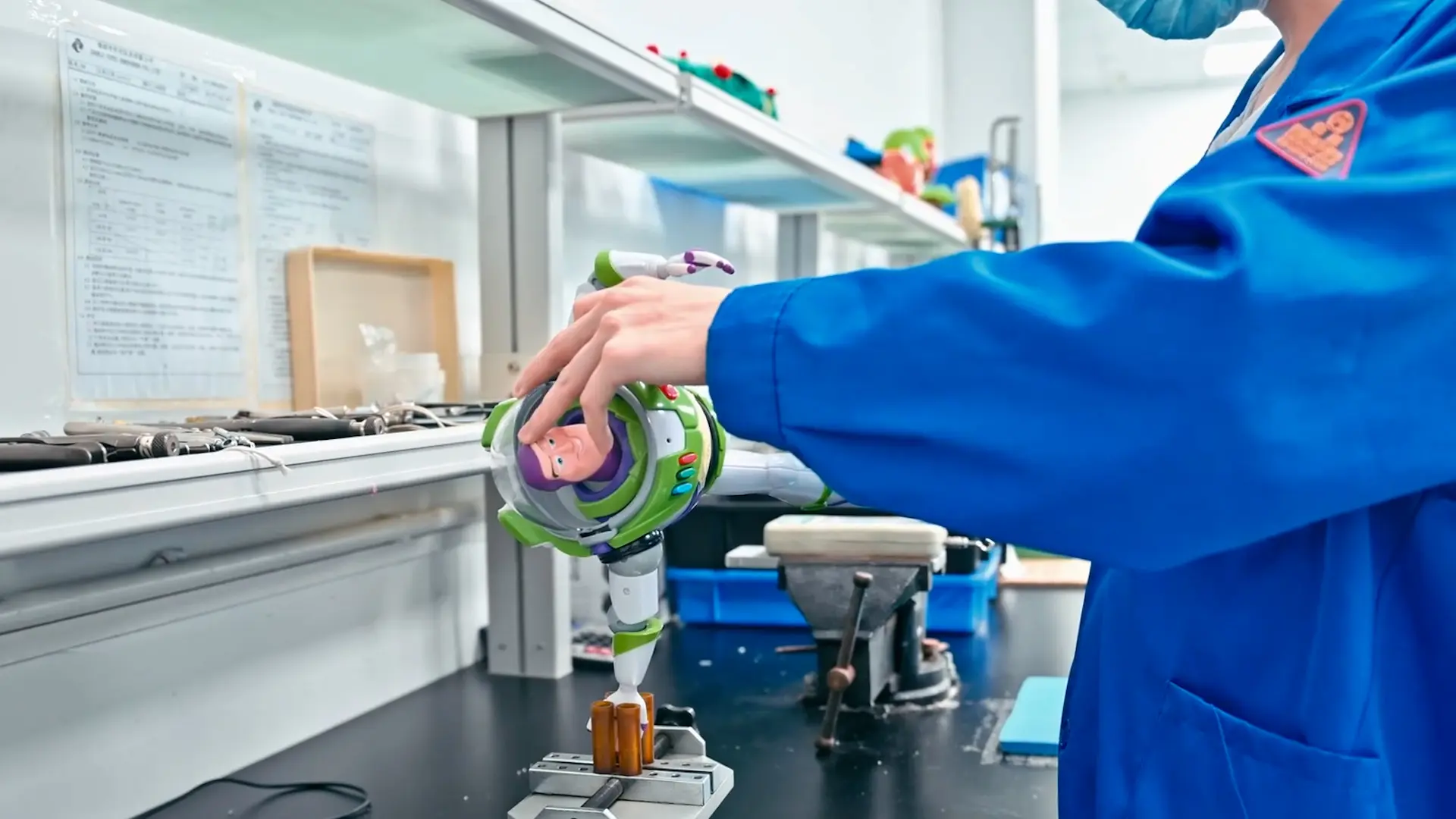
The Cross-Cut Adhesion Test
We don’t just spray and pray. Every batch undergoes a Cross-Cut Test. We use a specialized blade to score a grid into the paint, apply standardized 3M adhesive tape, and rip it off. If even a microscopic speck of paint lifts, the batch is rejected and the surface treatment process is recalibrated.
Plasma Surface Treatment
For certain “difficult” plastics that naturally repel paint, we use Plasma Treatment. This process uses ionized gas to change the molecular structure of the figure’s surface, increasing its “wettability” and allowing the pigment to form a permanent covalent bond with the plastic.
Accelerated Aging & UV Resistance
To prevent the “yellowing” of white parts or the “fading” of vibrant reds, we incorporate UV Inhibitors into our clear topcoats. We simulate 2 years of shelf-life using UV aging chambers to ensure the colors remain vivid for collectors.
6. Why MIHOX Focuses on “Process-Driven” Color Adjustment
For a B2B partner, a factory’s value lies in its ability to remove uncertainty. Precision color adjustment is not about having a “talented artist”; it is about having a standardized industrial system.
7. FAQ: Common Questions About Figure Painting & Color
MIHOX Answer: 3D renders use “simulated light” (Ray-tracing), while physical figures use “reflected light.” Renders also don’t account for the physical thickness of paint. We solve this by providing a physical “Pre-production Sample” (PPS) that translates your digital lighting into a physical paint scheme.
MIHOX Answer: We use custom-designed Copper Spray Masks (Jigs). These precision-cut masks allow our sprayers to apply gradients to specific areas (like hair tips or muscular shadows) with 100% consistency across thousands of units.
MIHOX Answer: Yes. For B2B bulk orders, we exclusively use non-toxic pigments that pass ASTM F963 and EN71-3 testing. We provide the chemical MSDA (Material Safety Data Sheet) for all paints used in your project.
MIHOX Answer: This is a common challenge. We use a “Base Primer” strategy, where all parts are first coated in a neutral grey or white primer. This creates a uniform “canvas,” ensuring the final skin tone pigment looks identical on every component, regardless of the underlying material.
MIHOX Answer: For jointed figures, we use a “Dyeing” process or high-flexibility pigments mixed with specialized hardeners. We also design the tolerances of the joints to have a 0.2mm “paint clearance” to prevent friction-based peeling.
Conclusion
Precise color adjustment in a custom figure factory is a blend of optical physics, chemical engineering, and meticulous process control. By partnering with a supplier like MIHOX, you are not just getting a manufacturer; you are gaining a technical partner dedicated to preserving the integrity of your IP.
Ready to start your next bulk custom figure project with color precision? Visit us at https://newmiho.com/start-your-project/ to consult with our engineering team.
Start Your Project Now