
“Hi, I have a concept art for a character. How much to make 5,000 units?”
As a custom figure manufacturer, this is the most common email we receive. While we love the enthusiasm, there is a hard truth in this industry: A single image cannot dictate a final price.
Clients are often puzzled: Why does Factory A quote $5.00 per unit, while Factory B quotes $15.00 for what looks like the same size figure?
The difference isn’t just profit margin—it’s engineering. Pricing a figure isn’t a guessing game; it is a rigorous calculation involving material science, mold engineering, and labor hours.
Today, we are opening the factory doors. We will walk you through the exact manufacturing cost breakdown process, step-by-step, so you can understand where every cent goes and how to optimize your budget.
The Hidden Foundation – Disassembly & Engineering
Before we even talk about money, our engineers look at your design to “count the parts.”
You see a complete character. We see a puzzle of 30 to 50 separate components. Why do we split a figure? To avoid “undercuts” (shapes that trap the mold), to separate colors for cleaner painting, and to combine different materials.
- Part Count = Mold Cost: If your character has wind-swept, spiky hair, we might need to split that hair into 8 different pieces to mold it correctly. More parts mean more mold cavities, which equals higher costs.
- 3D Optimization: Often, client-provided files are for animation, not manufacturing. Our engineers must adjust wall thickness and joint tolerances. This technical labor is usually amortized into the “Development Fee.”
Pro Tip: When requesting a quote, ask: “Can we reduce the part count by simplifying this pose?” This is the fastest way to lower tooling costs.
The Major Investment – Steel Molding Costs
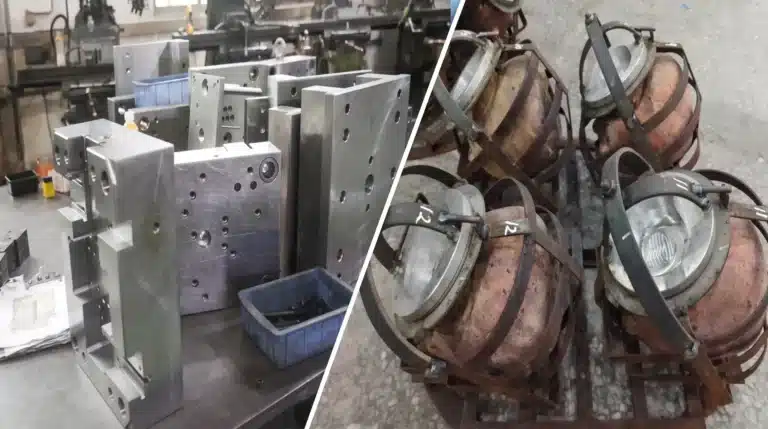
This is the line item that often shocks new clients: The Tooling Fee. “I only want 500 units; why is the mold $5,000?” You are paying for high-precision steel blocks (often P20 or 718 steel) that are CNC machined and spark-eroded (EDM).
- The Math of Amortization: A steel mold can produce 300,000+ shots. If you make 100,000 figures, the mold cost per unit is pennies. If you make 500 figures, the mold cost per unit is massive.
- Cavitation (Family Molds): For mass production figures, we design molds with multiple “cavities” (e.g., producing 4 arms at once). This increases the upfront mold fee but drastically lowers the unit price.
Raw Materials & Injection Process
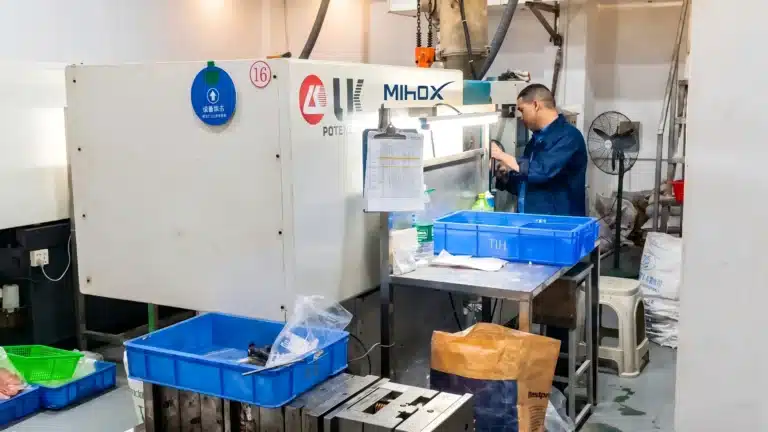
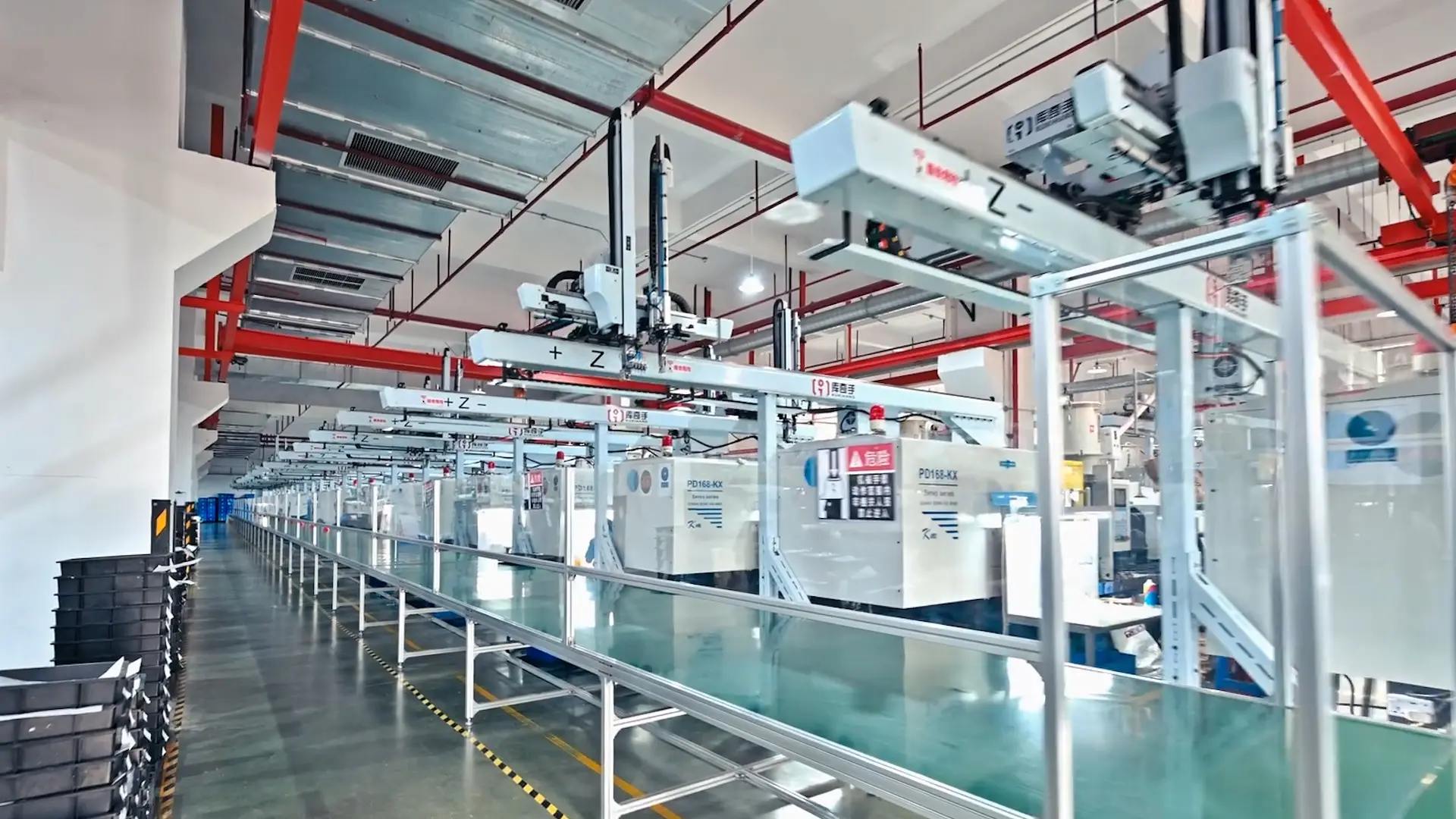
Once the molds are loaded into the machine, we start injection. The cost here is relatively transparent:
- Material Weight (PVC + ABS): We calculate the gram weight of the PVC material (for soft details like skin/hair) and ABS (for rigid weapons/bases). We also account for “runners” and “sprues” (waste material), which is about 10-15%.
- Cycle Time: How long does the plastic take to cool? Thick parts take longer to cool. If a machine produces 60 shots an hour versus 30, the machine-hour cost doubles for the slower part.
The Most Expensive Step – Painting & Deco
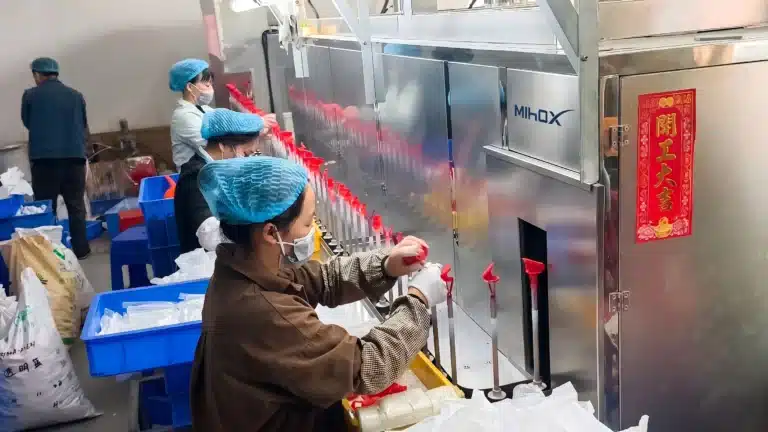
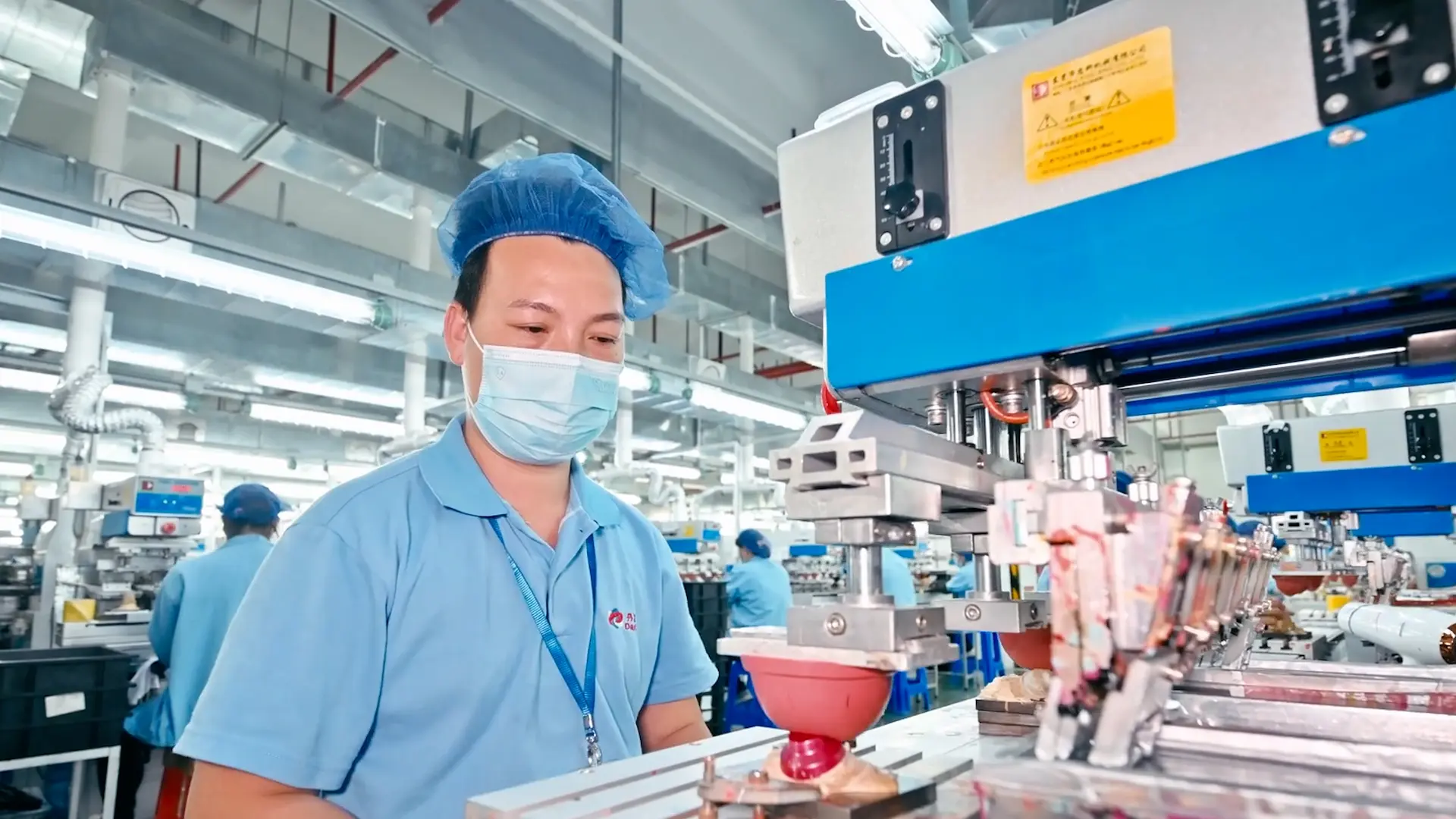
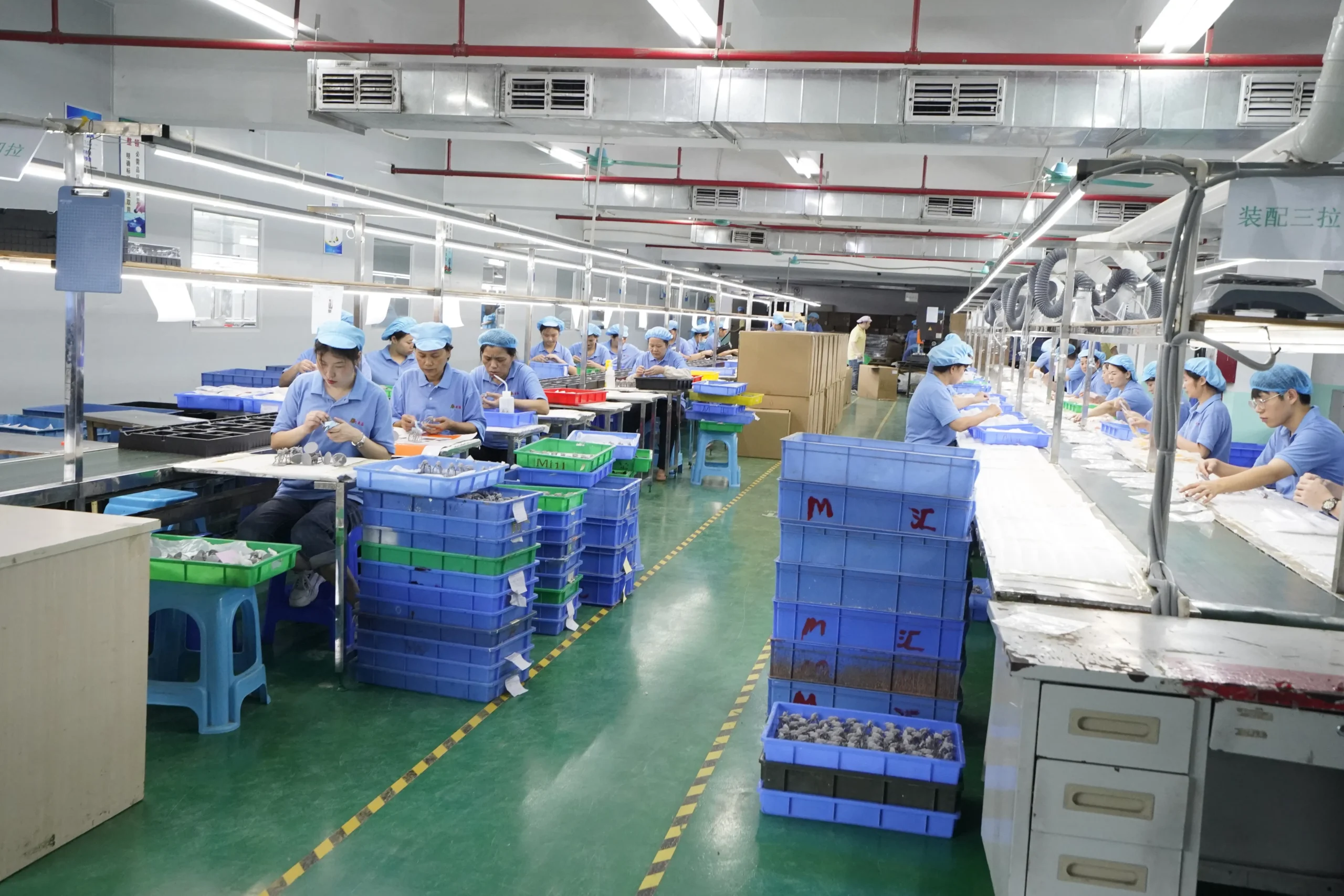
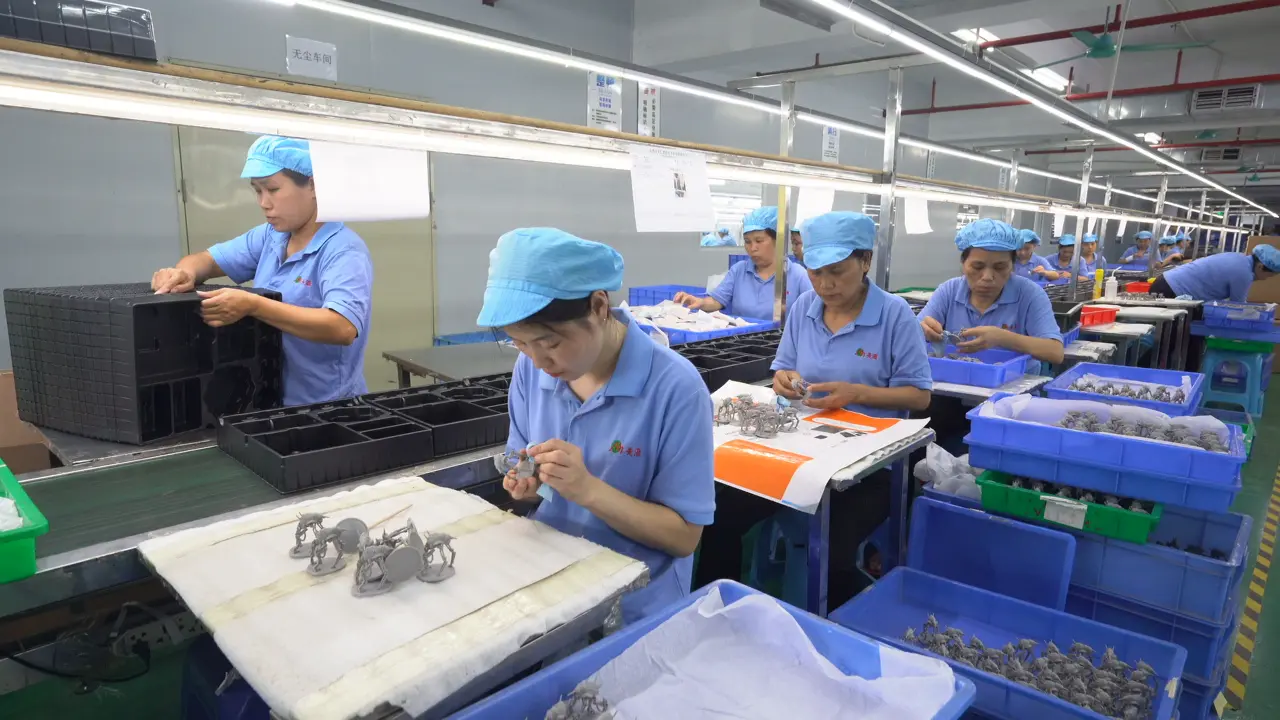
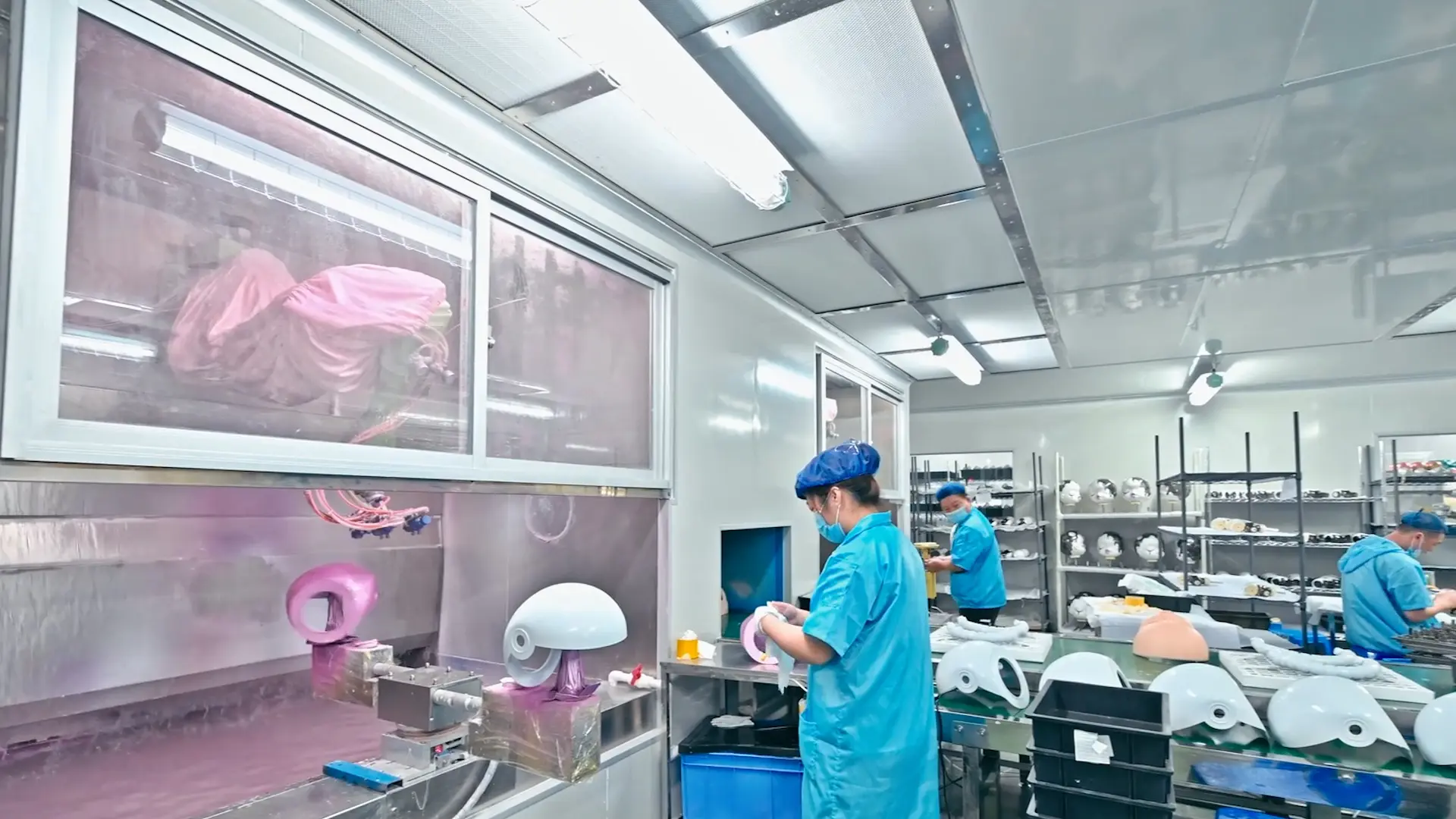
In modern collectible manufacturing, painting and assembly often make up 60% to 70% of the final unit price. Why? Because it is almost entirely manual labor.
- Spray Masks (Copper Jigs): To spray a specific color, we must create a custom copper mask. A complex 1/7 scale figure might require 150+ different copper masks.
- Pad Printing (Tampo) & Eyes: The “Soul” of the figure is the eyes. A complex anime eye can have 8 to 12 layers. Each layer requires a separate steel plate and stamp.
- Hand Painting & Wash: Weathering or shading requires skilled artists to apply paint by brush. This high-level skilled labor is becoming scarcer and more expensive.
Assembly, QC, and Packaging
- Heat Assembly: Workers use hot water or heat guns to soften PVC parts so they fit together snugly without gaps.
- The “Yield Rate” (Scrap Rate): If a drop of glue lands on a painted face, that figure is scrapped. A professional quote includes a 5-10% buffer for these defects to ensure you receive 100% perfect stock.
- Packaging Volumetric Weight: We calculate the box size not just by looks, but by shipping efficiency. A box that is 1cm too wide can increase ocean freight costs by thousands.
Summary: The Factory Pricing Formula
+ (Paint Mask Cost ÷ QTY)
+ (Labor Time × Paint Ops)
+ (Pad Print Plates ÷ QTY)
+ (Assembly & Packaging) + Margin
3 Tips for a Better Quote
- Provide 3D Files or Multiple Views: Don’t just send one drawing. A 3D file allows us to accurately calculate volume, preventing “buffer pricing.”
- Optimize Paint Operations: Small reductions in deco complexity (like removing a gradient on a cape) can save massive amounts of labor time.
- Respect the MOQ: In vinyl toy manufacturing, volume is king. A 3,000-unit order will always have a better ROI than a 500-unit order.
Understanding these costs doesn’t just help you read a quote; it helps you design a product that is profitable from day one.
Ready to bring your character to life?
Contact our engineering team today with your 3D files, and let’s calculate a production plan that fits your budget.
Get a Detailed Production Quote →