FAQ · Custom toy manufacturing
100 questions.
Straight answers.
Factories, processes, molds, samples, MOQ, production, QC, packaging, shipping and IP — answered from the perspective of a real manufacturing team, not a sales script.
Last updated: · Reviewed by the MIHOX project team.
Search the FAQ
Question and answer text
Search is instant. All answers remain visible without JavaScript.
01 / The answers
Search first.
Or browse by topic.
Use the search box above, or narrow the list with the topic filters. Each answer is written to stand on its own, so it can be read without the rest of the page.
100 questions
01Is MIHOX a trading company?
No. MIHOX is the international brand of New Miho, the company that owns and operates Meihui and Boyuan in Dongguan, China. It is not a broker, a marketplace or an agency for external factories. See About MIHOX for the ownership structure.
02What is the relationship between MIHOX and New Miho?
MIHOX is the international brand identity. New Miho Future Cultural & Creative Co., Ltd. is the legal entity that owns and operates the factories. MIHOX is not a separate group parent company.
03Does MIHOX own its factories?
Yes. Meihui and Boyuan are New Miho's own factories in Dongguan, Guangdong, China. They are not third-party or outsourced sites.
04Where is New Miho based?
New Miho is based in Dongguan, Guangdong, China. The addresses of Meihui and Boyuan are listed on the About page.
05When was New Miho founded?
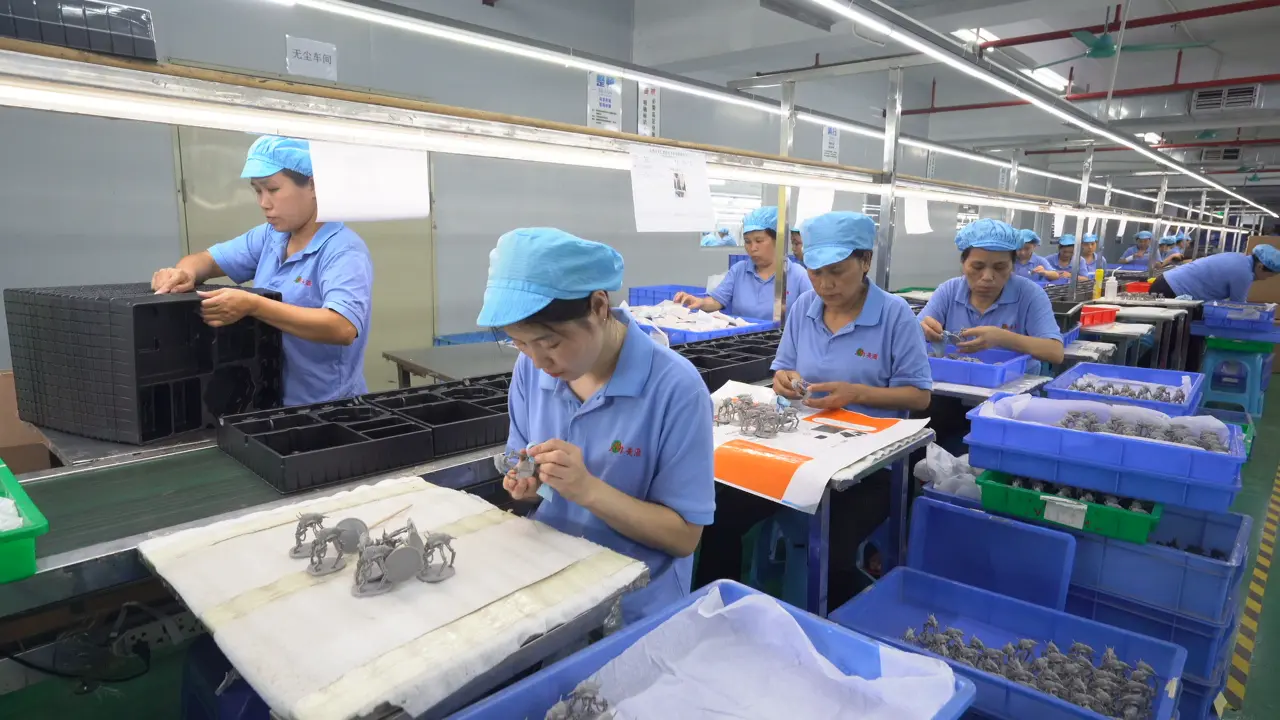
New Miho was founded in 2009. The current production team continues to work across injection molding, resin casting, soft vinyl, finishing, assembly and packaging.
06What does MIHOX manufacture?
MIHOX manufactures custom collectible toys, figures, statues and components. Core processes are injection molding, resin casting and soft vinyl rotocasting, with tooling, surface finishing, assembly and packing coordinated inside the group.
07Is MIHOX a broker or sourcing agent?
No. MIHOX is not a broker, trading intermediary or sourcing agent for external factories. It is the international brand through which New Miho presents its own manufacturing.
08Do you use external factories?
Core production is carried out at Meihui and Boyuan. We do not present an external factory as our own. If a specialised process outside those sites is required, it is disclosed and agreed before use.
09Who do you work with?
We work with brands, IP owners, designers and artists, game studios and distributors. The common thread is a defined product, a real quantity plan and a B2B bulk program.
10Do you work with startups?
Yes, when the product is defined and there is a bulk production plan. We do not operate as a one-piece retail service, a stock-toy shop or a low-MOQ marketplace.
11Where are the factories?
Meihui and Boyuan are both in Dongguan, Guangdong, China. Full addresses and factory pages are linked from About MIHOX.
12Can clients visit the factories?
Yes. On-site and online factory visits can be arranged by appointment. The team confirms the available date, site and scope before the visit.
13Can I tour the factory online?
Yes. A live video walk-through can be arranged for the relevant production areas. The agenda depends on the project and what can be shown without exposing client work.
14What can I see during a factory visit?
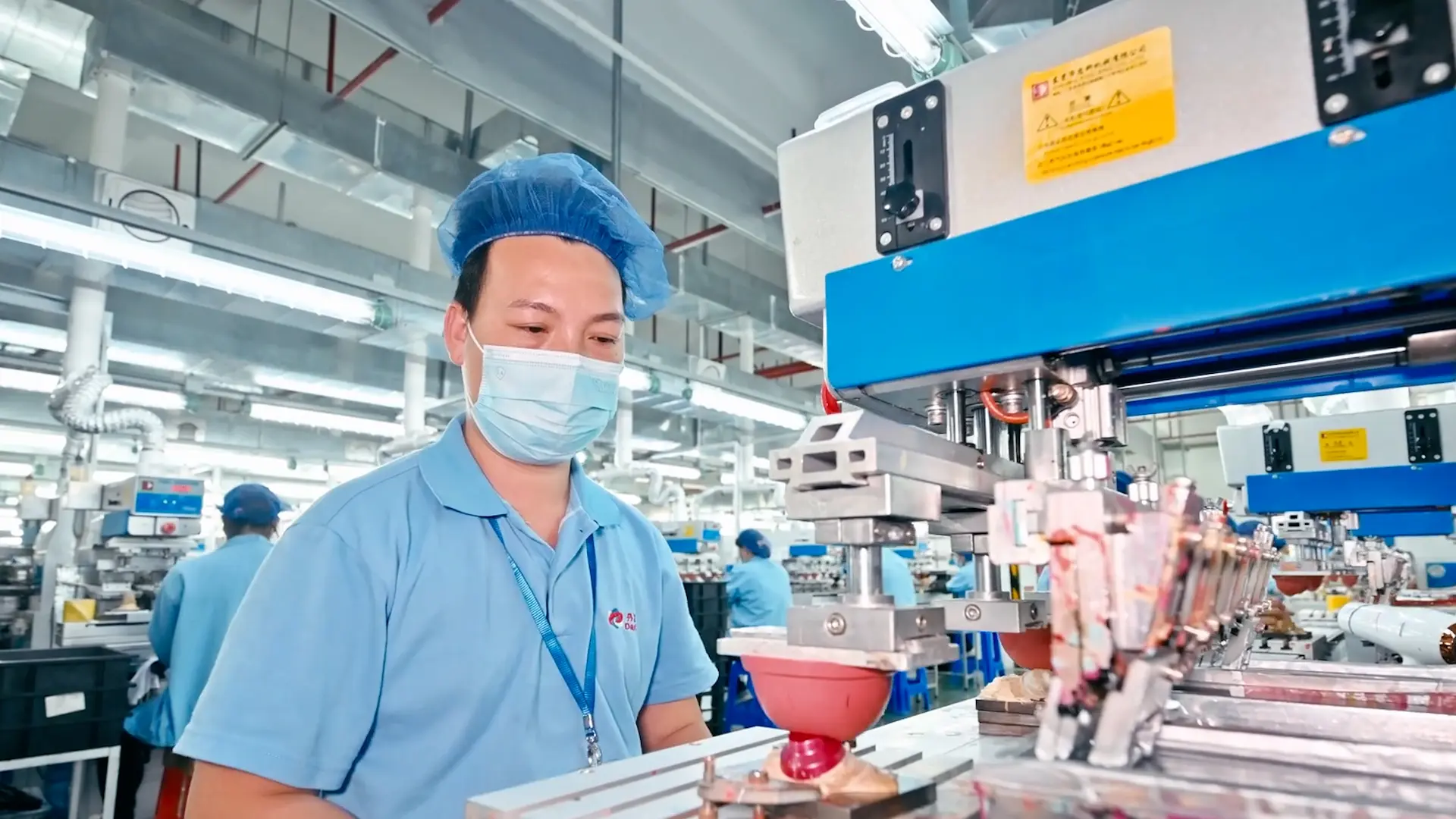
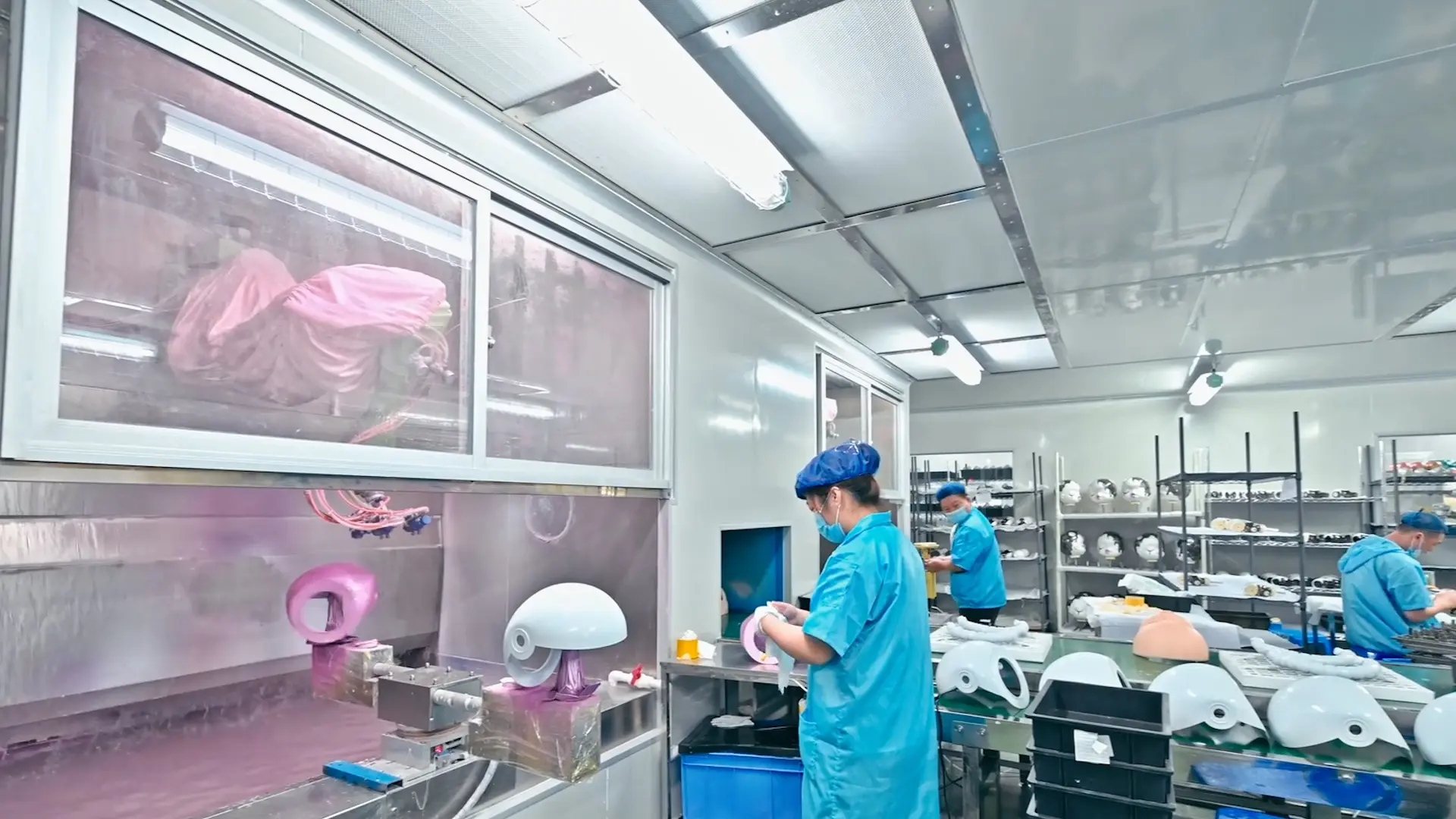
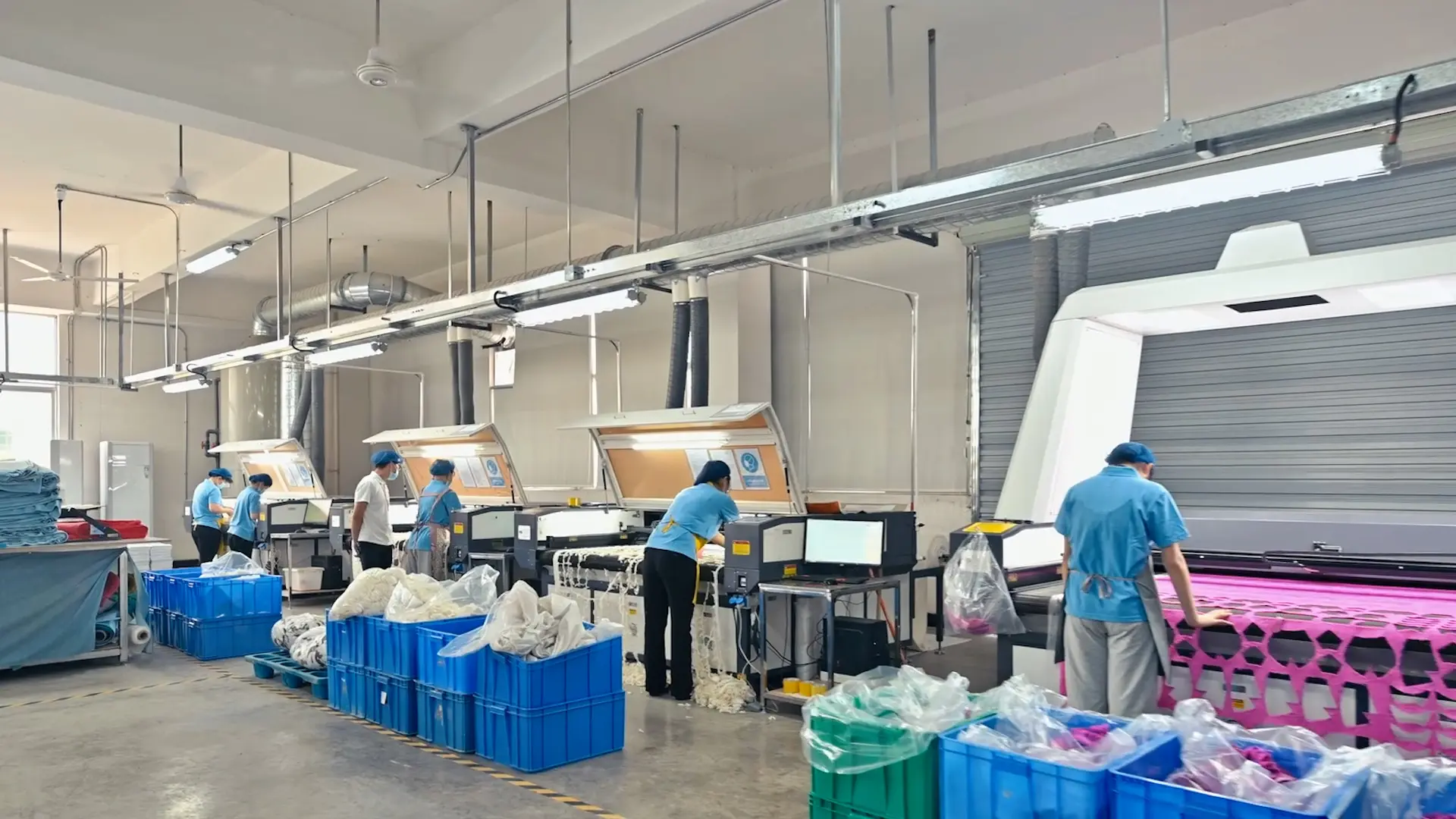
Depending on the project, the visit can cover tooling, molding, painting and finishing, assembly, QC and warehouse areas. The scope is agreed in advance.
15What is the difference between Meihui and Boyuan?
16What does Meihui factory make?
Meihui supports injection-molded figures and components, resin statues and collectibles, soft vinyl / rotocast toys, sample room work and finishing support.
17What does Boyuan factory make?
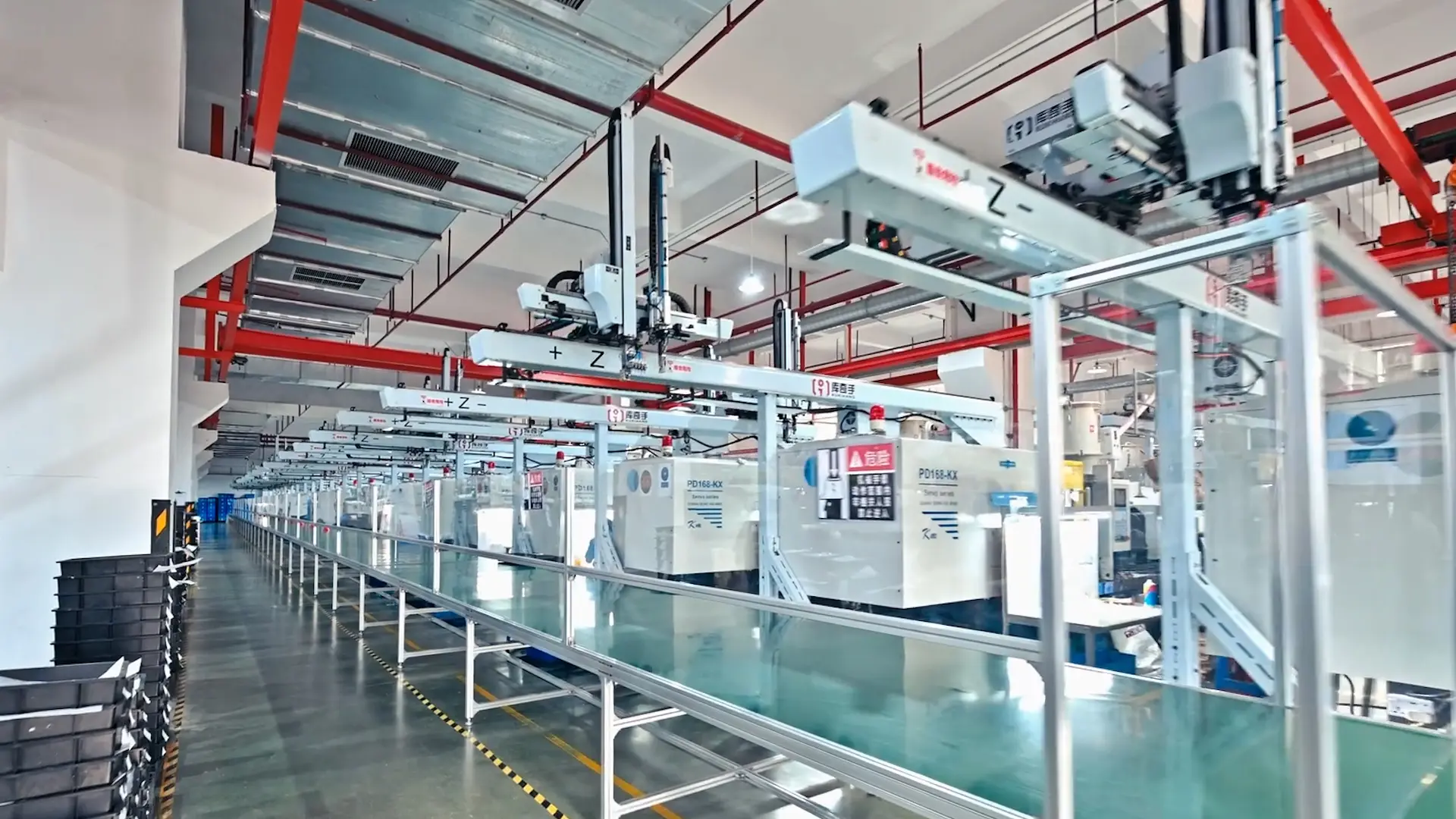
Boyuan focuses on injection-molded toys and functional parts, electronic / light and sound toys, mold development, assembly and surface finishing.
18Are the factories third-party suppliers?
No. Meihui and Boyuan are owned and operated by New Miho. They are not presented as third-party or outsourced factories.
19Can I audit the factory?
Audit requests are reviewed with the factory. The applicable standard, scope and date are confirmed in advance. An audit is not automatically available for every standard or every client.
20What is Disney FAMA?
FAMA is a facility authorization for a named production site. It is not a product certification, an IP licence or a guarantee that a specific licensed product can be manufactured. Read the document scope and named site carefully.
21What are your core manufacturing processes?
Injection molding for rigid PVC and ABS, resin casting for solid PU and epoxy parts, and soft vinyl rotocasting for hollow PVC figures.
22How do you choose the right process?
The process follows the part structure, size, level of detail, target quantity, surface requirement and cost. A hollow soft vinyl figure and a rigid ABS component should not be forced into the same process.
23What materials do you use for injection molding?
Rigid PVC and ABS are the core injection materials. The grade and formulation are selected from the part, surface, assembly and compliance requirements.
24What materials do you use for resin casting?
PU and epoxy are the core resin families. PU is used for durable detailed parts; epoxy is used for clear, translucent and effect parts.
25What material is used for soft vinyl?
Soft vinyl uses PVC plastisol. The formulation, hardness and wall are selected from the product and confirmed on the approved sample.
26Can one product combine different materials?
Yes. A product can combine injection-molded, resin, soft vinyl or electronic components. Each part is reviewed separately for process, fit, finish and assembly.
27Which process should I use for a hollow figure?
Soft vinyl rotocasting is the usual route for a hollow PVC figure. It gives a hollow, lightweight shell with a soft hand feel and molded surface detail.
28Which process should I use for a solid statue?
Resin casting is usually the better fit for a solid, detailed statue. PU is common for painted detail; epoxy is used when clear or translucent effects are required.
29Which process should I use for rigid parts?
Injection molding is the usual route for rigid PVC or ABS parts that need stable dimensions, repeat production and a steel mold.
30Can you make clear or translucent parts?
Clear and translucent effects can be produced in resin, particularly epoxy. Other clear-plastic options are reviewed against the part, thickness and process; not every clear effect is suitable for every material.
31Can you match a Pantone colour?
Colour is matched to the approved reference on a physical sample. Lighting, substrate and finish can affect how a colour reads, so a screen preview is not the final reference.
32Can you produce a soft-touch surface?
A soft-touch feel can come from the material formulation or a surface finish. The exact route is selected on the sample because handling and durability differ by process.
33Do you offer flocking?
Yes, flocking can be applied to suitable soft vinyl and other parts. Fibre length, coverage and colour are confirmed on the sample.
34Can you integrate electronics into a toy?
Light, sound, battery and wiring components can be reviewed as part of the product structure. The exact electronic scope, testing and responsibility are confirmed in the specification; we do not assume full electronic design by default.
35Can I supply my own material?
Customer-supplied material can be reviewed, but it is not the default route. The material must be suitable for the process and reproducible across the order; we may decline material that cannot be validated.
36Do you make molds in-house?
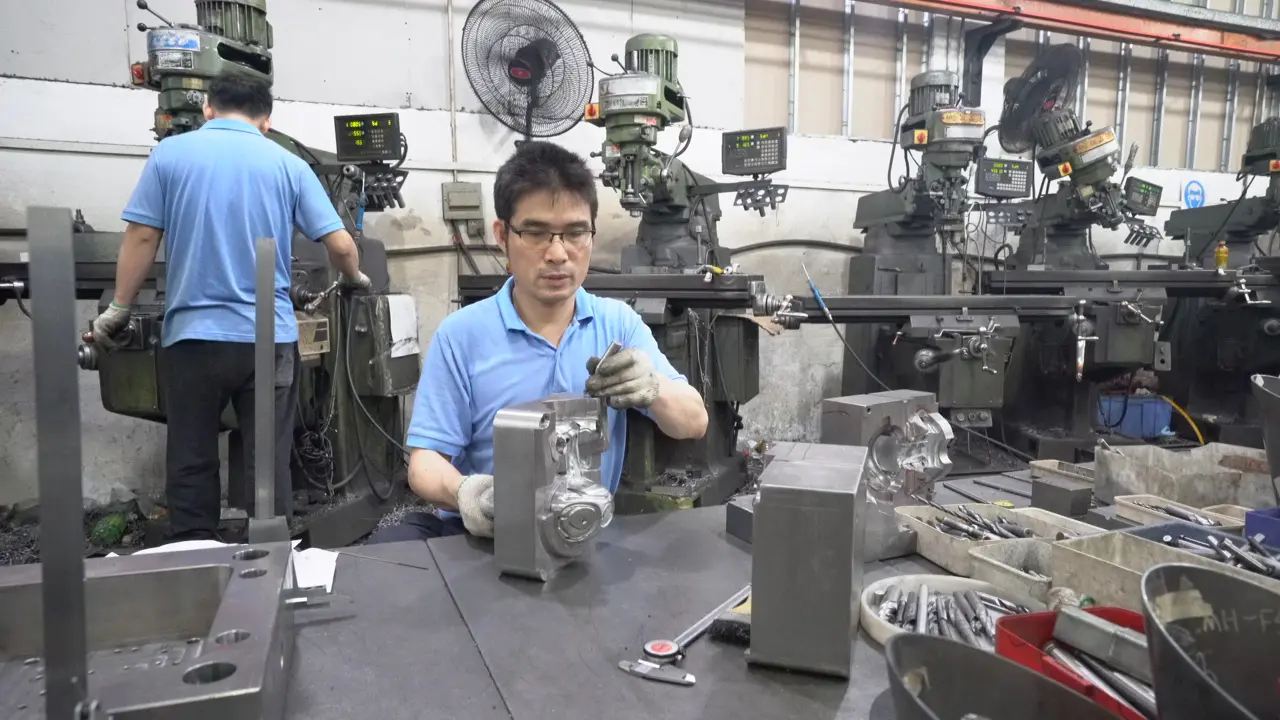
Yes. Steel molds, copper molds for soft vinyl and silicone molds for resin are part of the tooling scope. The correct tool is selected from the process and product.
37What mold is used for injection molding?
Injection molding uses a steel mold. Cavity count, steel grade, runner, cooling and ejection are defined after the DFM and tooling review. See steel injection molds.
38What mold is used for soft vinyl?
Soft vinyl uses an electroformed copper mold. The mold carries the surface detail and is built around the hollow shell, opening and demolding route.
39What mold is used for resin casting?
Resin casting uses a flexible silicone mold. The silicone allows easier release around undercuts and captures surface detail from the master.
40Which steel grades do you use?
P20, S136 and H13 are common starting points. The final grade depends on the product material, volume, surface requirement, mold structure and maintenance plan.
41How long does a mold take to build?
A typical steel mold build is around 30 days after sample sign-off and final tooling release. Complexity, size, steel grade, surface work and changes can extend the schedule.
42Who owns the mold?
Tooling ownership, storage and transfer are stated in the quotation and contract. They are not assumed from the fact that a mold was built for a project.
43Can you use my existing mold?
An existing mold can be reviewed, but it is not automatically accepted. Design, condition, ownership, material compatibility and the intended machine all affect whether it can be used.
44Can you repair or modify a mold?
Mold repair and modification can be evaluated. The scope, downtime and cost are quoted after inspection; not every mold is economically repairable.
45Do you provide DFM review?
Yes. DFM review checks parting, wall, draft, undercuts, gate position, ejection and assembly. Advanced simulation is confirmed separately when the project requires it.
46Can you build a multi-cavity mold?
Multi-cavity tooling can be reviewed against the part, quantity and cost target. It is not automatically the right choice for every product or order size.
47How are molds maintained?
Mold storage, maintenance and repair are planned per project. Maintenance intervals depend on the steel, product, production volume and handling; a mold is not left unmaintained by default.
48How long does a painted sample take?
A typical complete painted sample takes 7–15 days after the six inputs are confirmed. Shipping transit is separate, and the schedule is confirmed in the quotation.
49What is needed before a sample can be made?
A confirmed structure, frozen 3D model, Pantone or colour reference, key dimensions and the intended sample type. These inputs are reviewed before the sample is built.
50Is prototype making free?
No. Prototype and sample work is quoted per project. The scope, revision allowance and schedule are confirmed before work starts.
51Can a sample be revised?
Revision scope is agreed in the project quotation. Changes are checked against the approved design and specification; additional work can affect cost and schedule.
52What sample types do you make?
Appearance, engineering, pre-production and first-article samples. Each answers a different question: look, fit, production intent or tooling validation.
53Do you use 3D printing for samples?
Most appearance and structure samples use 3D printing with finishing and painting. CNC, resin casting or prototype tooling may be used when the material, transparency, hollow structure or production effect must be tested.
54Can a sample be made in the production material?
It depends on the process. Some samples use production material, while others use 3D printing or prototype tooling for speed. The sample method is confirmed with the question the sample must answer.
55Do I sign off a physical sample?
Yes. The signed sample becomes the appearance and structure reference for production. A render or a verbal description is not the production reference.
56Can I keep the sample?
Samples are normally kept by the client for approval and reference. Shipping and any return arrangements are confirmed with the sample quotation.
57Can you make a sample before the mold?
Yes. A sample is normally made before production tooling so shape, proportion, colour and assembly can be reviewed first. See prototype making.
58What is the MOQ for resin?
A typical resin production entry is 500 pieces, with 1,000+ generally better for production planning. A single prototype is possible for a sample.
59What is the MOQ for soft vinyl?
A typical soft vinyl entry is 1,000 pieces, with 3,000–10,000 generally recommended for commercial production. Figure size, wall and number of parts can change the range.
60What is the MOQ for injection molding?
A typical injection entry is 3,000 pieces per design, with 10,000+ generally better for tooling cost allocation. The final quantity follows the part, mold, material and production plan.
61Is the MOQ negotiable?
MOQ is reviewed against the project, not negotiated as an arbitrary discount. Tooling, material, finishing and packaging determine the practical minimum. See the MOQ guide.
62Why does a factory have an MOQ?
An MOQ covers fixed work: tooling or setup, material purchase, colour and finishing setup, assembly, QC and packaging. A very small run spreads those costs across fewer units.
63Can I order just one piece?
A single prototype or sample is possible as paid development work. A one-piece production order is not a normal manufacturing route for injection, soft vinyl or bulk resin.
64What do you need to quote a project?
A 3D model or artwork, overall dimensions, target quantity, material and finish direction, packaging requirements and target date. An NDA can be signed before confidential files are shared.
65How long does a quotation take?
A quotation is prepared after the product, process and quantity are understood. Timing depends on the completeness of the brief and whether tooling or sample work needs a separate review.
66What affects the unit price?
Process, size, number of parts, colours, surface finish, packaging, order quantity and testing requirements. A quote at one quantity does not automatically apply at another.
67Does the unit price fall at higher quantity?
Unit cost can fall as fixed tooling and setup are spread across more units. The actual price is quoted per quantity and can change with material, finishing and packaging.
68Are tooling and samples included in the unit price?
They are usually quoted separately. The quotation states what is included in tooling, sampling and piece price so the cost structure is visible.
69How long is production lead time?
Production lead time is quoted after the sample, tooling, quantity and finishing plan are confirmed. There is no single lead time for every product or process.
70Will I receive a production schedule?
Yes. The project schedule is confirmed with the quotation and updated as tooling, sample approval and production milestones are reached.
71What QC stages do you use?
Incoming material and component checks, in-process checks and final inspection are planned against the approved specification. The exact checkpoints depend on the process and product.
72Do you inspect 100% of production?
The inspection method and sampling level are agreed per project. Not every order is 100% inspected; where a specific inspection plan is required, it is stated in the specification and quotation.
73Can I approve production before it starts?
Yes. Production is released after the approved sample and confirmed specification. A pre-production sample may be used for larger or more complex programs.
74Can I get progress updates?
Yes. Progress updates are provided at agreed milestones. Photos, measurements or a live review can be arranged depending on the stage and confidentiality.
75What happens if a defect is found?
The issue is reviewed against the approved specification and the agreed inspection standard. Rework, replacement or another remedy is confirmed in writing; the outcome depends on the defect and stage.
76Do you handle assembly?
Yes. Component fit, assembly and packing are coordinated with production. The assembly method and any fixtures are confirmed against the approved sample.
77Can you assemble electronic components?
Electronic components can be integrated into the assembly where the scope is defined. Wiring, battery access and testing requirements are confirmed in the specification.
78Can you produce multiple SKUs?
Yes. Multiple characters, colourways or versions can be planned as separate SKUs. Tooling, packing and changeover requirements are reviewed for the full program.
79Can you hold inventory for us?
Storage and restocking are reviewed per project; they are not a default service. Any inventory arrangement, space and cost must be agreed before production.
80Can you rush an order?
A rush request is reviewed against the current production plan, tooling stage and material availability. It can be quoted, but cannot be guaranteed until the schedule is confirmed.
81Do you develop packaging?
Yes. Packaging is developed around the product: box format, internal fit, artwork, finish and packing. The print and substrate route is confirmed per project. See custom toy packaging.
82Can packaging be fully custom?
Yes. The format, dimensions, artwork, finish and insert can be developed for the product. A physical proof and fit sample are used before production release.
83What internal protection can you use?
Blister / thermoformed inserts, EVA foam and molded pulp trays are common routes. The choice depends on weight, fragility, paint contact and the unboxing experience.
84Can you print our logo and artwork?
Yes. Artwork is applied to the approved dieline. Copy, barcode, legal marks and finish areas are checked on the proof before printing.
85Can you produce retail-ready packaging?
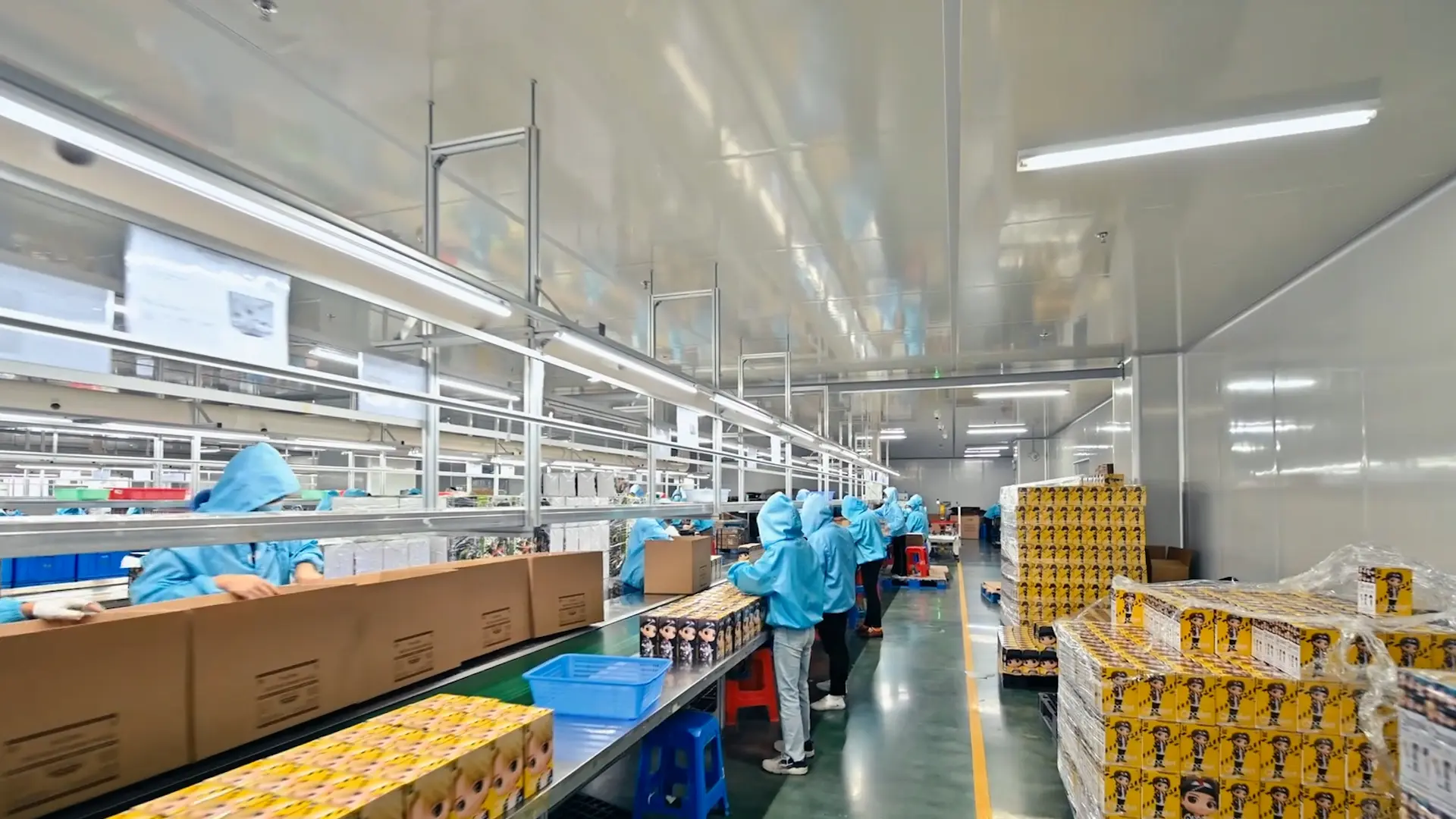
Yes. Retail-ready packing can include the printed box, inner protection, labels and carton configuration. The exact retail requirement is confirmed before packing.
86Can you prepare marketplace labels?
Marketplace preparation requirements are reviewed per project. Labels, FNSKU-style barcodes or other marketplace rules are confirmed from the client's current requirement; they are not assumed.
87Does packaging have its own MOQ?
Yes. Printed boxes, rigid boxes, labels and custom inserts can have minimums separate from the toy production quantity. Packaging should be reviewed with the product MOQ.
88How do you protect fragile resin statues?
The insert and shipper are specified around weight, contact points and fragile details. A physical fit sample and the agreed transit requirement are used before production.
89Can we use our own freight forwarder?
Yes. You can nominate your own forwarder and arrange collection from the factory. MIHOX prepares the export packing, documents and handover. See shipping and logistics.
90What Incoterms do you use?
FOB is commonly used. EXW, CFR / C&F and CIF can also be discussed. The final Incoterm, named place and cost scope are stated in the quotation and invoice.
91How long does shipping take?
Transit depends on mode, route, carrier and customs. Air express is typically 3–7 days and ocean freight 25–35 days as planning estimates, not delivery guarantees. The estimate is confirmed per shipment.
92Who handles customs clearance?
The importer or nominated forwarder normally handles destination clearance, while MIHOX provides the export documents. Responsibility follows the agreed Incoterm.
93Can you palletize and add shipping marks?
Yes. Palletization, carton marks and labels are confirmed before the packing stage. Requirements should be provided early so the packing plan can include them.
94How are samples shipped?
Samples are normally shipped by courier. The freight cost, destination and any special handling are confirmed with the sample quotation.
95Is cargo insurance included?
Cargo insurance is optional and arranged according to the agreed shipping term. If insurance is required, it should be stated before booking.
96Can you ship to a warehouse or forwarder?
Yes. The shipment can be delivered to a nominated warehouse, port or forwarder according to the agreed term. The exact handover point is confirmed before dispatch.
97Do you sign an NDA?
Yes. An NDA can be signed before confidential files are shared. The NDA should be agreed before the 3D model, artwork or other sensitive materials are sent.
98How do you protect client designs?
Access to client files is limited to the people who need them for the project. We do not publish client artwork or unpublished products. The specific confidentiality terms are set in the NDA and contract.
99Can you copy an existing toy or character?
Only where the client has the rights or authorisation to manufacture that design. We do not knowingly reproduce an unlicensed third-party character or product.
100What projects are not a fit?
One-piece retail orders, stock-toy purchases, projects without a defined design, lowest-price-only inquiries and designs without rights are not a fit for this B2B manufacturing model.
No questions match that search.
Try a broader term such as MOQ, sample, mold, packaging or shipping — or reset the filters.
Still have a question?
Ask the team.
Get a project-specific answer.
Send the product type, size, quantity and process you are considering. We will answer against the actual project — not a generic FAQ.