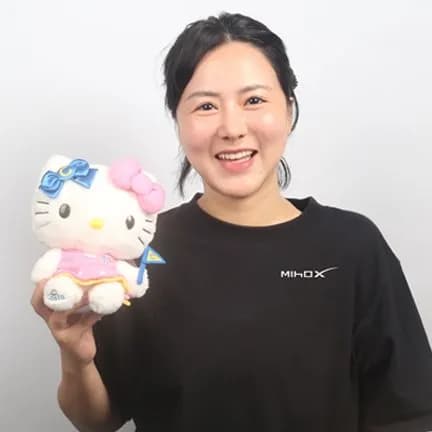

product in front of a wider audience. For independent designers, IP owners, game-related projects, and emerging collectible toy brands, these events provide a physical space to present product design, communicate their brand identity, collect market feedback, and build new business opportunities.
Wonder Festival Shanghai 2026 will take place on October 3–4, 2026, at the Shanghai New International Expo Centre. Official event information and exhibitor announcements have highlighted a wide range of original projects, collectible figures, models, and related products. The event brings together both individual creators and established companies from the figure and collectible industry.
But for a brand hoping to use an exhibition to increase product visibility, being seen at the exhibition is only the first step.
The more important question often comes after the exhibition: If consumers, distributors, retailers, or potential partners show interest in the product, can the figure or collectible toy be turned into a stable, commercially viable mass-produced product?
This is one of the key challenges brands face when moving from product design to commercialization.
A well-designed 3D model does not automatically become a production-ready product. Before mass production, it may need engineering evaluation, prototype development, material selection, mold development, production process validation, painting, assembly, quality control, and packaging.
For brands, finding a manufacturer that can support this entire process can be just as important as the product design itself.
Why Is Wonder Festival More Than Just a Figure Exhibition?
Wonder Festival has long been closely associated with figures, models, statues, collectibles, and original creative culture. For professional brands and independent creators, one of the main values of an exhibition is the opportunity to move a concept from a digital file or design studio into a physical environment where people can see and evaluate the actual product.
For an original brand, a physical product can communicate information that a 3D rendering cannot always fully convey:
- The visual identity of the brand
- The quality of the product
- The character and IP design
- The scale and proportions
- The surface finish
- The overall positioning of the product line
For this reason, an exhibition can serve as more than a sales event. It can become an opportunity to:
- Present a brand’s visual identity and product positioning
- Introduce new characters, IPs, and product series
- Collect feedback from potential customers
- Connect with distributors, retailers, and industry partners
- Test the commercial potential of a product concept
However, being noticed and being ready for mass production are two different things.
A prototype displayed at an exhibition may be carefully finished by hand. Small imperfections can sometimes be corrected individually. Mass production is different.
If a brand wants to manufacture 1,000, 5,000, or 10,000 units, the product needs a stable structure, a repeatable manufacturing process, consistent surface finishing, and clearly defined quality standards.
In other words:
An exhibition helps answer “Will people notice this product?”
Manufacturing needs to answer “Can this product be produced consistently and brought to market?”
What Is Missing Between a Figure on an Exhibition Stand and a Product on the Market?
When a brand first approaches a figure or collectible toy manufacturer, it may seem straightforward: provide the 3D file, receive a quotation, and start production.
In practice, the process is more complicated.
A 3D model primarily communicates the visual design and intended form of the product. A production-ready product also needs to consider structure, materials, mold design, assembly, surface treatment, production efficiency, and quality control.
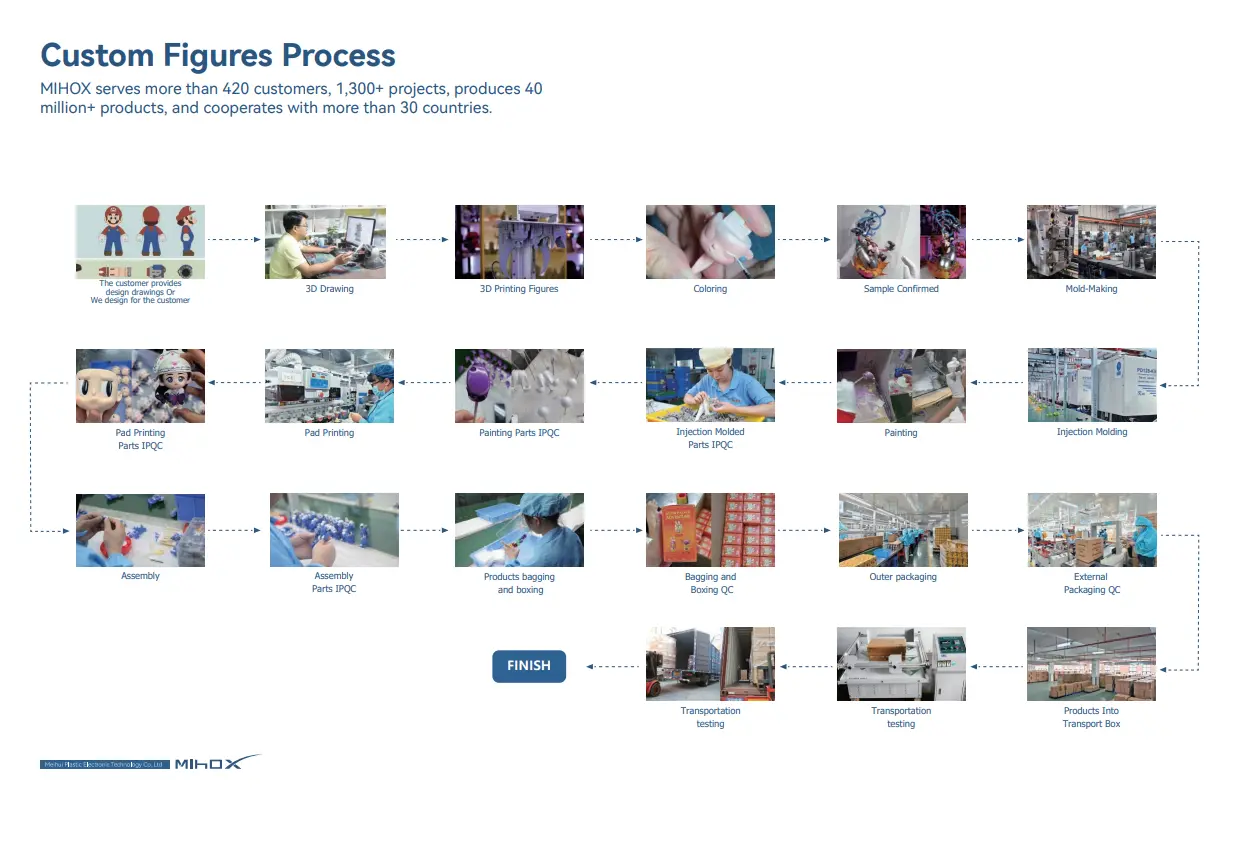
A typical development process may look like this:
Can a 3D Model Go Directly Into Mass Production?
Usually, this cannot be determined simply from the 3D model itself.
An engineering team may need to review questions such as:
- How should the product be divided into separate parts?
- Can the parts be properly demolded?
- Is the wall thickness suitable for the selected material and process?
- How will different components connect?
- Are clips, screws, or other fixing methods required?
- Which areas require painting or printing?
- How should the mold be structured and separated?
- How should material shrinkage and dimensional tolerances be considered?
- Can the product be assembled efficiently during mass production?
Therefore, a 3D model that looks excellent visually is not necessarily a 3D model that is ready for mass production.
Considering manufacturing requirements earlier in the design process can help reduce later modifications and production risks.
What Are the Key Steps From Figure Design to Mass Production?
1. Product Design and Engineering Evaluation
Before molds are developed, the engineering team should evaluate whether the 3D design is suitable for actual manufacturing.
The question at this stage is not simply: “Does the model look good?”
The more important question is: “Can this design be manufactured consistently?”
For example, a character may have highly detailed hair, clothing, weapons, accessories, or other complex structures. Producing every element exactly as designed may increase mold complexity, part count, assembly requirements, and production cost.
Engineering teams therefore need to optimize the structure while maintaining the intended visual appearance of the product. For brands, this stage is important because manufacturing issues are generally easier to address before molds and mass production have started.
2. Prototype Development
A prototype is not simply a physical version of a 3D model. It is also a tool for validating the product before production.
Depending on the project, a prototype may be used to confirm:
- Product proportions
- Actual dimensions
- Part relationships
- Surface details
- Structural connections
- Color and painting effects
- Overall visual appearance
For high-detail figures and collectible statues, the physical product may look different from the original 3D rendering. A prototype gives the brand and manufacturer an opportunity to identify and correct these differences before committing to larger-scale production.
3. Material and Manufacturing Process Selection
Different collectible toys require different materials and manufacturing processes. Choosing between PVC, ABS, resin, and soft vinyl should not be based only on appearance. Product size, structure, production quantity, detail requirements, surface finish, budget, and delivery schedule all need to be considered.
| Product Requirement | Common Materials | Typical Process | Key Considerations |
|---|---|---|---|
| High-volume standardized figures | PVC / ABS | Injection Molding | Production quantity, dimensional stability, mold investment |
| High-detail statues | Resin | Resin Casting | Complex details, sculptural expression, small-to-medium production runs |
| Soft or hollow collectibles | Soft Vinyl / PVC | Rotocasting | Product structure, feel, shape, and production quantity |
| Multi-material collectibles | PVC / ABS / Soft Vinyl | Combined Processes | Different materials may be selected for different components |
| Electronic toys | PVC / ABS + Electronics | Injection Molding + Electronics Integration | Internal space, components, wiring, assembly, and functional testing |
There is no single material or process that is suitable for every collectible toy. The right choice should match the product design, expected quantity, market positioning, and manufacturing requirements.
4. Mold Development
For PVC and ABS injection-molded products, the mold is one of the most important upfront investments in mass production. Mold design can affect part visibility, surface details, dimensional stability, and unit production cost.
Therefore, brands should not evaluate a production quotation based only on the unit price. The mold investment, expected production quantity, and long-term production plan should be considered together.
For example, injection-molded products generally require a higher upfront mold investment. When production volume is low, this investment represents a larger proportion of the unit cost. As production volume increases, the mold cost can be distributed across more units.
5. Mass Production
After the prototype is approved, the next challenge is making the same product consistently at scale. A prototype and mass-produced product are not manufactured under exactly the same conditions.
During mass production, repeatability is key. This involves:
- Raw material control
- Injection or molding parameters
- Painting standards and printing positions
- Color consistency across batches
- Component assembly and appearance inspection
- Functional testing and packaging requirements
The more important question is: Can the 1,000th or 5,000th unit still meet the approved quality standard?
Why Do Growing Collectible Toy Brands Often Need Reliable Manufacturing Support?
Established global brands may already have long-term manufacturing partners and established supply chains.
For growing original brands, IP projects, game-related products, and independent collectible toy companies, manufacturing can become one of the more difficult parts of commercializing a product.
One reason is simple: Design teams do not always have manufacturing expertise, and manufacturers do not always understand the design priorities of a brand.
A Brand May Already Have:
- A complete character design
- A 3D model
- An IP license
- A product concept
- A physical exhibition prototype
But Still Need Answers To:
- Which material is suitable?
- Can this structure be injection molded?
- What type of mold is required?
- Process for 1,000 vs 10,000 units?
- Maintaining quality during mass production?
- Manufacturer’s industry track record?
These are manufacturing questions that need to be addressed before production begins.
For a growing collectible toy brand, a reliable manufacturer should therefore provide more than production capacity.
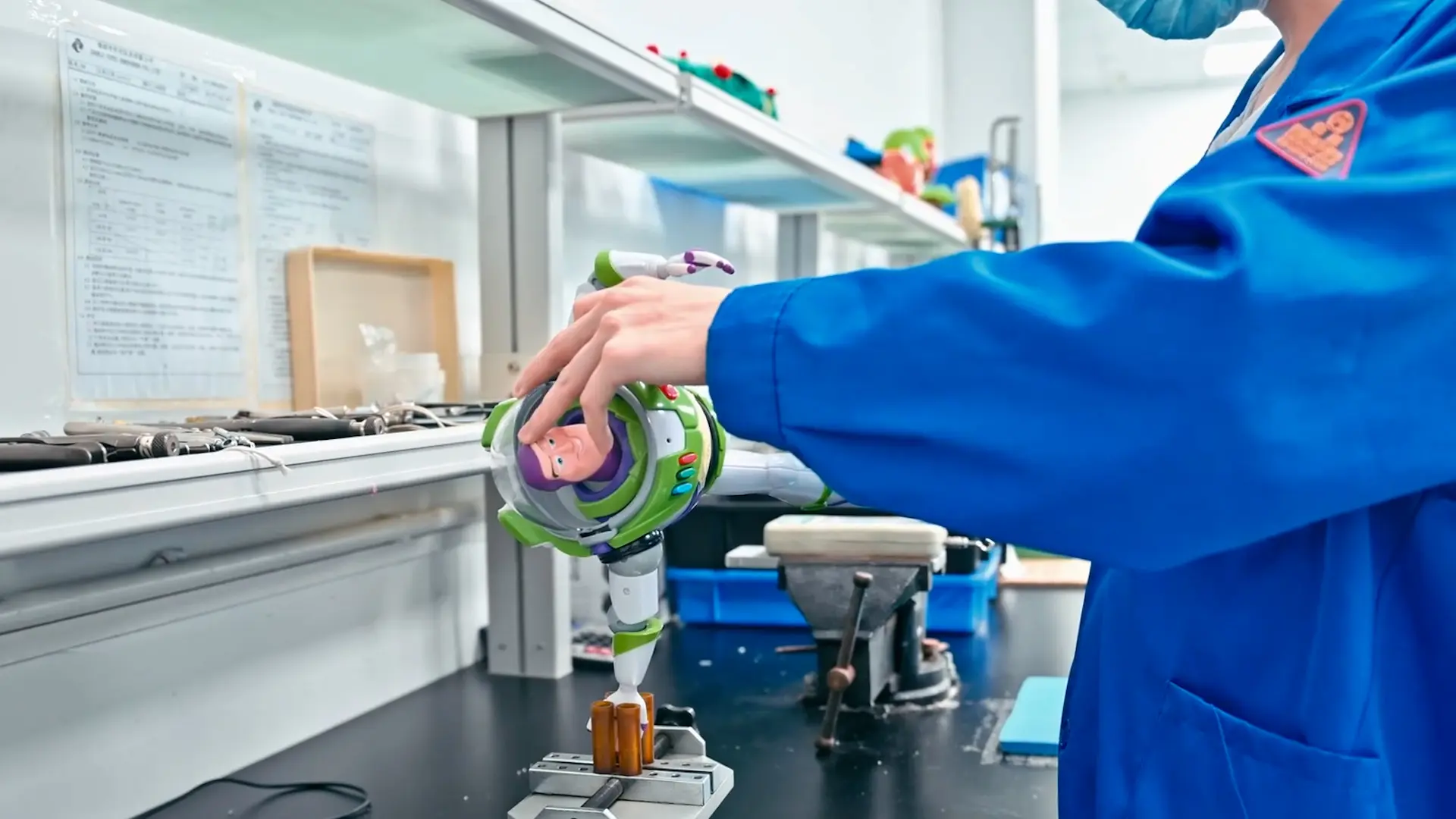
The manufacturer should also be able to participate in engineering evaluation, identify potential manufacturing problems, and provide practical solutions.
How Can You Tell Whether a Figure Manufacturer Has Real Mass Production Capability?
Many factories display production lines, machines, workshops, and product photos on their websites.
These can provide useful background information, but brands should look deeper when evaluating a potential manufacturing partner.
1. Does the Manufacturer Have an Integrated Production Capability?
If a manufacturer can only provide one part of the process, the brand may need to coordinate several different suppliers.
For complex collectible toys, however, engineering, mold development, molding, painting, assembly, and packaging can directly affect one another. Brands should therefore understand whether the manufacturer can effectively connect:
2. Does the Manufacturer Have Experience With Similar Products?
Instead of only asking:
“How many machines do you have?”
More Useful Question:“Have you manufactured products with similar materials, dimensions, structures, and quality requirements?”
A high-detail collectible statue, for example, has different manufacturing requirements from a standard plastic toy. An electronic injection-molded product also requires additional consideration of internal components, wiring, assembly, and functional testing. Relevant project experience can therefore be more meaningful than equipment numbers alone.
3. Can the Engineering Team Participate in Product Development?
A professional manufacturer should not simply answer: “Yes.” or: “No.”
The more useful questions are:
- Why is the design suitable or unsuitable?
- What needs to be changed?
- Can the structure be optimized without affecting the intended appearance?
- Which manufacturing process is more appropriate?
This type of engineering communication can help brands identify potential problems before production.
4. Is the Factory Willing to Be Verified?
For long-term cooperation, video meetings, production environment reviews, sample inspections, and factory audits can all help brands understand a manufacturer’s actual capabilities.
For mid-to-high-end collectible toy projects, brands do not have to rely only on website photographs when evaluating a supplier. Real manufacturing capability should be verifiable.
5. Does the Manufacturer Have Quality and Compliance Experience?
If a product is intended for international markets, brands should also consider the manufacturer’s quality management and compliance experience.
Examples may include ISO 9001, amfori BSCI, SMETA, Intertek-related testing or audit experience, and relevant factory authorization or verification requirements for specific international brand projects. The exact requirements depend on the customer, product category, destination market, and project.
How Should Brands Choose a Manufacturing Process for Collectible Toys?
There is no single manufacturing process that is suitable for every collectible toy.
The decision should generally consider:
Product size + production quantity + structure + material + surface finish + budget + delivery schedule
| Product Priority | Manufacturing Process to Evaluate | Why It Matters |
|---|---|---|
| Higher production volume | PVC / ABS Injection Molding | Suitable for standardized, scalable production |
| High-detail sculptural products | Resin | Flexible for complex shapes and fine details |
| Soft or hollow collectibles | Soft Vinyl | Suitable for specific collectible toy structures |
| Multi-material designs | PVC / ABS + Soft Vinyl and other processes | Different components can use different materials |
| Electronic functions | Injection Molding + Electronics Integration | Requires coordination between mechanical and electronic systems |
For brands, the most important decision is not to decide in advance that a product “must use PVC” or “must use resin.”
Instead, the design, production quantity, product positioning, and target market should guide the choice of process.
What Do Brands Often Overlook Between WF Exposure and Product Launch?
Can an exhibition prototype go directly into mass production?
Not necessarily.
An exhibition prototype is often designed to communicate the product concept and visual appearance. Mass production requires additional validation of structure, materials, mold design, production processes, and consistency.
Does a more complicated design always make a better product?
Not necessarily.
Complexity can improve visual expression, but it may also increase:
- Mold complexity
- Number of components
- Assembly time
- Painting processes
- Production cost
- Quality control requirements
For a commercial product, the goal is to find a reasonable balance between design expression and manufacturing feasibility.
Why can a prototype look different from mass-produced products?
Because prototype production and mass production may involve different manufacturing conditions. A prototype may receive more manual adjustment, while mass production must follow standardized processes.
Before production begins, brands and manufacturers should therefore establish clear standards for:
- Colors
- Appearance
- Dimensions
- Assembly
- Acceptable defects
- Packaging
These standards help reduce variation between production units.
Is a larger production quantity always better?
Not necessarily.
Different manufacturing processes have different economical production ranges. For injection-molded products, for example, the upfront mold investment needs to be considered together with the expected production volume.
The appropriate quantity should therefore be aligned with the manufacturing process and the brand’s market positioning.
What Should a Brand Prepare Before Turning a WF Design Into a Mass-Produced Product?
If a brand plans to display a product at WF or another industry exhibition and hopes to develop it into a commercial product, preparing the following information can make the initial manufacturing discussion more efficient.
| Project Information | Recommended Details |
|---|---|
| 3D Files | 3D model and available part structure |
| Product Size | Height, width, or target scale |
| Expected Quantity | Initial order quantity and potential future demand |
| Material | Preferred material, if already determined |
| Surface Finish | Painting, printing, transparent parts, metallic effects, etc. |
| Packaging | Individual box, blister, inner box, master carton, etc. |
| Target Market | US, Europe, Japan, Middle East, China, or other markets |
| Timeline | Prototype approval and planned product launch |
| Reference Products | Similar products or target quality examples |
If a brand has not yet decided on the material or manufacturing process, that does not necessarily mean the project cannot move forward.
For an initial engineering evaluation, a 3D file, target dimensions, expected quantity, and reference images can often provide a useful starting point.
The manufacturer can then evaluate the structure and recommend an appropriate material and production process.
Why Should a Manufacturer Become Part of a Brand’s Long-Term Product Development?
For a collectible toy brand, a manufacturing partner should provide more than basic production services.
The deeper value is the ability to: Translate a brand’s design intent into a repeatable physical product.
A strong product development process can begin considering manufacturing requirements at the design stage.
For example:
When engineers participate early, potential problems related to structure, materials, molds, assembly, and production efficiency can often be identified before they become expensive production issues.
For brands that regularly launch new products, this type of relationship can become increasingly important. Instead of searching for a completely new factory for every product launch, the brand can gradually develop a manufacturing system that understands its product standards and supports future projects.
How Does MIHOX Support Figure and Collectible Toy Brands?
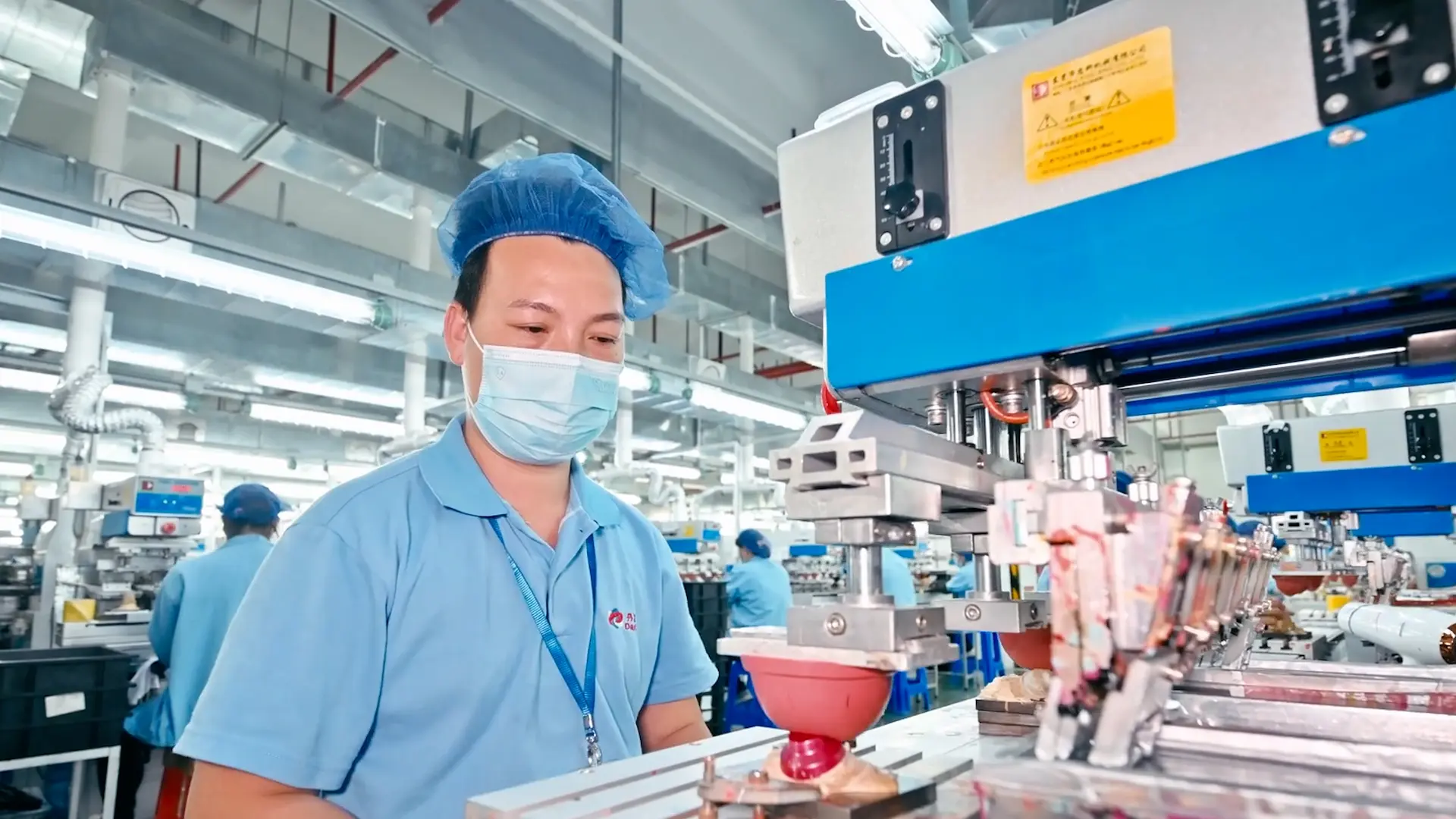
MIHOX is a B2B OEM/ODM manufacturer specializing in custom collectible toys, figures, and related products.
The manufacturing process can cover: Engineering & 3D Evaluation → Mold Development → Resin → Soft Vinyl → PVC/ABS Injection Molding → Painting & Printing → Assembly → Packaging → Mass Production
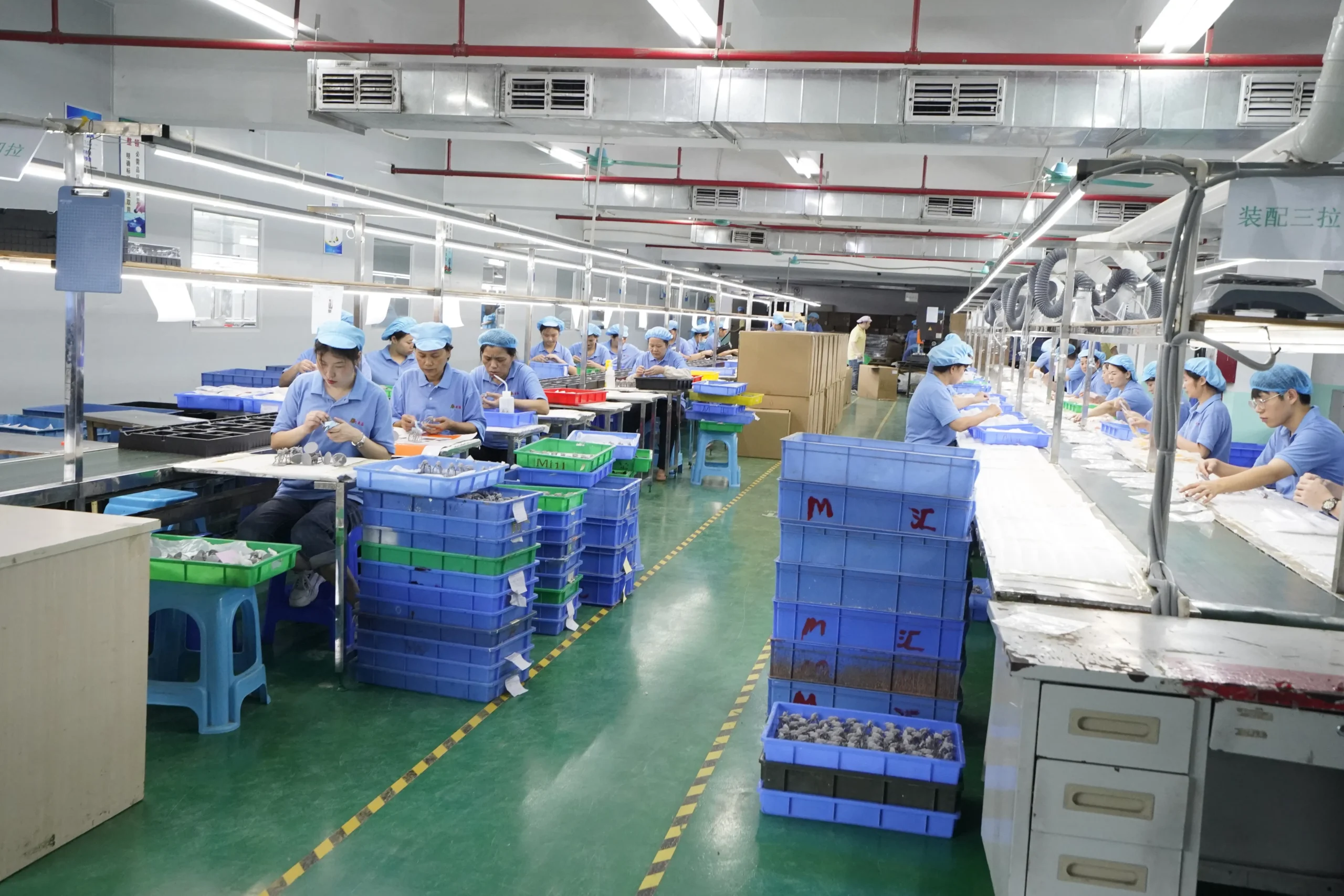
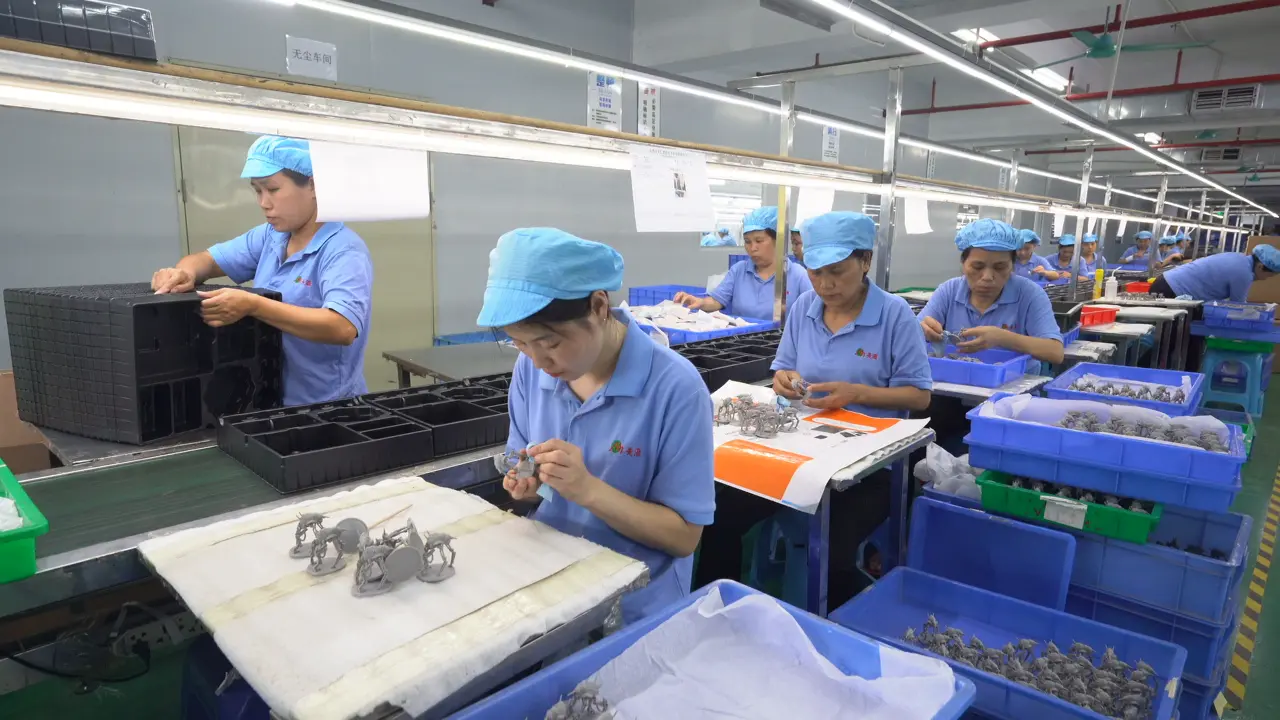
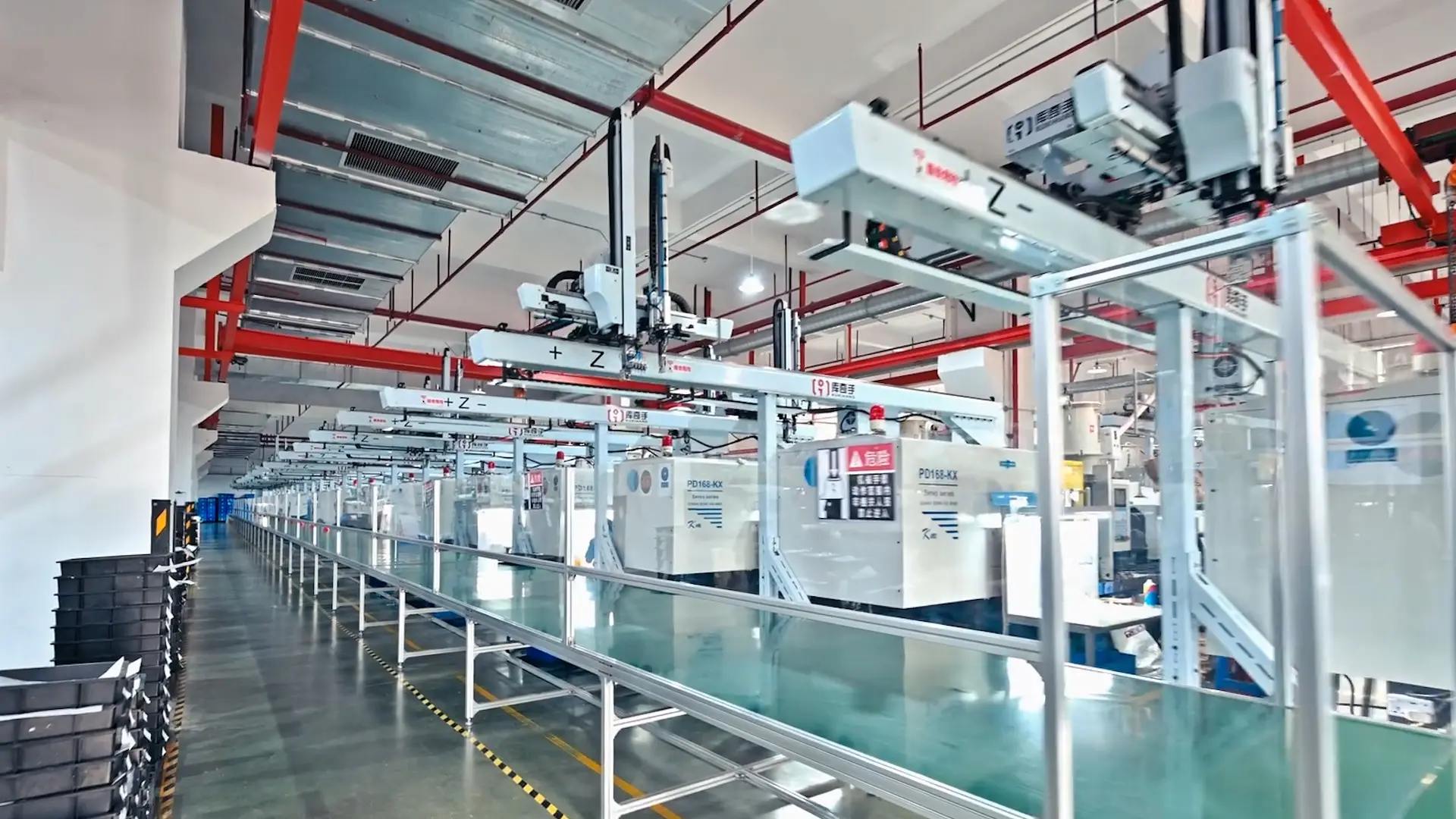
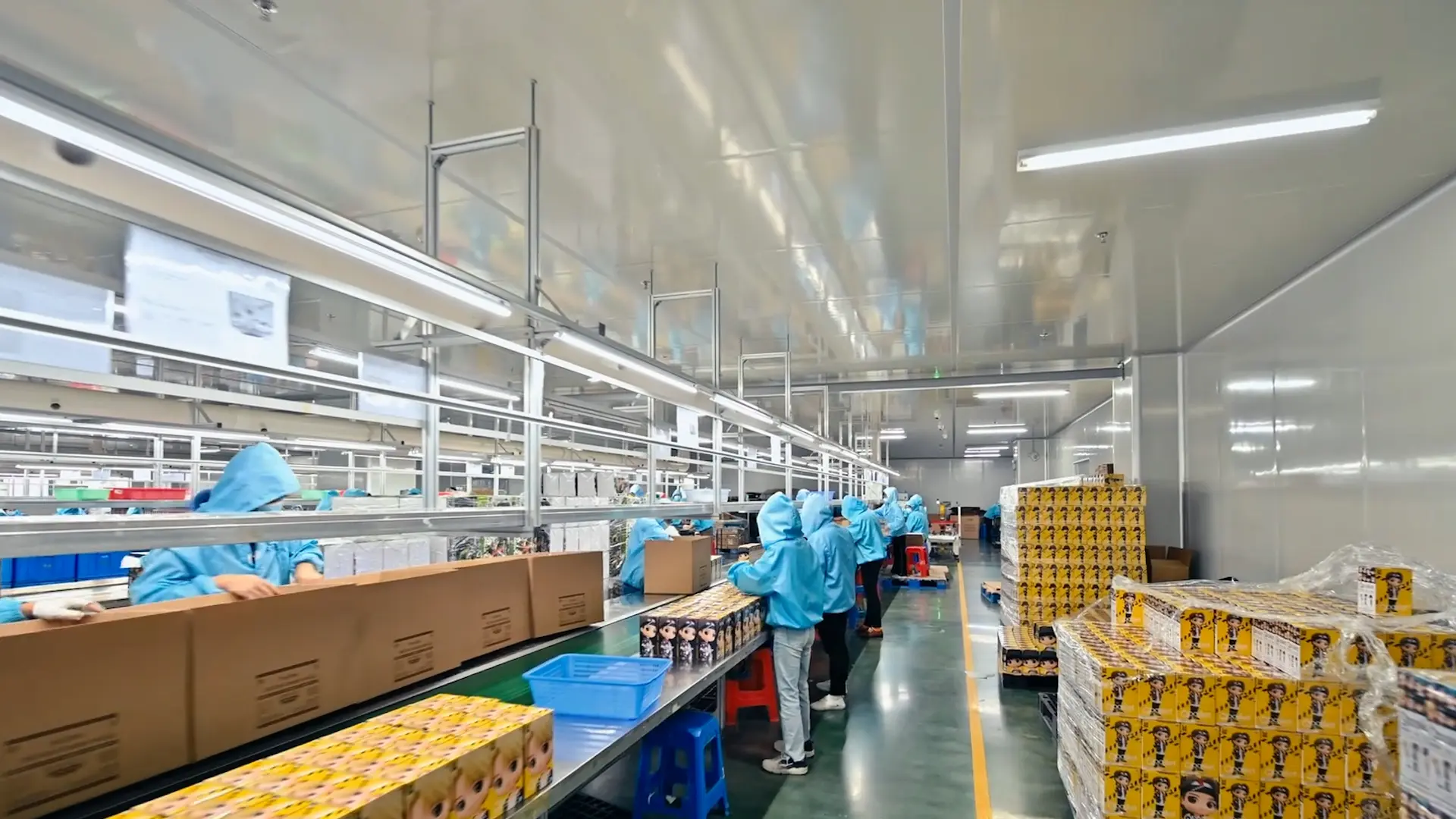
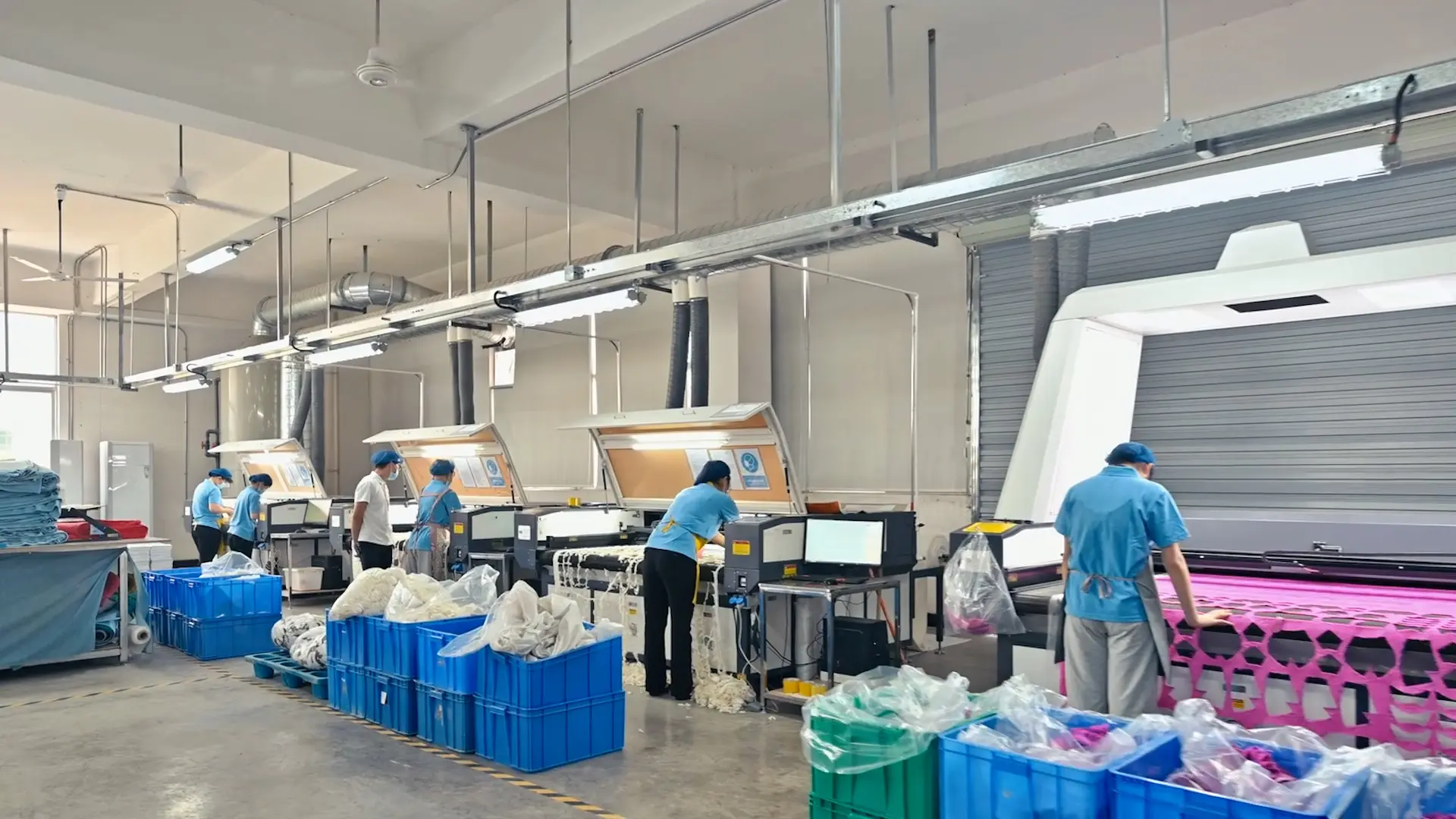
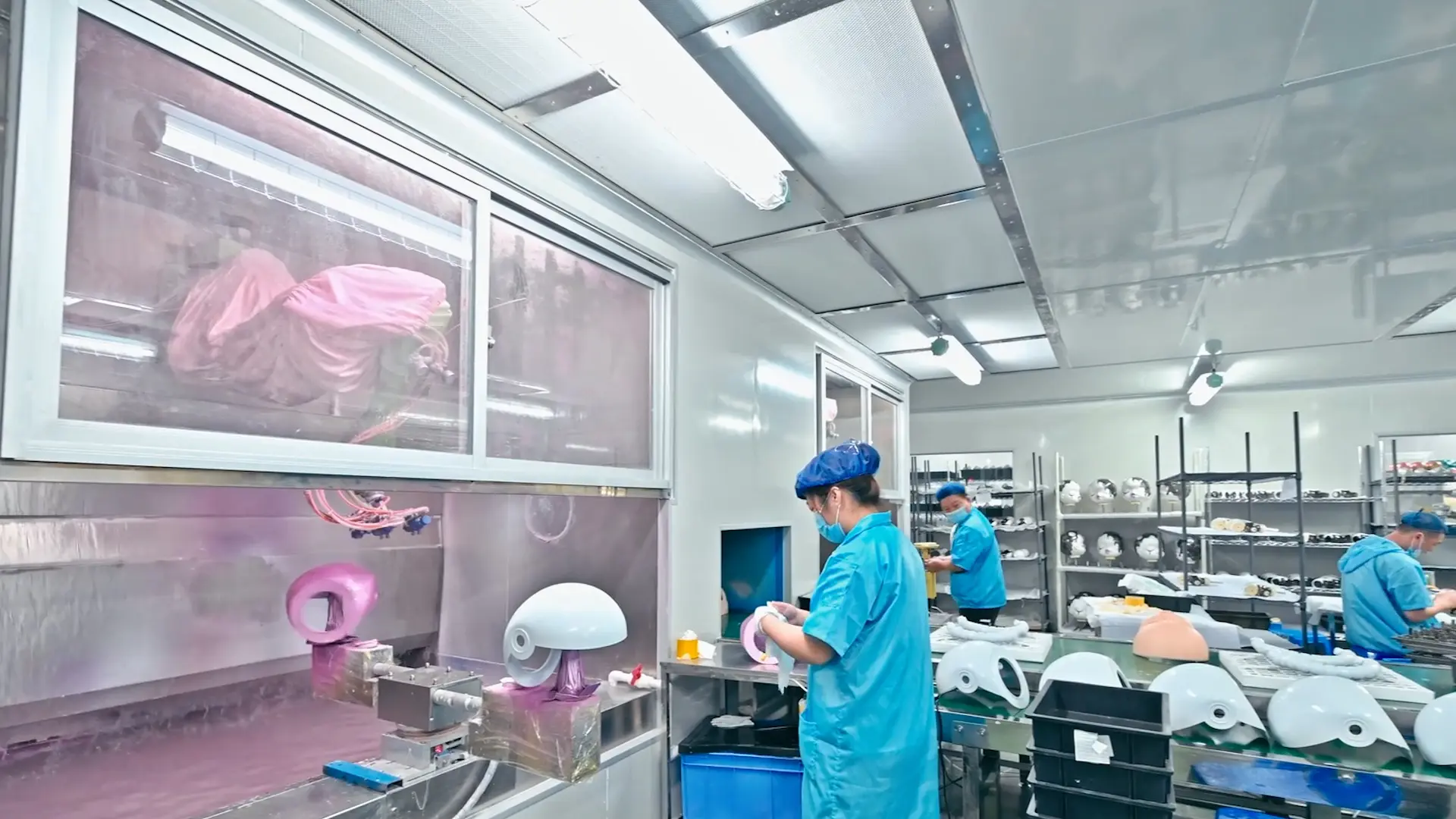
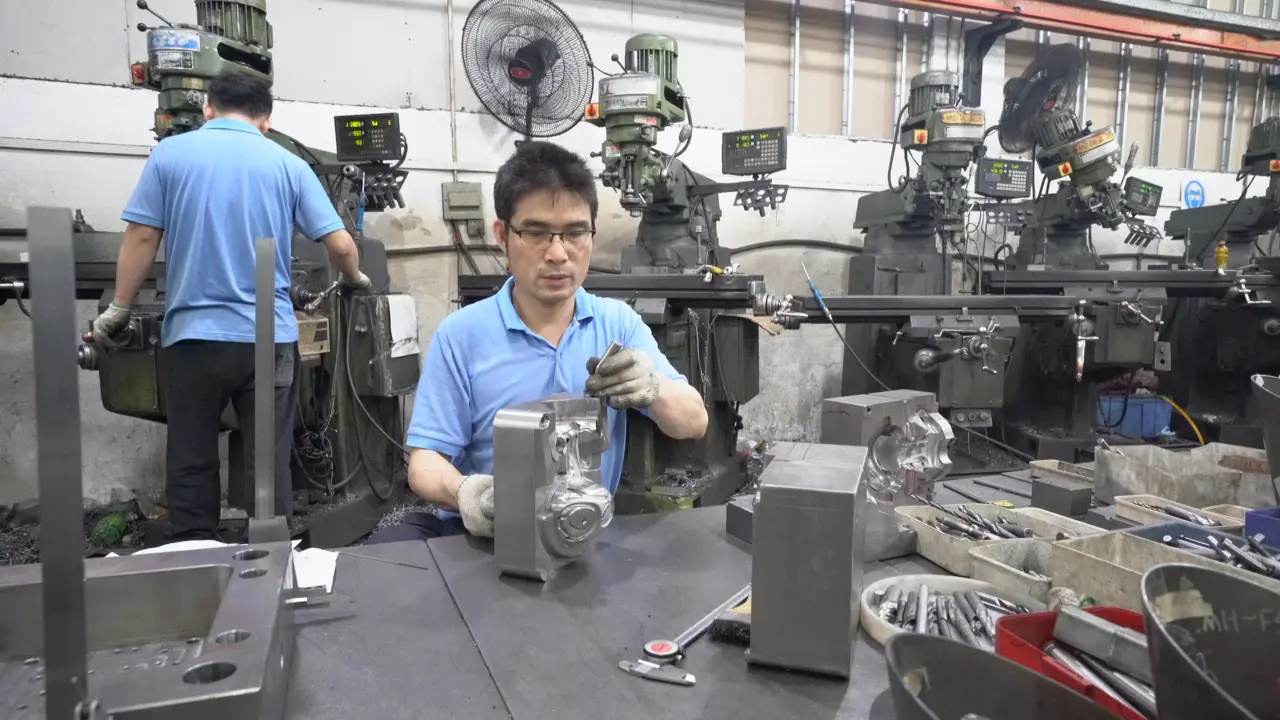
MIHOX has more than 15 years of toy manufacturing experience. Its current manufacturing operations cover approximately 25,000 square meters, with more than 500 employees, 40+ production lines, and 80+ injection molding machines. The company has supported different types of collectible figures, plastic models, soft vinyl products, resin products, and electronic integrated toys.
For customers who need to evaluate manufacturing capabilities before cooperation, MIHOX can support video meetings to review the production environment and discuss project requirements. Factory communication and audit arrangements can also be discussed according to individual project requirements.
MIHOX also has extensive experience serving the Japanese market and has experience related to Disney Factory Authorization & Verification, with relevant compliance documentation available upon request depending on the project requirements.
MIHOX Company Introduction
View our comprehensive corporate profile, factory facilities, and mass production capabilities for collectible toy brands.
Real Manufacturing Capability Should Be Verifiable
For mid-to-high-end collectible toy brands, a factory photograph or quotation alone is not enough to determine whether a manufacturer is suitable for long-term cooperation.
The more important questions are:
- Can the manufacturer understand the product?
- Can the engineering team participate in product development?
- Can mold development and production work together effectively?
- Can the manufacturer maintain consistency after sample approval?
- Is the factory willing to communicate openly and allow its capabilities to be evaluated?
These questions can be more important than simply comparing unit prices. At MIHOX, we believe that manufacturing capabilities should be demonstrated through actual projects, engineering communication, samples, and production processes. For brands looking for a long-term manufacturing partner, the most meaningful evaluation ultimately comes from real products and real production processes.
From Wonder Festival Shanghai 2026 to the Wider Market: What Happens After the Exhibition Matters
For a collectible toy brand, WF can provide an opportunity for a product to be seen by a wider audience and for original designs, IP projects, and emerging brands to gain attention. But an exhibition is not the end of product commercialization. What happens after the exhibition often determines whether a design can become a product that is ready for the wider market.
Key considerations include:
- Can the design be converted into a manufacturable product?
- Can the product be prototyped consistently?
- Are the material and manufacturing process appropriate?
- Can the mold support the expected production volume?
- Can mass-produced products maintain the approved sample quality?
- Can the manufacturer continue supporting the brand as its product line grows?
Moving from figure design to mass production is therefore not simply a matter of sending a 3D file to a factory. It is a connected process involving design, engineering, materials, molds, production, finishing, assembly, and quality control.
For growing collectible toy brands, exhibitions can help products gain attention. A reliable manufacturing partner
Frequently Asked Questions
Can figures displayed at Wonder Festival go directly into mass production?
Not necessarily. A product displayed at an exhibition may be a prototype, presentation sample, or already mass-produced product. If it is a prototype, additional engineering evaluation, material selection, mold development, sample approval, and production validation are usually required before mass production.
What are the steps from a 3D figure design to mass production?
The process generally includes 3D file evaluation, engineering development, prototype production, material and process selection, mold development, trial production, sample approval, mass production, painting, assembly, quality inspection, and packaging. The exact process depends on the product structure and material.
Should collectible toys use PVC, ABS, resin, or soft vinyl?
The appropriate material depends on the product size, structure, production quantity, detail requirements, surface finish, budget, and manufacturing process. PVC and ABS are commonly used for injection-molded products, resin is often suitable for certain highly detailed statues, and soft vinyl is used for specific soft or hollow collectible structures.
How can I tell whether a figure OEM manufacturer has real mass production capability?
Look at the manufacturer’s engineering, mold, molding, painting, assembly, and quality control capabilities, as well as its experience with similar products. Video meetings, sample evaluation, production environment reviews, and factory audits can also provide additional ways to verify manufacturing capability.
Can small and growing figure brands work with an OEM/ODM manufacturer for mass production?
Yes. A brand can generally begin with its 3D files, product dimensions, expected quantity, and reference images. The manufacturer can then evaluate the design, recommend suitable materials and processes, and develop a production plan. Brands that have not yet selected a manufacturing process can also discuss the product’s manufacturing feasibility with the engineering team.
Conclusion
A collectible toy needs more than a good concept to become a commercial product.
It needs engineering teams that understand the design, suitable materials and manufacturing processes, molds that support stable production, and reliable painting, assembly, and quality control.
For brands using WF and other industry exhibitions to increase product visibility, being seen is the beginning. Being able to consistently manufacture the product is the foundation for bringing it to market.
MIHOX Manufacturing Services
MIHOX specializes in B2B OEM/ODM custom collectible toys, figures, and related products, supporting brands, IP owners, game projects, designers, distributors, and other professional buyers from engineering development and prototyping through mold development, production, painting, assembly, packaging, and mass production.
If your brand already has a 3D design, IP, or product concept and is looking for a manufacturing partner for collectible figures or toys, the process can begin with the product dimensions, expected quantity, and available 3D files. From there, the manufacturing requirements can be evaluated based on the actual product.