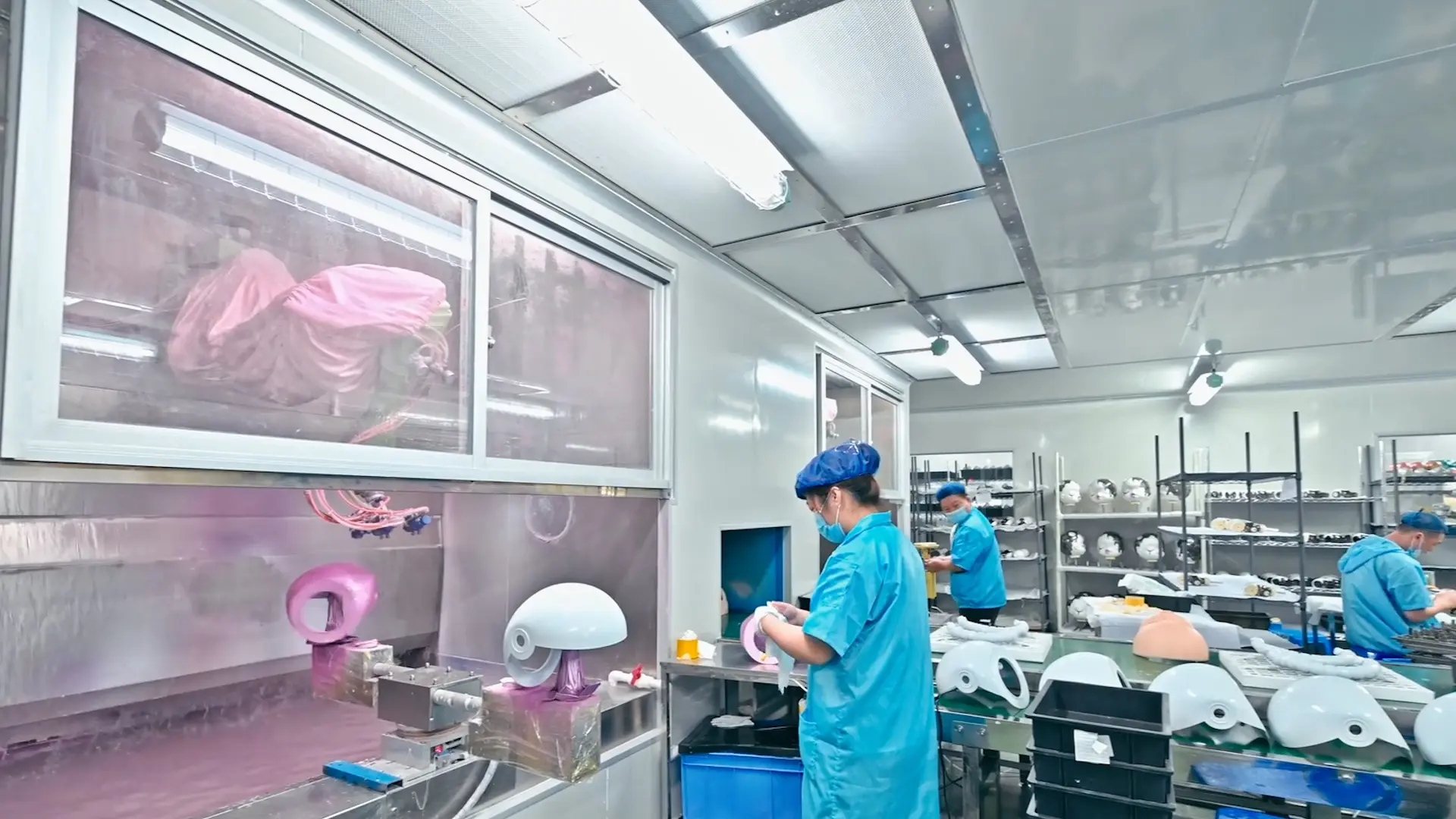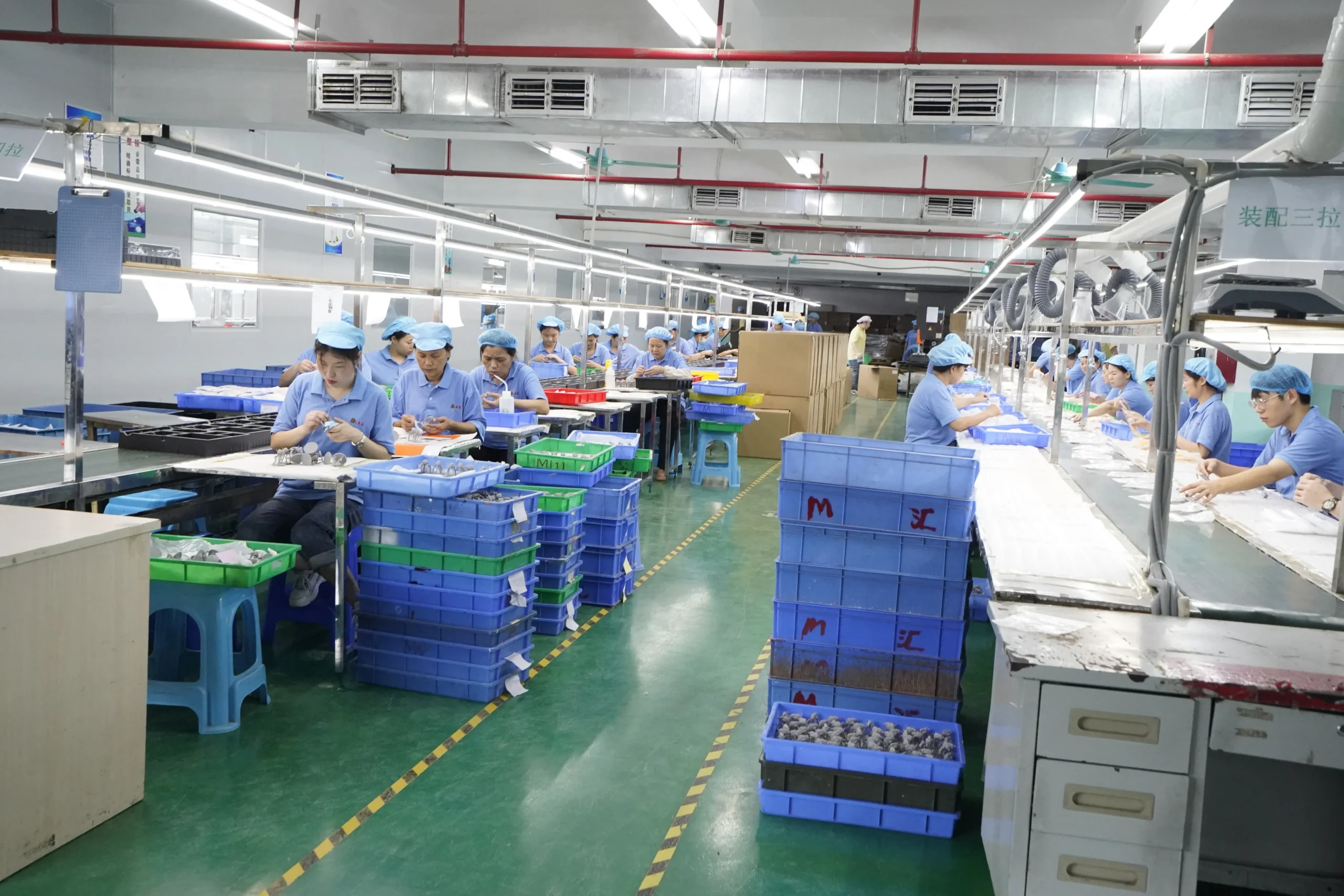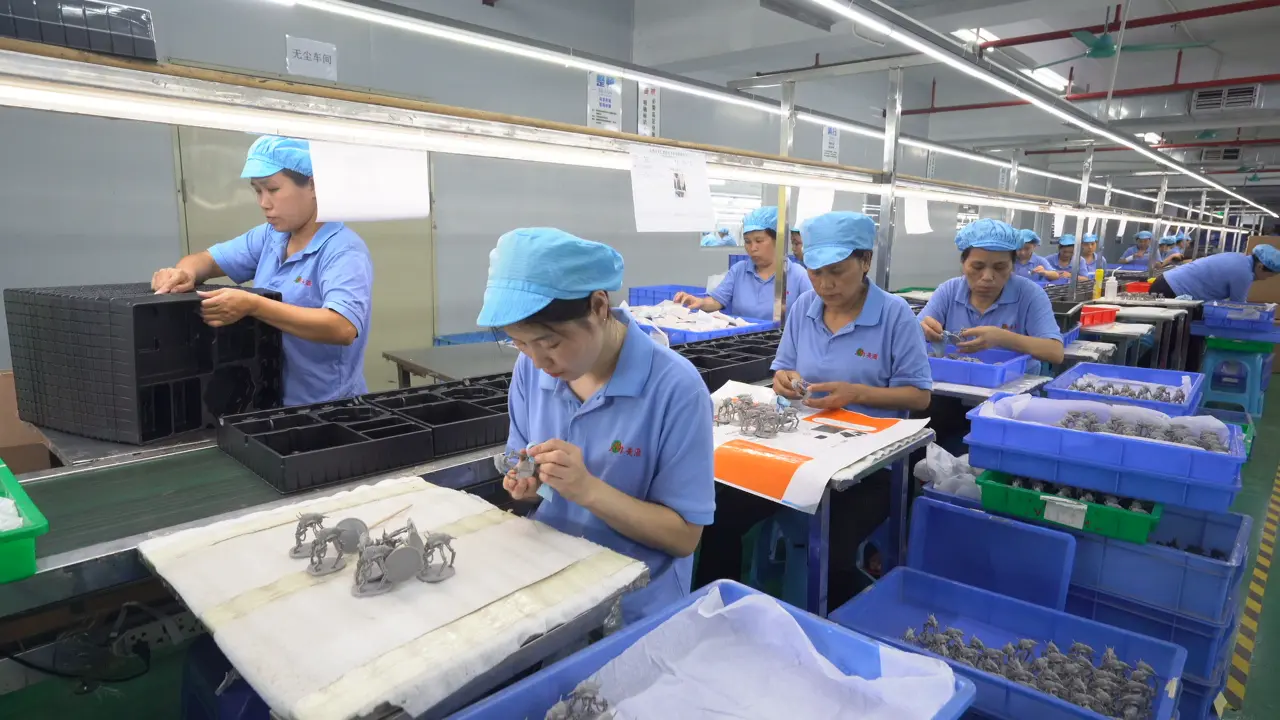

Injection Molding Steel Mold
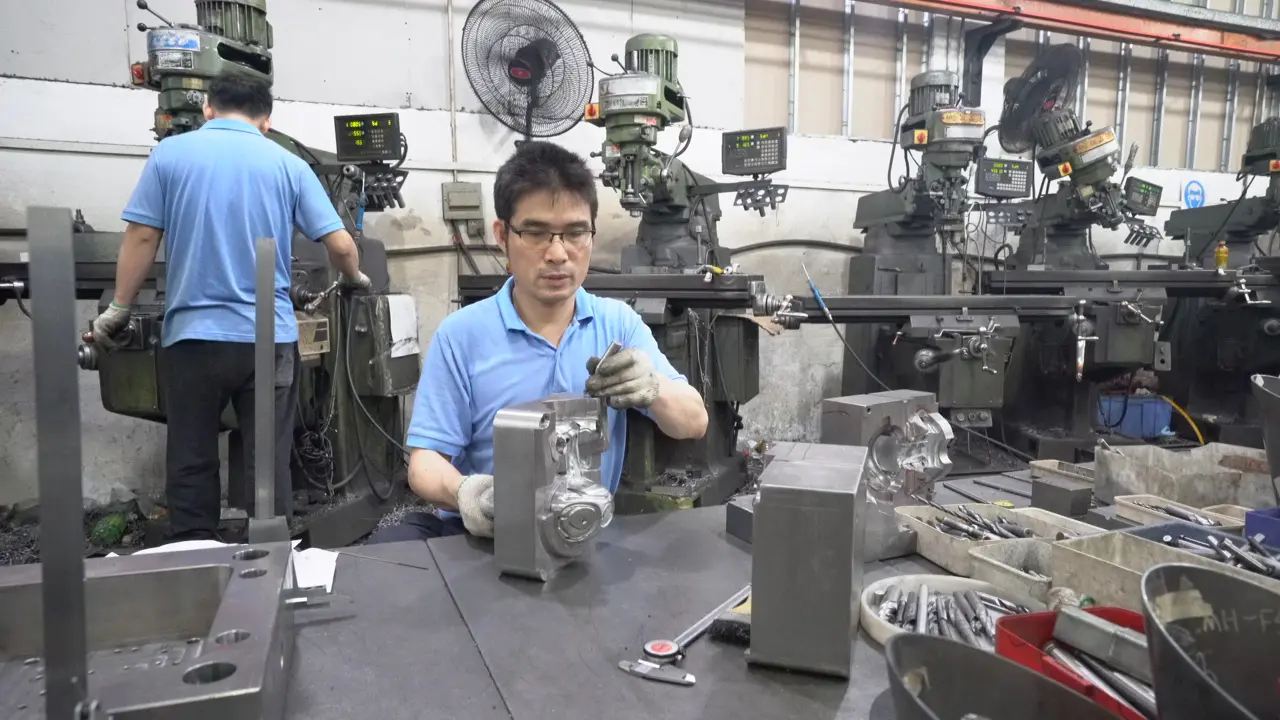
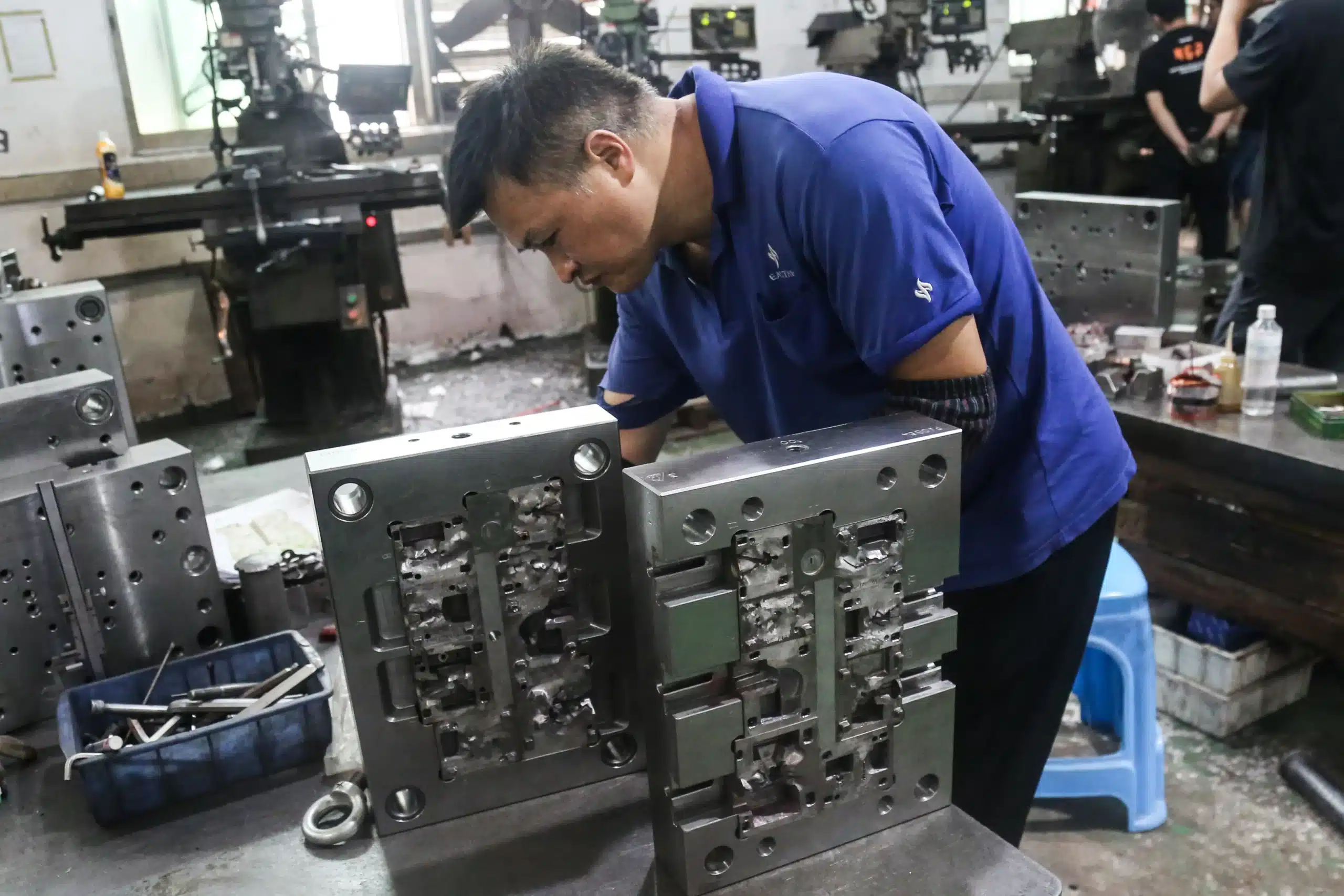
Steel injection molds are used for high-volume PVC and ABS production. MIHOX manufactures precision steel molds using CNC machining, EDM, polishing, and mold fitting to achieve accurate dimensions, clean parting lines, and consistent product results across mass production.
What Products Need Steel Injection Molds?
Products requiring high-volume PVC or ABS injection molding typically use steel injection molds. They are suitable for projects that require stable dimensions, accurate structures, detailed shapes, and consistent results across repeated production.
Talk to a Steel Mold Engineer →
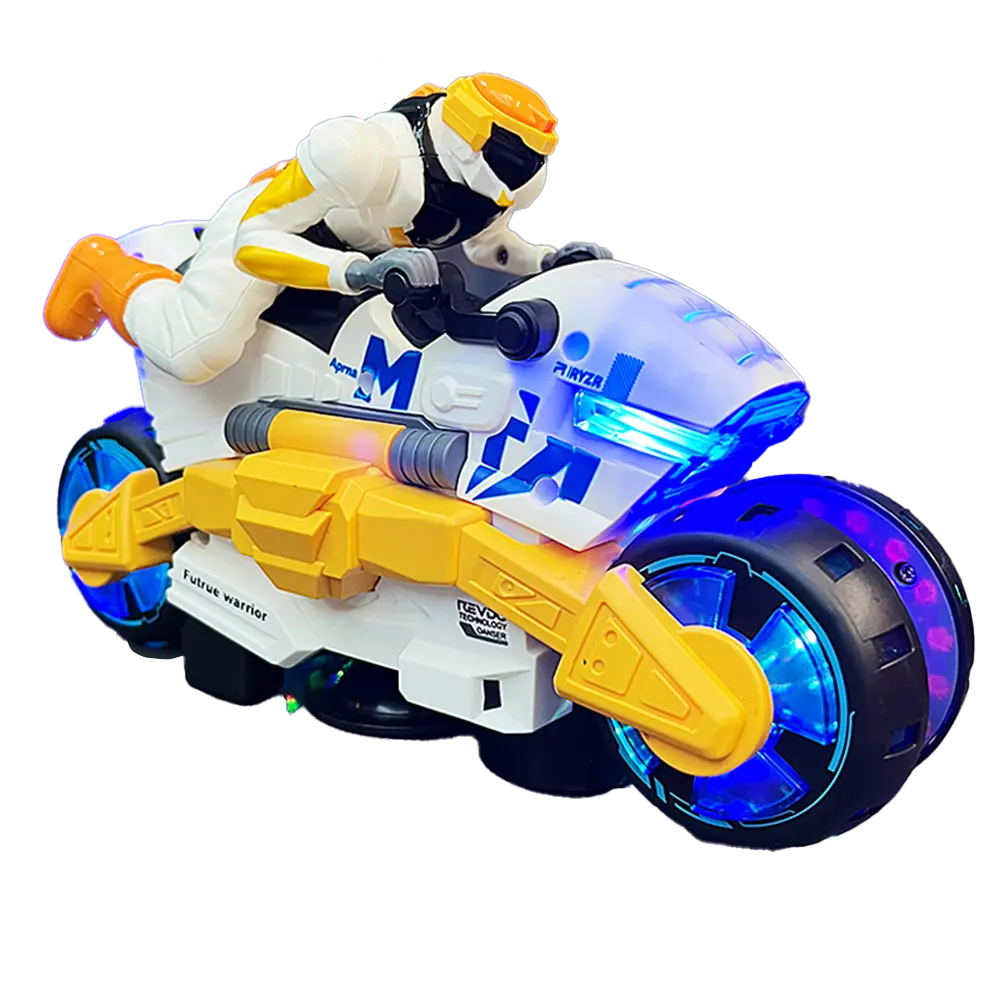
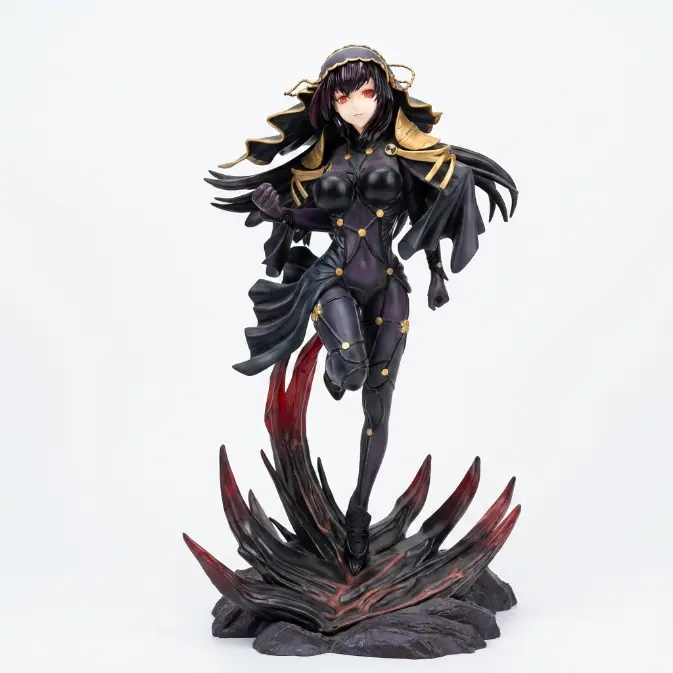
PVC Products
PVC figures, toys, collectibles, and other plastic products produced in volume.
ABS Products
ABS models, components, and products requiring rigid structures and accurate dimensions.
Complex Products
Products with detailed structures, multiple parts, or demanding dimensional requirements.
Mass Production
Products requiring repeated production with consistent dimensions, structure, and appearance.
How Many Units Make a Steel Injection Mold Suitable?
For most PVC and ABS injection-molded products, 1,000 units is a practical starting point for evaluating steel tooling, while 3,000–10,000+ units generally make the tooling investment more cost-effective.
Careful Evaluation
Steel tooling may be possible, but the mold investment should be evaluated carefully against the expected production volume.
Possible Starting Point
Suitable for selected PVC and ABS projects when product structure, dimensions, and future production plans justify steel tooling.
More Cost-Effective
Higher production volume allows the tooling cost to be distributed across more units, making steel injection molding more economical.
Strong Fit
Especially suitable for large-volume production, repeat orders, and products expected to remain in production over multiple batches.
Material, product structure, dimensional requirements, mold complexity, expected repeat orders, and total production volume should be considered together before tooling begins.
For a first production run, we evaluate the tooling cost together with the expected total production volume—not just the initial order quantity.
How Much Does a Steel Injection Mold Cost?
Steel injection mold tooling commonly ranges from several thousand to tens of thousands of US dollars per mold set. The actual cost depends on product geometry, mold structure, steel grade, cavity configuration, and production requirements.
Simple or smaller molds
Detailed structures & machining
Multi-part mold systems
Multi-cavity large tooling
What Determines Steel Mold Cost?
The final tooling price is mainly affected by the mold size, structure, machining requirements, and finishing work.
Mold Size & Steel
Larger molds generally require more steel, larger mold bases, and longer machining time.
Cavity & Structure
Cavity count, slides, lifters, inserts, and other mechanisms increase mold structure and engineering requirements.
CNC & EDM Machining
CNC machining and EDM are used to create detailed cavities, inserts, and difficult-to-machine areas.
Finishing & Trial Molding
Polishing, texturing, mold assembly, trial molding, and necessary mold adjustments also affect the final cost.
We consider tooling investment, unit cost, expected production volume, and future repeat orders together. A higher initial tooling investment may reduce the unit cost when production volume is large.
When Is Steel Injection Molding the Right Choice?
Steel injection molding is suitable when a PVC or ABS product requires stable dimensions, repeatable quality, and long-term production. The decision should consider the complete production plan rather than the first order quantity alone.
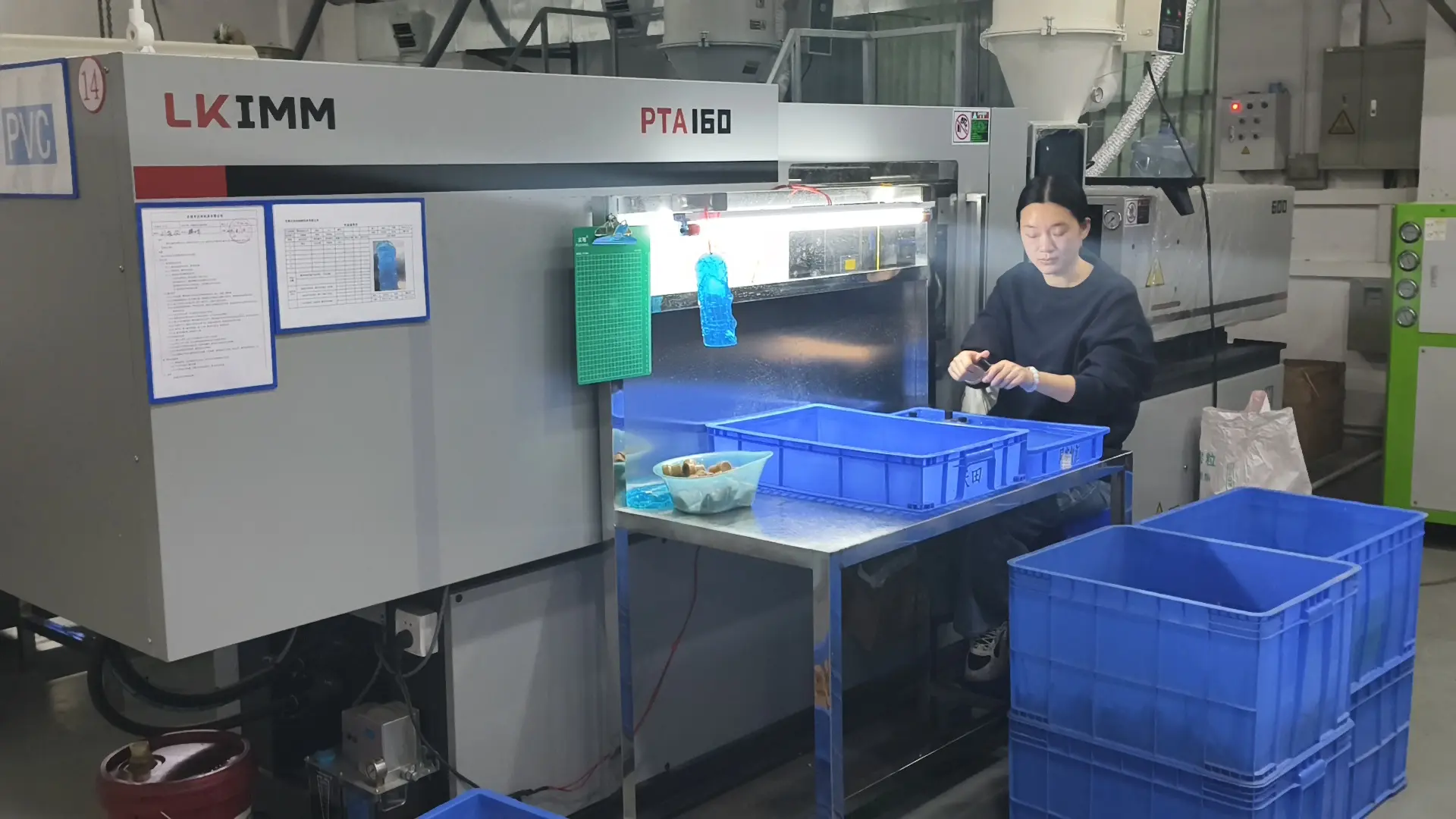
Is a steel mold worth opening for your product?
Material
PVC and ABS products designed for injection molding are the primary applications for steel tooling.
Production Volume
Steel tooling becomes more practical when the production volume is sufficient or repeat orders are expected.
Product Structure
A steel mold is useful when the product requires stable structures, accurate dimensions, or controlled geometry.
Consistency
Each production batch needs to maintain consistent dimensions, details, and assembly relationships.
Long-Term Plan
Initial tooling investment is more practical when the product is expected to receive repeat orders over time.
Steel Molding Is Usually a Good Fit When
The product uses PVC or ABS, production will be repeated, dimensions need to remain stable, and consistent quality is required across runs.
Another Process May Be More Suitable When
The project is a small one-time run, the design is still changing significantly, or the product does not require high dimensional consistency.
If your product is made from PVC or ABS and you expect repeated production, steel injection molding is usually worth evaluating. If the project is a small one-time run or the design is not finalized, another production method may be more suitable.
What Complexity Can a Steel Injection Mold Handle?
Steel injection molds are the engineering core for high-detail PVC and ABS parts. The limit is defined by geometry, sophisticated mold mechanisms, and micron-level machining accuracy.
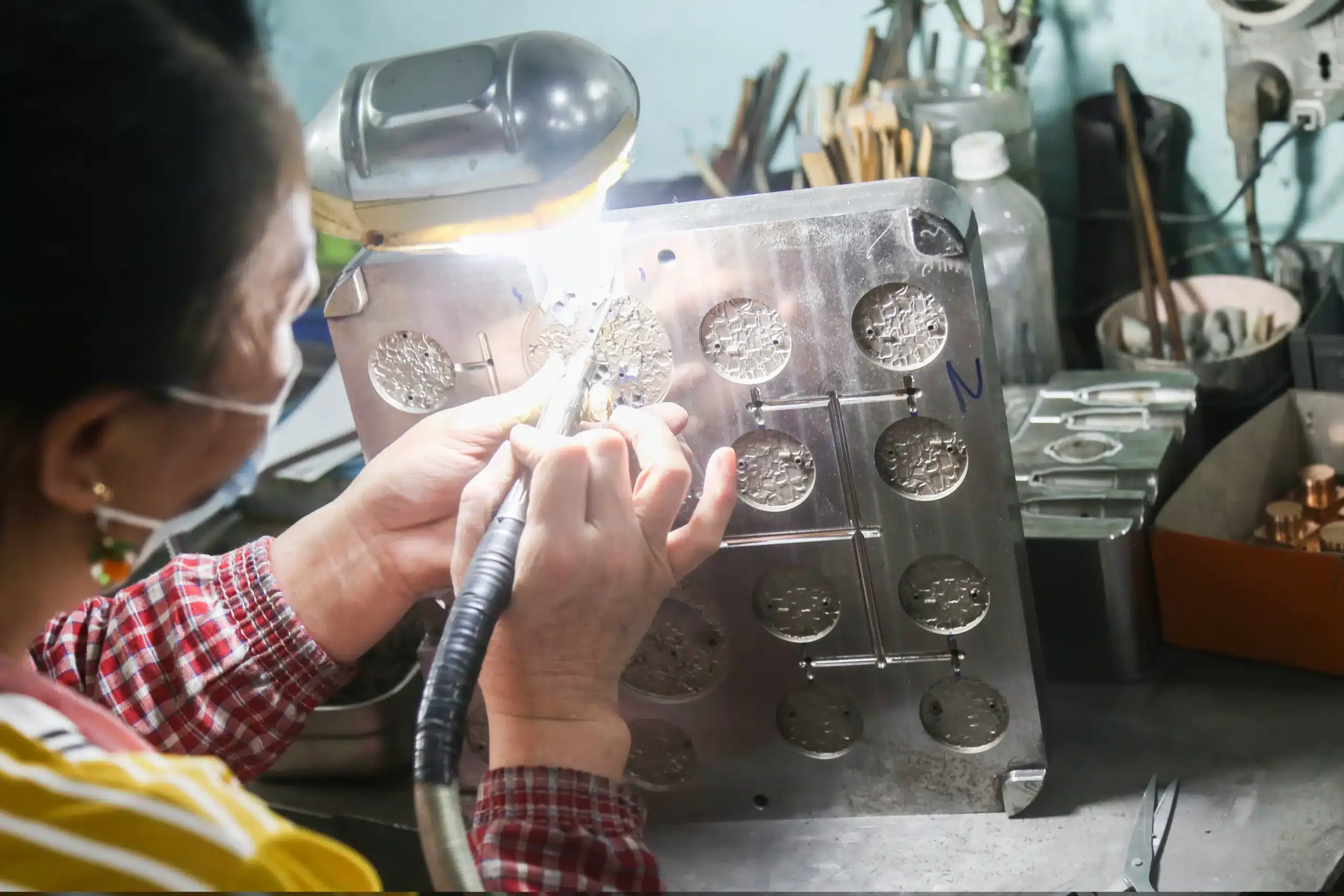
In-house Mold Polishing
Surface Detail
Textures, logos, lettering, grooves, and defined surface features can be machined into the cavity.
Undercuts
Slides, lifters, or inserts may be required for side features that cannot release directly.
Part Structure
Multi-part products and complex geometry affect cavity layout, inserts, and mold structure.
Dimensional Control
Critical dimensions and assembly relationships require appropriate mold design and precision machining.

* Note: These items are authorized for public showcase. MIHOX strictly respects NDA and IP protection for all confidential client projects.
Precision Steel Mold Manufacturing
The complete process from 3D model to production approval.
DFM & Design
Review geometry, draft, parting, and molding risks.
CNC & EDM
Machine cavities and cores. EDM is used for detailed features.
Steel Base
Select the appropriate steel and prepare the mold base.
Assembly
Verify mold movement, alignment, closing, and ejection.
Trial Molding
Produce actual PVC or ABS samples using the completed mold.
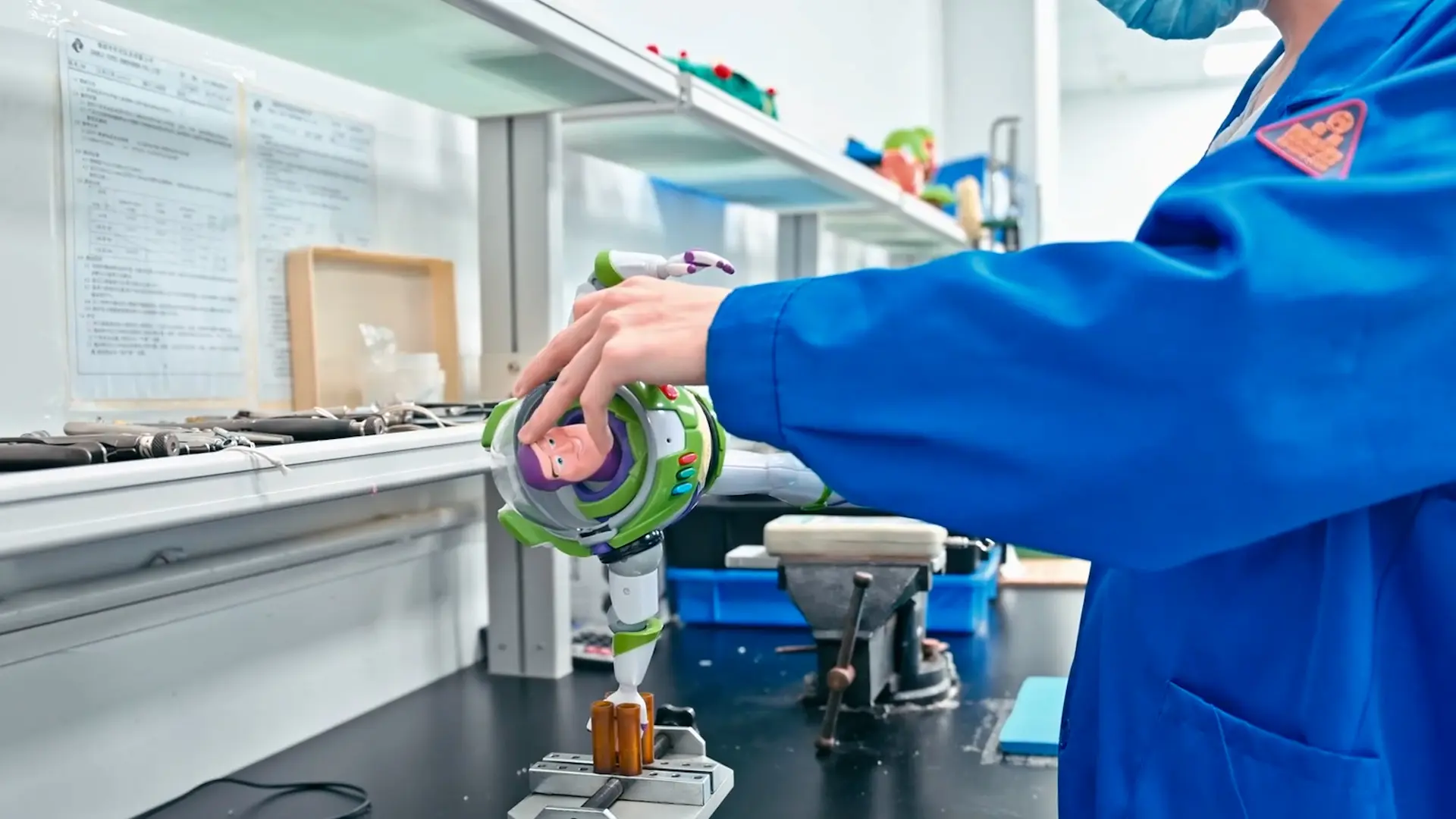
Quality Control
Verify dimensions, appearance, filling, and molding performance.
Adjustment
Correct required areas before final engineering approval.
Mass Production
Approved trial samples become the production reference.
Steel Mold Manufacturing Time
A standard PVC or ABS injection mold typically requires around 20–25 working days for mold manufacturing.
Machining builds the mold; trial molding verifies if it produces the required part.
Steel Mold Materials and Service Life
The choice of mold steel affects durability, wear resistance, machining performance, surface quality, and expected service life. However, mold life is not determined by steel grade alone. Product material, mold structure, injection conditions, maintenance, and production frequency also play an important role.
Common Mold Steels
P20, S136, and H13 are commonly considered for injection molds, but each has different characteristics and application considerations. The appropriate steel should be selected according to the product material, production volume, surface requirements, mold structure, and expected production life.
A properly designed steel mold supports tens to hundreds of thousands of cycles. Mold life depends on engineering, material, and maintenance.
Mold Life ≠ Product Quantity
Single Cavity
100k pcs100k × 1 cavity
Two Cavities
200k pcs100k × 2 cavities
Four Cavities
400k pcs100k × 4 cavities
Actual product output is molding cycles multiplied by the number of cavities.
What Affects Steel Mold Service Life?
Steel grade is only one factor. Actual mold life also depends on engineering, operating conditions, and maintenance.
Different steels offer different levels of wear, toughness, corrosion, and thermal performance.
PVC, ABS, and specific formulations can affect mold wear and required production conditions.
Cavity design, slides, lifters, and cooling systems affect long-term mold performance.
Temperature, pressure, holding pressure, and cycle conditions all affect the mold's working state.
Regular cleaning, lubrication, and inspection help maintain stable mold performance over time.
Continuous high-volume vs intermittent production affects cumulative cycles and maintenance.
Engineering Conclusion: There is no single mold steel or fixed service-life number that fits every injection molding project. The appropriate steel should be selected based on the product material, production volume, product structure, surface requirements, and expected total output.
Need Help Choosing the Right Mold Steel?
Submit your 3D model and let our engineering team evaluate the requirements.
Steel Injection Molds vs. Other Mold Types
Different products require different mold types. Steel injection molds are mainly used for PVC and ABS products that require stable dimensions, repeatable production, and larger production volumes.
The difference is not simply mold quality. The right mold type depends on material, molding method, product structure, production volume, and expected production life.
Three Common Mold Systems
| Mold Type | Common Material | Molding Method | Typical Products | Production Characteristics |
|---|---|---|---|---|
| Steel Injection Mold | PVC / ABS | Injection Molding | Rigid plastic figures, components, models, and other injection-molded products. | High repeatability and suitable for mechanical mass production. |
| Electroformed Copper Mold | Soft PVC / Vinyl | Rotational Molding | Soft vinyl figures and hollow collectible products. | Suitable for soft vinyl production with more manual processing. |
| Silicone Mold | Resin / PU Resin | Resin Casting | Resin statues, detailed collectibles, prototypes, and smaller production runs. | Flexible tooling with good detail reproduction and suitability for smaller volumes. |
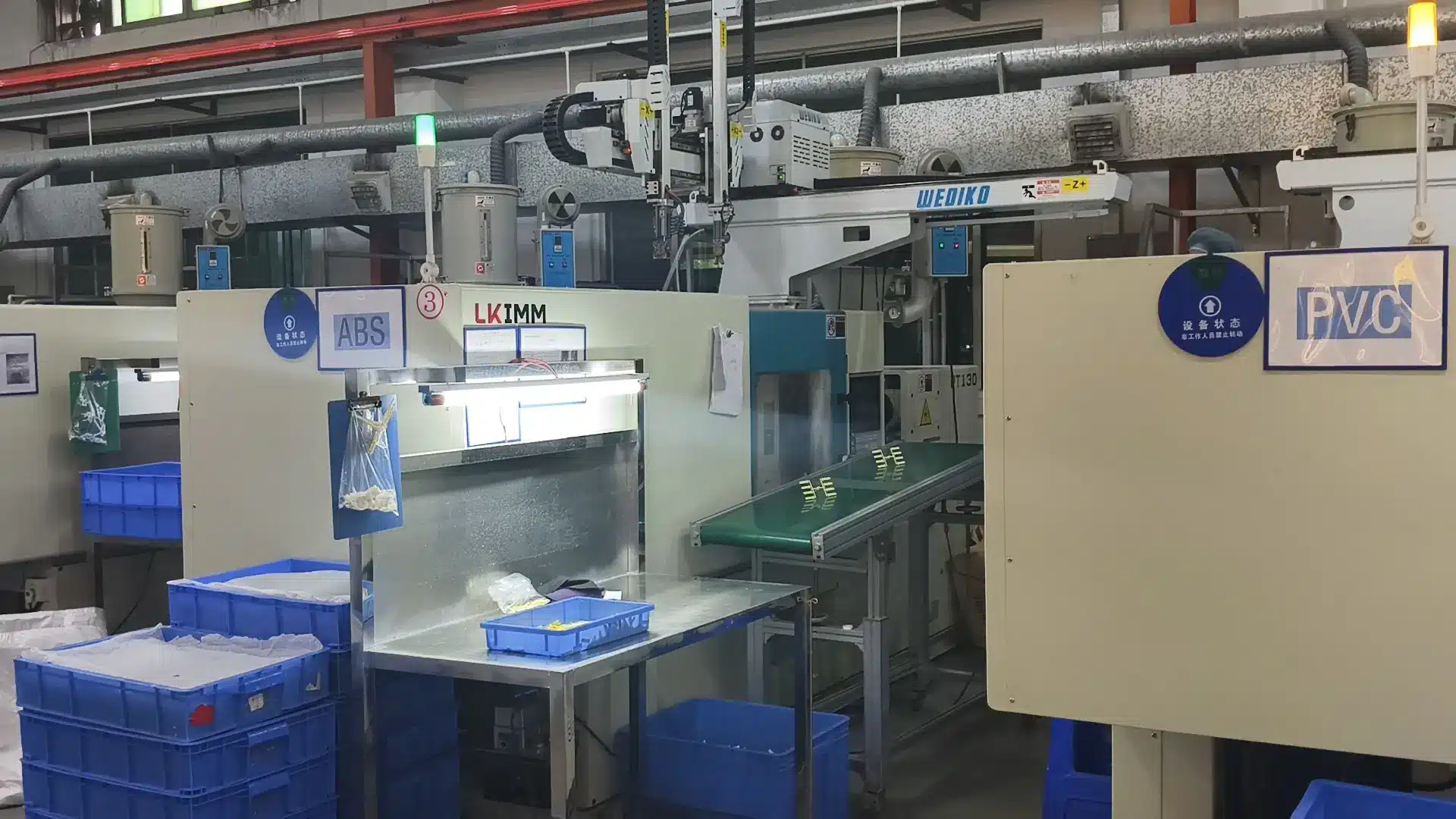
Why Are Steel Molds Used for PVC & ABS Injection?
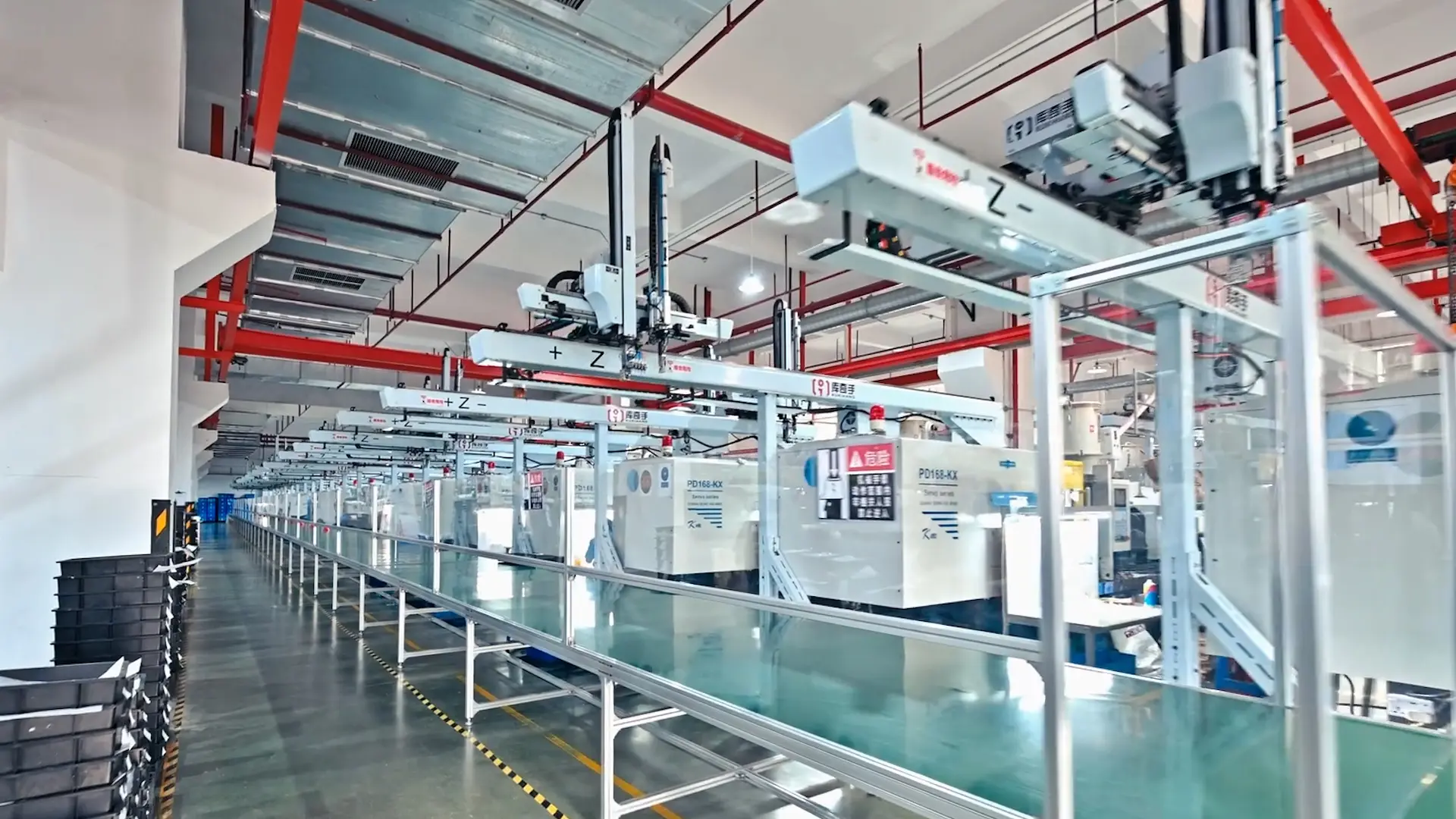
A steel injection mold works together with an injection molding machine to repeatedly form PVC or ABS components under controlled molding conditions. The mold defines the product geometry, while the machine controls the molding cycle.
What Makes These Mold Types Different?
Mold Material
Steel molds are rigid tooling designed for repeated injection cycles. Copper molds for soft vinyl, while silicone molds for resin casting.
Molding Method
Steel molds for injection molding. Soft vinyl for rotational molding, while resin products through liquid casting and curing.
Efficiency
Injection molding is well suited to mechanical production. Soft vinyl and resin involve more manual handling.
Volume
Steel injection molds for production in the thousands, while copper and silicone for process-specific production runs.
Which Mold Type Should You Choose?
Steel Injection Mold
Consider steel injection molding when the product requires repeatable mechanical production and stable dimensions.
- PVC or ABS material
- Production in the thousands
- Stable product dimensions
- Repeated production
Copper Mold
Consider electroformed copper tooling when the product is designed for soft vinyl and a hollow structure.
- Soft PVC / vinyl material
- Hollow product structure
- Soft vinyl collectible design
- Medium production requirements
Silicone Mold
Consider silicone molds when resin casting is more appropriate for structure, detail, or volume.
- Resin or PU resin
- Detailed sculptural products
- Smaller production runs
- Manual casting acceptable

Why Is Injection Molding Essential for Large-Scale Production?
Learn why injection molding becomes increasingly suitable as PVC and ABS production grows.
Not Sure Which Mold Type Fits?
Submit your 3D model and production requirements for an engineering evaluation.
Steel Injection Mold FAQ
Common questions about steel injection molds, including tooling decisions, production volume, complexity, cost, mold life, and mass production.
Do All PVC and ABS Products Require Steel Injection Molds?
No. Steel injection molds are mainly used when PVC or ABS products require stable dimensions, repeatable production, and larger or repeated production volumes. For smaller runs, changing designs, or different structural requirements, other molding methods may be more suitable.
Is 1,000 Units Enough to Justify a Steel Injection Mold?
1,000 units can be a practical starting point for evaluating steel tooling, but quantity alone does not determine whether a mold is worthwhile. The decision should consider the tooling cost, unit cost, product structure, and expected repeat orders.
Can Steel Injection Molds Produce Complex Products?
Yes. Steel injection molds can produce products with detailed surfaces, complex structures, side holes, undercuts, and multiple components. Slides, lifters, and inserts can be used where required. Greater complexity usually increases mold structure, machining requirements, tooling cost, and manufacturing time.
How Long Does a Steel Injection Mold Usually Last?
Mold life is normally measured in molding cycles, rather than simply by product quantity. A properly designed and maintained steel injection mold can support tens of thousands to hundreds of thousands of molding cycles, depending on steel grade, material, mold structure, injection conditions, and maintenance.
What Is Included in the Cost of a Steel Injection Mold?
Steel mold tooling costs normally include the mold steel, mold base, CNC machining, EDM, fine machining, assembly, trial molding, and necessary adjustments. Final tooling cost depends on product geometry, cavity count, mold structure, steel selection, and engineering requirements.
Can Mass Production Start Immediately After the Steel Mold Is Finished?
Usually, no. After machining and assembly, the mold normally needs trial molding, sample inspection, and mold adjustment. Engineers check dimensions, filling, flash, ejection, parting lines, and surface quality before releasing the mold for mass production.
Is PVC / ABS Injection Molding Better Than Resin or Soft Vinyl?
There is no universally better molding method. PVC and ABS injection molding are generally suitable for larger-volume production requiring stable dimensions and repeatability. Resin casting can be more suitable for smaller runs and highly detailed sculptural products, while soft vinyl is commonly used for hollow and flexible structures.
Engineering Note
Steel mold selection should not be based on production quantity alone. Material, product structure, dimensional requirements, tooling cost, expected total output, and long-term production plans should be evaluated together.
Have a PVC or ABS Product Ready for Evaluation?
Submit your 3D model and production requirements. We can review the product geometry, mold structure, tooling requirements, and production conditions.