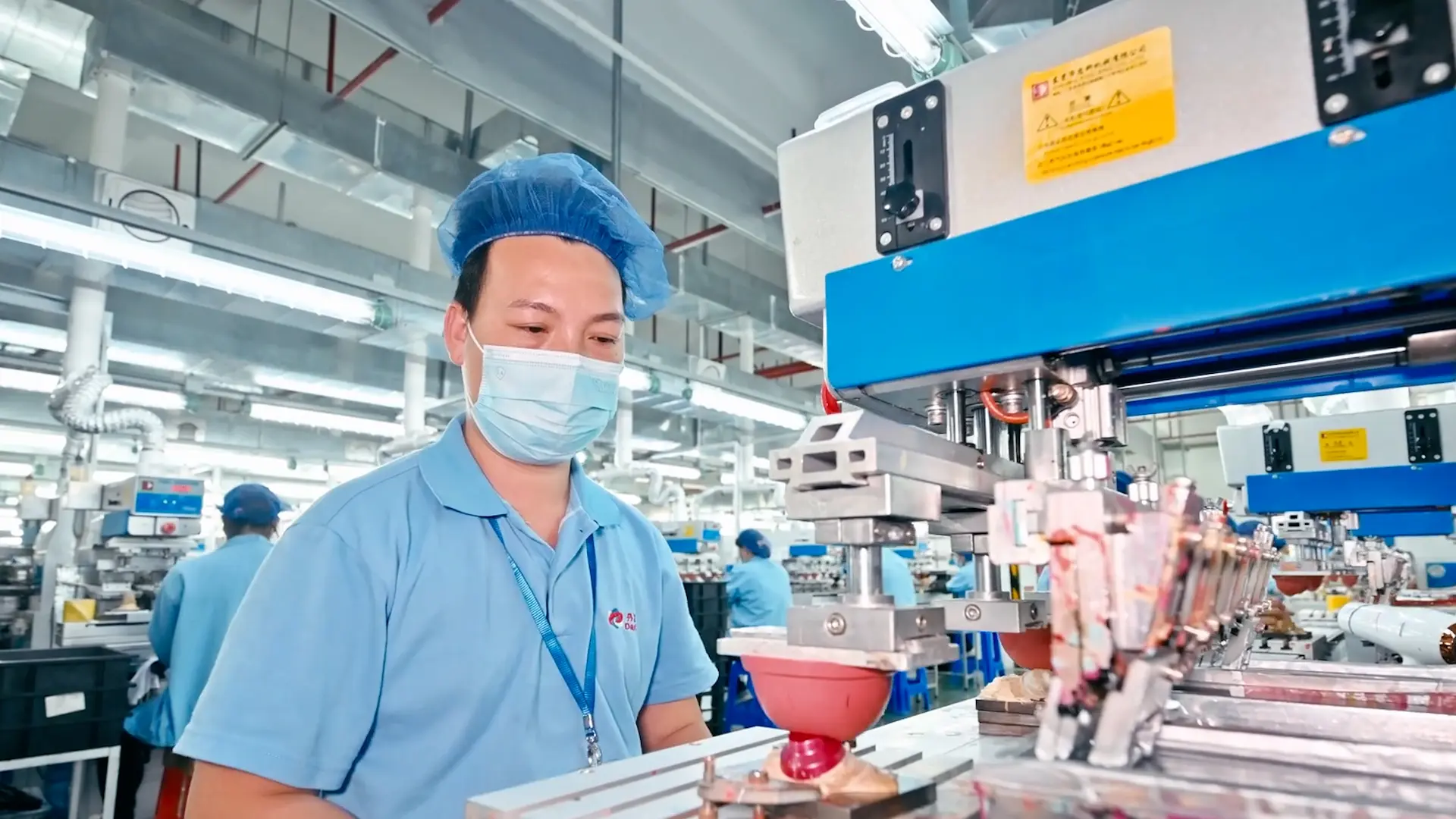
MOQ Explanation
MOQ & Production Quantity Planning for Custom Toys
The minimum quantity a factory can accept is not necessarily the quantity that makes a custom toy project commercially viable. MIHOX helps brands evaluate production quantities based on product structure, development costs and business goals.
Minimum Accepted MOQ vs. Recommended MOQ
These two figures serve different purposes. One indicates a potential production entry point; the other provides a more practical starting point for project planning.
Resin Figures
Suitable for detailed collectible statues, character sculptures and custom resin figures. Actual development costs depend on dimensions, structure, painting and finishing.
View Resin MoldSoft Vinyl Toys
Suitable for designer toys and collectible characters. Mold development, product dimensions, color requirements and finishing all influence the project budget.
View Soft Vinyl MoldInjection-Molded Toys
Suitable for custom ABS/PVC toys, multi-part figures and plastic collectibles. Tooling investment and part complexity can significantly affect initial costs.
View Injection MoldA Lower MOQ Does Not Mean a Lower Project Cost
The minimum accepted MOQ indicates a quantity the factory may be able to accommodate under suitable project conditions. It does not mean the development budget or unit price will be low at that quantity.
Custom tooling, engineering, materials, production setup and finishing all contribute to project costs. When these costs are spread across fewer units, the cost per unit can be substantially higher. A factory accepting a lower quantity does not automatically make the project more economical.
Why We Recommend Higher Production Quantities
Our recommended MOQ ranges are intended to help businesses plan a more practical balance between initial development investment, manufacturing costs and commercial sales potential.
Development Investment
Product structure, mold design, tooling and prototype development determine much of the initial investment.
Production Economics
A suitable production quantity helps distribute development and setup costs across more units.
Commercial Sales Planning
Production quantities should also reflect the target market, sales forecasts, distribution plans and inventory risk.
The Right MOQ Starts with Your Product Design
The figures above are general planning references, not universal recommendations for every product. Two projects using the same manufacturing process may require very different development budgets because of differences in size, structure, part count, tooling and surface finishing.
For startups and businesses developing their first collectible product, we recommend reviewing the design and estimated budget together before deciding on a quantity. Established brands and businesses with defined purchasing plans can share their target specifications and order quantities for a project-specific assessment.
Share your reference images, 3D files or product drawings with MIHOX. We can then evaluate the manufacturing process and help identify a suitable production quantity for your project.
- Product reference images or 3D files
- Dimensions and structural requirements
- Material and finishing specifications
- Target order quantity and business goals
All quantities shown are indicative planning references. Final MOQ, development costs, unit pricing and production feasibility must be assessed against the actual product design and project specifications.
Why a Lower MOQ Does Not Always Mean a Lower-Cost Project
The quantity a factory can accept is not necessarily the quantity that makes a custom toy project commercially practical. Development investment, product complexity and production volume all affect the overall cost.
Upfront Development Investment
Before mass production begins, a custom toy may require engineering work, prototypes, tooling or molds, and production preparation. These costs depend largely on the product design and manufacturing process, rather than quantity alone.
Product Complexity Affects Cost
Size, structural details, part count, materials, color requirements, surface finishing and assembly all influence development work and manufacturing costs. Two products made from the same material can have very different cost structures.
Production Volume Affects Unit Economics
When certain development expenses are shared across more units, their cost per unit may decrease. However, a larger order also requires more production spending and inventory commitment. The right quantity must balance unit cost, total investment and expected demand.
The Goal Is Not Simply to Order More — It Is to Plan More Effectively.
A practical production quantity should reflect the product's development requirements, available budget, expected sales and inventory strategy. MIHOX evaluates these factors before recommending a quantity for your project.
How MIHOX Evaluates Your Project
Every custom toy project has different manufacturing requirements. We review your product specifications and target quantity to help identify a suitable production process and a practical MOQ for your project.
Review Your Product Information
We review your reference images, 3D files, drawings or existing product samples, together with the intended dimensions and key design requirements.
Assess Manufacturing Requirements
We consider product structure, materials, tooling needs, surface finishing, components and assembly to understand the project's manufacturing requirements.
Evaluate Quantity & Budget
We consider your target quantity, development budget, expected demand and product plans to assess whether the proposed order is practical.
Recommend a Practical Next Step
Based on the information available, we can discuss suitable manufacturing options, quantity considerations and the requirements for a more detailed quotation.
What Should You Provide?
You do not need a complete technical package to start the discussion. The following information helps us understand your project more accurately.
Product Reference
Images, sketches, 3D files, drawings or sample photos.
Size & Specifications
Approximate dimensions, materials and important features.
Target Quantity
Expected order quantity for each character, version or SKU.
Budget & Project Timeline
Available budget, target launch date and expected sales plan.
Not Sure Which MOQ Is Right for Your Product?
Share what you have so far. MIHOX can review your initial requirements and discuss the next steps toward a suitable manufacturing plan.
Final MOQ, development costs, unit pricing and production feasibility are subject to review of the actual product design, specifications and order requirements.
Frequently Asked Questions About MOQ
Find answers to common questions about minimum order quantities, tooling costs, multiple designs and production planning for custom toy manufacturing.
01. Is MOQ calculated per character or for the entire order?
MOQ is generally evaluated according to the specific product design, manufacturing process and production requirements. For projects with multiple characters or SKUs, the quantity required for each design may differ. The total order quantity alone does not automatically determine whether every version meets a practical production level.
02. Can I combine different characters to meet the MOQ?
It depends on the designs and manufacturing requirements. Different characters may require separate molds, tooling, color setups or production processes. Some production arrangements may be compatible, while others need to be assessed separately. Please share the designs and proposed quantities for review.
03. Are mold and tooling costs included in the unit price?
Not necessarily. Development, mold or tooling costs may be quoted separately from the mass-production unit price, depending on the product and quotation structure. Before confirming a project, clarify which development expenses are included, which are charged separately and what the quoted production price covers.
04. Does meeting the minimum MOQ guarantee a low unit price?
No. The minimum accepted quantity indicates that a project may be considered for production; it does not guarantee a low unit price or a commercially suitable total budget. Development expenses, materials, product complexity and production volume all affect the final cost. A quantity assessment should consider both the total investment and the expected unit economics.
05. What information do you need to assess my MOQ?
Ideally, provide reference images, 3D files or technical drawings, approximate dimensions, material preferences, finishing requirements and the target quantity. If you have a budget or target launch date, include those details as well. Initial information is enough to begin a discussion; more detailed specifications may be needed for an accurate assessment and quotation.
06. Can the recommended MOQ be lower for a simpler design?
A simpler design may reduce certain development or manufacturing requirements, but the effect depends on the process and product specifications. A lower quantity is not automatically feasible or cost-effective. MIHOX reviews each project individually before discussing a suitable production quantity.
Have a Custom Toy Project in Mind?
Share your product design and target quantity with MIHOX to discuss manufacturing options and project feasibility.