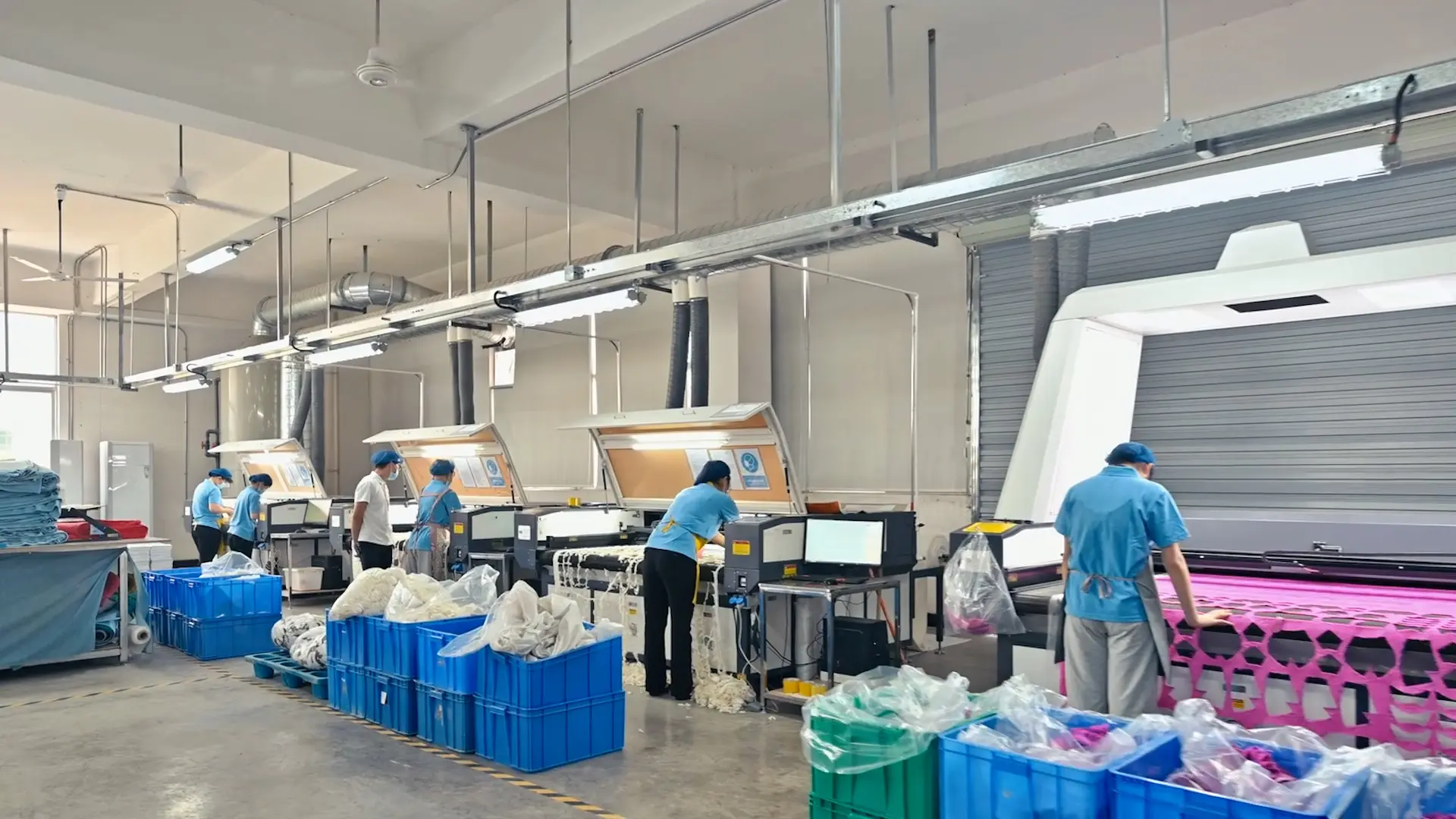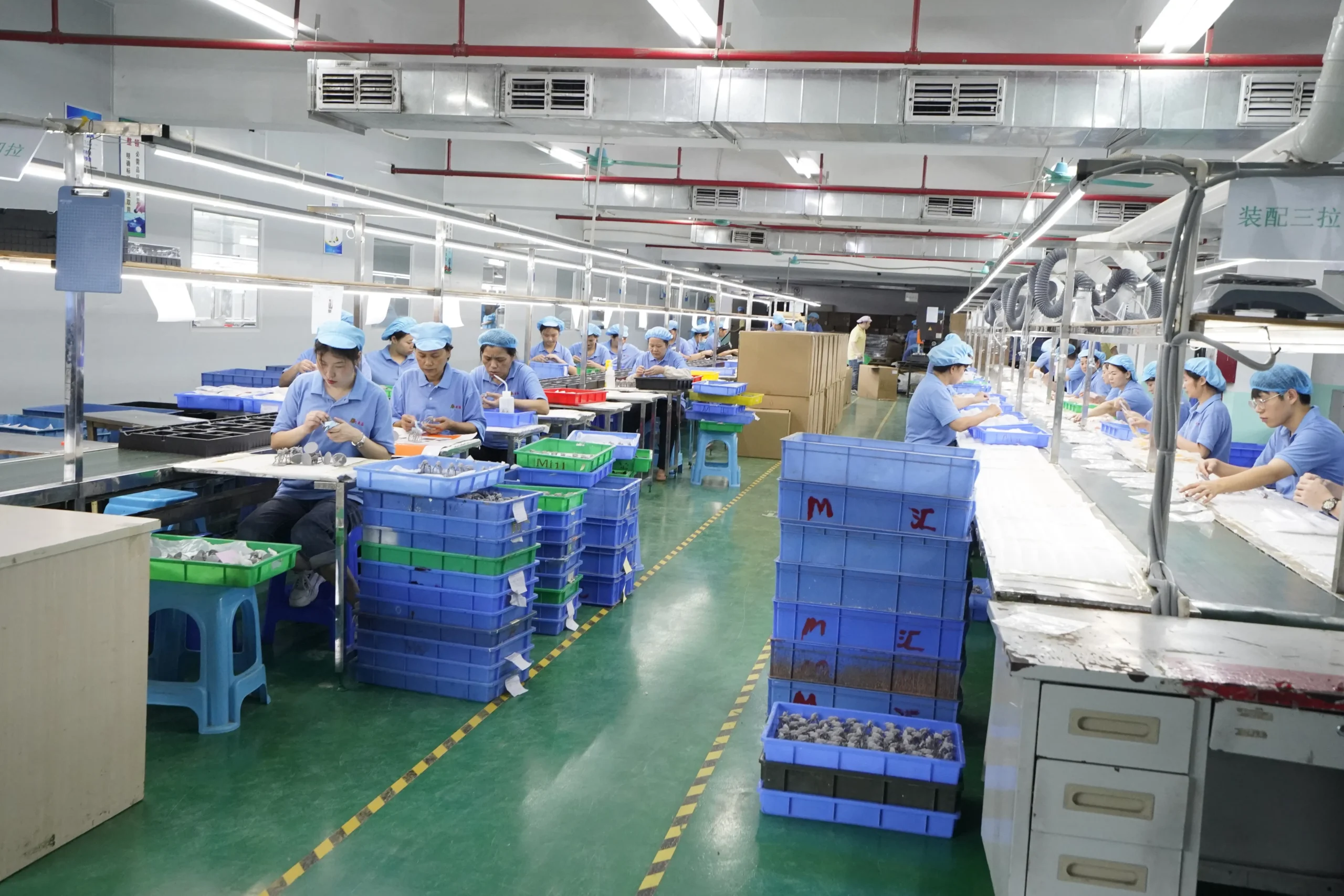
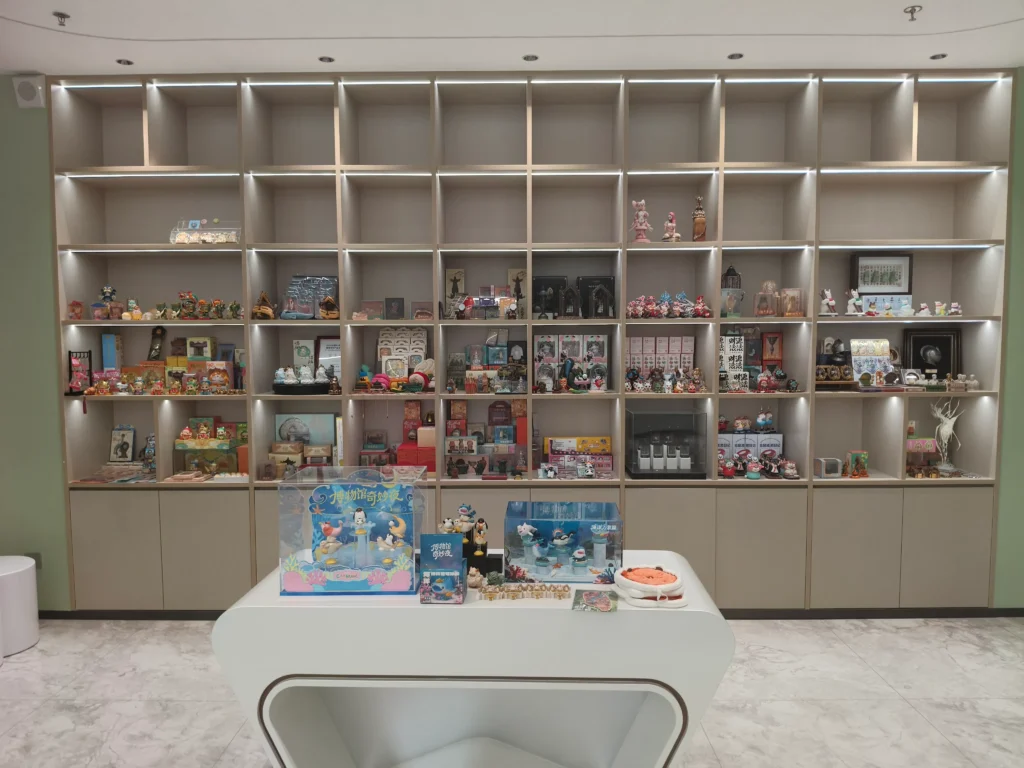
European licensed toy sales demonstrated strong growth in 2026, but this does not mean that every collectible toy category is growing at the same rate. Drawing on Circana’s European toy market data, this article examines PVC/ABS injection molding, resin statues, and soft vinyl manufacturing in terms of tooling investment, production efficiency, product detail, unit cost, and replenishment potential. It also explores how brands can choose the right manufacturing process when planning licensed figures, video game statues, and designer toys for 2027.
1. European Licensed Toy Sales Grow 20% in 2026: What Does This Mean for Brands?
For toy brands, IP owners, and collectible product developers, the European toy market has delivered an important signal in 2026: licensed toys are growing significantly faster than the overall toy market.
According to data published by Circana in October 2026, toy sales across the five major European markets of the United Kingdom, France, Germany, Italy, and Spain (EU5) increased by 8% year over year from January to August 2026. Over the same period, licensed toy sales increased by 20%.
Licensed products also accounted for 35% of toy sales value across these five markets, up from 31% in 2025.
In practical terms, approximately €35 out of every €100 spent on toys in these markets came from licensed products.
These figures suggest that products built around established brands, recognizable characters, and entertainment intellectual property (IP) are becoming increasingly important in the toy industry.
Source: Global Licensing Group / Licensing International — Global Licensing Industry Grows 5.45% to Reach $389.8 Billion, October 6, 2026.One distinction is essential: the 20% figure represents year-over-year growth in licensed toy sales value. It does not mean that the number of licensed toys sold increased by 20%, nor does it indicate that PVC, resin, or soft vinyl products individually grew by that amount.
The figures cover the EU5 markets rather than every European country, and the reporting period is January through August 2026 rather than the full calendar year.
This distinction matters because market data can identify growing commercial opportunities, but it cannot independently determine which manufacturing material will capture the largest share of sales.
For brands developing collectible toys, the more practical question is this:
As demand for recognizable video game, anime, movie, and other licensed characters grows, which manufacturing process can deliver the right balance of product quality, development cost, production scale, and future replenishment?
This is where PVC/ABS injection molding, resin casting, and soft vinyl manufacturing deserve closer examination.
1.1 Which Licensed Properties Are Creating Product Development Opportunities?
Circana’s October 2026 market update also highlighted differences in performance across licensed toy categories.
- Sports licensing: FIFA-related products benefited from the 2026 World Cup cycle and contributed to the growth of licensed toys in Europe.
- Movie-related licensing: Sales of movie-related licensed toys increased by 10%. Toy sales associated with Toy Story were approximately six times their level in the same period of 2025, while Spider-Man grew by 47% and Super Mario by 43%.
- TV and streaming licensing: Licensed toy sales in this category increased by 15%, supported by both new streaming content and established entertainment properties.
- Established character IP: Pokémon maintained its leading position in toy licensing, with related sales increasing by 9%.
These figures illustrate an important commercial pattern. Licensed toy sales are influenced by established properties, but new product opportunities can also emerge around movie releases, streaming content, major sporting events, and changes in fan interest.
For manufacturers, this means that opportunities may extend beyond traditional children’s toys to include video game statues, collectible character figures, display models, designer toys, electronic character products, and products combining multiple materials.
However, growth in a licensed property does not automatically translate into growth for a particular manufacturing material.
The same video game IP could support a premium resin statue, a PVC action figure, an ABS structural component, or a soft vinyl character toy. The right choice depends on the product design, target customer, retail positioning, and expected order volume.
1.2 Why Should Brands Look Beyond IP Popularity When Planning for 2027?
Licensed product development typically involves design approval, IP authorization, engineering, tooling, sample approval, mass production, and launch preparation. More complex products generally require greater coordination across these stages.
If a brand focuses only on a popular character without planning the manufacturing process, several problems may arise:
- Development costs exceed the budget, making the intended retail price difficult to support.
- The design contains details or structures that are difficult to reproduce consistently in mass production.
- The initial order is too small to distribute tooling costs efficiently.
- Demand increases after launch, but production capacity or tooling arrangements delay replenishment.
- Approved samples look good, but mass-produced units differ in color, dimensions, surface finish, or assembly quality.
For this reason, product planning for 2027 should not be based on IP popularity alone. Brands should first define their target customers, expected sales volume, and intended retail price before choosing a manufacturing process.
The following sections examine the strengths and limitations of three major manufacturing options.
2. PVC and ABS Injection Molding: Why Are They Suitable for Scalable Collectible Toy Production?
PVC and ABS are two commonly used materials in toy manufacturing, but they are not interchangeable in every application.
PVC can be used for various character toys, figures, and related components. ABS is often selected for parts that require rigidity, structural stability, or precise assembly.
The appropriate material depends on the component’s structure, flexibility, impact requirements, appearance, and applicable product regulations.
For collectible toy manufacturing, a key advantage of PVC/ABS injection molding is the ability to produce consistent components repeatedly using dedicated tooling and standardized production processes.
2.1 How Does Steel Tooling Affect Product Consistency?
Injection molding generally requires steel molds to be developed before mass production begins.
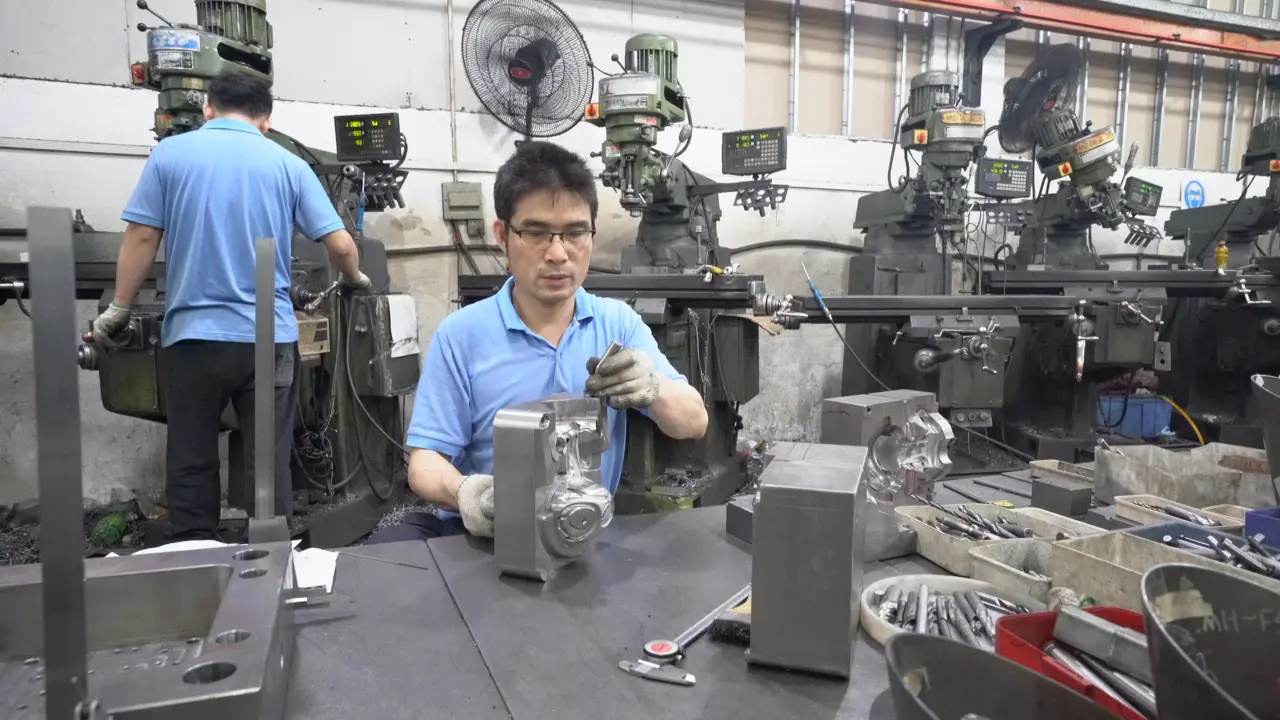
Mold manufacturing may involve CNC milling, precision machining, electrode machining, electrical discharge machining (EDM), machining, polishing, and other processes, depending on the design and mold structure.
For a complex collectible figure, tooling development involves much more than reproducing the external shape. Engineers must also consider:
- Parting lines, component separation, and demolding direction.
- Wall thickness, draft angles, and structural strength.
- Gate, runner, venting, and cooling design.
- The molding feasibility of small components and complex shapes.
- Assembly tolerances between individual parts.
- Requirements for subsequent painting, printing, electronic integration, and assembly.
Once the mold has been completed and validated, production equipment can repeatedly manufacture components under controlled processing conditions.
With appropriate material control, molding parameters, mold maintenance, and quality inspections, manufacturers can improve product consistency and repeatability.
However, a steel mold alone does not guarantee that every finished product will be flawless. Raw material quality, temperature, pressure, cooling time, mold wear, and post-processing also affect the final result.
For brands, the real advantage of injection molding is that once the design is finalized, the tooling is validated, and the production process is stable, the same product can be manufactured repeatedly with greater consistency, making the process suitable for scalable production and replenishment.
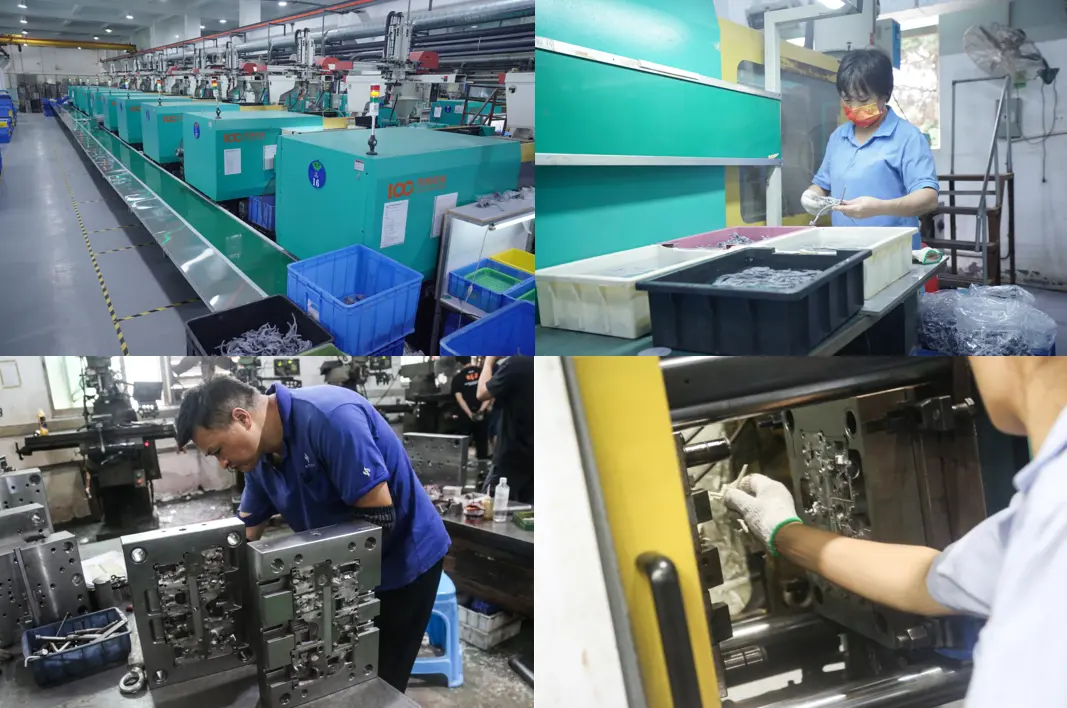
2.2 Why Can Injection Molding Become More Cost-Effective at Higher Volumes?
The initial investment in injection molding commonly includes mold design, mold manufacturing, trial molding, sample revisions, and engineering validation.
Complex collectible figures may require multiple molds or separate tooling for different components.
These upfront costs do not automatically decrease when the first production run is limited to a few hundred units.
However, once the tooling is completed, the initial investment can be distributed across a larger number of finished products.
Consider a hypothetical project with $30,000 in tooling and related upfront engineering costs. This is an illustrative example, not an industry quotation.
• At a cumulative production volume of 1,000 units, the allocated upfront cost is $30 per unit.
• At 10,000 units, it falls to $3 per unit.
• At 30,000 units, it falls to $1 per unit.
These figures illustrate only the allocation of tooling and engineering costs. They exclude materials, labor, painting, packaging, transportation, and other manufacturing expenses.
The principle is straightforward: whether injection molding is economical depends not only on the quoted unit price, but also on the tooling investment and expected total production volume.
When order volumes are substantial and the product can be replenished over time, injection molding is more likely to deliver economies of scale.
Conversely, if the order is small, the design changes frequently, or demand has not been validated, the initial tooling investment can create significant financial pressure.
2.3 How Many Injection-Molded Toys Can a Factory Produce Per Day?
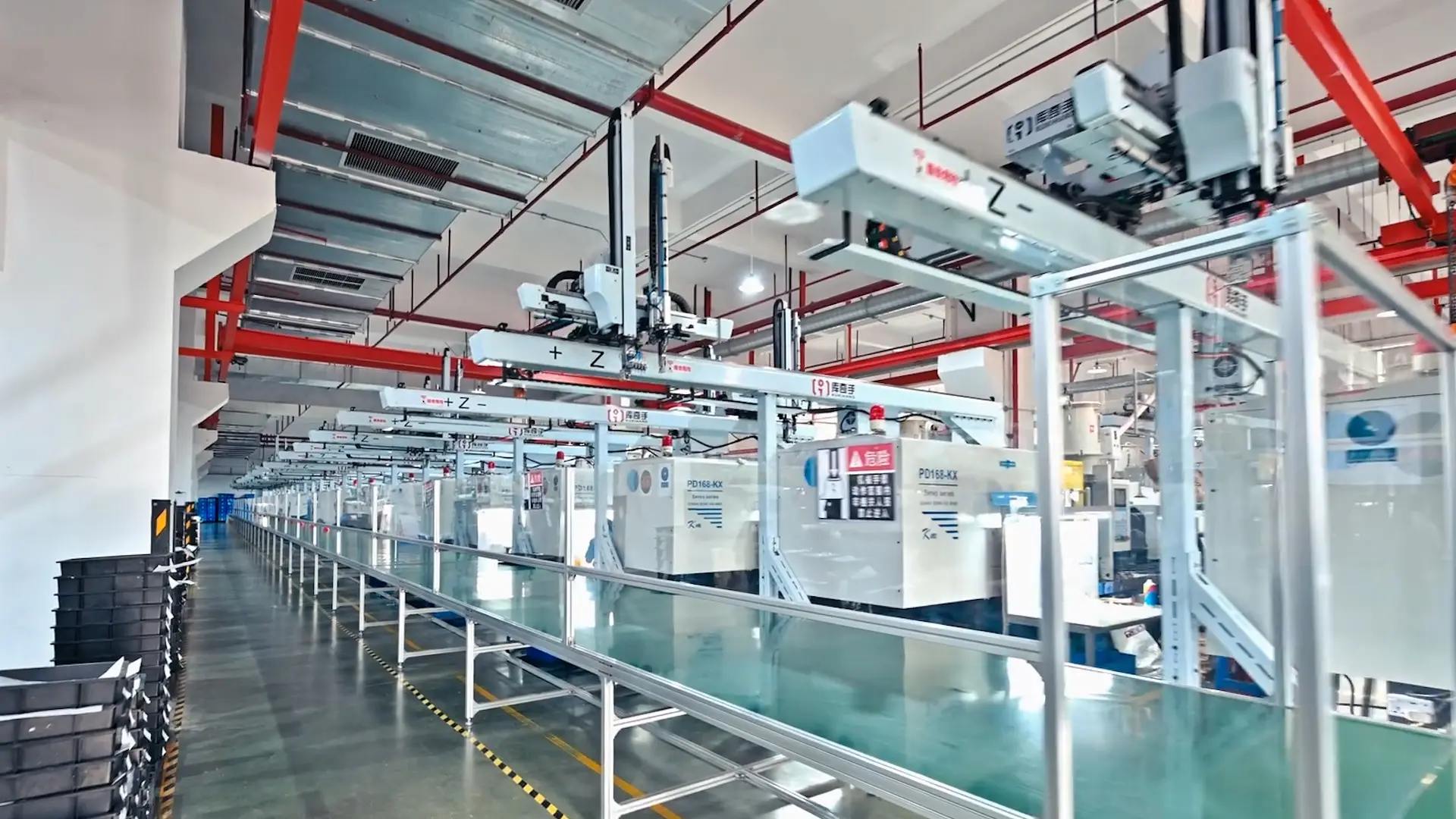
Injection molding offers considerable automation potential, but no single daily output figure applies to every product.
For example, 3,000–8,000 pieces per day may be a useful reference for certain products under specific production conditions. Actual output depends on product dimensions, the number of cavities, cycle time, the number of machines, mold-change time, yield, and downstream processing.
Small, relatively simple components can often be molded rapidly. Larger, multi-part, or complex figures may require several molds, multiple molding operations, and substantial painting and assembly work.
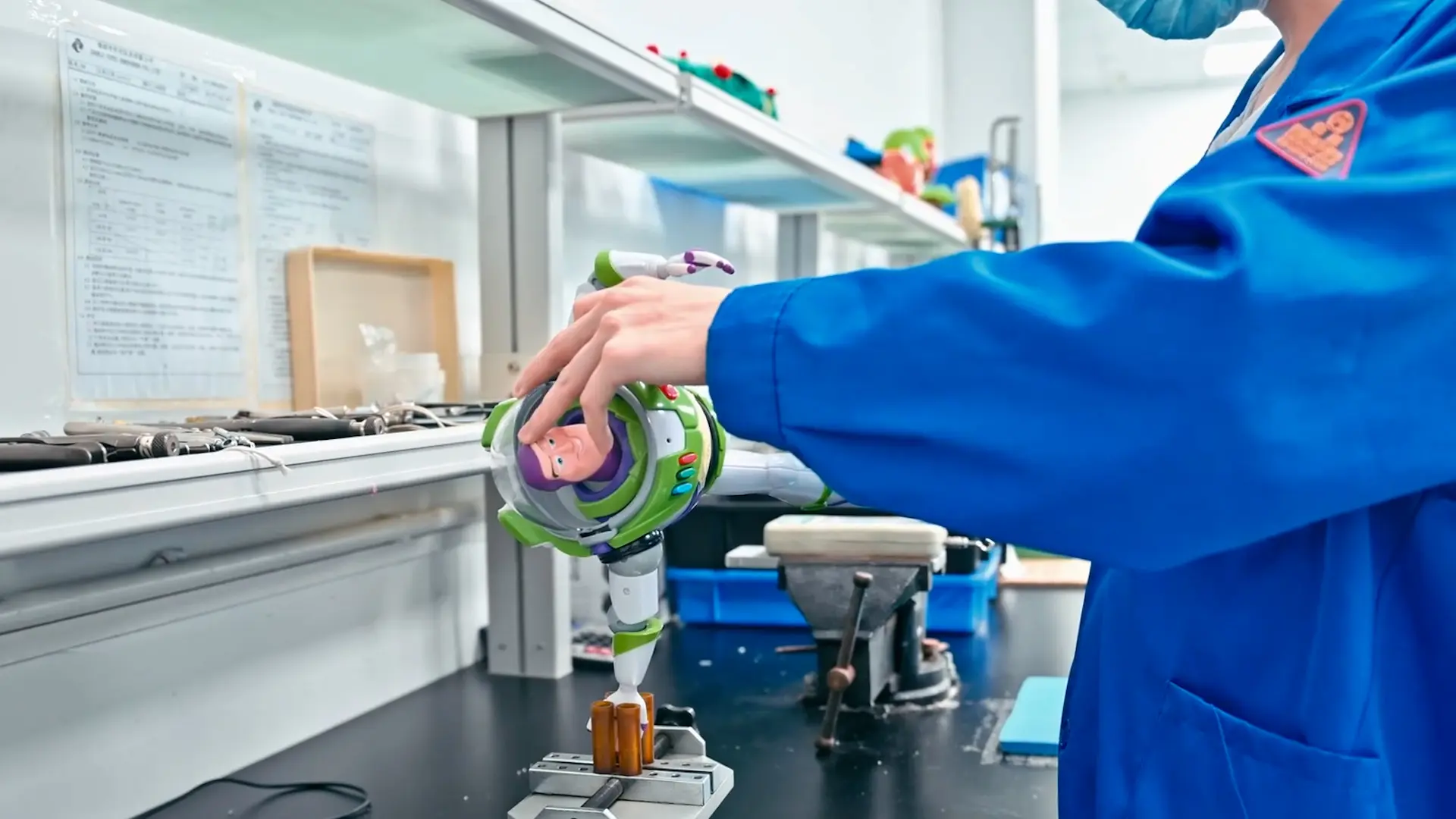
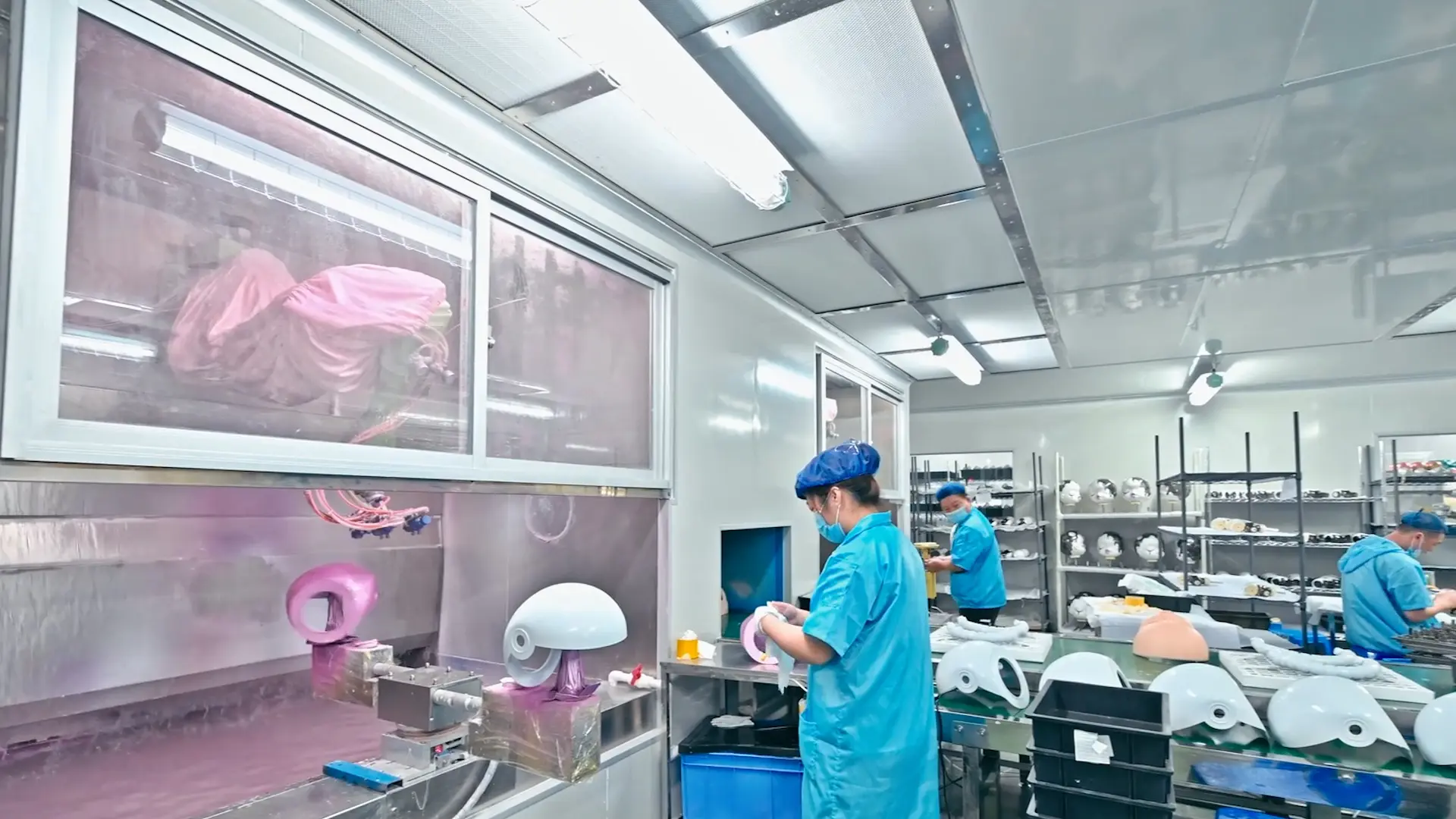
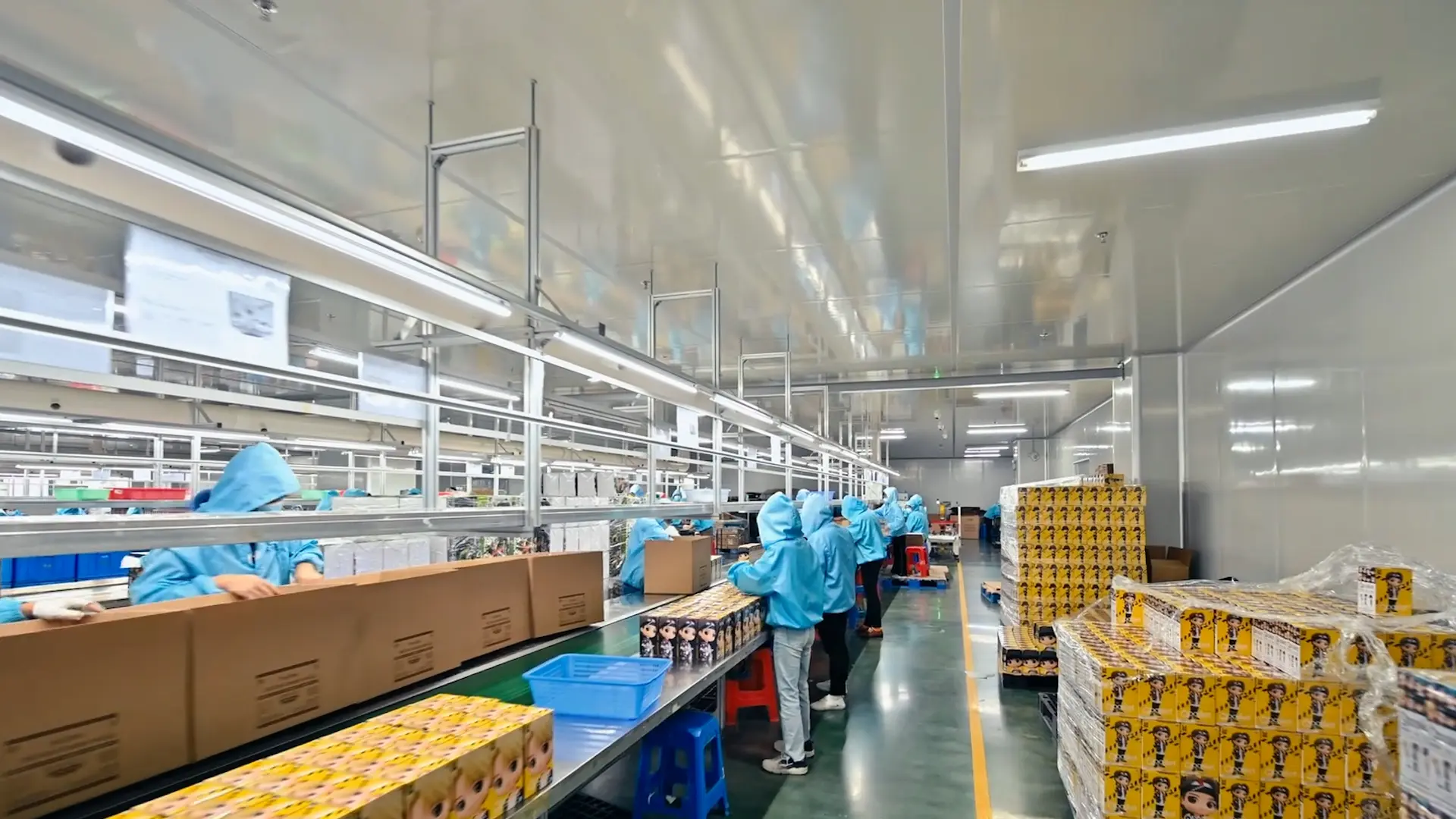
Even when injection machines produce components quickly, painting, pad printing, assembly, electronic integration, and quality inspection can become bottlenecks in the overall production line.
Brands should therefore request a capacity estimate based on their actual product rather than relying solely on the theoretical speed of an injection molding machine.
2.4 Can Injection Molding Produce High-Quality, Complex Collectible Figures?
Yes, provided that the design, tooling, molding process, and finishing capabilities are properly coordinated.
Modern injection molding is used not only for simple everyday toys but also for detailed character figures, articulated figures, mechanical models, and complex collectibles.
Through appropriate part separation, precision tooling, material selection, and finishing, manufacturers can reproduce intricate character designs, layered structures, and different surface effects.
However, the more complex the product, the more important early engineering evaluation becomes. Thin walls, deep recesses, delicate protrusions, and unusual textures may increase tooling and molding difficulty.
Injection molding is not simply a matter of placing a 3D model into a machine and pressing a button. Engineers must determine whether the design can be molded consistently and may need to adjust the parting structure, geometry, or material selection.
For brands, involving the manufacturer in engineering evaluation early in the development process can help identify potential problems before tooling begins.
2.5 Can Injection Molding Be Combined with Plush or Electronic Components?
Another advantage of injection molding is that it can serve as one part of a multi-material product.
Examples include:
- PVC + ABS: Combining materials to meet different requirements for flexibility, rigidity, and structural strength.
- Injection molding + plush: Creating character toys that combine soft plush components with rigid molded parts.
- Injection molding + electronics: Developing character toys with lights, sounds, buttons, or other electronic functions.
- Injection molding + soft materials: Combining different materials or textures when the design supports it.
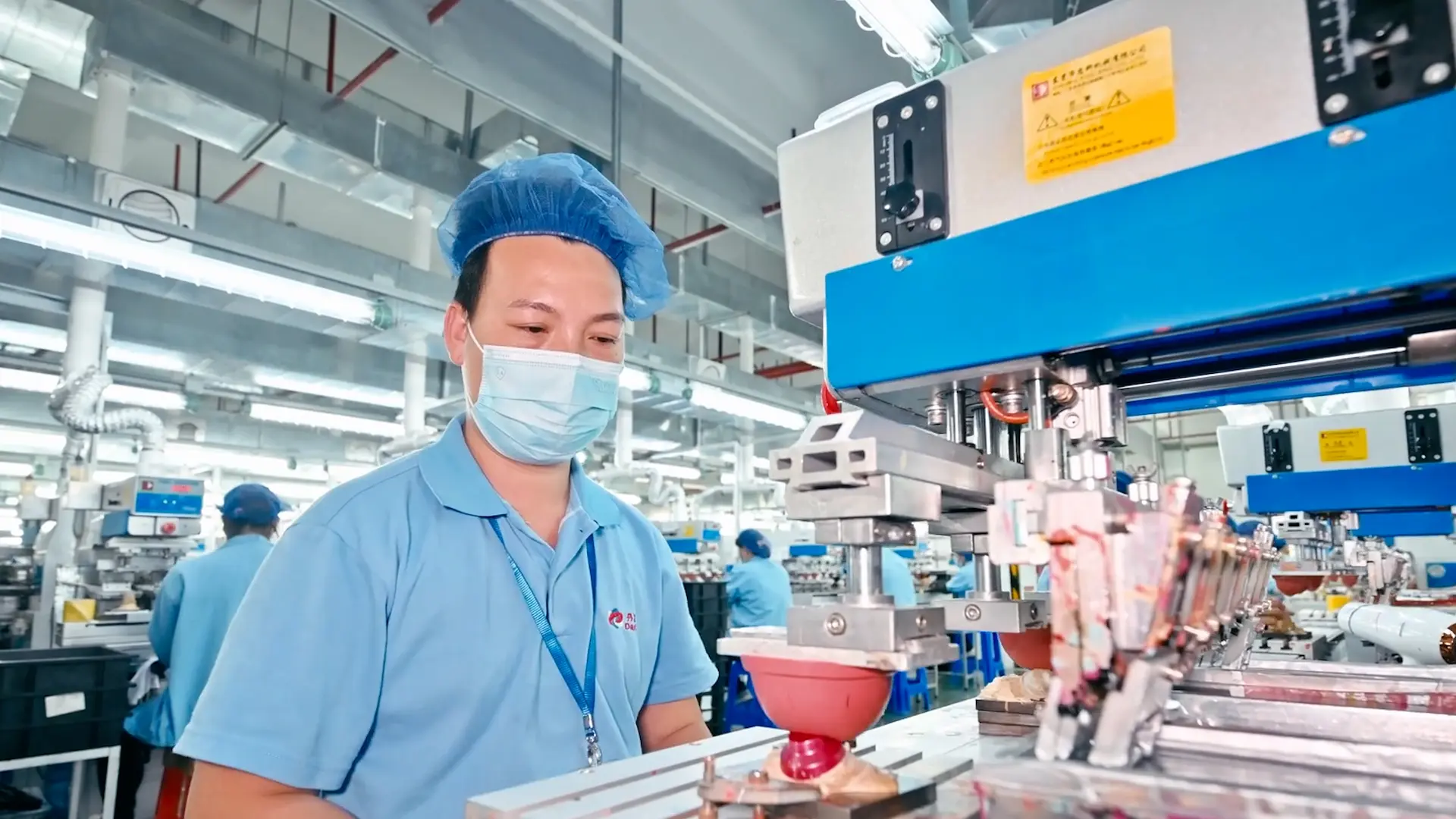
- Injection molding + painting and printing: Adding color variation, facial details, and decorative surface effects.
These combinations can expand product development possibilities, but they also increase the complexity of component fit, assembly, quality assurance, and supply chain management.
Electronic products, for example, require consideration of battery retention, wiring, functional testing, and applicable regulations. Products combining plush and rigid components require appropriate connection strength, sewing methods, and safety assessment.
For brands with established IP, clear designs, substantial volume requirements, and ongoing replenishment plans, PVC/ABS injection molding is often worth evaluating first. This recommendation assumes that the expected order volume can support the upfront investment and that the product design is suitable for injection molding.
3. Resin Statues: Why Does Resin Remain Important for Premium Collectibles?
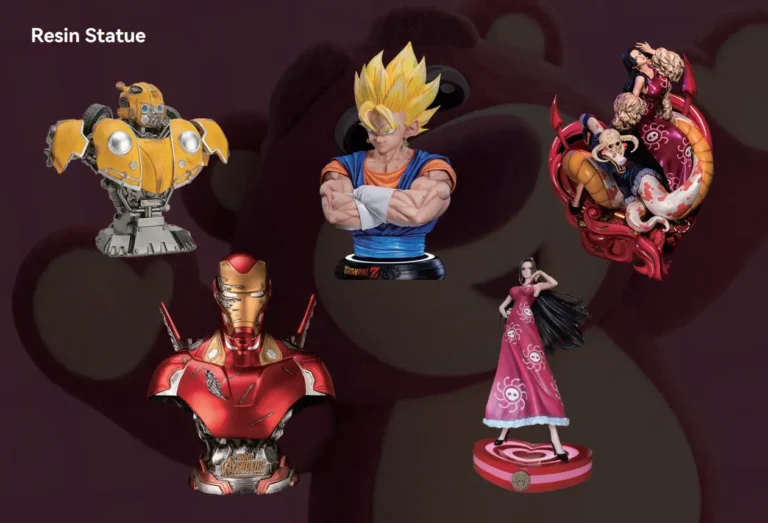
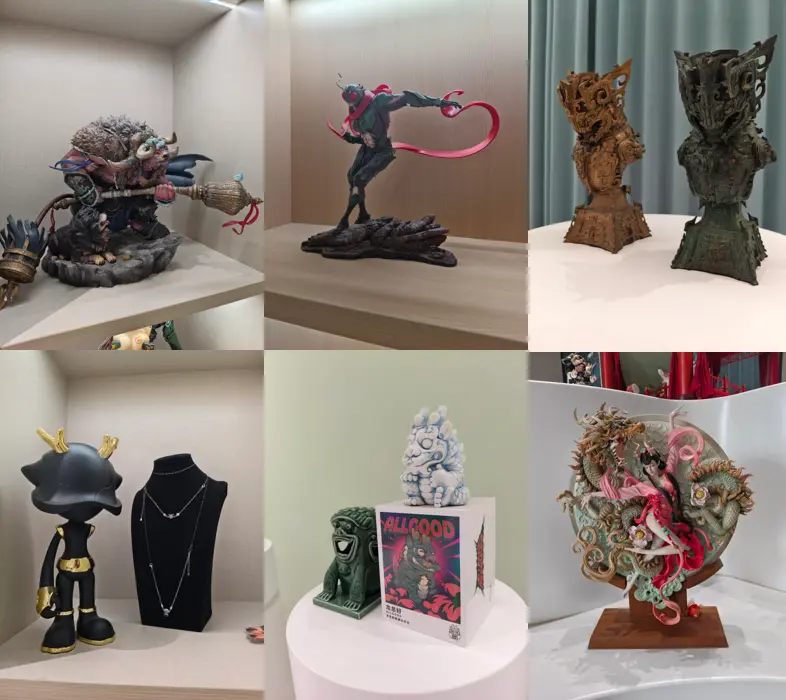
If injection molding is primarily associated with repeatable production and scale, resin statues often derive their value from product positioning, sculptural detail, surface finishing, and display appeal.
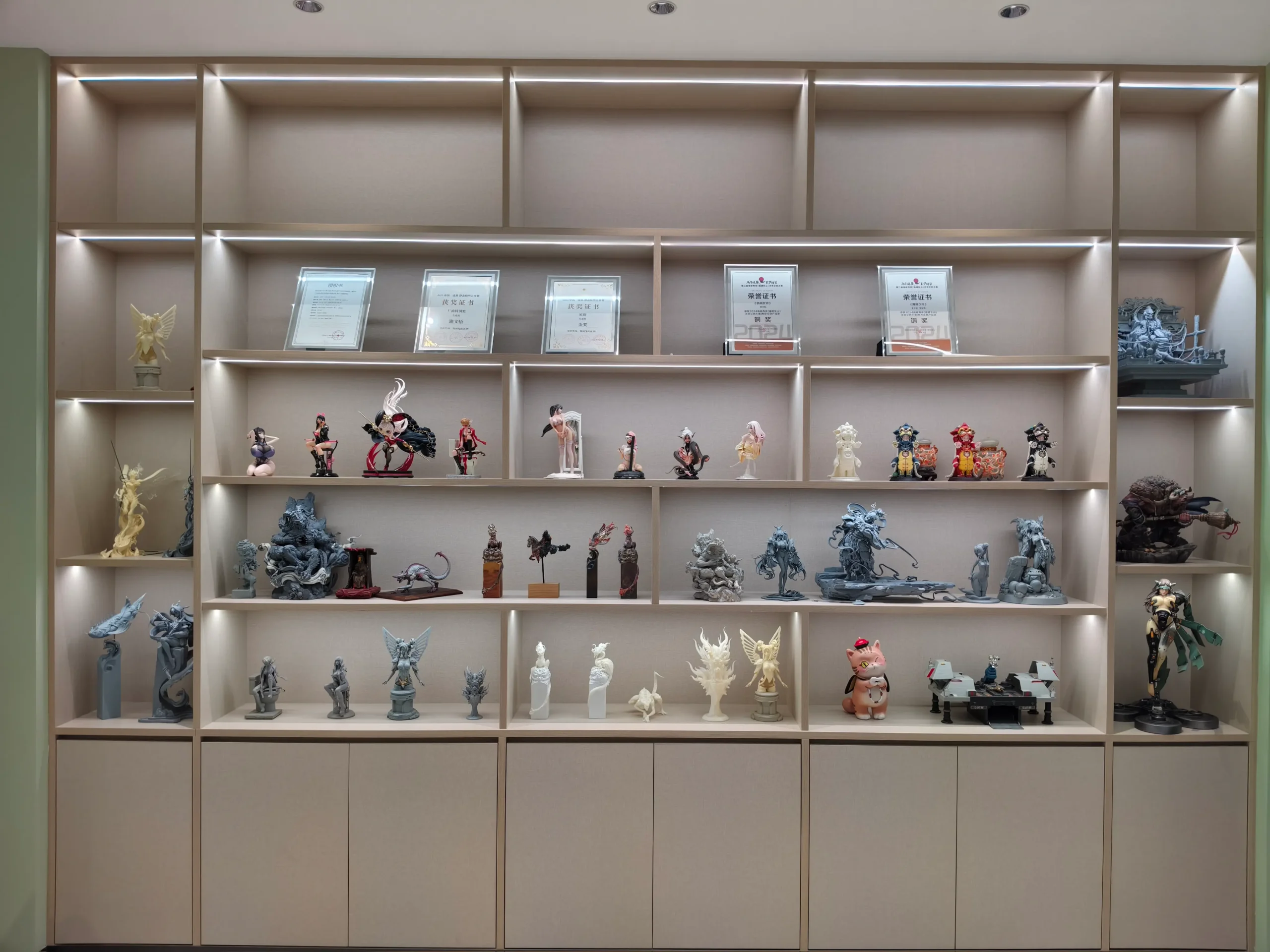
Resin collectibles are commonly developed for video game IP, anime, movie characters, artist-designed products, and other premium collectible lines.
Unlike standardized toys designed primarily for rapid production, resin statues often place greater emphasis on visual presentation, intricate details, and display value.
3.1 Why Is Resin Suitable for Detailed Collectible Statues?
Resin is not a single material. The resin system and associated manufacturing process are selected according to the product’s requirements.
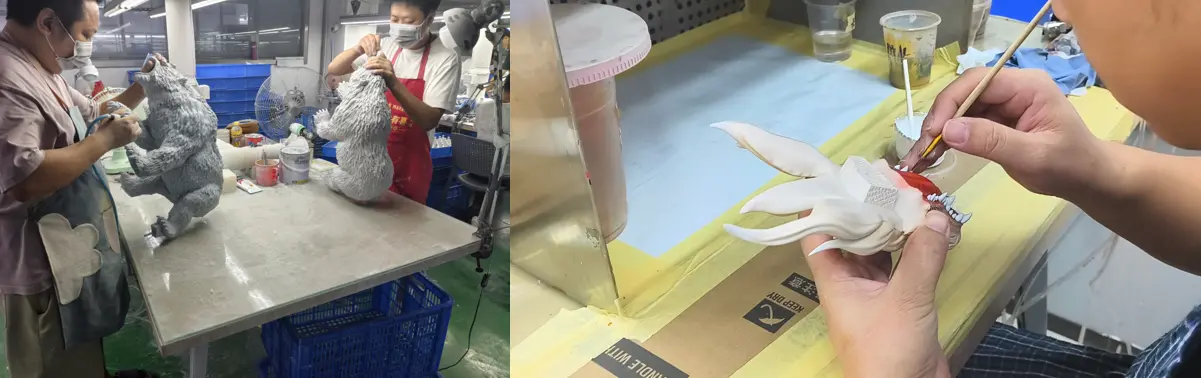
A typical resin statue production process may include 3D development, prototype creation, silicone mold making, resin casting, trimming, sanding, priming, painting, assembly, and final inspection.
This process can accommodate a wide range of complex shapes, including clothing textures, hair details, armor, weapons, scenic bases, and elaborate character poses.
For products that are large, structurally complex, or designed primarily for display, resin casting can offer an attractive manufacturing option.
However, resin does not automatically produce finer details than injection molding. The final result depends on the original sculpt, prototype accuracy, mold quality, casting process, surface preparation, and painting capability.
Injection molding can also reproduce highly detailed products when supported by precision steel tooling.
The distinction is not simply that resin is detailed while injection molding is less detailed. Rather, the two processes differ in tooling investment, production methods, structural design, and the economics of scale.
3.2 Why Can Resin Statues Have Higher Unit Costs?
Resin statues often require a significant amount of manual work.
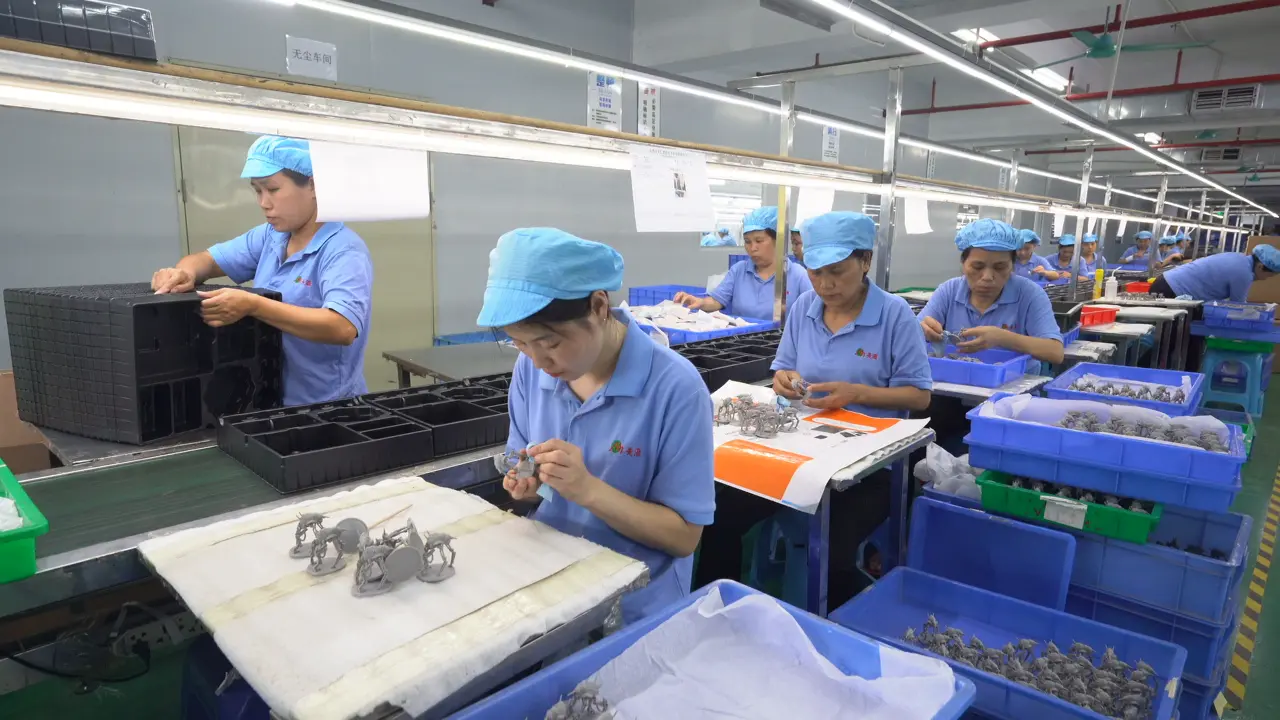
After casting, components may need to be trimmed, seams removed, surfaces sanded, bubbles or imperfections addressed, and multiple layers of paint applied before assembly.
If a statue includes a complex base, numerous accessories, multiple color zones, or demanding surface finishes, the manufacturer must invest more labor in processing and inspection.
As a result, even when resin tooling costs less than a complex steel injection mold, the unit manufacturing cost may be relatively high.
Nevertheless, resin is not always more expensive than injection molding. For a very small production run, resin may be more economical because the initial tooling investment is lower. For large, complex products requiring substantial manual finishing, resin unit costs can also rise considerably.
Brands should therefore look beyond the question, “How much does one resin statue cost?” Important considerations include:
- Overall product height, weight, and number of components.
- Prototype development and mold costs.
- Sculptural detail and painting requirements.
- Labor time required for each unit.
- Protective packaging and transportation requirements.
- Initial order quantity and future replenishment plans.
If a brand intends to develop a premium video game statue or limited collectible, resin may be a suitable choice. If the goal is to sell tens of thousands of units at a relatively accessible retail price, the total cost should be carefully compared with injection molding.
3.3 What Order Volumes Are Suitable for Resin?
One advantage of resin casting is its flexibility for relatively small production runs, particularly when demand has not yet reached mass-market scale but a clear target customer base exists.
For example, a video game company may want to launch a highly detailed protagonist statue through its official store, a limited collectible line, or a targeted market release.
For this type of project, the brand may prioritize sculptural presentation, retail positioning, and collector appeal rather than the lowest possible unit manufacturing cost.
However, small-batch resin production is not cost-free. Prototyping, mold making, color approval, process preparation, and packaging development all require investment. The smaller the order, the greater the proportion of upfront costs allocated to each unit is likely to be.
Resin products also require careful attention to weight, fragile features, and packaging design. Complex weapons, thin protruding components, decorative details, and large bases may create additional risks during manufacturing, assembly, or transportation.
For brands, the objective is to align the retail price with manufacturing costs while defining acceptable details, structural requirements, packaging, and quality standards early in development.
3.4 Is Resin the Right Choice for Every Premium IP?
Not necessarily.
A premium IP can support resin statues, but the appropriate manufacturing process still depends on the product’s positioning and commercial objectives.
If the product’s core value lies in character accuracy, elaborate poses, detailed painting, and limited-edition display appeal, resin is worth evaluating.
If the brand wants to develop an accessible, repeatable product line with standardized structures and large production volumes, injection molding may be more appropriate.
Another option is to use different processes for different product tiers within the same IP. A brand might develop a premium resin statue alongside more accessible injection-molded figures.
This is not simply a competition between materials. It is a product portfolio strategy in which different manufacturing processes serve different customer groups and sales channels.
4. Soft Vinyl (Sofubi): Why Does It Remain Relevant for Designer Toys and Character Collectibles?
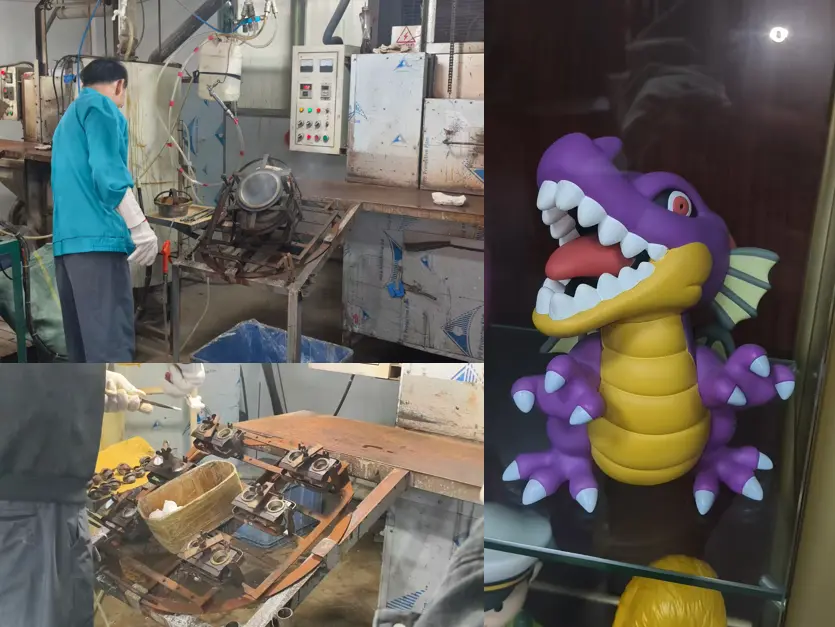
Soft vinyl generally refers to a rotational molding process using flexible PVC. In the designer toy market, the terms “soft vinyl” and “Sofubi” are also widely used.
Its forming process differs from injection molding, and it is commonly used for hollow character toys, designer collectibles, and selected product styles.
Soft vinyl’s value is not limited to tooling costs. For characters with rounded silhouettes, distinctive proportions, relatively large forms, or a particular design language, it can offer a suitable manufacturing route.
4.1 How Are Soft Vinyl Toys Manufactured?
Soft vinyl production generally begins with a mold designed around the intended product shape. Copper molds are a common option, although mold material, structure, and cost depend on product size, complexity, and the manufacturer’s process.
In a typical rotational molding process, a measured quantity of liquid PVC is introduced into the mold. The mold is then heated and rotated so that the material gradually forms a hollow shell along its internal surfaces.
After the required heating and cooling stages, the product is removed from the mold and proceeds to trimming, surface finishing, painting, and assembly as needed.
This differs from injection molding. Injection molding typically forces molten material into a mold cavity under controlled conditions, while soft vinyl rotational molding relies on rotation and heat to form the product wall.
Because the forming methods and resulting structures differ, soft vinyl is particularly suitable for certain hollow character shapes, but it is not the best option for every collectible figure.
4.2 Why Can Soft Vinyl Tooling Require Less Initial Investment?
Compared with some injection-molded projects that require complex steel molds for multiple components, soft vinyl tooling may involve a lower initial investment.
This can make it attractive for brands developing distinctive designer toys or character collectibles.
However, a lower copper mold cost does not automatically mean that the entire soft vinyl project will be cheaper than injection molding.
Total costs also depend on the number of molds, product dimensions, material consumption, production cycle, manual demolding, finishing, painting, assembly, and quality control.
If the product has a particularly complex structure, extensive color requirements, or a large order volume, the actual quotation and long-term manufacturing costs should still be compared carefully.
The correct approach is to compare the total project cost rather than tooling prices alone.
4.3 Why Can Soft Vinyl Products Show Some Dimensional or Surface Variation?
Soft vinyl manufacturing involves process parameters and manual operations that can influence the final product.
Material quantity, heating time, rotation conditions, cooling, demolding, and finishing can all affect the result.
For example, wall thickness in different areas may be influenced by material distribution and process conditions. Manual trimming and painting can also introduce minor differences.
This does not mean that soft vinyl products necessarily have serious quality problems. It means that brands should establish clear quality standards during development and control variation through sample approval and production inspection.
Useful quality control measures include:
- Defining critical dimensions and acceptable tolerances.
- Establishing reasonable standards for wall thickness, weight, and appearance.
- Standardizing material formulations and key process parameters.
- Setting approved references for color, paint, and surface finish.
- Defining acceptable cosmetic defects and rework requirements.
- Inspecting initial production units and subsequent batches.
These controls are particularly important for licensed collectibles, where character appearance, color, proportions, and overall consistency can directly affect brand approval.
4.4 Which Brand Projects Are Suitable for Soft Vinyl?
Soft vinyl can be suitable for projects whose designs, structures, and cost targets align with its manufacturing characteristics, including:
- Designer toys and original character collectibles.
- Characters with rounded, exaggerated, or distinctive proportions.
- Products that benefit from hollow construction and specific tactile characteristics.
- Character toys that can combine soft vinyl with other components.
- Brands exploring a different visual style from conventional injection-molded figures.
The appropriate order quantity depends on product size, mold structure, production method, and factory capability. Soft vinyl can support substantial production volumes in suitable applications, but labor requirements, cycle times, and finishing operations continue to affect total output.
Soft vinyl should therefore not be described simply as “cheaper injection molding.” Nor should material and tooling costs alone determine whether it is the right choice.
The more useful questions are whether the design suits the process, whether the expected order volume is reasonable, and whether the final manufacturing cost supports the intended retail price.
5. PVC/ABS Injection Molding vs. Resin vs. Soft Vinyl: Which Is Right for Your Project?
This is one of the most important decisions in collectible toy development.
Each process has its own strengths, but there is no universal ranking that applies to every product. Even within the same IP, product size, retail positioning, order volume, and detail requirements may lead to different manufacturing choices.
Comparing the Three Manufacturing Processes
| Comparison | PVC/ABS Injection Molding | Resin Casting | Soft Vinyl |
|---|---|---|---|
| Typical tooling | Steel molds | Silicone molds or other project-specific tooling | Copper molds or other suitable tooling |
| Initial investment | Generally higher | Generally low to moderate | May be lower than complex steel tooling |
| Production characteristics | High automation potential; suitable for repeat production | Often involves more manual labor | Combines rotational molding with manual finishing |
| Unit cost | Usually more competitive at higher volumes | Manual processing may increase unit cost | Depends on size, material use, and labor |
| Product characteristics | Precise structures, repeatability, and varied finishing options | Complex sculptural forms and display statues | Selected hollow forms and designer toy styles |
| Main cost risks | Tooling investment and design revisions | Labor, rework, breakage, and packaging | Cycle time, manual operations, and dimensional control |
| Replenishment potential | Generally strong once tooling and processes are stable | Depends on mold condition and available labor | Depends on tooling, cycle time, and finishing capacity |
| Common applications | Mass-market figures, collectible series, functional toys | Premium statues and artistic collectibles | Designer toys and selected character collectibles |
5.1 If You Plan to Produce Tens of Thousands of Units, What Should You Consider First?
If a brand has an established IP, a finalized design, and a reasonably reliable demand forecast, and plans to produce tens of thousands of units, PVC/ABS injection molding is generally worth evaluating first.
Once the tooling is completed and validated, production can distribute the upfront investment across a large number of units. If the product requires multiple replenishment runs, stable tooling and production processes can also help maintain consistency.
However, volume alone is not the deciding factor. A large, complex figure may require multiple molds, extensive finishing, and a longer development cycle. Even for large orders, tooling requirements, component count, product complexity, and retail positioning must be considered.
5.2 What If You Plan to Produce Only a Few Hundred Premium Statues?
For a premium collectible statue with a production run of a few hundred units, resin may be worth considering, particularly when the product emphasizes complex sculpting, display quality, and collector appeal.
A relatively flexible tooling approach can reduce some upfront investment, but the brand must account for manual production costs and ensure that the intended retail price supports the full project economics.
If the product may later expand into multiple characters, sizes, or replenishment runs, it is also worth comparing long-term manufacturing costs during the initial development stage rather than selecting a process solely on the first order.
5.3 Should Designer Toys Be Made from Soft Vinyl?
If a product’s shape is suitable for hollow construction and the brand wants to achieve a particular volume, silhouette, or design style, soft vinyl may offer advantages.
However, designs requiring complex precision assembly, multiple functional structures, or specific rigidity requirements may be better suited to injection molding or a combination of processes.
Brands should provide 3D files, reference images, dimensions, and estimated quantities so that the manufacturer can assess manufacturability before the final process is selected.
5.4 Is a Combination of Manufacturing Processes Better?
For some complex collectibles, it can be.
A character’s main body might be injection molded, while selected display components use another suitable material. Alternatively, rigid molded parts can be combined with plush components or electronic features to create a more differentiated product.
However, combining processes does not automatically reduce costs. It may increase the number of molds, supply chain stages, assembly time, and quality assurance requirements.
Combination manufacturing makes sense when the additional structure or functionality creates clear product value. If it improves the user experience or strengthens the product’s competitive position, the additional manufacturing complexity may be justified.
6. Which Collectible Toy Development Opportunities Should Brands Watch in 2027?
The performance of licensed toys in 2026 highlights several directions worth investigating. However, it is important to distinguish between observed market growth and predictions about future material market share.
The following are commercial opportunities inferred from licensing trends and manufacturing characteristics, not statistical forecasts of the 2027 market share of individual materials.
6.1 Video Game IP: Turning Character Recognition into Collectible Product Lines
Video game IP remains an important area to consider for collectible product development. Characters, weapons, costumes, environments, and game worlds provide a foundation for products at different price points.
Brands may consider:
- PVC/ABS character figures designed for broader retail distribution.
- Premium resin statues with complex poses and display bases.
- Designer collectibles with distinctive character proportions.
- Electronic character products featuring lighting, sound, or other functions.
- Series-based product lines featuring multiple characters and sizes.
For video game companies, the challenge is not simply selecting a popular character. It is building a product portfolio that fits the needs of different fan groups.
A product intended for a broad consumer audience may have very different pricing, quantity, and manufacturing requirements from a premium statue intended for dedicated collectors.
6.2 Movie, Anime, and Streaming IP: Plan for Launch Timing and Replenishment
Movie releases, streaming launches, and changes in character popularity can increase interest in licensed toys.
However, these opportunities may also be time-sensitive. If a brand cannot complete development and production within the appropriate launch window, it may miss an important sales opportunity.
Brands should therefore confirm designs, licensing approvals, target quantities, tooling development, and mass-production schedules as early as possible. Replenishment arrangements should also be discussed with the manufacturer.
Injection molding may offer scalable production for established designs, while resin may suit certain limited-edition statues. Soft vinyl can also be considered for characters whose designs align with its manufacturing characteristics.
No manufacturing process automatically solves launch-timing challenges. Design maturity, tooling complexity, approval procedures, and production planning remain equally important.
6.3 Premium Collectibles: Focus on Product Value Rather Than Cost Alone
Premium collectibles often emphasize sculpting, detail, paint quality, display appeal, and the overall collecting experience.
Resin statues can serve some premium product lines, but brands must still consider manufacturing costs, protective packaging, shipping weight, and retail positioning.
If a brand wants to develop a product ladder ranging from entry-level figures to premium statues, different manufacturing processes can be assigned to different product tiers instead of requiring one material to serve every purpose.
6.4 Designer Toys: Match the Material to the Design Language
Designer toys often emphasize proportions, recognizable silhouettes, color combinations, and distinctive visual styles.
For characters suited to hollow construction, soft vinyl may offer a practical route. For products requiring precise structures and repeatability at larger volumes, injection molding may be more suitable.
The design’s defining characteristics should guide the choice of manufacturing process.
6.5 Electronic and Multi-Material Products: Create Differentiation While Controlling Complexity
When competing products begin to look similar, brands may seek differentiation through lighting, sound, plush components, or combinations of soft and rigid materials.
Every additional material or function, however, may introduce engineering requirements.
Electronic features can require wiring, batteries, functional testing, and regulatory assessment. Multi-material products require careful consideration of component fit, assembly, and quality control.
Differentiated product development should therefore include a manufacturing feasibility review at the concept stage. This helps prevent situations where a completed design turns out to be too expensive or difficult to manufacture.
7. How Should Brands Plan MOQ, Tooling, and Production Costs for 2027?
For B2B custom toy projects, minimum order quantity (MOQ) is only one part of the purchasing decision.
More importantly, the expected order volume must support tooling investment, production efficiency, quality requirements, and the target retail price.
7.1 Evaluate Total Project Costs, Not Just the Unit Price
When requesting a quotation, brands should provide as much of the following information as possible:
- Product drawings, 3D files, or clear reference images.
- Product dimensions, estimated weight, and main structural features.
- Preferred materials or the intended appearance.
- Expected initial order quantity and future replenishment plans.
- Painting, printing, electronic functionality, and packaging requirements.
- Target launch date and relevant market compliance requirements.
This information helps the manufacturer assess feasibility and estimate tooling, engineering, production, and finishing costs more accurately.
If the only information available is a concept image without dimensions, quantities, or product positioning, any unit quotation is likely to involve considerable uncertainty.
7.2 How Should MOQ Be Evaluated?
The minimum economical production quantity can differ substantially between manufacturing processes. The following figures are intended as preliminary project-screening references, not universal industry standards.
- Resin statues: For some projects, an order of several hundred units may be a reasonable starting point for discussion. Product size, complexity, painting requirements, and labor time will affect feasibility.
- PVC/ABS injection molding: The relationship between steel tooling investment and expected total production volume should be assessed carefully. For complex products, orders of several thousand units or more may make it easier to distribute the initial investment.
- Soft vinyl: The appropriate quantity depends on product size, mold requirements, production cycle, and finishing labor. Tooling cost alone is not enough to determine the minimum economical volume.
As a preliminary project-evaluation guideline, MIHOX may discuss resin projects starting at approximately 500 units.
PVC/ABS injection molding and soft vinyl projects are generally worth evaluating at quantities of approximately 3,000 units or more, depending on the product.
These figures are initial evaluation references, not guarantees that every project can be accepted at those quantities. Final feasibility depends on the actual design, tooling, and production plan.
7.3 Why Is Design Confirmation So Important?
Tooling is often a major upfront investment in custom toy manufacturing. If the product’s proportions, structure, or parting design change repeatedly after tooling begins, the molds may need modification or some components may require new tooling.
This increases costs and can extend sample approval and production schedules.
Brands should therefore confirm key design elements before tooling begins, including dimensions, proportions, part separation, color zones, assembly methods, and functional requirements.
For licensed products, the sequence of IP approval and engineering development should also be planned carefully.
The earlier the design and manufacturing process are evaluated, the greater the opportunity to reduce avoidable rework and delays.
7.4 How Can Brands Maintain Consistency Between Approved Samples and Mass Production?
Sample approval is an important part of quality management, but it does not eliminate the need for production inspection.
Brands and manufacturers should establish practical quality standards at the beginning of the project, including:
- Critical dimensions and acceptable tolerances.
- Color references, paint finishes, and printing positions.
- Assembly, connection strength, and functional requirements.
- Acceptable cosmetic defect criteria.
- Packaging, transportation, and product protection requirements.
- Production inspection methods and procedures for handling nonconforming products.
For products intended for European markets, applicable toy safety, chemical substance, and other regulatory requirements must be assessed according to the product’s intended use, target age group, and destination market.
A material name or a single supplier certificate does not, by itself, establish that the finished product complies with every applicable requirement.
For licensed products, brands must also ensure that they have the appropriate commercial development and manufacturing authorization and complete design approval and quality procedures required by the licensor.
8. How Can Brands Choose a Reliable Custom Collectible Toy Manufacturer?
For projects involving tooling investment, licensing approval, and mass production, unit price is only one consideration.
Brands should also understand the manufacturer’s engineering capabilities, production management, and quality control processes.
8.1 Does the Supplier Have Manufacturing Capabilities Relevant to the Project?
Brands should establish whether the supplier is an actual manufacturer or primarily a sourcing intermediary that subcontracts production.
If the project requires injection molding, resin casting, soft vinyl, or electronic integration, ask which facility performs each process, where production takes place, and how quality is controlled across different stages.
For complex projects, a manufacturer that can explain tooling decisions, engineering risks, and mass-production requirements can help identify problems earlier.
8.2 Can the Supplier Provide Clear Factory and Quality Management Information?
Brands can request information about the manufacturing entity, actual production address, quality management systems, and relevant audit or certification documents.
Documents should be checked for validity, holder, scope, and applicability to the specific factory involved in the project.
If the project involves licensed brands, any relevant authorization or factory audit documentation should be verified for the intended product and production location.
A logo displayed on a website should not be treated as sufficient evidence of supplier qualifications. Where necessary, documents and production arrangements should be independently verified.
8.3 Will the Manufacturer Discuss Engineering Feasibility Before Tooling?
A capable manufacturer should do more than simply confirm that a product can be made. It should also identify potential design risks.
For example, thin components may require structural adjustments, deep recesses may increase tooling and molding difficulty, complex painting may significantly increase labor costs, and electronic functions may require additional space and testing.
Identifying these issues early makes it easier to control project budgets and schedules.
8.4 Can the Supplier Support Mass Production and Future Replenishment?
For brands building a long-term product line around a licensed character, the first order is not the end of the project.
Brands should understand whether the supplier can maintain tooling records, track materials and production batches, follow approved quality standards, and reproduce the agreed specifications in subsequent orders.
These capabilities are especially important for brands managing multiple characters, launching new product series, or replenishing inventory in response to market demand.
9. MIHOX: Custom Collectible Toy Manufacturing for Global Brands
MIHOX is the international marketing, communications, and factory-promotion platform of New Miho Future Cultural & Creative Co., Ltd.
MIHOX focuses on helping global brands, IP owners, video game companies, designers, and collectible product development teams evaluate manufacturing capabilities and discuss custom production projects with relevant manufacturing facilities.
Our focus is not the sale of ready-made catalog products. Instead, we help international customers understand manufacturing capabilities, assess custom projects, and explore suitable development and mass-production solutions.
Depending on the product’s positioning, projects can be evaluated across several manufacturing routes:
- PVC/ABS injection molding: Suitable for collectible toy projects requiring tooling development, precise structures, bulk production, and potential replenishment.
- Resin casting: Suitable for selected custom projects that prioritize sculptural detail, display quality, and a particular collectible positioning.
- Soft vinyl: Suitable for designer toys and character collectibles whose designs align with rotational molding.
- Combination manufacturing: Depending on the design, projects may combine injection molding, plush components, electronics, painting, and other processes.
The right manufacturing process for each project should be evaluated according to design files, product dimensions, estimated quantities, target costs, and launch schedules.
We do not recommend choosing a manufacturing process solely by material name or the lowest quotation when key project information is missing.
For brands planning new product launches in 2027, early engineering evaluation can help clarify material selection, tooling requirements, sample standards, and production quantities. This can reduce avoidable design revisions and improve preparation for mass production and future replenishment.
Start Your 2027 Collectible Project with MIHOX
If you are developing video game figures, licensed character statues, PVC/ABS collectibles, resin statues, or soft vinyl designer toys, contact MIHOX with your existing design files, product dimensions, estimated order quantity, and target launch date.
Our team can then discuss potential manufacturing processes, tooling approaches, and production feasibility based on your project requirements.
10. Frequently Asked Questions About Custom Collectible Toy Manufacturing
No single process is suitable for every collectible figure. PVC/ABS injection molding is generally appropriate for larger production runs, consistent structures, and ongoing replenishment. Resin can suit statues emphasizing detail and display value, while soft vinyl is suitable for selected character designs that work well with hollow rotational molding. The final choice depends on design, target retail price, order quantity, and tooling budget.
Not always, but injection molding is more likely to deliver economies of scale when tooling investment can be distributed across sufficient production volume, the design is suitable for molding, and the production process is stable. A proper comparison should include tooling, materials, molding, painting, assembly, packaging, and quality control rather than unit price alone.
MOQ depends on product size, tooling requirements, complexity, labor time, and the manufacturer’s production arrangements. Some resin projects can be evaluated at quantities of several hundred units, while injection-molded and soft vinyl projects require careful consideration of tooling investment and expected production volume. A universal MOQ should not be promised without reviewing the specific product requirements.
Steel tooling creates the external shape and internal structure of the product and supports repeatable molding under controlled conditions. Mold design, machining accuracy, cooling, venting, and maintenance all affect product quality. Steel molds can support repeated production, but consistent quality still requires process control and inspection.
Yes, provided that the design is engineered for the intended structure, materials, assembly, and applicable regulations. Combination manufacturing can create products with lighting, sound, or different tactile characteristics, but it may also increase engineering, testing, assembly, and quality control requirements. Component functions and connection methods should be defined before tooling begins.
Resin is worth considering for selected video game collectibles that emphasize character detail, display quality, and collector appeal. It may reduce some upfront tooling costs, but manual finishing, painting, packaging, and transportation protection still affect total cost. Suitability should be evaluated against the expected order quantity, target retail price, and product complexity.
Brands should verify the supplier’s actual manufacturing capabilities, factory information, quality management processes, relevant certification or audit documentation, engineering evaluation, sample approval, production inspection, and replenishment capabilities. Licensed projects also require appropriate authorization and confirmation that production arrangements meet the relevant requirements. Providing drawings, dimensions, estimated quantities, material preferences, and the target launch date helps the manufacturer evaluate the project more accurately.
Conclusion: The Key to 2027 Is Choosing the Right Manufacturing Process, Not Betting on One Material
European licensed toy sales grew by 20% in 2026, highlighting commercial opportunities around licensed characters, entertainment properties, and fan demand. However, these market figures do not prove that PVC/ABS injection molding, resin, or soft vinyl will necessarily become the leading material category in 2027.
From a manufacturing perspective, PVC/ABS injection molding offers advantages in scalable production and repeatability. Resin is suitable for selected collectible statues that prioritize sculptural detail and display value. Soft vinyl provides another manufacturing option for designer toys and character collectibles with suitable shapes and structures.
For brands, the most effective decision-making sequence is to define the target customer and product positioning, assess the suitability of each manufacturing process, calculate tooling investment and unit costs against expected volume, and then establish sample standards, production schedules, and replenishment plans.
The market identifies the opportunity. The design defines the product. The manufacturing process determines how the product is made. Realistic demand forecasts and cost calculations determine whether the project can succeed commercially.
If you are planning licensed figures, video game collectibles, or custom designer toys for 2027, contact MIHOX to discuss your product design, order volume, and potential manufacturing solutions.